The APS Film Format

Originally published in August 2009 – with an update in July 2025.

Harbor of Porsall, Britany (France). Minolta Vectis S1
Harbor of Portsall, Brittany (France). Minolta Vectis S1

In 1991, Kodak, Fuji, Canon, Minolta and Nikon started working on a new film format, designed to address all of the supposed shortcomings of the 135 (24x36mm) format and bring a new lease of life to film before its replacement by digital technologies.


The development of the new APS format took longer than expected, and APS was not launched before 1996.
Alas, digital cameras became viable earlier than when everybody had anticipated, and as early as 1998, the camera manufacturers had come to the conclusion that the APS format was a lost cause
.

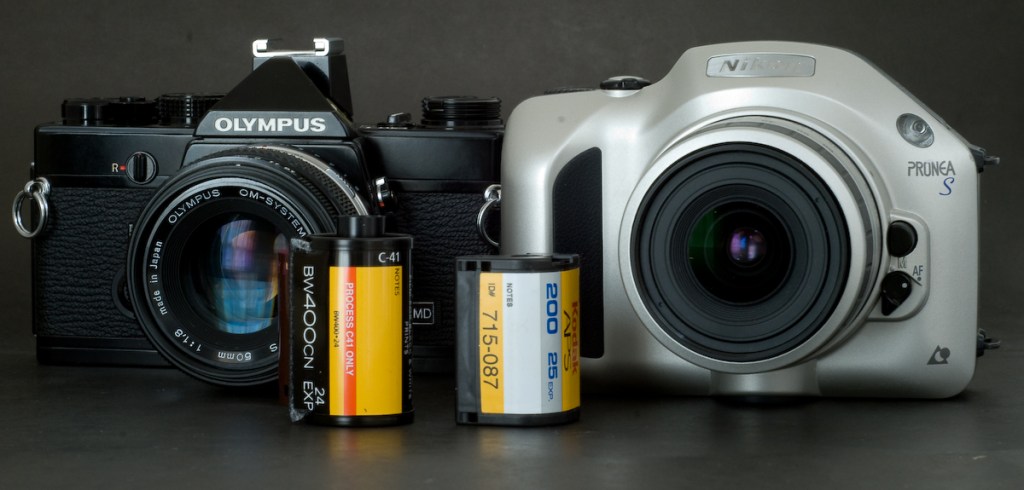
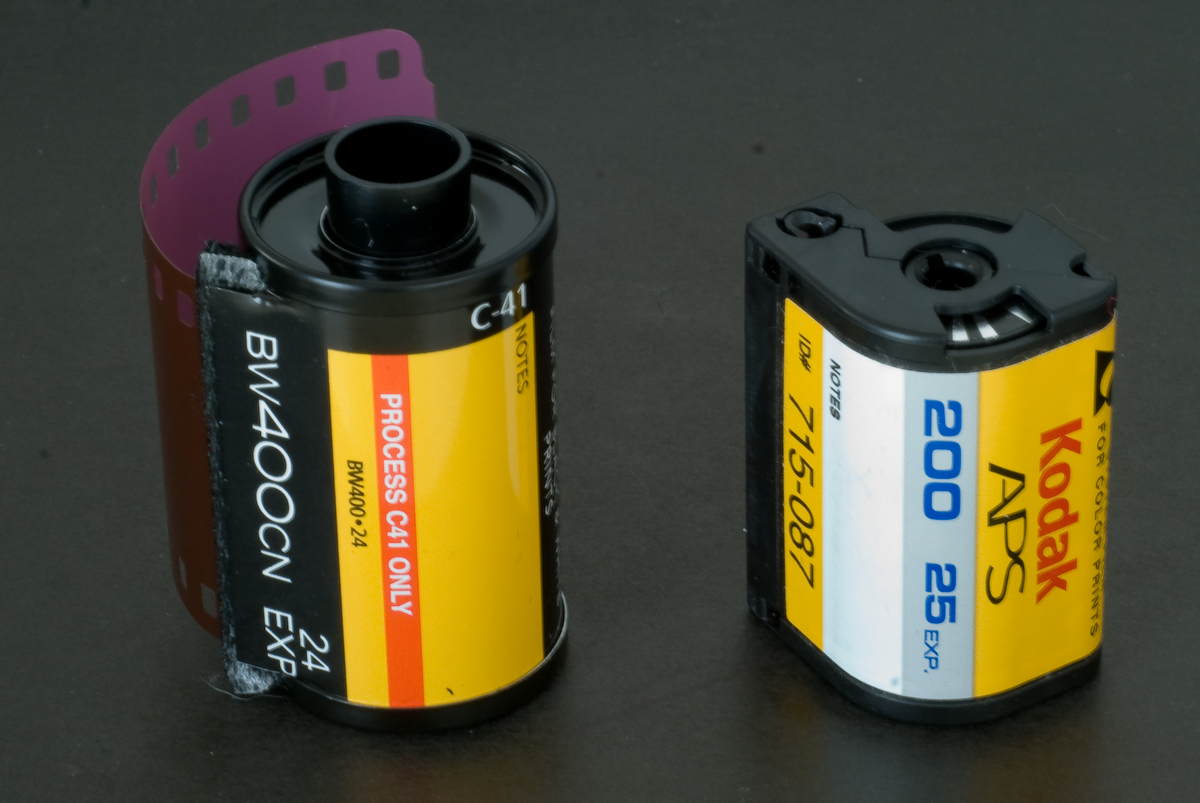
135 (24×36) and APS cartridges side by side. The APS cartridge is more “intelligent” than the conventional 135 film container. An icon at the bottom of the cartridge shows the status of the film (new, partially exposed, totally exposed, processed) and a magnetic strip at the back of the film records the camera’s setup and the user’s preferences, in particular the form factor of each print (APS-C, H or P)

The most emblematic APS camera, the Canon Elph (known as the Canon Ixus in Europe) was superseded by the first Digital Elph in Year 2000. In 2002, all the cameras manufacturers had reverted to 24x36mm or gone digital, and APS was dead.

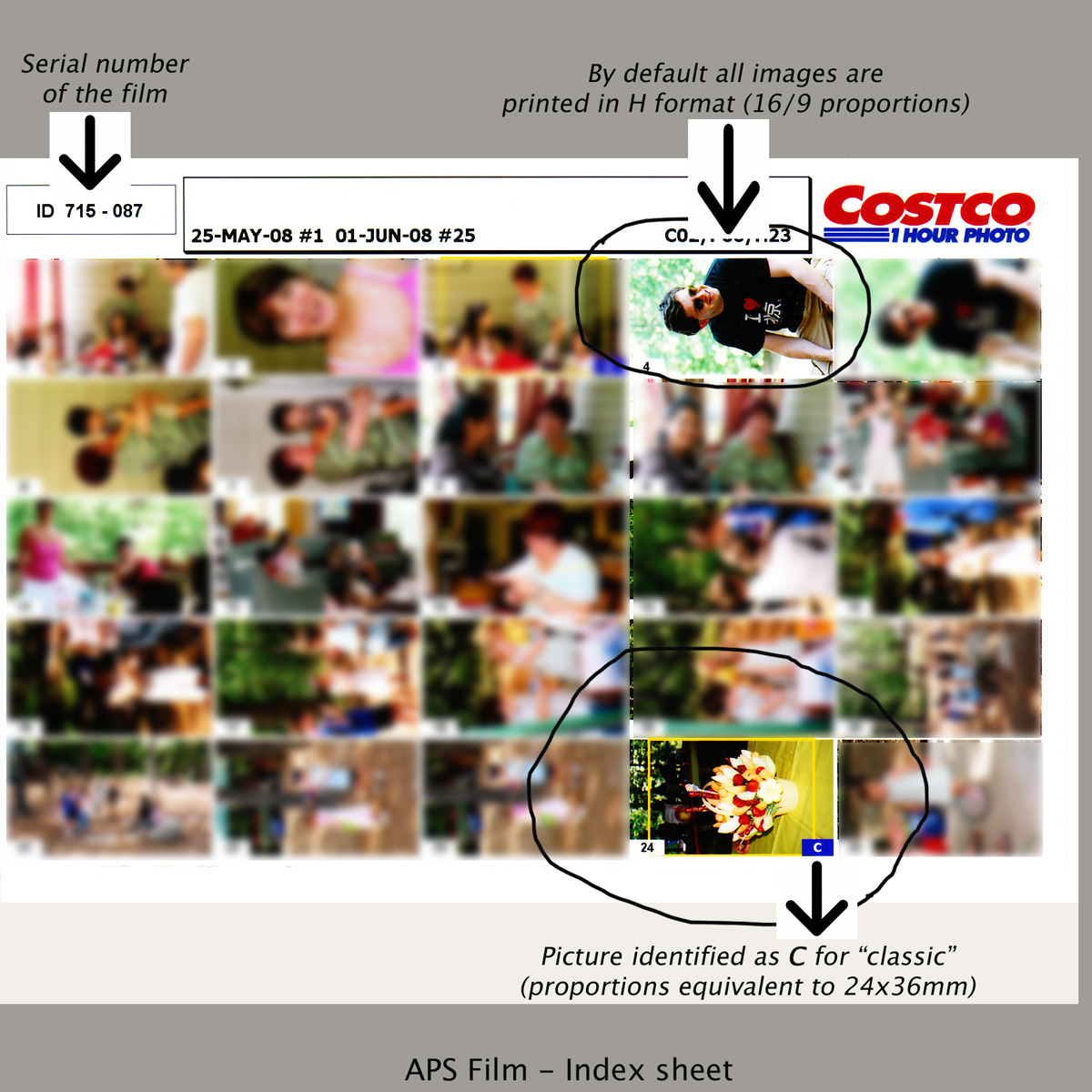
APS Index sheet – Costo – July 2008 – Index sheets were an APS innovation, soon available also to 24×36 film users. Note that some vignettes show crop lines. The images will be printed in the APS-C format (3×2 form factor). The other images will be printed in the default APS-H format (16×9 form factor). Another crop format, APS-P, was used for panoramic pictures, but is not represented on this index sheet.

Bad timing is often advanced as the main reason for the failure of APS, but it’s not the only one. Kodak, Fujifilm and the big processing labs in their orbit positioned APS as a premium product. Processing an APS roll was 50% more expensive than a 135 cartridge. Unfortunately the prints, although delivered in large and fancy boxes with index sheets, were generally not as good as what you could get with a conventional 24×36 camera. The smaller film format (the APS film surface area is only 56% of 135 film) and the decision to make 200 ISO the new standard film speed (amateur 135 film was usually 100 ISO) were primarily to blame for the lower quality of the prints.

To make the situation worse, APS cartridges once exposed were not that easy to get processed: Kodak and Fuji had left the small processing labs and the minilabs out of the APS equation, and the films had to be sent to a few big processing plants. As a result, it was impossible to get APS prints in less than 48 hours.

Lower quality, higher prices, less convenience… not a recipe for success. The price premium charged for APS prints disappeared over time, but the harm was done and APS never recovered. 


APS Cameras


When APS was launched, very few cameras stood out: most were a simple adaptation of tried and tested 24×36 designs to the particularities of the new film format. Canon is probably the only manufacturer who developed an original concept with the Elph/Ixus. The model was very successful, and its modern digital derivatives are still selling like hot cakes nowadays.

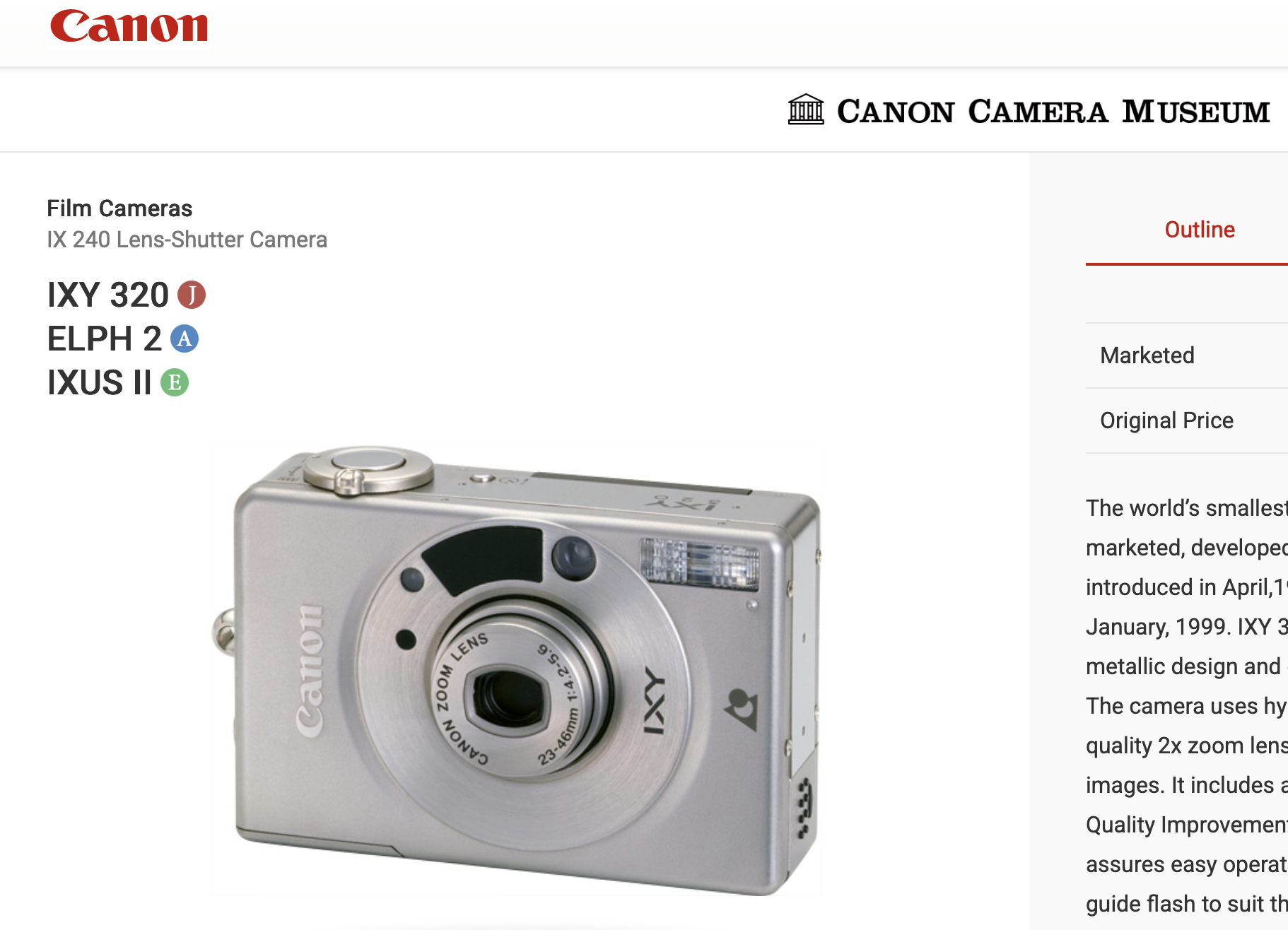
Canon’s Elph/Ixus/IXY – in my opinion, one of the only two interesting APS film cameras (the other one is the Vectis S-1) – from the Canon Camera Museum


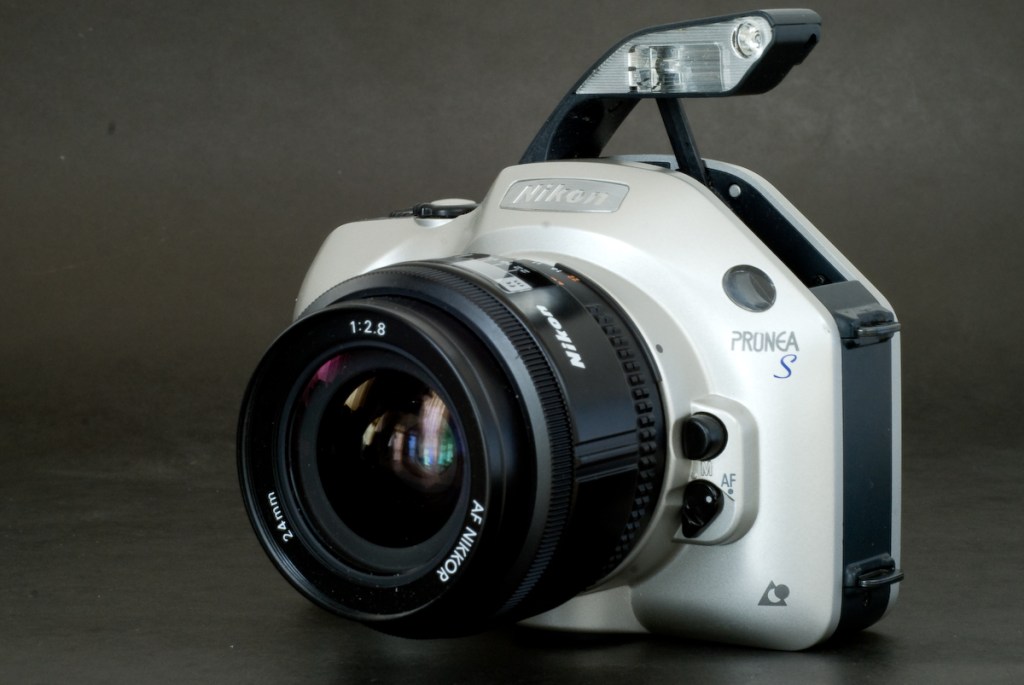
Canon, Minolta and Nikon also launched APS SLRs. Minolta bet (and lost) the farm on a brand new line of Vectis S cameras (new bodies, new lens mount, new lenses), while Nikon and Canon proposed a few dedicated APS lenses on two new bodies but retained the lens mount of their 24×36 product line.

In terms of features, the three manufacturers positioned their cameras above their entry level 24×36 SLRs and priced them like advanced amateur 24×36 models. Their high price, compounded with the inherent quality challenges presented by the small film surface and the absence of slide or black-and-white film greatly limited the impact of the APS SLRs on the enthusiast amateur market, and retailers soon tried to get rid of them at fire sale prices.

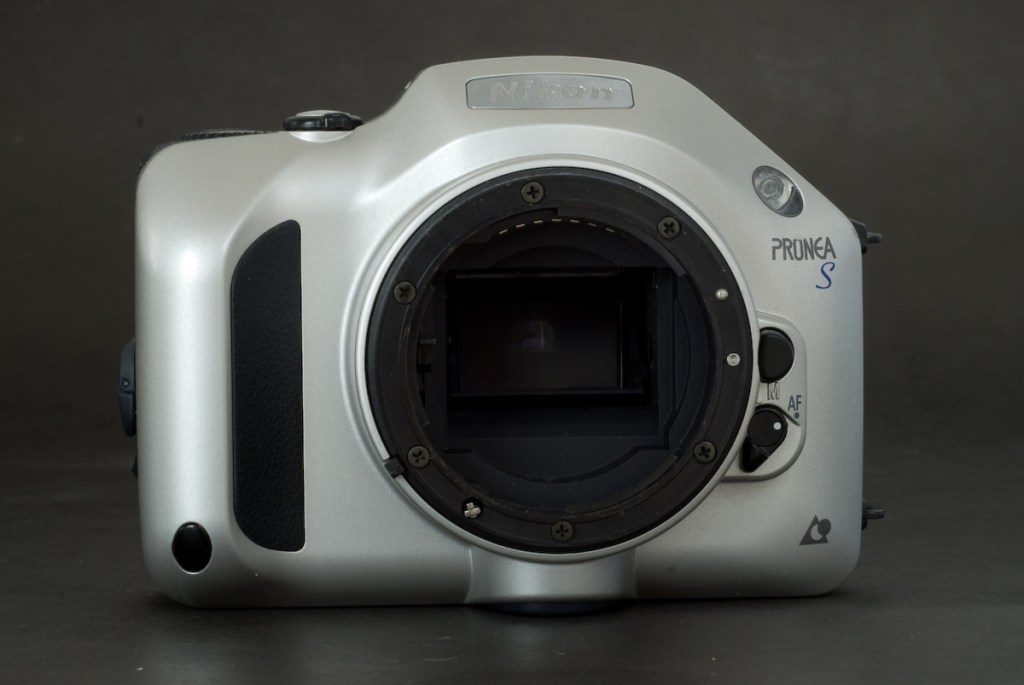
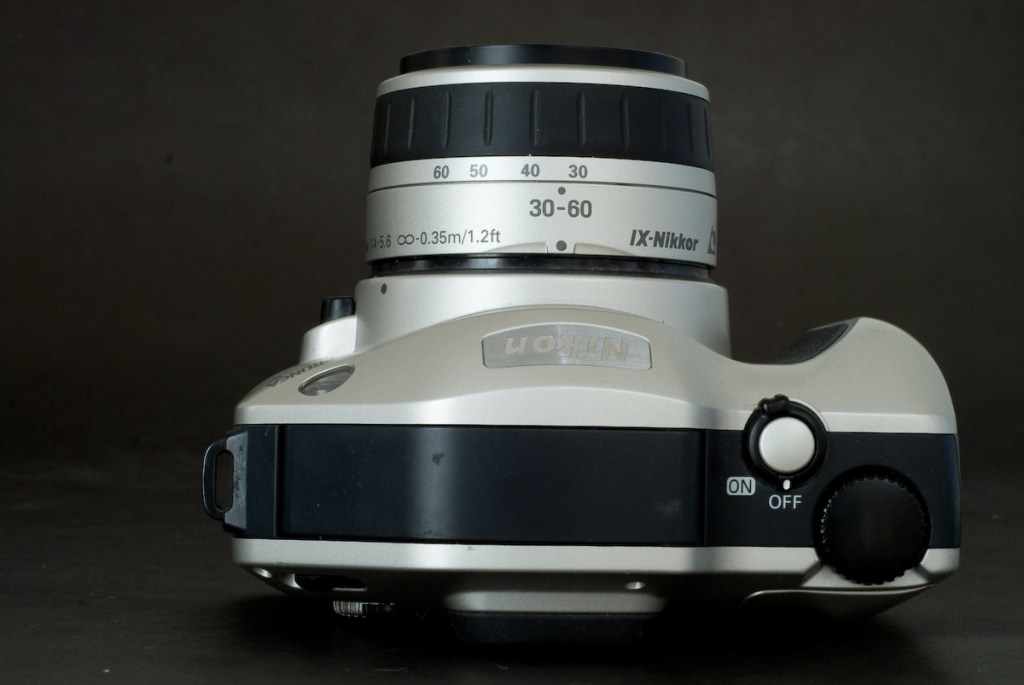
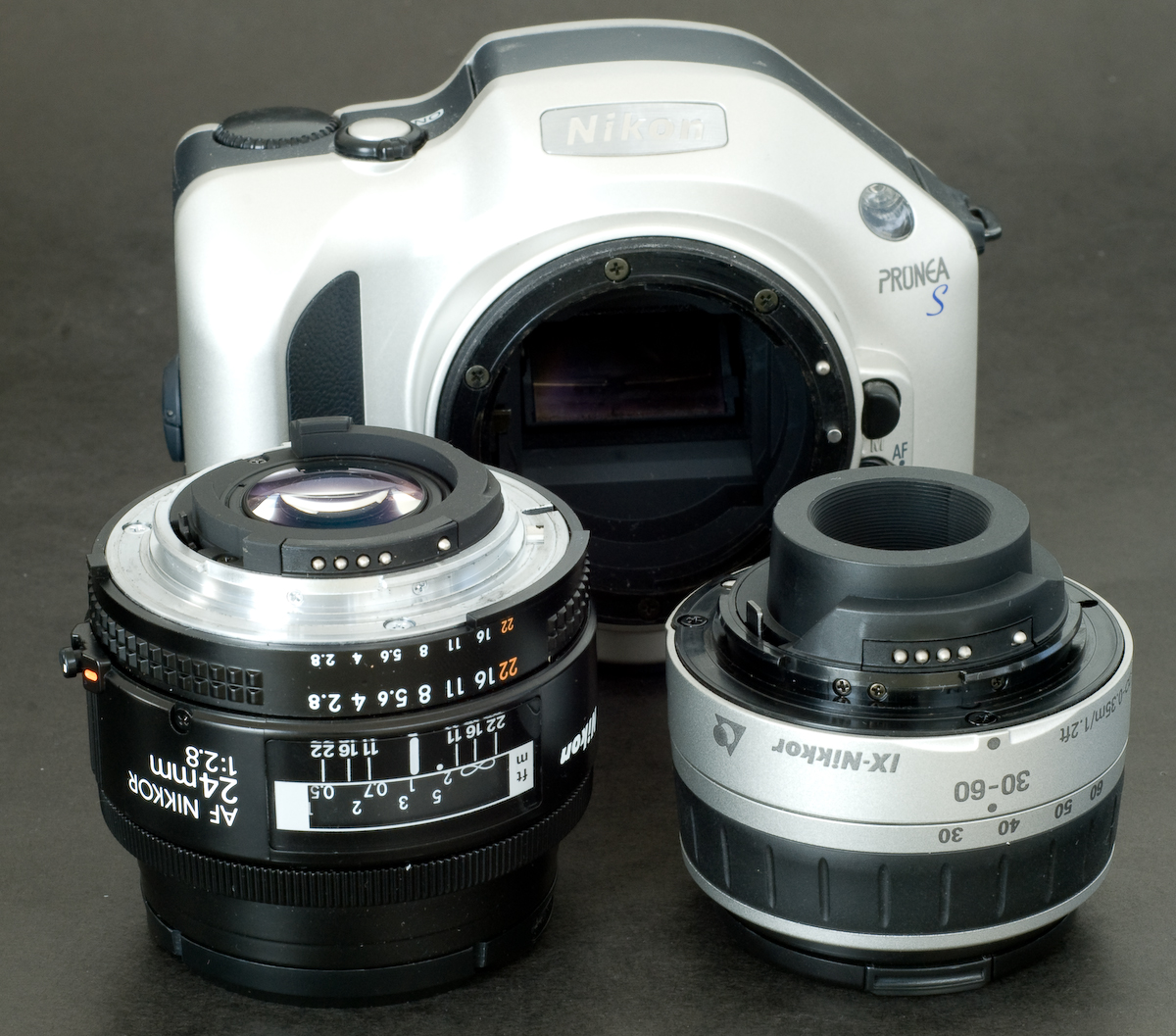
Nikon Pronea S – an APS SLR using the conventional Nikon F mount.


Buying an APS camera today – even for a few dollars – is a very bad investment. While it’s very likely that 135 film will still be used and processed for many years to come, the future of APS is dimmer. The user base was never that large to begin with, and the category of users which composed the APS constituency has migrated to digital by now.


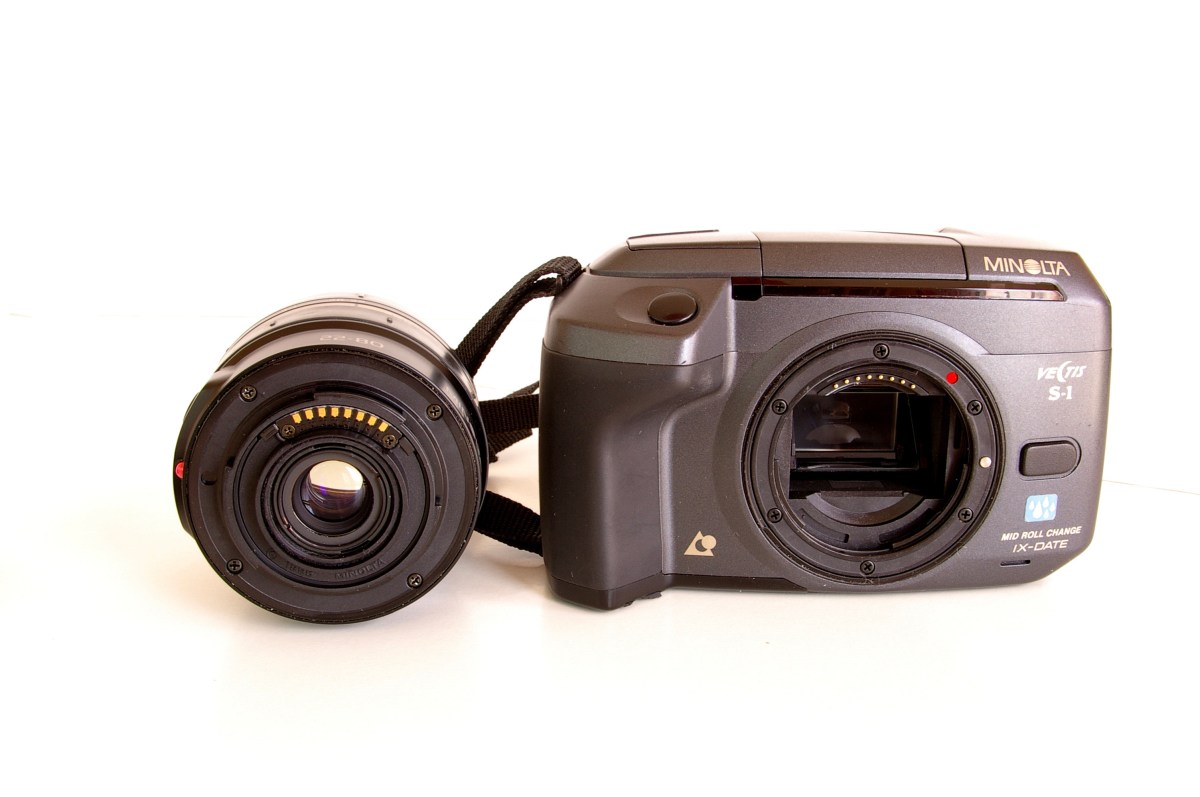
Minolta Vectis S-1 – a new lens mount and new lenses developed specifically for APS. The Vectis S-1 was an original design and a very good camera – too bad the film format itself was flawed.

The last APS cameras were sold – new – in 2002, and I would not be surprised if Kodak and Fuji pulled the plug on APS in the next 2 years. Some of the cameras are interesting curiosities, but the drop-in load mechanism – which was part of the standard – is very fragile and does not age well.

Minolta Vectis S-1 – the gun metal version sold in Europe. The 28-56 kit zoom was fragile and crappy and the 200 ISO film a bit grainy, but with a decent lens like this 22-80 zoom and a slower 100 ISO film, the S1 formed a compact package and delivered very nice pictures.

An update from July 2025

As predicted in 2009 when this blog post was originally published, Kodak and Fujifilm stopped producing APS film in 2011. And today, APS film cameras are practically worthless on the second hand market.

But the “APS” name itself had a surprising legacy.

In an APS film camera, each frame is measuring 30mm x 16mm. Always. But there is a magnetic strip at the back of the film where the camera can record the aspect ratio desired for each print. The printer of the processing lab will read the instructions, and will deliver images cropped to the desired aspect ratio.

When setting the camera before shooting a series of pictures, the photographer can elect:

  • to receive prints covering the entirety of the frame, in which case the print will be designated as an APS-H picture,
  • or a smaller central 25mm x 16mm section, in which case the image will be referred to as an APS-Classic (or APS-C) print,
  • or an even smaller 30mm x 9mm section, for APS-P or Panoramic prints.
  • The APS-C aspect ratio is “Classic”, because it respects the 3×2 proportions of a traditional 35mm picture, as opposed to the 16/9 proportions of the APS-H settings.
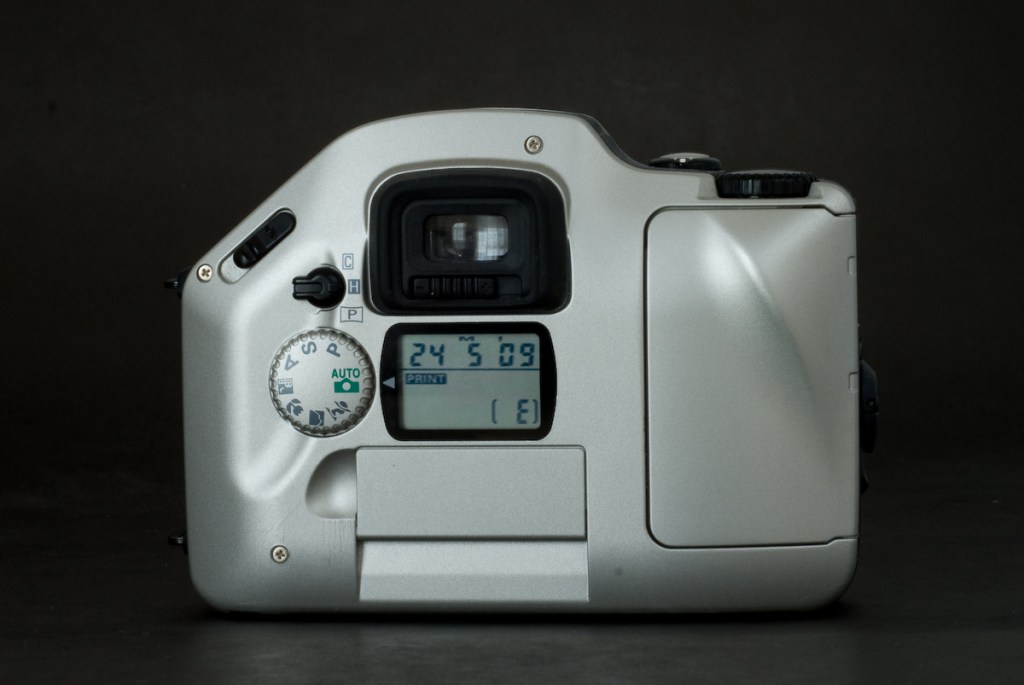
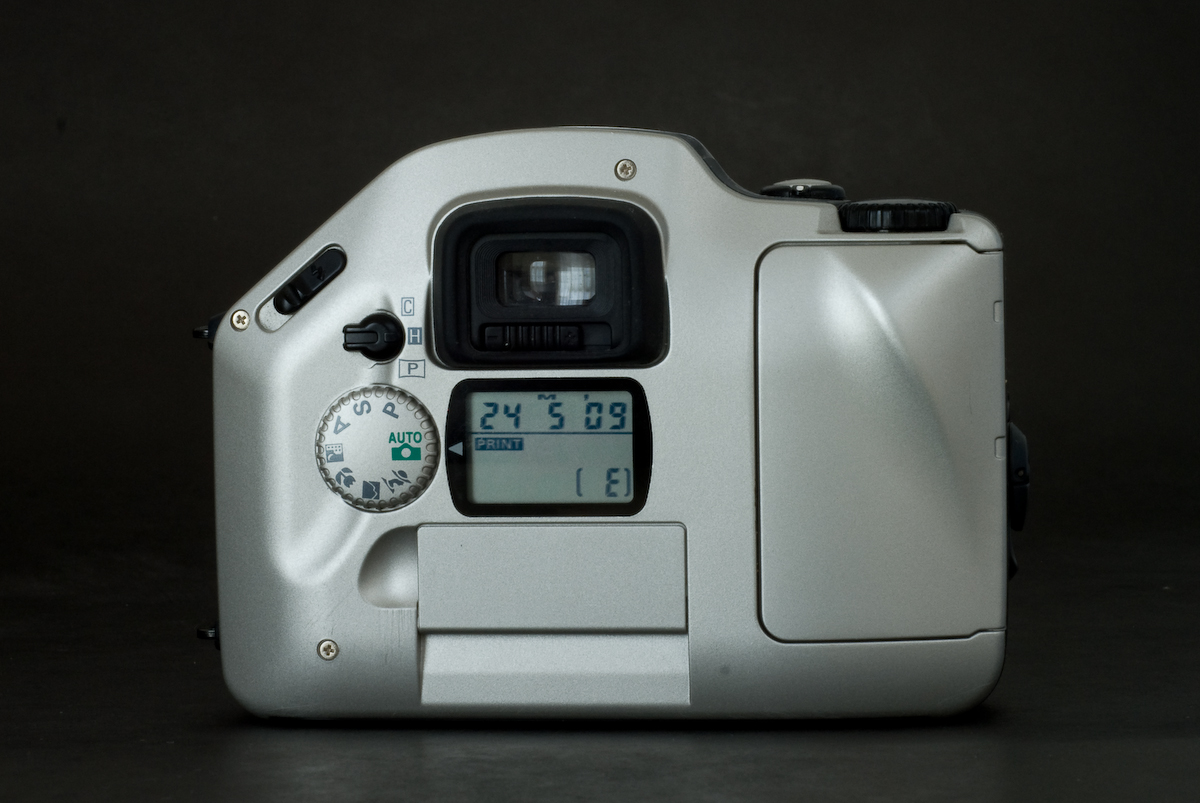
Nikon Pronea S (back) – the photographer will use the “C-H-P” selector at the left of the viewfinder to record the desired aspect ratio of the prints (Classic, 16/9 or Panoramic). The instructions are written on a magnetic strip at the back of the film itself, and will be read by the printer of the processing lab.

When the camera makers started switching to digital, the factories (the “fabs”) manufacturing image sensors had very low yields, and large sensors (anything larger than 8mm x 6mm) were extremely difficult to manufacture and as a consequence prohibitively expensive.

Even the pros buying Nikon and Canon high end bodies could not have afforded a camera equipped with an image sensor of the same size as a 35mm negative.

Canon’s Web Site in 2025 – the offer is still segmented between cameras with APS-C and Full Frame Sensors

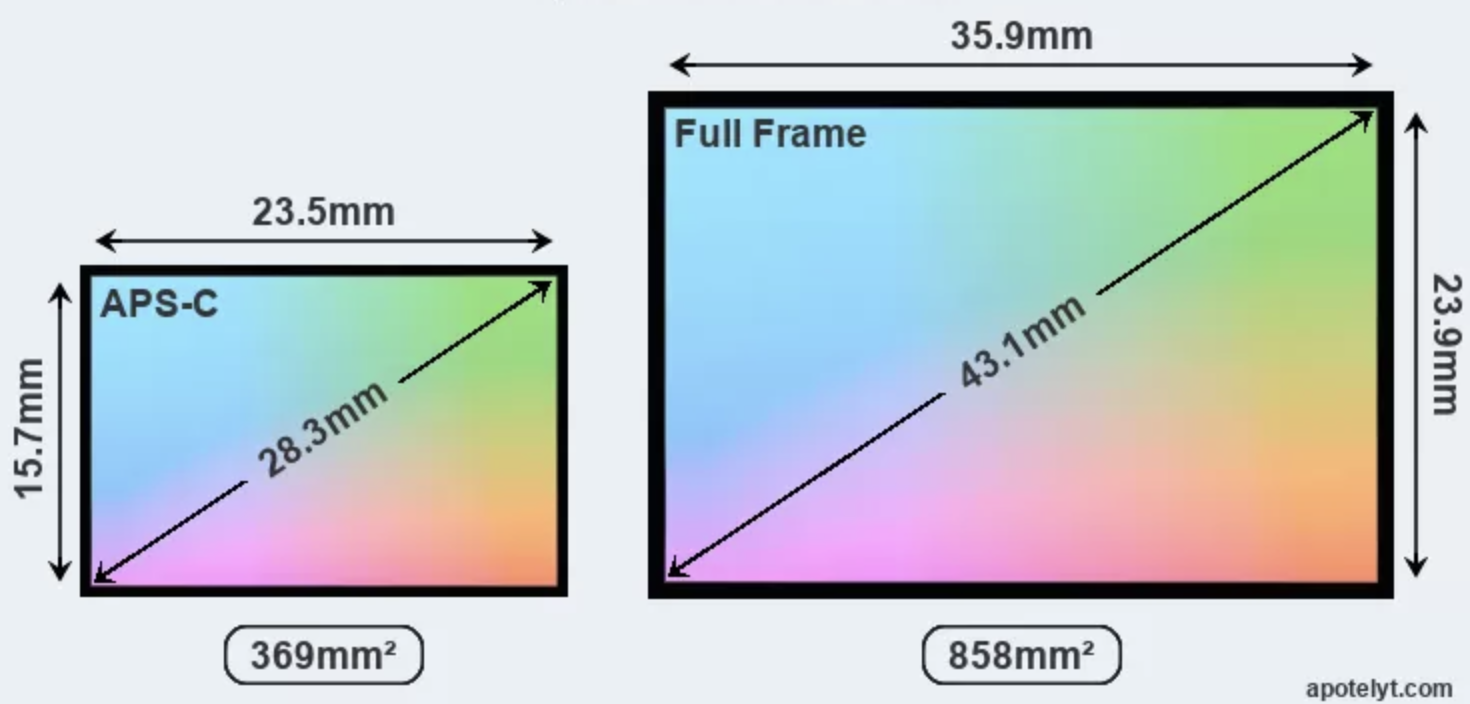
The best Nikon could offer on their first digital SLR, the D1 of 1999, was a sensor of approximately 24mm x 16mm, which was close to the size of an APS-C crop in the film era. Because the buying public was somehow familiar with the APS Film format and understood what APS-C meant, the moniker stuck and we still designate cameras using sensors of that size as “APS-C” camera.

A modern APS-C sensor next to a full frame sensor


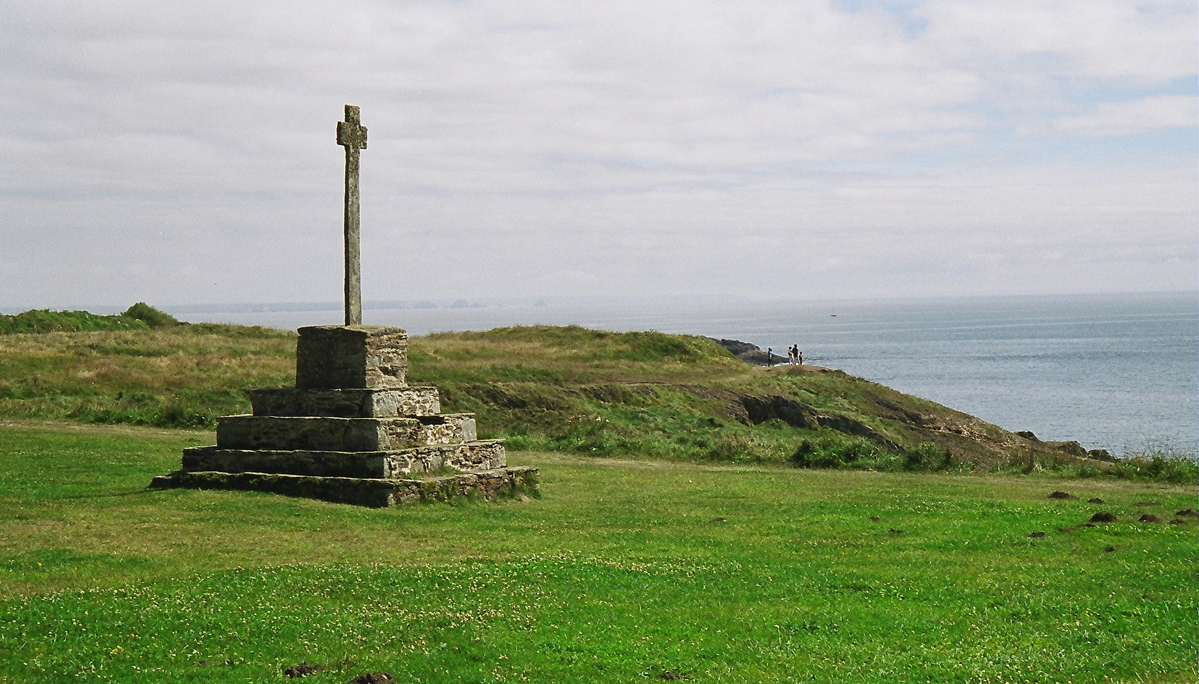
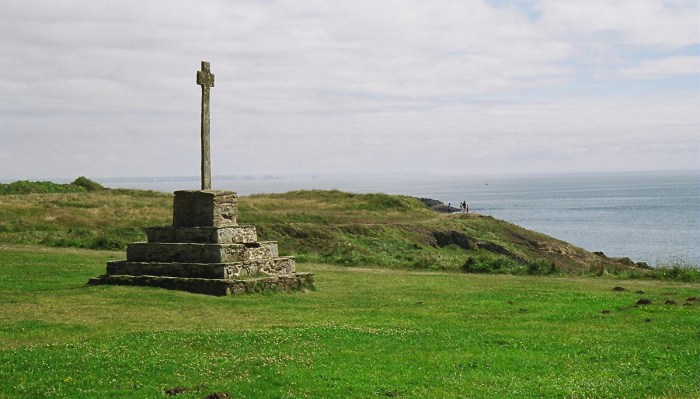
Pointe St Matthieu - Britany (France) July 2003 - Minolta Vectis S1
Pointe St Matthieu – Brittany (France) July 2003 – Minolta Vectis S1

For more about the APS film format

Another point of view on the APS debacle, courtesy of Ken Rockwell.


SaveSave

Innovative Metering – Fast Shutter – Conventional Ergonomics – The Nikon FA (Intro)


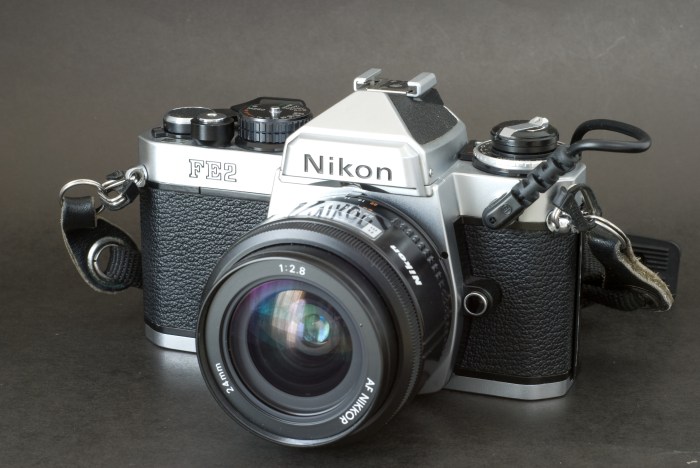
The Nikon FA is the last major manual focus SLR launched by Nikon. An evolution of the FM2 and FE2 cameras, it shares with the latter most of its body shell, a very fast shutter (up to 1/4000sec., 1/250sec. flash synchro speed) and a TTL flash metering mechanism. It finally catches up with Canon’s A1 and offers the same four automatic exposure modes (aperture and shutter priority, program and semi-auto).


Its “Automatic Multipoint Metering” (AMP) – a world premiere – is its real claim to fame. Better known under names such as “matrix”, “evaluative” or “multi-segmented” metering, it is now the default metering system of every dSLR in production.


Launched in 1983, this conservatively styled camera with very conventional ergonomics had a relatively short sales career. It was made obsolete in 1985 when Minolta took the market by storm with its first autofocus SLR, the 7000 (Maxxum 7000 in the US). Minolta’s competitors, Nikon included, spent the best part of the following three years trying to catch up. The FA stayed on Nikon’s catalog until 1988, and was not replaced. Its semi-automatic sibling, the FM2n would be sold until 2001, when the FM3a, a sort of combination of the best characteristics of the FM2 and the FE2, was launched.

Nikon FA with the MD-15 motor
An impressive (and heavy) camera: the Nikon FA with the MD-15 motor drive.


The metering system


Until the FA was launched, most of the cameras only offered some form of center weighted metering: the exposure sensor evaluated the luminosity of the whole scene, and because the sky is typically in the upper third of the frame, and the main subject of the picture in the center, it was designed to give more importance to the portion of the picture located at the center of the lower part of the frame.


It worked for most of the cases. If the subject was back-lit and not centered, the photographer had to determine the exposure with the subject at the center of the frame, memorize the exposure settings, and move the camera to compose the desired picture.


Some high end cameras also had a second exposure metering system, which evaluated the luminosity of a much narrower portion of the scene, almost a spot in the middle of the viewfinder. But spot metering and exposure memorization are not always easy to use , and are far from being idiot proof. The engineers at Nikon were pretty sure that with the newly unleashed power of integrated circuits, they could develop a new approach.


More after the jump


Viewfinders: coverage, magnification and eye relief (Intro)

Eye Relief
Eye Relief


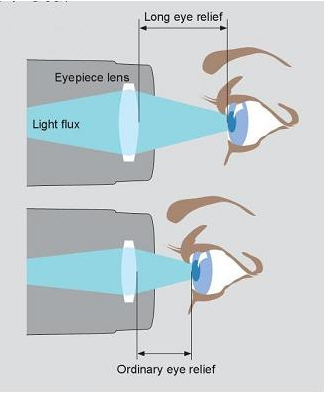
A large proportion of photographers wears prescription glasses – I know, I’m one of them – and almost everybody wears sun glasses occasionally. But surprisingly, until high eye point or high eye relief viewfinders appeared – on the Nikon F3 HP in the early eighties, photographers with glasses could not see the integrality of the scene – let alone the aperture or speed information on the LED displays surrounding the view of the scene- without having to move their eye balls up and down and left to right.


As far as viewfinders are concerned, some cameras are better than others, though. The quality of the viewfinder of a manual focus camera is influenced by three factors:

  • Coverage: It’s the percentage of the image captured through the lens which is going to be shown in the viewfinder. 100% coverage is desirable – but expensive to manufacture, and only top of the line cameras (the real “pro” models) show the integrality of the scene in the viewfinder. Most SLRs show between 85% and 95% of the scene. Point and shoot cameras, (more precisely the few P&S which still have an optical viewfinder) are much worse. The best of them, the Canon G11 only shows 77% of the scene that will be captured through the eye piece.

  • Magnification: If the magnification was equal to 1, an object seen through the viewfinder would appear to be the same size as seen with the naked eye (with a 50mm lens on a 35mm camera). The photographer could even shoot with both eyes open. If the magnification ratio is lower than 1, then the object will appear smaller in the viewfinder than seen with the naked eye.


    Magnification has an impact on composition and focusing. If the magnification ratio is very low (below 0.4) the image becomes so small that it’s difficult to compose the picture. Magnification is also a critical factor for picture sharpness on manual focus cameras: the accuracy of the focusing is directly related to what the photographer can see on the matte focusing screen, and the higher the magnification, the easier it’s going to be for him or her to focus accurately.


    More after the jump