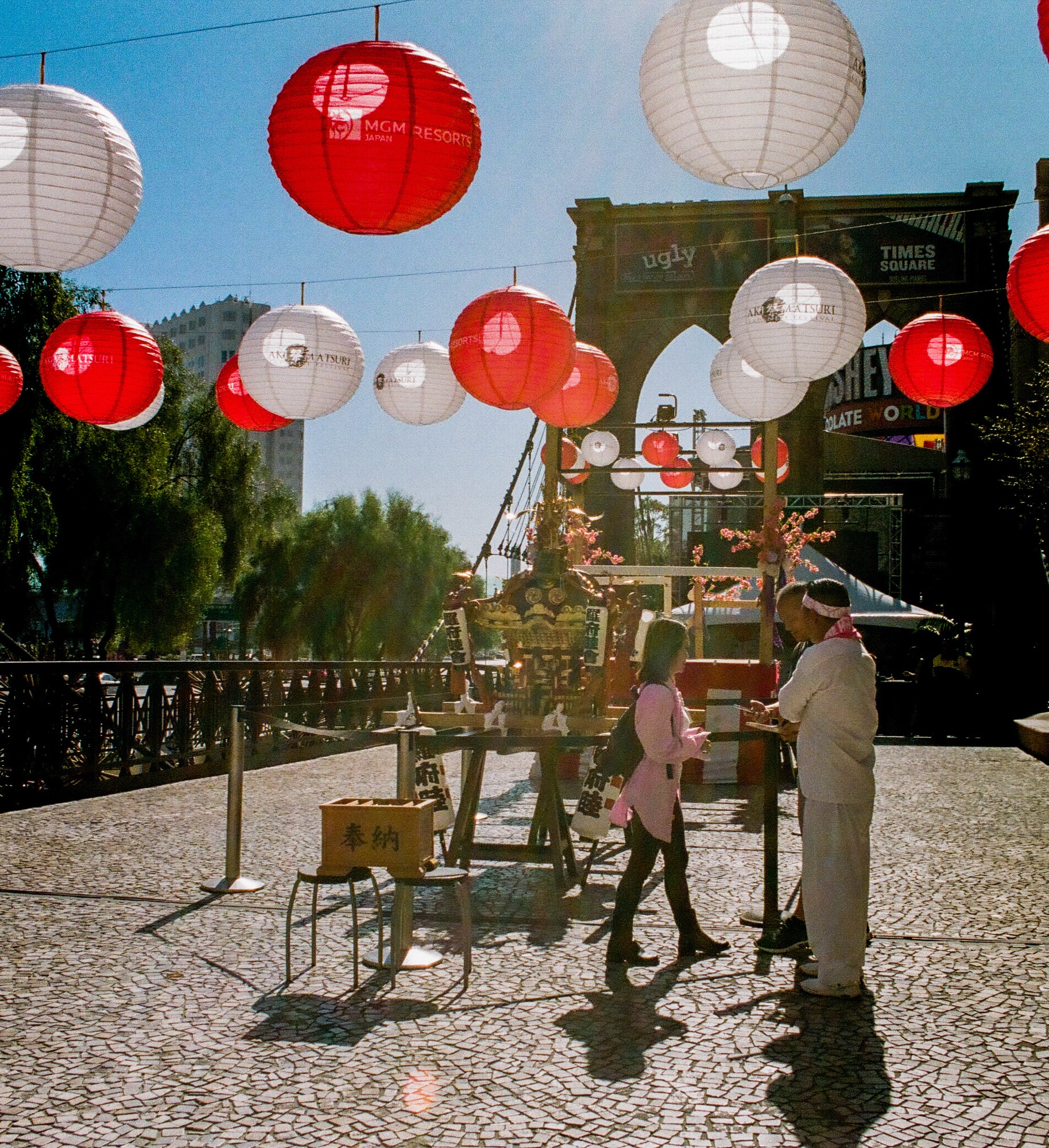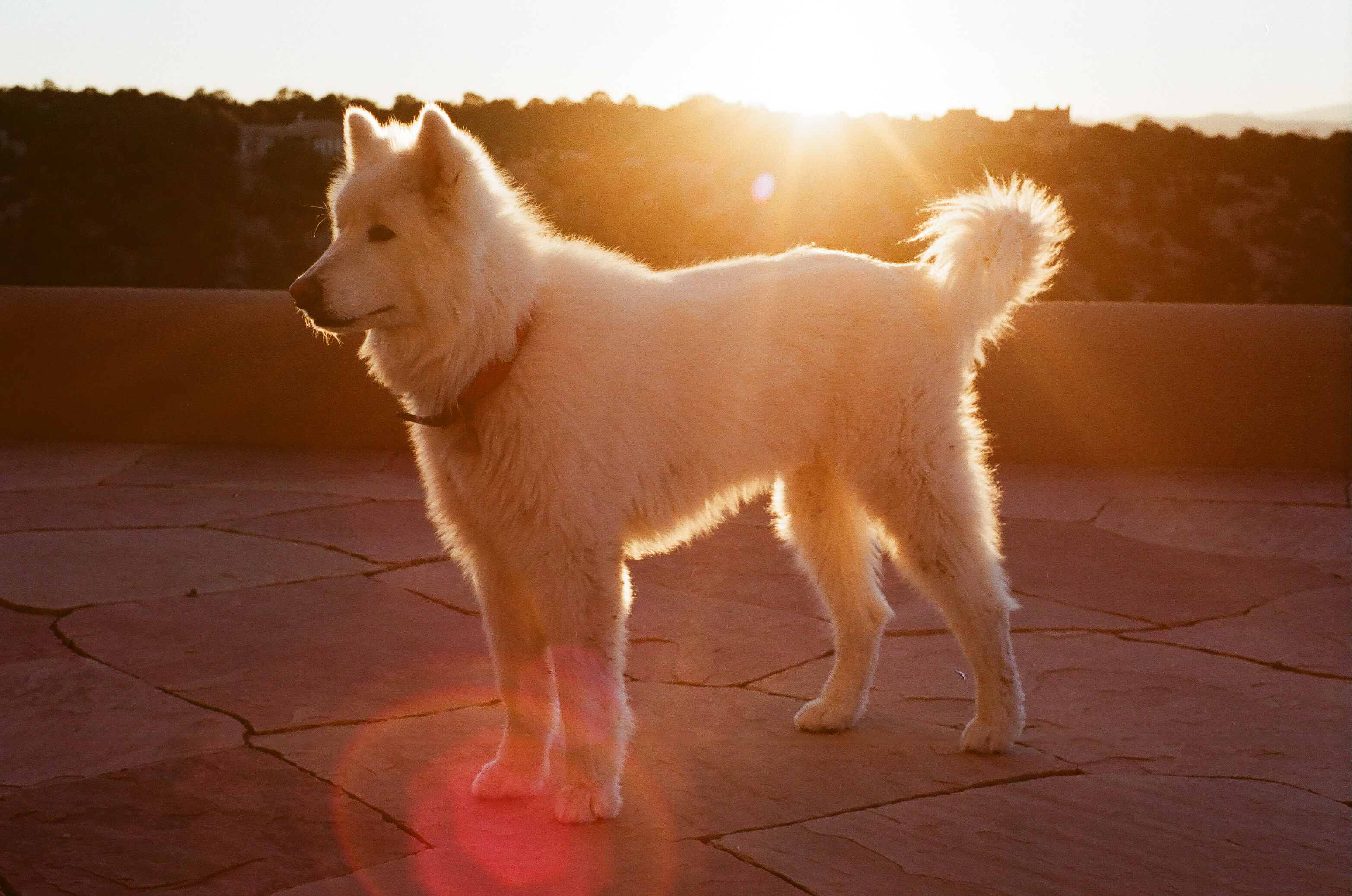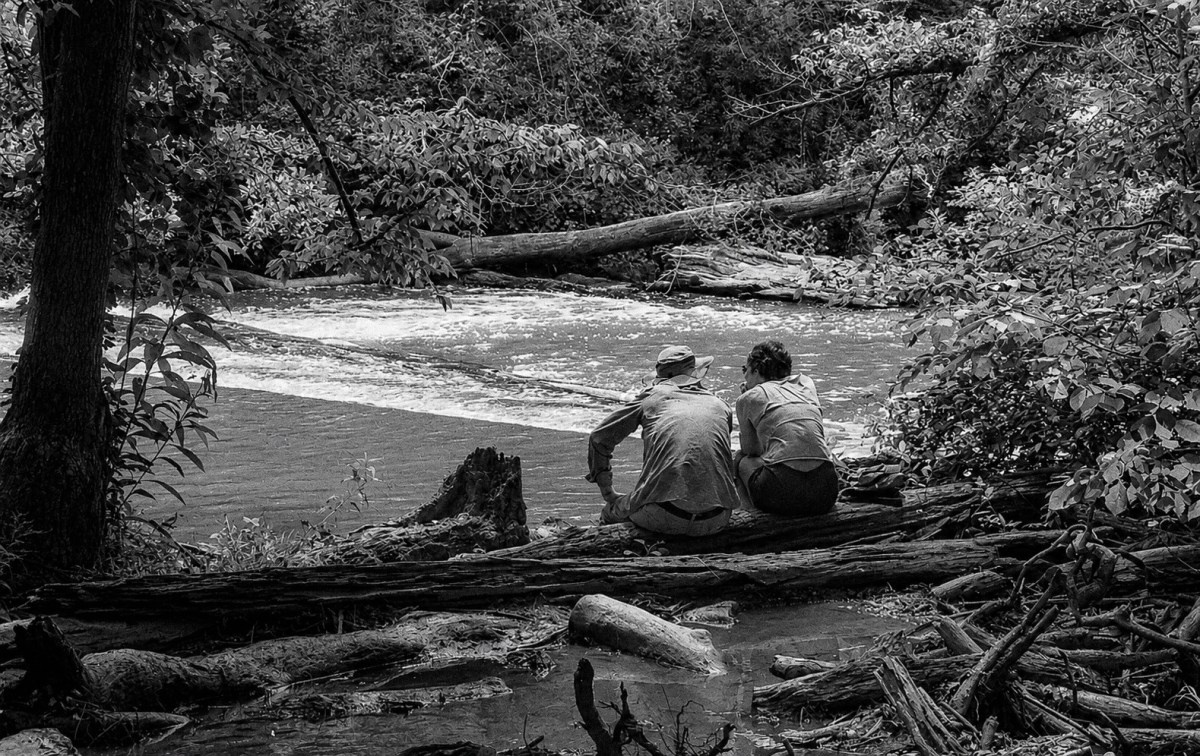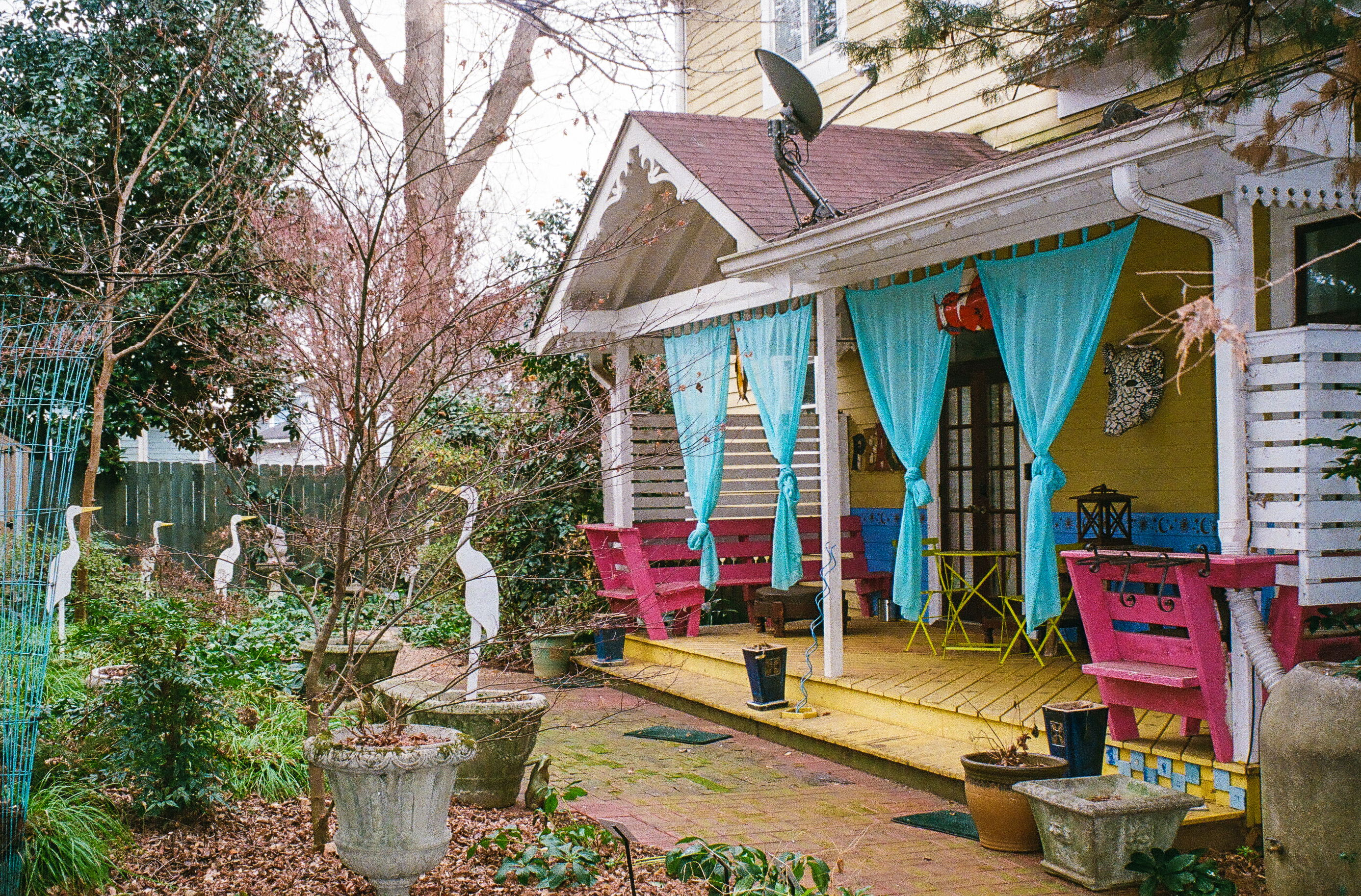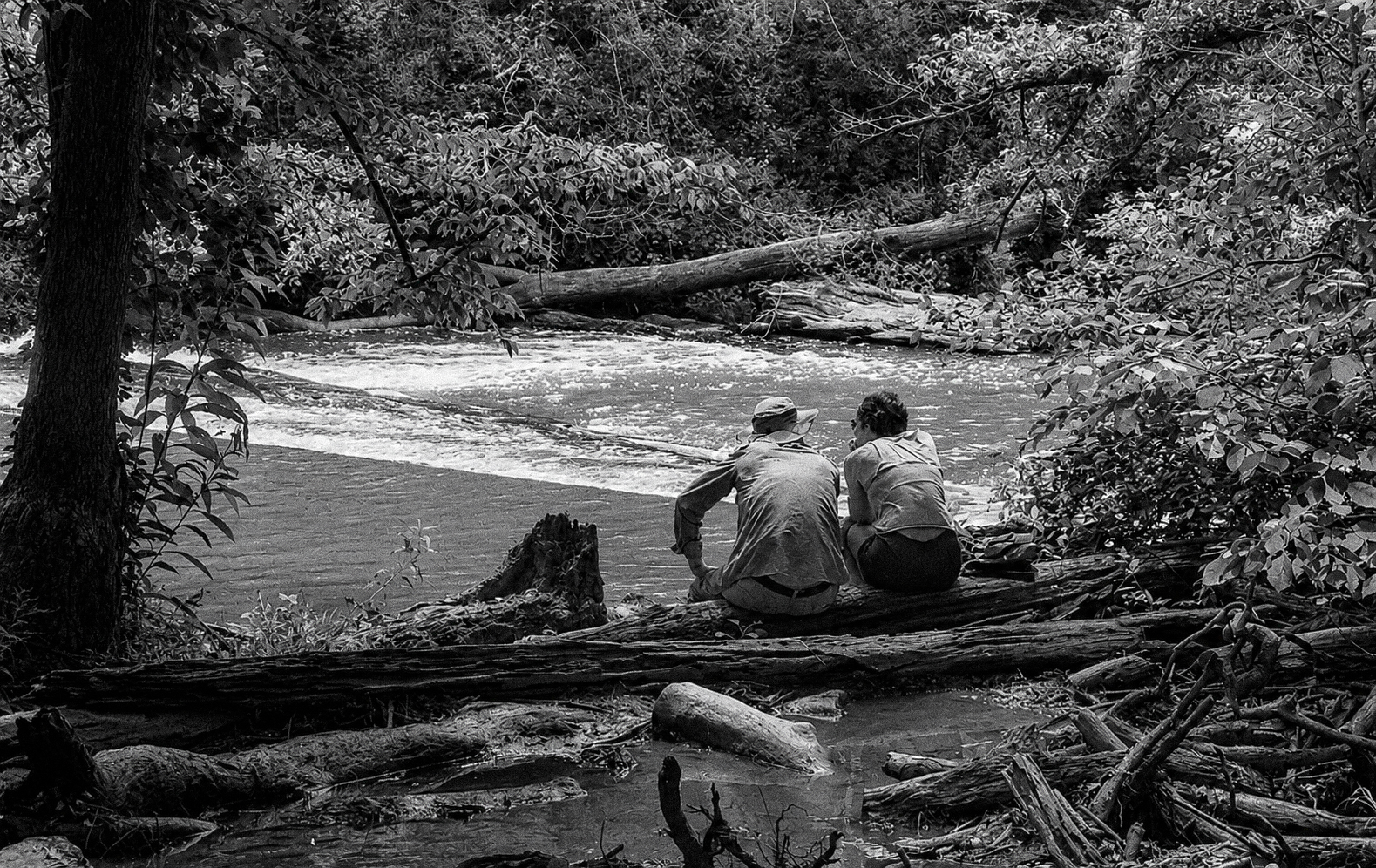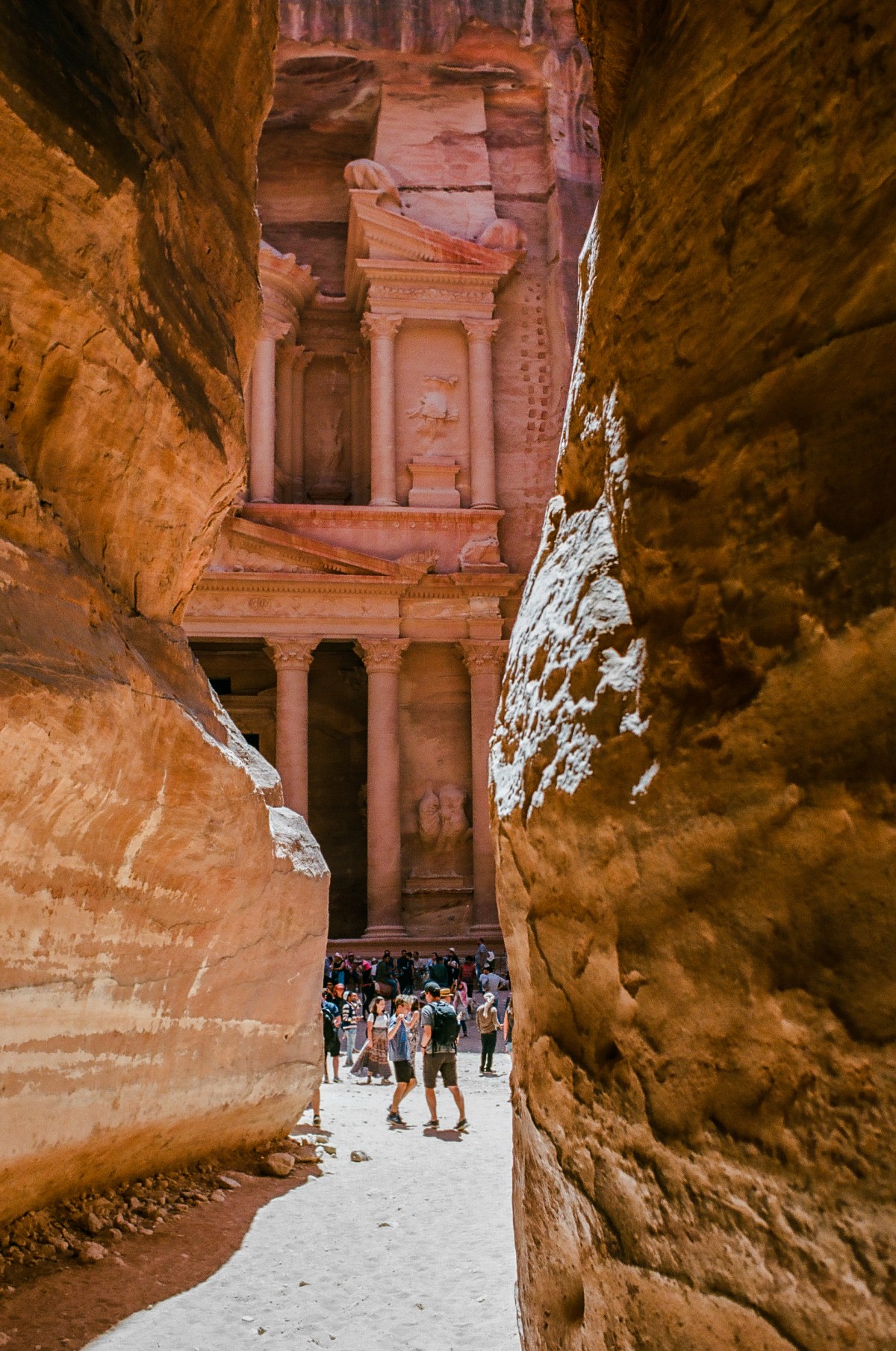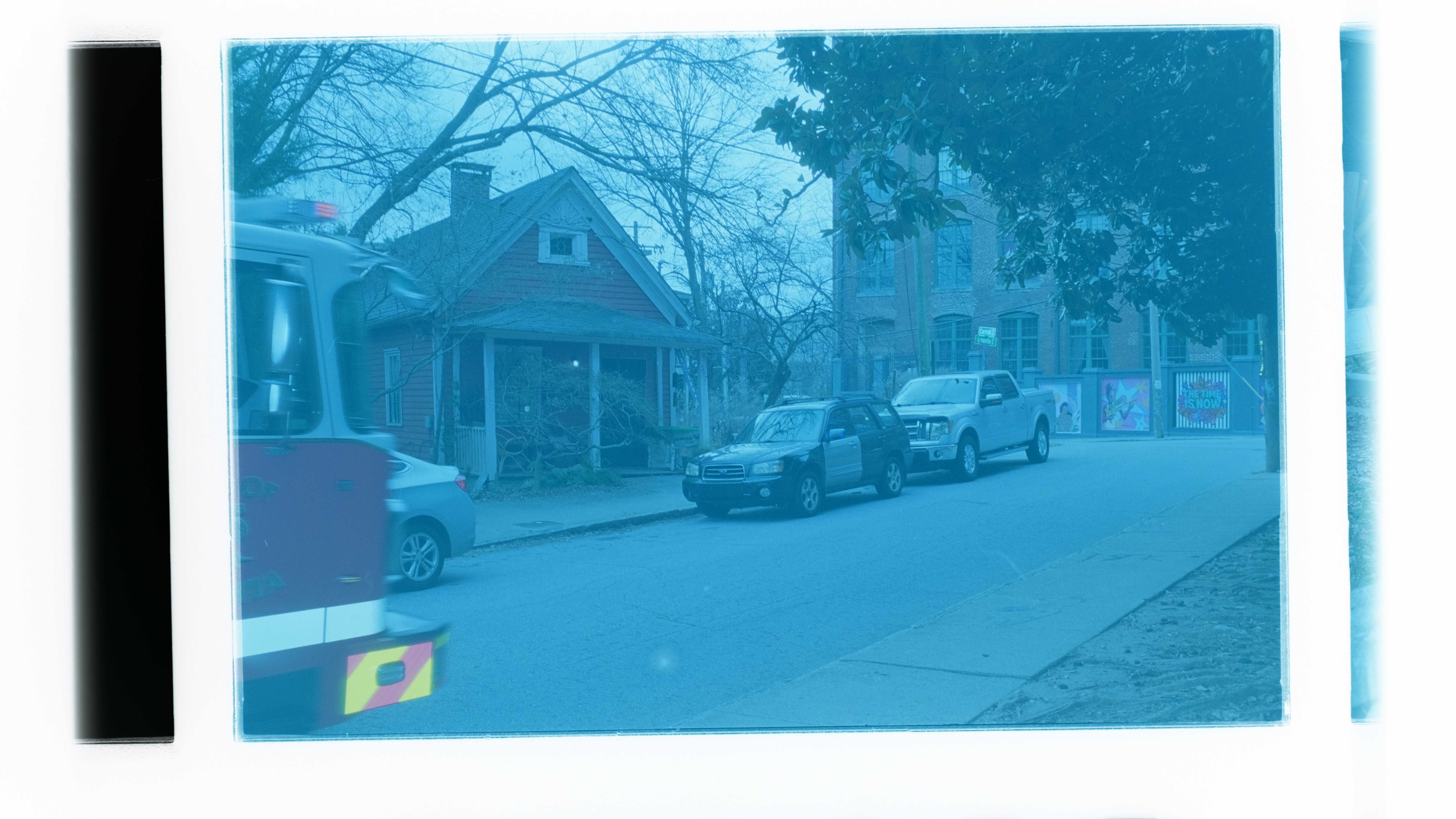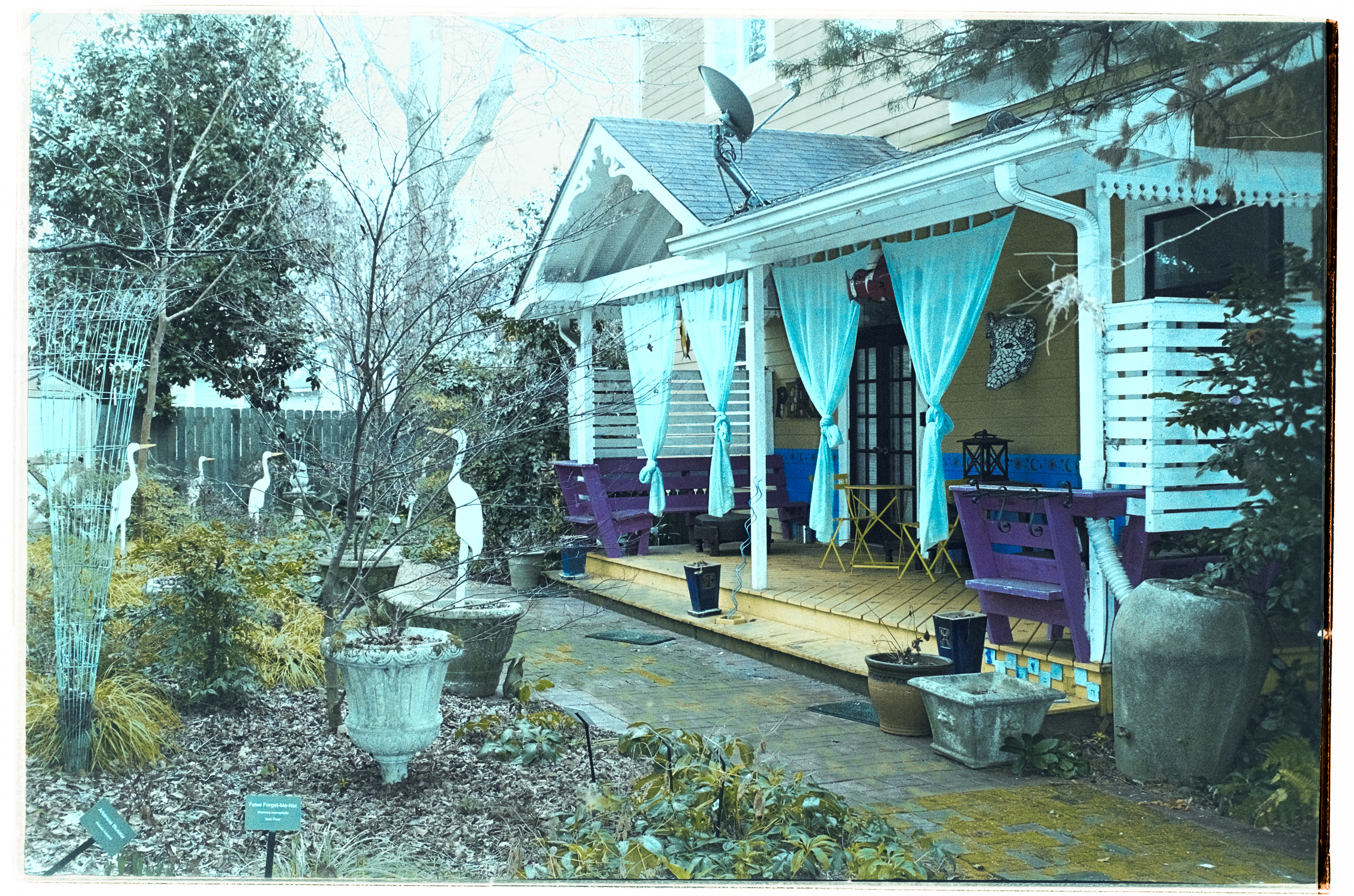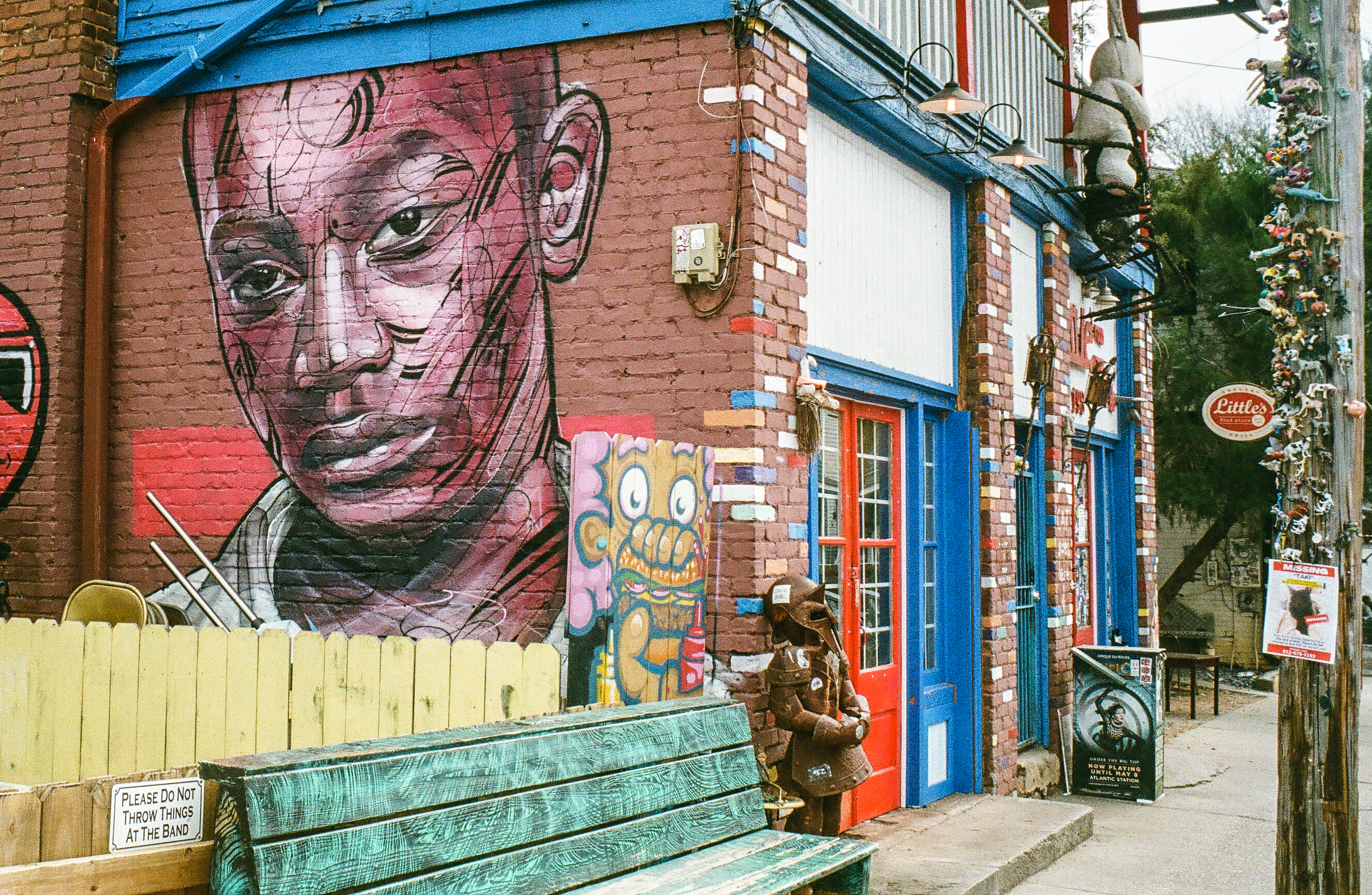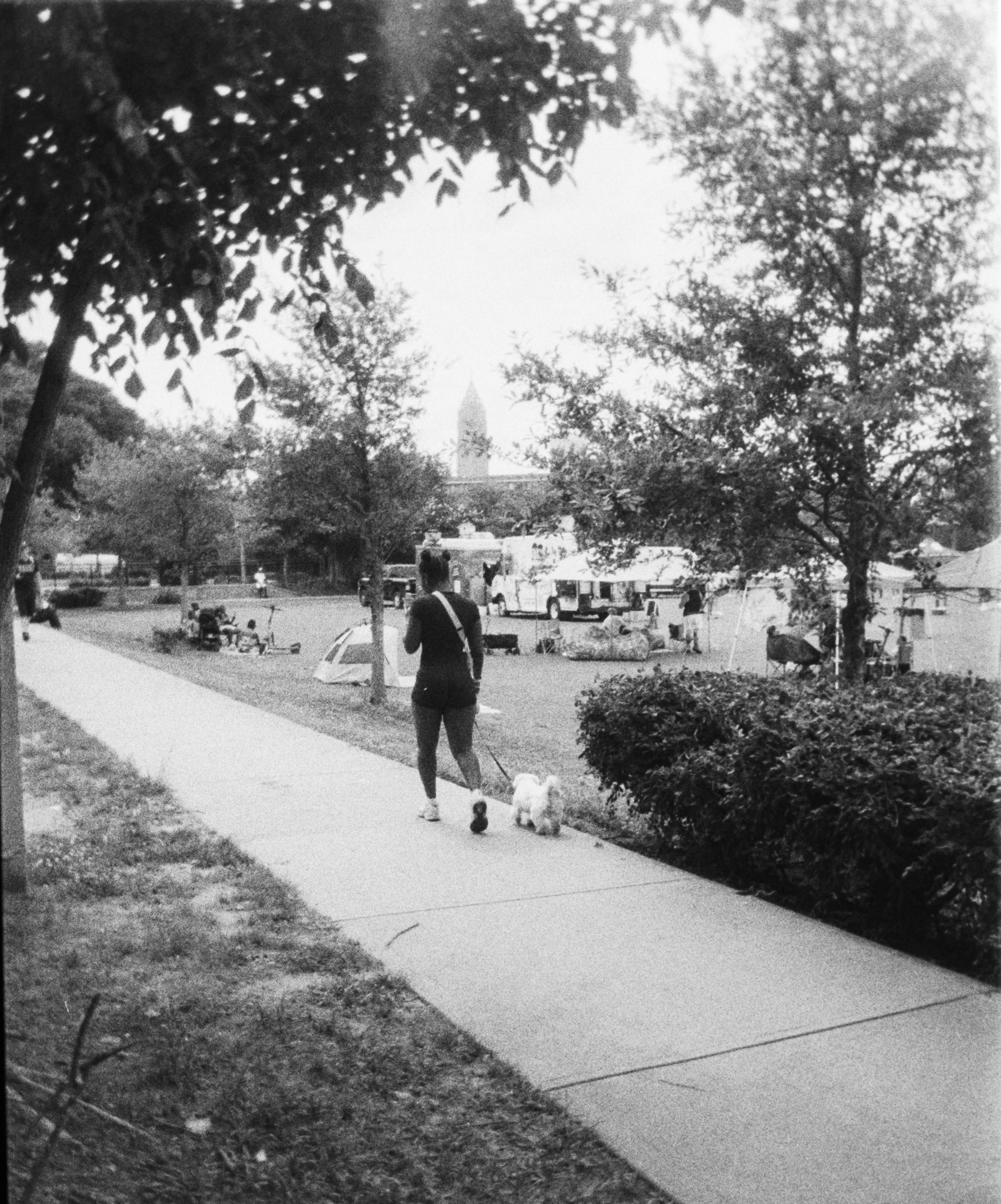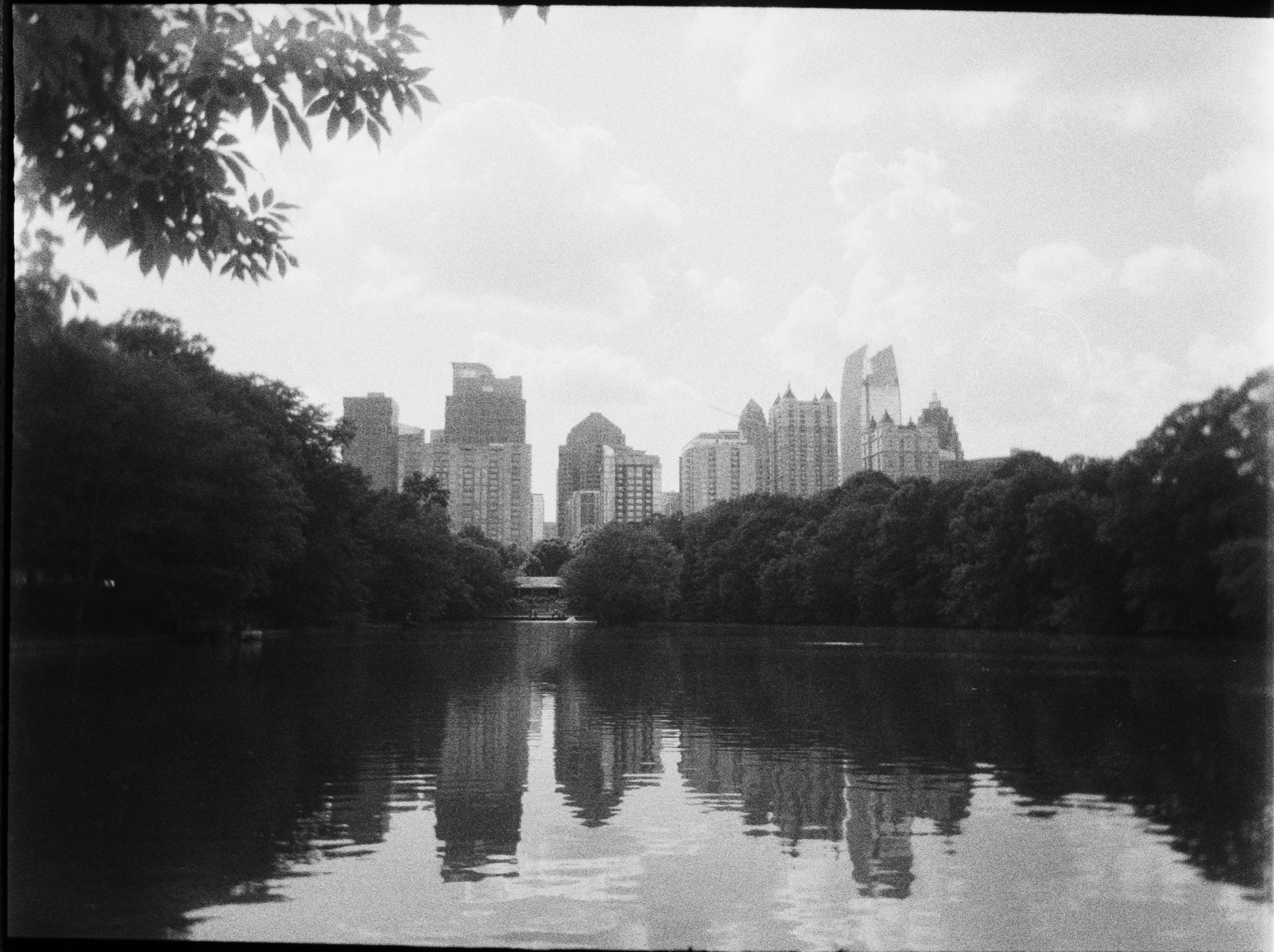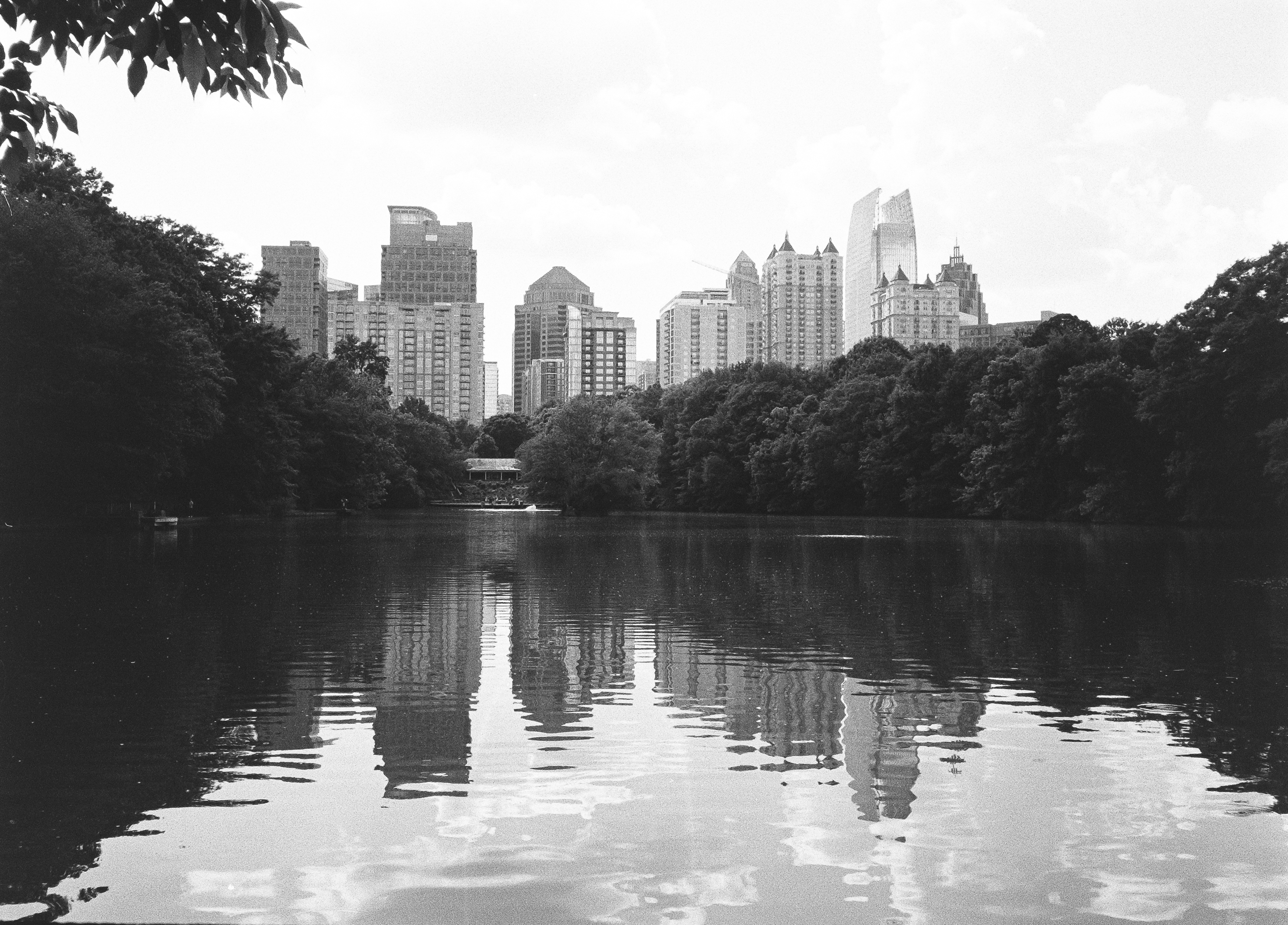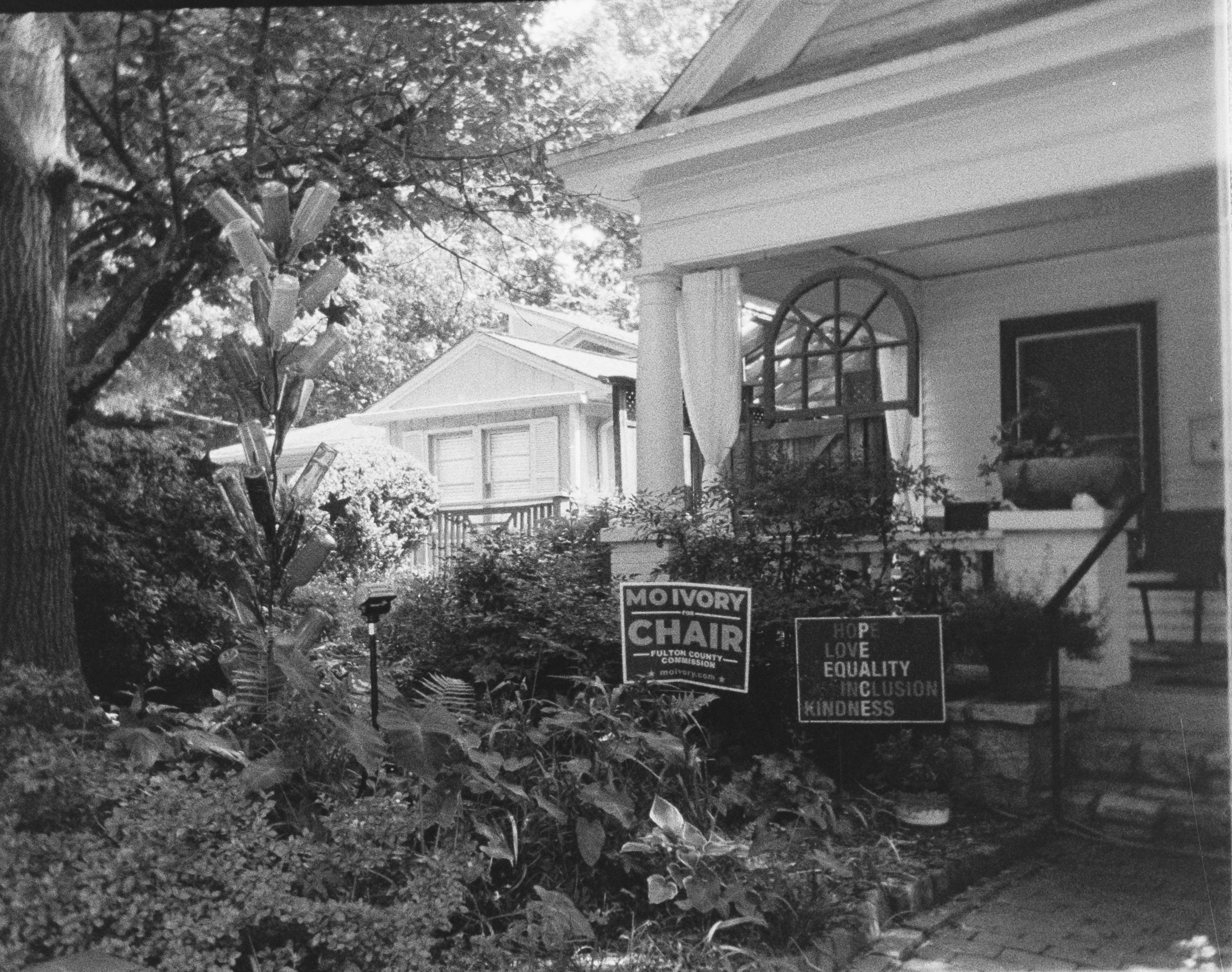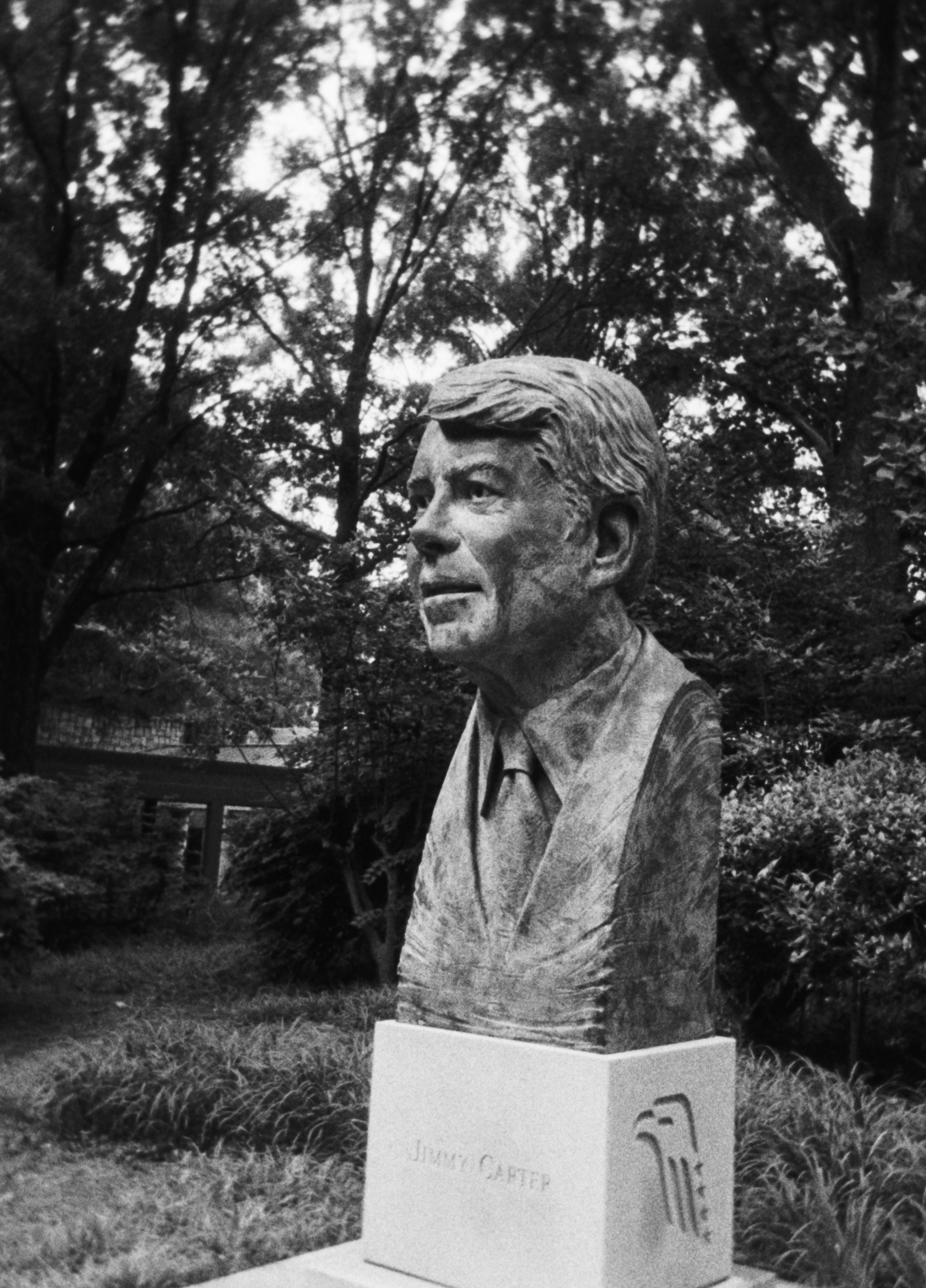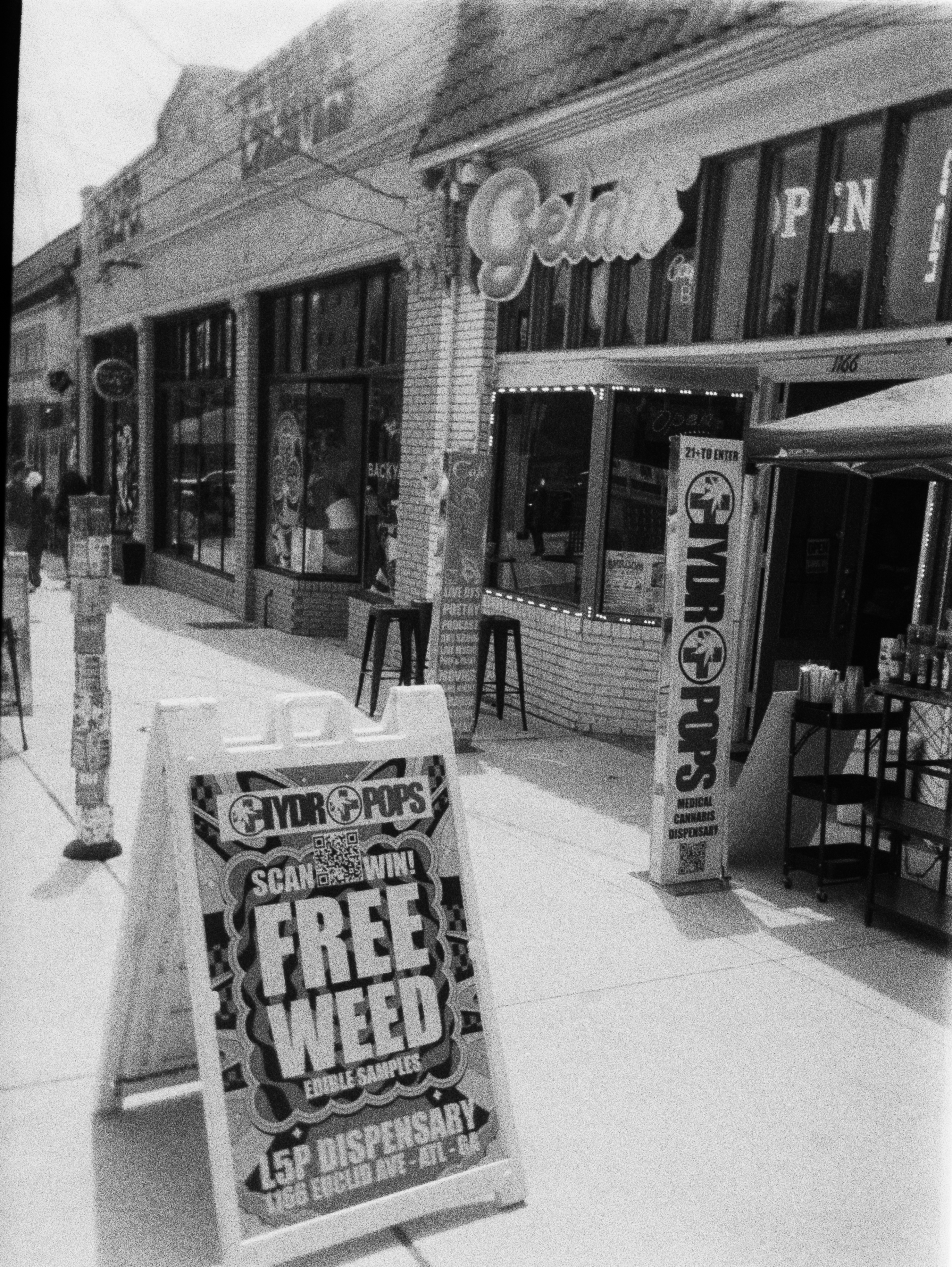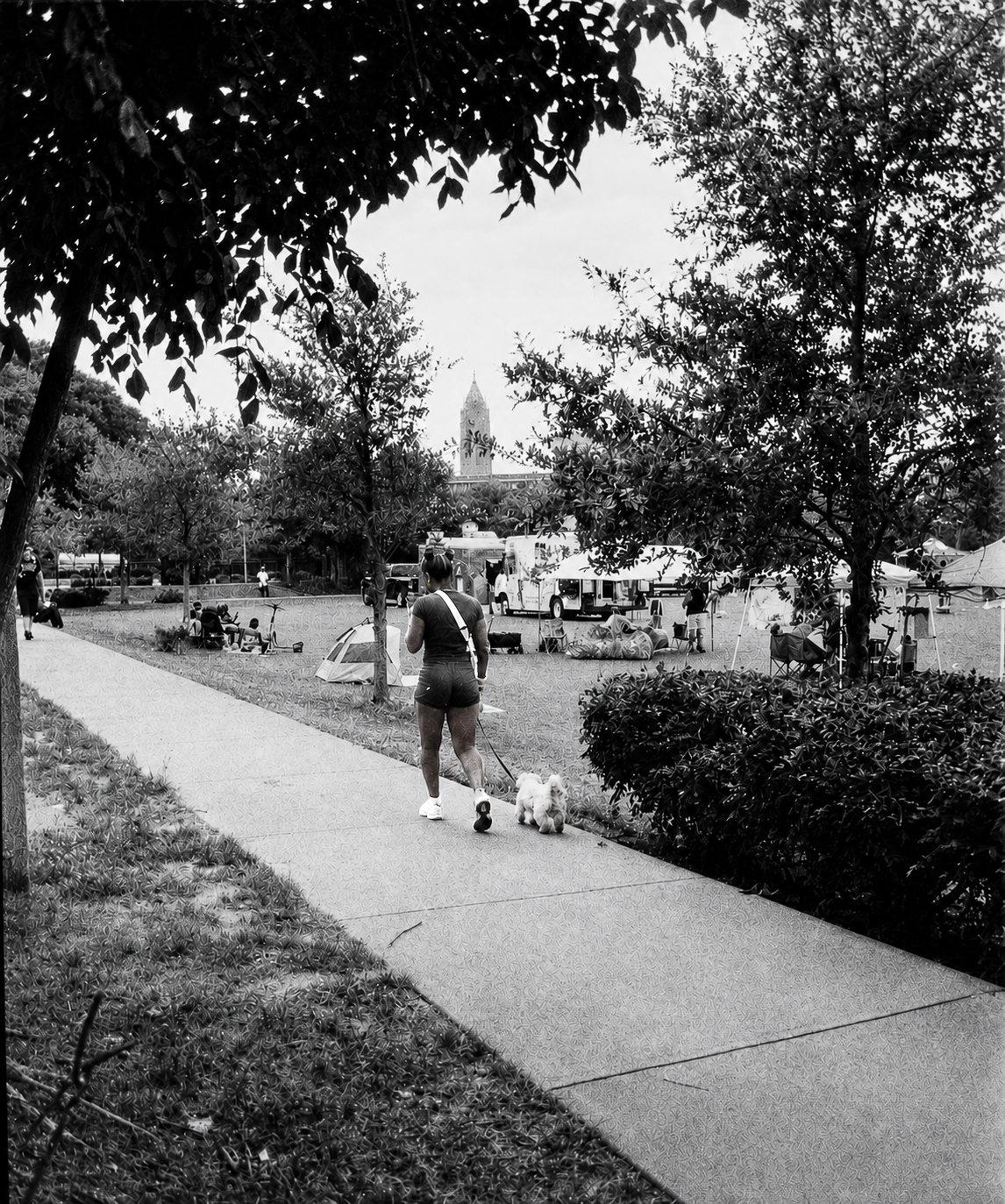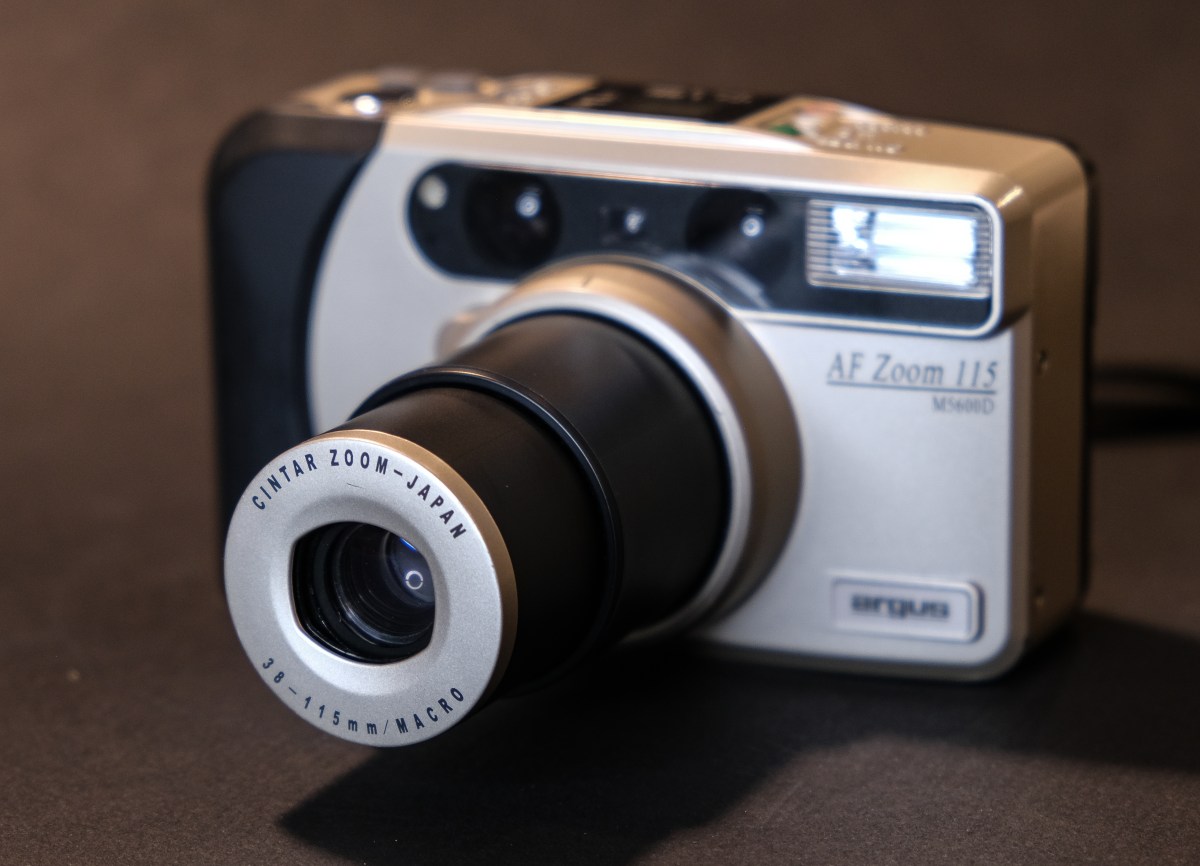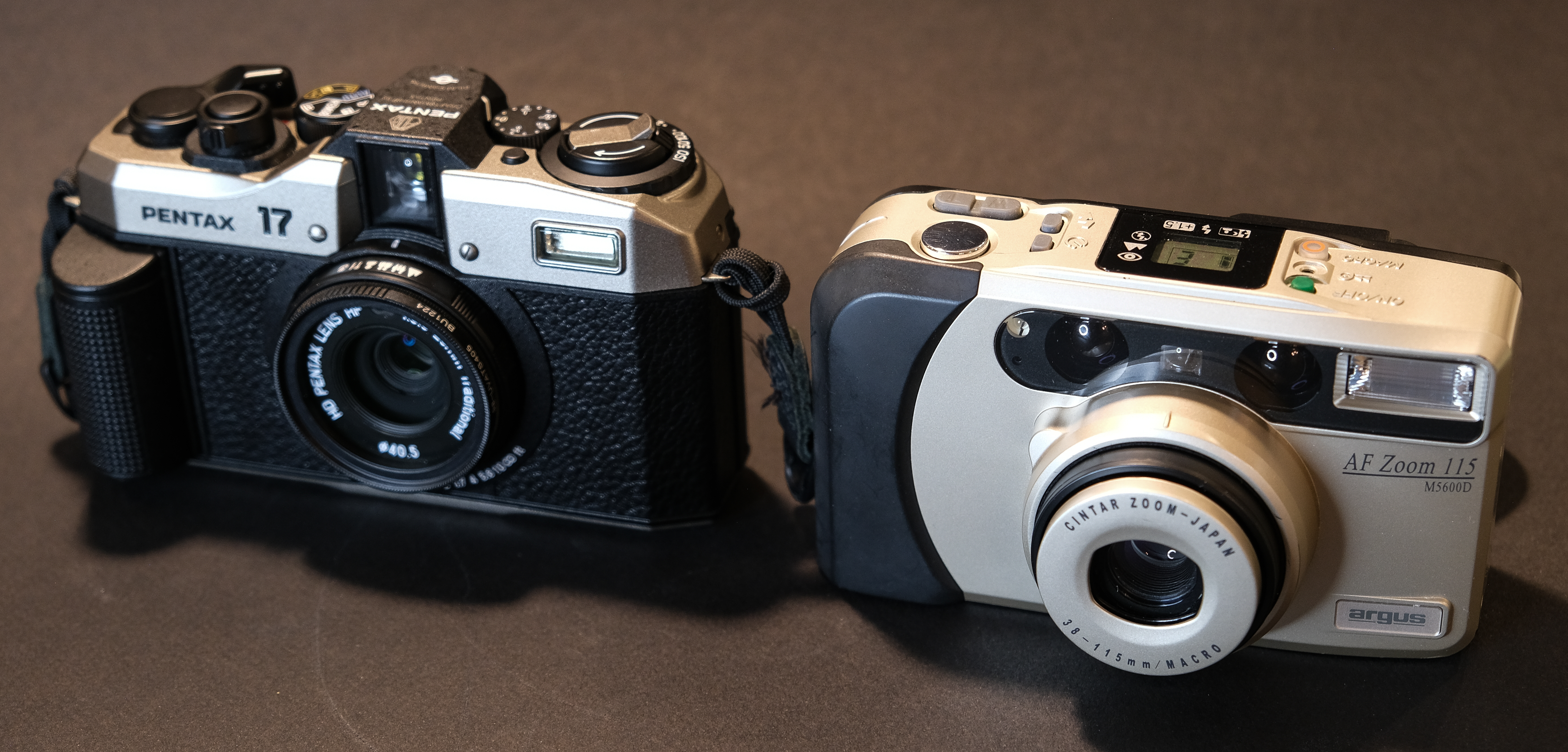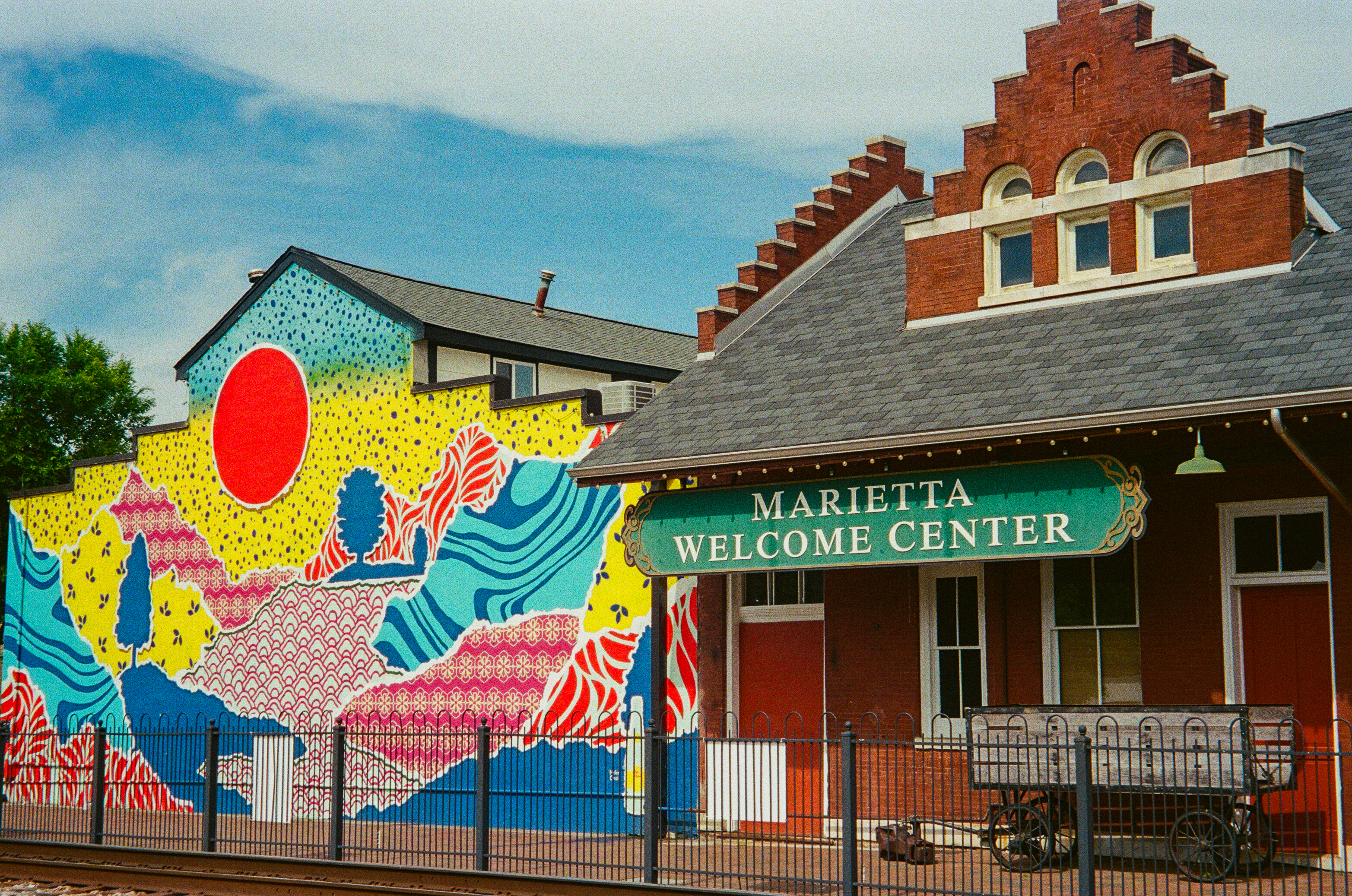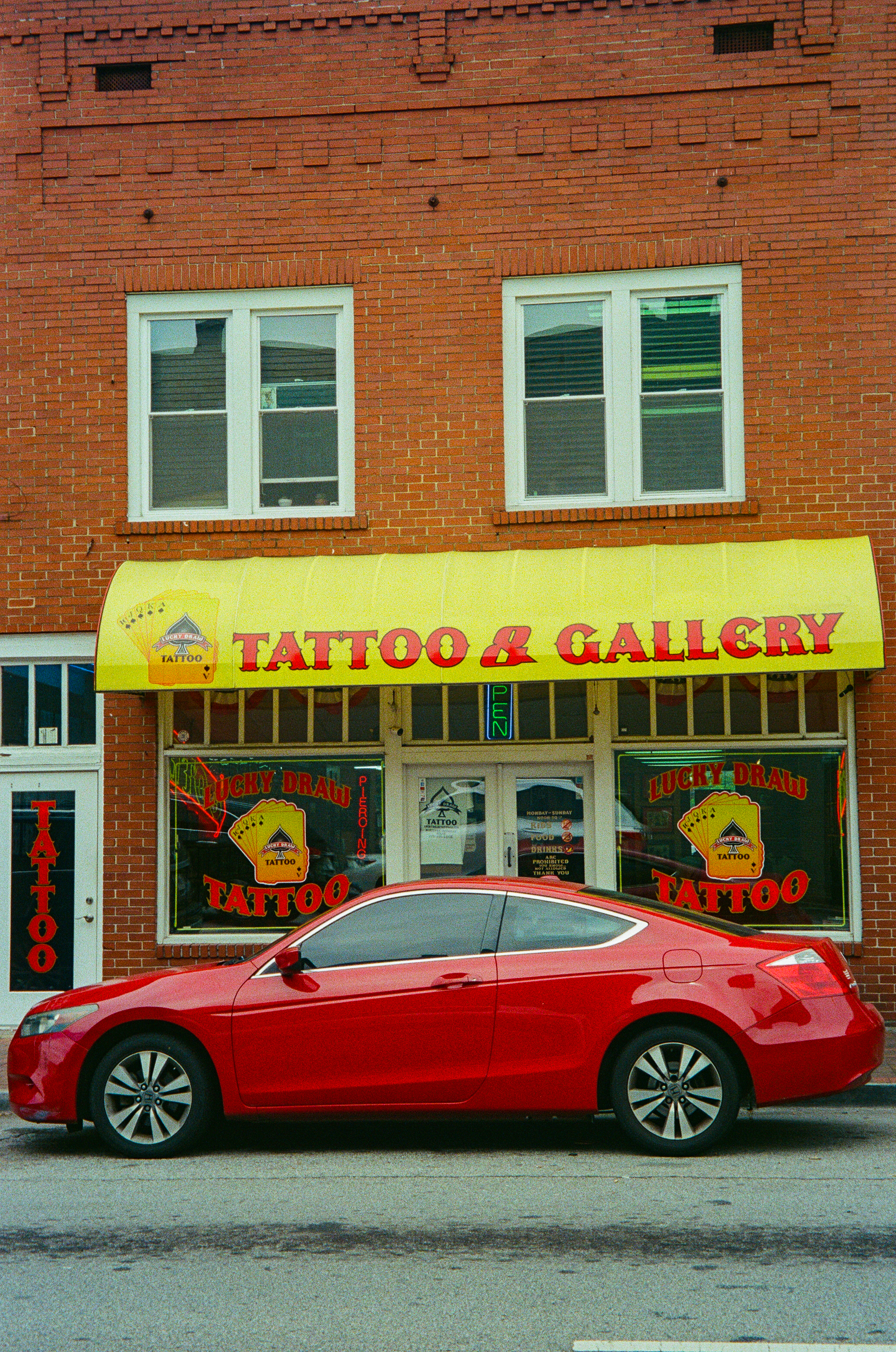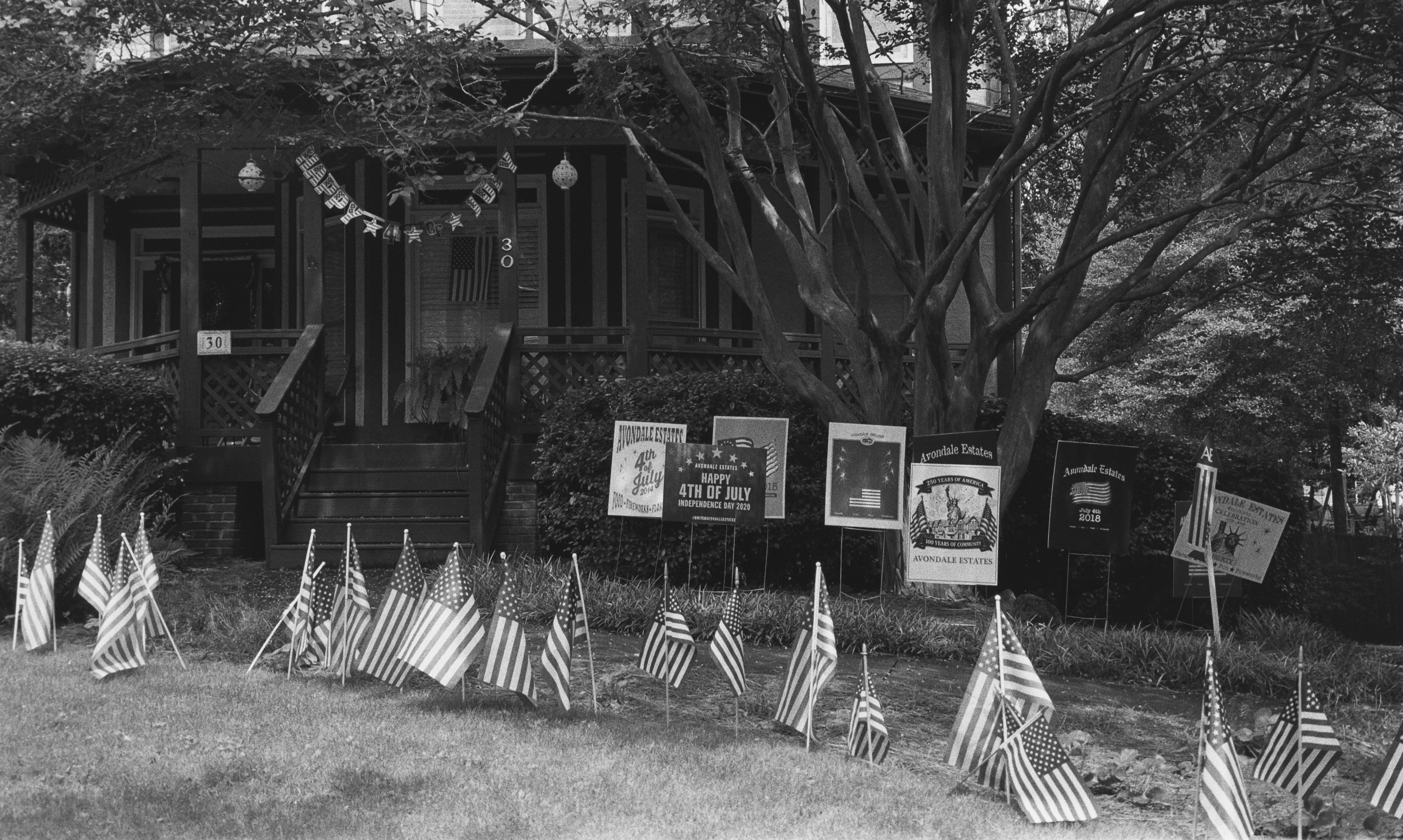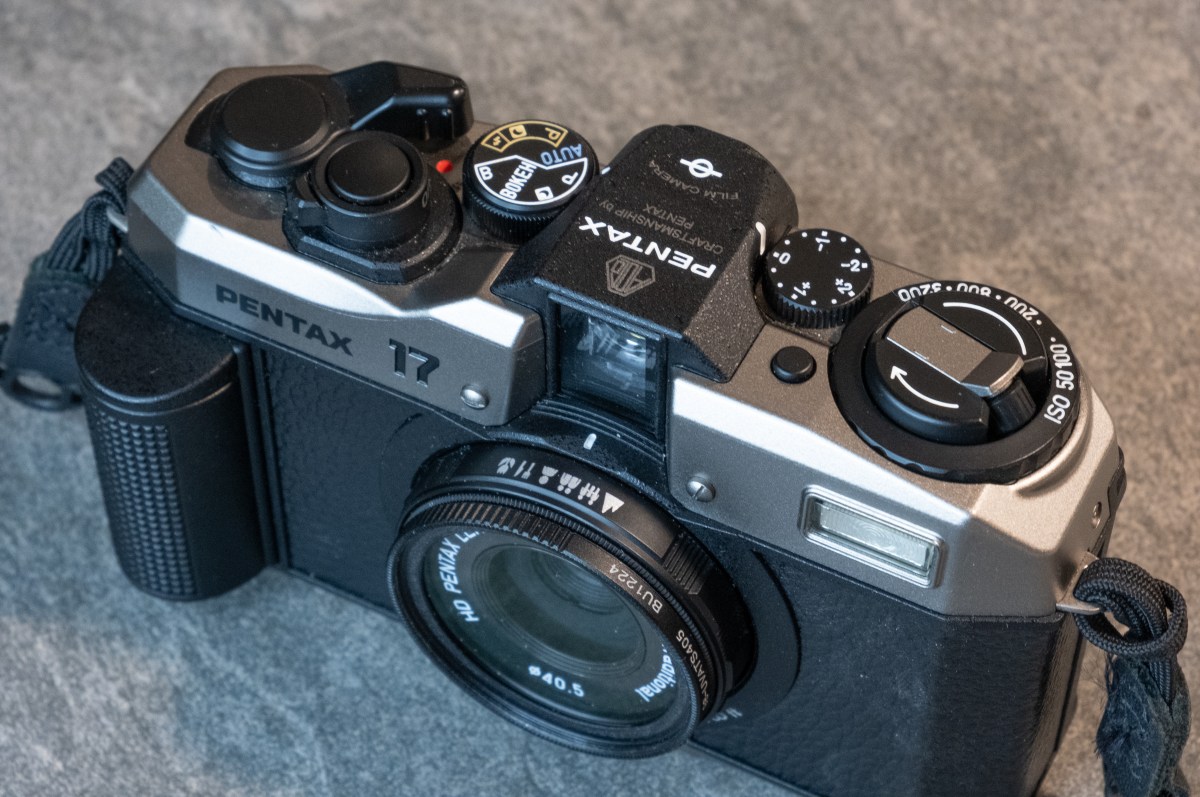
The Pentax 17 is an interesting camera – developed by a team of enthusiasts who did not want to make an “autofocus compact of the nineties” reedition, but were trying to bring a new generation of “image people” to film photography. By “image people”, I mean smartphone photographers and all sorts of creators of reels, videos and movies.
Whether they succeeded or not is still open for debate – as the owner of the Pentax brand, the Ricoh Corporation, has more or less dismantled the team at the origin of the 17 and has not announced any plan to extend the experience to more models.
But to me, the Pentax 17 is the most original of the film cameras recently released. I already reviewed the Seventeen a few months ago. This time, no detailed analysis of the camera – just a few comments on how the 17 is changing my approach of film photography.
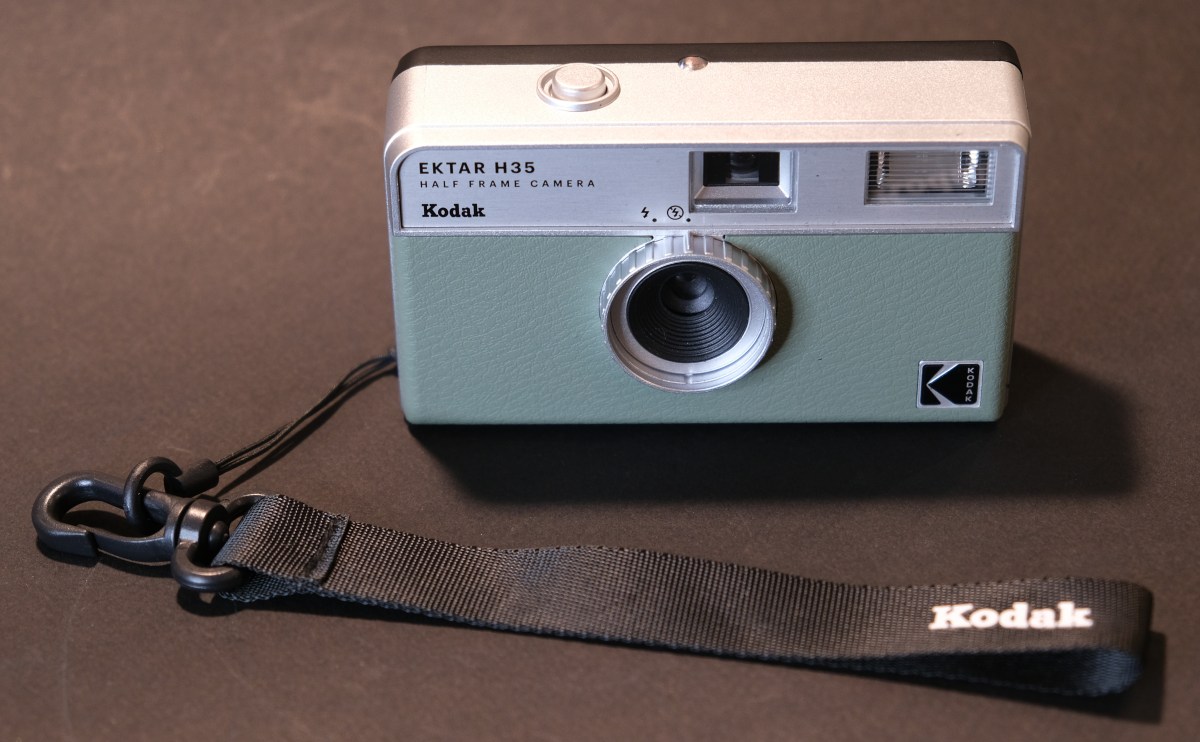
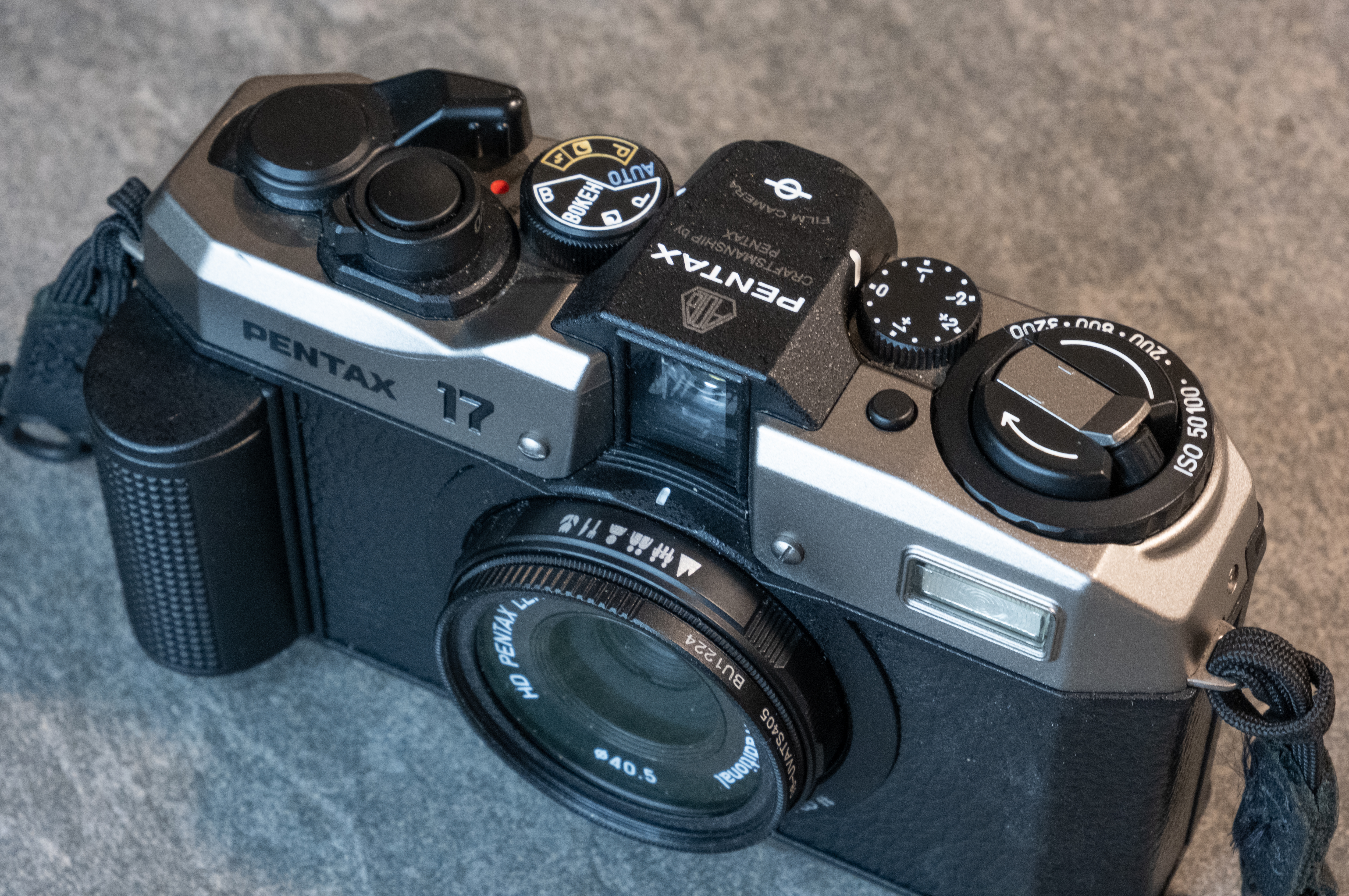
In “Auto” mode, the Pentax 17 can be used as a half frame fix focus point and shoot – a sort of Kodak Ektar H35 equivalent, but with a better build, a better lens and an automatic exposure determination system. But what’s the point, and why pay $499 (list) for a camera emulating a fix focus point and shoot?
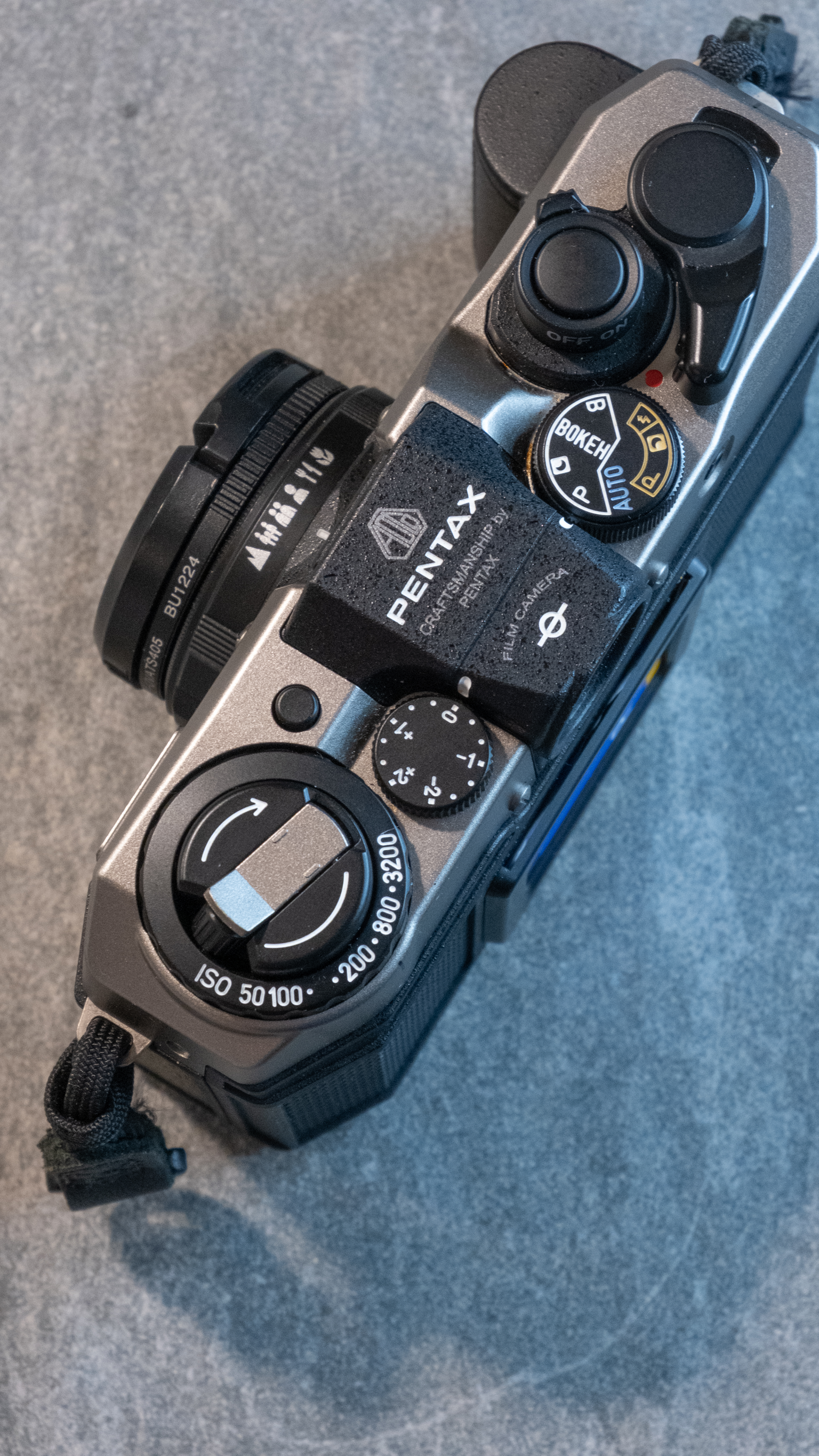
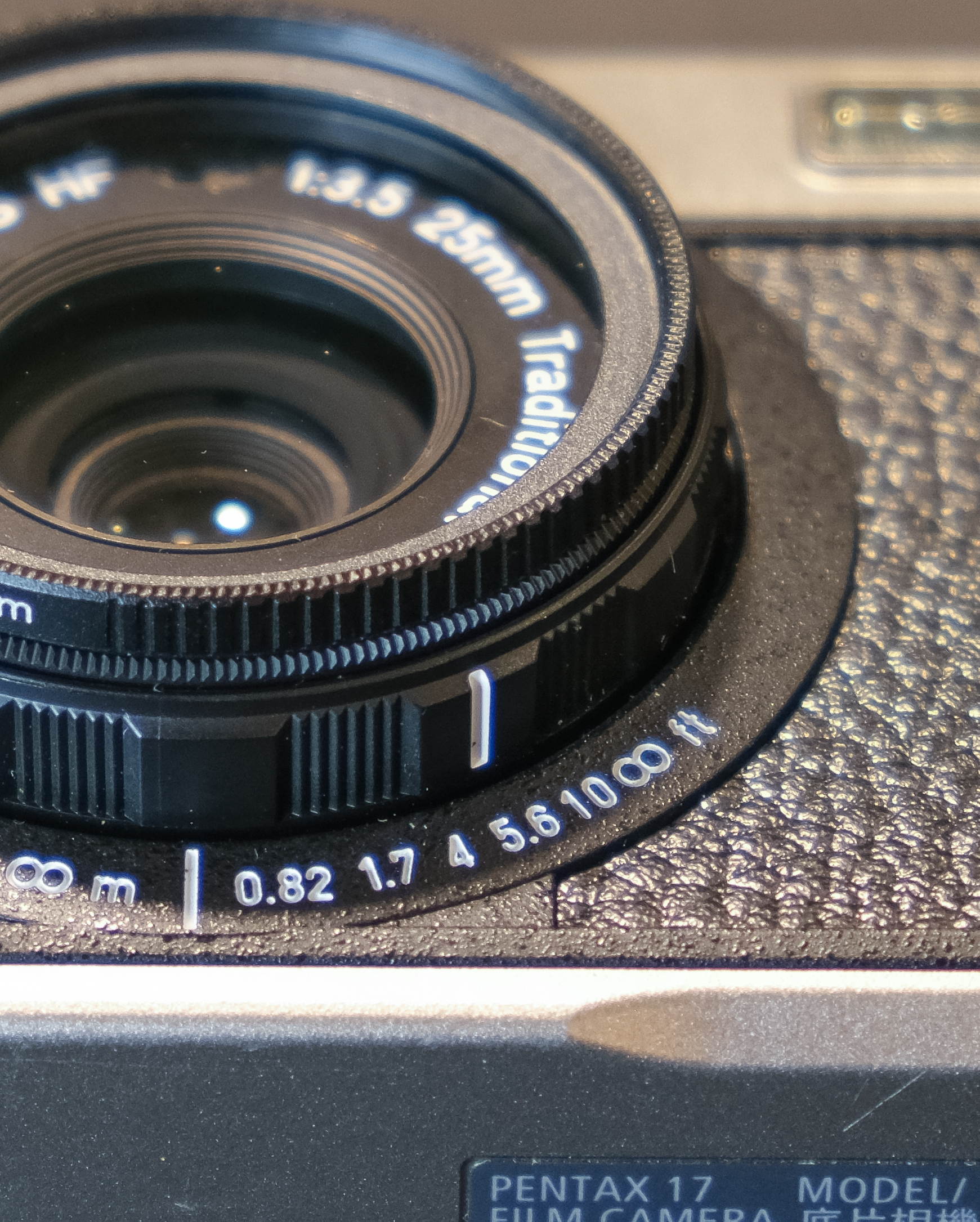
The other option is to leave the “Auto” mode, and start playing with zone focus, and with modes giving more control to the photographer (Program, Bokeh, flash and flash-less Night). And tinkering with the exposure compensation dial. Or even trying voluntary multi-exposures. Then, the Seventeen ceases being a point and shoot, and becomes a camera inviting the photographer to have fun experimenting.
Not that experimenting is easy – the Pentax 17 is a film camera, with a clear viewfinder and no shutter speed or aperture indication. You can only guess – vaguely – what the image is going to look like when, a few days or weeks later, you will process the roll of film. Because you don’t have any form of feedback when you take the picture.
Of course, being a film the camera, it does not keep a log of your settings, and does not write EXIF metadata. The only way to progress in your knowledge of the camera is to keep a little notebook, and record the settings of each series of images after you’ve pressed the shutter button. This way you can understand what works, what does not, what you did right, and what you did wrong.
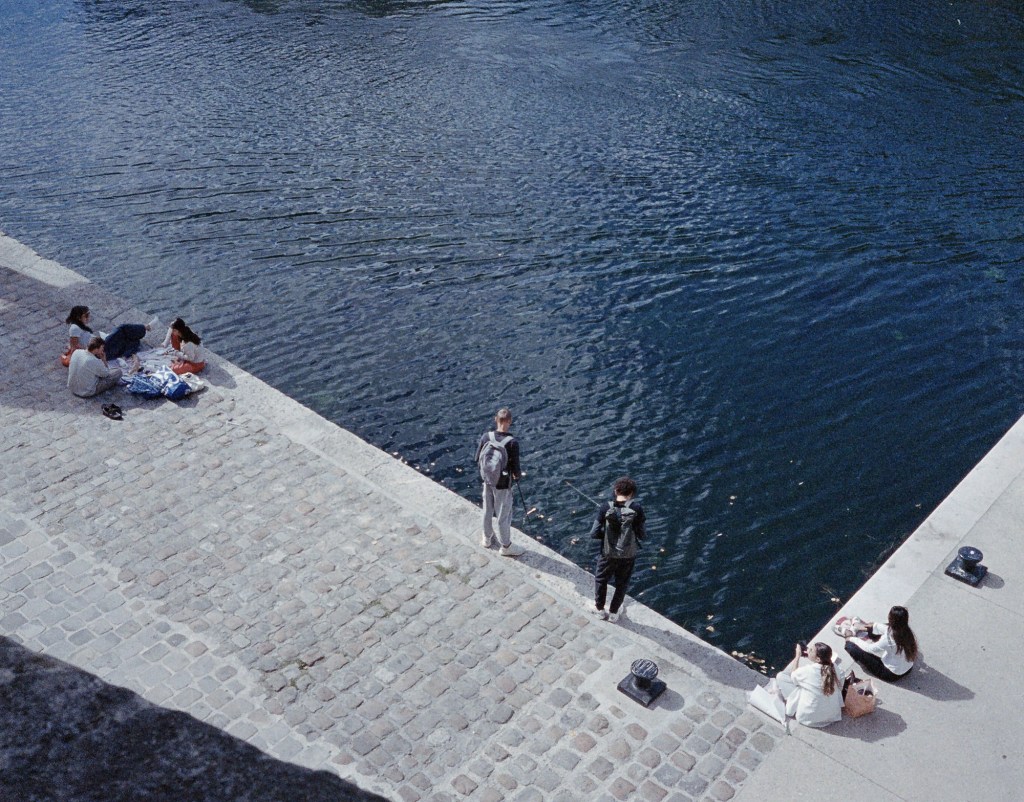
Caveat emptor
With modern digital cameras the sensitivity does not matter anymore as far as IQ is concerned – you won’t see much of an image quality degradation until you reach 6400 ISO. At least. Film has not really progressed in the last 25 years. 200 to 400 ISO is still the norm, 800 to 3200 the exception. And beyond that, nothing. Shooting with 100 ISO film reminds you that photography is literally “drawing with light”, and that when there is not enough light, drawing becomes pretty tough.
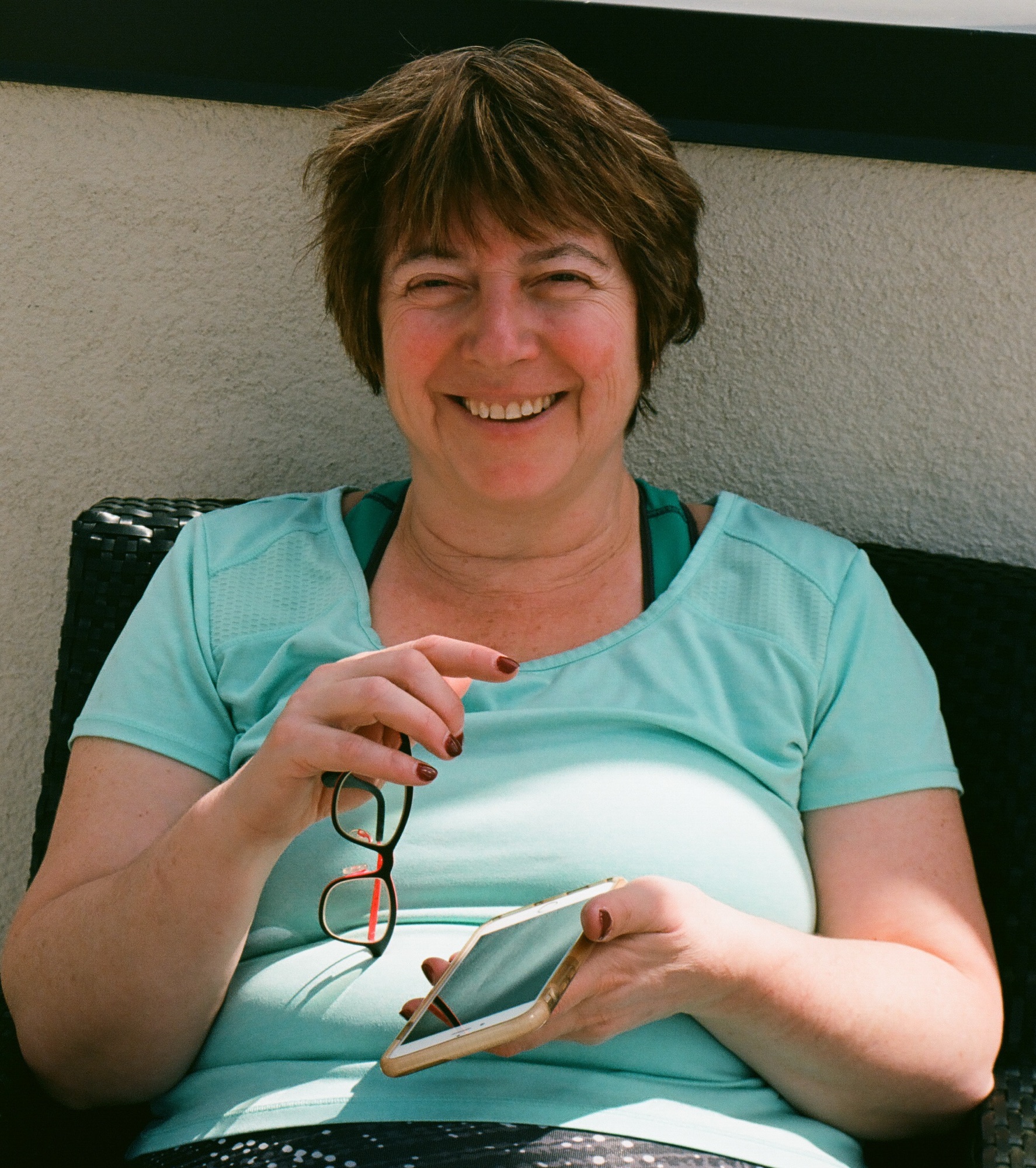
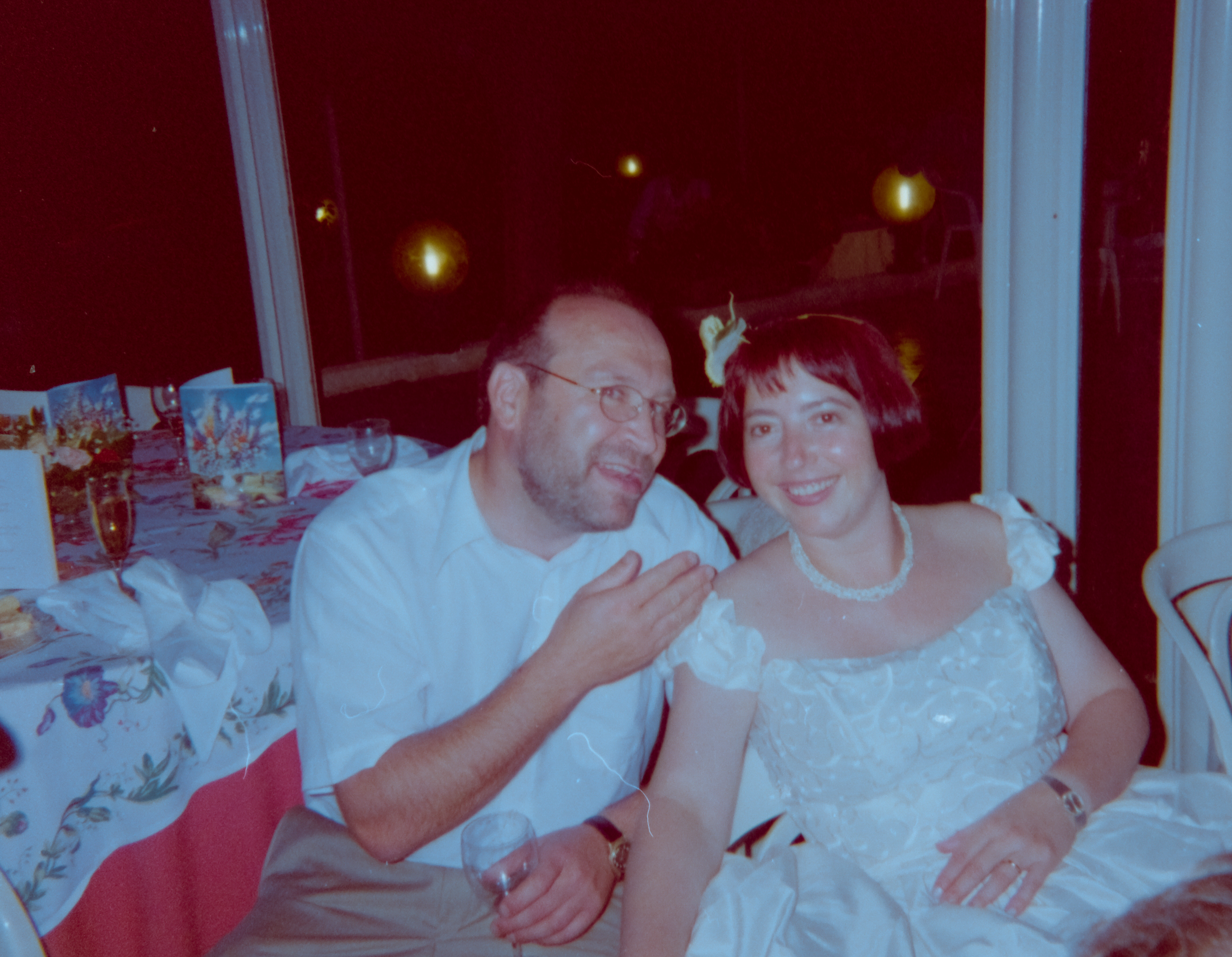
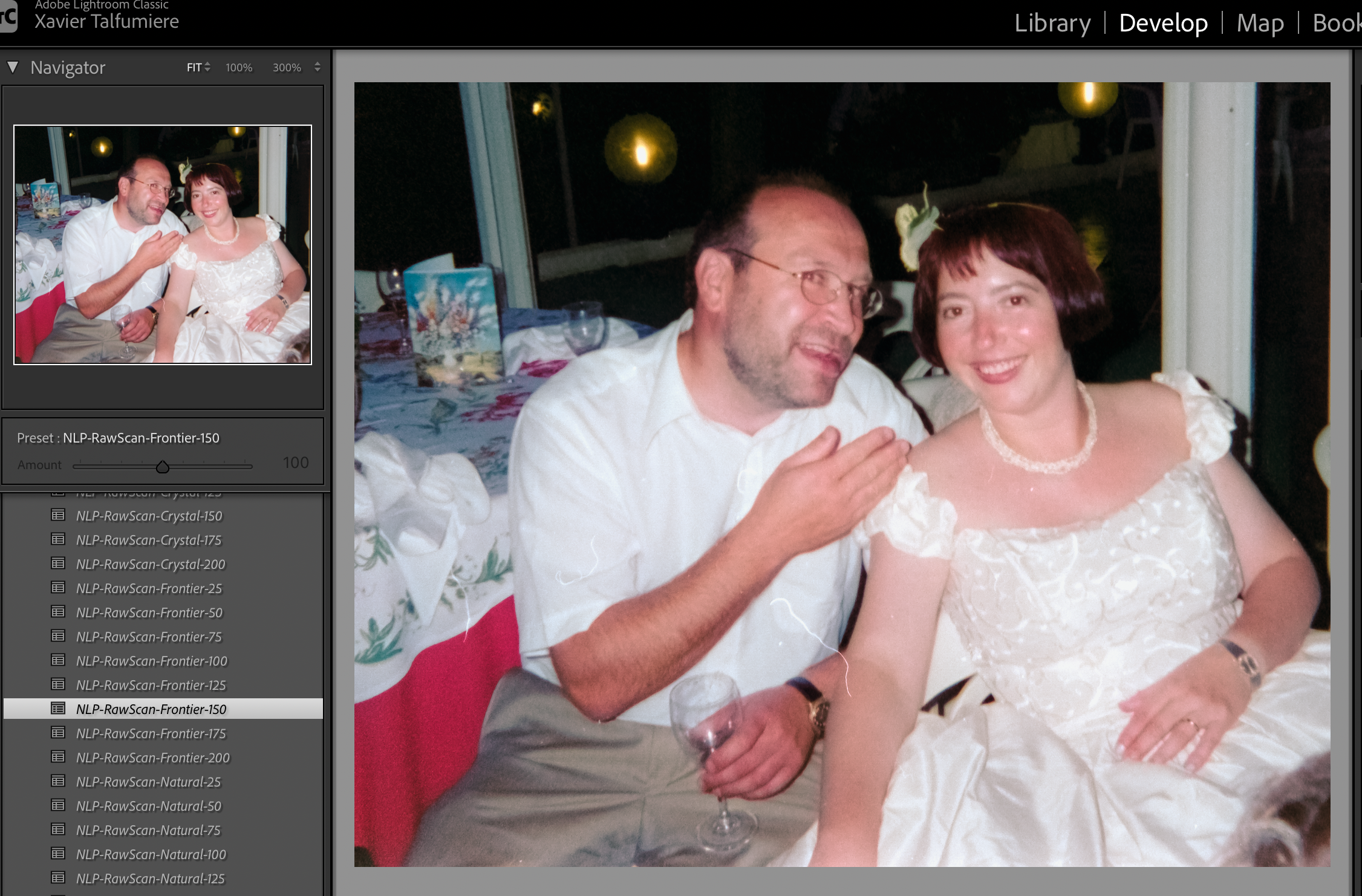
It’s also a camera without any form of image stabilization. Which coupled with the limited sensitivity of a typical amateur film, makes the use of an electronic flash generally necessary indoors. I’ve always hated the built-in flash of compact cameras, and the P17 is not going to change my feelings. The light is flat and unflattering – don’t shoot a portrait with the flash on – if you want to remain in good terms with your model.
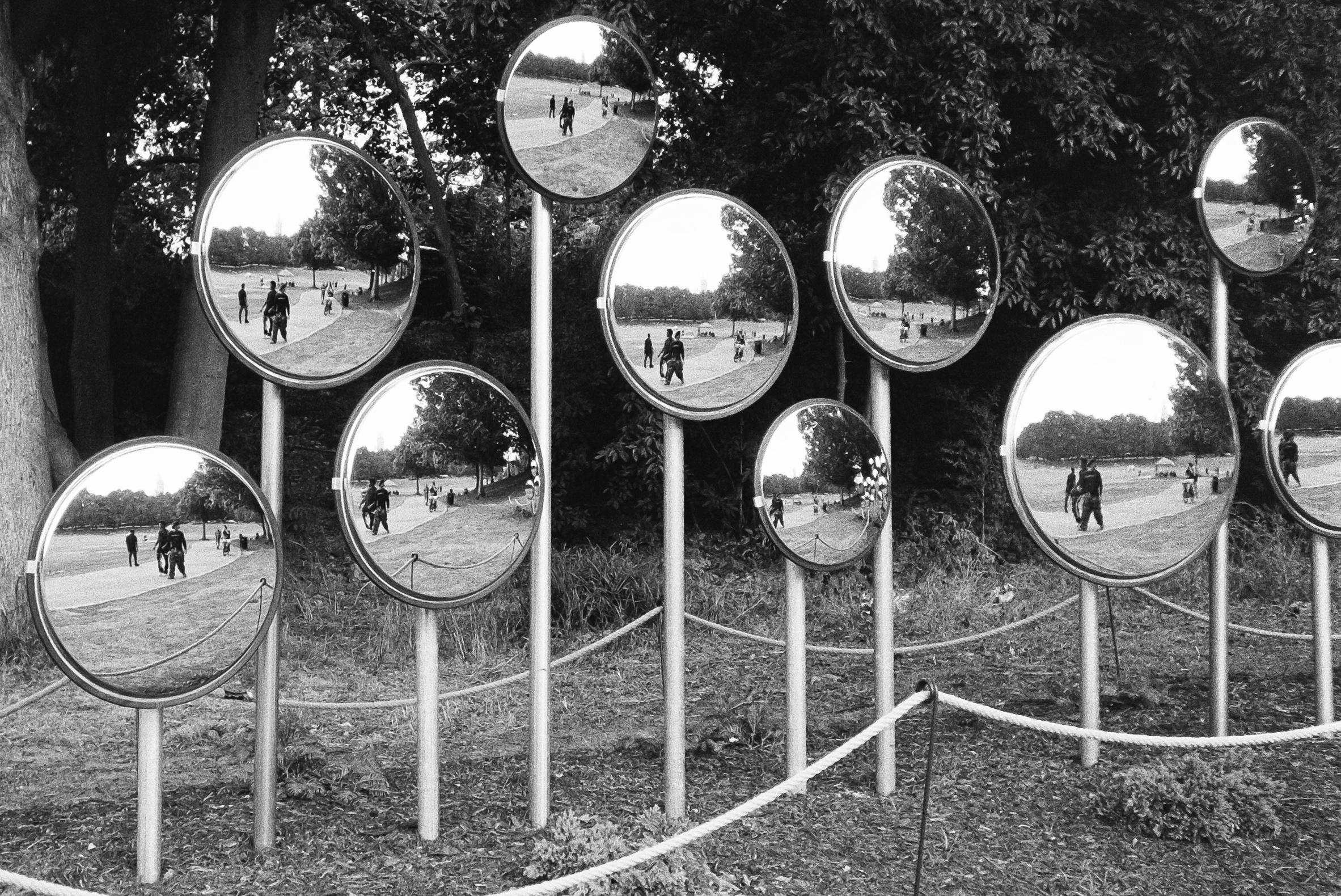
Half frame has its good sides, and its bad sides. 72 views on a roll of film, it’s liberating. If you process and scan at home, you can shoot for less than $0.25 a picture. The bad side is that 72 views, that’s a lot of pictures for a single roll of film, and if you’re not a prolific shooter, you may have to wait for a while before the frame counter reaches 72.
If you trust a lab with your negatives, the development cost won’t change, but you’ll have to be prepared to pay more for the scans than if you had sent a roll of film shot with a normal, full frame, 35mm camera: the lab has to scan at least 72 images instead of 36. My go-to lab, the Old School Photo lab, is asking an extra $8.00 for scanning a half frame roll, for example.
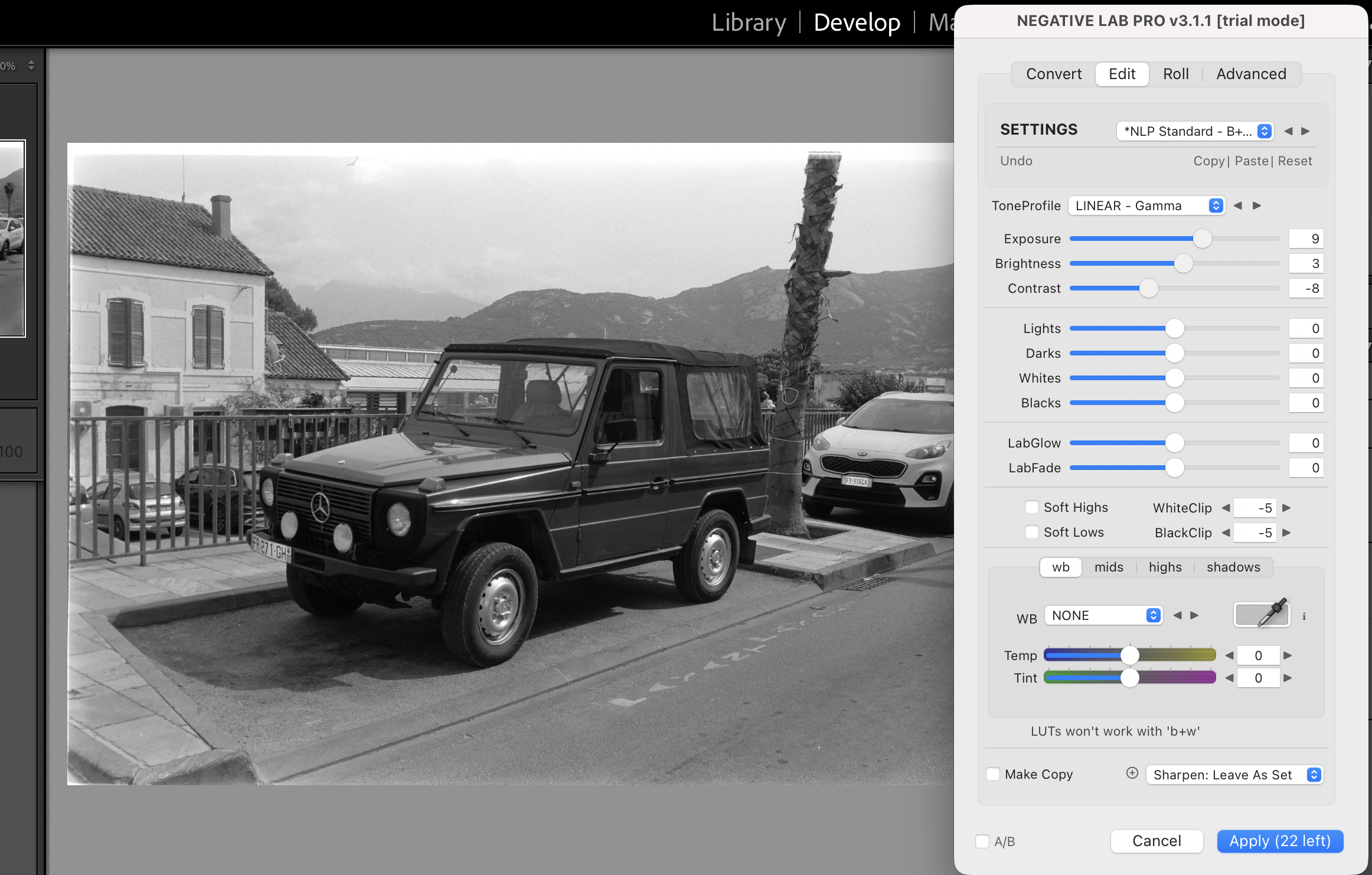
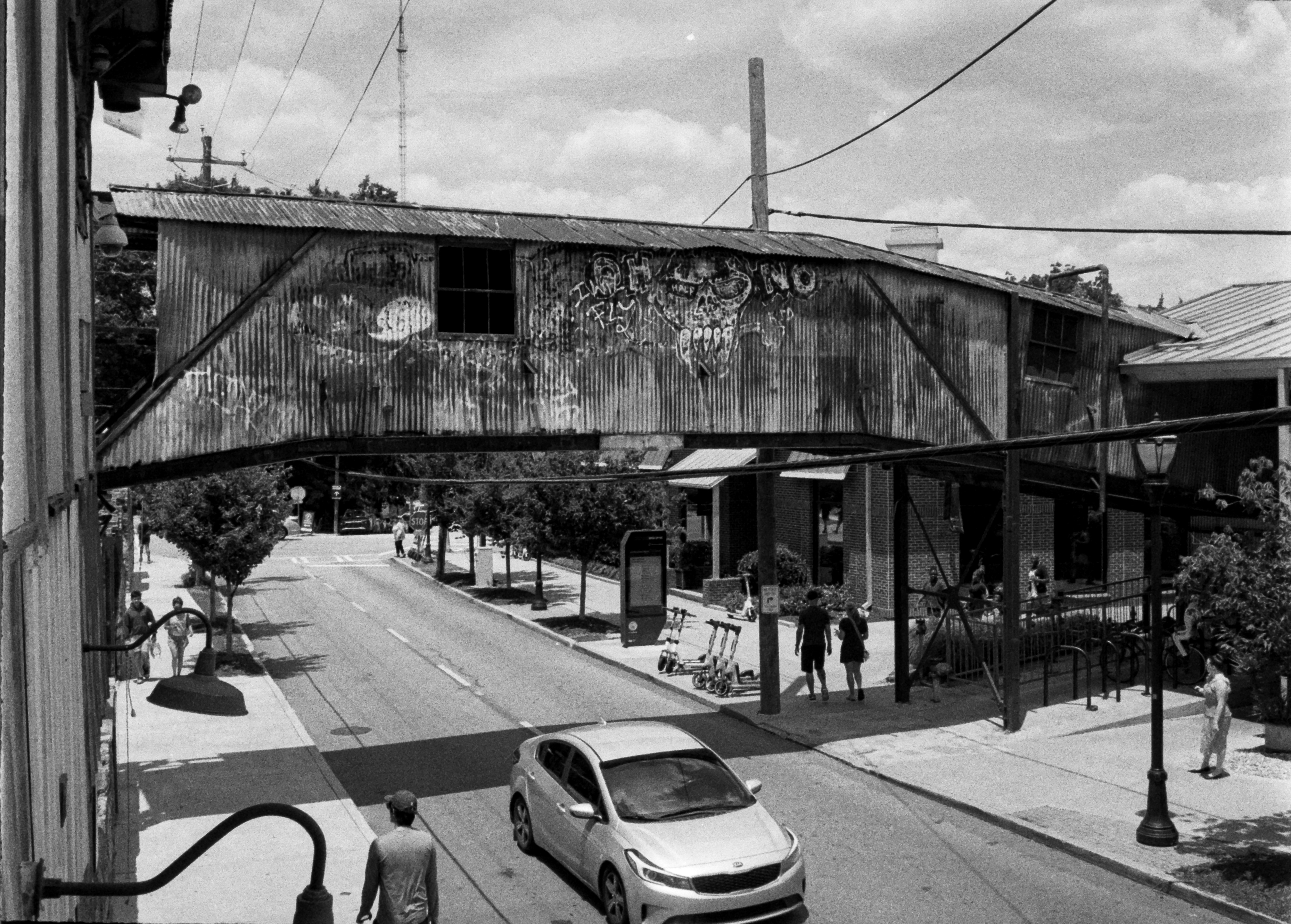
A half frame negative is small (half the size of normal 35mm frame, of course), and grain will be much more noticeable than on a “full frame” film camera. Fine grain film will be preferred, and processing and digitizing will require more care than when shooting on 36x24mm frames.
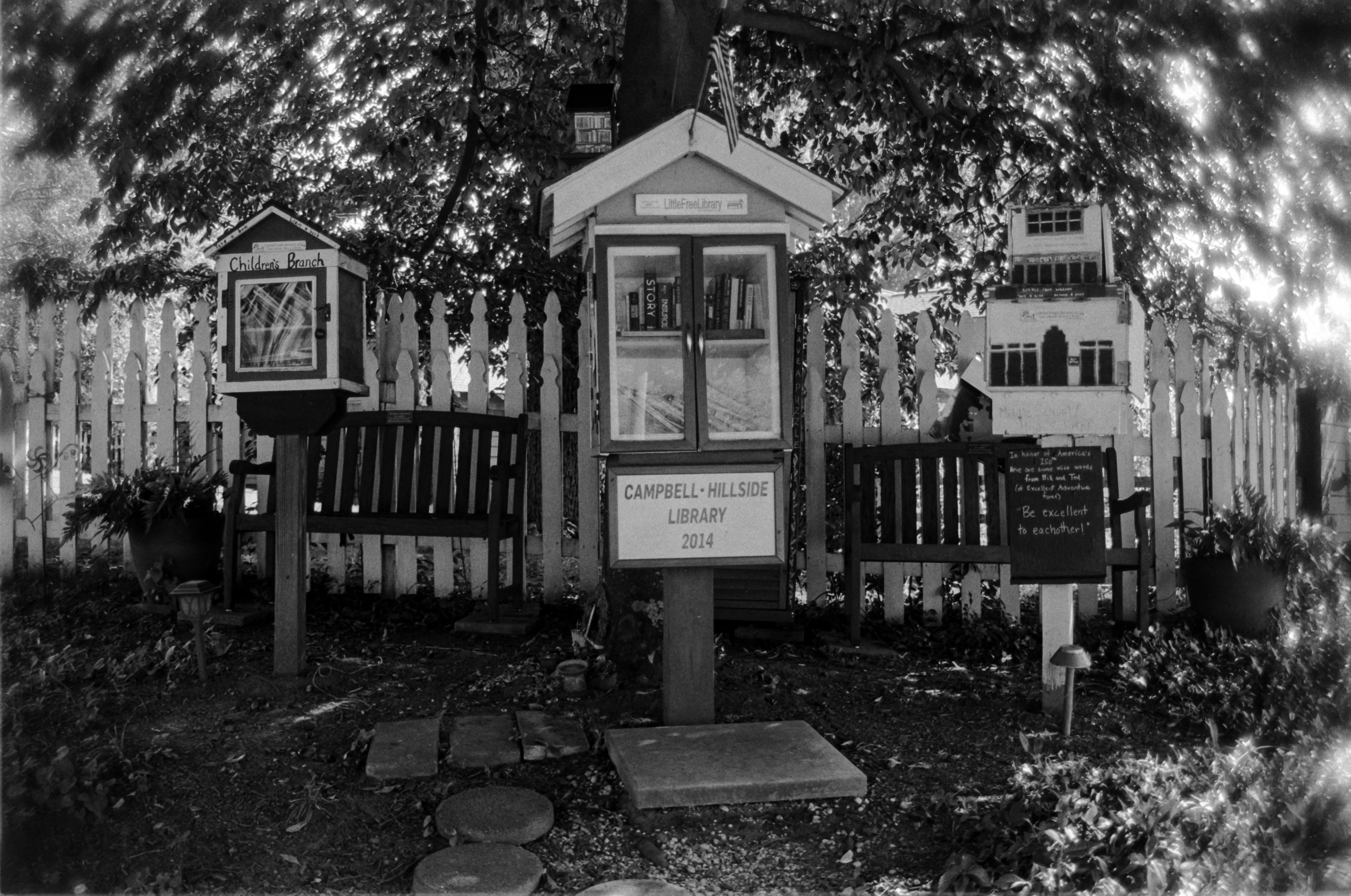
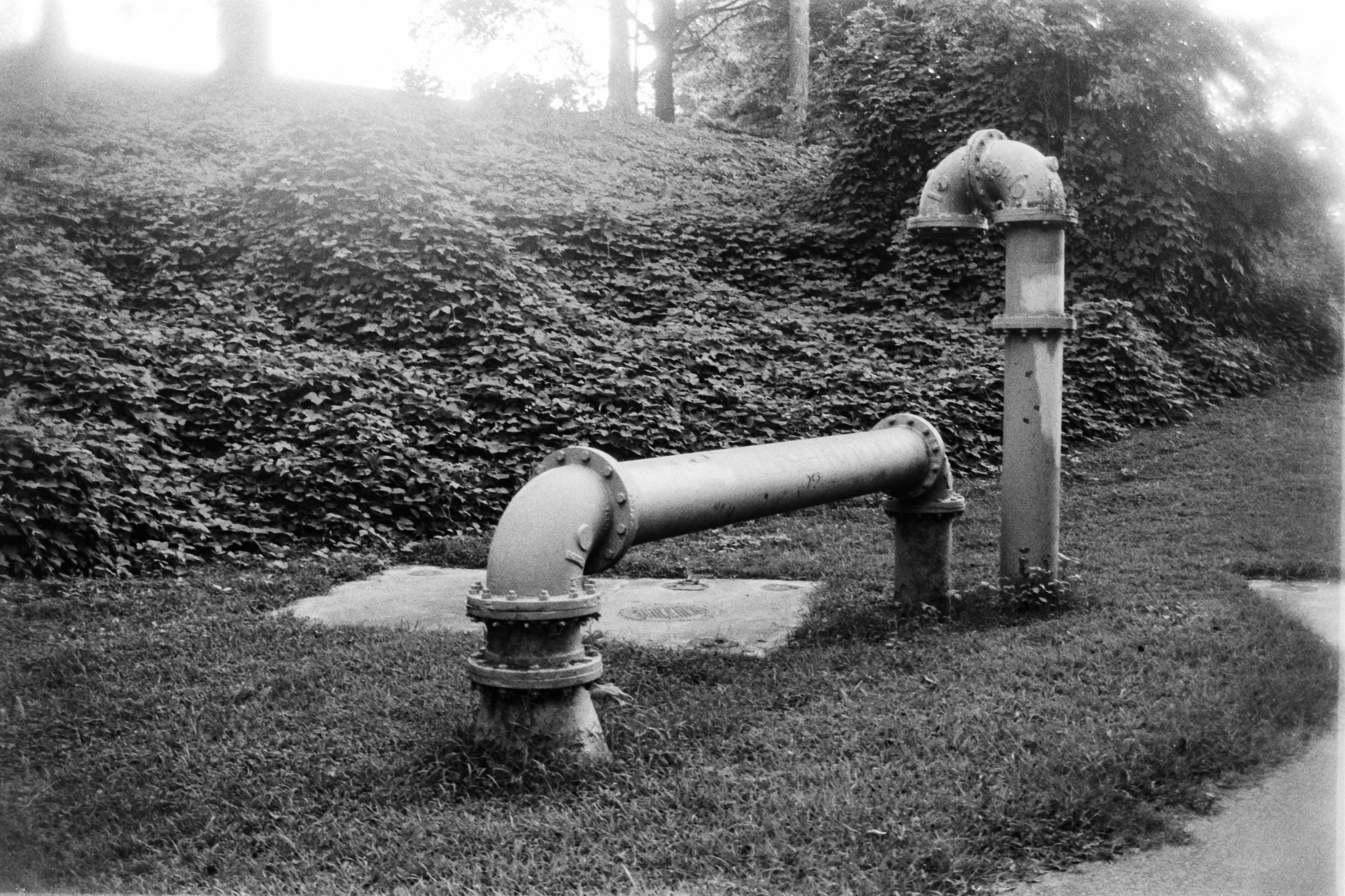
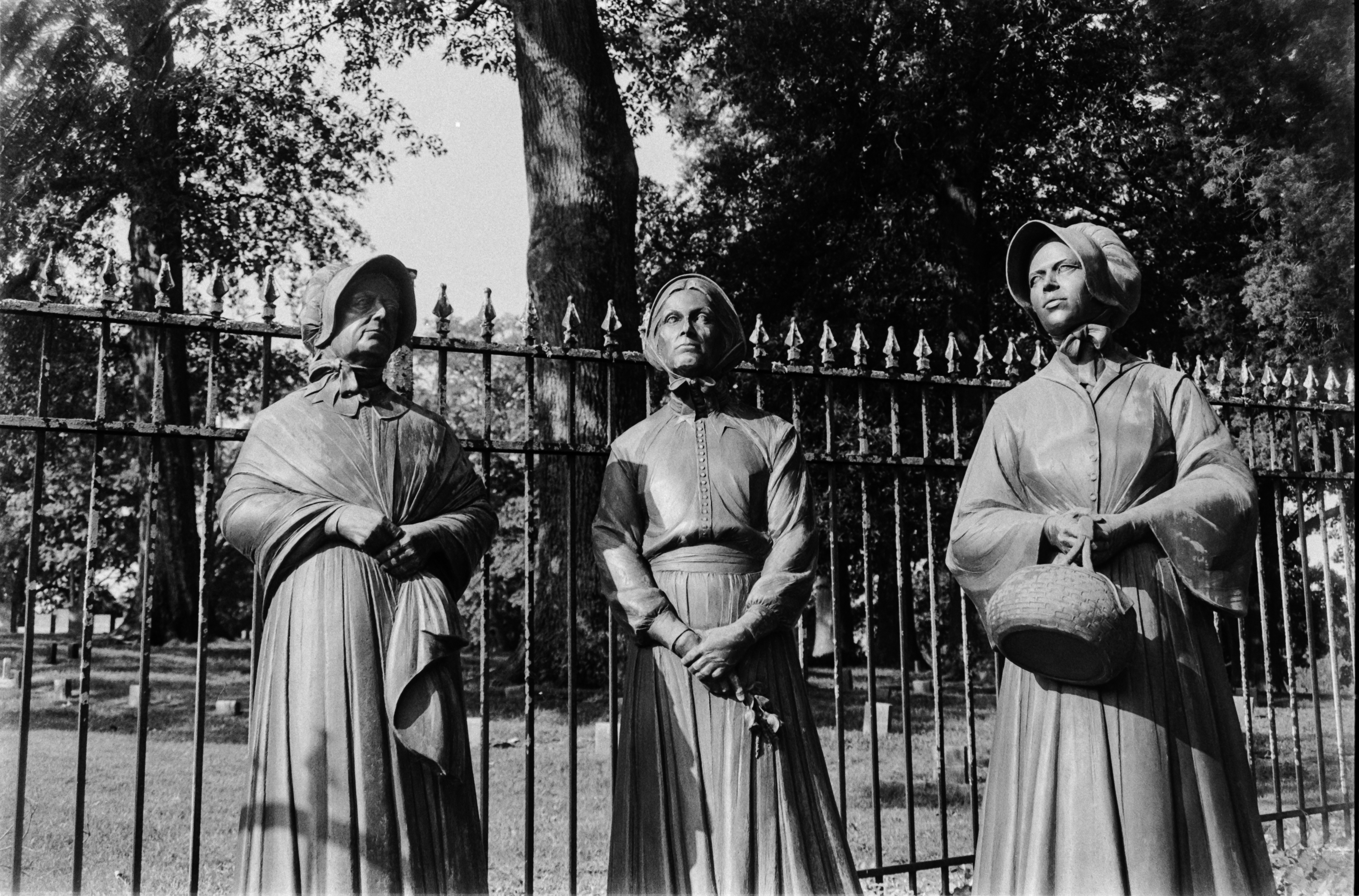
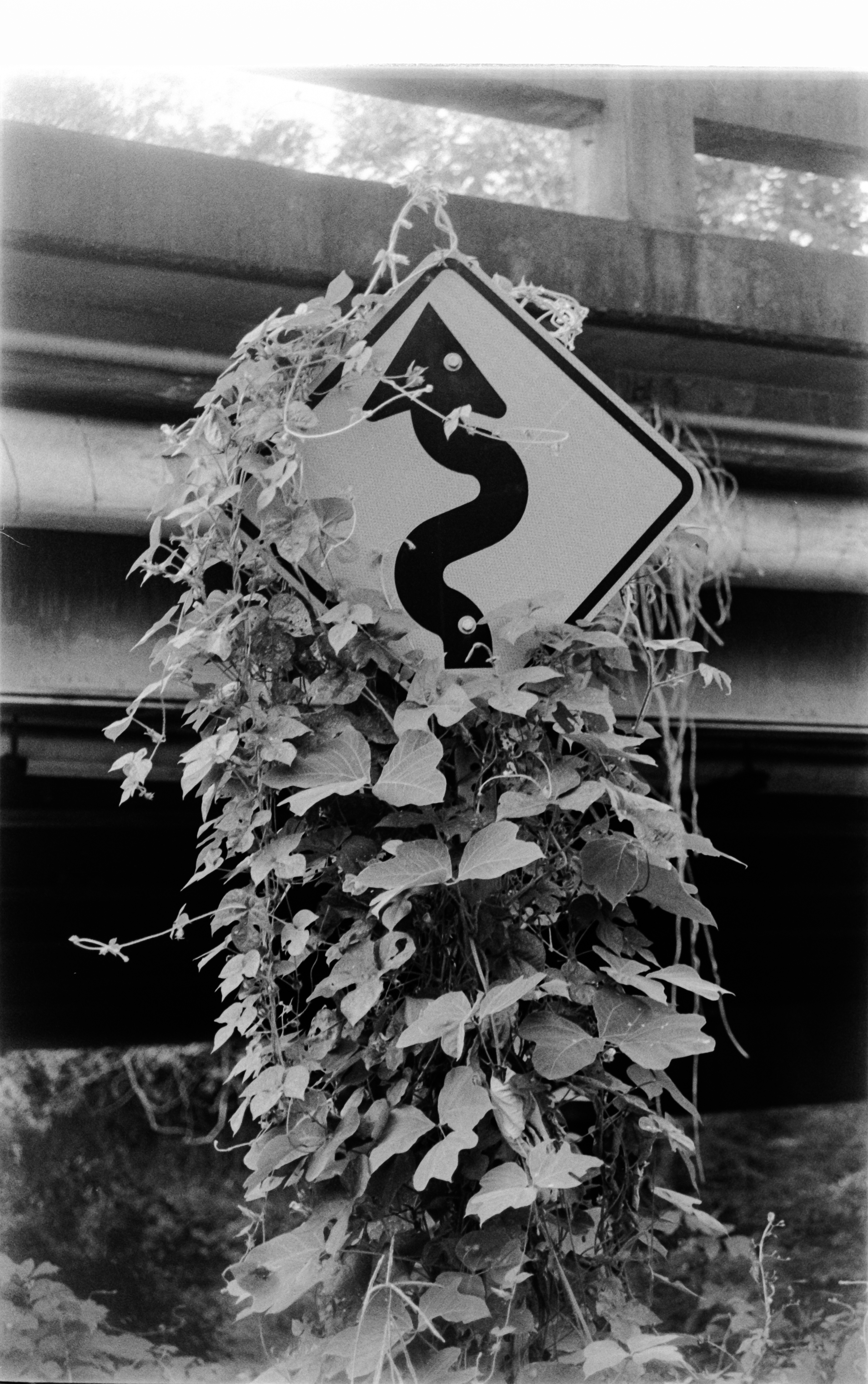
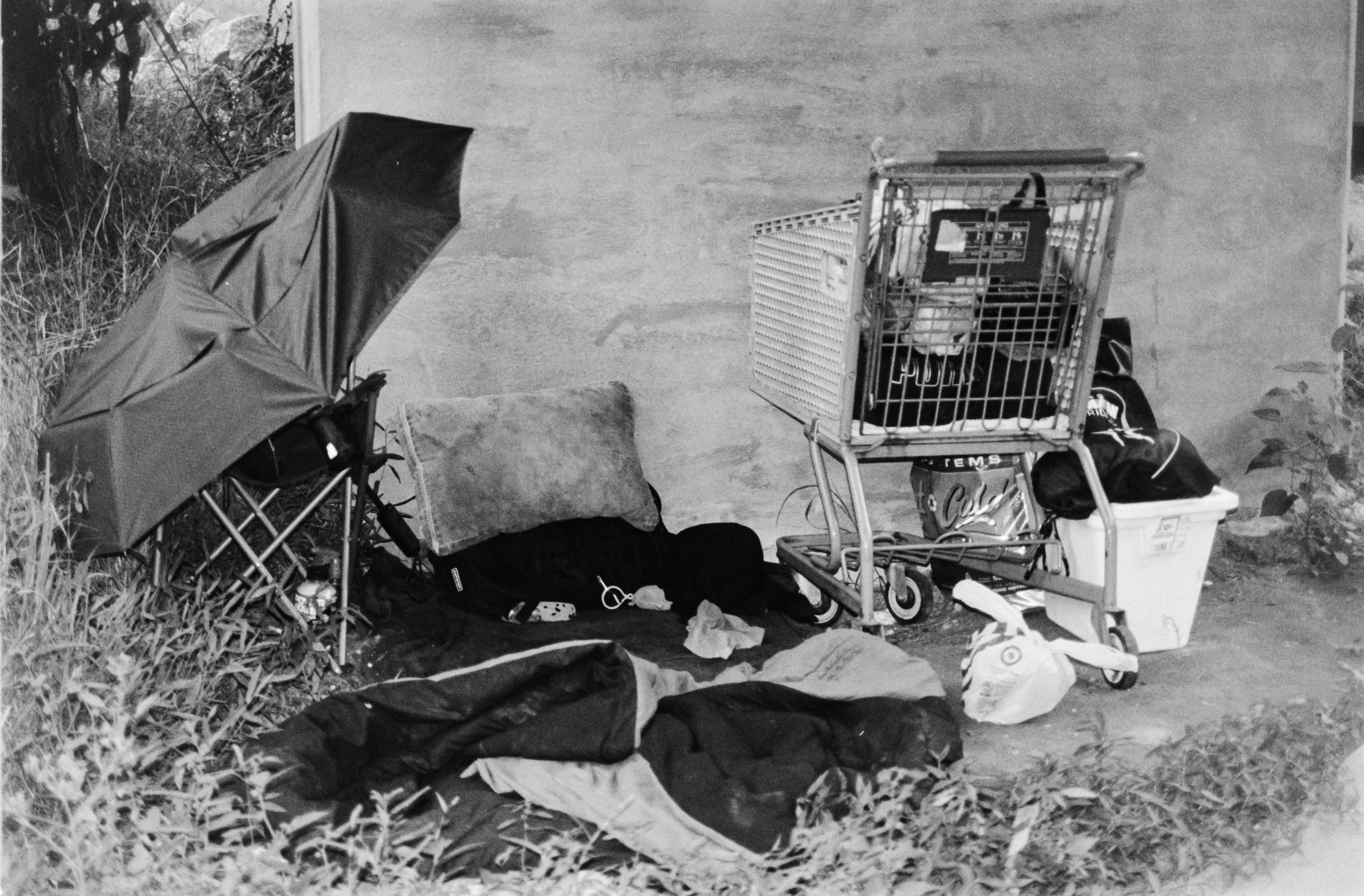
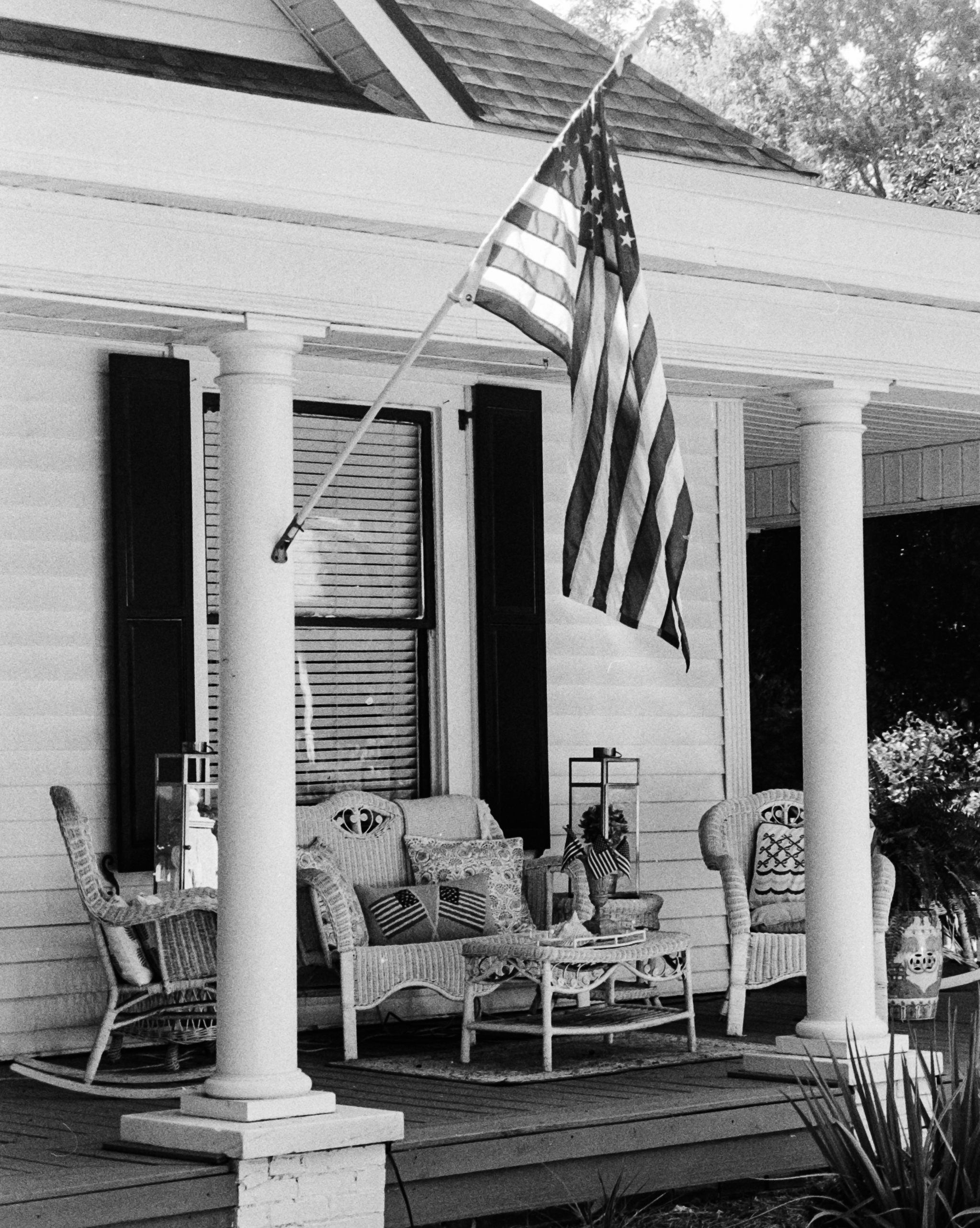
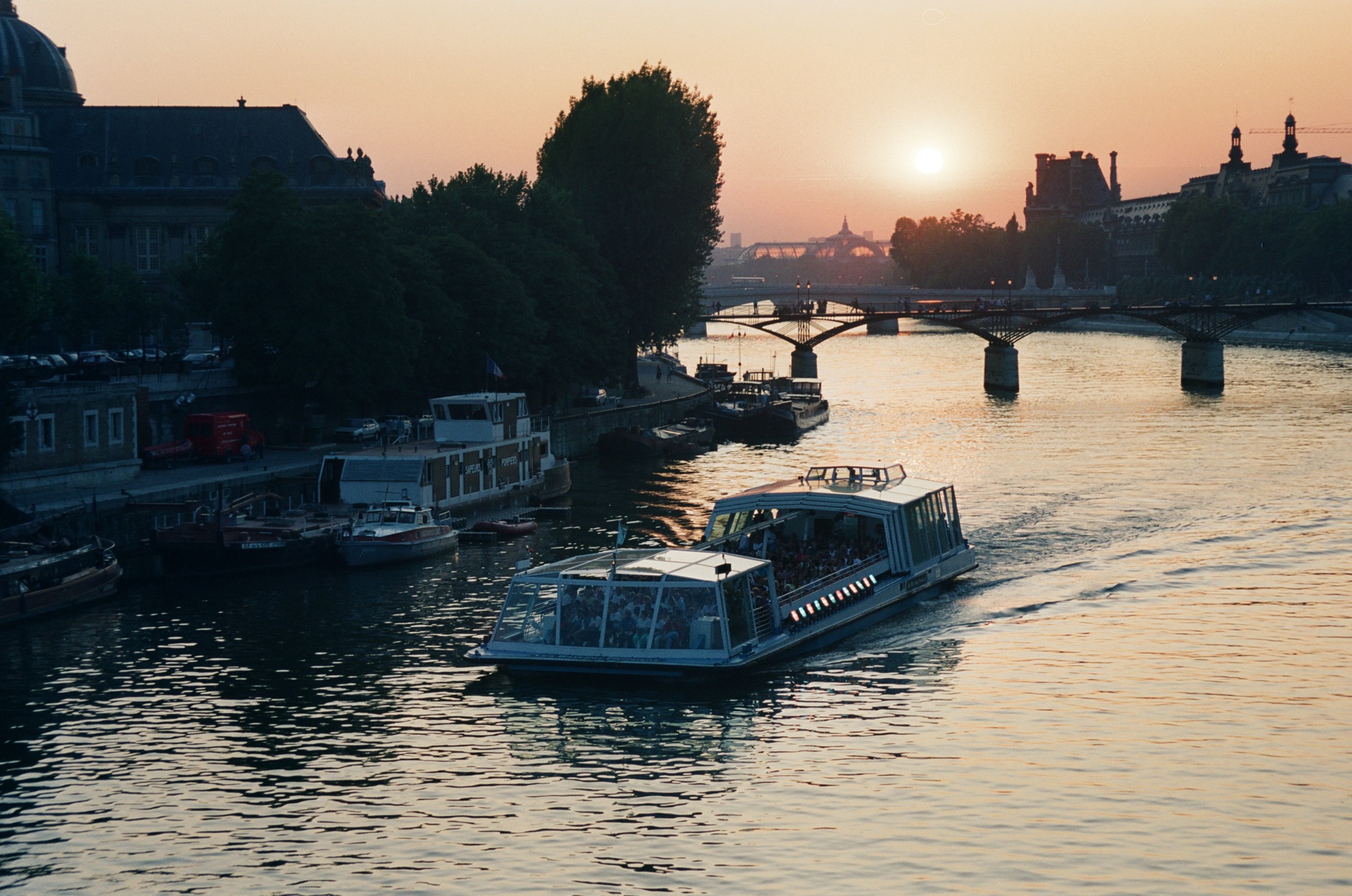
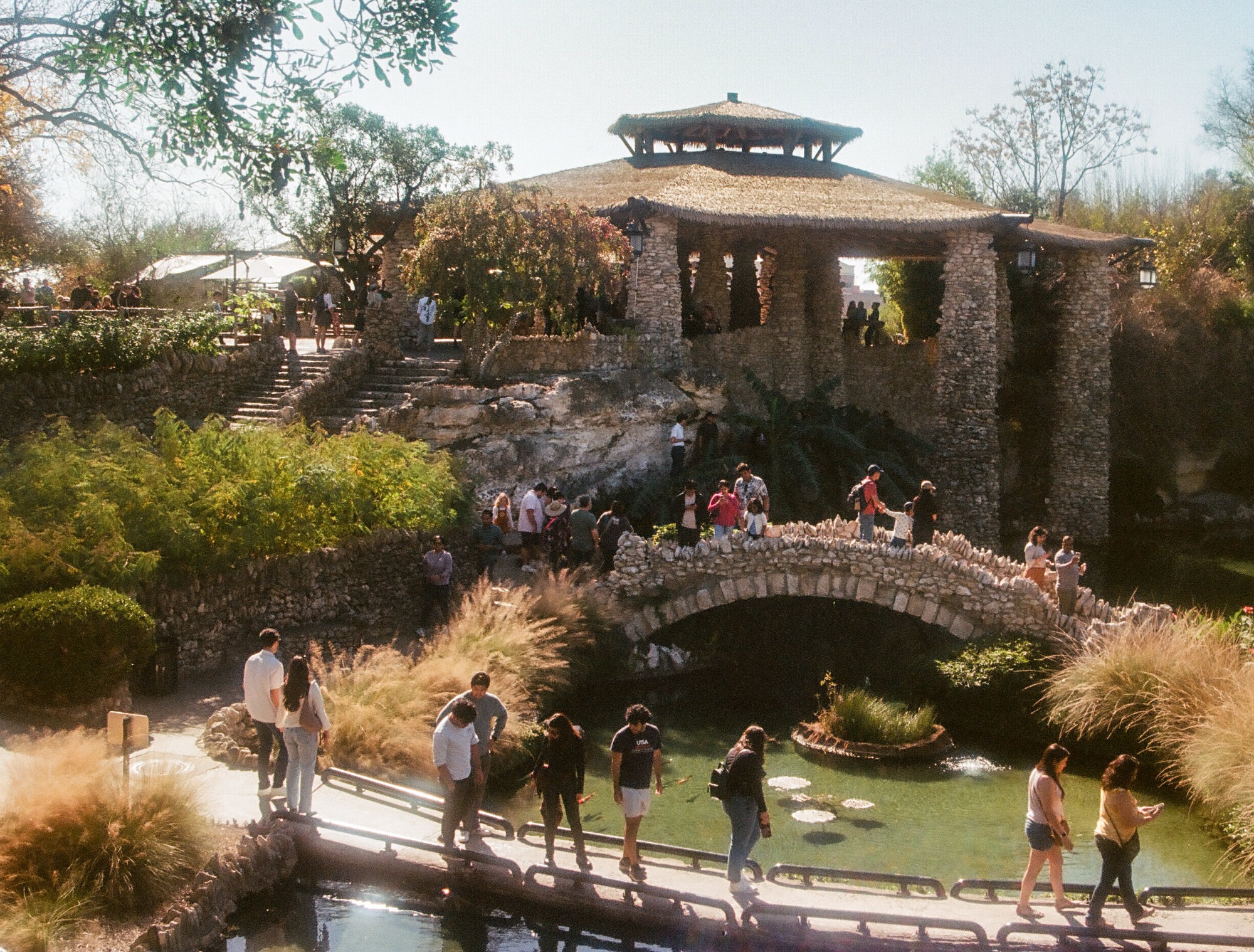
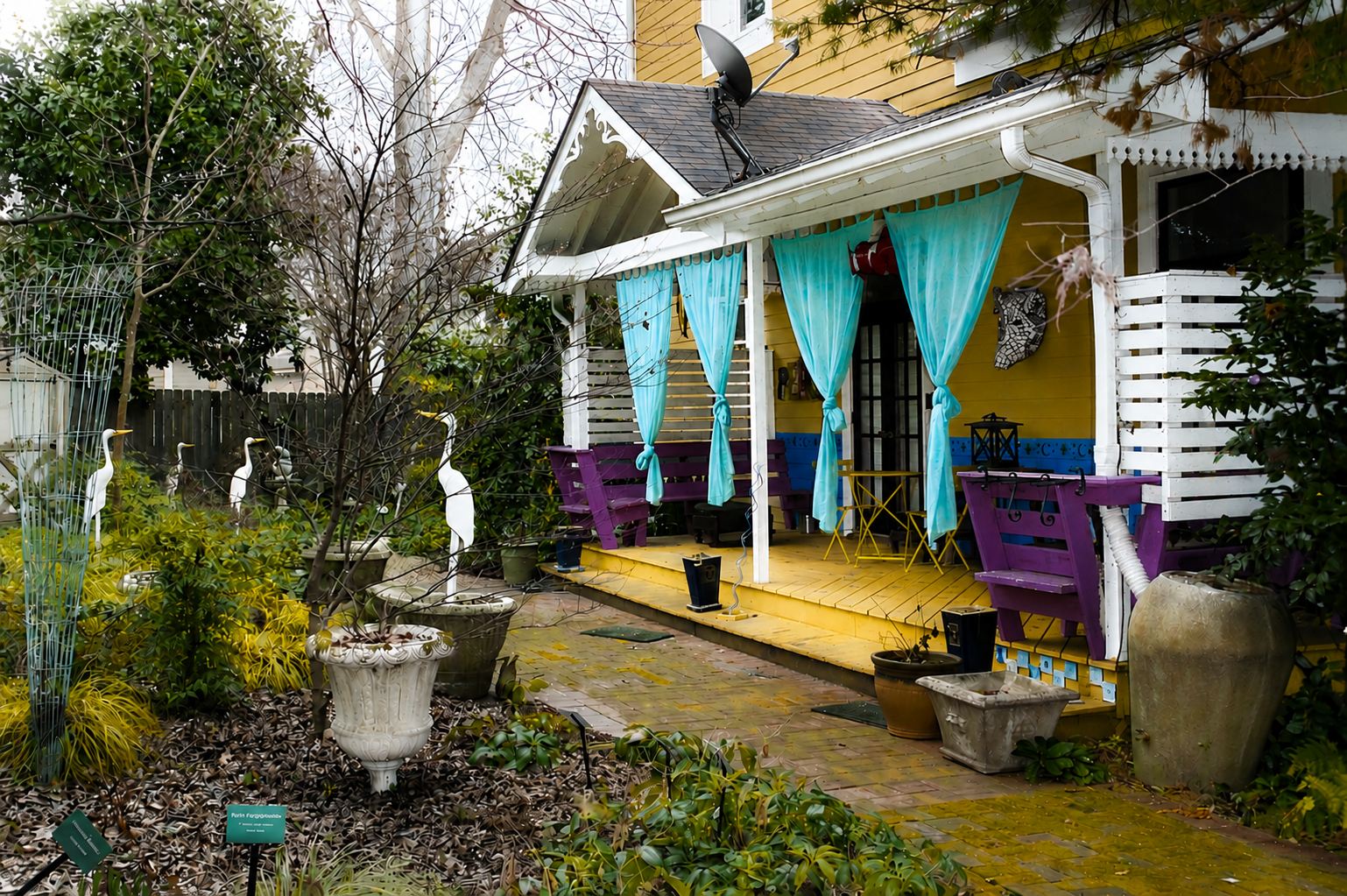
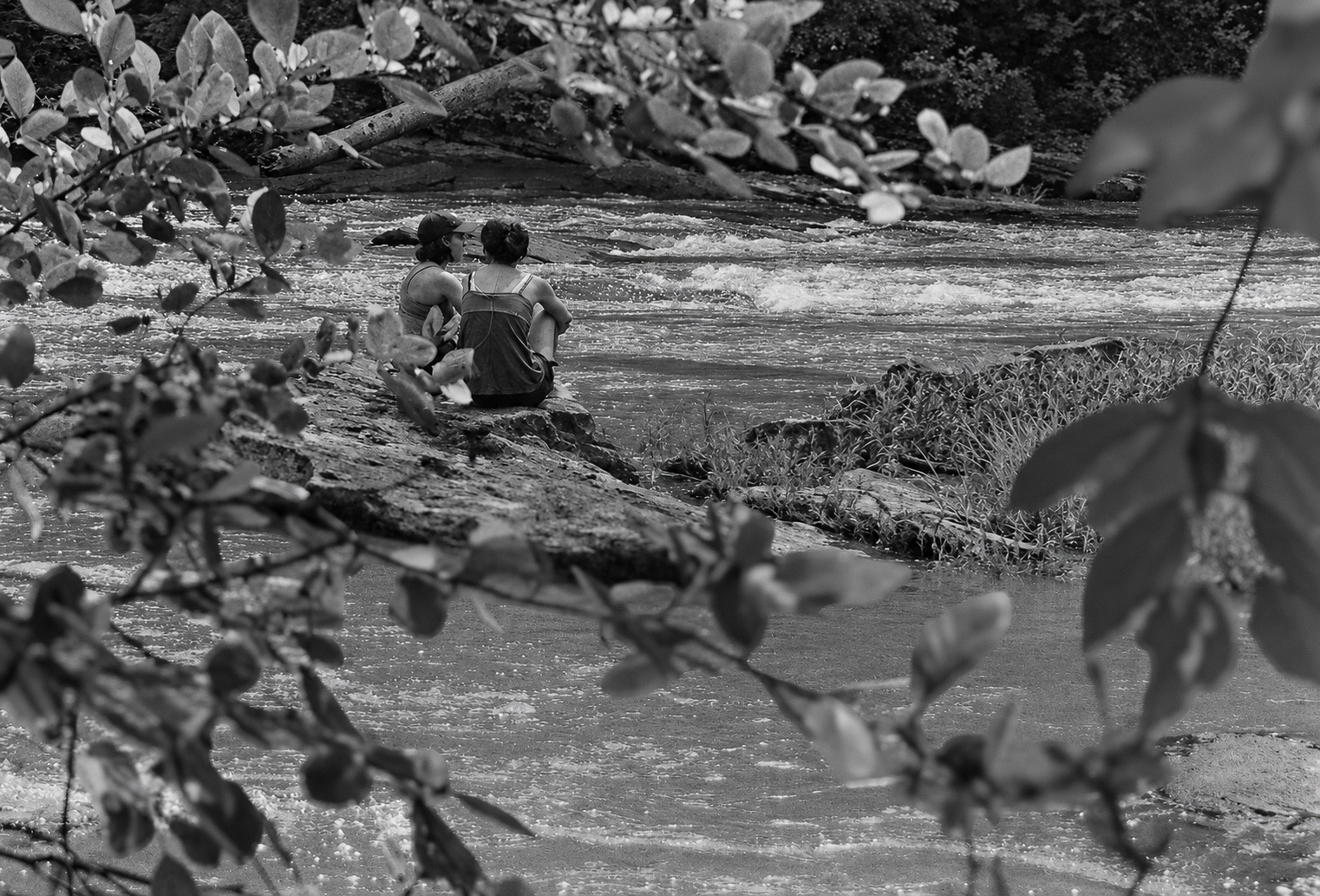
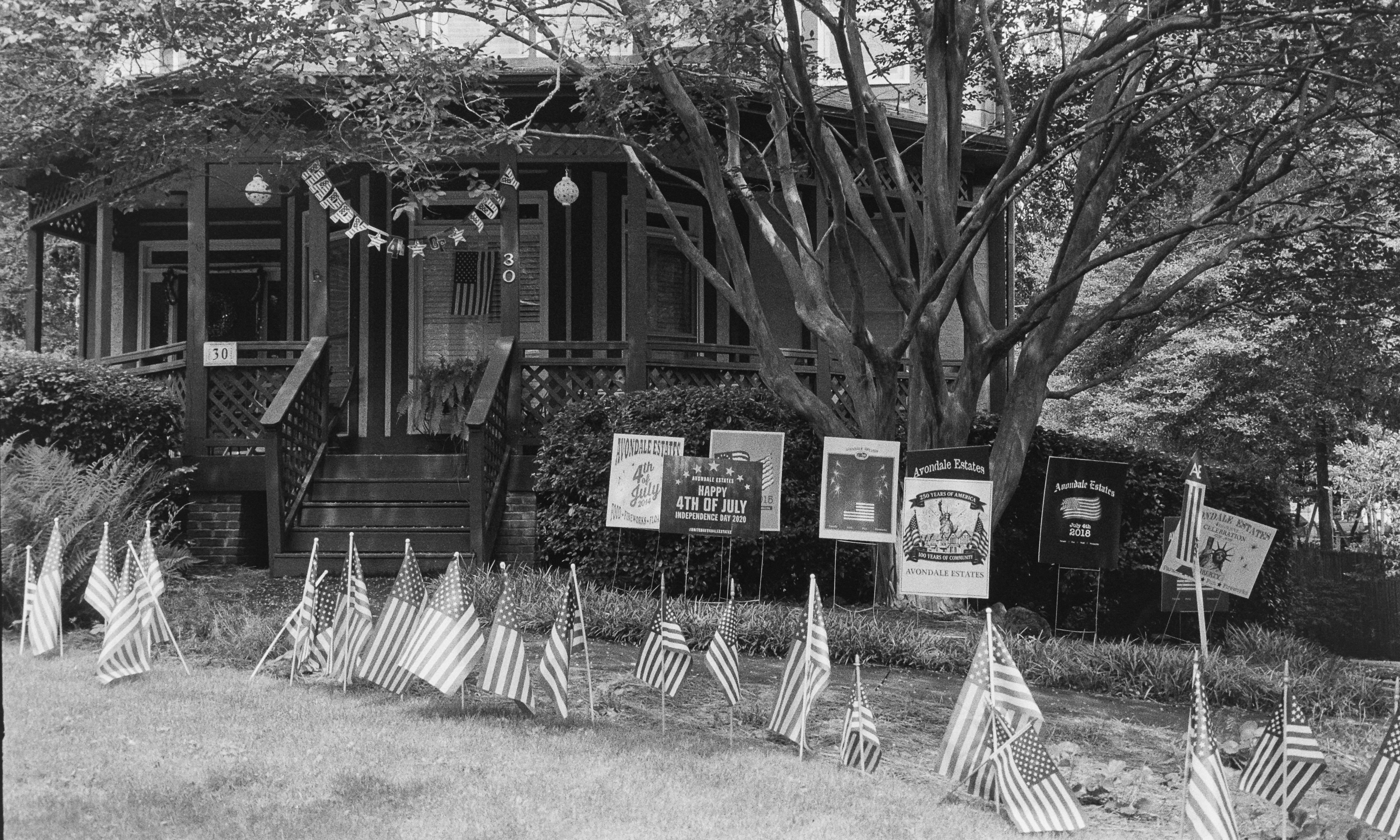
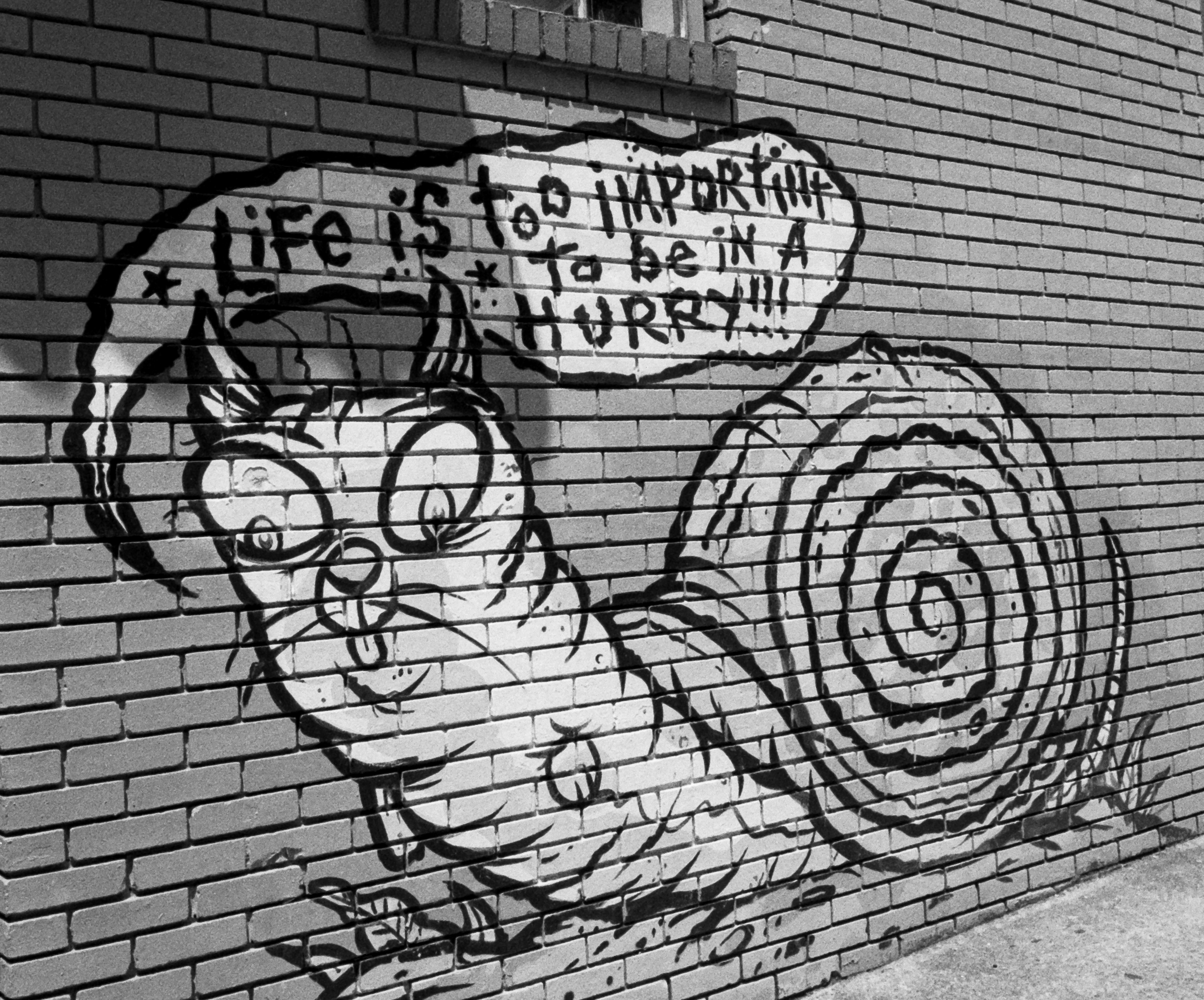
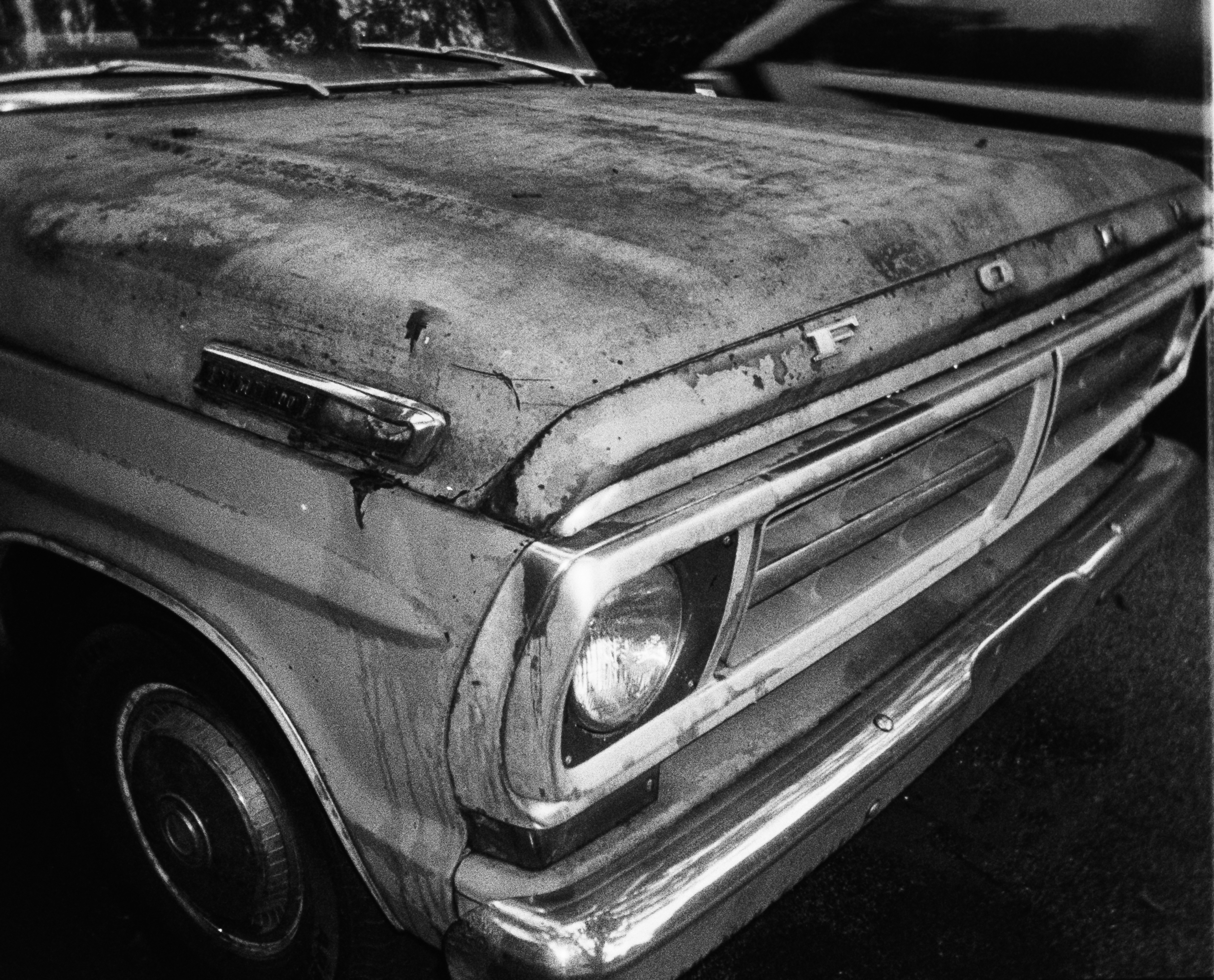
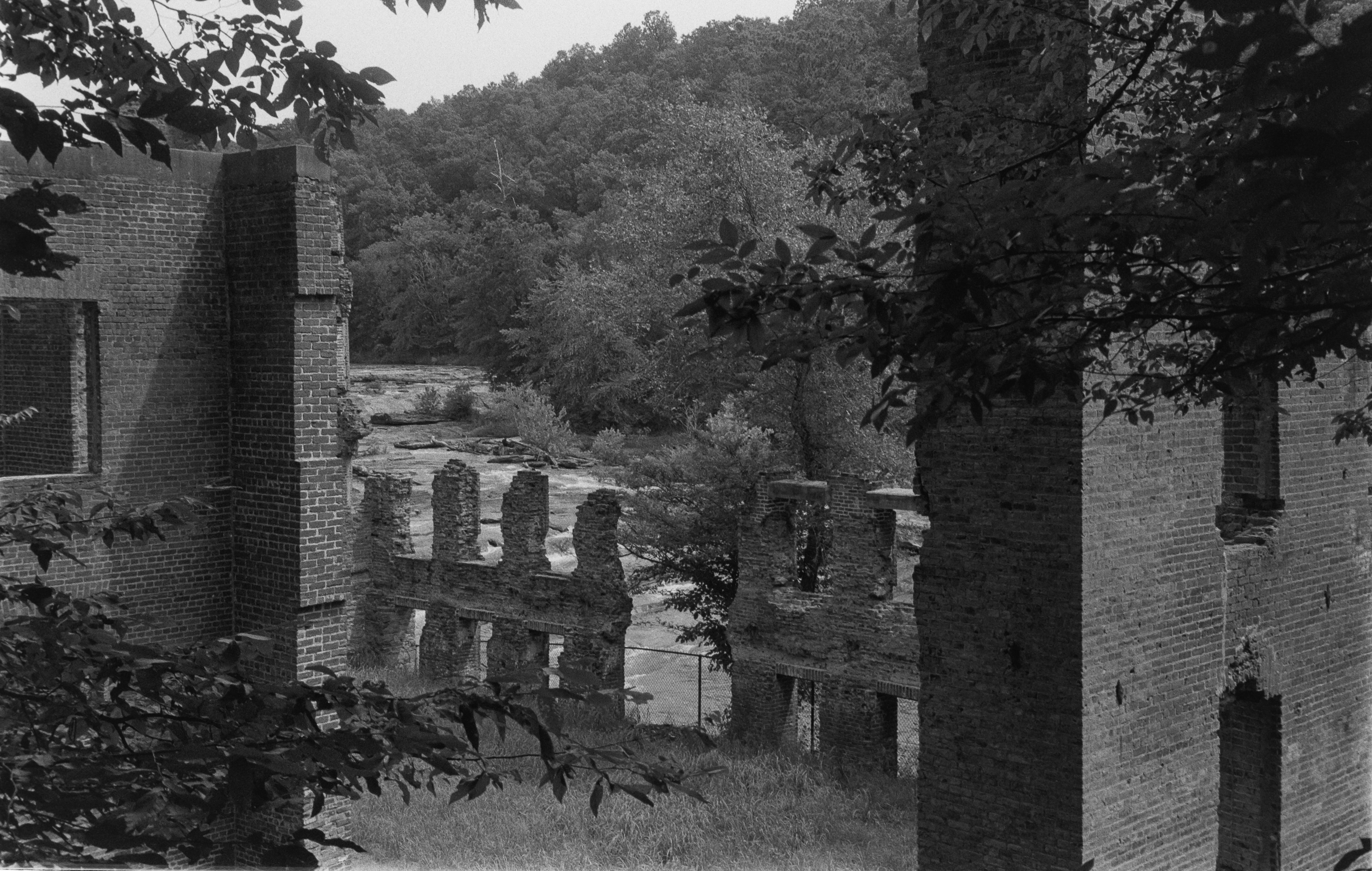
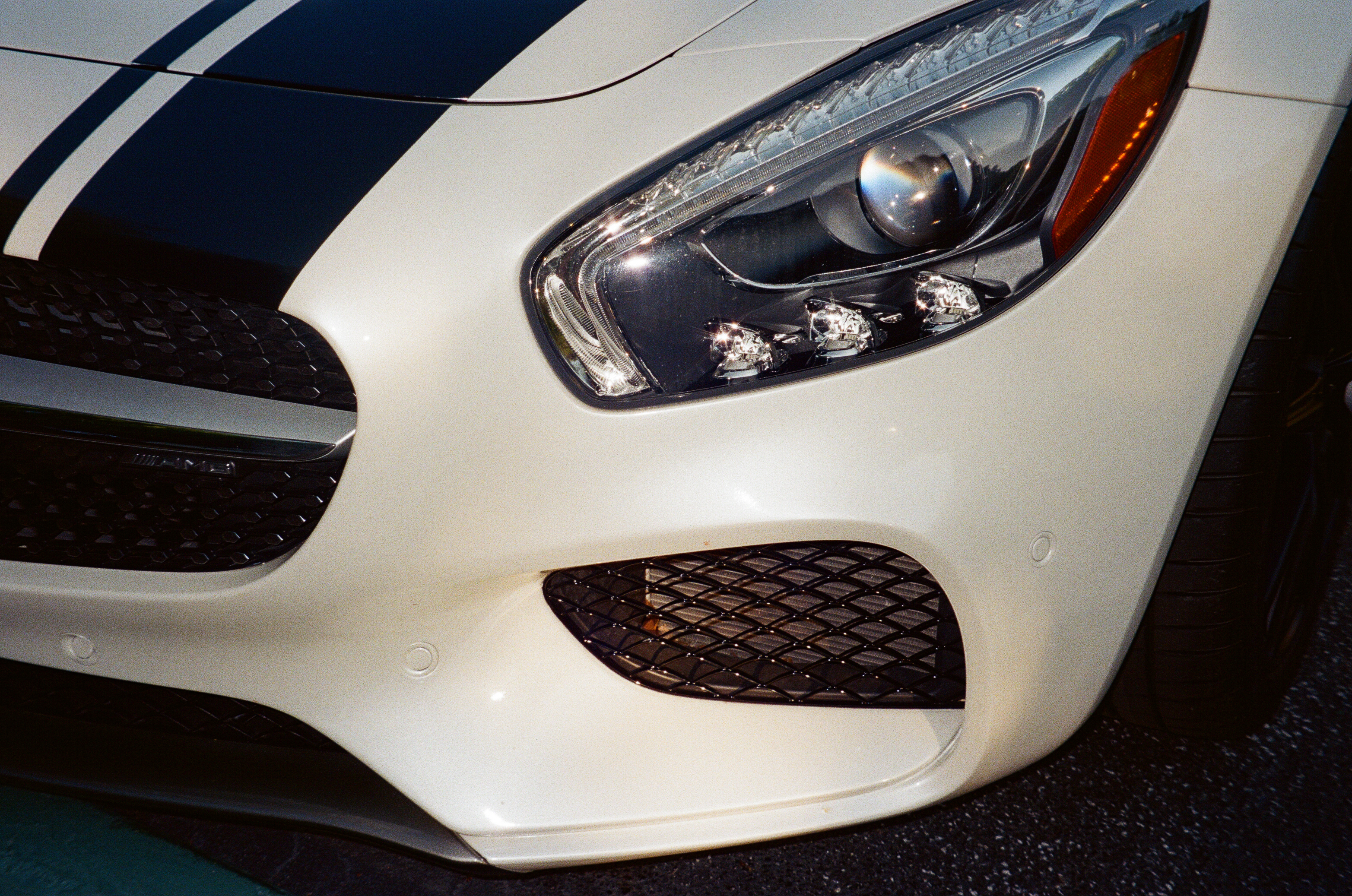
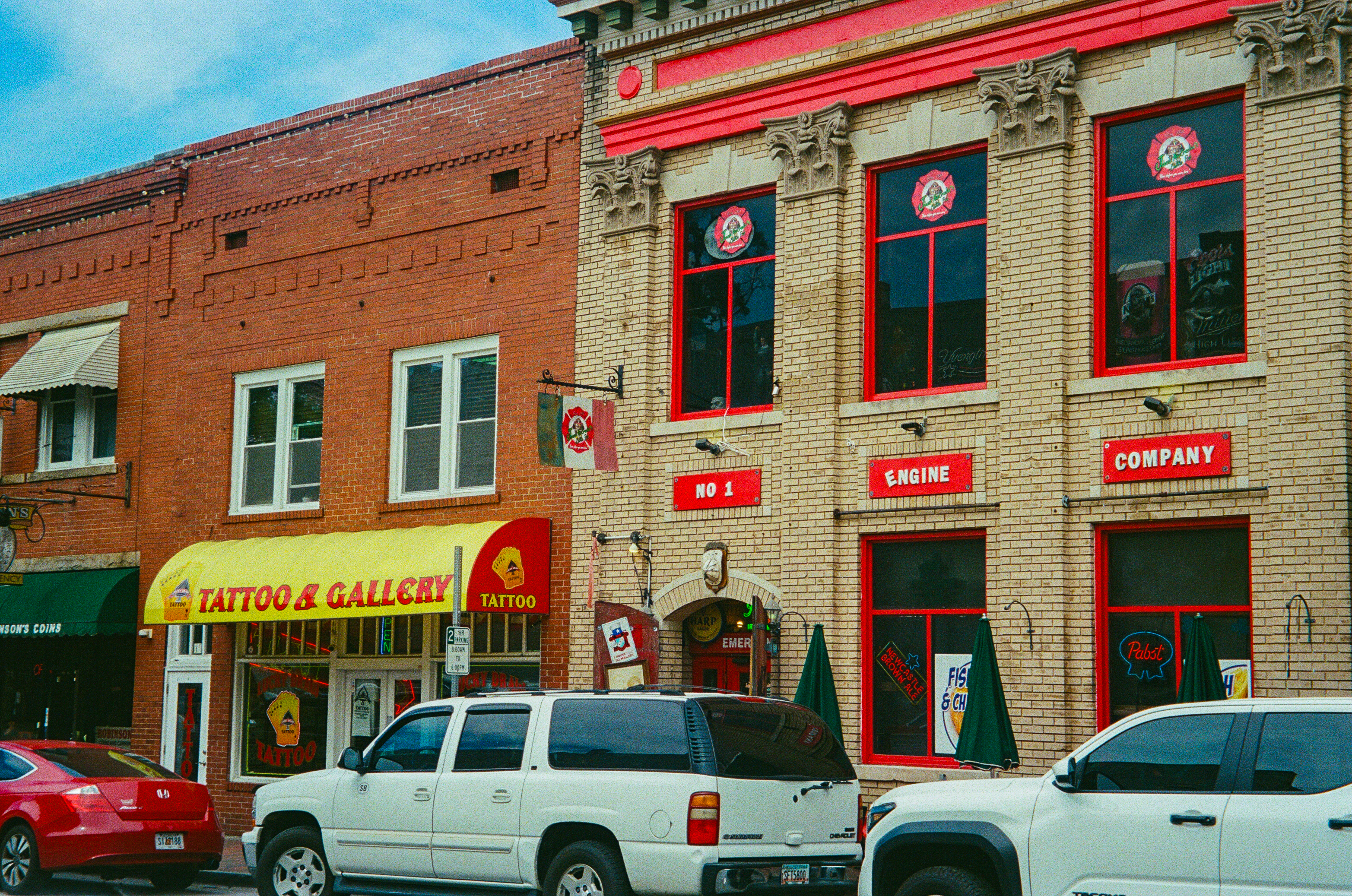
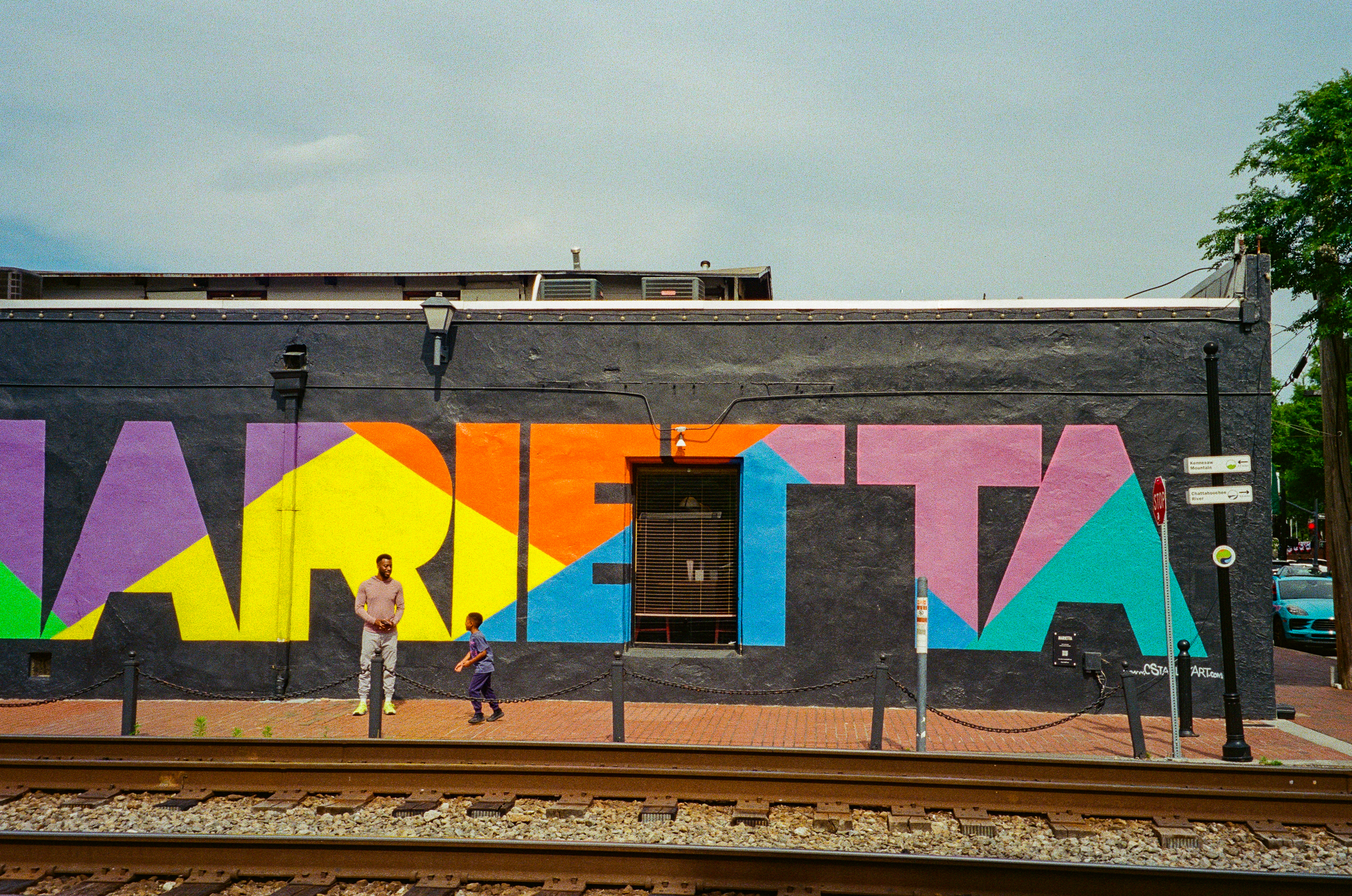
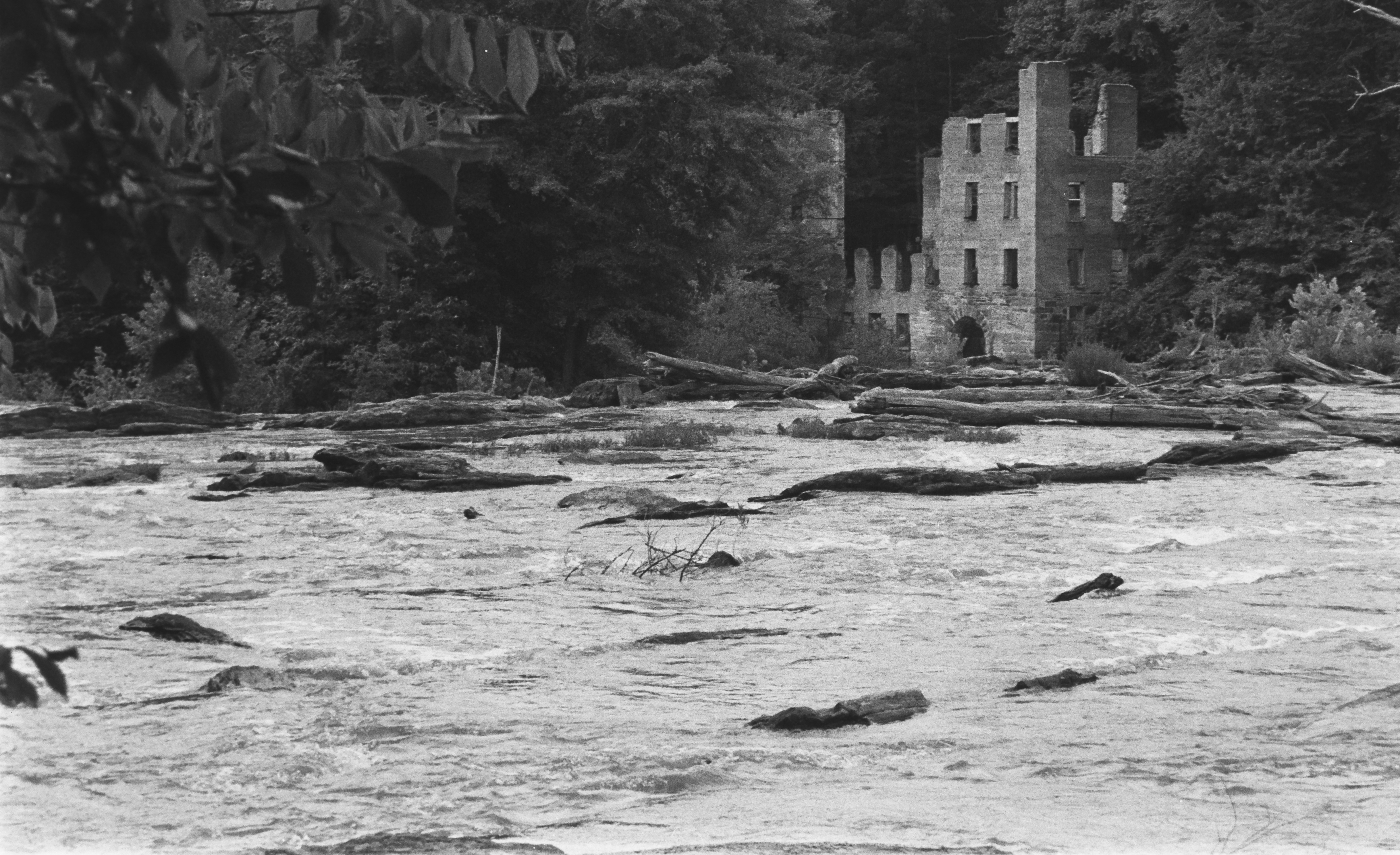
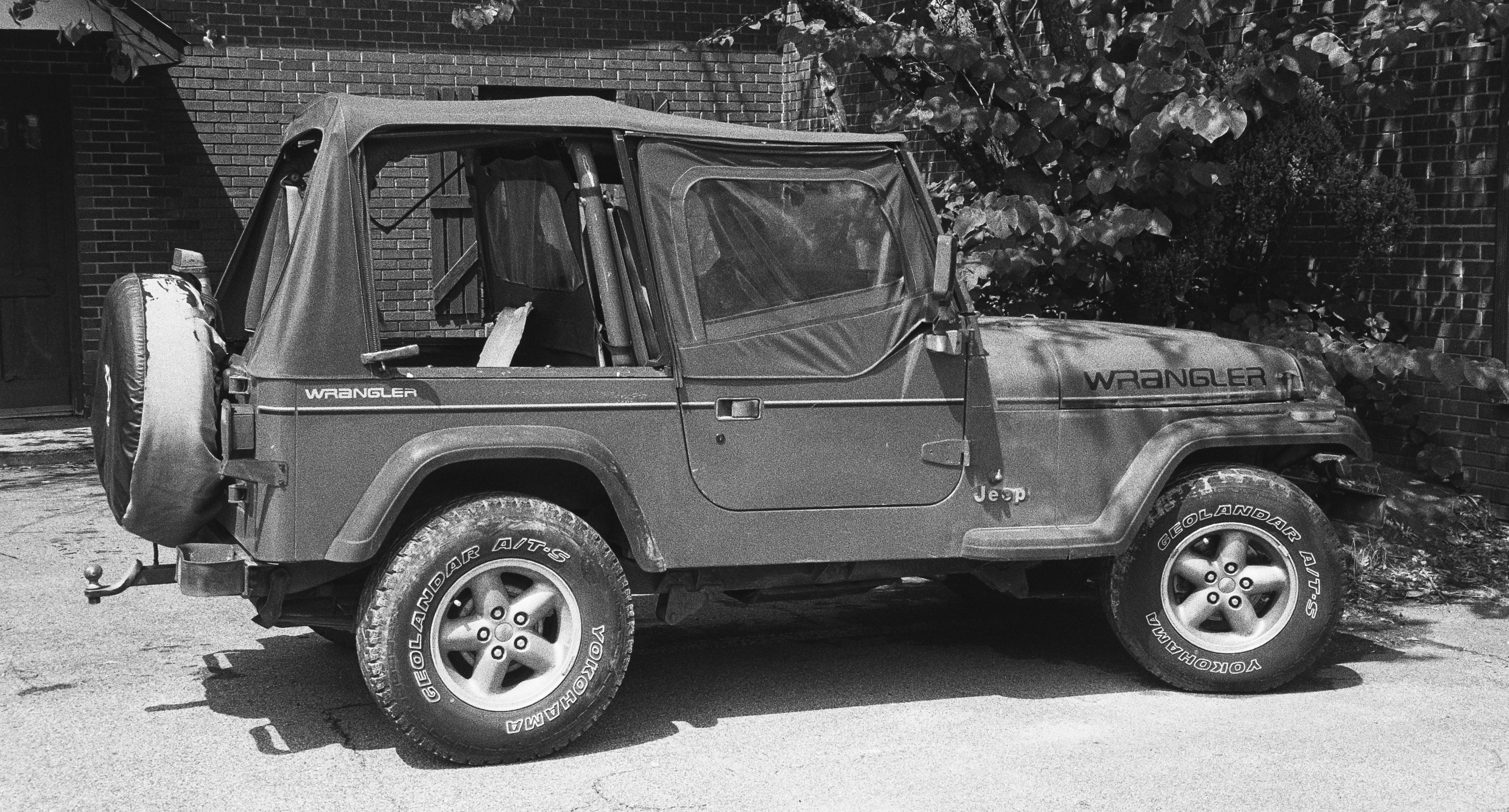
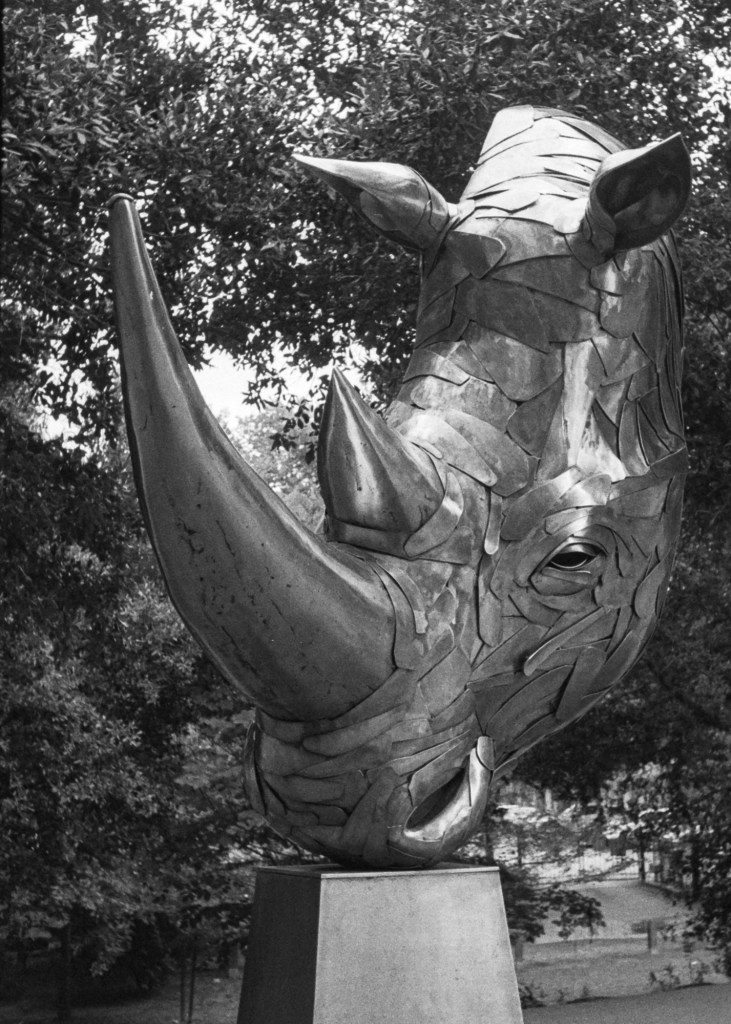
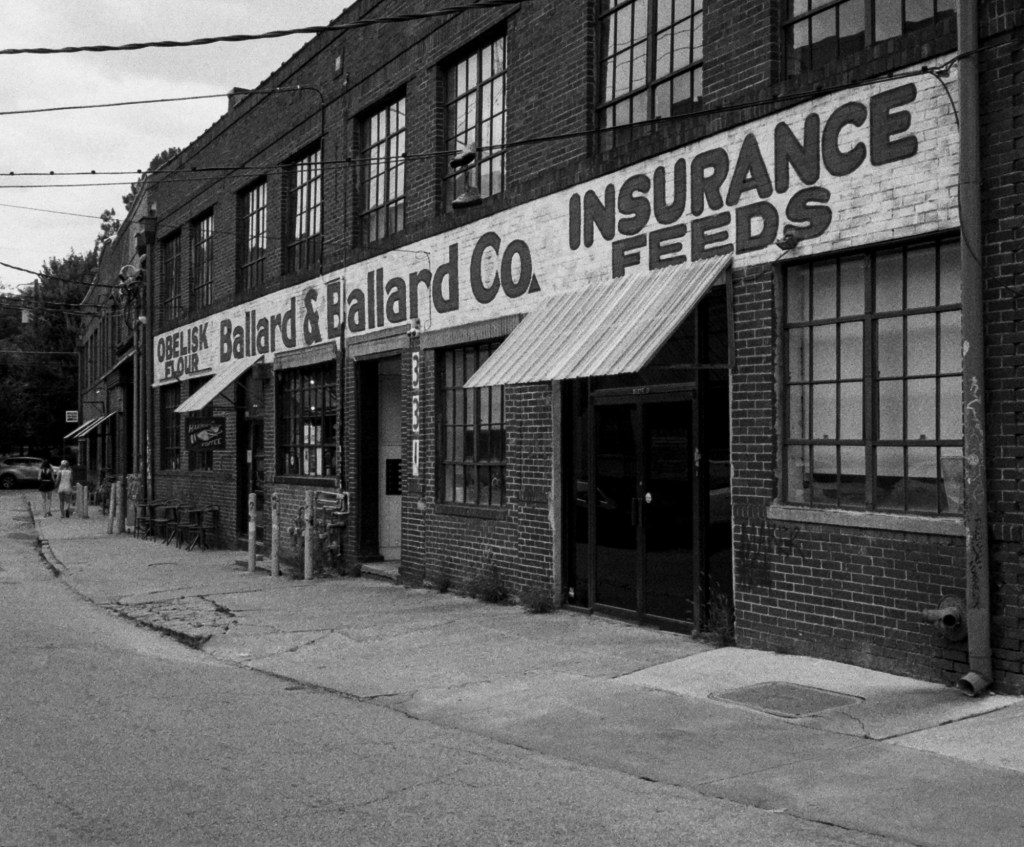
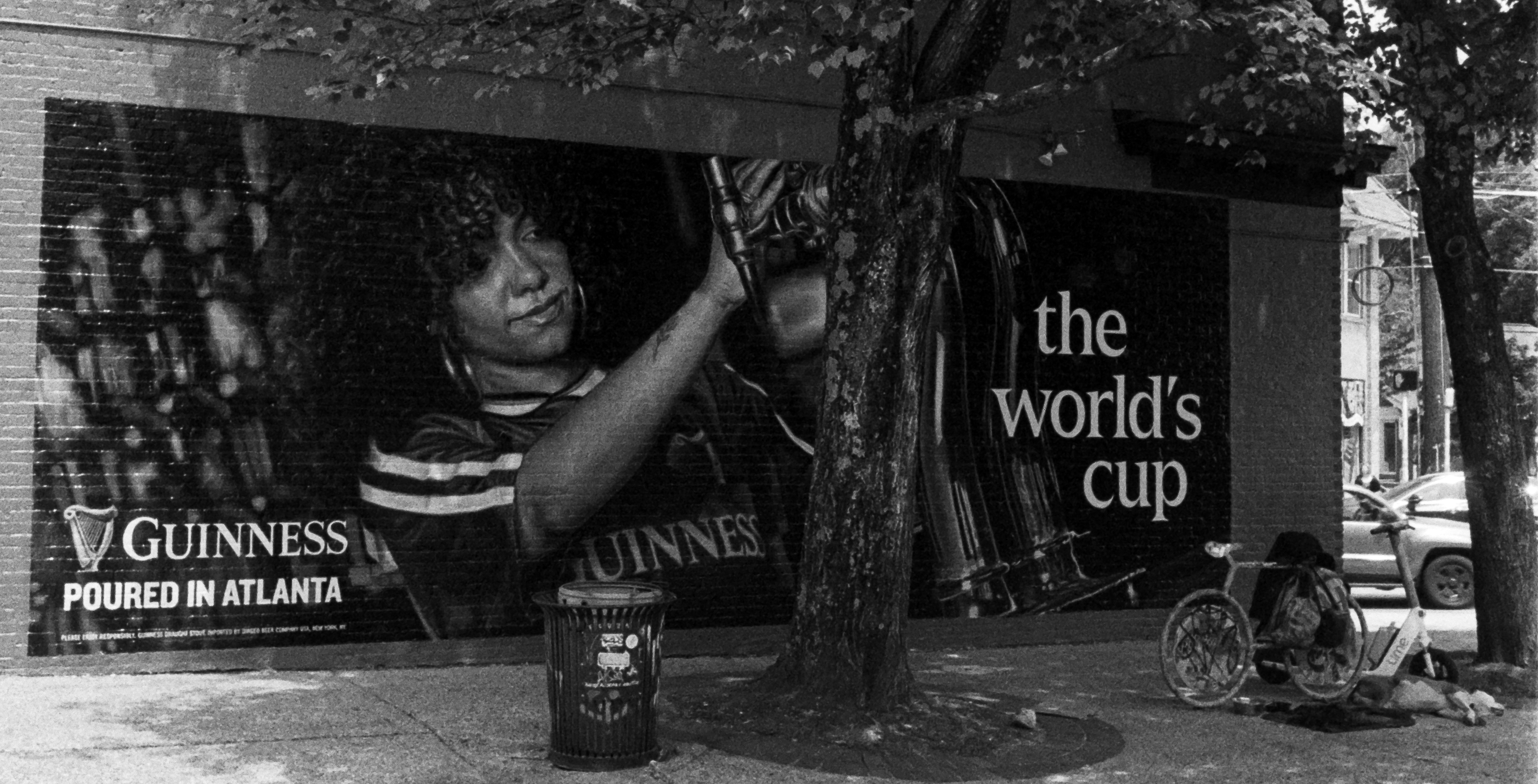
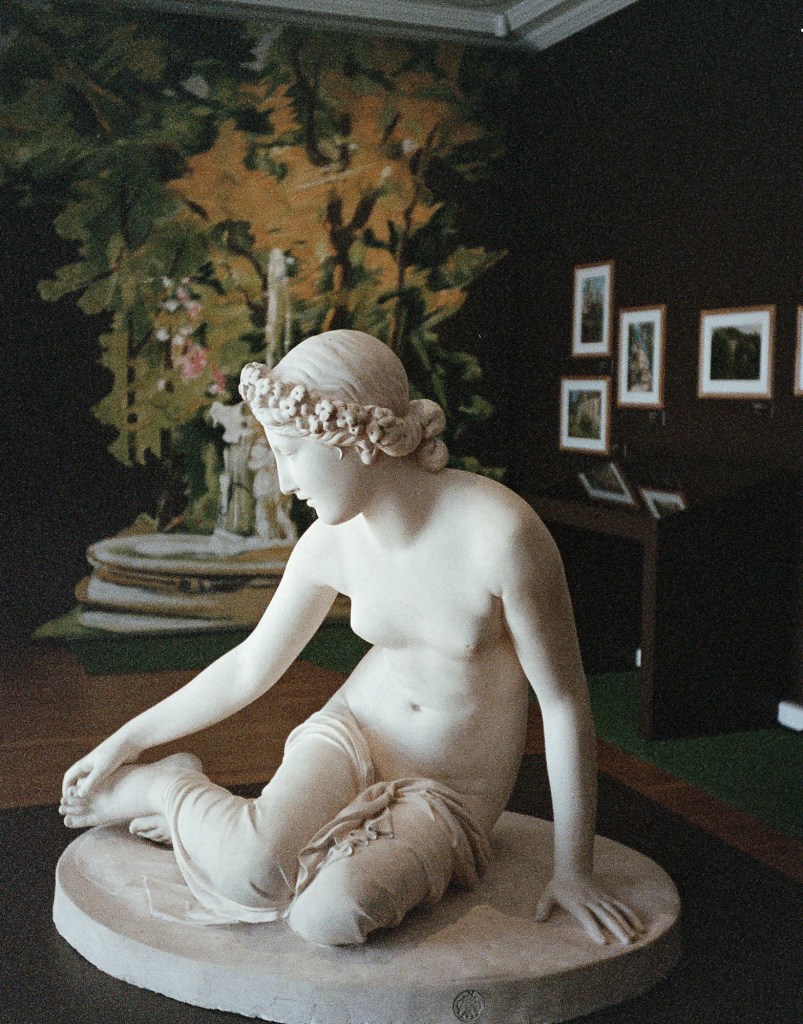
I had good results in black and white with Fujifilm’s Acros 2, and with Ilford’s Delta 400. I was less impressed with Kodak’s Portra 400 – the grain was very visible. I would have to shoot with a very fine grain film like Kodak’s Ektar 100 to get an idea of the ultimate capabilities of the Pentax 17 with color film. In any case, the performance of the lens far exceeds the resolution power of the film.
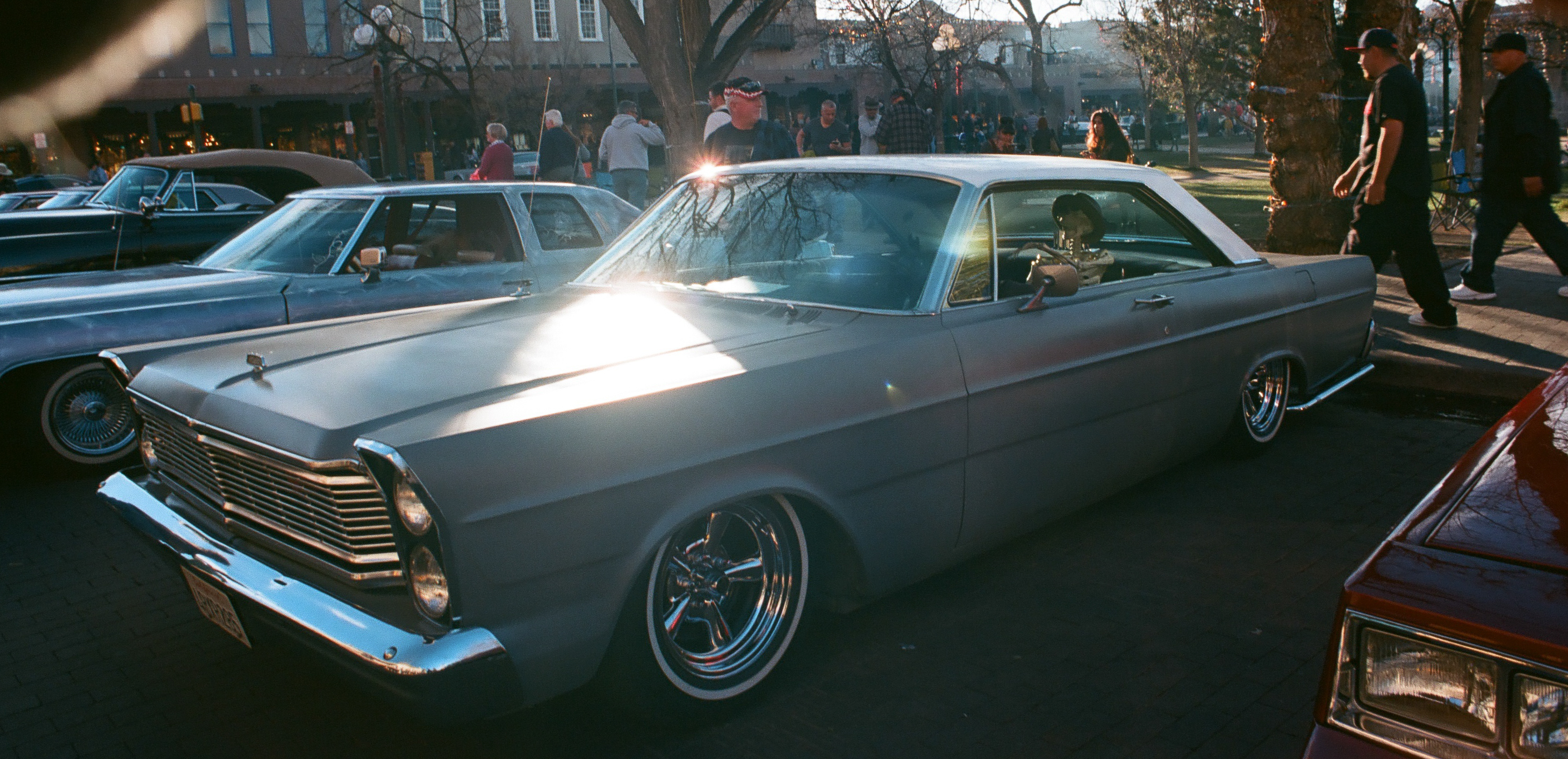
Exposure determination works reliably most of the time – it is relying on average weighted metering – except when facing the sun (you can try your luck with the exposure compensation dial – I never tried).
Lastly, the 25mm focal length of the lens would translate into 37mm on a full frame camera, somewhere between a moderate wide angle and a short standard. You have to zoom in with your feet, and as Robert Capa would have said, if the picture is not good, it’s because you were not close enough.
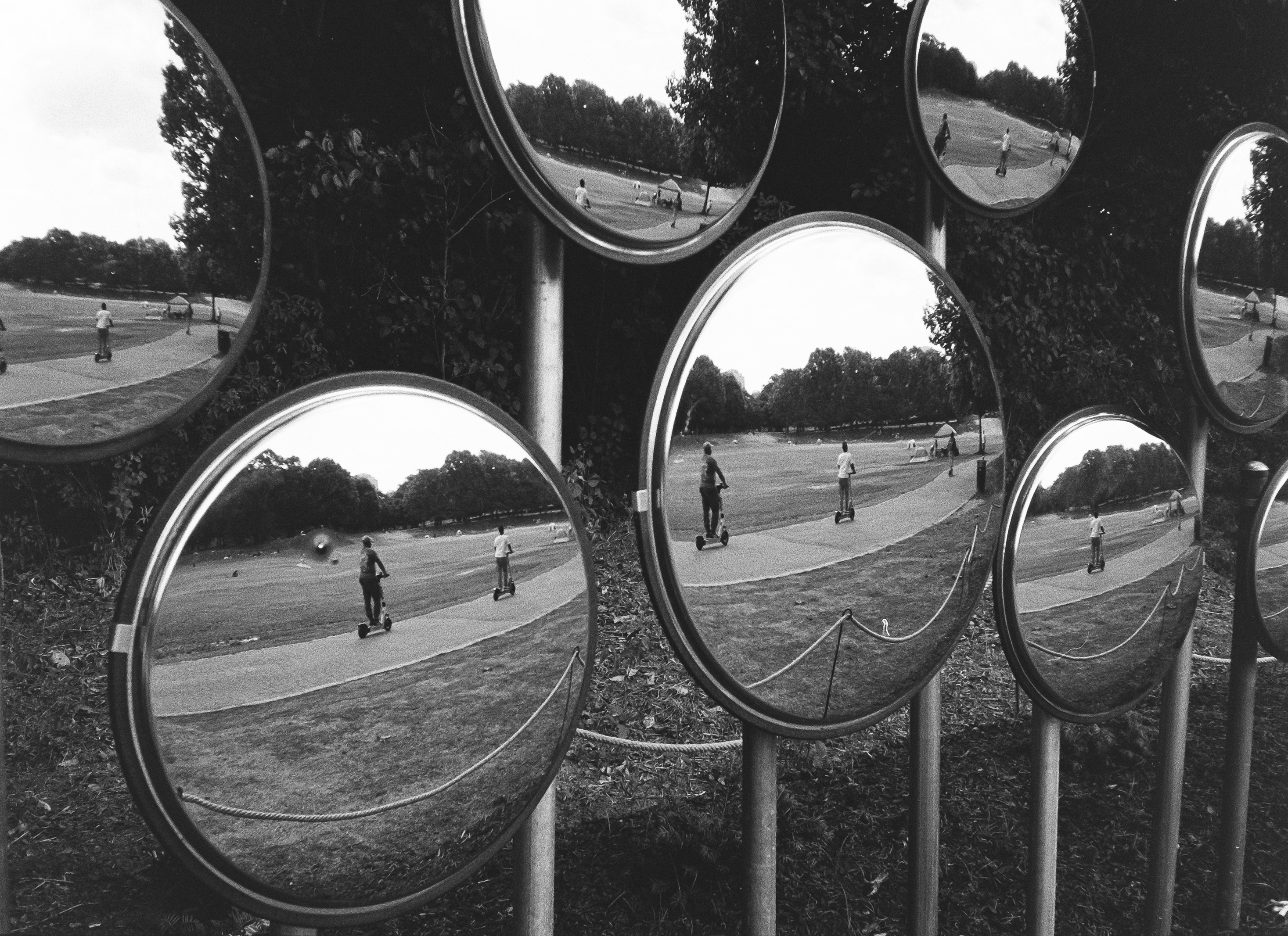
As a conclusion
I wrote a few months ago that the P17 would be a challenge – and I can confirm it still is. It’s much easier to get technically good pictures with a smartphone or a digital camera.
And if you shoot film and have already learned the basics of photography, a good Single Lens Reflex camera, autofocus or not, will be easier to use and will have a much wider performance envelope.
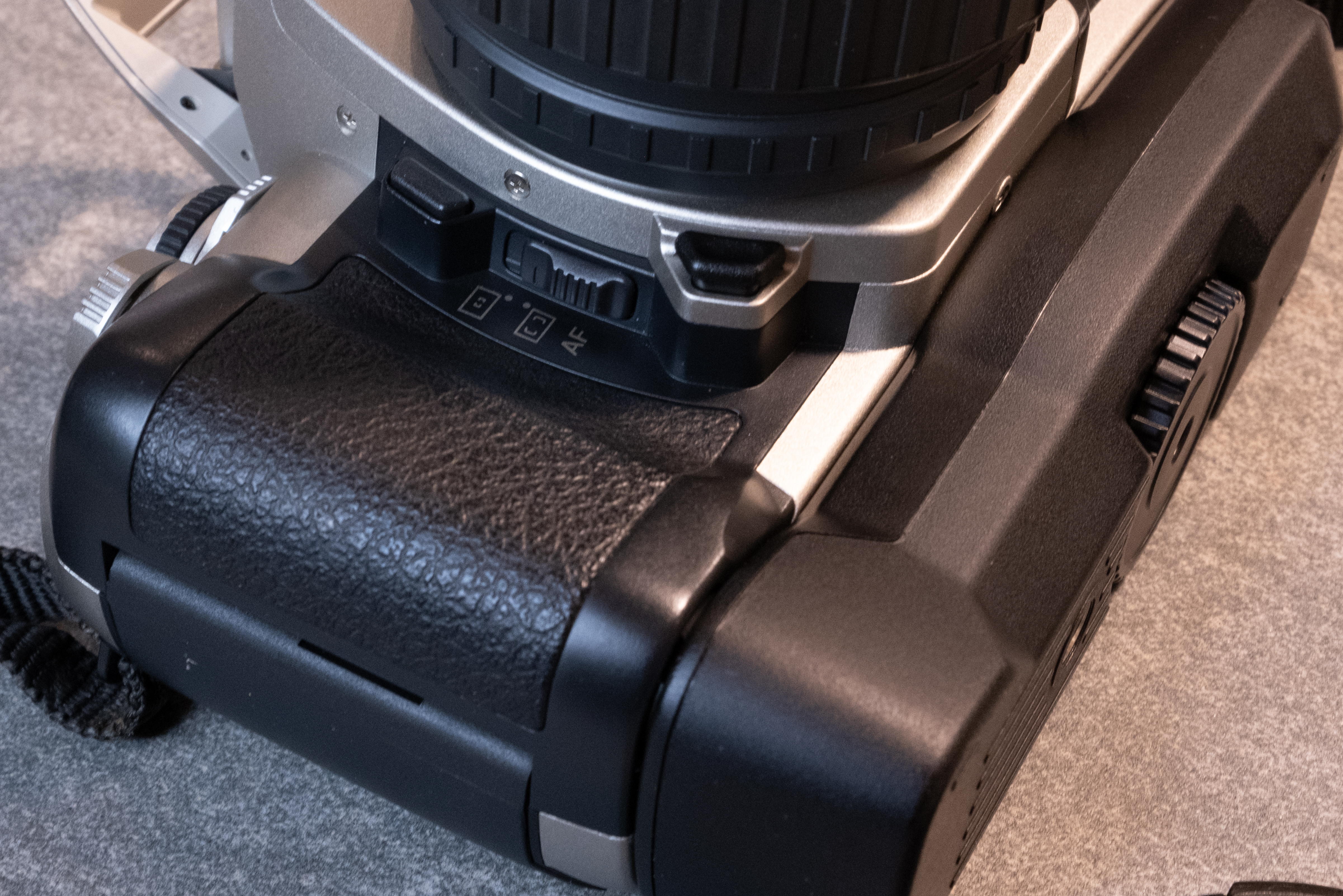
So, why shoot with a P17? First, It’s a very nice camera to work with. It is well built, falls perfectly in the hands, and the film advance lever is a pleasure to operate. All in all, it’s an extremely pleasant user experience.
If you forget the “Auto” mode – which is the insurance policy for the days you don’t want to think too much about your images – the Pentax 17 is a great way to go back to the basics – anticipate, get close to the subject, keep the backgrounds simple. And when you start being comfortable with the rules, it will let you break them.
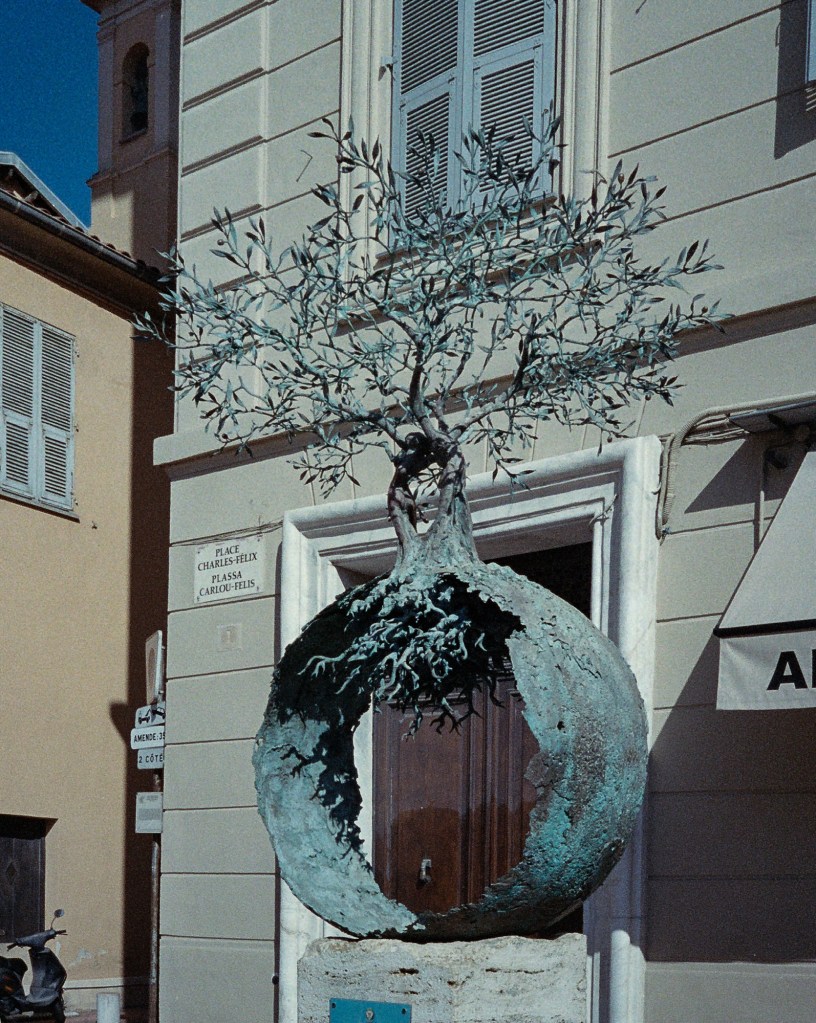
In a way, it’s bit like a Holga – not for the build quality (the Pentax does not leak light and the shutter performs consistently), but for the daring attitude it expects from the photographer. With the Holga the image is defined at least in part by chance – light leaks, capricious shutter, lens imperfections, involuntary double exposures – all combine to give you, sometimes, images that you will love.
With the P17, the camera is not technically flawed and does not malfunction randomly. But the Seventeen is asking you to take a chance and play with the settings without giving you all the information you would need to get “the” perfect image (almost) every time.
The Pentax 17 breaks the mold. It’s more involving than a true point and shoot camera, not as easy to control as a good film SLR, and it gives me the motivation to dare images I would not have tried to capture on a more conventional camera or a smartphone.
More recent content in CamerAgX