You may have read about my recent experiences with the Five Below Reusable Camera (bought in store, new, for $7.00), and my quest for something a bit better, but in the same price range.
What if I was looking for the cheapest possible option, a motorized, autofocus, long zoom compact film camera of the late nineteen nineties. In other words, something that nobody wants. Could it be a hidden gem?
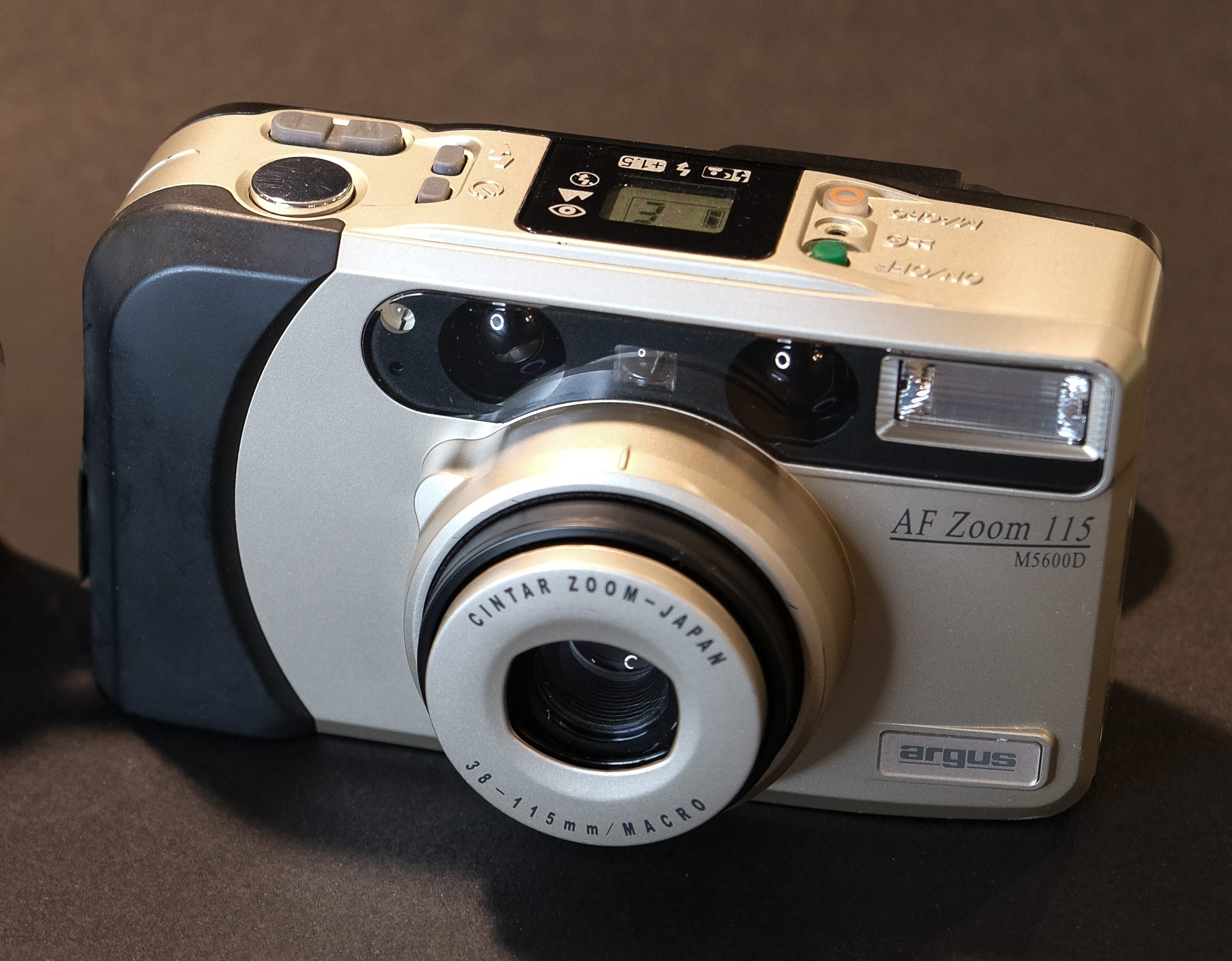
Locating a cheap and working copy of a motorized, autofocus, compact camera made at the end of the nineties is difficult. Autofocus, motorized compact cameras are significantly more complex than a fix focus reusable camera, and most of them did not age well, suffering from all sorts of issues with their electronics, and with the aging of the plastic parts used in the power zoom and in the film advance mechanisms.
The price I was willing to pay ruled out cameras from the big Japanese brands. I found an autofocus, motorized camera with a 38-115 zoom, that according to Shopgoodwill had passed some very basic tests, for $5.00. No bidding war for this one, but hefty handling and shipping fees brought the delivered price to $19.00.
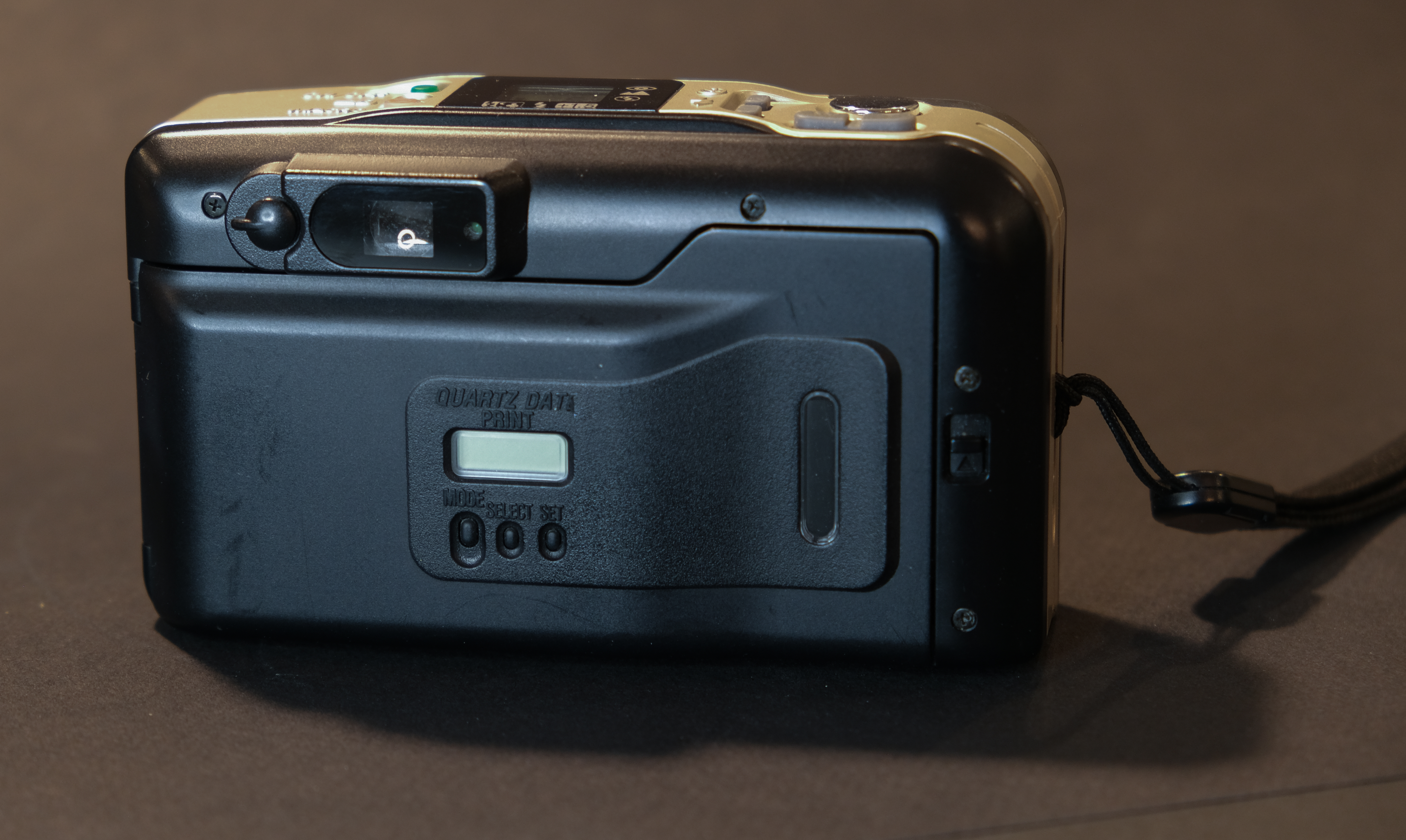
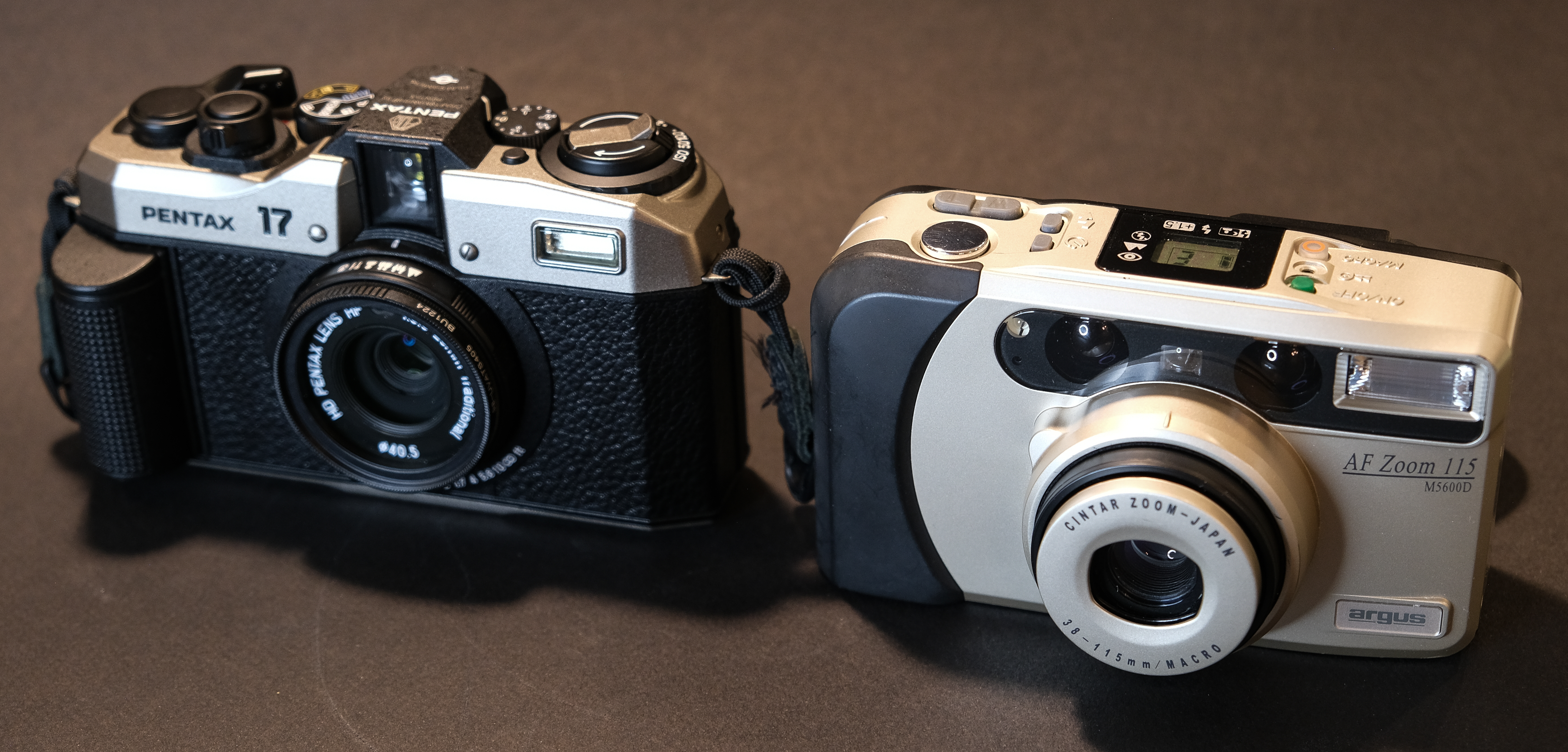
Its design easily qualifies as “bland”, but the camera is technically elaborate, for a compact point and shoot camera. Its specifications are in line with well considered “travel cameras” like the Olympus Stylus/Epic 115 or the Pentax Espio/IQZoom 115V.
This autofocus compact is branded “Argus”. This glorious American brand was bought in 1990 by a company named Concord Camera Corp, which was distributing generic cameras made in Asia, under the different labels it owned or licensed. Most cameras of the Concord group were very basic and mainly sold under a plastic blister in supermarkets and drugstores.
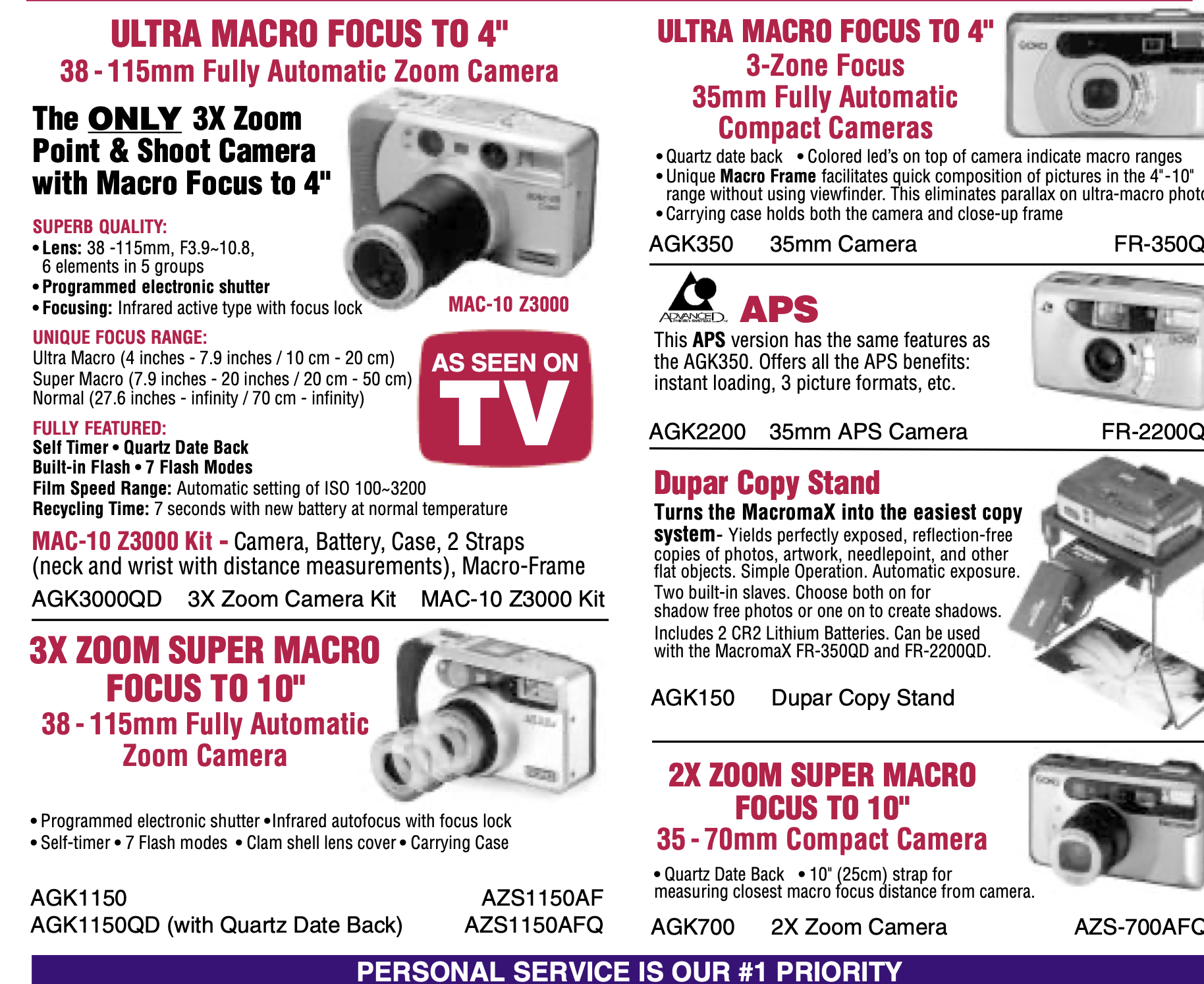
This Argus M5600D was made in Malaysia in the Year 2000 by a major Japanese OEM named Goko Camera. It was virtually identical to Goko’s own MacromaX AZS 1150 AFQ, to Concord’s C3000 Super Macro, and to Polaroid’s 8500Z. More surprising, it looks like it’s almost the same camera as the Malaysia-made Olympus Superzoom 115 of 1999 – the only visible differences being the front fascia and the placement of one or two buttons. Olympus never acknowledged the lineage, but there is no doubt for me that this Superzoom 115 belongs to the MacromaX Z family of Goko cameras. (*)
The M5600D’s lens is proudly labeled Cintar Zoom Japan, with a 6 elements/5 groups design, and a maximum aperture varying between f/3.9 and f/10.8. The camera came equipped with a date back, and has dedicated buttons to control the flash modes, and force the focusing distance to the infinite or to 0.25m. Surprising for a compact camera – there is also a way to set a +1.5 EV exposure compensation.
The M5600D requires an easy to find CR123 disposable battery, and considering the slow aperture of the zoom, should be loaded with 400 ISO film.
So, on paper, this camera looks like a much better photography tool than a reusable fix focus point and shoot.
First impressions
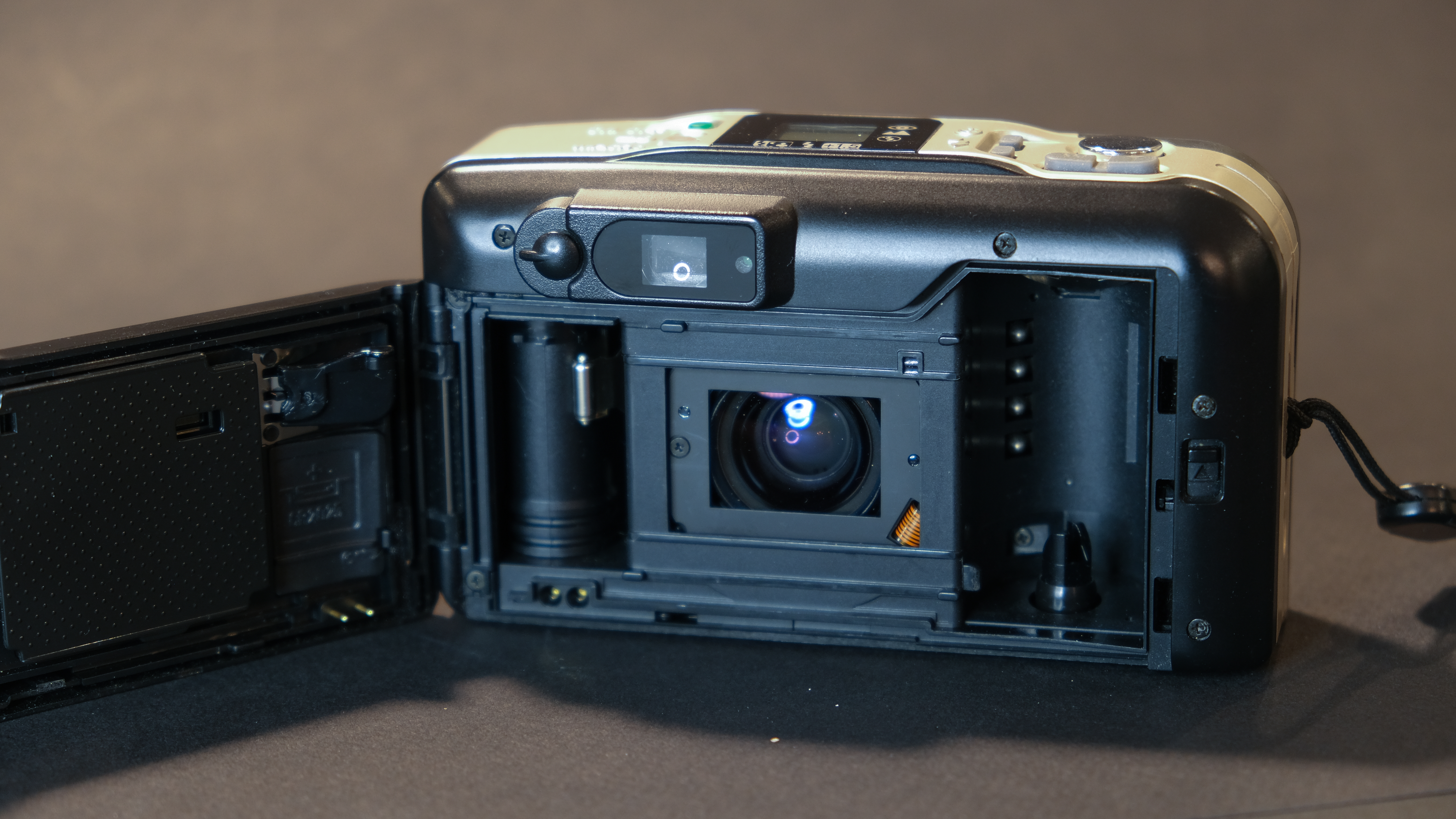
When I received the camera, I was pleasantly surprised. Not that it was in a very nice condition (film cameras of the early 2000s have often seen little use, having been rapidly eclipsed by digicams in the bag of amateur photographers), but that it seemed well built, with an apparent concern for maintainability. I inserted a new battery and a cartridge of Kodacolor 400 (film loading was automated, and easy) and I was ready to shoot.
In the absence of a user manual – which does not seem to ever have been made available as a PDF file – it’s difficult to know exactly what this camera is capable of, but for a point of shoot, it’s exceptionally configurable.
Shooting with the M5600D is a pleasant affair – the camera’s body is large enough without being too big or too heavy, the viewfinder is large and relatively luminous, and the camera responsive. Maybe the lens is horrible and the images are going to lack contrast and resolution, but at this stage, and after having burned two rolls of film, I don’t think that the M5600D is any worse (or any better) than the equivalent models from Olympus or Canon.
The proof is in the pudding
I first loaded the camera with a roll of Kodacolor 400, but the lab (it will remain unnamed – I want to give them a second chance) took almost two months to process the negatives. I was getting impatient and then burned a second roll of film (Ilford’s Kentmere 400, a B&W stock I could develop at home).

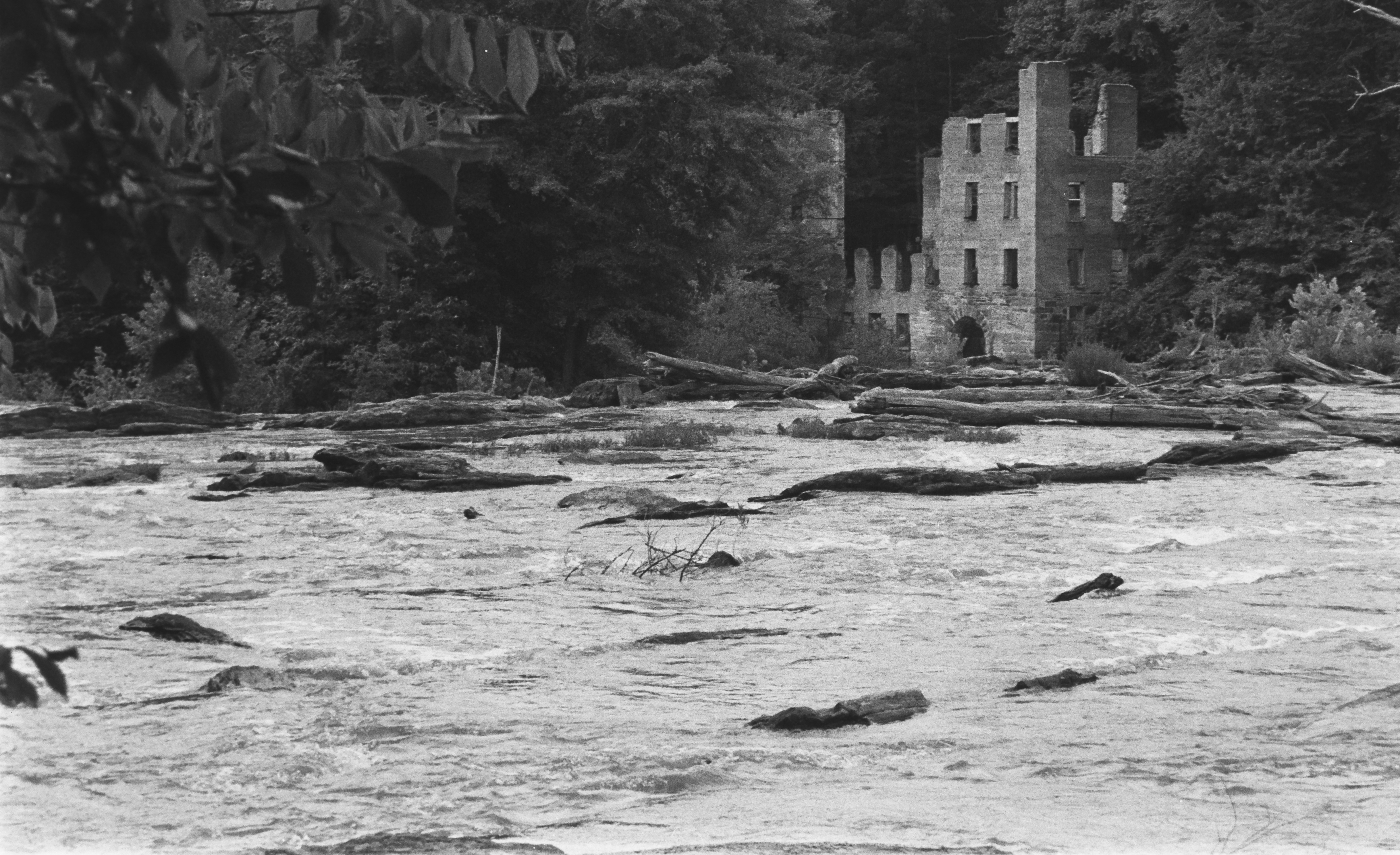
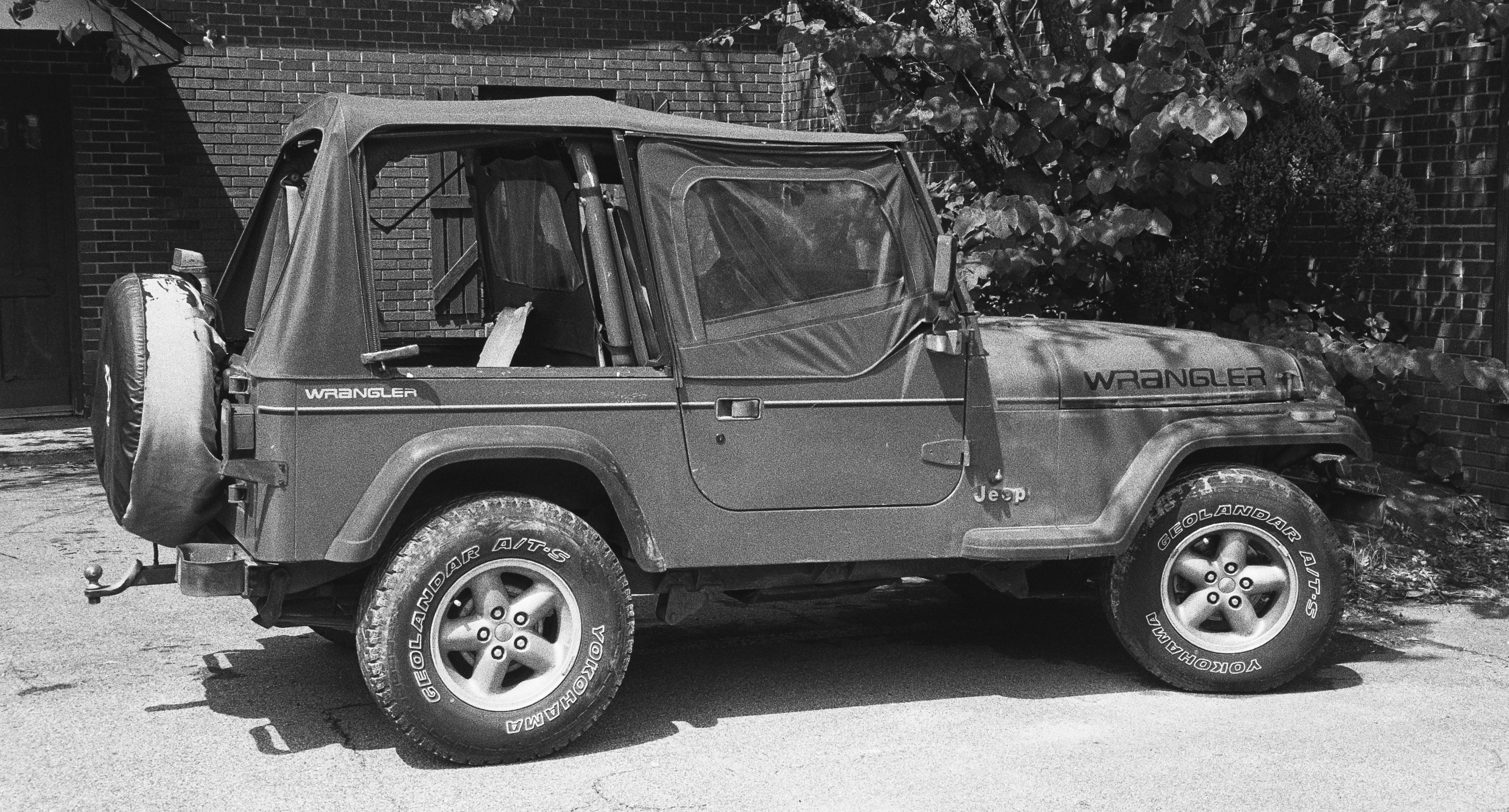
A first glance at the developed negatives shows that all the frames of the film have been exposed (no accidental double exposure or blank images), and are regularly spaced. The B&W negatives are beautiful, the images seem correctly exposed and to the naked eye, they don’t look totally blurred or completely out of focus. This Argus is not a total lemon.
Let’s look at the scans.
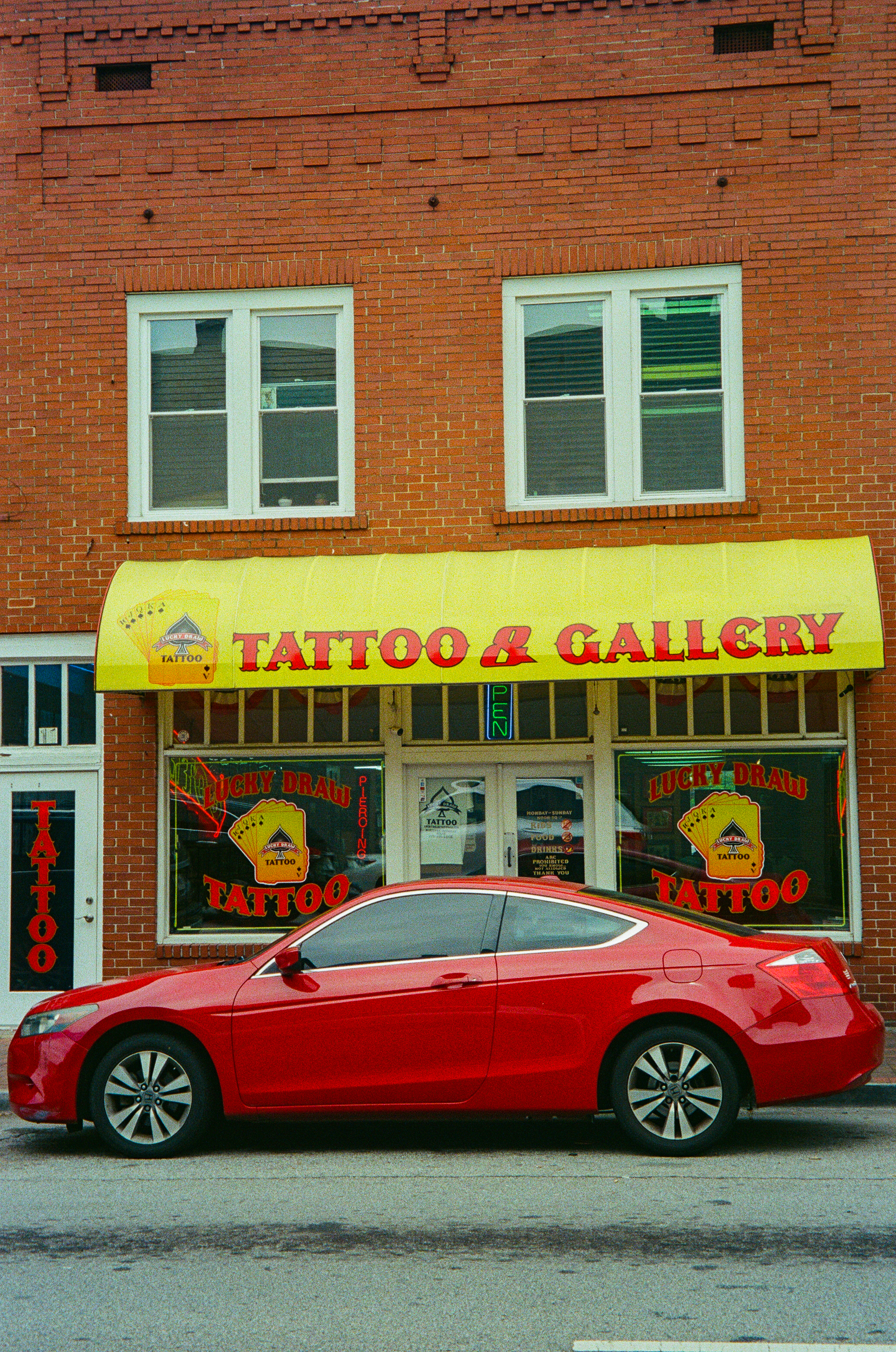
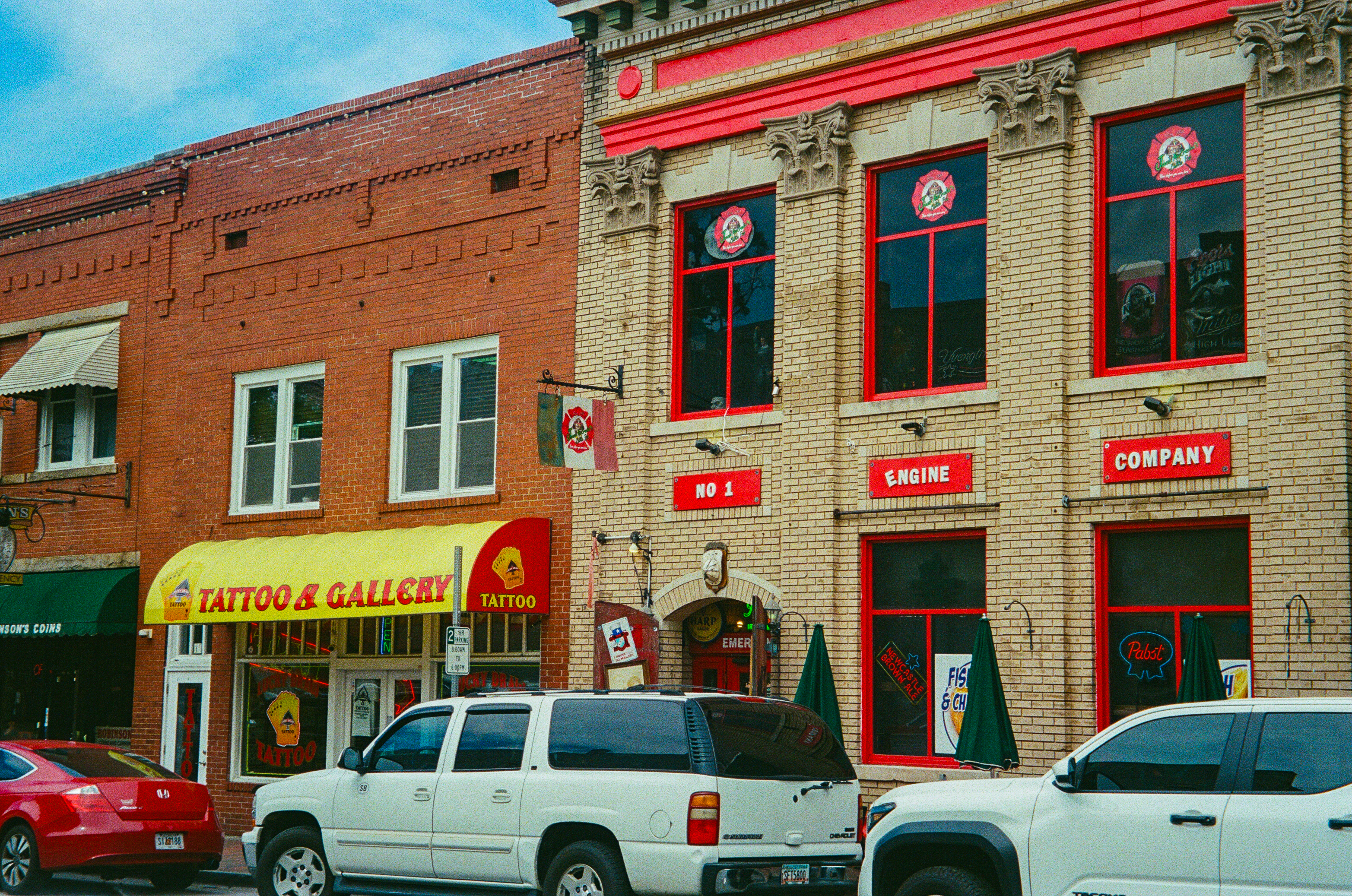
They’re not bad at all. The exposure is not always perfect and the color scans are rather dull, but a few adjustments in Lightroom (vibrance, clarity) make them pop. Surprisingly, the lens is very good at resolving really fine details and the focus is right on, most of the time.
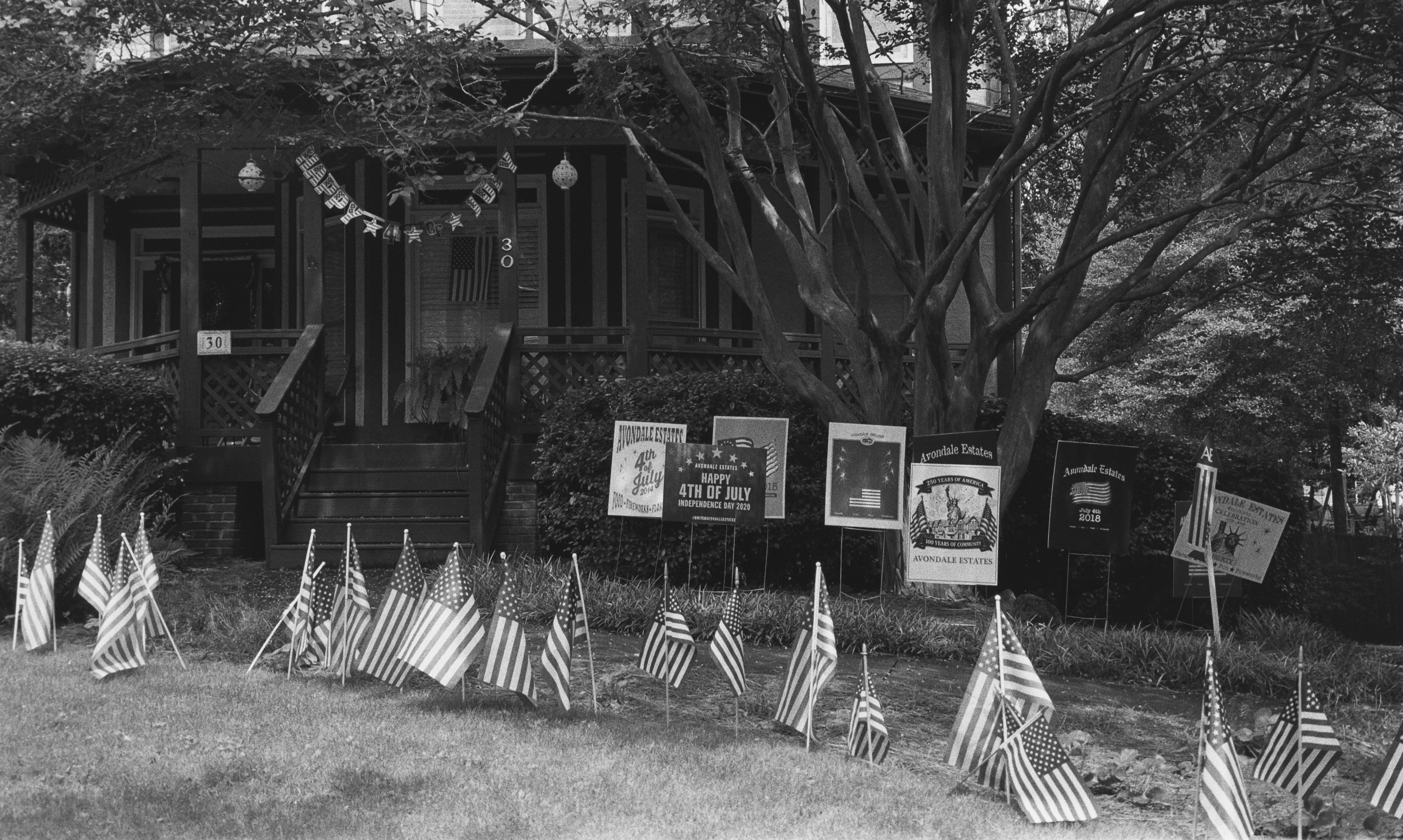
The macro mode is a mystery – pictures of flowers look horrible (the flash was on and if the subject is brightly lit, the background is totally dark) – but I shot a few close-up of cars and the images came up pretty good. As usual for this type of film camera, portraits shot at the light of the built in flash are bad enough to consign you to the dog house for a few days if you have asked your significant other to be your model.
You will have to be a pretty good photographer to win a photography contest with this Argus, but provided there is enough light and you shoot in exteriors, you’ll get very decent and perfectly usable images frequently enough.
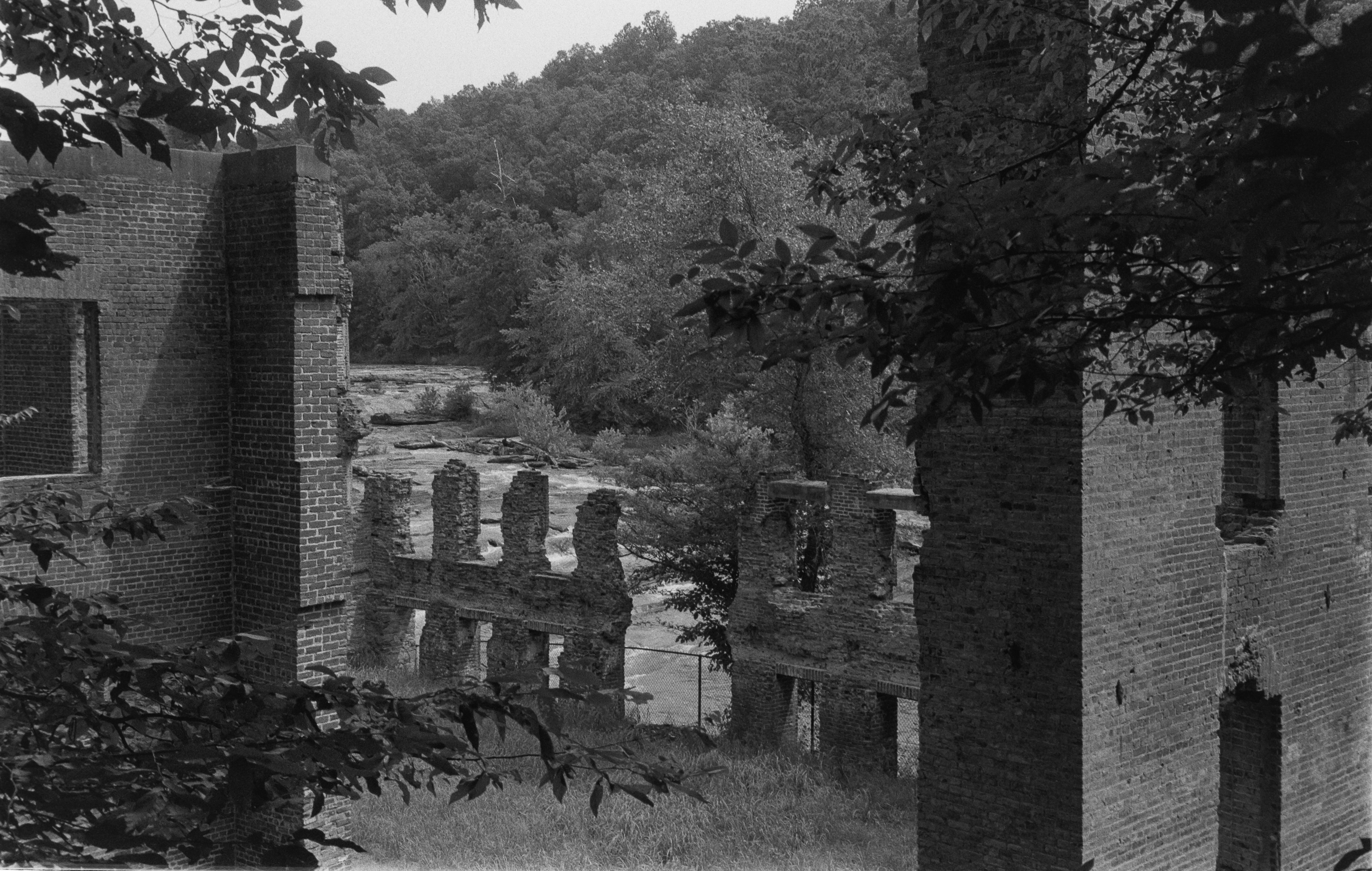
As a conclusion – is it better than a “reusable” fix focus camera?
Yes, it’s definitely better than a fix focus camera (single use or reusable). There’s no comparison. The images of the M5600D will be correctly exposed, and its autofocus system will deliver much sharper pictures than a fix focus lens set on the hyperfocal. With a lens opening at f/4 at the wide end, it will operate in dimmer environments than a typical fix focus camera, and with a relatively long range of 115mm, its zoom will let the photographer isolate its subject.
Under a fair weather and in the bright hours of the day – it will give you surprisingly good images – but can not compete with a film SLR when the scene is not generously lit, or when shooting sports, or taking portraits in an interior, or macros of flowers, or in all situations when a good cobra flash or a direct control of the shutter speed and the aperture would be necessary.
Its performance envelope is much wider than a fix focus throw away camera, but also narrower than a single lens reflex camera and a set of good lenses. It belongs to this intermediate category which was nicknamed “travel or tourist cameras” for a reason.
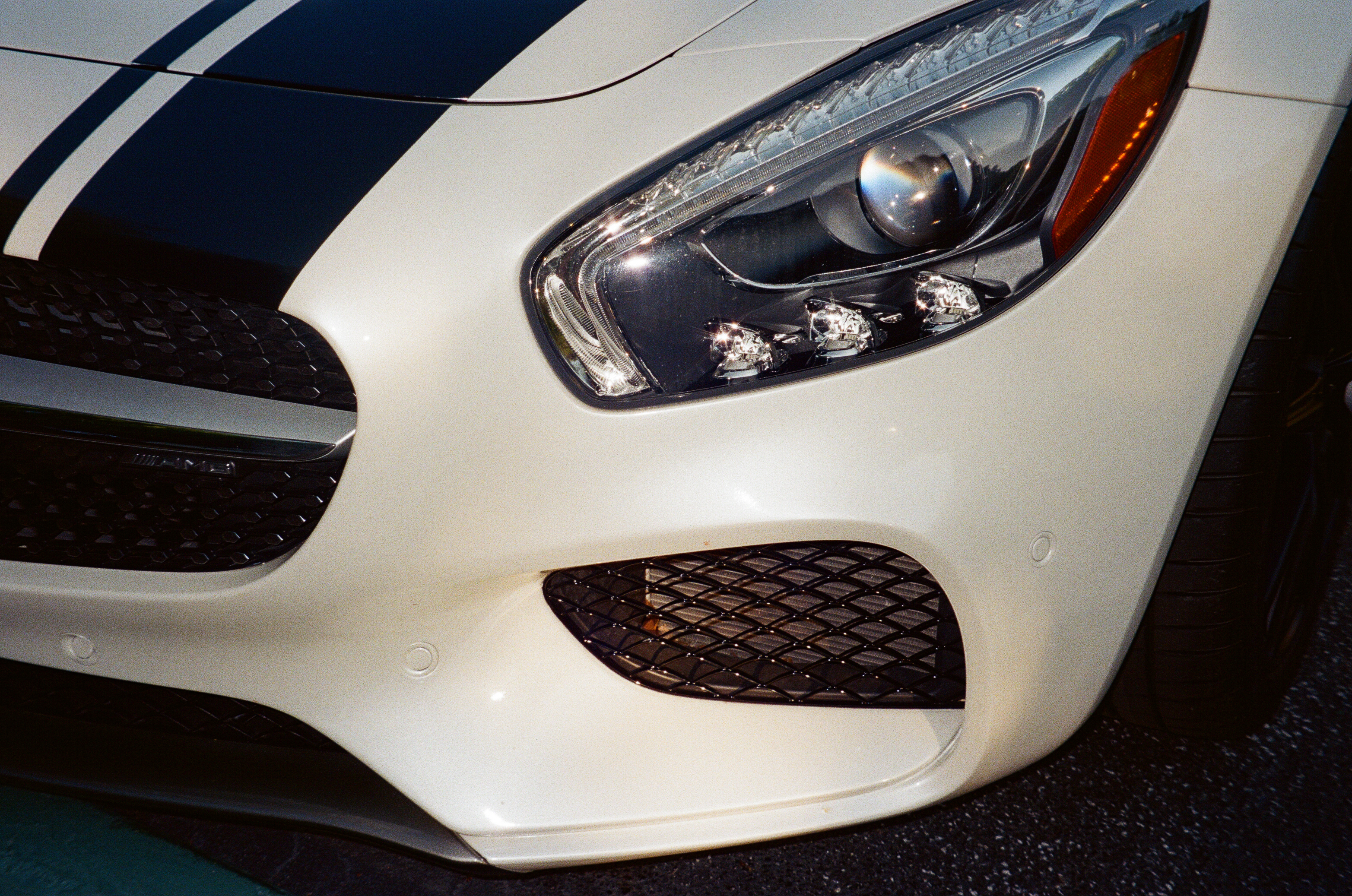
I was honestly very surprised by the quality of the images delivered by this Argus M5600d. Unless you’re in love with the “Instamatic” look of the images taken with a single-use camera, a 25 year old motorized autofocus like this Argus is a much better choice.
It might have been a generic South East Asian beige camera, but it was a pretty good one, and I’m curious to compare it side by side with the best point and shoot cameras that Canon were proposing in the nineteen nineties.
Ultimately, the problem of the M5600D (and of all the fully automatic compact film cameras of similar design) is named digital photography. Anything that the M5600d does, a high-end smartphone or a recent digital camera will do better. The Argus has a good viewfinder and the ergonomics of a real camera, but it does not give you more control over your images than a smartphone, and contrarily to a nice mechanical camera, it is not a particular gratifying object to work with.
For $5.00, it’s an incredible bargain, and if you really love shooting film and don’t want to carry a single lens reflex, it’s a much better option than a single-use camera.
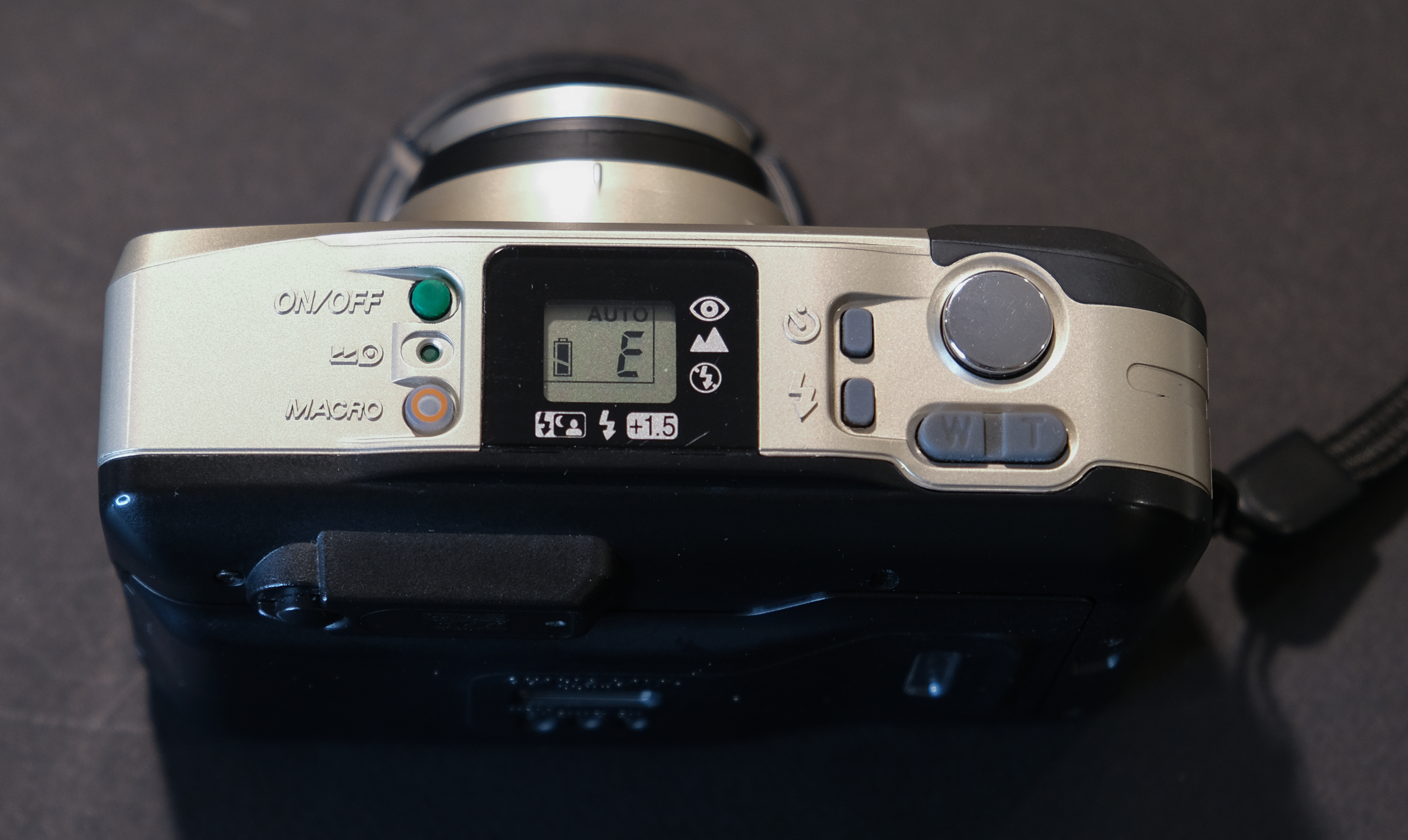
(*) Do not confuse the Olympus Superzoom 115 (the clone of the MacromaX AZS1150 and the Argus M5600d) with the Olympus MJU II or StylusEpic 115 (you recognize it by its clamshell body). The cameras have not much (if anything) in common.
For more about the Goko MacromaX series of cameras, and Goko in general – read Mike Eckman’s excellent review of the Goko MacromaX FR-350, and Goko’s “historic” pages: https://www.gokocamera.com/en/legacy-products/
The MacromaX cameras were primarily designed to be sold in developing countries, but were briefly sold in the US (1997 till early 2000s) under the Goko brand, and, badged as Concord, Argus or Polaroid, under labels belonging to Concord Camera Corp. Today Goko are still involved in photography, but have left the consumer market and specialize in cameras used in industrial or lab environments.
https://camera-wiki.org/wiki/GOKO_MacromaX_AZS_1150_AF
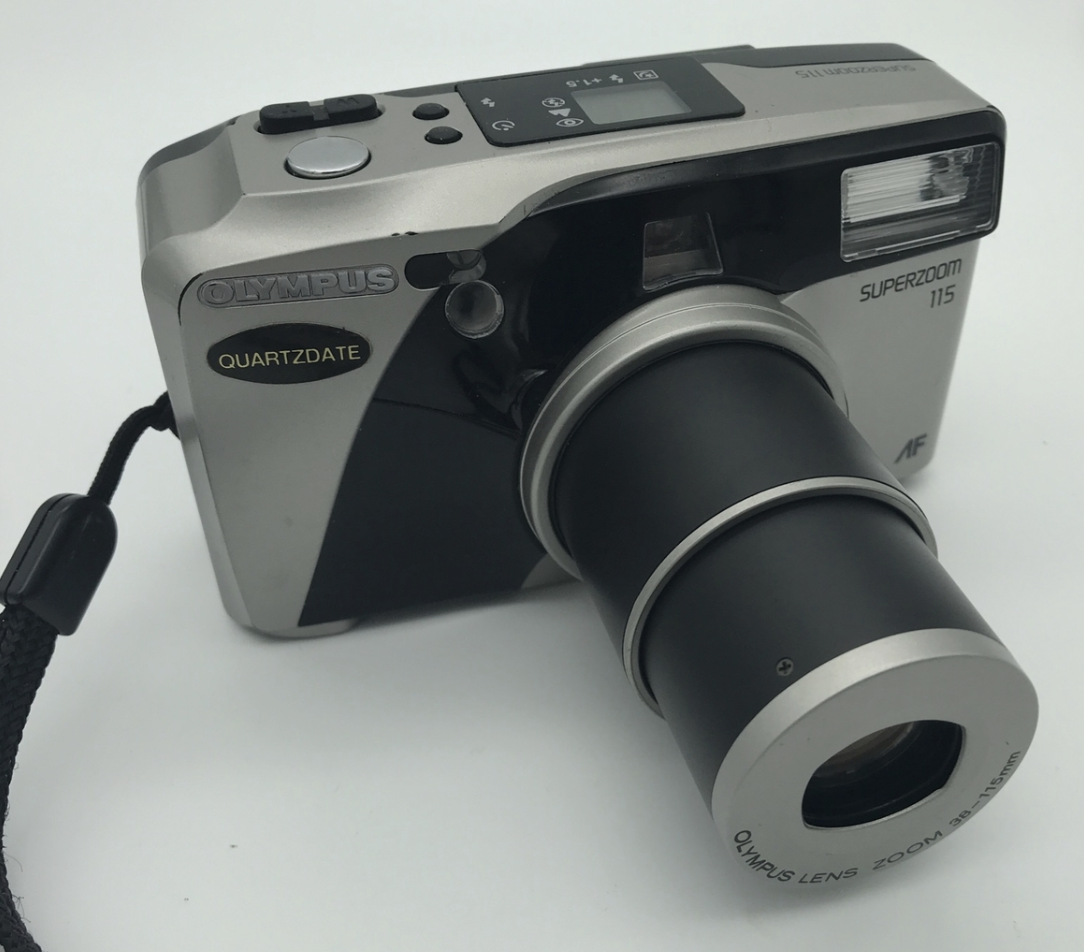
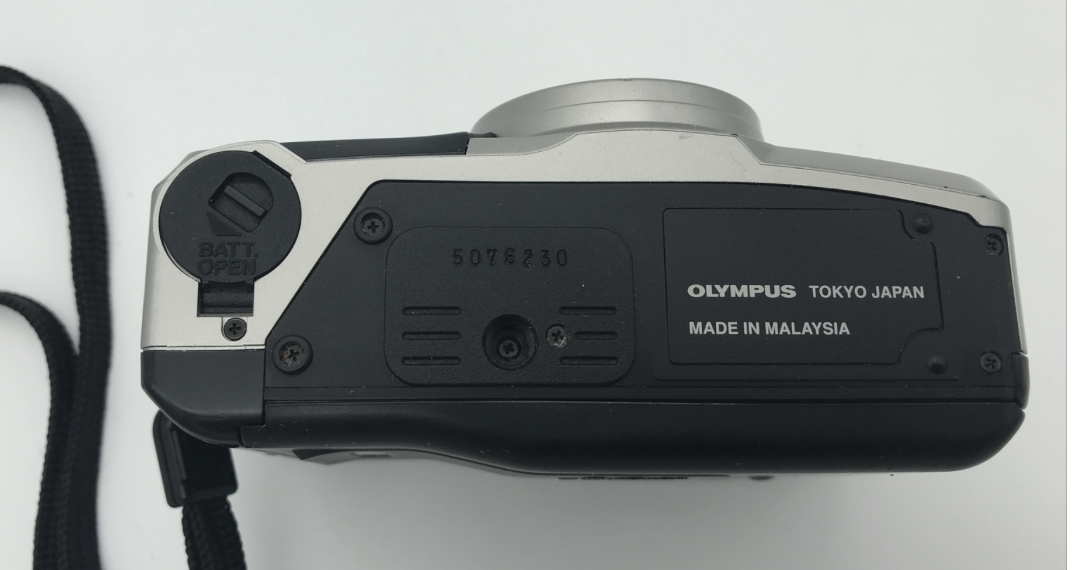
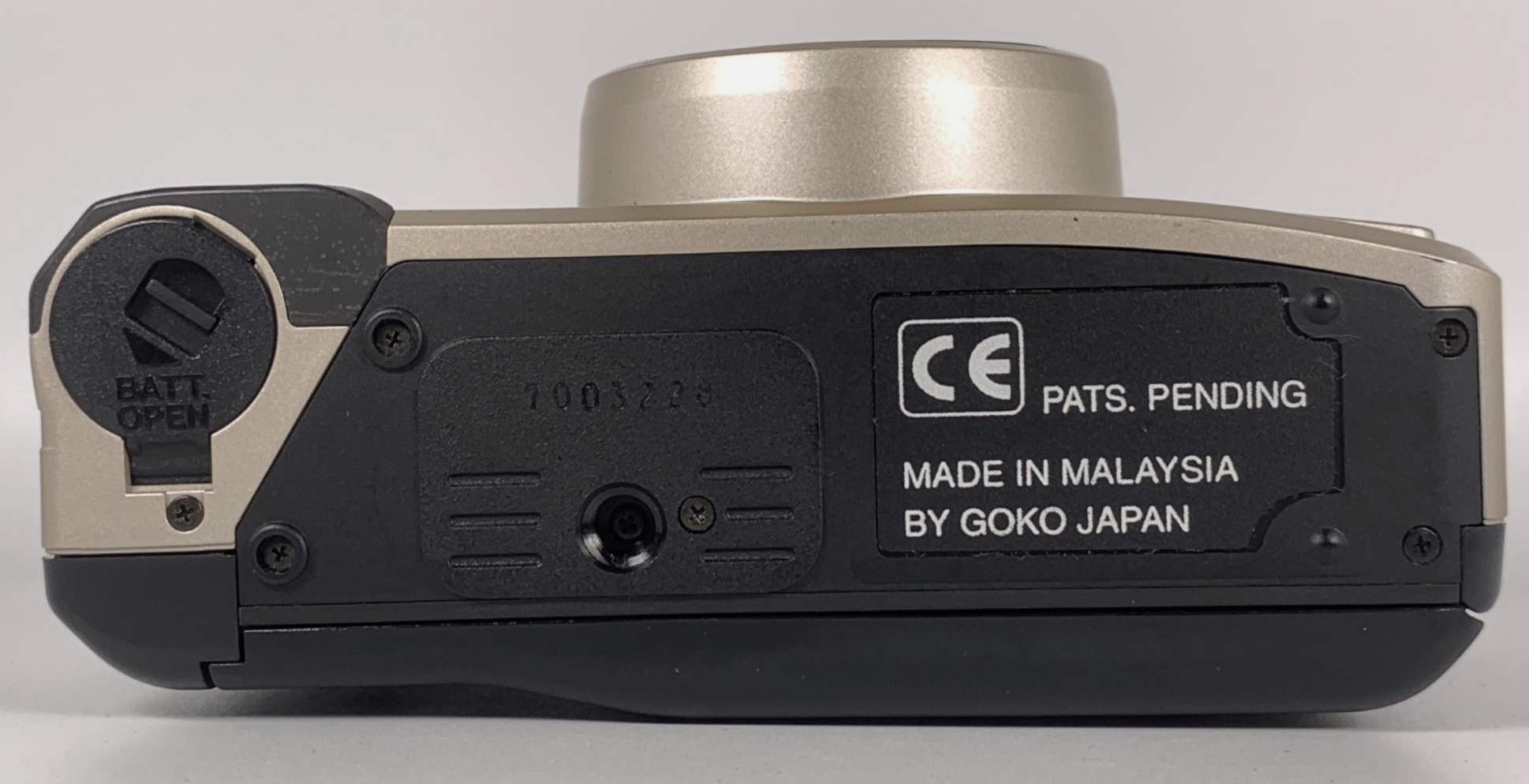
Compare with the pictures of the Argus M5600D – all members of the same big and happy family



Good post. These late-film era compact superzooms are truly the greatest value in film photography. And if you are patient you can find ones from name brands at good prices. Interest has been building a bit as the rarified premium prime lens compacts sell for absurd prices and are one drop or blown capacitor away from uselessness. I really do like my Pentax IQZooms. Can they do everything an SLR or a rangefinder does? No. But they do have some very useful features (infinity focus, spot focus, bulb mode, timer, flash modes) and you can get great results if you work within their limitations.