On September 6, Ricoh (the owner of the Pentax brand) published a communique, making the end of Pentax’s current line of dSLRs official, and vaguely announcing they were working on a new and significantly different series of models, to be made available in the mid-term.
Very little was written about those new models, expect that they would still be digital, single lens reflex cameras, that the K-Mount lens legacy would be preserved, and that Pentax’s design goal was to let photographers “experience the distinctive enjoyment of SLR photography and discover the wonder of photography itself.”
The context
That Ricoh has made official the end of their current line of the dSLRs hardly came as a surprise – it was obvious that Pentax had stopped manufacturing the K-1, K-3 III and the KF a little while ago, and were just shuffling the remaining inventory around to meet the punctual demand of some of their importers or major retailers. And it’s likely that Canon and Nikon are in the same situation, cleaning inventory rather than really manufacturing new digital SLR bodies.
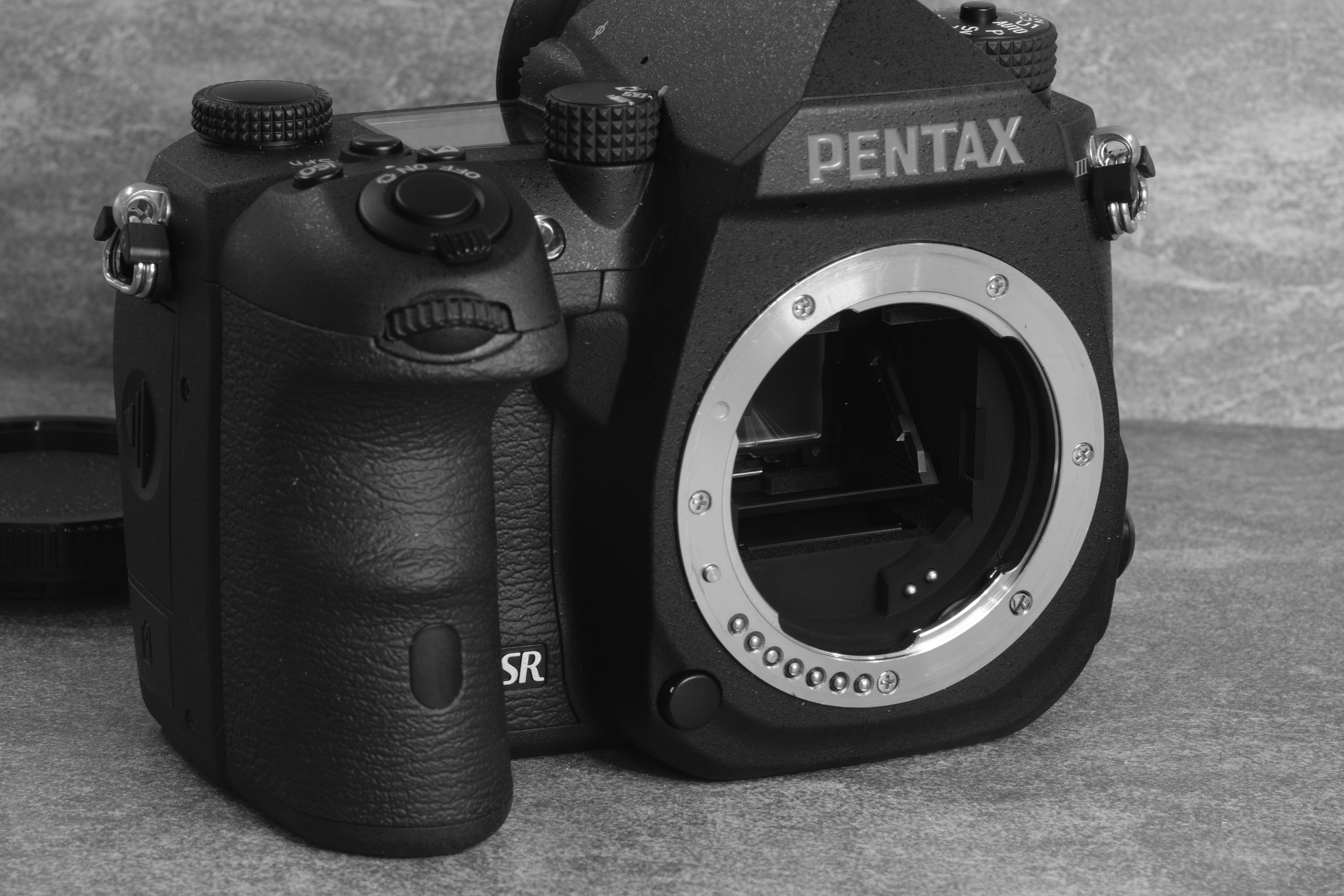
But contrarily to Canon, Nikon (and Sony) who have successfully transitioned their interchangeable lens camera business to mirrorless, Ricoh and Pentax have failed to propose an attractive mirrorless camera system:
- the Q series with its ultra-small sensor was an interesting proposition, but the line stopped after the fourth iteration,
- The K01 (an attempt to create a mirrorless body using the K-Mount lenses) was a dismal failure.
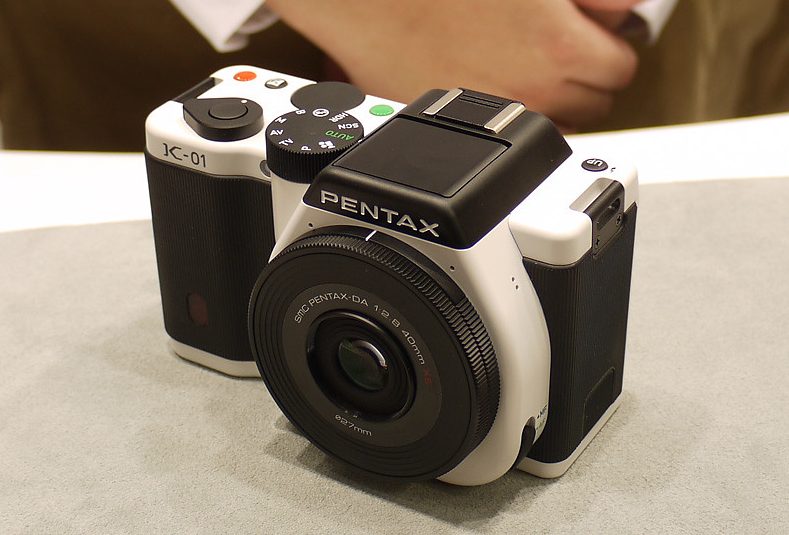
Ricoh-Pentax are far too small (in the world of interchangeable lens cameras) and far too late to launch a new, proprietary mirrorless camera system. Which condemns them to find a way to convert a new population of younger photographers to their vision of photography, while preserving the building blocks (optical viewfinder and K-Mount Lenses) that will be increasingly unique in a world dominated by mirrorless cameras.
In multiple interviews, the Ricoh product managers have stated that they believe that Pentax’s DNA is about providing a gratifying user experience (with an optical viewfinder and tactile commands), and prioritize the “feeling” over the absolute performance (two examples: the unique rendering of their Limited prime lens series, and the so-called “Pentax Touch” of their JPEGs).
So clearly…
- whatever they prepare will be different from a K-1 or K-3 or KF (in other words, don’t expect a K-1 III or a K-3 IV),
- will be based on a new concept,
- but will still be a “reflex” camera with an optical viewfinder,
- and will be somehow compatible with at least some of the K-mount lenses.
And, considering that Ricoh’s priority is to bring a new generation of users to photography (“everyone with an interest in photography” as per the official communique), I assume that some consideration will be given to ease of use and affordability.

Considering the options
dSLRs don’t sell in any significant volume anymore – and in order to attract a new generation of users to their future digital SLRs, Pentax will need to address problems that their own current dSLRs (as well as Canon or Nikon’s) are not capable of solving.
How are Ricoh’s product managers expecting to bring new users (fans of smartphones, action cams and vlogging) to something which still has an OVF and supports K-lenses?
Let’s consider the problems left unsolved by the current generations of dSLRs, mirrorless systems and smartphones:
- What the remaining dSLRs and the mirrorless camera systems don’t solve:
- Uploading the images to online photo cataloging services and social media – it requires a connected smartphone and remains cumbersome,
- The images may have more ultimate potential than the pictures taken with a good smartphone, but out of the camera and for casual use, won’t look as nice as photos taken with an iPhone or an Android device relying on computational photography and AI,
- They’re still big, heavy, and increasingly complex to configure,
- The current smartphones deliver flattering images with ease, and solve the photo-cataloging and social media integration problems, but offer a poor user experience to photographers:
- no viewfinder, no tactile commands, a slippery soap bar shape, requiring two hands to be operated – they’re not designed for photography,
- They offer a limited artistic control over images (no direct control of shutter spped or aperture, too much AI, too much computational photography…)
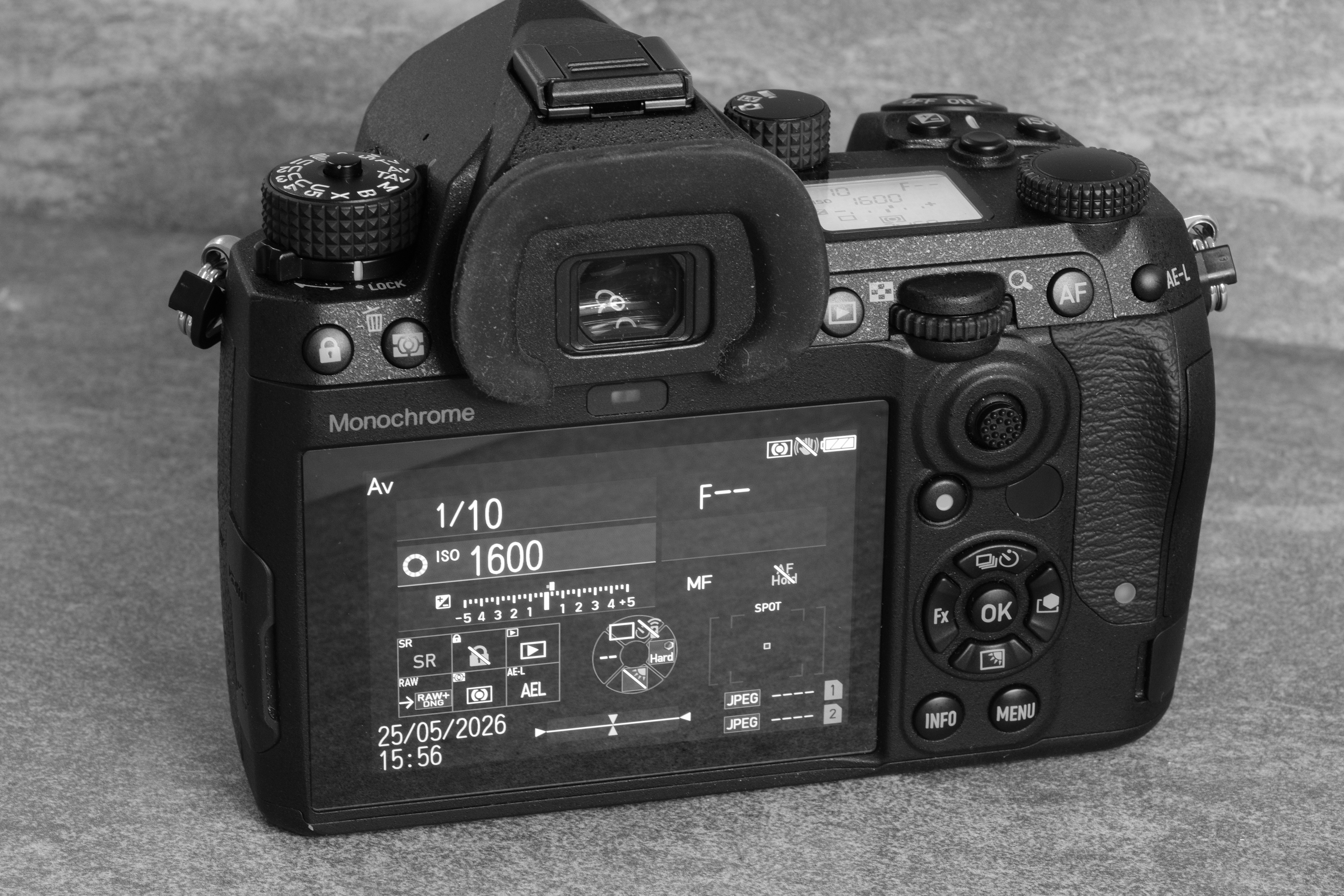
So…. for a camera company trying to convert a new generation of users to their approach of photography, there are two routes: they can try and solve all the problems related to the capture and distribution of images, or stay as far as possible from the definition of smartphones, embrace the KISS principle and focus on the basics of stills photography.
Option A: create the perfect connected camera that solves all the problems above
Pentax would have to create a line of cameras that keeps their traditional strong points (single lens reflex, optical viewfinder, K-mount, tactile commands) BUT at the same time offer the connectivity and content sharing capabilities of smartphones – a camera with 5G+GPS chips, an Android-derived or Android-like OS, uploading images directly and transparently to Google Photos, Instagram or Adobe’s Creative Cloud.
To solve the integration problem, Pentax would need a deep collaboration with Google or with a Chinese smartphone manufacturer, lots of R&D money, and they would have to venture in an area where Japanese camera makers have traditionally been very weak.
And because the camera should be able to shoot reels and short movies strips (what would be the point of direct social media integration otherwise), this new Pentax camera would necessarily be an “hybrid” (still images composed on the optical viewfinder, movies composed on a rear display or on a second, electronic viewfinder). And it may need a new line of K-Mount lenses to optimize its autofocus performance. The resulting products would be as complicated and cumbersome as the current dSLRs, and definitely not cheaper.
There may be a need for a camera permanently connected to the Internet and integrated with social media, but it will certainly not be met by a Single Lens Reflex equipped with an optical viewfinder and supporting K-Mount lenses.
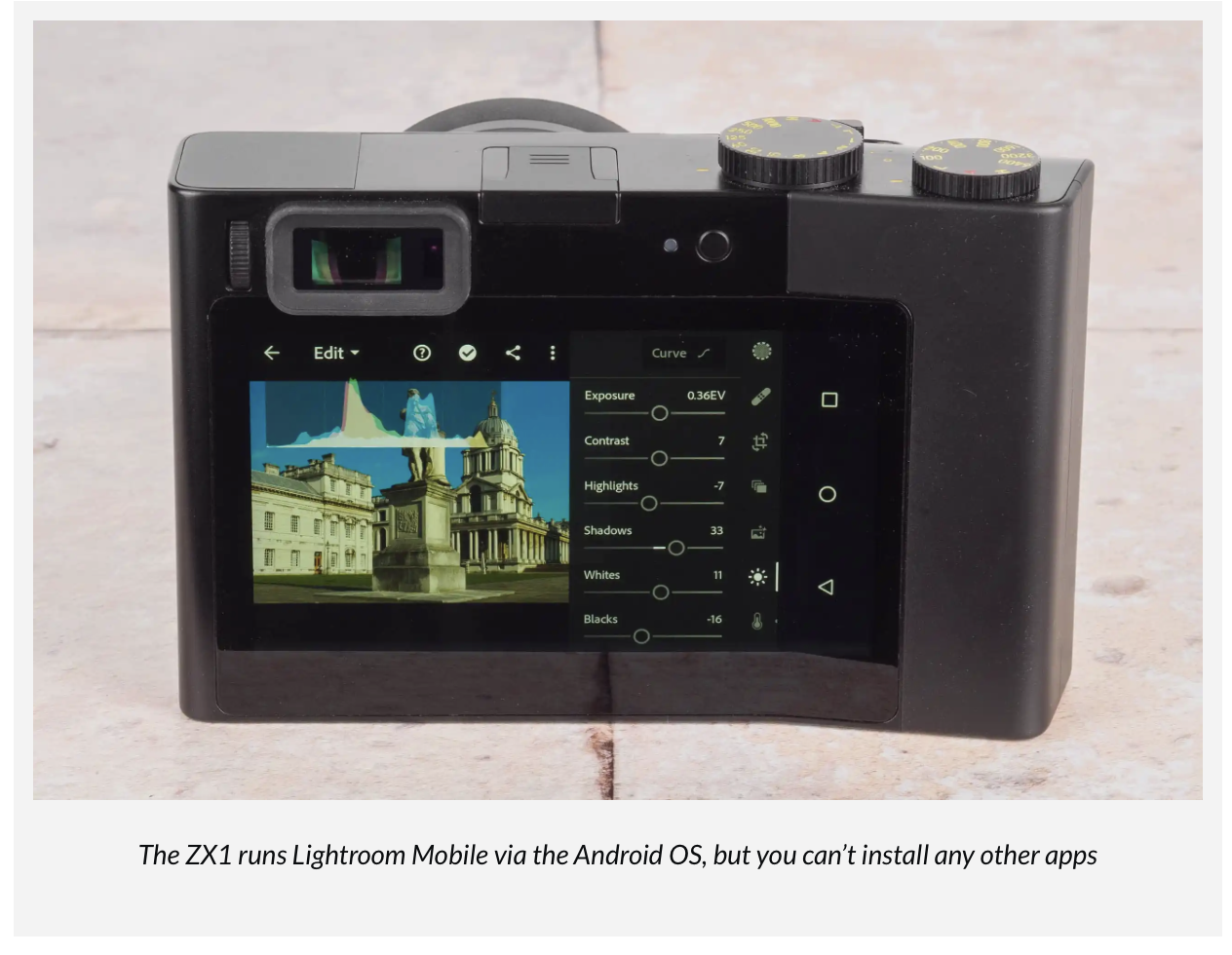
Option B: go the opposite route, and offer a simplified, stills photography-only digital SLR.
Ricoh could on the other hand target users who don’t want to shoot movies or reels, and don’t want their camera to behave like a complex computer. They could propose a camera that only takes still images, with an interface reminiscent of the film SLRs of the early eighties. In a Leica M11-D sort of way.
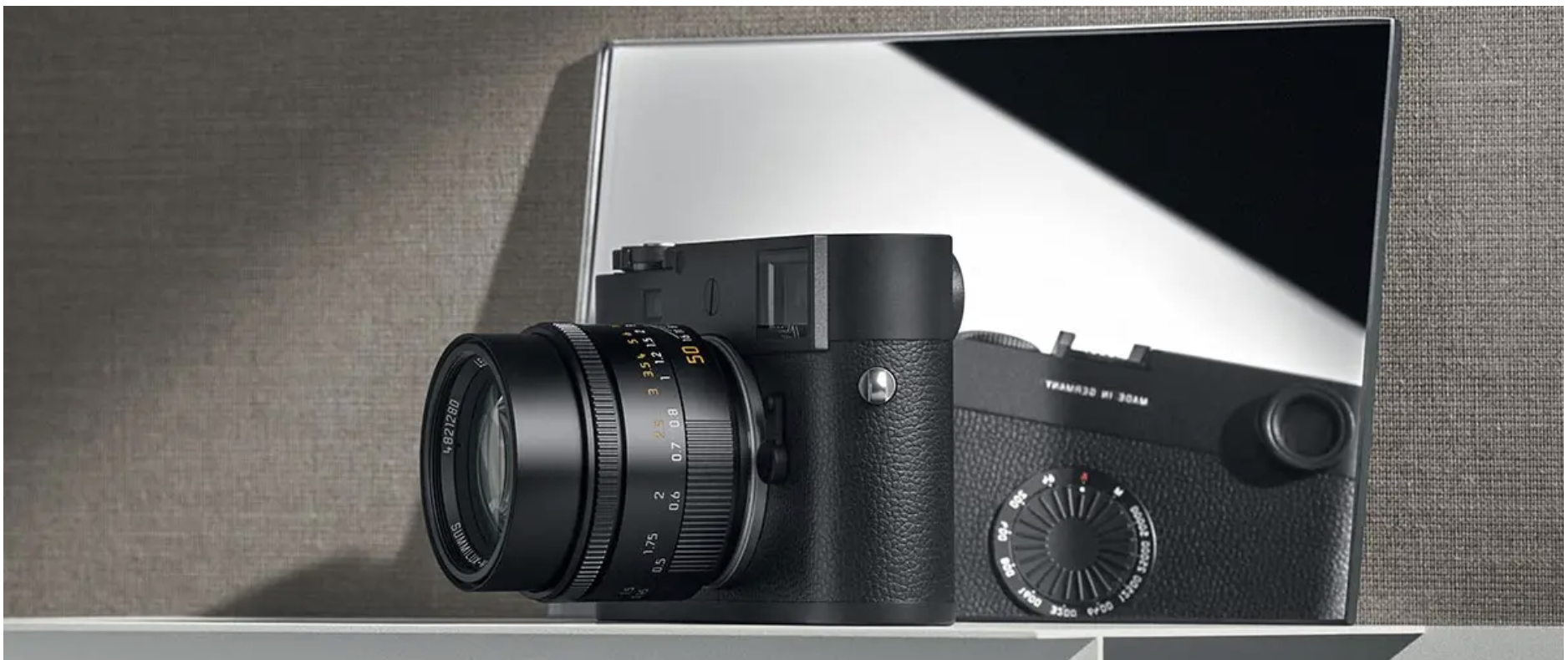
Imagine a line of cameras with:
- a limited set of physical controls (shutter speed, aperture, ISO sensitivity, metering pattern),
- maybe one extra dial to set the white balance,
- No top plate LCD, no rear display, and therefore no menu,
- No movie mode, no filter, no picture style, no computational photography, no AI,
- Some basic wireless connection (Bluetooth) to a smartphone app to change the settings of the camera and upload the images.
- Image transfers and basic image manipulations would be performed on a smartphone or a tablet, with a Ricoh-Pentax app. Or third party apps through collaborations with partners such as Adobe or Phase One.
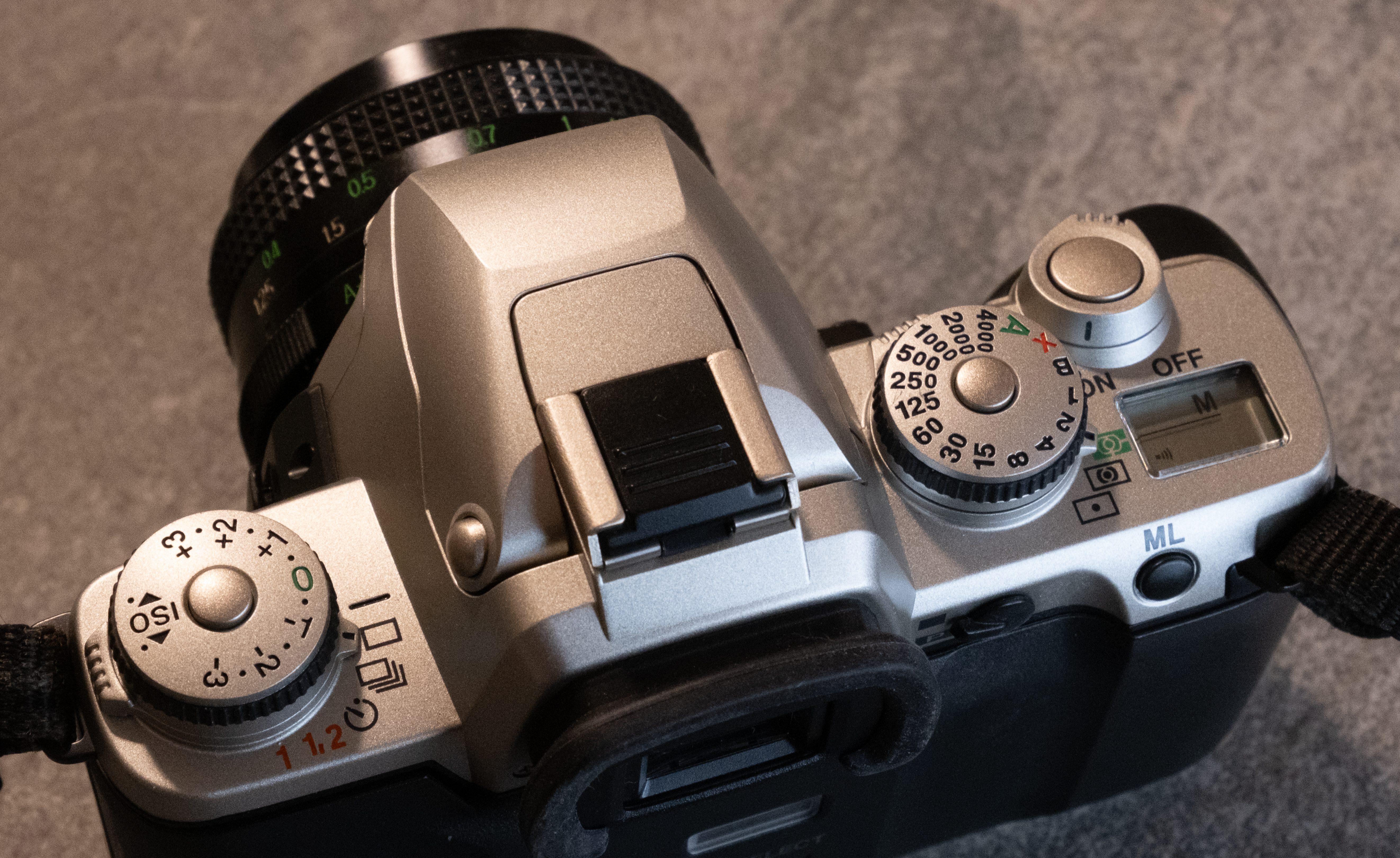
The camera could look like a film SLR of the 1995 generation (like the MZ-3 we reviewed recently), and be offered with a color or with a monochrome sensor. To maintain the size reasonable and the cost acceptable, the imaging sensor would not need to be full frame, an APS-C sensor could work, as there is no shortage of Pentax K lenses designed for the APS-C format.
In my opinion, that would be more in line with Ricoh’s recent announcements, and easier for them to bring to market than a do-it-all, over complicated, Android-powered “hybrid device”.
As a conclusion…
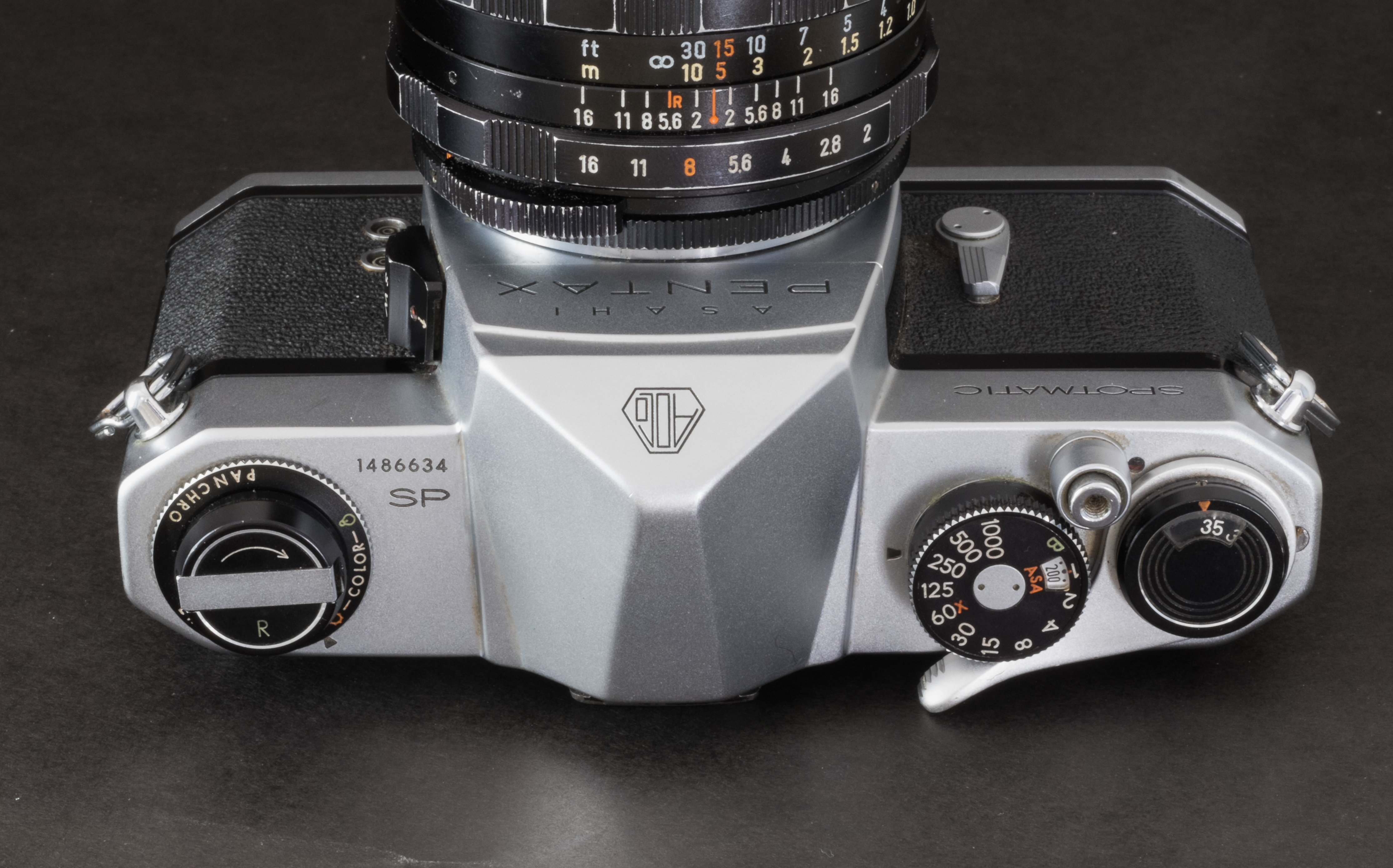
In its long history, Pentax has often played the role of the small troublemaker, betting early on the single lens reflex architecture, and introducing innovations (rapid return reflex mirror, pentaprism, through the lens metering, aperture priority auto-exposure) that their bigger and more “institutional” competitors like Canon and Nikon only adopted at a later stage.
But they also stuck to outdated designs (the 42mm lens mount, the conventional dSLR architecture) far too long, which explains the predicament they’re in today.
I don’t know if Ricoh will be able to launch an innovative re-interpretation of the digital SLR theme – they may throw the towel if they come to the conclusion that there would not be enough demand for it, but if they pull it off, it will sure be interesting. Stay tuned.
Food for thought…
More about the Zeiss ZX1: https://amateurphotographer.com/review/zeiss-zx1-review/
More information about the Leica M11-D: https://kristiandowling.com/blog/2024/9/10/leica-m11-d-a-digital-camera-for-analogue-hearts
A (totally) different opinion on what a future Pentax Digital SLR should/could be: https://www.pentaxforums.com/articles/columns/the-dslr-isnt-deadit-just-moved-to-the-blue-ocean.html




Or, they could make film cameras again!
Wait, they did, and people liked it. Then they stopped.
I know it was a big deal to make the 17, so it seems like such a waste to throw it all away again. And making the 17 made Pentax/Ricoh stand out in a way they hadn’t for such a long time.
I like the Pentax 17 – too bad the team that designed it was apparently disbanded. A Half Frame SLR reusing the lenses designed for the Pentax APS-C dSLRs would have been interesting…