$150 to $250 – the new normal for a good manual focus reflex camera?

I had not bought a semi-auto single lens reflex camera on the second hand market in a long time (a Canon AT-1 is probably my most recent purchase in this category, and that was 10 years ago). Taken by a bout of nostalgia, I was recently on the hunt for a nice copy of the first camera I fell in love with (but did not buy), when I was a student, a long long time ago. And I was surprised how expensive it was.

$150 to $250, that’s what you have to pay for a semi-auto exposure single lens reflex (SLR) of good reputation, consuming film, with a working meter and an accurate shutter, that can operate without its silver oxide batteries.

In this category, all SLRs are manual focus cameras, of course. And because they have a mechanical shutter, buyers assume that those cameras will be less subject to the terminal decay of their few electronic components, and be easier to repair than auto-exposure cameras.
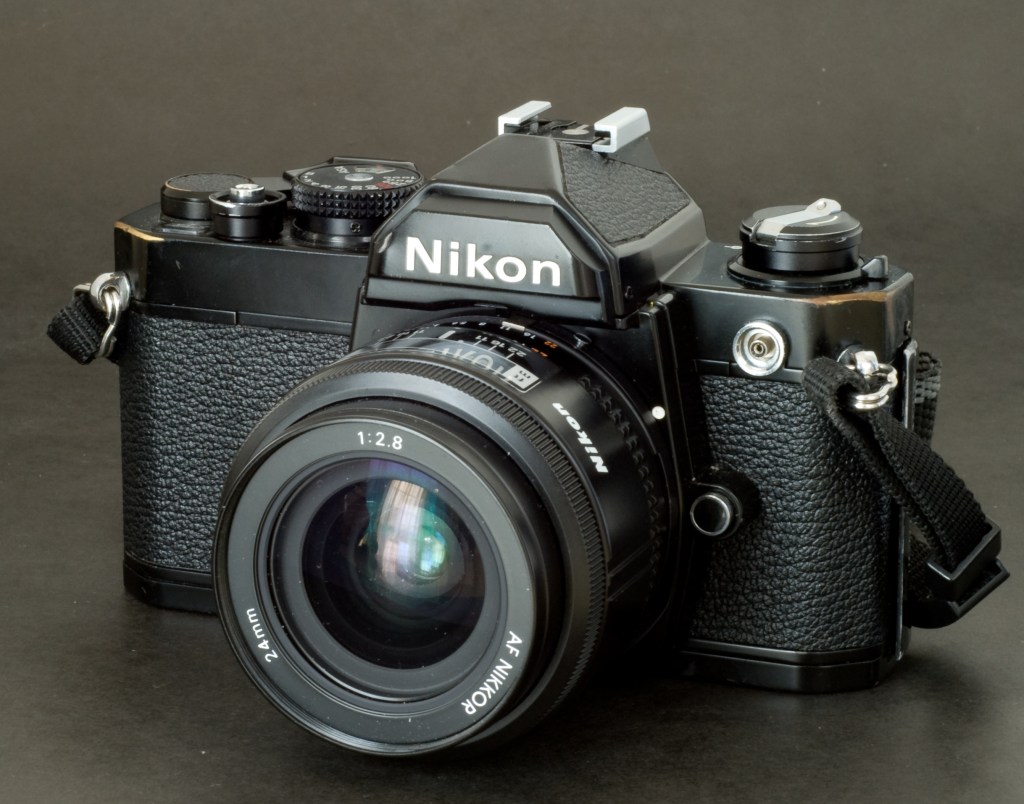
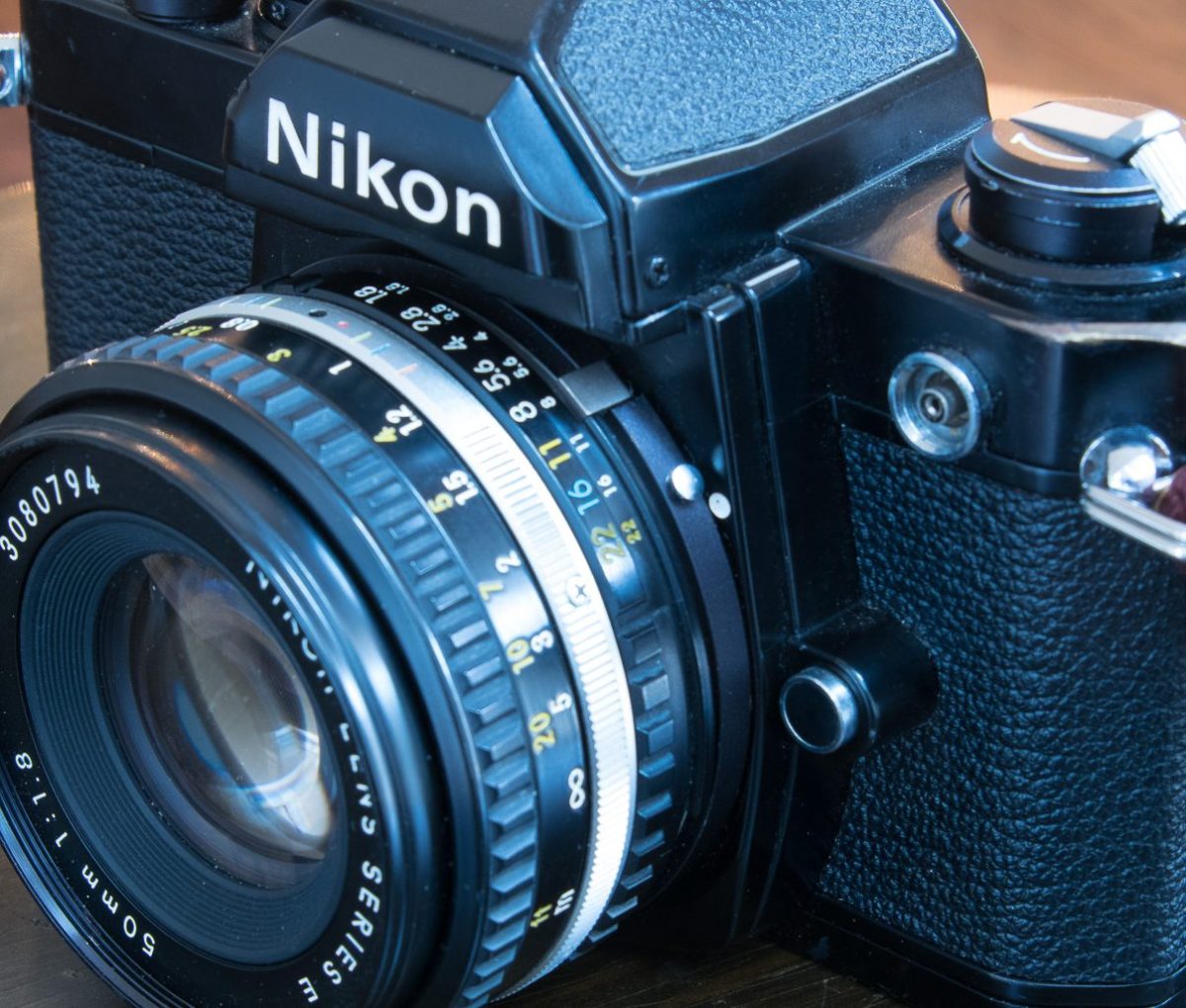
Nikon FM – a rock-solid, compact and technically advanced semi-auto camera. The FM2 keeps the same fundamental qualities but adds a much faster shutter.

Below is a selection of good semi-auto cameras from the seventies and eighties:

  • Nikon: the FM and the FM-2
  • Pentax: the K1000, KM, KX and MX
  • Olympus: the OM-3ti
  • Ricoh, Cosina and a few others proposed semi-auto cameras using Pentax K lens mount, which were also sold under store brands.
  • Leica and Contax semi-auto reflex cameras are beautiful and the lenses… exceptional – but you definitely won’t find them for $150.00

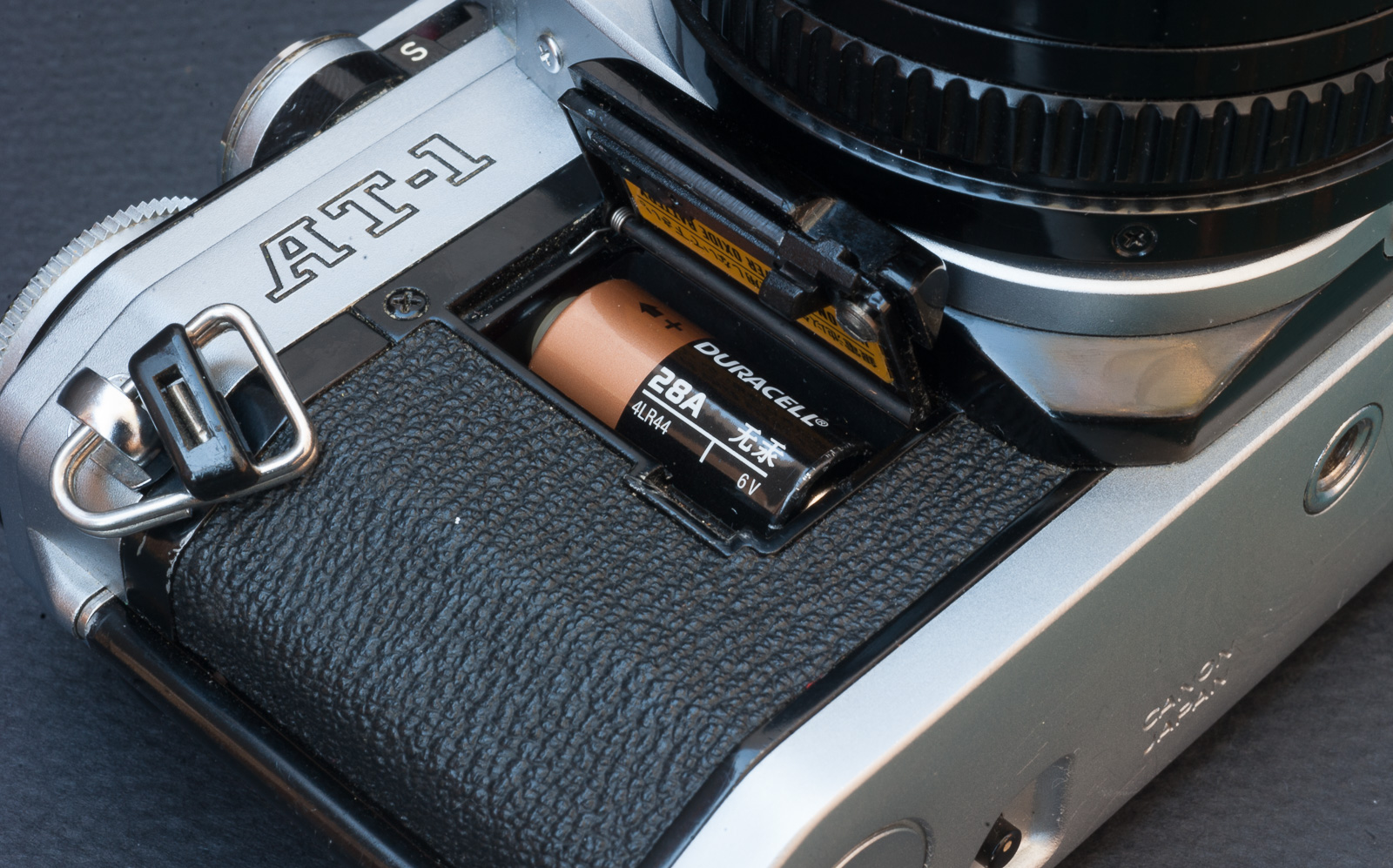
The Canon AT-1 fits more or less the description, with one major restriction – because its shutter release command is electromagnetic, it does not work – at all – without an (easy to find) 6v battery and is less in demand than a Nikon FM or a Pentax semi-auto camera.
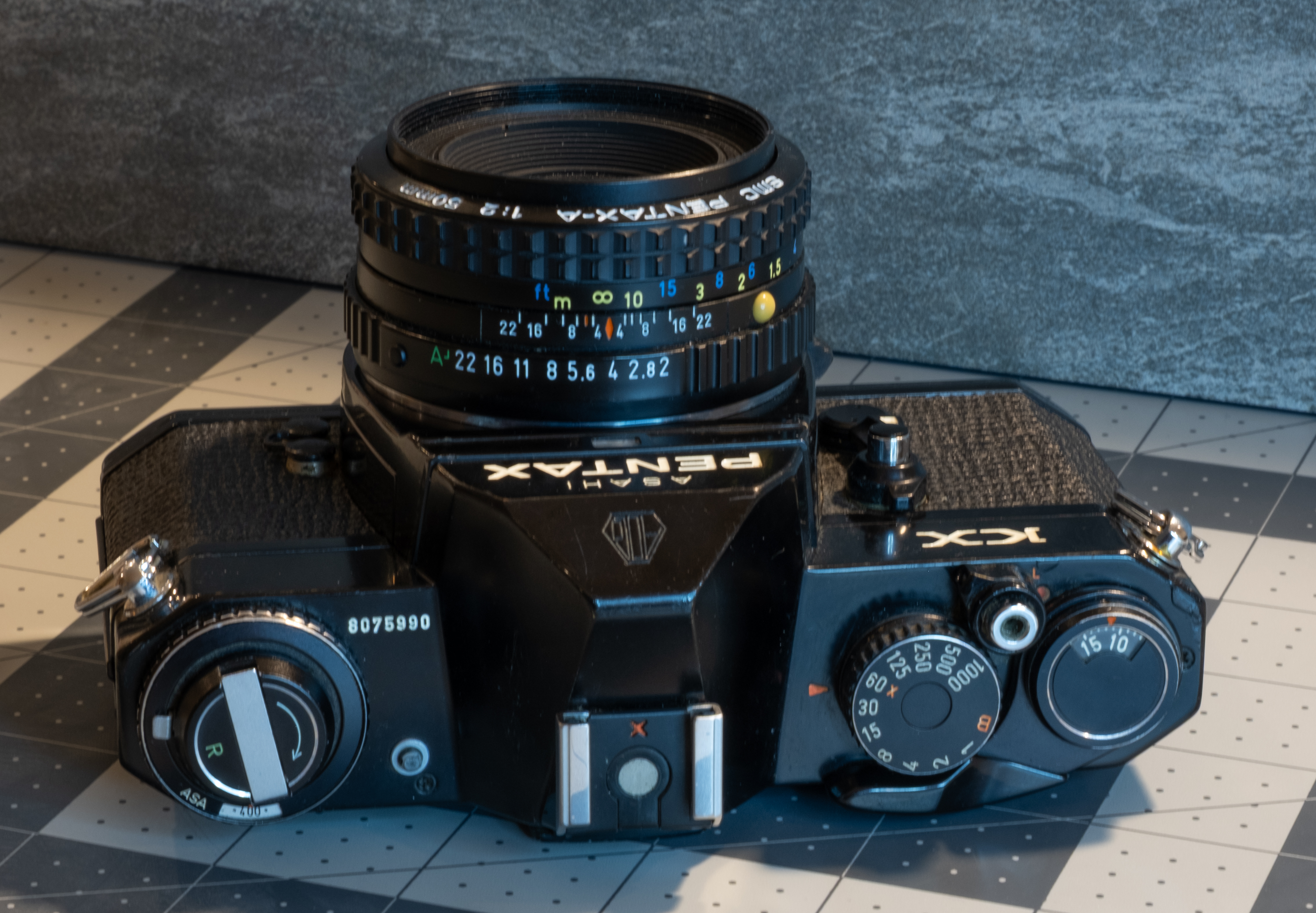
Pentax KX – the typical top plate of a semi-auto camera.

The other cameras of the 1975-1985 years are all automatic exposure cameras – and they absolutely need a battery to work. Some of them offer very little control over the exposure parameters (no semi-auto mode, no exposure memorization, and at best a single shutter speed accessible in full “manual” mode) – the Pentax ME, Nikon EM, Olympus OM-10, and Canon AV-1 all fall into that category.

Other auto-exposure cameras can be easily operated in full semi auto mode, in addition to one or more auto-exposure and program modes, and are not limiting for the skilled photographer: the Nikon FE, FE2 and FG, Pentax ME Super and Program-Plus, and most cameras of the Minolta X series.

Therefore the price hierarchy on the second hand market, from less desirable to most sought after:

  • Fully automatic with no manual override
  • Fully automatic with manual override
  • Canon AT-1
  • Mechanical semi auto cameras
The AT-1 does not work without this battery. I don’t think it’s that big of a problem, but lots of potential buyers do.

Automatic, semi-automatic and manual exposure determination

A quick reminder – modern digital cameras (and almost all autofocus film cameras sold after 1985) offer some form of programmed automatic exposure: the camera evaluates the luminosity of the scene, and selects – automatically – a shutter speed and an aperture combination that will ensure that the image is correctly exposed.

If the photographer wants to control the depth of field, he or she will impose a specific aperture (adjusting the control wheel or the aperture ring of the lens if it exists), and the camera will set the shutter speed on its own. That’s the Aperture Priority Auto Exposure. If the photographer needs to directly select the shutter speed, the camera will determine the aperture automatically – it’s the Shutter Speed Priority automatic exposure mode.

Before auto-exposure cameras became ubiquitous, the best you could get was a semi-automatic camera – the photographer had to turn the shutter speed dial or the aperture ring left or right, until the “matching needle” of the exposure meter stabilized between the + and the – markings in the viewfinder. One more recent models (Fujica ST801, Nikon FM, Pentax MX), the matching needle arrangement is replaced by a series of three or five LEDs, to the same effect.
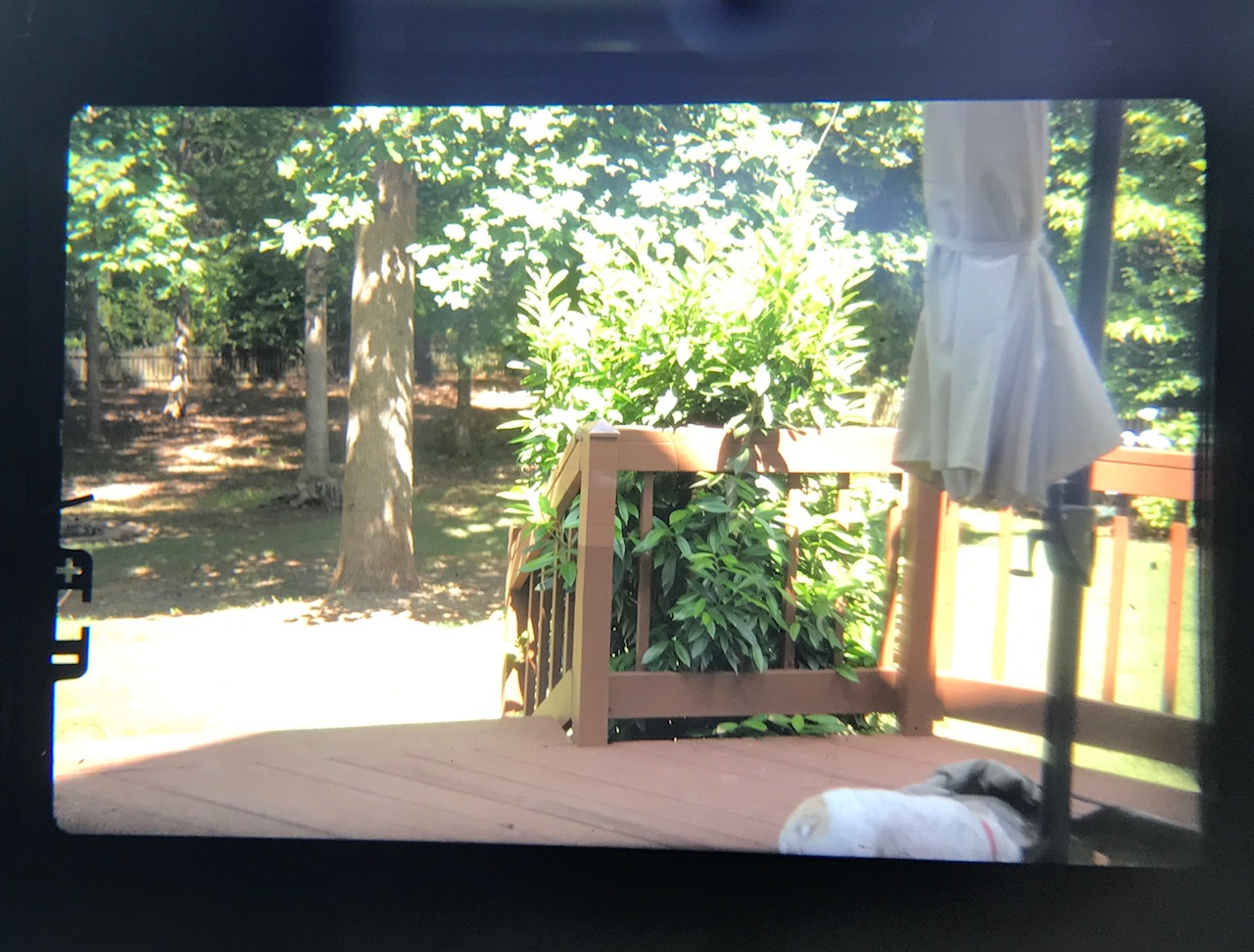
Olympus OM-1 – viewfinder with the matching needle on the left

Lastly, if the camera is devoid of an exposure meter (or if the batteries are dead), some cameras operate in full manual mode – the photographer has to rely on experience (or on an external meter) to determine the best aperture/shutter speed combination. More about the exposure determination modes.

Where?

You can buy a used film single lens reflex at different places – Ranked by cost (from the cheapest to the most expensive)

  • Garage sales, Facebook Marketplace
  • Shopgoodwill
  • eBay or Buyee.jp
  • Etsy
  • brick and mortar stores specialized in second hand cameras

Caveat: the price reflects the distribution channel, but is not a good indicator of the quality of the camera:

  • there are good deals to be made in garage sales or on Shopgoodwill – but you need to know what you’re doing.
  • if you buy at auctions, stay away from bidding wars. Those cameras were manufactured in the millions. If you don’t get this one, you’ll get the next one.
  • It is even more important with Shopgoodwill auctions – considering there is no warranty and no return policy, you should pay far less on Shopgoodwill than on eBay or in an established brick and mortar store.
  • I don’t know Etsy very well – cameras may look good because they may have been cleaned, lubricated and adjusted (CLA’d), but they can be expensive compared to eBay.
  • I would not buy a camera in an antique store, unless they were reselling cameras CLA’d by a reputable photo repair shop that would offer a warranty. And good or bad, they will be expensive.
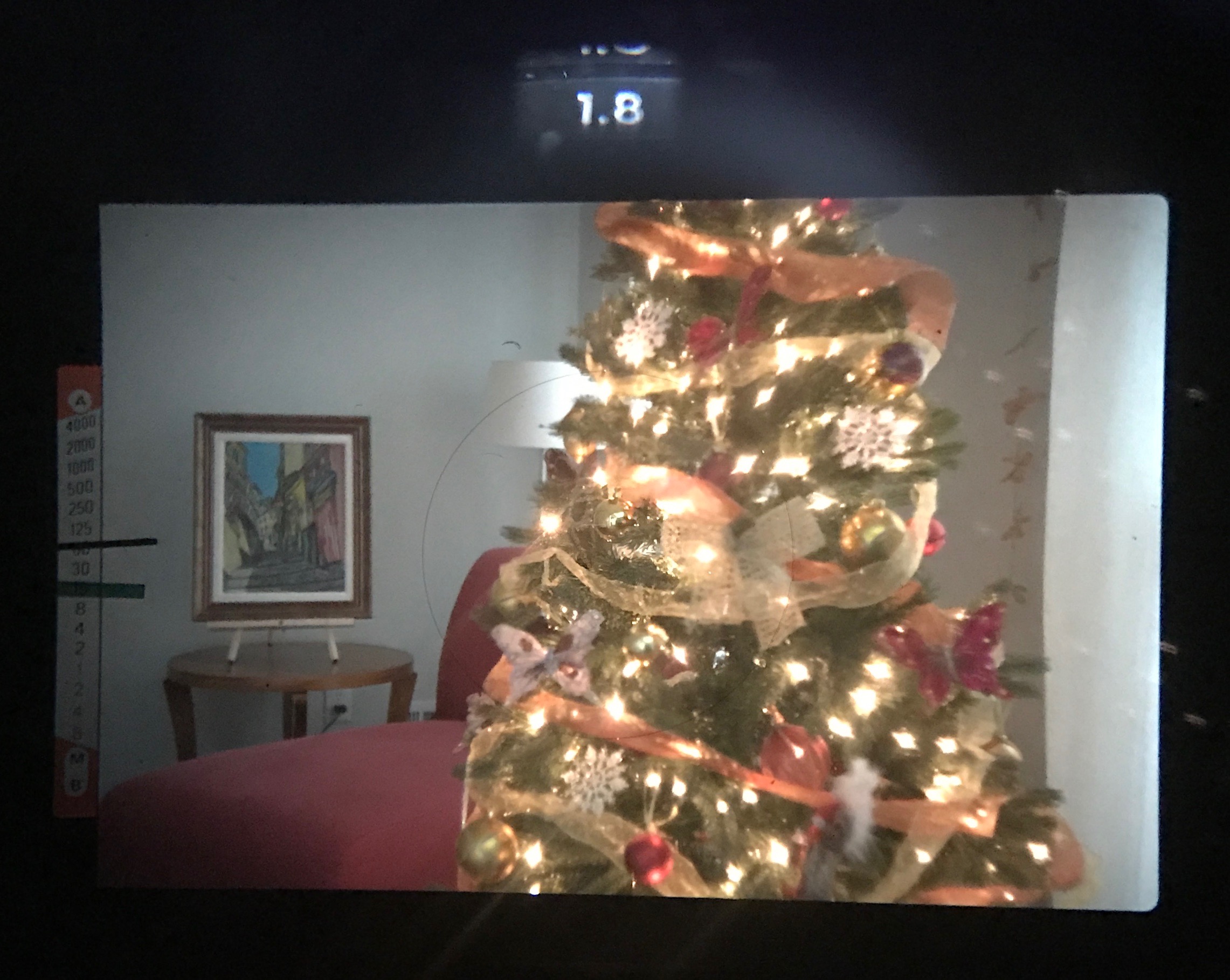
Nikon FE2 – Semi auto exposure mode. Automatic cameras can also extremely pleasant to use in their semi-automatic mode.

How much?

Using eBay.com and Buyee.jp as benchmarks, only looking at completed sales. The cameras are advertised as “working” and/or “tested”. For each model, there is a very wide discrepancy between the smallest and the largest amount spent by the buyer. In any case, there is a very significant premium for cameras with black bodies. Brick and mortar will be more expensive than eBay or Buyee.jp (sometimes by a factor of two or three) – it may be worth it for refurbished cameras offered with some form of warranty.

Less than $50.00

  • Canon AV-1, Nikon EM, Pentax ME, Olympus OM-10

$50 to $150

$150 to $250

  • Nikon FM
  • Pentax KX
  • and auto-exposure cameras like the Nikon FE2 and some Minolta X series,

Between $250 and $500

  • Contax S2
  • Nikon FM2

Always over $500, often selling far above $1000

  • Leica R6.2,
  • Olympus OM-3ti
  • Nikon FM-3a
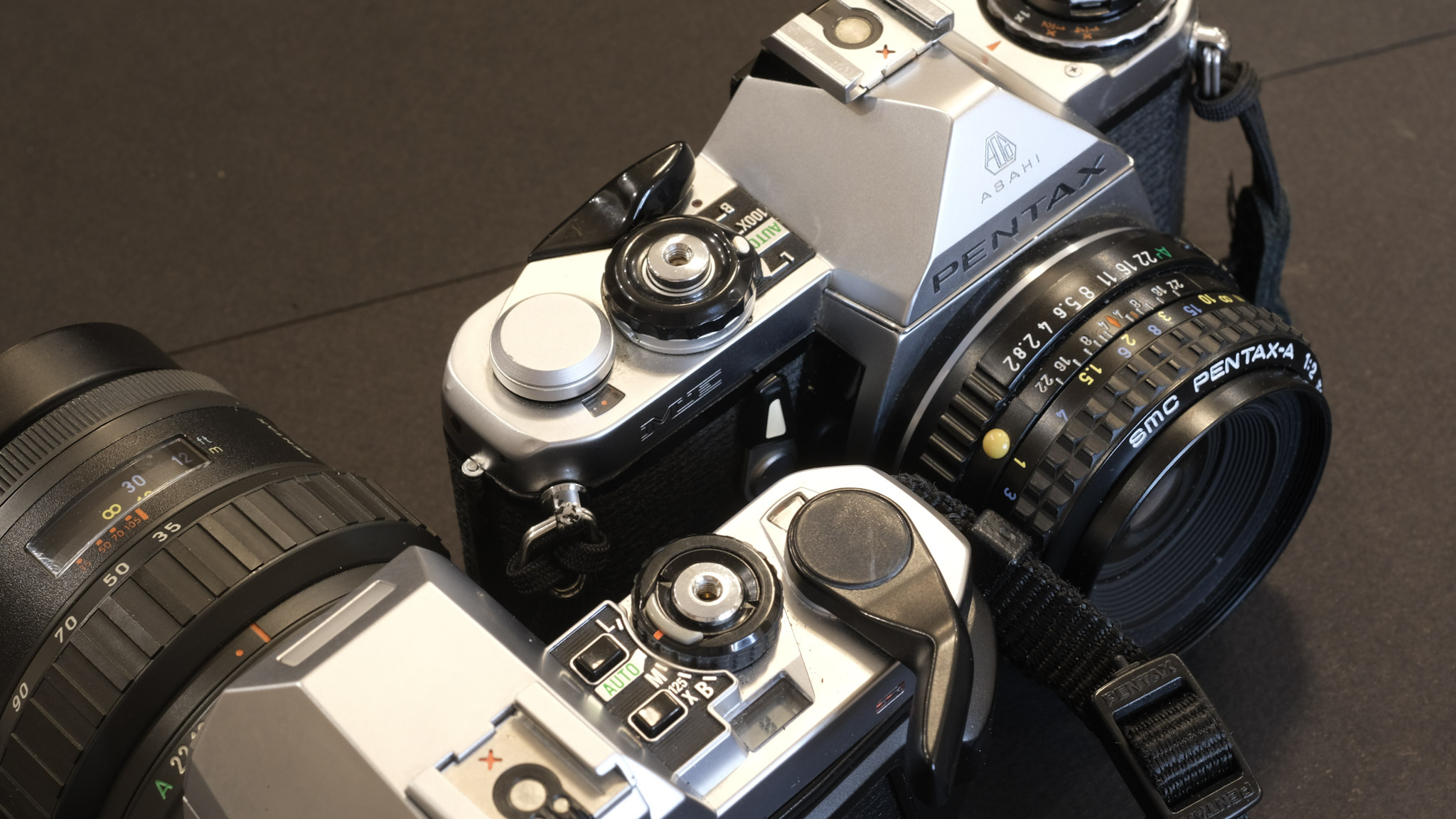
Pentax Super Program (left) and the Pentax ME (right) – the ME does not let the photographer directly select the shutter speed, the Super-Program does (it has a “semi-automatic exposure mode”)

Why have those cameras become so expensive?

Three phenomenon are at play:

  • Demand – there is a film renaissance, with semi-automatic cameras in high demand.
  • Scarcity – nobody has build a film, manual focus SLR in the last 20 years, and the cameras we’re considering here are 40 to 50 years old. Not that many survivors in good shape.
  • The impact of the US trade policy: tariffs, the end of the “de-minimis” exemption last year and related changes in the cost of shipping from Japan have made a major source of good film cameras – the Japanese second hand market – much more expensive than before – on a camera selling for $100.00 on the Japanese domestic market and that you could get on you doorsteps for a total of $120.00 two years ago, you now have to add at least $60.00 for tariffs, custom broker fees and shipping by premium carriers such as Fedex. A 33% increase of the cost of a camera in the price range we’re considering – that also pulls the price of cameras already in the US towards higher brackets.
Olympus OM-1n MD (left) and Olympus OM-2000 Spot (right). The OM-1 is a nice camera but was designed to work with mercury batteries (workarounds exist, but it’s an extra hassle to deal with).

The cameras I would avoid

I’m not going to make friends…

  • all the auto-only cameras (Canon AV-1, Nikon EM, Pentax ME, Olympus OM-10)
  • cameras with spotty reliability record (Pentax ME Super, Pentax P3/P30, Yashica FX-3 Super 2000)
  • all the cameras that require mercury batteries (it includes the Olympus OM-1 – too bad). There are substitutes to mercury batteries, and voltage compensation diodes can be added to the circuit board of the camera, but it’s a hassle.
  • cameras from second tier brands only catering to amateurs, with a proprietary bayonet lens mount and close to no presence on the enthusiast and pro-markets (Fujica, Konica, Yashica to name a few). Why? the lens choice. Today, 50mm standard lenses and 135mm tele lenses are easy to find on the second hand market in any lens mount – that was what you used to find in the photo bag of an amateur in the seventies, but if you want anything else (21, 24, 28 or even 35mm wide angle lenses, macro lenses, long tele lenses), you have a much better chance with brands like Canon, Minolta, Nikon, Olympus and Pentax. They sold in larger volumes, and benefited from a wider adoption by experts and pro photographers, who were buying a wider selection of lenses than amateur photographers.
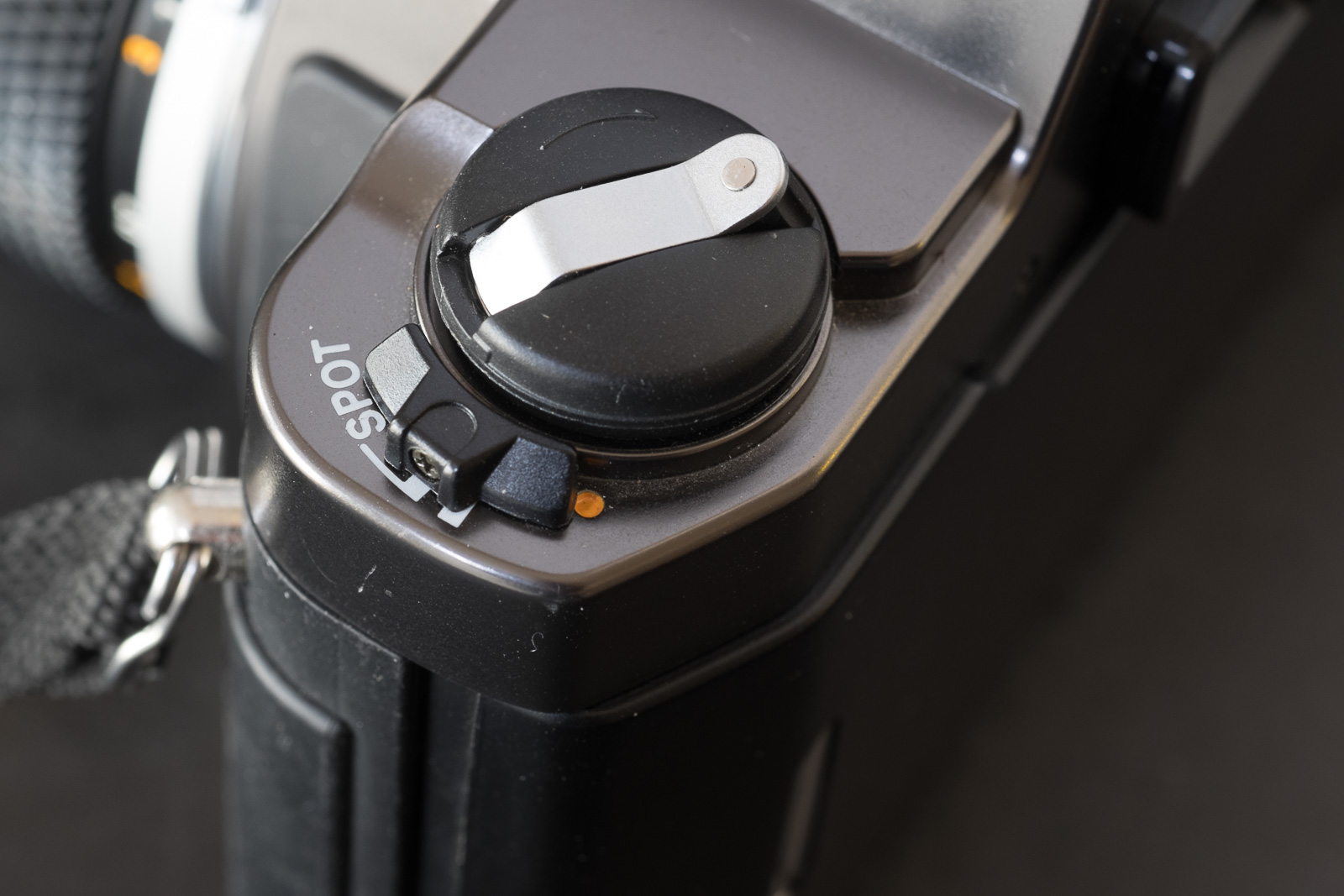
Olympus OM-2000 – made for Olympus by Cosina – a faster shutter (1/2000 sec) and the Spot vs Weighted Average meter selection distinguish this camera from the other clones of the Cosina CT-1 (Canon T-60, Nikon FM-10)

The Pentax K1000 is a special case – the prices on eBay are all over the place (from $25.00 to $250), and the auctions on Shopgoodwill now easily pass the $100 barrier. In my opinion, any dollar above $100.00 is a lot of money for what used to be a stripped down learner camera with technical roots in the Spotmatic F of 1973.

My favorites

Let’s finish on a positive note: my favorite manual focus film SLRs:

In the semi auto category:

  • Nikon FM – robust, reliable, it works with almost any Nikon F lens made between 1959 and the early 2000s. The short eye relief of its viewfinder makes it difficult for photographers wearing spectacles to easily see the whole frame.
  • Canon AT-1 – pleasant to use, technically simple, with great viewfinder, and a great choice of lenses as long as you’re not looking for a trans-standard zoom. Of course it does not work without a battery, but you can find one in any drugstore and it’s not even expensive.
  • Pentax KX – another nice camera, two years older than the FM and the AT-1. Technically more or less on par with the Nikon FM (but probably not as robust). Good viewfinder, informative and easy to the eyes of people wearing glasses. Huge selection of lenses (OEM or third party) built around the Pentax K, KA, KAF lens mounts.

In the auto-exposure category

The three cameras listed below all offer at least one auto-exposure mode, but the implementation of their semi-auto mode is very well thought.

  • Nikon FE2 – very well built, great shutter, fine and luminous ground glass in the viewfinder, well thought semi-auto mode – but a viewfinder with a short eye relief (14mm), which is not that great for photographers wearing glasses.
  • Olympus OM-2 and OM-2n – very compact, very well built, with an incredibly wide viewfinder, and a minimalist implementation of the semi-auto exposure – but a choice of lenses more limited than with Nikon or Pentax.
  • Pentax Program A and Super Program – small, great viewfinder, more auto modes than the FE2 or the OM-2, great choice of lenses.

and a totally unreasonable choice:

  • Canon T90 – a multi-automatic camera – big, loud and beautiful, with a great viewfinder, the ergonomics of a modern camera, and cheap….Because it’s a ticking time bomb (it relies on batteries soldered on its circuit board and on capacitors that don’t age well). The semi-auto mode is poorly implemented, and the exposure metering not easy to master. But great Canon FD lenses, and did I say… beautiful?
Canon T90 – the ergonomics of an EOS camera with an FD lens mount – a bad reputation but my copy has been flawless, so far.

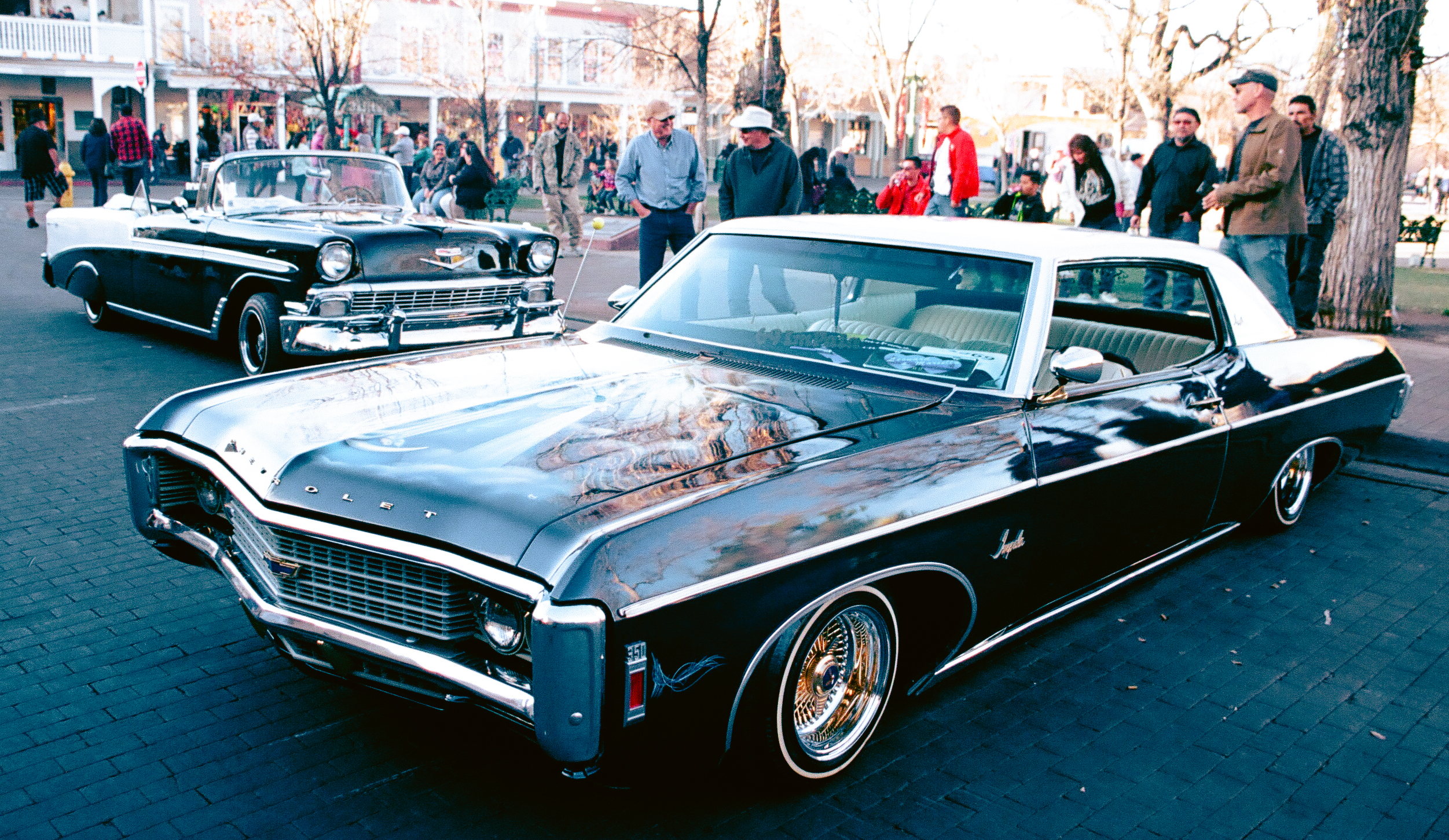
Series shot in Santa Fe, NM – Nikon FM – Nikkor 28-70 AF – Kodak Ektar 100 – Noritsu scanner – “film inspired” profile 02 or 03 in Adobe Lightroom
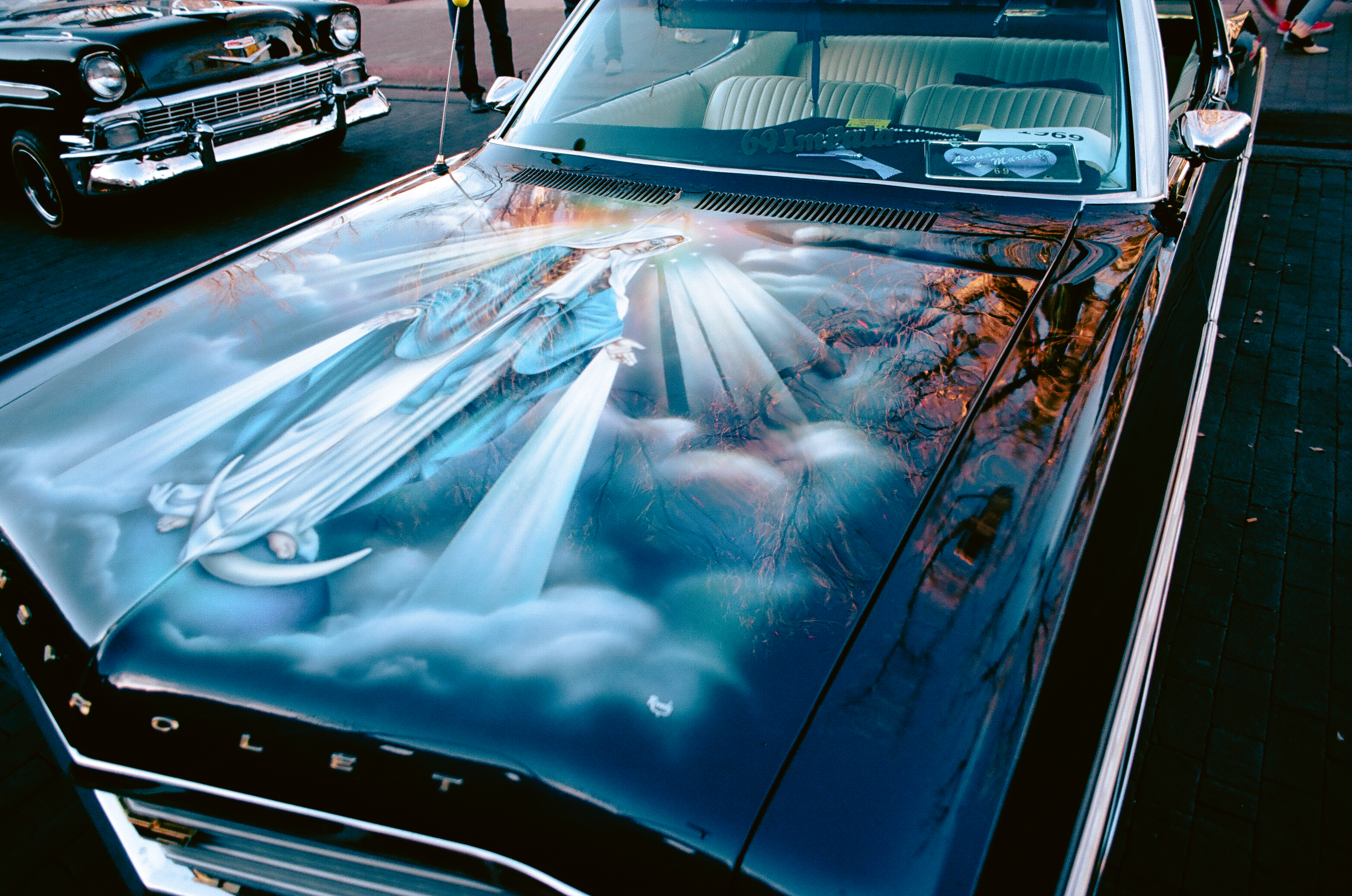
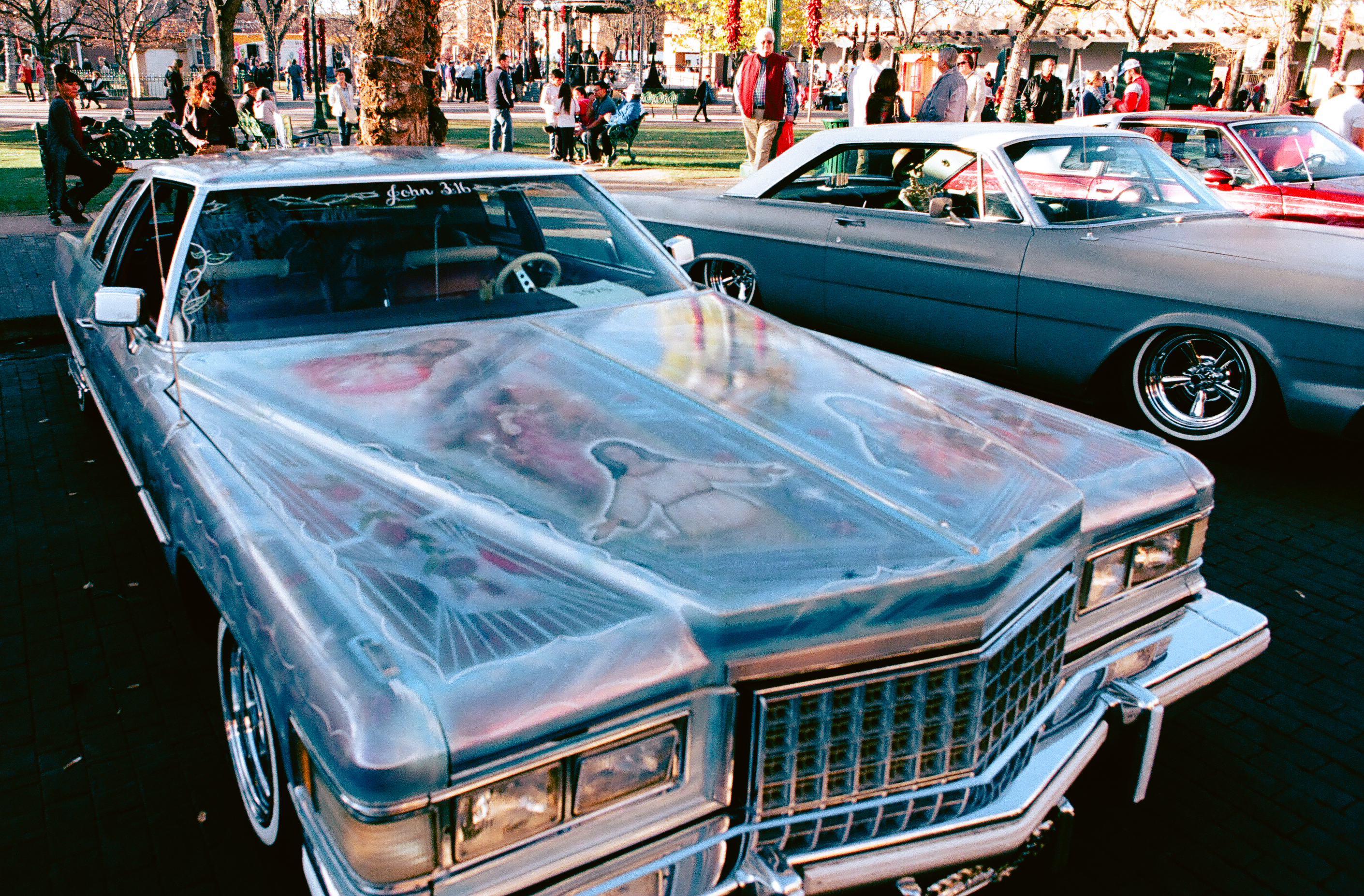
Low rider parade on the Plaza in Santa Fe, NM
Low Rider parade on the Plaza in Santa Fe, NM

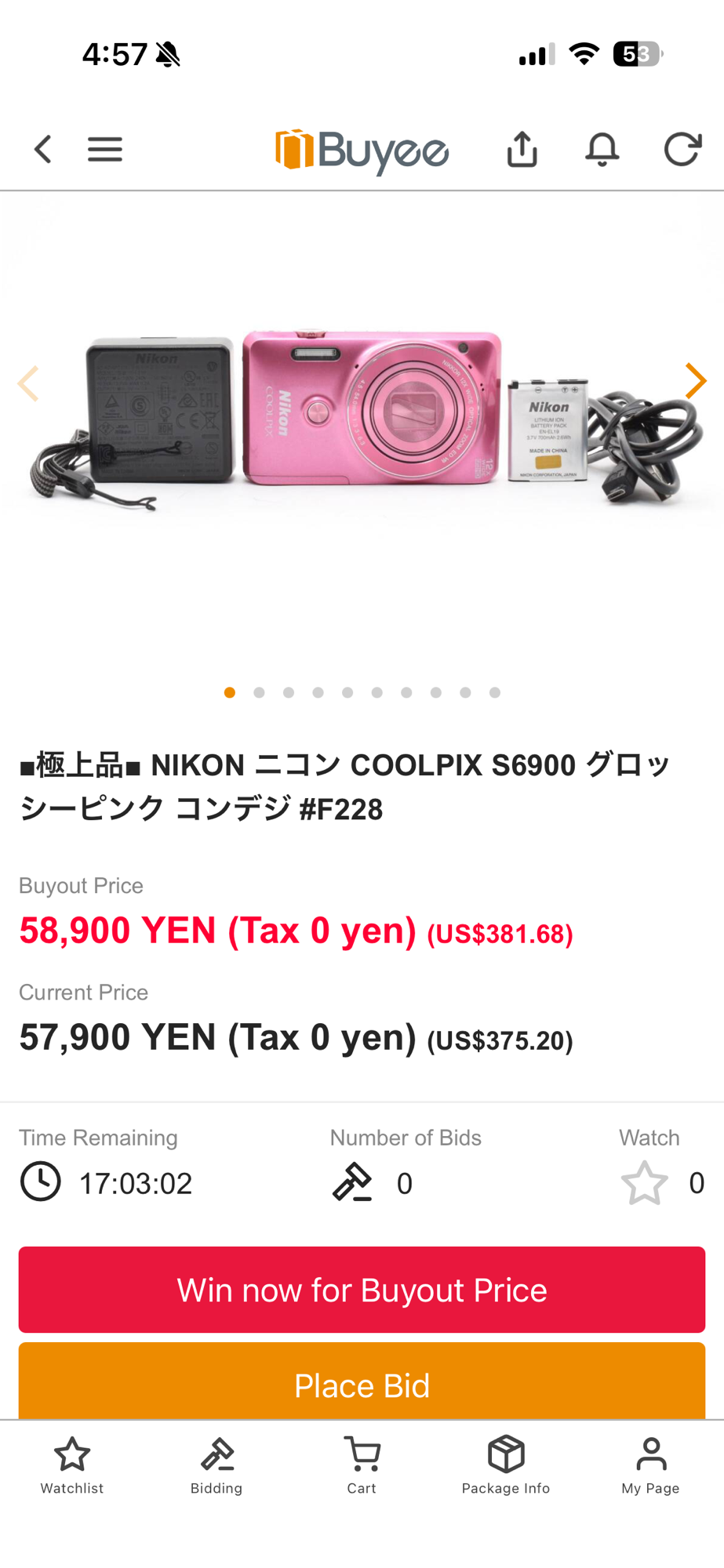
Testing Buyee.jp – a (cheaper) eBay alternative to tap the Japanese second hand equipment market?

After years of gradual improvements, eBay has become a very reliable marketplace for buyers of second hand cameras and lenses. It’s been years since I’ve had an even moderately unpleasant experience with eBay.

But eBay is expensive – for the seller (the 13.6% eBay commission is calculated on the total cost of your purchase, shipping and taxes included – which brings it closer to 16% of the value of the sale for seller, in most cases), and as a consequence, for the buyer – because the sellers have to recoup their costs one way or another.

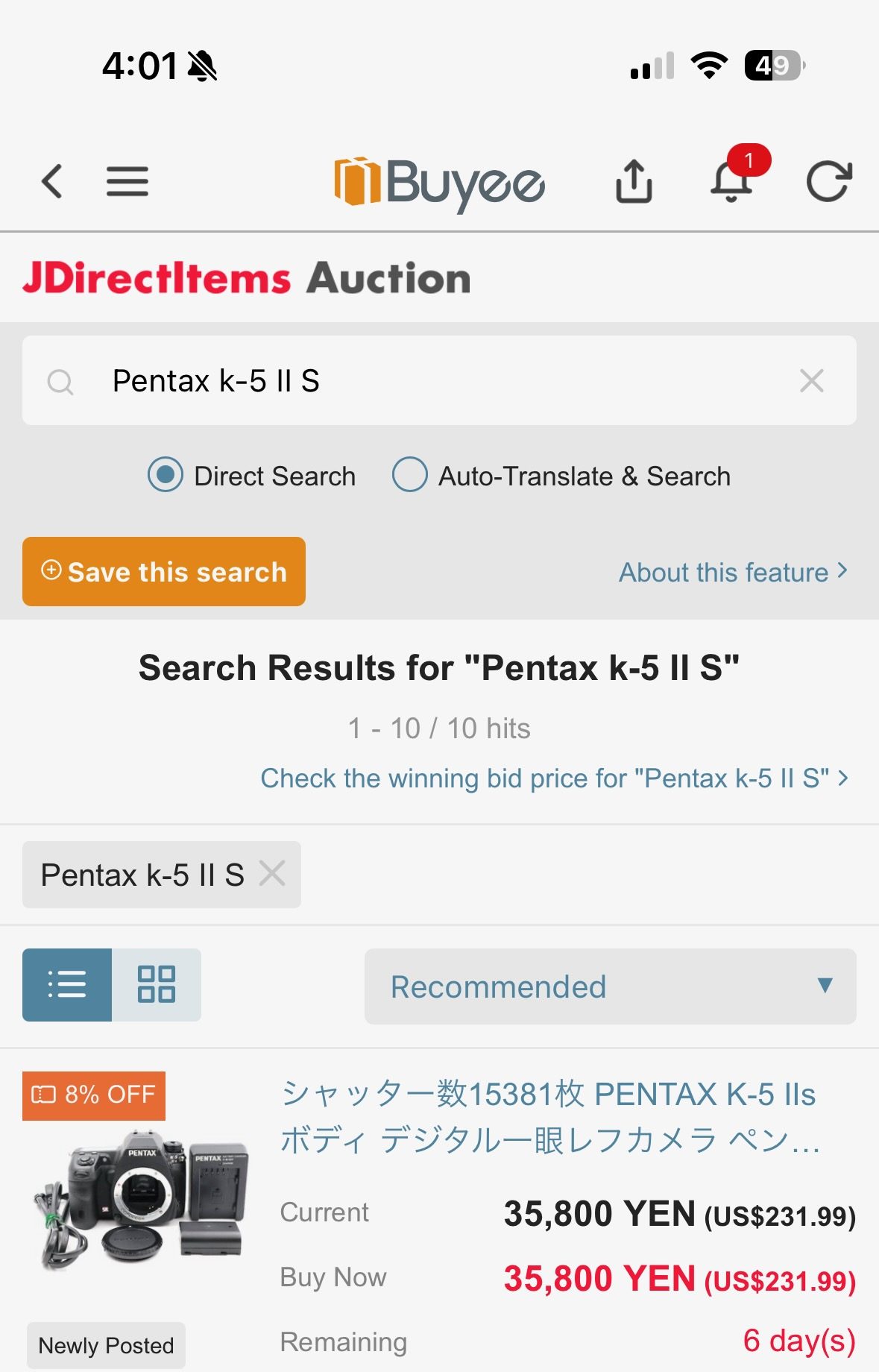
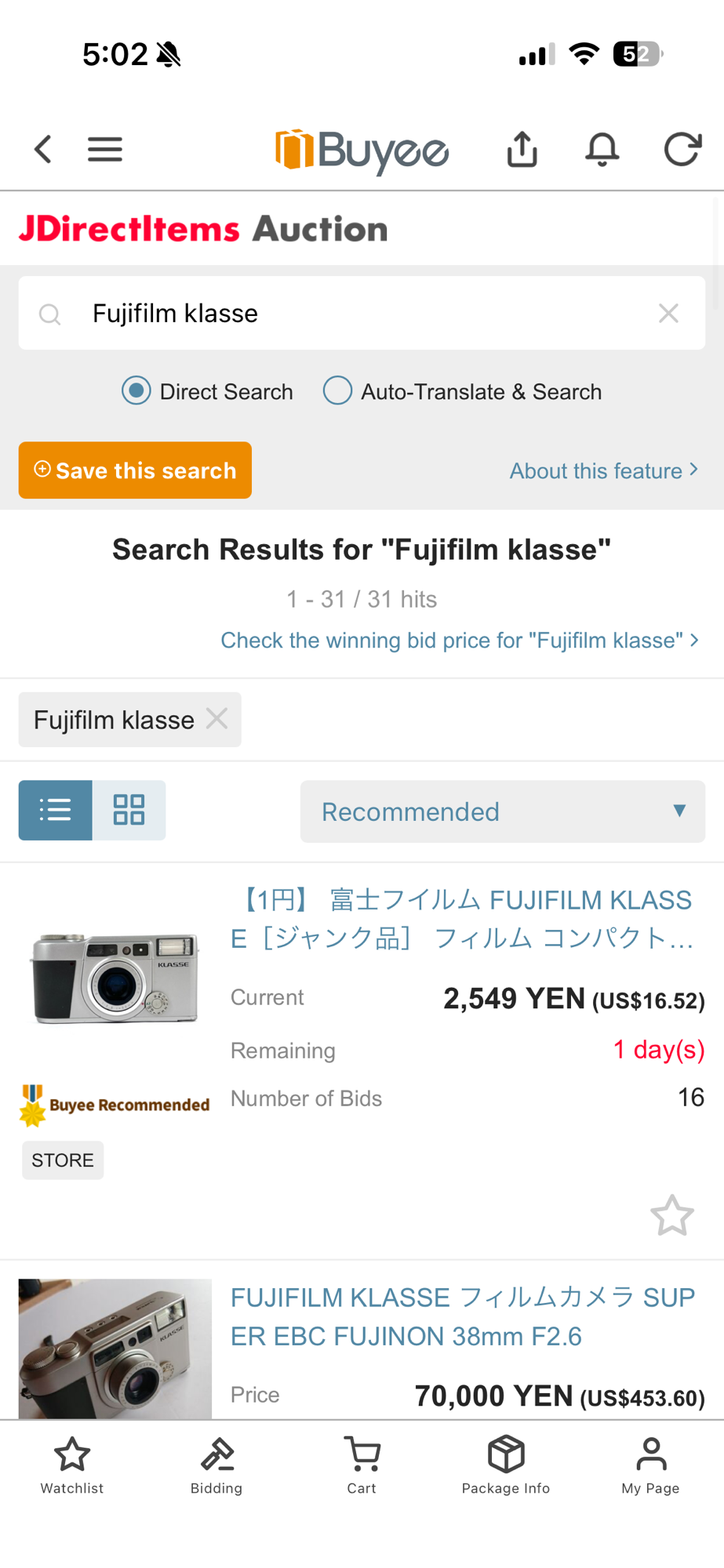
The Buyee app: the search screen

Until last year, a very good option to save money while remaining on eBay was to buy second hand photo equipment from stores located in Japan – the equipment was in very good shape, cheaper than in the US, and could be delivered on your doorsteps in two days – faster than if it had been shipped from the US territory by an American seller. I’ve done it often and never had any problem.

Unfortunately, the introduction of higher tariffs, the suppression of the de minimus exemption (purchases below $800.00 could previously enter the country duty-free), and the suspension of the two day delivery service to the US by the Japanese Post have completely changed the landscape, and buying from Japanese eBay stores has become seriously expensive. To the announced purchase price, you have to add the tariffs themselves, the fees collected by the customs agents (there and here), and the cost of shipping by a premium US carrier.

There does not seem to be a unique answer to those changes for the Japanese stores present on eBay – a few of them advertise an all-inclusive but higher selling price, while the majority keep the price of the item reasonable, but add massive shipping fees to cover the cost of new constraints – sometimes in the hundreds of dollars.

Japanese sellers still keep a big advantage over their American counterparts – a much wider inventory of “interesting” cameras. The Japanese Domestic Market (JDM) often gets the exclusivity of limited series or of specific camera body colors – and some brands with little traction in the US (like Pentax) are also better represented in their home market.

But not all Japanase vendors work with eBay. They can still be reached, and you can tap the seemingly unlimited inventory of the JDM, with the help of Buyee.jp, a proxy buying service.

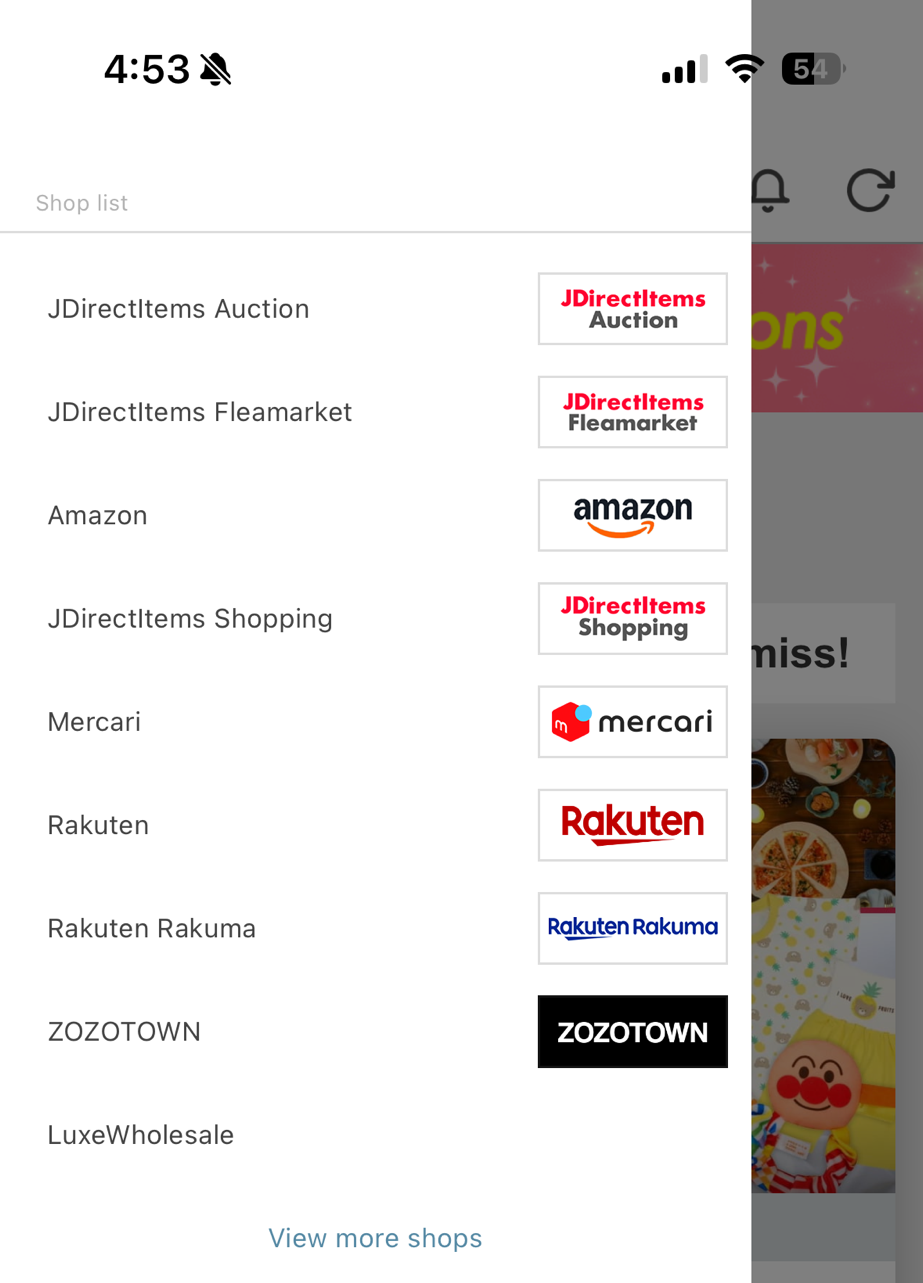
A large choice of marketplaces

What is a proxy buying service?

Unless you can read and somehow write Japanese (I don’t), it’s next to impossible to conduct a business transaction directly with a Japanese store. And assuming you do, how are you going to convince a little store in Kyoto or Osaka to go out of their way, take care of all the customs induced hassle, and ship the item you purchased to your end of the world? That’s where Buyee.jp can help:

  • they operate an English language Web site and offer an English language smartphone app that will let you browse multiple Japanese marketplaces – the search bar is accepting requests written in the latin alphabet, and the responses (in Japanese) are embedded in a Google Translate window, making it relatively easy to understand what’s being offered.
  • If you decide to purchase a product (or are the successful bidder in an auction), they will take care of completing the transaction on your behalf (you pay Buyee through PayPal), and will start the process of bringing the purchase to your door step: the seller has to ship the product to a local Buyee warehouse, Buyee takes care of packaging (if necessary), of customs and shipping.
  • Two weeks later, you finally receive the purchased item.

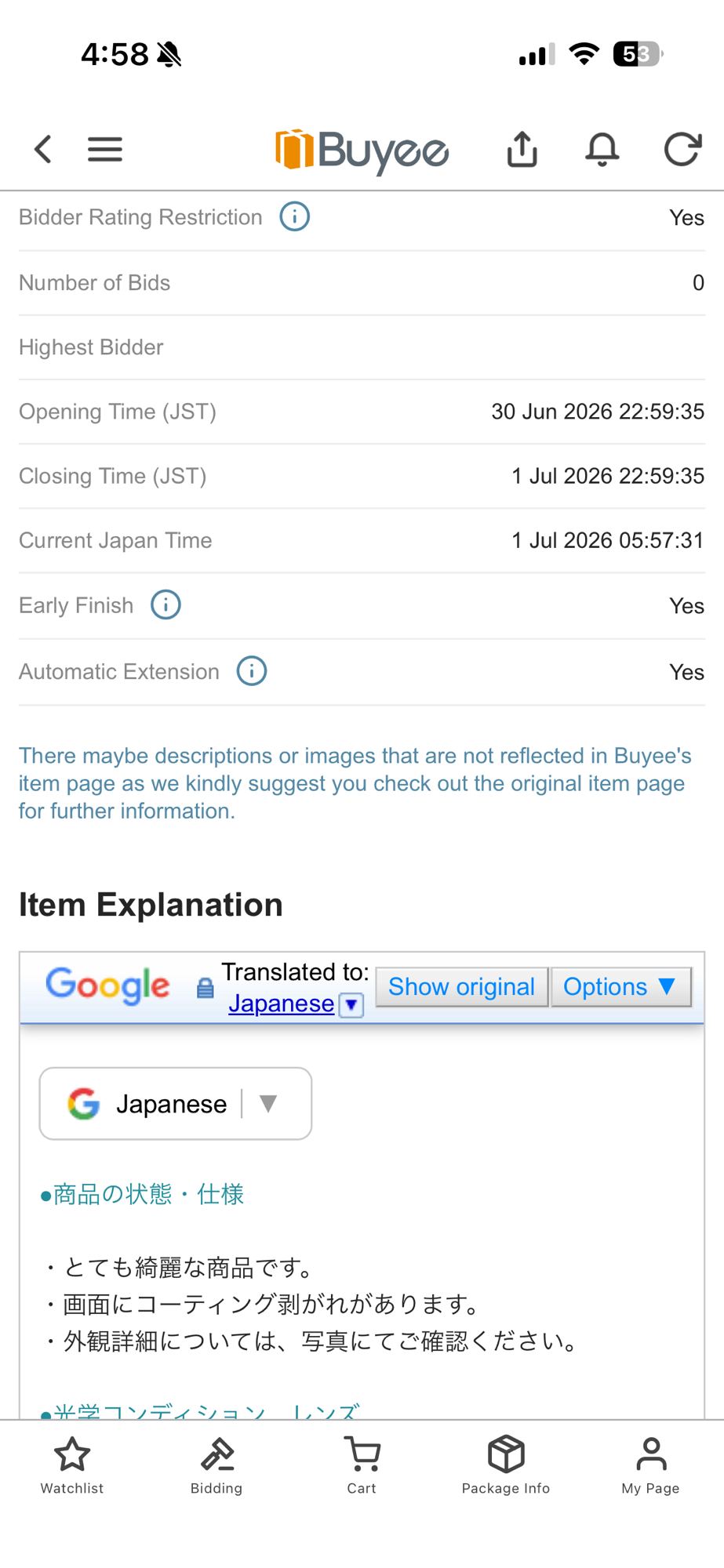
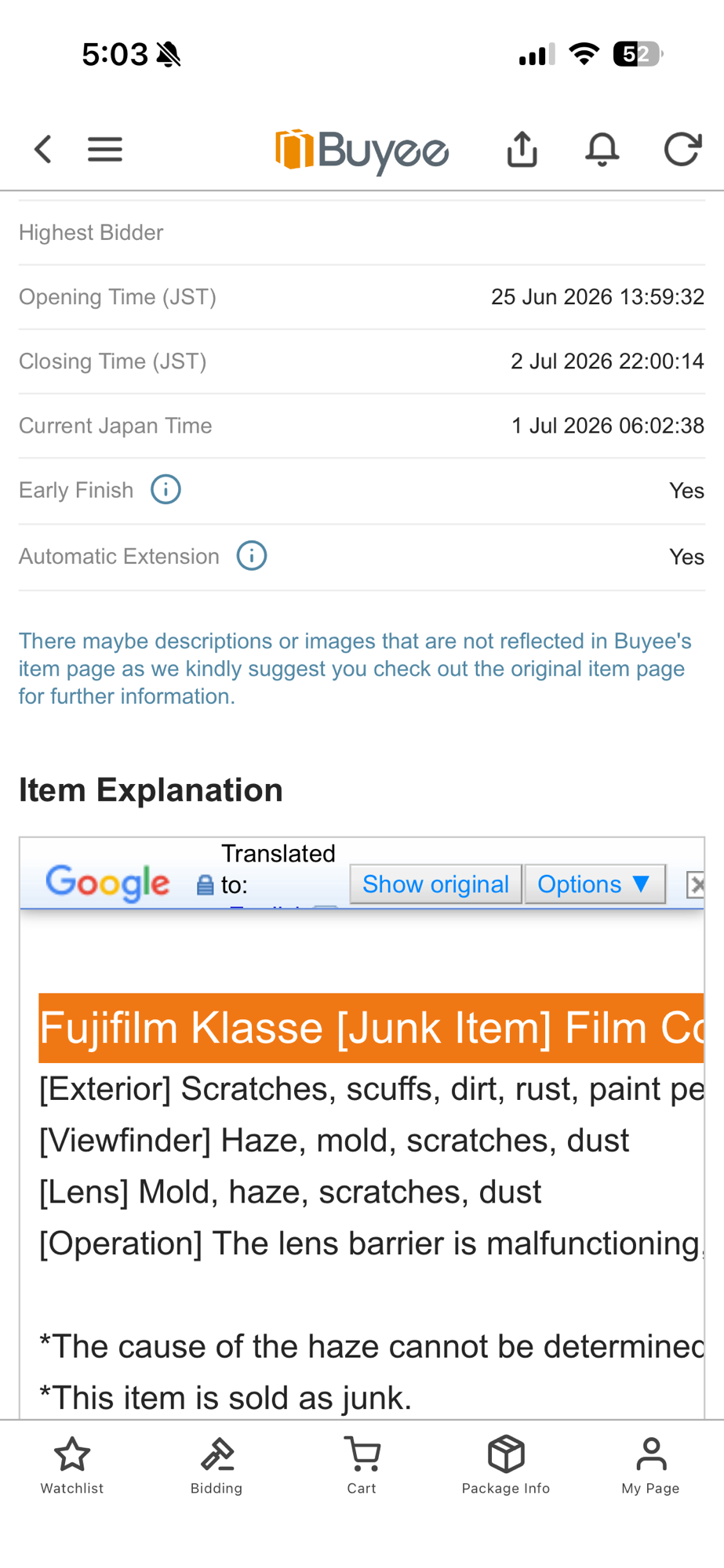
The item description is translated by Google. This Fujifilm Klasse is not as nice as hoped

Testing the Buyee service

I sold my Pentax K-5 II a few months ago, to fund the purchase of another camera, but I liked my K-5, and after a while I started feeling some sort of seller’s remorse. I started looking for the next step up in the K-5 family, the K-5 IIs, on eBay, and on Buyee.jp.

Absolutely unobtainable over here…

That week, there were were three K-5 IIs on the eBay US store, 1 located in the US, 2 located in Japan, with prices (incl. custom duties and shipping) ranging between $300 and $400.

On the Buyee app, I visited the JDirectItems Auction marketplace. There were 13 items for sale, all based in Japan, of course – and priced in Yen. The Buyee app does the conversion in US dollars automatically, which brought their K-5 IIs inside a range starting at $186 and topping at $410, customs duties and shipping not included.

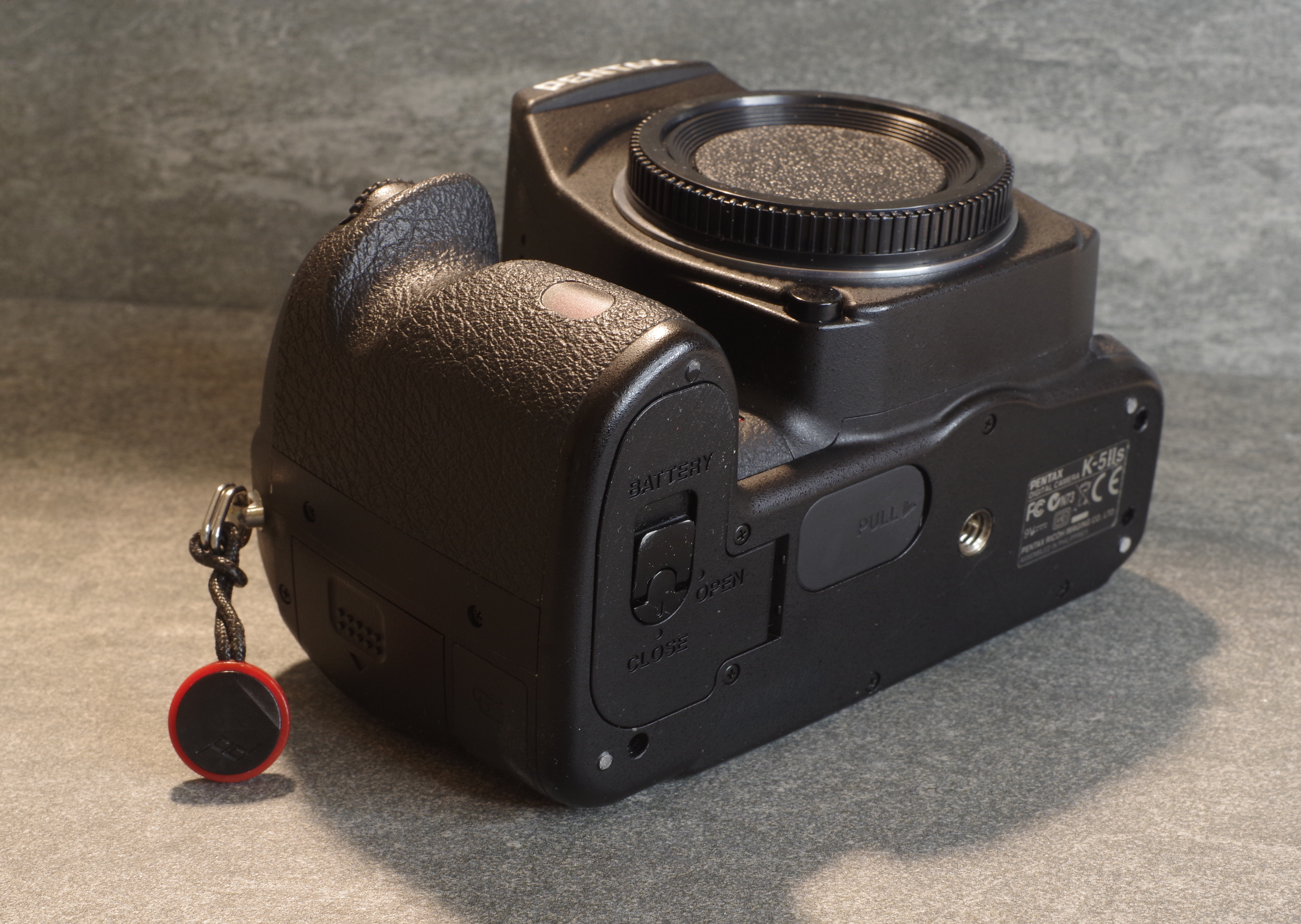
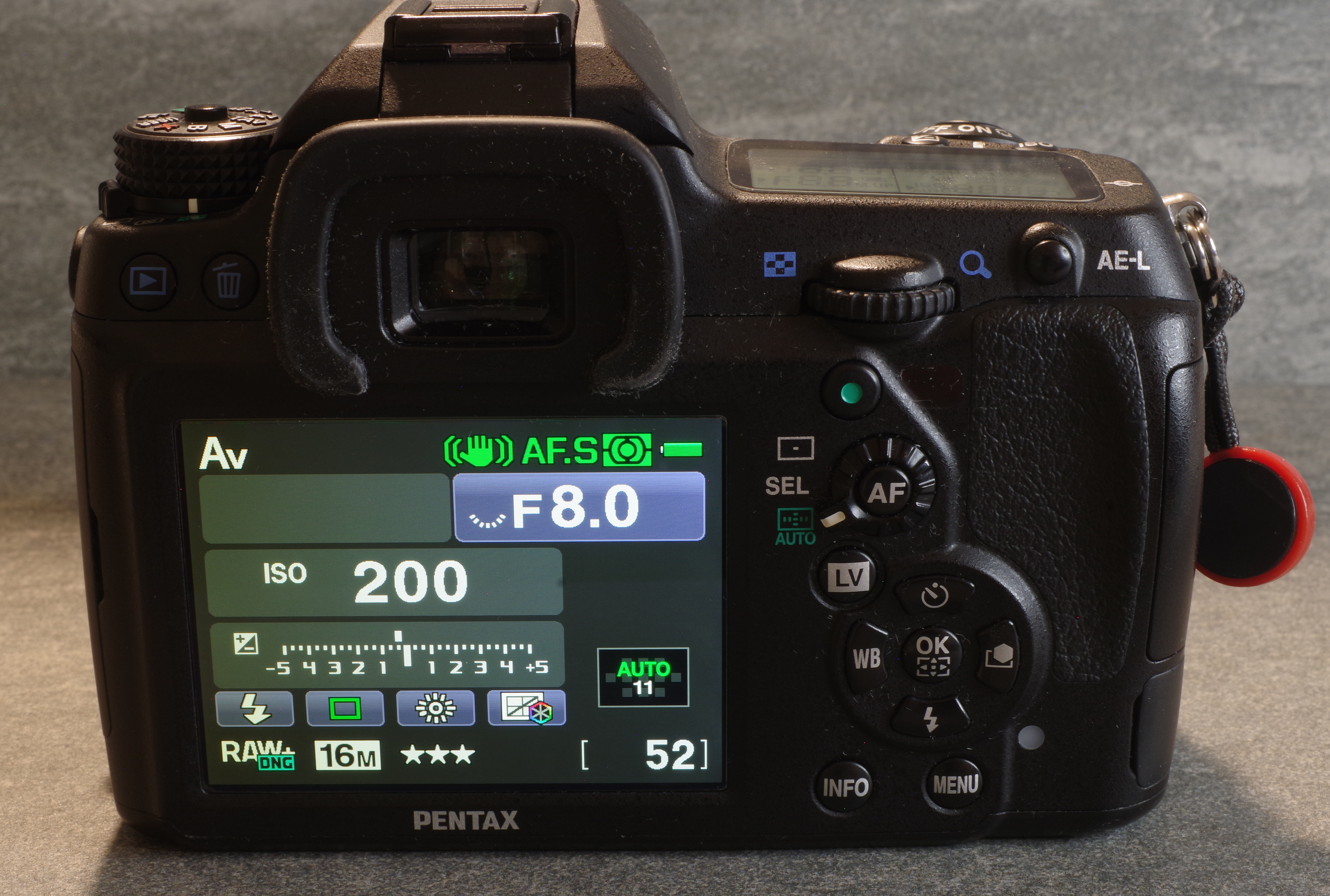
I picked a model rated as “AB-” (the seller was describing it as “a little dirty” and was disclosing that the rear LCD was yellowing). Japanese sellers are generally very conservative in their assessments: judge for yourself from the pictures I took just after receiving the camera.

A Japanese store’s idea of a “AB-” camera – “a little bit dirty”…

I placed my bid at $208.00, and won. I had Buyee coupons to redeem (they seem to be very generous with their coupon allocation), and only had to pay $180 for the camera, through PayPal.

The timeline

6/14 – I paid for the item (to Buyee, with Paypal).

6/17 – Item arrived at Buyee.jp warehouse

6/17 – The buyer (me) was informed he had to go in the Buyee app and configure the shipping and packaging options.

  • There was only one option for shipping to the US: Fedex.

6/20 – After evaluating the packaging of the seller, Buyee decided that there was no need for extra packaging.

I confirmed that everything was OK for me, and Buyee established an invoice for its services: shipment, fees and tariffs and taxes, for a total of $72.00 to be paid through a second PayPal transaction. Which I did the same day.

6/23 – Fedex received the package

6/26 – The Item was delivered to my doorstep

… with a yellowing rear display (it’s true that the left side of the screen has a yellowish hue – visible on the letters of the menus, but not when reviewing pictures)

The financials

All in all, I paid $252.00 for this K-5IIs – I suspect a model in an equivalent condition would have cost me at least $300.00 on eBay (assuming I could find one) – so, there’s a net savings of at least $50 on a $250 purchase. That’s significant.

One of the limitations of the Buyee.jp process is that you don’t know the exact amount of the shipping fees and customs duties you will have to pay at the time when you place your bid. You know the exact amount one week after the purchase, when Buyee has received the equipment from the local vendor and worked with their customs agents.

In the case of this camera, the various shipping, handling and administrative fees did amount to $53 – I assume that they’re not proportional to the value of the item, but mainly to its weight. And that they should be more or less the same if I buy another camera or a lens in the future.

US Customs duties are more difficult to predict – and they’re subject to some political uncertainty – but as of June 2026: the exact amount depends on:

  • the country of origin of the equipment (the country where the final assembly took place, even if you buy from a Japanese store), and on
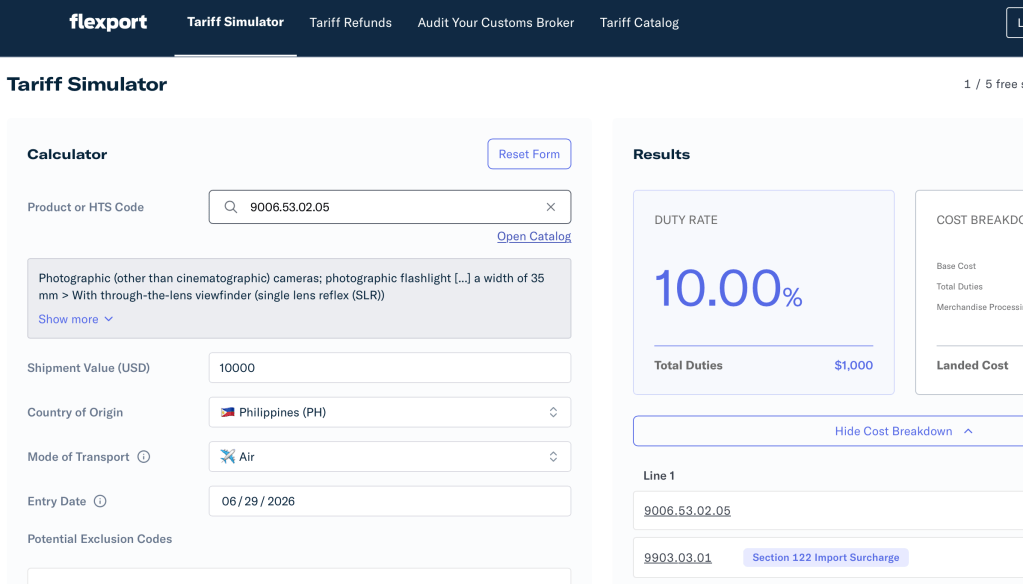
  • the exact classification of the equipment in the tables of the US Customs (I believe cameras are under code 9006.530.205).

This camera was made in the Philippines (Pentax assemble their cameras in Vietnam or in the Philippines), and according to the tables of the US Customs, should encur a 10 % tariff (which corresponds more or less to what I paid to Buyee).

More on the subject at:

https://tariffs.flexport.com/?htsCode=9006530205&name=with-through-the-lens-viewfinder

Tariff Simulator

Let’s recap: the cost of the camera with Buyee:

  • Auction price and Buyee “plan fee” : $180
  • Shipping, handling, and customs agent fees: $53.15
  • US Tariffs: 18.85
  • Total: $252

As a conclusion

Buyee.jp gives you access to a much wider inventory of equipment, and at prices that can be very significantly lower than on eBay (or at KEH or MPB)

The app – without being stellar – does the job – what needs to be translated is translated, the necessary explanations are provided, and the complexity of the whole transaction is masked to a large extend.

Buyee is also more transparent than most of the Japanese eBay sellers – you get a detailed invoice itemizing the cost of each service provided and you don’t get the impression of being taken advantage of with arbitrary and exorbitant shipping fees as can be the case with eBay.

On the minus side, the whole process is slow (for me, 12 days between the purchase and the delivery), and you don’t know before far too late (when the seller has already shipped the item to the Buyee warehouse) how much you’re going to pay for shipping and for clearing the customs.

My seller proved reliable and shipped a camera in a better state that advertised, but I don’t know how issues with a defective item would be solved (I did not read Buyee’s fine print, to be honest).

So, if you’re in a hurry and don’t want to have to think too much about the process, buy from an eBay store. If you can’t find what you want on eBay or if you’re looking for the absolute best bargain – try Buyee. But you’ll have to pay attention to their notifications and confirm packaging and shipment details a few days after the sale, or your purchase will stay in limbo in Buyee’s warehouse. And you’ll have to be patient – you won’t get the item you purchased in less than 10 days, at best.


More about film, film cameras and old gear in general in CamerAgX.com:


The reason I wanted to be reunited with a K-5: the greens and the reds

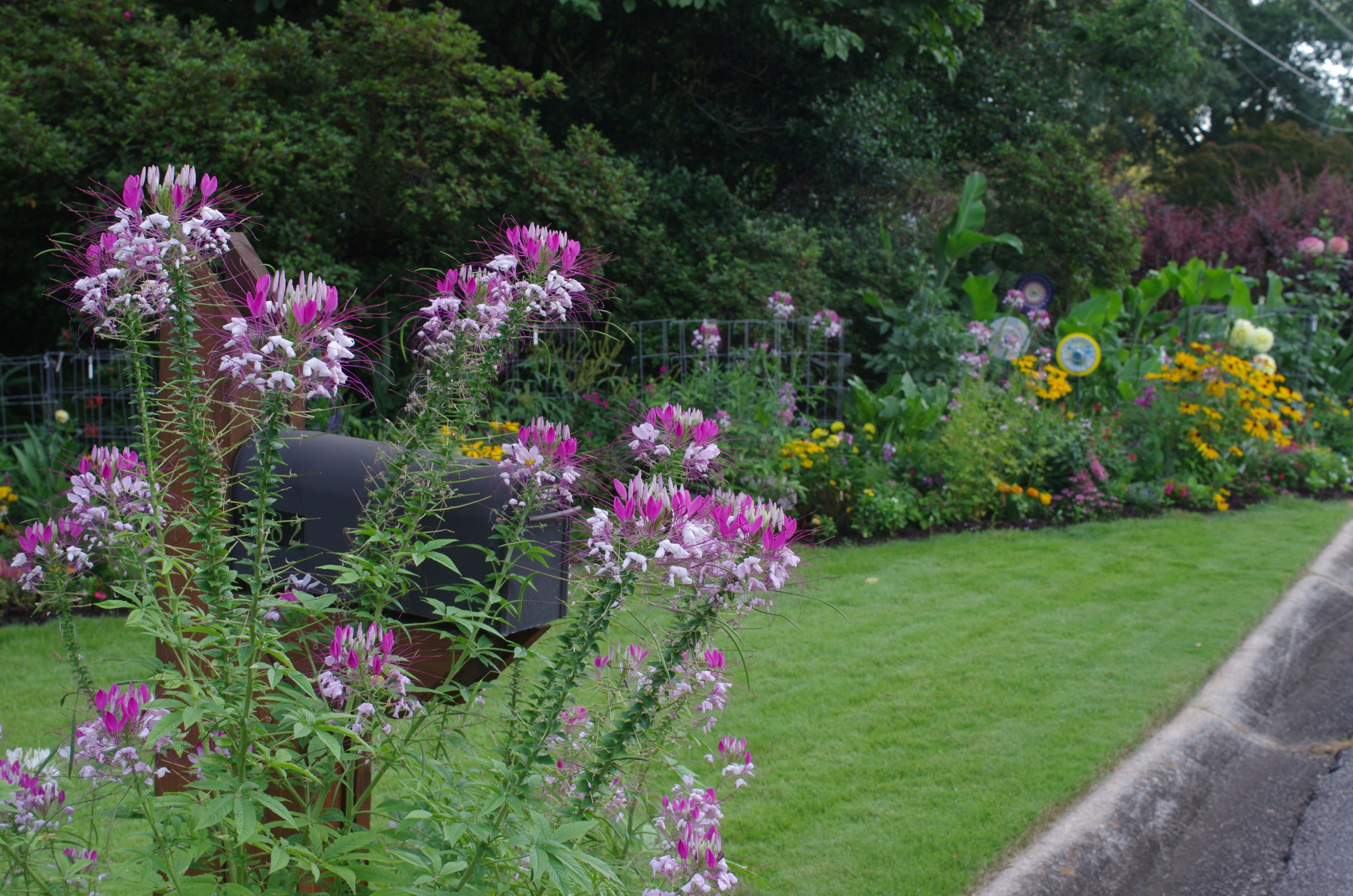
A front yard in the neighborhood – Pentax K-5 IIs – Pentax DA 35mm f/2.8 Limited – JPEG at 400 ISO.
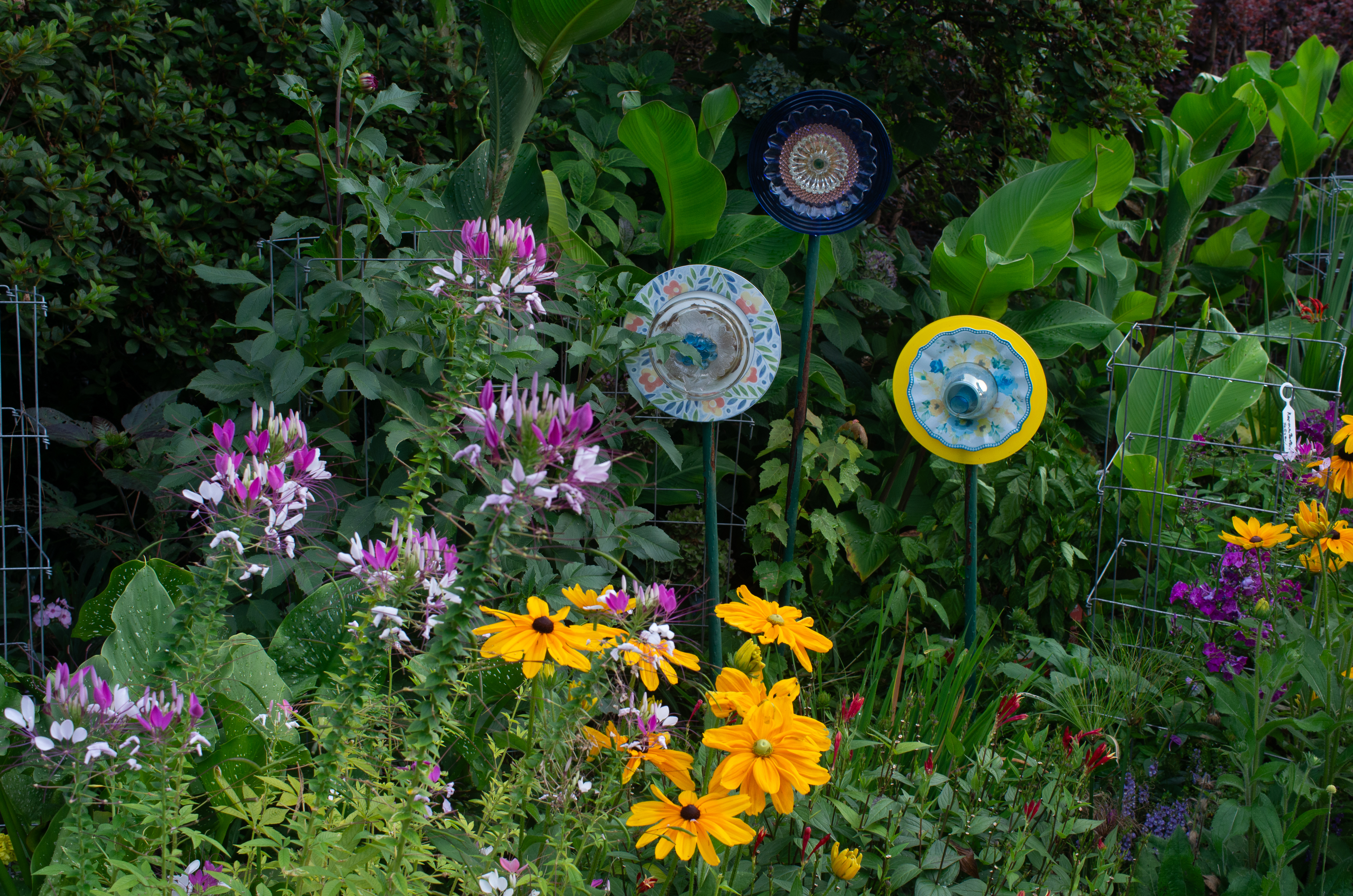
A front yard in the neighborhood – Pentax K-5 IIs – Pentax DA 35mm f/2.8 Limited – From RAW at 400 ISO.
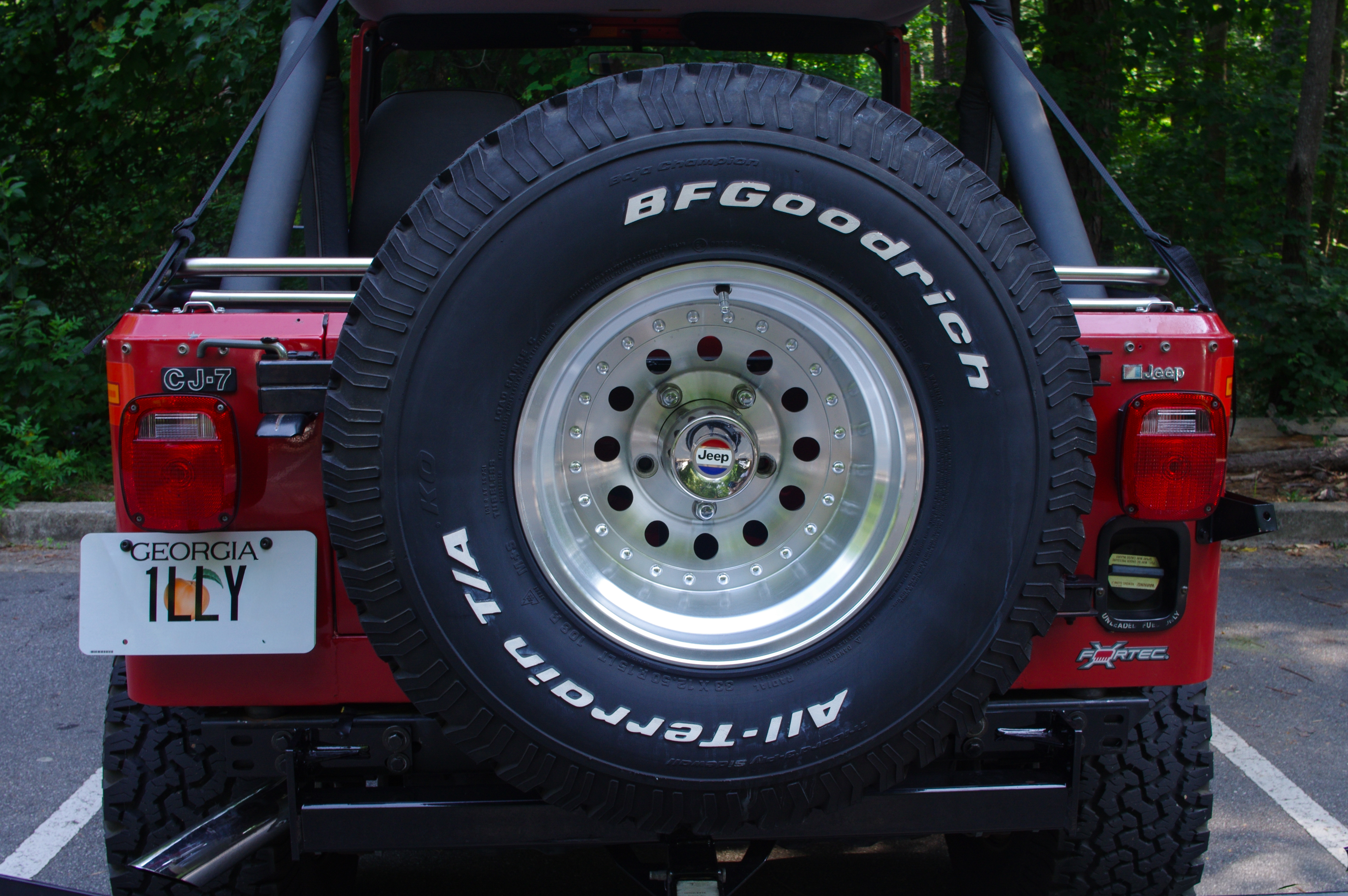
Jeep CJ-7 – Pentax K-5 IIs – Pentax DA 21mm Limited – JPEG – 400 ISO
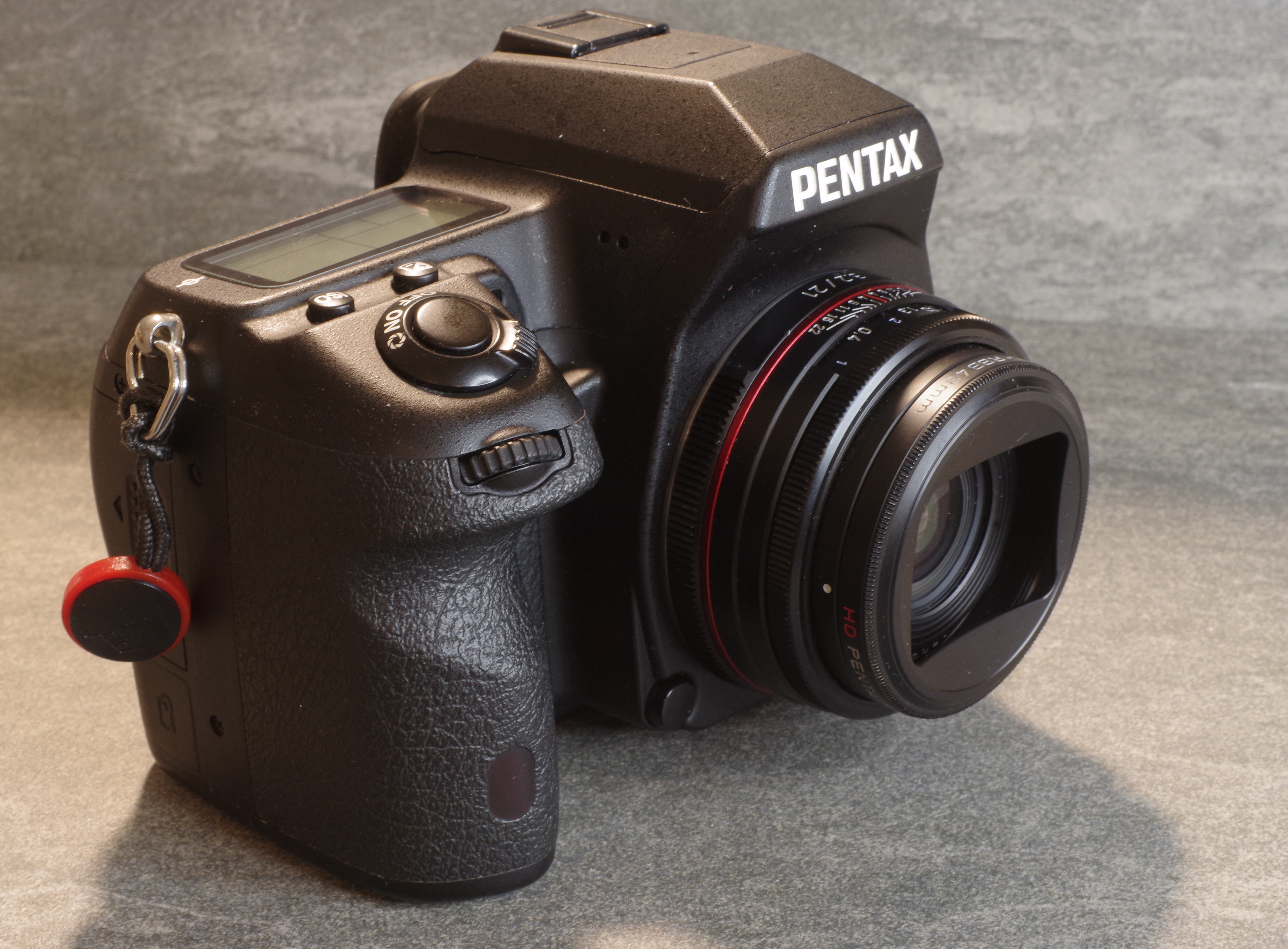
The Pentax K-5 IIs : ready to shoot – compact, water resistant, and a good fit for the “DA Limited” pancakes lenses of Pentax.