Only Canon, Nikon and Pentax still have dSLRs in their product catalogs, but although they’re still on the shelves of the retailers, I don’t know if any of those dSLRs is still being manufactured.
Pentax is committed to the dSLR architecture, and with the full frame K-1 Mk II, and no less than three cropped sensor models, the KF, the K-3 Mk III and the K-3 Monochrome, they have the youngest dSLR model range of the remaining big three (all four Pentax models were launched between 2018 and 2023).
Between the predecessor of the current KF (the K-70) and a then to come K-3 Mk III, Pentax thought there was room for an intermediate model, the KP, a technical evolution of the K-3 Mk II, but with a totally different design.
Pentax KP (left) and K-5 (right).A very different ergonomic study(this KP is shown with the “small” removable grip).
Launched in 2017 and retired in 2021, the KP begged to be different – from its Pentax siblings and from Canon & Nikon’ remaining dSLRs.
The KP was designed as a sort of mini K-1, with the aim of looking physically smaller than the K-3, but be more configurable and more solidly built than the entry level K-70. Its styling was reminiscent of the manual focus, non motorized cameras of the nineteen seventies, with a slim body and a shutter release button placed in the middle of the top plate.
Equipped with a newer generation 24 Mpix sensor, the KP retained the autofocus module of the “pro” K-3 Mk II. Like it, it could be fitted with an optional battery grip. It inherited the image processing engine of the K-1, and improved on its full frame brother with a more flexible configuration for its third control wheel.
Beyond the style, the KP’s main differentiation point with the K-70 and the K-3 Mk II was the ability for the photographer to choose between 3 sizes of hand grips.
The design of those interchangeable hand grips is somehow controversial. Professional reviewers like Chris Nichols of DPReview and Petapixel fame positively hated it. Among the Pentax photographers, some like it, some shoot with a KP in spite of it, and some remained true to the K-3 Mk II because of it.
Trying to hold the KP firmly with one hand – a rather uncomfortable way to use this camera
The small grip was supposed to be mounted on the KP when the photographer was shooting with small (and light) primes, the large grip (and the battery grip) when shooting with a long and heavy tele-lens or tele-zoom, and the medium one the rest of time.
In the American market, the camera was packaged with the three hand grips initially, but after a while Pentax only included the small grip in the base configuration, the large one being part of an extra cost bundle also including a battery grip, and the medium sized one being sold separately for $49.99. None of those grips is available now, and my KP will be stuck with its small grip for the time being.
Pentax KP next to a Fujifilm X-T4 – counter-intuitively, the mirrorless camera is larger than the dSLR, and offers a significantly longer battery life.
The Pentax KP is not the only camera with a retro-inspired, small grip design – look no further than the very successful Fujifilm X series, but what works very well on a X-100 or a X-T4 does not click on the KP.
First impressions – is the grip worth the buzz?
Pentax APS-C cameras tend to be small, and the KP looks even smaller than its siblings. But it’s not its compact size that strikes you the most when you bring the viewfinder of the camera to your eye for the first time, it’s its weight. It’s not really heavier than a Pentax K-5 or K-3 (all tip the scales at approximately 700 g), but its compact design and its small grip make its weight much more noticeable.
Pentax K-5 – you can hold it with one hand with confidence, and even adjust some settings with the rear control wheel.
On a K-5 or a K-3 (and on other dSLRs of more conventional design), the camera can be held firmly with the palm of the right hand and the three lower fingers, leaving the thumb and the index free to move and reach the different control wheels and commands. You can be confident that you won’t drop the camera while you’re moving around your subject, looking for the right angle.
If you try and hold the KP with one hand, you have to pinch the right side of the camera between your thumb and three of your remaining fingers (no room for the pinky). Even with a prime lens or a light zoom, we’re talking about two pounds of glass and metal here, that you will be afraid to drop if your fingers start releasing their grip (it’s not a coincidence that the previous owner of this camera had included a wrist strap in the package I received).
How the KP has to be operated if equipped with the small grip – held firmly in the palm in the left hand, right hand thumb and index on the controls.
With the small grip in place, the KP definitely requires a two-hand operation.
Solutions to the hand grip challenge
The design, the ergonomics and the small grip of the KP may work for you. Personally I would have liked the camera to be more conducive to one hand operations, and I believe that the slim design of the KP would have worked better if the camera had been one or two hundred grams lighter and its body just a bit taller.
The simplest way for me to address my “grip problem” would be to buy the OEM large grip (Pentax reference O-GP1672). Based on the input of other KP users, it should make “one hand operations” easier. If only I could locate one.
Pentax KP with the Battery Grip – the battery grip is designed to be paired with the large hand grip – but even with the small hand grip still in place, it makes the camera much more comfortable to hold.
The camera I bought came with the optional Pentax D-BG7 battery grip (but without the large hand grip, unfortunately). I’m not a fan of battery grips in general because they make the camera bulkier and often require to remove the battery door, but in the case of the KP, the battery door (and the OEM battery) remain in place, and the grip addresses two of the KP’s glaring issues – the battery life and the ergonomics, without much of a weight penalty (300g approx).
With the battery grip in place, the battery capacity of the camera almost triples: the 1050 mAh battery remains in the body of the camera, and only starts being drained when the battery located in the grip is depleted (the grip accepts the same 1050 mAh battery as the camera does, or the larger 1860 mAh battery of the Pentax K-5/K-3 series).
As for the ergonomics, the battery grip is a huge improvement. It’s supposed to help with vertical composition, but even when composing an horizontal image it makes the camera much easier to hold and control : I’m not afraid to grab it with one hand anymore, and although the front control wheel remains difficult to access, the one at the back of the body is easily reached.
A last option is to do for the KP what I did for my other “slim bodied” cameras (the Fujifilm X series and Sony HX-60): I ordered a Leather Half Case from a non specified Chinese vendor on AliExpress. Those half cases add almost a centimeter of leather under the bottom plate, they also make the front of the camera’s body a bit thicker and increase the surface presented to the fingers, making the camera much easier to hold.
One of the many online stores selling KP half cases.
I picked the black one (it’s also available in fancier colors). This half case is well finished, and makes the KP much more comfortable to hold. A few millimeters here and there can do a lot. I can even reach the rear control wheel while holding the camera firmly in the palm of my right hand. A definitive improvement, and a permanent fixture on my camera now.
The leather half case makes the KP much easier to work with.
Shooting with the Pentax KP
Now that I’ve described in length my two major gripes with the KP, it’s time to discuss the positives. Optical viewfinder, abundance of physical controls, configurability, and of course, image quality. It’s a very pleasant camera to use, that begs to be taken to a photo stroll, and will reward you with great pictures. More about the Pentax KP in the next blog post, in two weeks.
A few weeks ago I tested a Pentax *ist DS, and I was not thrilled with the experience. Another *ist DS had been my first dSLR in 2005, and at the time, I had been pretty satisfied with my purchase. But if I was disappointed by the *ist, what would I think of its predecessor in my equipment bag, a 4 Megapixel Canon digital point and shoot camera, if I tried to use it now?
Canon Powershot S400 – the finish is impeccable and resisted the test of time
I finally located my old Powershot S400 last week. The camera was in a very good shape, but the battery was definitely dead. It was to be expected – it was a 22 years old item, and it had probably not been recharged since 2010. I ordered a new compatible one on Amazon, and just received it. Under its newfound power, the camera started immediately, ready for new adventures.
Back then
The Canon PowerShot S400 Digital Elph (sold in Europe as the Ixus 400), was launched at the beginning of 2003. The review DPReview published in April of that year was very positive (with a “Highly recommended” rating) and I followed DPR’s advice and bought one for Christmas 2003. At $500, it was as expensive as a middle of the range film SLR, but offered a convenience that a film camera could not beat.
Shot in Miami Beach in 2004 – Canon Powershot S400 – it almost looks like the stage of a movie – where are Barbie and Ken?
With a ceramic coated metal body, a 36-108 (full frame equivalent) zoom opening at f/2.8, an optical viewfinder and a 1.5in color display, it was very well spec’d. It captured images with a four megapixel 1/1.8in CCD sensor (and produced only JPEGs, not RAW files), that it stored on a CF card. Very compact, beautifully built and finished, and delivering best in class pictures, it was flying off the shelves.
There are approximately 350 pictures shot with the S400 in my Lightroom library (in the early days of digital, we were still remembering the cost of film processing and we were shooting with restraint) – and I’m still impressed by how nice some of them looked.
Canon Powershot S400 ready to shoot – the Coca-Cola can is one of the “mini” 7.5 FL OZ cans – the camera is really compact.
We never took the conscious decision to “decommission” the S400, we just used it less and less (as our phones were getting better at taking pictures with every new version) and we finally forgot about it. The last time we moved, I had packed it under bubble wrap with a much larger film camera, and found it by chance while de-cluttering a closet a few days ago.
Rediscovering the Powershot S400
What’s immediately surprising with this camera is the quality of the finish – it looks like a luxury object – and its small size, it’s not really bigger than a pack of cigarettes. One of the selling points back in the days was the “Cerabrite” coating of its metal body, and the truth is that it shows no scratch and no stain.
Atlanta Aquarium – Canon Powershot S400 (summer 2008)
Contrarily to more modern cameras, there is a physical switch on the back of the S400 to set it in “shooting” mode (the other position is for image playback), in addition to the traditional on-off button. But apart from that, the camera’s commands are more or less identical to what we would find today in an entry level camera. There is also an optical viewfinder, but I surprised myself by framing most of the pictures on the small color display at the back of the camera – it’s smaller than the display of a smart watch but it’s responsive and its resolution is pretty high (relative to its diminutive size), and it’s good enough as long as the sun is not too bright.
Miata is always the answer… the interior of this MX-5 was fairly cramped – not enough room to store a dSLR – and the Powershot saw service as the onboard camera for the trips to the beach
The default sensitivity is 50 ISO, and it can peak at 200 ISO, at the cost of some noise, of course.
It’s a camera designed by photographers for photographers, who can chose between three metering modes (spot, average and matrix), and can memorize the focus or the exposure with AE and AF lock capabilities for situations when the automatism can not be trusted. A very limited movie mode has been implemented (at best, 320×240 pts at 15 frames per second for 3 minutes).
Canon Powershot S400 – the rear display is quite small but very legible.
Contrarily to what we find on current point and shoot camera, there is no image stabilization, no scene mode and of course no subject or face recognition. Let’s not forget that this camera was launched in 2003.
Image quality
Many photographers are nostalgic of the look of pictures shot by early digital cameras – they don’t like the surgical precision of the images taken with today’s high resolution CMOS sensors, and prefer images captured by the relatively low-res CCD sensors found in the compact cameras of the first decade of the 21st century.
Self portrait. Summer 2007.
I’m not sure that CCDs on their own were so great (the *ist DS also had a CCD sensor and did not deliver images that nice out of the box). A lot must have been related to the settings of the image processing engine. And to Canon’s magic touch.
And today?
This camera is surprising. Shooting JPEGs at 50 ISO with a 4 Megapixel camera launched in 2003 would have seemed like a punishment. But the Powershot S400 is surprisingly pleasant to use – it’s very reactive, and leaves some control to the photographer (simply press the shutter release button half way to memorize the exposure). I suspected that the dynamic range would be very limited, and it is, but if you set the exposure on the highlights, high contrast images can be saved in an image editing application like Lightroom.
Atlanta – Halloween decorations – Canon Powershot S400. (Oct 2025)
DPReview testers had been impressed in 2003 by the quality of the JPEGs (not excessively sharpened, and preserving a lot of details), and even in 2025 you can’t help being pleasantly surprised – I took a series of pictures of the Halloween decorations in my neighborhood without paying too much attention to the settings of the camera (shooting with the sensitivity set to 50 ISO was probably a bit over optimistic, it forced the camera to operate at relatively low shutter speeds and wide aperture) – but the images required little work in Lightroom to be good enough to be shared here.
Testing the dynamic range – if you set the exposure on the back-lit flag, you can somehow save some details in the shadows in post-processing.
As a conclusion
Two things are very clear regarding this Powershot S400 Digital Elph:
Canon was obviously intending on solidifying its position as the market leader in an early digital photography world, and had spared no effort to be the top dog. They had put all their considerable know-how in designing and manufacturing a camera which was impressively good at delivering pictures, solidly built and esthetically beautiful.
When I look today at pictures taken during the same period with other digital cameras (even early dSLRs), I can’t help being impressed by the Digital Elph’s JPEGs: color balance, control of highlights, skin tones – they had nailed it – no need to shoot RAW and spend hours fixing imperfections on Photoshop – the images were great out of the camera.
The S400 is only a 4 Megapixel camera, best used at 50 ISO (flash mandatory inside, and even outside under overcast weather). A recent smartphone will outperform it (but it would also outperform any recent point and shoot camera, except maybe in the long telephoto range). This Canon Powershot S400 is a small and beautiful object that can still take good pictures, and as a whole, it definitely shoots far above its weight. Old, beautiful, and still usable.
Atlanta – Halloween decorations – Canon Powershot S400. (Oct 2025)
Atlanta – Halloween decorations – Canon Powershot S400. (Oct 2025)
Atlanta – Halloween decorations – Canon Powershot S400. (Oct 2025)
Atlanta – Halloween decorations – Canon Powershot S400. (Oct 2025)
Minolta, once a major camera maker – second only to Canon in terms of volume – was absorbed by Konica in the late nineties (correction: I was a few years off – the merger was announced in Jan 2003).
The newly formed Konica-Minolta entity left the photography market in 2006 – with Sony inheriting some of their camera and lens designs when they entered the dSLR market.
For the anecdote, the Minolta name is now used under license by a company distributing (very) entry level digital cameras, that – based on the horrendous reviews they get on Amazon – I won’t bother testing.
Sic transit…
The Minolta case – the AF-C was presented like a precious object.
In 1983 though , Minolta were at their peak. In addition to their bread and butter point and shoot cameras, they had decided to go after the market of photographers looking for an ultra compact camera of quality, and proposed a Minolta alternative to the Olympus XA, the Minox 35 EL and Cosina’s CX-2.
The “shield” is up and the camera powered off.
Like its competitors, the AF-C was extremely compact – it integrated a rather fast wide angle lens – a 35mm opening at f/2.8, and was devoid of an electronic flash (it was sold as a separate unit, to be attached to the left of the camera) or from any motorized film advance system. The AF-C’s unique selling proposition was its autofocus – all their competitors relied on zone focus (Minox, Cosina) or on a small rangefinder (Olympus) for focusing.
The AF-C’s unique selling proposition was its autofocus
On all those ultra-compact cameras the lens and the viewfinder are protected when the camera is not in use. In the case of the AF-C, a “sliding shield” protects the lens and the viewfinder when the camera is not in use, and has to be moved down to unlock the camera. Simple, and it works.
Minolta AF-C – the “shield” is open and the camera ready to shoot.
Today, the AF-C is not as sought after as the XA or the CX-2 (if eBay prices are an indication). And a derivative of the Cosina CX-2, the Lomo LC-A, reaches much higher prices. Why is it so? Probably because the AF-C is a totally automatic camera, with no ability for the photographer to adjust the settings. You’ll have to trust the performance of its autofocus – there is an AF lock feature to help with off-center subjects, but that’s all. A green LED is lit when the camera has set the focus on “something”, but you will only know what it was after you examine the prints, a few days (or weeks) later.
Minimalist top plate – exposure and focus are automatic
Similarly you’ll have to trust the CdS meter – a program controls the combination aperture-shutter speed, with no indication of what the camera has decided to do, and no manual override. In fact, the only thing that the photographer can set is the film speed – between 25 and 400 ISO. Considering that the meter operates between IL6 to IL17 – (1/8s at f/2.8 to 1/430s at f/17)- I would probably use 200 ISO film to cover my bases without risking reaching the limits of the shutter on very bright subjects.
Two ways to shoot 35mm film with a 35mm lens. The AF-C is remarkably compact
Another reason the demand for the AF-C is pretty low nowadays is that it does not operate without batteries (4×1.5v silver oxide batteries). None of its competitors does – all have electronic shutters – but in the case of the AF-C, even the non-motorized film advance is inoperative in the absence of batteries (the film advance wheel is locked). Which leads people to believe that the camera is dead, when it’s just asking for fresh batteries.
Atlanta, Inman Park Festival – Minolta AF-C – Kodak UltraMax
Shooting with the AF-C
Film loading is easy, if you are used to operating a fully manual 35mm camera.
As for shooting, there’s not much to say. You point the camera towards the subject, you press the shutter release button, and you expect that the AF-C will do the rest. Because you don’t have much to do beyond that.
a young lady seating at the table next to ours asked us whether I was shooting with a disposable camera
Oh yes, film advance is not automated, and the camera is too small for a conventional film advance lever: you have to turn the film advance wheel, like you would do on an old Instamatic. It’s making the same noise – and it’s intriguing for people who are not in the know: I was taking a few casual snapshots of my wife at the terrace of a cafe, and a young lady seating at the table next to ours asked us whether I was shooting with a disposable camera.
Atlanta, Inman Park Festival – Minolta AF-C – Kodak UltraMax
Fresh from the lab
I had this little camera with me when walking in the streets of Atlanta for the Inman Park festival a few weeks ago. It was loaded with Kodak UltraMax 400, not my preferred stock, but I thought it would be a better fit for the camera than my usual Ektar 100.
I was impressed by the sharpness and the contrast of the pictures
When I received the scans, I was impressed by the sharpness and the contrast of the pictures – which points to a good lens. I also liked the camera’s ability to freeze movement – the program controlling the exposure parameters seems to have its priorities in order.
As long as the subject is a street scene or the portrait of a human being, the focus is tack on. But if the subject is not at the center of the frame, or moving too rapidly inside the frame, or too small, the camera can not get the focus right. You should not use the AF-C to take pictures of pets (and of children who can’t stay in place).
I was not overly impressed by the colors though. It could come from the scanner of the lab, but I suspect that the camera had under-exposed most of the pictures. I used Lightroom’s “modern” Profiles to bring the tones to my taste, and the final results are not bad at all for a 40 year old ultra-compact camera. They have the 1980s minilab look that people seem to like at the moment.
Atlanta, Inman Park Festival – Minolta AF-C – Kodak UltraMax
As a conclusion
The Minolta AF-C is a nice little camera, very compact, and delivering good pictures if you keep it in its zone of comfort. The copy I was using was probably under exposing, and I would need to test it more thoroughly to find by how much.
But I’m afraid I won’t do it. Because I’m not really interested in spending more time with this camera.
We all shoot film for different reasons.
For me, the end result matters, of course, but the quality of the interaction with the camera is also an important factor – and shooting with this auto-everything little camera does not cut it for me.
The AF-C does the job but its approach to photography is ultimately frustrating – you know its automatic exposure and autofocus systems are relatively primitive, but there’s no way of knowing what they’re doing, let alone overriding them. And the long travel shutter release, the click of the shutter, the ratcheted film advance wheel, all give you the feeling of shooting with a cheap entry level camera.
the feeling of shooting with a cheap entry level camera
Shooting film has become seriously expensive – in the region of $1.00 per scanned image once you’ve factored the cost of film and processing by a lab. You can reduce the cost per picture if you process and scan the film yourself, but in this case you’ll be paying with your own time.
For that amount of money or personal time, I want the process of creating pictures to be enjoyable. Even if the pictures it captures are of good quality – the 35mm f/2.8 lens lives up to Minolta’s reputation – the AF-C feels too much like an Instamatic to my taste.
Atlanta, Inman Park Festival – Minolta AF-C – Kodak UltraMaxAtlanta, Inman Park Festival – Minolta AF-C – Kodak UltraMaxAtlanta – Minolta AF-C – Kodak UltraMaxMarietta, Sope Creek Ruins – Minolta AF-C – Kodak UltraMax
New entry level interchangeable lens cameras can not be had for much less than $800 nowadays in the US, and that’s before the new tariffs start showing their ugly face on the shelves of the resellers. Giving a new Life to Old Gear and buying used equipment is the best answer in the short term.
We’ve seen a few weeks ago that early mirrorless cameras like the Panasonic G1, G2 or G3 can be had for less than $150.00 – those cameras are modern and pleasant to use, and the lenses you would buy for them totally compatible with the current micro four third (m43) cameras from Panasonic and Olympus/OM-System. But the dynamic range of the sensor leaves a lot to be desired.
In the same price range, an alternative is to look for entry level APS-C dSLRs. In that category, Canon and Nikon cameras abound, but a better deal can be found with Pentax, whose entry level dSLRs were well spec’d, and often available in very interesting colors. I recently found a “Gundam” Pentax K-r body at a good price in a Japanese eBay store (for those who are not in the know, “Gundam” is a Japanese science fiction media franchise, featuring giant robots painted in shades of blue, purple and yellow).
a Gundam inspired toy
Launched in 2010 (like the Panasonic G2), the K-r is also a 12 Megapixel camera, but with a significantly larger sensor (APS-C) provided by Sony. Of course, and contrarily to the Panasonic G series, it’s a “conventional” digital SLR with a flipping mirror, and therefore the body and the lenses are larger and heavier than the Panasonic’s. The viewfinder is optical, and the autofocus of the “phase detection” type, as opposed to the electronic viewfinder and contrast detection autofocus of the Panasonics. Lastly, it accepts (with various limitations, of course) almost any lens graced with a variant of the Pentax K bayonet mount – even if it will give its best with Pentax DA, DA-L and DA Limited lenses, designed specifically for small sensor digital cameras.
Pentax K-r “Gundam”
Does the size of the sensor matter?
On today’s market, it will be difficult to find any interchangeable lens camera in the $100 to $150 price range with a resolution higher than 12 Megapixels. But 12 Megapixels is not that bad – it’s enough for a 8x10in (roughly A4) print at 300 dpi, and much higher than what is typically needed to share images on social media: most social media platforms downscale the imported images to bring them down to 2000×1200 points (approximately), when a camera like the Pentax K-r captures images of 4288 x 2848 pixels. Which leaves plenty of headroom.
Comparison of the size of a micro four thirds (m43) sensor with an AS-C sensor (source: apotelyt.com)
There are more factors in the quality of an image than the resolution of the sensor: cameras of the K-r’s generation still needed a low-pass filter to control moire to the detriment of the resolution of small details, and the practical difference in image resolution between a K-r and a 16 Megapixel camera deprived of a low-pass filter will be higher than what a simple math would lead us to believe. The dynamic range of the sensor was also more limited, and the control of noise was more aggressive and not as efficient as what cameras launched a few years later offer.
Only one chance to give a first impression: the size of the camera with its kit zoom
For a dSLR with an APS-C sensor, the K-r is a small camera. And the body on its own is not that big. But mount a lens, any lens with the exception of a few Pentax pancake prime lenses, and it becomes a large object, that it will be impossible to store in the glove box of a car or a lady’s hand bag. If you stop at a bar or a restaurant, and you don’t carry a back pack, you will not know where to place the camera – on the table? hanging at the back of a chair? Nothing seems right. In that regard, it can not be compared to a compact digital camera or to a micro four thirds mirrorless camera like the Panasonic G2, that you can drop in the pocket of a coat.
That being said, the K-r is not heavy, its body is well designed with a big hand grip, the commands are logically placed, the LCD screen on the back of the body large enough, and it’s a very pleasant camera to shoot with. If only those lenses were not so large.
Pentax K-r – “SR” is for “Shake Reduction” (the brand’s image stabilization).
Only one chance to give a first impression: the viewfinder
Besides the size, the second thing that strikes you is the viewfinder. Again, after you’ve spent a few hours with the camera, you’ll find it perfectly fine, but if you’re used to shooting with a 35mm reflex, a full frame dSLR or a recent mirrorless camera with a high resolution electronic viewfinder, you’re in for a shock. The optical viewfinder is small and relatively dark, good enough to compose but not always to be sure you’ve captured the “decisive moment”. You really need to check the image on the display at the back of the camera to be sure it’s any good.
Through the viewfinder – Pentax K-rThrough the viewfinder – Pentax Program-Plus
To Pentax’s defense, the viewfinders of their dSLRs are generally better (larger, more luminous) than what you find on equivalent Canon or Nikon models. And entry level mirrorless cameras in a similar price range (Sony NEX3, Olympus Pen) don’t have a viewfinder at all and require the photographer to compose on the rear LCD, as if using a smartphone. But when mirrorless cameras have an electronic viewfinder (an EVF), it’s not constrained by the size of the sensor, of the mirror or of the penta-prism. Even the Panasonic G2 with its comparatively tiny sensor has a large viewfinder, and provides an experience not dissimilar to the EVF of a full frame camera. Admittedely the image in Panasonic’s EVF is relatively low resolution and its dynamic range is limited, but it’s definitely showing a larger view of the scene than the optical viewfinder of an entry level APS-C camera.
Videos
Not the K-r’s cup of tea obviously. dSLRs in general are not very good at shooting movies, and this one is probably worst than average at that exercise – it only records 720p and autofocus is not available while shooting videos.
The ergonomics
The physical commands are organized more or less the same way as on the Panasonic G2 – one control wheel under the thumb, a few buttons to control sensitivity (ISO), over/under exposure, as well as AF and AE lock. Easy to use if you’re familiar with the modal interface used by most film SLRs since the mid nineteen eighties.
Pentax K-r – the back LCD and the commands
The unique selling proposition: in body image stabilization
One of the oldest rules of photography is that (on a hand held 35mm film camera), the shutter speed should never be slower than the focal length of the lens – if you mount a 28mm lens on your camera, 1/30sec is the minimal shutter speed that will avoid the blur caused by camera (and operator) shake; for a 135mm lens, the minimum speed would be 1/125sec., and so on.
That is, unless some form of image stabilization system is involved. Some camera makers (Canon, Nikon, Panasonic) have elected to equip some of their lenses with optical components that move inside the lens when a picture is being shot to compensate for camera shake. Other camera makers (Olympus, Pentax, Sony) have elected to move the image sensor itself while the picture is being shot. And more recently, both in-lens and in-body image stabilization have been combined to push the performance of the system to a higher level.
Pentax dSLRs – including their entry level models – have been equipped with a “Shake Reduction” system since the K10D of 2006. Because it’s an in-body system, it works with any lens, including manual focus lenses from the early K and KA mount era.
Maxence – Pentax K-r – Pentax lens KAF 35-105 f/4-5.6 – from .dng (RAW) file; processed in Lightroom
Performance
Pentax is a brand for money conscious traditionalists. Across the years, they have preserved the compatibility of their bodies with any lens they’ve made better than any other camera maker, including Nikon. It has its good sides, and its bad sides.
The autofocus is definitely old school. Even today Pentax bodies come with a DC motor to drive the focusing mechanism of lens – something that ensures compatibility with any Pentax Autofocus lens made since 1986. Nikon stopped offering this type of compatibility with the D3000, D5000 series and on the newest of the D7000 series, the D7500.
Pentax K-r – the commands
On the K-r, the autofocus system is generally accurate, but rather slow and definitely loud.
Image quality is very good for a 12 Megapixel camera, but the K-r is one of those old-school cameras that produce significantly nicer RAW files than JPGs. In the absence of Wi-Fi or Bluetooth connectivity (remember, this is a camera launched in 2010), the photographer will have to upload the pictures from the SD card to a photo management software (on a smartphone, a tablet or a personal computer) and will have the ability to process the RAW files before sharing the resulting JPEGs on social media.
Atlanta – the entrance of the “World of Coca-Cola”
Reliability
It’s now a 15 year old model, but nothing really bad has been reported in the Interwebs regarding the reliability of the K-r. As usual buy a camera with a battery and a charger, that the seller has personally tested: “I could not test the camera because it came without a battery or a charger” is a major red flag for me.
A reason I chose a K-r rather than a much better spec’d 16 Megapixels K-30 and K-50 is that those models are known for an “aperture control mechanism” issue, that renders the camera virtually unusable. A small part accessible through the lens mount (an easy to procure solenoid) is the apparent culprit, and DIYers confident enough in their dexterity with a soldering iron can attempt a repair and replace it. Definitely not for me.
Pentax K-r and Panasonic G2 – an APS-C dSLR is definitely larger once a lens in mounted on the body
Lens availability
The K-r is compatible to some level with almost any 35mm lens manufactured by Pentax since 1975, when they launched the Pentax K mount. Lenses released before 1985 won’t offer autofocus, of course, and won’t support certain exposure control modes. With a 42mm to K adapter, pre-1975 Pentax Takumar lenses can even be mounted.
You also have to remember that the K-r’s image sensor is smaller than a 35mm frame, and an old 28mm lens will have the viewing angle of a 42mm lens once mounted on the K-r. In the recent Pentax lens range, the DA lenses are designed for “cropped sensor” (aka APS) cameras like the K-r, and the FA lenses for the full-frame K1.
In order to address the issue of the size of the lens of dSLR cameras, Pentax has developed a line of very compact prime lenses, and (like almost every other camera manufacturer), a retractable standard zoom to make carrying and storing the camera less of a concern.
Atlanta-Centennial Park – one advantage of an optical viewfinder is that there is no lag – you see in the viewfinder the action as it’s happening
How much
As long as you’re ready to go for a black or white body, the Pentax k-r can be found at less than $100.00. The Japanese public could order almost any color combination for the body and the grip, and some models are really unique – but command prices up to $500.00, like this pink camo model below.
Because they’re abundant on the second hand market, Pentax lenses tend to be on the cheap side compared to the lens of other major camera makers. A 18-55 kit zoom can be obtained for less than $15.00 on Shopgoodwill.
Another Pentax K-r: listing on eBay (from a Japanese store, of course)
As a conclusion: early mirrorless or mature dSLR?
For less than $150.00 for a body and its 18-55mm lens (if you’re patient and bid wisely), the Pentax K-r is a combination difficult to beat. Even the cheapest EVF-less 12 megapixel mirrorless cameras from Olympus or Panasonic will cost you more once you’ll have added a small trans standard zoom.
The image quality of the K-r is significantly better than what a Panasonic G1, G2 or G3 offers, and there is a wide choice of lenses available at comparatively low prices. The camera is pleasant to use and will be a good learning platform for photographers looking for their first interchangeable less camera.
But, like the Nikon D3000 series or the equivalent entry level Canon cameras, the K-r is also a representent of a dying category: the single lens reflex camera. All major camera manufacturers – except for Pentax – have moved on and launched mirrorless cameras and a new range of lenses, which offer much better video performance and are – for some of them at least – very significantly smaller and lighter than a conventional dSLR like the K-r.
Unless you’re sure you don’t want to shoot videos, you don’t mind the size, and you love the experience of composing your images through the optical viewfinder of a reflex camera, you have to wonder whether you would not be better off spending more (let’s be honest: at least twice as much) for an early 16 megapixel mirrorless camera from Panasonic, Olympus or Sony and its kit lens [*]. To a large extent, 16 Mpix represent the current sweet spot on the used market nowadays: images captured by a Panasonic GH3, an Olympus OM-5 or a Sony NEX-3 will be visibly better than pictures shot with the K-r’s, and your “investment” will be future proof. And yes, the early NEX-3 cameras were also available in interesting shades of pink, if that’s your thing.
[*] I did not mention Canon and Nikon’s early mirrorless cameras as a viable option in this price range. Canon and Nikon had both created and later abandoned a line of small mirrorless cameras (the Nikon Series One and the Canon EOS M). The early models (that can compete today on price with a Pentax K-r or a Panasonic G2 on the second hand market) were half hearted efforts not devoid of issues and I would not recommend them.Fujifilm mirrorless cameras came later than Panasonic, Olympus or Sony’s, and Fujifilm bodies and lenses are all in another price category. The image quality (out of camera) is outstanding, but the early models are handicapped by a really slow autofocus (X-Pro1, X-M1, X-A1). Later models that addressed those issues (X-Pro2, X-T1, X-E2, X-A5 and above) are also much more expensive, in the same price range as recent mirrorless models of the big three (Canon, Sony and Nikon).
Until this year, the big Japanese camera makers seemed to have abandoned the “digital compact camera” market almost entirely, retreating to a few niche products such as the Sony RX100 or the OM System Tough TG, and leaving all the space of “casual photography” to smartphones.
The commercial success of a few of the remaining compact cameras (the current versions of Fujifilm X-100 and of the Canon G7x are almost always out of stock), and the prices reached on the second hand market by some high end compact cameras from the past decade are pushing the camera companies to reconsider their product strategy. Canon is widely rumored to be preparing a new range of compacts.
In the meantime, a few lines of cameras of the past decade – the Canon SX700, the Nikon S9000 and the Sony HX series in particular, are getting all the attention and are more expensive than ILCs of the same vintage on eBay.
Sony Cybershot HX60
Sony’s HX line of products
The H in HX stands for HyperZoom – the cameras of the series all have zooms that can reach at least an equivalent of 250mm on a full frame camera. Some of the HX models (the ones with three digits in their name) are shaped like a bridge camera and would not fit in a pocket, while the HX models with one or two digits (HX5 to HX99) are pocketable little bricks that could fit in the pocket of a coat.
The HX pocketable models were developed across 4 generations.
HX5, HX7 and HX9 belong to the first one, with 10 and 16 megapixel image sensors and a reach limited to 384mm. The HX10, HX20 and HX30 form the second generation. They share a 18 mpixel sensor and are pretty close to one another – primarily differentiated by the reach of their zoom and the support of Wifi.
Sony Cybershot HX60 – size comparison with a Fujifilm Z1000 EXR and a Fujifilm XQ2. The Sony is two to three times thicker than the two Fujifim digicams
The HX50 and HX60 mark a significant evolution towards the high end, with a 20 Megapixel sensor, an accessory shoe, a bulkier body and longer zoom reach. They share a G series, 25-720 zoom. The main difference between the two models is that the HX60 has NFC in addition to Wifi, and is controlled through the new unified Sony menus.
The last four models (HX90, HX80, HX95 and HX99) all share a 18 mpix sensor and a smaller body with a telescopic viewfinder and a flip up screen. Their lens is a new, more compact, Zeiss labeled, 24-720 zoom. But they lose the accessory shoe of the previous generations and a few physical controls (like the exposure compensation control wheel). The differences between last four models are relatively minor. The HX80 is the simplest, while the HX99 has everything (a touch enabled rear display and a GPS, and it can save RAW files).
The 30x zoom belongs to the G series (one step above the “normal” Sony lenses, one step below the “Zeiss T*”)
Lastly, all models whose name ends with a “V” have a GPS chip. The HX60, for instance, was available as a GPS-less HX60, while the HX60V had the GPS chip. Not all combinations were available in all geographies. The HX60, for instance, was not available in the UK or in the US, but the HX60V was.
The different models: a summary.
You will notice that after the HX60 Sony reverted to a 18 Mpixel sensor.
The main differences between the last six models
On paper, the most recent generation with its very compact body, its telescopic viewfinder, its Zeiss labeled lens and its flip up rear screen seems the most interesting. Recent models also benefit, generally, from image sensors and processing engines that produce better pictures (less prone to noise, and therefore more immune to the smearing caused by aggressive noise reduction algorithms). But models of that series are also the most sought after, and cost twice as much as a HX60 on the second hand market, at approx $500.
Shooting with the HX60
The HX60 is not exactly a pocketable camera, unless you wear a coat or an anorak with large pockets. And you will feel its weight – at 272g (9 1/2 ounces) it’s not light either, twice as heavy as a typical compact camera like the Sony W series or the Canon Powershot 170 IS. It does not give the impression of being fragile, but it’s not a rugged camera and its owner will feel compelled to carry it in a soft pouch.
It offers more physical controls than a typical point and shoot and elaborate menus (inherited from Sony’s big mirrorless cameras) which, coupled with the rather succinct documentation, could make it intimidating for beginners.
I left it in Program (“P”) mode most of the time; there are also a “Superior Auto Mode” and an “Intelligent Auto Mode” that detect the scene for you and adjust the settings accordingly – simply adjusting the exposure with the correction dial when needed. I’m not sure there is any benefit in leaving the full automatic modes for Aperture or Shutter Speed priority modes – the largest aperture varies between f/3.5 and f/6.3, and the smallest aperture is always f/8 – your options are limited. And even if a shutter speed of 1/1600 sec is proposed, selecting it it will force the camera into very high ISO territory – to the detriment of image quality.
The menus belong to Sony’s current generation.
Compared to the screen of a modern smartphone, the display of the HX60 is not very bright – you have to set it to +2 to be able to compose somehow comfortably when shooting outside. It takes a toll on the battery life, which is limited to one or two hundred pictures in the real life.
The HX60 supports WiFi connections to a smartphone or a tablet using Sony’s current “Imaging Edge Mobile” application. Transferring photos to the mobile device from the camera is not 100% intuitive, but with a bit of trial and error, it can be achieved.
the exposure compensation dial is useful.
Image quality
Image quality is surprisingly good for a camera with such a small sensor – as long as the sensitivity remains under 800 ISO. Fortunatelly, if you leave it in auto mode, the camera is programmed to operate when possible at very slow shutter speeds (and in the 80 to 250 ISO range) and thanks to its very efficient optical image stabilization system, it still delivers images free of motion blur at 1/20sec.
A detail from the feature picture – at 125 ISO the image quality is very good (f/3.5, 1/30s)
Images shot at 1600 ISO or above are best viewed on the small screen of a smartphone, as the noise and the image smearing resulting from the noise reduction algorithm take their toll. The 18 Mpixel sensor of the cameras of the following generation (HX80 and above) is supposed to perform better in those situations, but I had used a Sony WX350 (equipped with the same 18 Mpixel sensor) for night shots in Las Vegas a long time ago and even if the neons looked fantastic, noise severely impacted the poorly lit areas. If there is an improvement, it’s marginal.
A small portion of the Cirque du Soleil image posted below. At 1600 ISO noise and image smearing become very visible
As a conclusion
What distinguishes this camera is the very long reach of its zoom. Shooting with wide angle lenses is more natural for me, and with my “normal” cameras most of my pictures are taken at a focal length located somewhere between 28 and 40mm (full frame equivalent). Shooting with a small camera that can reach a focal length of 720mm is a new experience for me, and a sort of eye opener. You look at the world differently when you know you can isolate details far, far away.
The Sony HX60 is a very efficient little camera, using its elaborate technology (a really impressive image stabilization system in particular) to overcome the limitations of its small sensor and deliver very nice pictures. It’s not exactly pocketable and without being fragile, it has to be treated like a small “serious” camera rather than an always available note taker that you will throw in a handbag with your car keys.
Because the camera manufacturers have more or less abandoned the “elaborate, small sensor” compact market, this Cybershot from 2014 is very close to representing the “state of the art” when it comes to “travel zoom” compacts. The HX60 is not for everybody, but if you like long, long zooms in a 270g camera, this one is for you.
This camera belonged to my late father in law, Eric, who passed away recently. In his late years, he was more interested in painting, but he still knew how to use a camera. He shot most of the pictures posted below. They show what a person with a good eye but no particular interest for photography can get out of a HX60.
Carnival parade – Narbonne, France
Rural landscape in the Grenoble area (France).
Roland, cat.
Roland, again.
Ostrich, in a zoo. Shot at a focal lengh of 90mm (approx 550mm full frame equiv.) at 1/250 sec. 125 ISO.
The Cirque du soleil. Shot at 1/25sec and 1600 ISO. Not bad for a small sensor camera – as long as the picture is viewed on a smartphone or a tablet.
A fellow painter at the workshop – shot at 125 ISO
This is the other cheap camera I bought on Xmas eve on shopgoodwill.com. I paid less than $14.00 for it. The 2Cr5 battery it needed cost me more.
Launched in 1990, it was known to the North American public as the Photura, in Europe as the Epoca and in Japan as the Autoboy Jet. That’s the first generation model, and the one I bought.
A second model (the Photura 135) was released 2 years later, with a zoom offering longer reach (38-135) instead of 35-105 for the original model and a darker body color. That’s the one presented in Canon’s virtual museum.
Because my copy of this camera was bought in the US, it’s a Photura, and that’s what we’ll call it it for the rest of this blog entry.
Screenshot from Canon’s virtual museum pages
To this day, Canon’s official litterature still presents it as a top of the line camera.
Top of the line, for a point and shoot camera of its day: motorized 35-105 zoom, infra-red based autofocus, motorized film advance, drop in film loading, DX coding, dioptric correction, and all sorts of override modes for the autofocus – nothing’s missing.
Viewed from the back now.
The bridge cameras
In the late nineteen eighties (because they had missed the boat of the autofocus SLRs) , Ricoh, Olympus and Chinon started pushing cameras of a new type, that “bridged” the gap between conventional Point and Shoot cameras and Single Lens Reflex (SLR) . Like a Point and Shoot, they had a non removable zoom, and like SLRs, image framing was done through the lens. A flash was also built-in. It made for a large and heavy combo, but in the mind of the people who designed them, those all-in-one bridge cameras were supposed to be cheaper, less intimidating and easier to carry around than an autofocus SLR with an equivalent 35-135 zoom and a big cobra flash.
Because they tried to combine all the features of an autofocus SLR and its accessories (zoom and flash) in one compact design, the bridge cameras looked strange – and their form factor would not be widely accepted by the buying public before the beginning of the digital camera era – when the smaller size of the image sensor made much smaller lenses (and therefore much smaller cameras) easier to design.
The Photura was Canon’s late entry in the bridge camera category – except it was not really a bridge camera. Like a bridge camera it was designed around a 35-105 zoom, with an electronic flash (hidden in the front lens cover in this case) and a hand strap, but it was not a single lens reflex camera – the viewfinder was a simple Galilean design with variable magnification, similar to what you would have found on a point and shoot camera of that era. And the photo cell used for metering did not operate through the zoom lens, but through a separate tiny lens next to it. So did the infra-red autofocus system. Like on a point and shoot camera.
The Photura as it’s generally represented, from the lens side.
First impressions
The biggest surprise is how heavy (600g without its disposable 2CR5 battery), and how big the Photura is. Even considering that the zoom has a relatively broad range and that it’s rather luminous at the wide end (f/2.8 at 35mm), it’s shocking. It’s not as if Canon had integrated a constant aperture zoom in the camera – the aperture at the long end is only f/6.6, and and the reason why Canon recommended using 200 or 400 ISO film. To Canon’s defense, the (real) bridge cameras proposed by Ricoh, Olympus and Chinon were even bulkier and heavier, the Ricoh Mirai tipping the scale at more than one kilogram (2.2 lbs), with a lens less luminous than the Canon’s.
The second biggest surprise is that you don’t hold the Photura like you would hold any other camera. At least when you’re keeping the frame horizontal (shooting a landscape, for instance) and at the wide end of the zoom range, you simply insert your right hand between the body of the camera and the hand strap, and access the zoom rocker switch and the shutter release button with the tip of your fingers. Like you would do with a video camera. It’s not unpleasant, it’s just strange and a bit disconcerting.
The first experience is positive: the camera is reactive, the viewfinder is rather large, and it’s fun to use – for a point and shoot camera. Even if it’s bulky and heavy compared to most compact cameras, it’s still light enough that you can walk for one hour with your hand wrapped around the camera, which makes it a surprisingly discreet and convenient tool for street photography.
Lefties beware…
Unfortunately, the unconventional design doesn’t work as well if you’re a leftie, or if you shoot at the tele end of the zoom, or if you’re shooting a portrait and keep the frame vertical – you’ll need to hold the camera with two hands.
Another thing that does not work at all is what Canon calls the low angle viewfinder – it’s a second and very small viewfinder located at the top of the camera’s body – it’s so small you have to have your eye just above it (less than a centimeter) or you don’t see anything. In their user manual, Canon write that it’s to take pictures of children. Look at the posture of the photographer shown in Canon’s own user manual – the kids will laugh at the poor guy and will be gone before he can take the first picture. But it works if you’re kneeling, and trying to shoot something very close to the ground, like a very calm dog sitting in his bed.
Photura user manual – courtesy of thecanoncollector.com – note the very unnatural posture of the photographer trying to use the “low angle viewfinder”
Lastly, and maybe it was unavoidable with the technology of the day (and the price point being targeted), the autofocus system still seems to require a lot of work from the photographer: it can not focus to the infinite on its own – you have to force it by pressing a tiny button; it can not focus on tiny objects, and, because its detection zone is a rather small area at the center of the frame, you have to use an early form of AF lock if your subject is off center. Which is often the case if you shoot a portrait and want the focus on the eyes of your subject – not very amateur friendly.
The Photura is very large for a “compact” camera. A zoom of similar range is mounted on the AT-1.
That’s my biggest gripe with this camera – when it was launched in 1990, very good motorized autofocus SLRs were already available from Canon, Minolta, Nikon, Pentax and a few others, and their phase detect autofocus was already more efficient and reliable than what we have here. Their reflex viewfinder was incomparably better than what the Photura could offer – and you could see directly whether your subject was in focus or not (on the Photura you have to rely on a green/red LED that will simply confirm that it did focus on… something). And they also provided more control over the exposure. A Canon Rebel of the same vintage (with its 35-80 kit zoom) was not that much more expensive (only 10% more), was not that much heavier (if it even was), and would have been my choice without any hesitation if I had been looking for my first “serious” camera.
As can be expected, the Photura line stopped at the 135 model. Canon’s next big hit in the compact camera sector would have to wait for a few years, with the very small Elph/Ixus – one of few good APS cameras of the late nineties, which later morphed into the digital Elph, one of the first really good digital compact cameras in the early years of this century.
Canon Photura brochureEven next to an autofocus SLR it’s not really smaller.
What about the pictures?
I loaded the Photura with a roll of UltraMax 400 and spent a few hours walking in an area of Atlanta named Cabbagetown. Its population has almost fully completed the transition from “working class” to “young urban professional” – Teslas, Porsches and Volvos are more common in the streets than old American iron.
I already mentioned that the Photura is a pleasant camera to carry around, and the images it captures are generally very good – sharp enough and correctly exposed – very few are technically deficient. I simply boosted vibrance and clarity to add punch to the pictures shown below. On the other hand, close-ups and interior scenes can’t be shot without the flash, which tends to over-expose massively subjects located at less than 4 ft.
All in all, I was pleasantly surprised by the Photura. I bought it as a curiosity, but the quality of the images it delivered impressed me. It’s an almost entirely automatic camera, with comparatively simple auto exposure and autofocus systems, and it works very well. Modern cameras will yield much better results indoors, but as a street and travel photography camera, it’s very efficient and a pleasure to shoot with. A keeper. Who would have guessed it?
In the times of manual focus (film) cameras, Olympus followed a pretty simple rule to name its SLRs – there was a line of one digit OM bodies (OM-1, OM-2, OM-4, OM-2SP, OM-3, OM-4ti, OM-3ti) for the enthusiasts and the pros – those cameras were very compact, very well built, and fairly innovative.
And a second line of “two digit” models (OM-10, OM-20, OM-30, OM-40) – designed for amateurs – not as compact, with more plastic and fewer innovations. Obviously, the “two-digit” models were also much cheaper than their “one-digit” siblings.
As often, some of the amateur models went by a different name on the US market: the OM-20 was sold as the OM-G, and OM-40 as OM-PC – all leading Japanese cameras makers were using US-market specific model names in the eighties and nineties – probably as a way to fight grey market imports.
Miami – Olympus OM-2
OM-40 / OM-PC
The OM-PC was launched in 1985, at the very end of the manual focus era (the revolutionary Minolta AF 7000 was launched in January that same year, and nothing would be the same afterwards).
Typically for an Olympus SLR from the eighties (like the OM-2SP or the OM-4), it has no on-off switch – and therefore tends to depletes its batteries rapidly.
Also typically for an Olympus of the eighties, its exposure metering system is a bit “different”: like the Nikon FA, it offers some primitive form of matrix metering (called ESP in this case).
Like the OM-2, the OM-40 determines the exposure by measuring the light reflected on the curtains of the shutter or on the film when the picture is being taken (they call that “OTF” for “on the film”, of course). OTF follows the conventional center weighted pattern.
In addition to OTF, Olympus also designed an “Electro-Selective Pattern” or “ESP”. It’s an embryonic evaluative system, which compares the luminosity of the center of the image with the periphery, and follows a clever algorithm to determine the right exposure (more detailed explanations on the OM-40 user manual, that can be downloaded from Buktus’ excellent site).
The user manual leaves no doubt that using the ESP in conjunction with the Program mode is what Olympus recommends, but an Aperture Priority and a manual modes are also available.
The black plastic did not age well – note the white residue.
The OM Zuiko bayonet mount remained the same all along the production run of OM cameras, which may explain why the implementation of the Program auto-exposure mode is also different from what is done by all other camera makers, and why there never was an Olympus OM camera with “Shutter Priority” auto-exposure.
Most camera makers had to create a new version of their lenses in order to support multiple auto-exposure modes: some have a lock on the smallest aperture (Nikon), some have a specific “A” position added to the aperture ring (Canon), and some needed a new version of their bayonet mount, with a proportional control of the iris (Yashica-Contax) or with electrical contacts (Pentax KA).
Olympus did not create a new line of lenses or modify their bayonet mount – they simply expected the photographer shooting with the OM-PC to select the narrowest aperture of the lens (generally f/16 on an Olympus Zuiko lens) when operating the camera in Program mode.
But Olympus being Olympus, there’s a catch: selecting the smallest aperture is not mandatory: if the photographer sets the aperture ring to another value (f/8 for example), the “program” will try and find the right shutter speed/aperture combination without going beyond the aperture selected on the aperture ring (f/8 in our case). Interesting, if not perfectly intuitive for the beginner, who is at risk of hitting the fastest shutter speed of the camera (1/1000 sec) on a bright sunny day without understanding what’s happening.
Miami – Olympus OM-2
The ergonomics of the OM-PC is also typical of Olympus OM bodies, with the shutter speed ring at the periphery of the bayonet lens mount. It works great with Olympus Zuiko prime lenses (which have their aperture ring at the front of the lens, not at the back): the right hand holds the camera and presses the shutter release, and the left hand takes care of the shutter speed, the aperture and the focusing, with enough distance between each ring to avoid confusion.
Contrarily to most of their competitors, Olympus did not have a cheap line of lenses for amateurs, a line of better lenses for enthusiasts, and a “pro” line for… pro photographers. All OM Zuiko lenses were supposed to be of equal build quality and performance, the only technical differentiation between lenses of a given focal length being the maximum aperture. Therefore, for a given focal length, Olympus was typically proposing 3 models with a maximum aperture of f/3.5, f/2.8 and f/2.0, at different price points.
All lenses were very compact, with their own depth of field preview lever, and the aperture ring pushed at the front of the lens. Today, Olympus OM Zuiko lenses are easy to find, and the f/3.5 version of most lenses is the most common and very affordable.
Maybe it looked modern in 1985 – lots of black plastic
The so-so and the ugly
The viewfinder of the OM-PC is nowhere as good as what you find in a one-digit OM, but correct for a camera designed for the budget of amateurs. All the information is provided in a column at the left of the viewfinder (shutter speed, metering mode), but – as usual for cameras of this era, the photographer has no information about the aperture selected by the camera when operating in Program Mode.
Untypical for an Olympus OM camera, the OM-PC is ugly, and did not age well – it’s built of black plastic covered with a sort of artificial rubber, which tends to exude a white residue over time. And at the top of that, all this rubber cladding makes the camera bulky. Ugly and bulky, nothing of the grace of an OM-1 or OM-2.
Miami – Calle Ocho – Olympus OM-2
As a conclusion
It’s difficult to love this camera – it’s not bad, it’s not expensive, the metering system is innovative, and I’ve no doubt it will produce nice pictures most of the time. But an OM-2 is in the same price range on the second hand market, and will be as good of a tool in the hands of a knowledgeable photographer. The OM-2 is so much more beautiful. And with such a great, wide and luminous viewfinder!
Like the “amateur-oriented” manual focus SLRs of the other major brands, the OM-PC was made obsolete by the Minolta AF-7000 and its cheaper derivatives, and rapidly disappeared from the market. Contrarily to the other four big Japanese camera makers, Olympus failed at launching an attractive autofocus camera system, and aimed their subsequent efforts at the point of shoot and bridge cameras markets, simply keeping two titanium clad and very expensive “single-digit” OM cameras (the OM-4ti and the OM-3ti) in their product line until the end of the century.
Olympus would only return to the interchangeable lens camera market after the switch to digital (with the E1 Four-Thirds camera of 2003). They followed up with an innovative and attractive line of Micro-Four-Thirds cameras in 2009, but lost momentum – and after suffering large financial losses year after year, they finally sold their camera business to a private equity firm a few years ago. We don’t know what the new owner will do with the brand, but considering they won’t have the profits made by Olympus with their medical equipment business to keep them afloat, it’s likely they will focus their diminished resources on fewer models and fewer markets. Sic Transit Gloria Mundi.
The commands are organized in a very similar “Olympus” way
One of the rules I had set when I started this blog fifteen years ago was that I would not write about a camera I had not tested with at least one roll of film. This post is one of the rare exceptions – there is no photo taken with the OM-PC. Because I could not resolve myself to shoot with an OM-PC, when I had an OM-2 waiting at my disposal.
Miami – Olympus OM-2.
The best OM (film) camera?
“Single digit” OM manual focus SLRs are some of the most beautiful and rewarding cameras of the film era – but some models are specially desirable:
OM-2 – it’s really two cameras in one – set it to manual, and you could believe you’re shooting with a semi automatic OM-1; push the selector to Auto, and a shutter speed scale shows up in the viewfinder, making it an aperture priority auto exposure camera. In my personal opinion, the OM camera to buy – not too complex, very compact, beautifully designed, and graced with an incredible viewfinder. The OM-2n is almost identical. Both run with easy to find SR44 batteries. You can find a good one for as little as $50.00.
OM-4t/OM-4ti – the t and the ti are the same camera – but with different names depending on the geography where they were sold, and on the finish of the top and bottom plates: made of titanium, some were painted black, some wore a more natural “champagne” color. Technically the OM-4t/ti is similar to the OM-4, except for the circuitry controlling the flash, which supports a “high speed sync” function. On those models, Olympus also fixed the battery drainage issue seen on the OM-2SP, OM-3 and OM-4. All the OM-4s have a very elaborate multi-spot metering option, and two high key and low key exposure compensation buttons on the top plate. The exposure values sampled (up to eight) are shown on a small LCD bar graph display at the bottom edge of the viewfinder. To me, it’s far too complex, but some photographers swear by it (and Canon shamelessly copied the multi-spot and high key/low key features on their T90). The champagne finish tends to be fragile and the cameras often look scruffy, but the black models are to die for if you like compact, all metal cameras. The scruffy ones sell for at least $250.00, nice copies can go up to $1000.00.
The OM-3ti was produced in very small volumes (assembled by hand – they were built using freshly manufactured OM4ti models as donor cameras). Not surprisingly considering how it was manufactured, the OM-3ti was also extremely expensive – in Leica M territory. Used copies are currently selling for anything between $1,500 and $3,000.
I would avoid: the OM-1 (because it needs mercury oxide batteries, which are impossible to find), the OM-2SP, OM-3 (non-t or non-ti models), and OM-4 (non-t or non-ti) because they all deplete their batteries extremely quickly due to issues with the design of their electronic circuits. Those issues were addressed with the t or ti versions of the OM-3 and OM-4.
This blog is running on WordPress, and they provide basic statistics about this site’s traffic, that I’m sharing with you.
Approximately 52,000 of you visited Cameragx.com last year, for a total number of 69,000 page views. Those numbers have been fairly constant over the last few post-COVID years. Thank you.
As can be expected (since this blog is written in English), traffic is originating primarily from English speaking countries.
More interesting is to look at the most popular posts.
CamerAgX in 2024 – most popular pages
Pentax P30, Fuji STX-2, Yashica FX-3 Super 2000, all entry level, manual focus, single lens reflex cameras primarily used by learners, and less expensive than the Canon AE-1 that people new to film photography tend to buy as their first film camera.
A few years ago, there was more interest in Nikon cameras, and less in Pentax SLRs.
the same stats collected in January 2020
There seems to be a constant interest for all things Fujica, Fuji and Fujifilm – I happen to like to current crop of Fujifilm digital cameras, and a few of their SLRs from the seventies – I still believe that the ST-801 is an all time great. In-between, there are cameras like the bayonet mount SLRs from the late seventies (the AX series) which are not very well known, and for which CamerAgX is one of the rare sources of information. By the way, the index of all the cameras reviewed in those columns has been updated recently.
Recently, I’ve introduced more content related to digital cameras or to the digital workflow, but I’ll keep on reviewing film cameras in the future as well – with a focus on relatively unknown, still inexpensive, really compact cameras of the eighties and nineties.
Feel free to provide suggestions.
That being said, I wish you a Happy New Year, and plenty of success in your photographic endeavours.
X.T.
Tokyo – Tea at the Hamarikyu Gardens – Fujifilm X-T4 Tokyo – Tsukiji River – Fujifilm X-T4. Tokyo – sake barrels at the Meiji Jingu – Fujifilm X-T4
Nice smartphones are expensive and they control so much of our lives – the access to our bank accounts, our virtual credit cards, our boarding passes, our text messages, our emails, our Facebook, Instagram or TikTok posts, our watch, sometimes, that we can’t afford to break or lose them.
Olympus TG-4 – the commands are simple – it’s a compact, not a “pro” camera
And for those situations when we don’t want to put our precious phones in danger, a few camera companies still offer ruggedized, waterproof, shock resistant compact point and shoot digital cameras. Kodak, Fujifilm, Panasonic all have one risk-all camera in their catalog, but the Tough TG series of Olympus (now doing business as OM System) is the undisputed favorite of the specialized journalists and bloggers, who can’t stop singing its praise.
Olympus TG-4 – images can be saved simultaneously as RAW and JPEGs.
Originally launched in 2012 as the Tough TG-1, the camera has been regularly upgraded along the years. The TG-2 introduced a better water resistance, the TG-3 a 16 megapixel sensor and WiFi connectivity, and the TG-4 the ability to save RAW images. The TG-5 adopted a new 12 megapixel sensor (and a more elaborate image processing engine) for better results in low light, and finally abandoned Olympus’ proprietary connector for a standard USB plug. The TG-C adopted an USB-C connector. And to a large extent, the current TG-7 is just a TG-6 where the glorious Olympus name has been replaced with « OM System ».
(a few weeks after this blog entry was published, I found a very nice (and cheap) TG-5 – click here to read the TG-4 / TG-5 comparison).
The Tough TG-4 equipped with a few accessories (wide angle lens adapter, lens cap from JJC, attachment for floating strap OM System
All Tough TGs share the same look, and a very luminous f/2 to f/4.9, 25 to 100mm (equivalent) zoom, which reduces the need for high ISO in low lights, and help contain the noise of the sensor. It’s a very small 1/2.3 inch sensor by the way, smaller than the sensor of the main camera of an iPhone Pro, and the biggest performance limiting factor of the camera.
Down a cliff – ready for the next adventure
The Tough TG is well built, with a particular care given to protection against water ingress. In addition to the modes and scenes you would expect on a compact digital camera, it is equipped with functions befitting its calling as a camera for adventurers : GPS, compass and manometer.
A learners camera for snorkeling. Scuba divers will need a waterproof housing and strobe lights.
It has no viewfinder, but the fixed LCD display is well defined and luminous enough to allow the photographer to get a feel for what’s in the frame in bright sun light.
What is it for?
As a waterproof / shockproof camera, it fits the bill. It will shine in all adventures, all water sports, from family beach outing to canyoning, rafting, sailing or snorkeling. On its own, it’s too limited for scuba diving (it can’t go deeper than 15m), but OM System can sell you a waterproof housing and a strobe light if you want to go deeper.
Is it also a good everyday camera? Definitely, if there’s enough light. It’s very reactive, it nails the exposure and the white balance almost all the time, and the jpegs are very nice, natural with just enough clarity, vibrance and sharpness to make them pleasant to look at. They don’t look over processed and artificial like the images shot with a smartphone, or mushy because of overly aggressive noise cancellation. In the shade, image quality suffers from visible digital noise and working on RAW files does not seem to improve the situation much. And in poorly lit interiors, you have to use the integrated flash, and the less said about it, the better. A smartphone will deliver much nicer pictures in the same situation, without the need for a flash.
On the beach – it will resist a drop in the sand or a long swim in the ocean
Is it a substitute to high end compact cameras like Sony Rx100? No – except in really bad weather or aggressive environments. Its sensor is too small, and it lacks some of the the controls an enthusiast photographer expects (you can’t select the shutter speed, for instance) – but I would pick a Tough TG over any small sensor compact digital camera, be it a Canon, a Panasonic or a Sony: it’s a very coherent package, solidly built, which will deliver the best images you can get in really difficult environments, and good enough pictures the rest of the time.
The camera I reviewed is a TG-4. The conclusions would be similar for the TG-3, which is almost identical. The TG-5, 6 and 7 benefit from a 12 megapixel sensor and a more recent image processing engine and are said to deliver better images in low light scenes. There is not much difference between the three more recent models. All three are significantly more expensive than a TG-4, and I was not sure a TG-5 or a TG-6 was worth the extra cost. With the benefit of the experience, I’m happy with the TG-4, which does what I expected it to do and I don’t feel the need for more.
Because it’s been on the market for so long, the price you have to pay for a nice TG will vary widely. On market places like eBay, you will find a Tough TG-1 for little more than $100.00, and a TG-3 or 4 will sell typically for less than $200.00. TG-5 and TG-6 are second hand purchases whose price is ultimately defined in relation to the cost of a new TG-7, which is currently listed at $550 by OM-System.
All pictures taken in the island of La Guadeloupe, in the Caribbean. The water is incredibly clean and transparent.
Compact cameras – digital cameras with fixed lenses that could fit in pocket – are in high demand, but unavailable. Fujifilm can’t meet the demand for its most recent X100, Canon’s G7x is always out of stock, the Panasonic LX 100 Model II is no longer available.
Fujifilm XQ2 (left) and Z1000EXR – the 12 Mpix XQ2 produces much better images than the 16Mpix Z1000.
Cameras manufacturers have retreated almost completely from the compact digital camera market (the “point and shoot” of yore), and very few are still offering “premium” or “niche” compact cameras. The smartphone is king, the historical camera makers seem to believe they can’t compete with the thousands of software engineers working for Apple and Google, and are leaving them all the space.
But as good as they are, the smartphones are still limited by their ergonomics (you need two hands, one to hold the phone, one to tap, pinch, swipe or whatever), their absence of long telephoto lens and viewfinder, and their relative frailness. They offer very little in terms of direct controls – they’re extremely capable, but you have to trust them. At the top of that, they’re expensive. And we depend so much on them that we don’t want to risk them on the beach or while rock climbing.
Nelson’s Dockyard – Antigua – shot with a Fujifilm QX2
There is still room for small but good quality cameras, with good ergonomics an a complete set of controls.
The camera companies are primarily focused on the full frame, interchangeable lens camera market, but full frame ILCs are not really pocketable. Their little brothers with APS-C sensors are smaller, but not by much. Even the Fujifilm X100 is still too large to fit in a coat pocket.
So, what’s left? In the cheap point and shoot camera segment, only a few cameras proudly wearing famous brand names such as Kodak or Minolta. I’ve read relatively good reviews of the Kodak Pixpro cameras, but they’re very basic and you can’t expect too much from their tiny sensor.
Olympus (now OM-System) is still leading the fray when it comes to rugged, waterproof cameras – the Tough TG, currently in its 7th iteration – has discouraged all competition.
Fujifilm XQ2 with the WP-XQ1 waterproof case.
It leaves us with the premium category – with the cameras from Canon, Panasonic and Leica largely unobtainable, and Sony’s RX100 series in a state of virtual monopoly.
Older versions of the cameras listed above can be found on the second hand market, but you have to understand what you’re losing by going for a five or ten year old camera:
Video capabilities – most of the progress in recent years has been in that area,
Easier Bluetooth and WiFi connectivity, with a better integration with smartphone apps,
Reactivity (autofocus),
Quality of the JPEGs (“out of the box”) thanks to better processing engines – you won’t need to process RAW files as frequently
Fujifilm z1000 (left) and iPhone 15 Pro (right). Today a standard sized iPhone can be bigger than a dedicated camera.
More conventional P&S such as the Canon Powershoot S90 or S120; the Sony HX and WX series, Nikon’s Coolpix 9000 series are somehow cheaper, but they’re also more limited: the last models were launched in pre-COVID days, and they have tiny sensors and relatively slow zooms – which makes the use of a flash a necessity in low light.
You could also look for a compact film camera. At the top of the heap the Contax T series reigns supreme (but these cameras are now extremely expensive), followed by a group of still expensive models from Nikon (35ti, 28ti), Leica (Minilux), Ricoh (the GR1), Konica (the Big Mini) and others from Minolta or Olympus.
But those cameras are now twenty five year old at best – and some of their components didn’t age well (electronics in general and LCDs in particular). Most of those models have at least one big flaw that makes buying them at today’s prices a risky proposition (and even if it works today, will the camera work tomorrow?). The cost of film is also an issue (we’re currently trending towards a total cost of $1.00 per scanned image).
Olympus Tough TG-4 – generations differ by their sensors and processing engines, but the fundamentals of the camera have not changed since the TG-1.
What am I shooting with when I don’t use my smartphone, and can’t bring a mirrorless camera? I have a bit of everything in my bag. I tested (but did not keep) a Nikon J1 and I kept but don’t use a tiny Fujifilm z1000EXR – they’re cute but the quality of the images they were delivering was sub-par. I still use a very compact Fujifilm XQ2 – a sort of semi-premium homage to Sony’s RX100, and an Olympus Tough TG-4. They’re pocketable, produce images which are not as nice as what a recent iPhone can deliver but look more natural, and are a pleasure to use. I found an original Fujifilm waterproof case for the XQ2, and even with the case, it remains reasonably compact, if not pocketable. As for the Olympus, I’m waiting impatiently for my next trip to the beach to test it in its element – but it has already earned his stripes as a carry-along camera for my hikes in the nearby parks.
Chattahoochee National Recreation Area – Olympus TG-4Chattahoochee National Recreation Area – the bamboo forest – Olympus TG-4
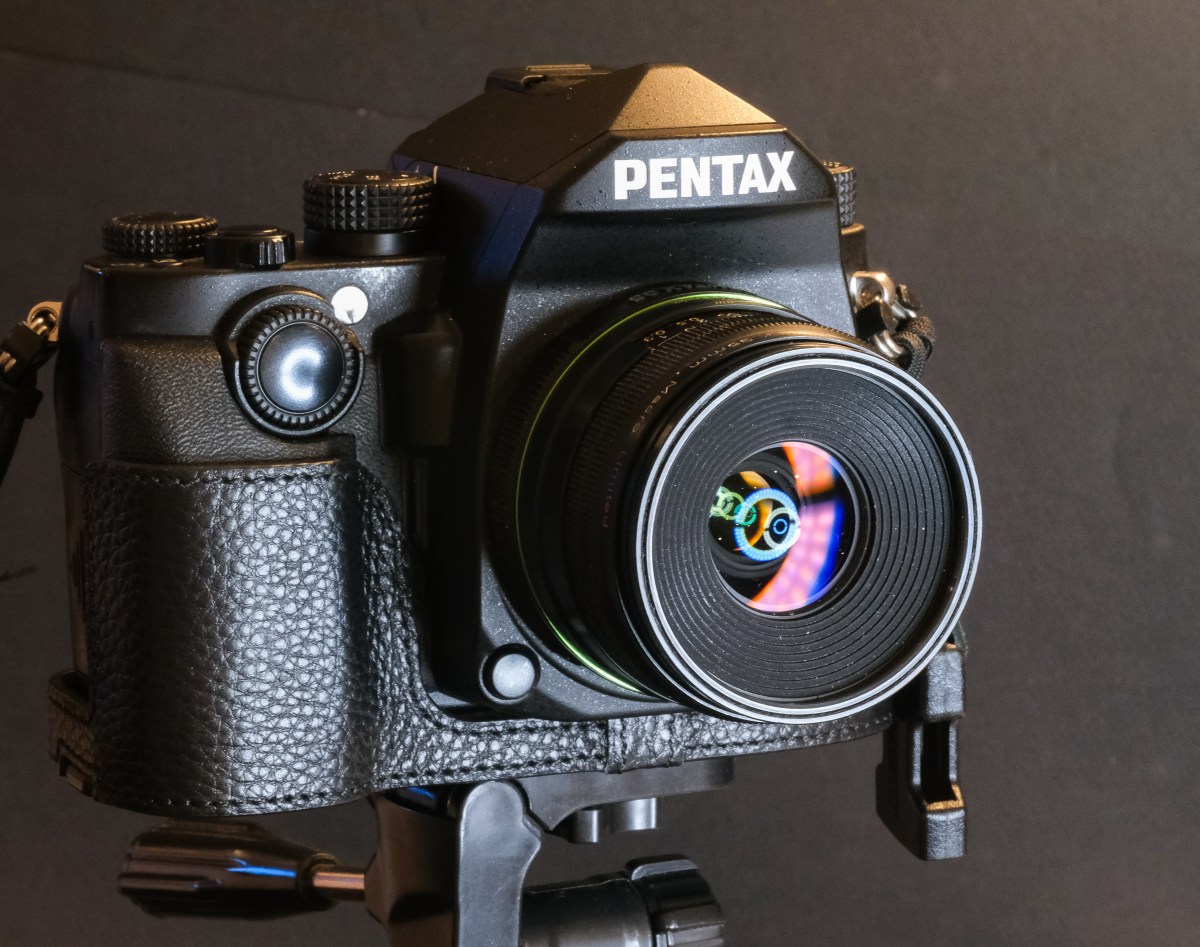
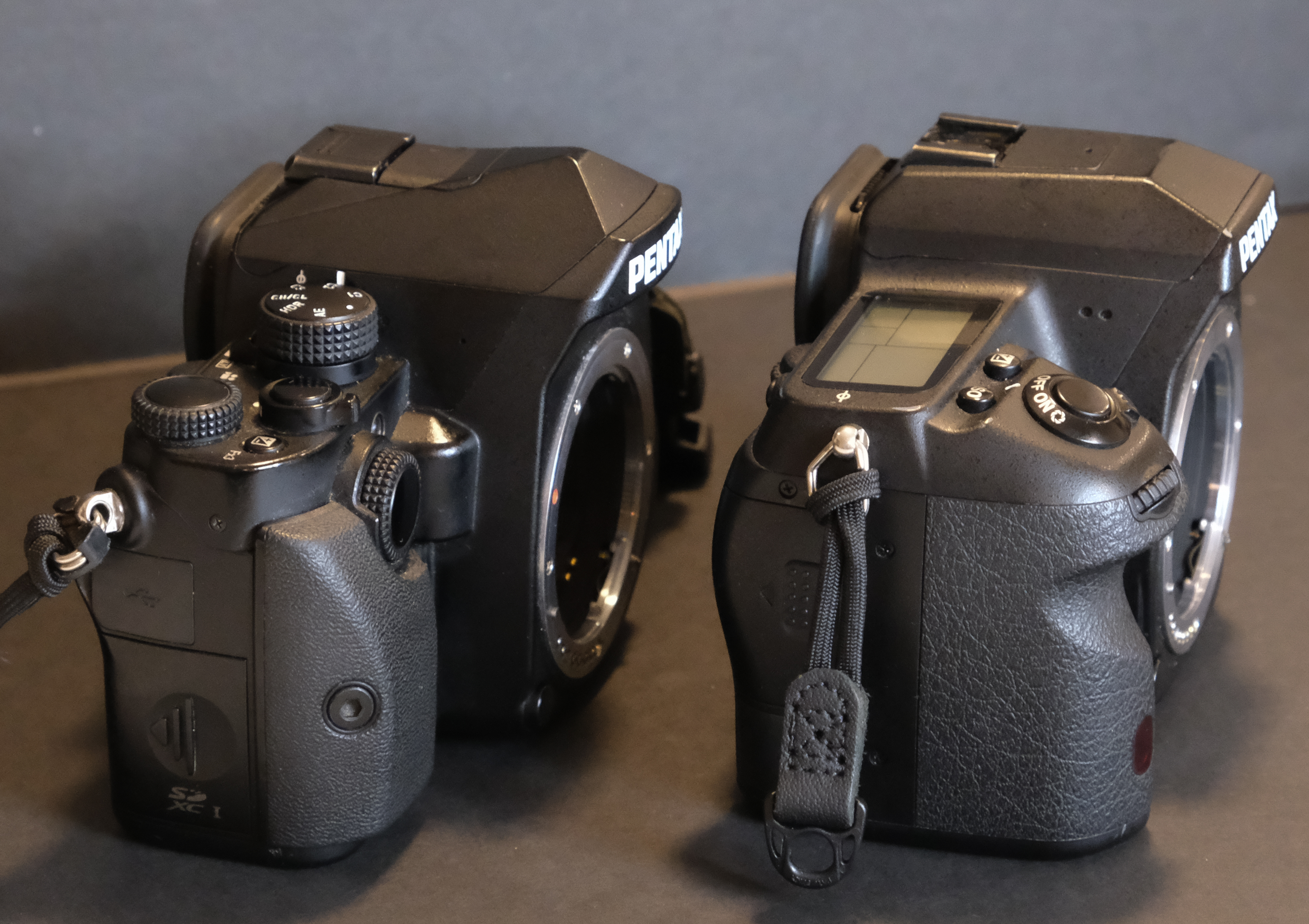
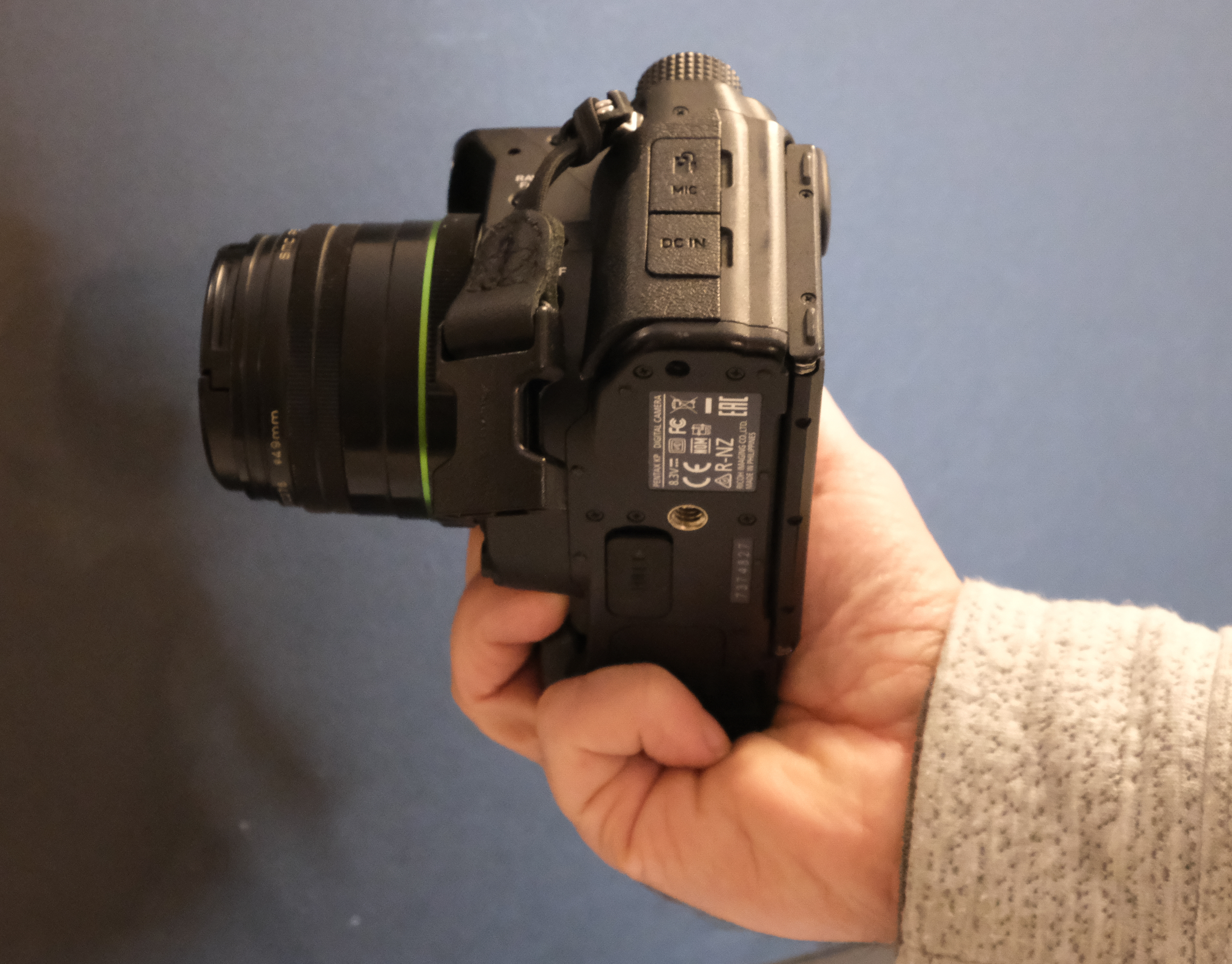
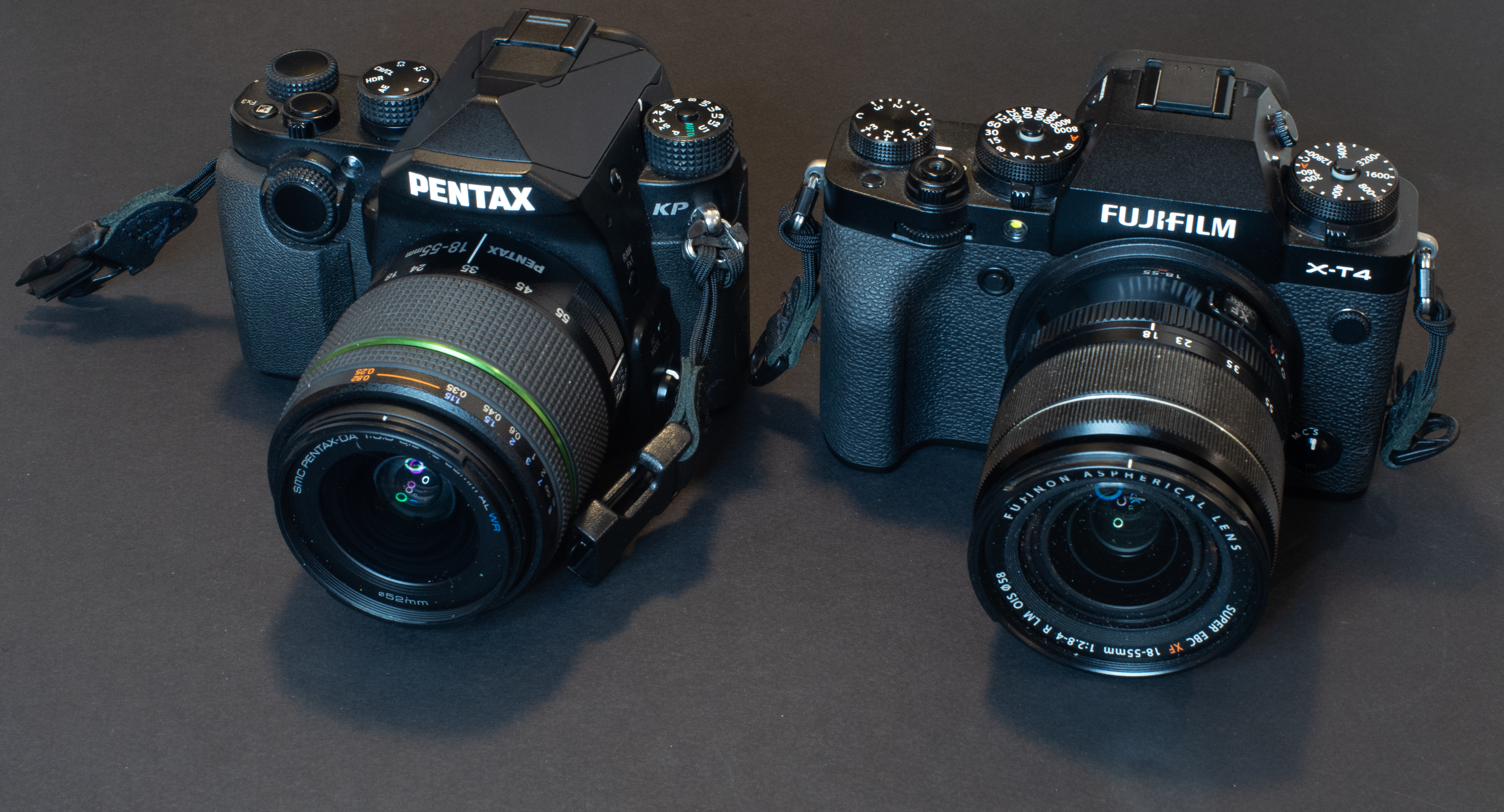
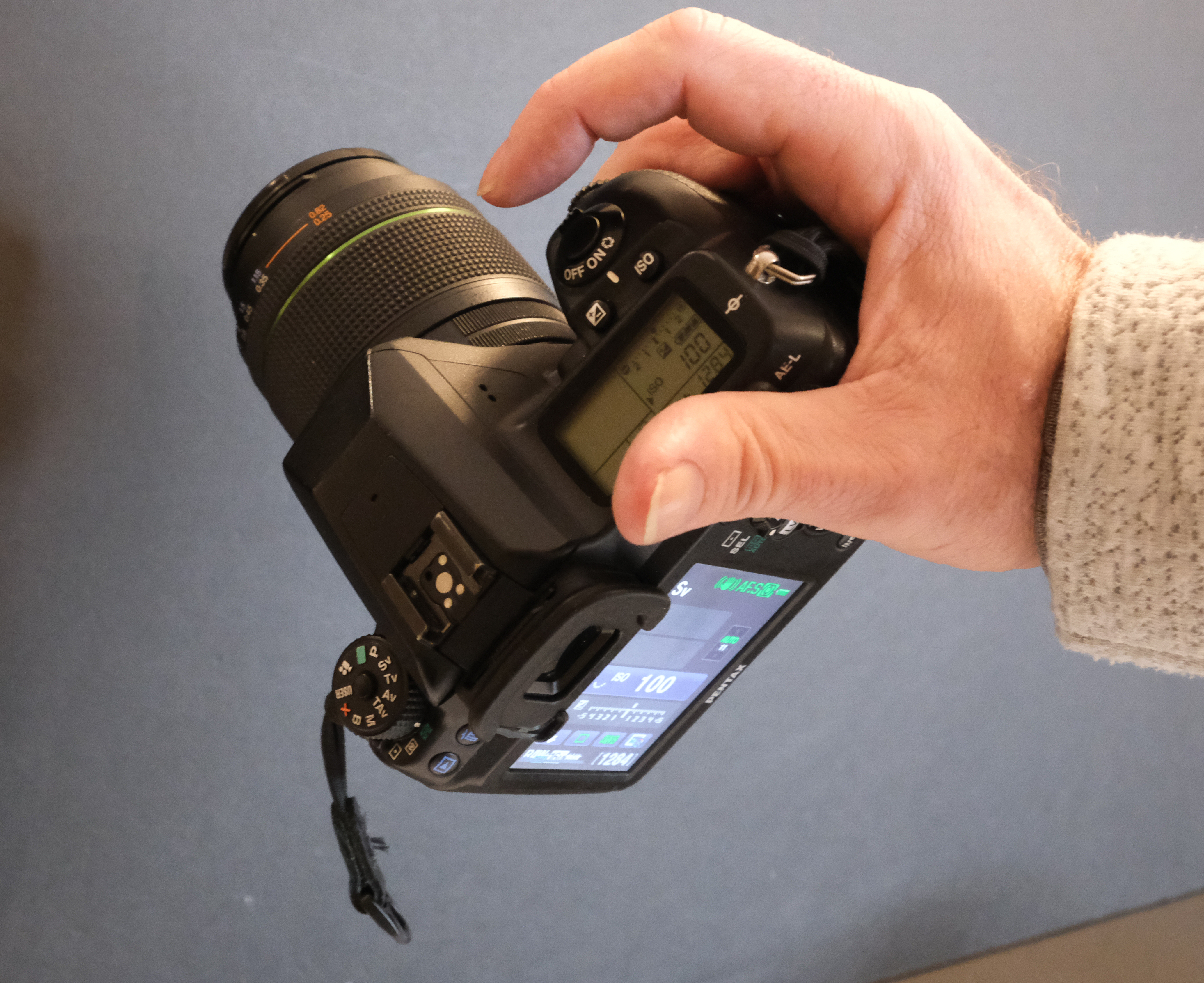
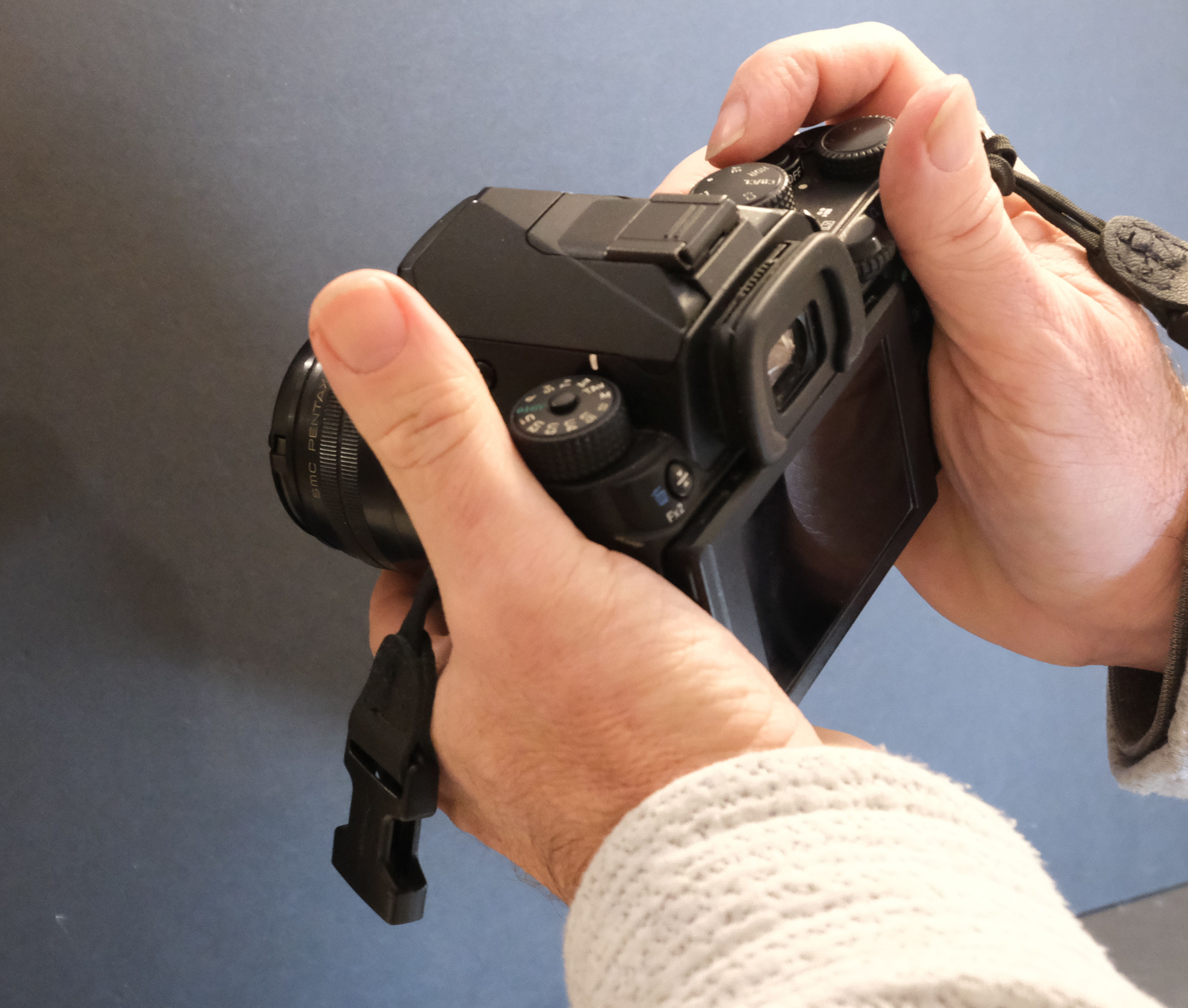
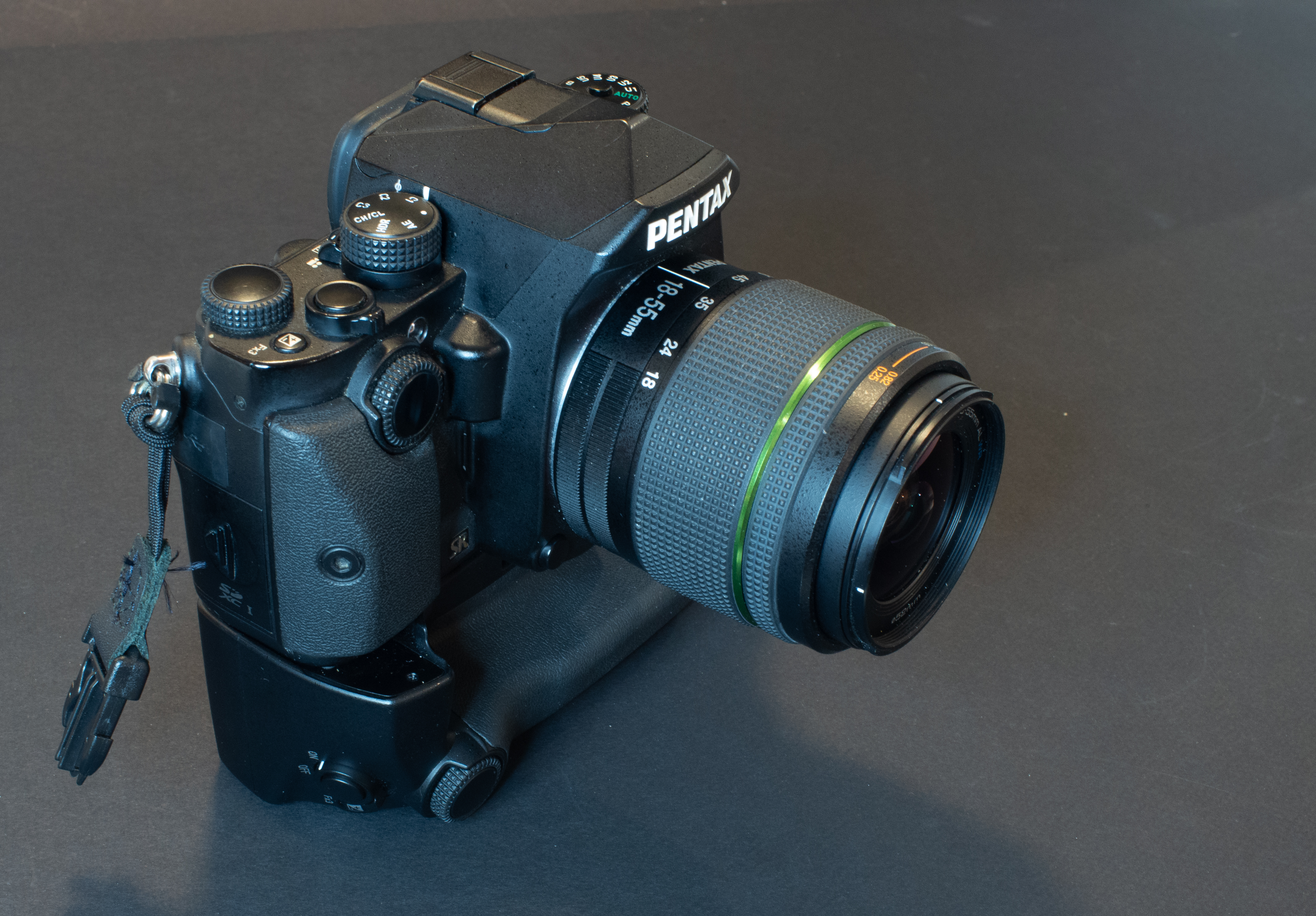
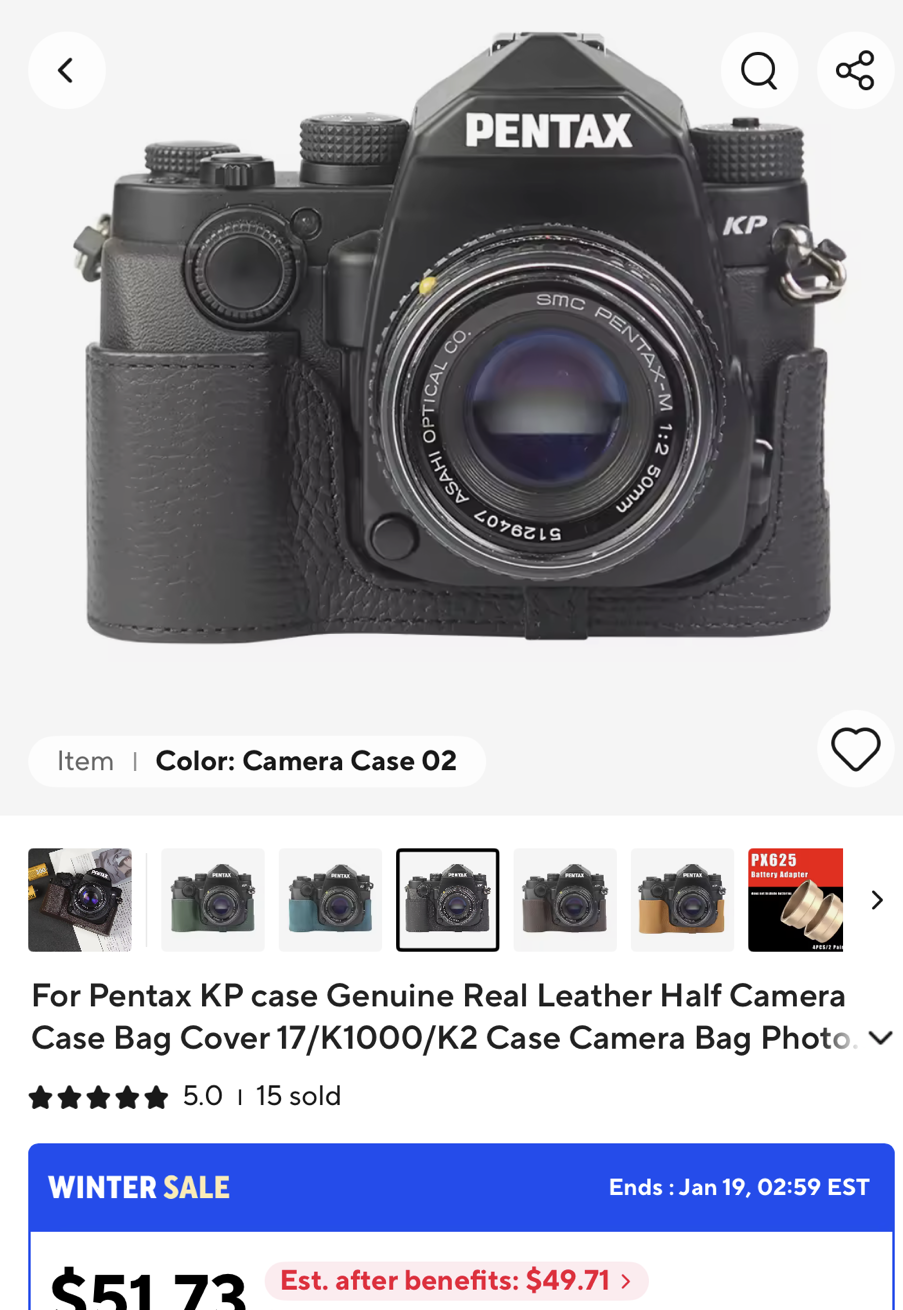
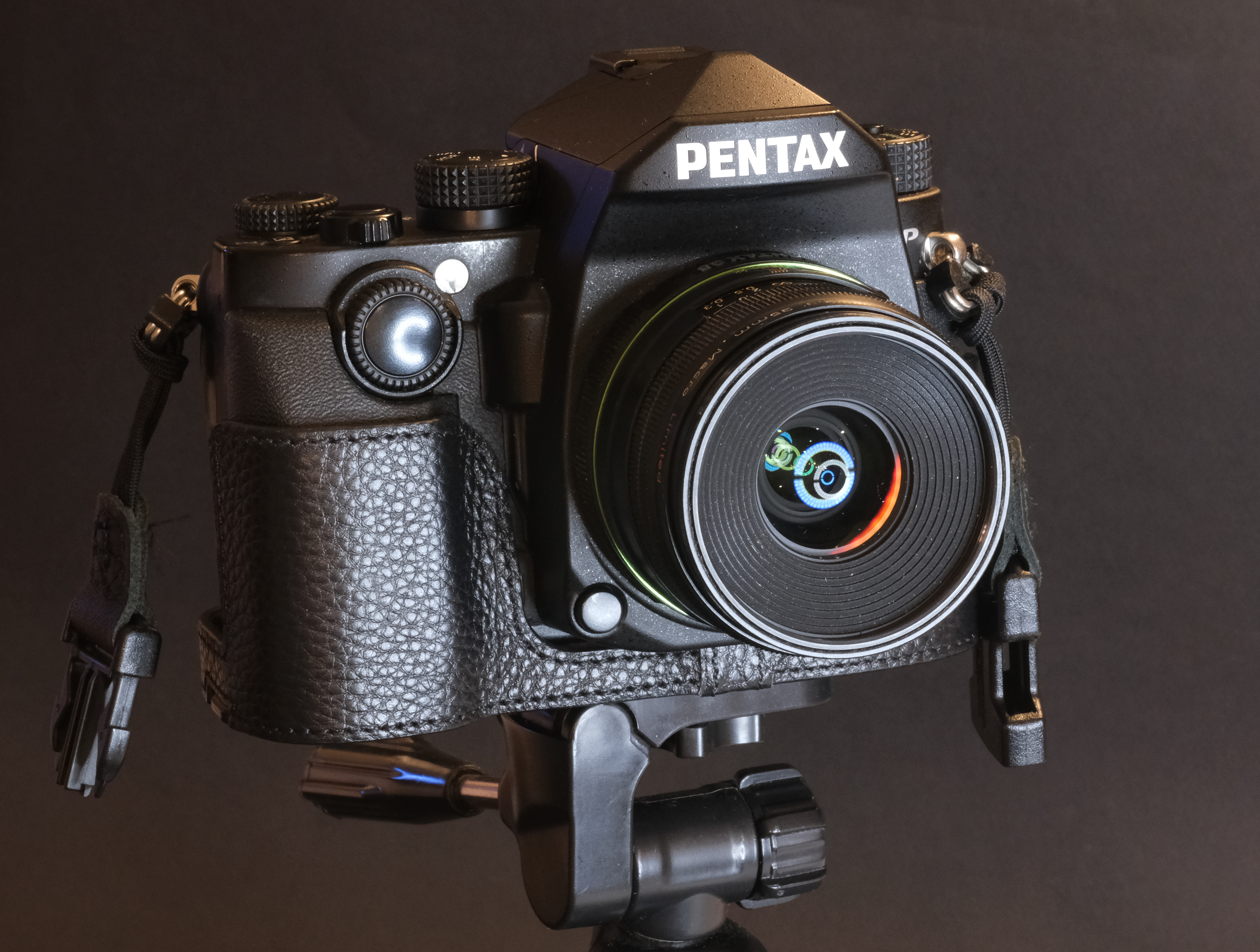

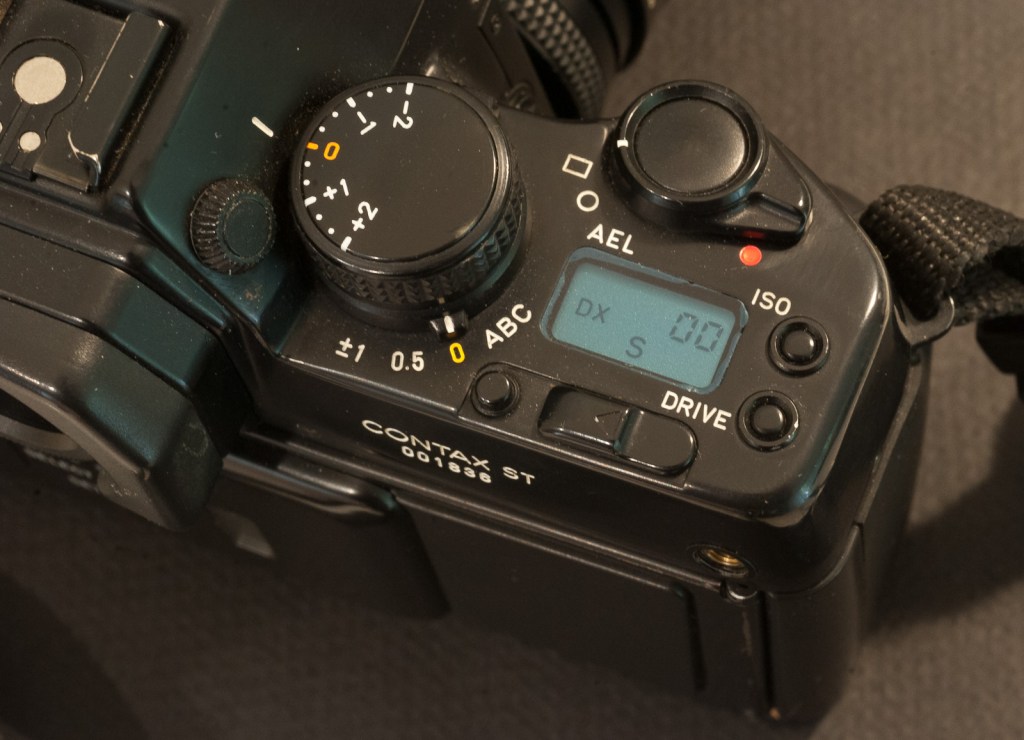





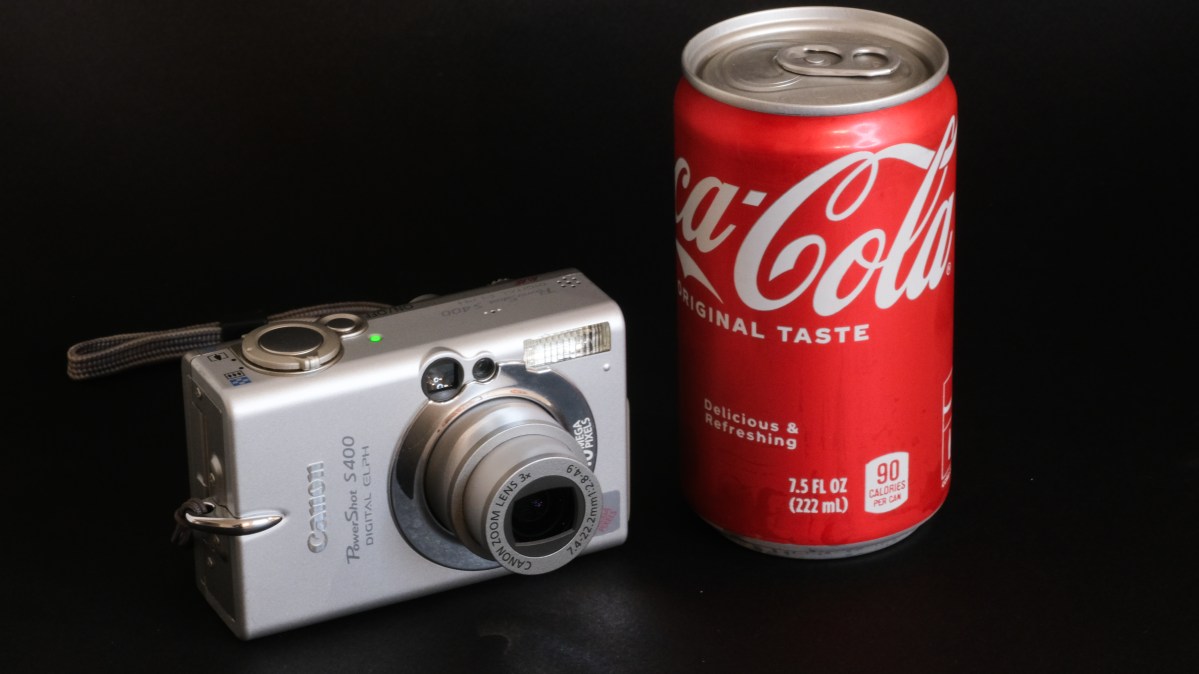


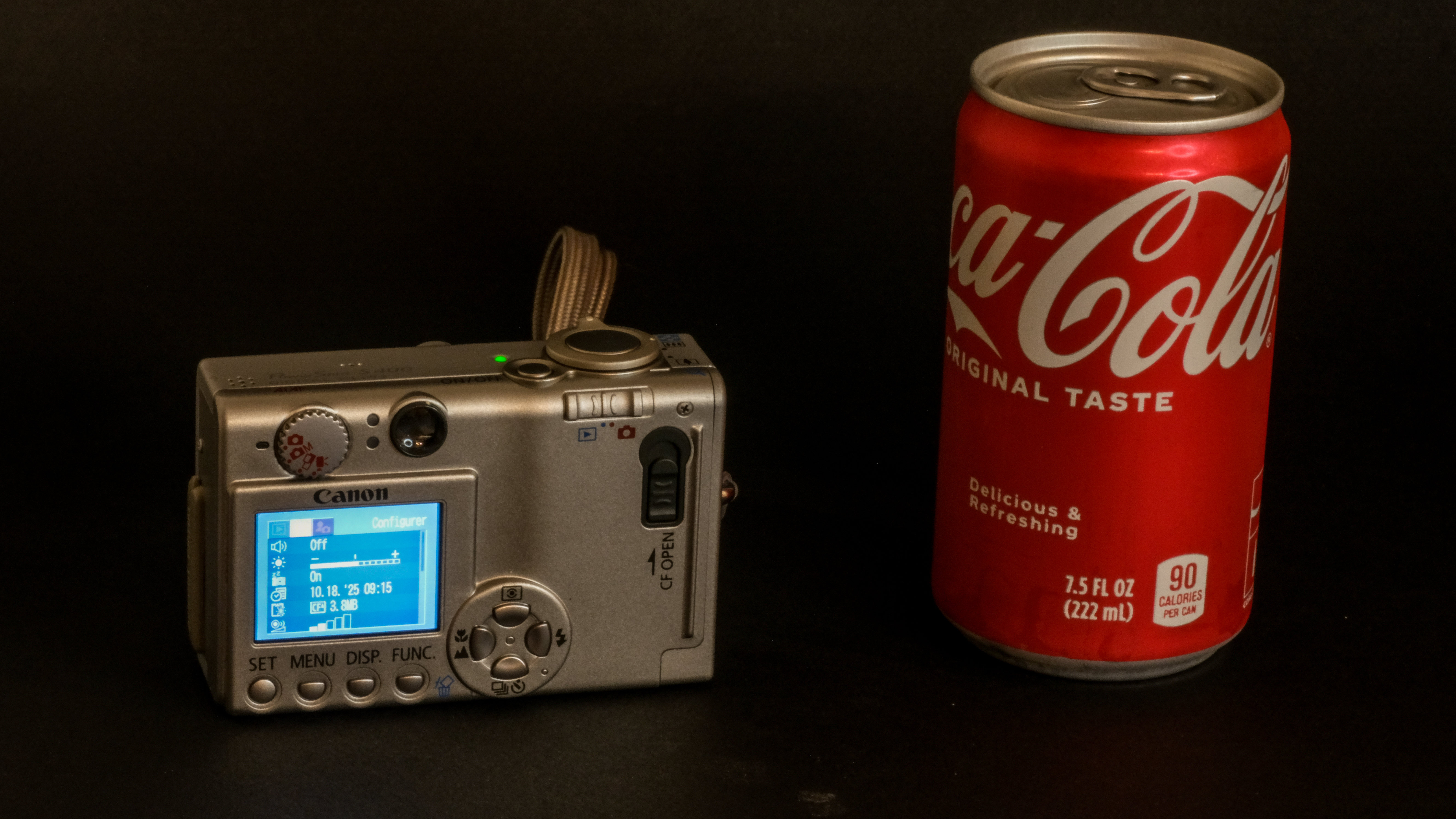
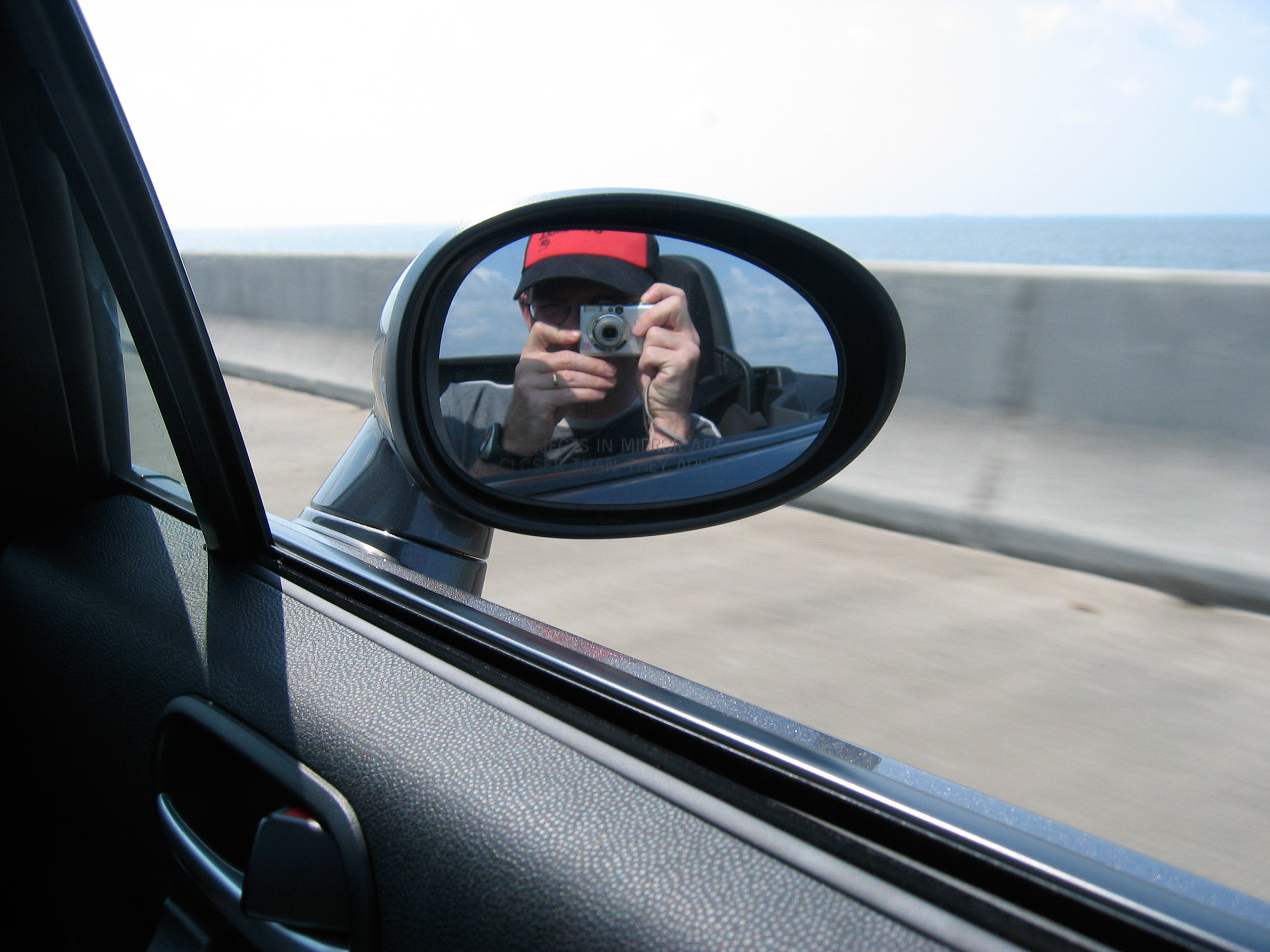
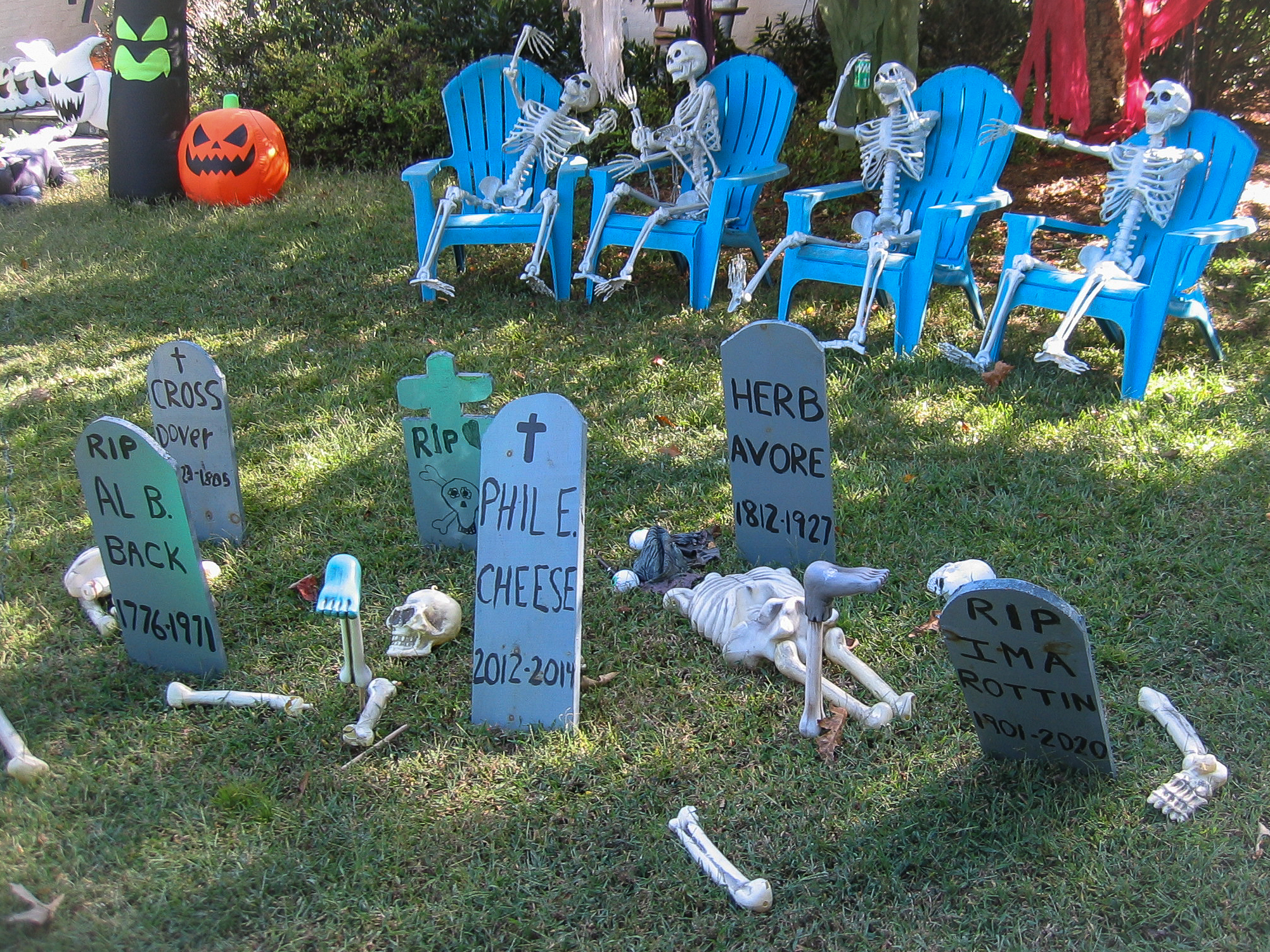
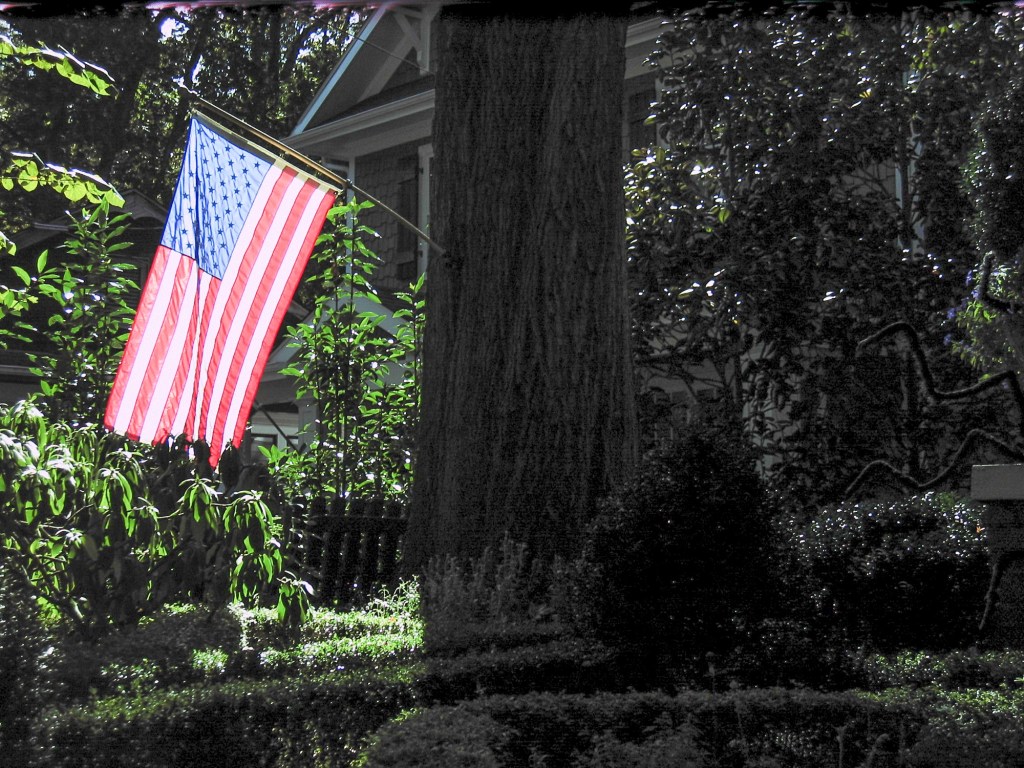
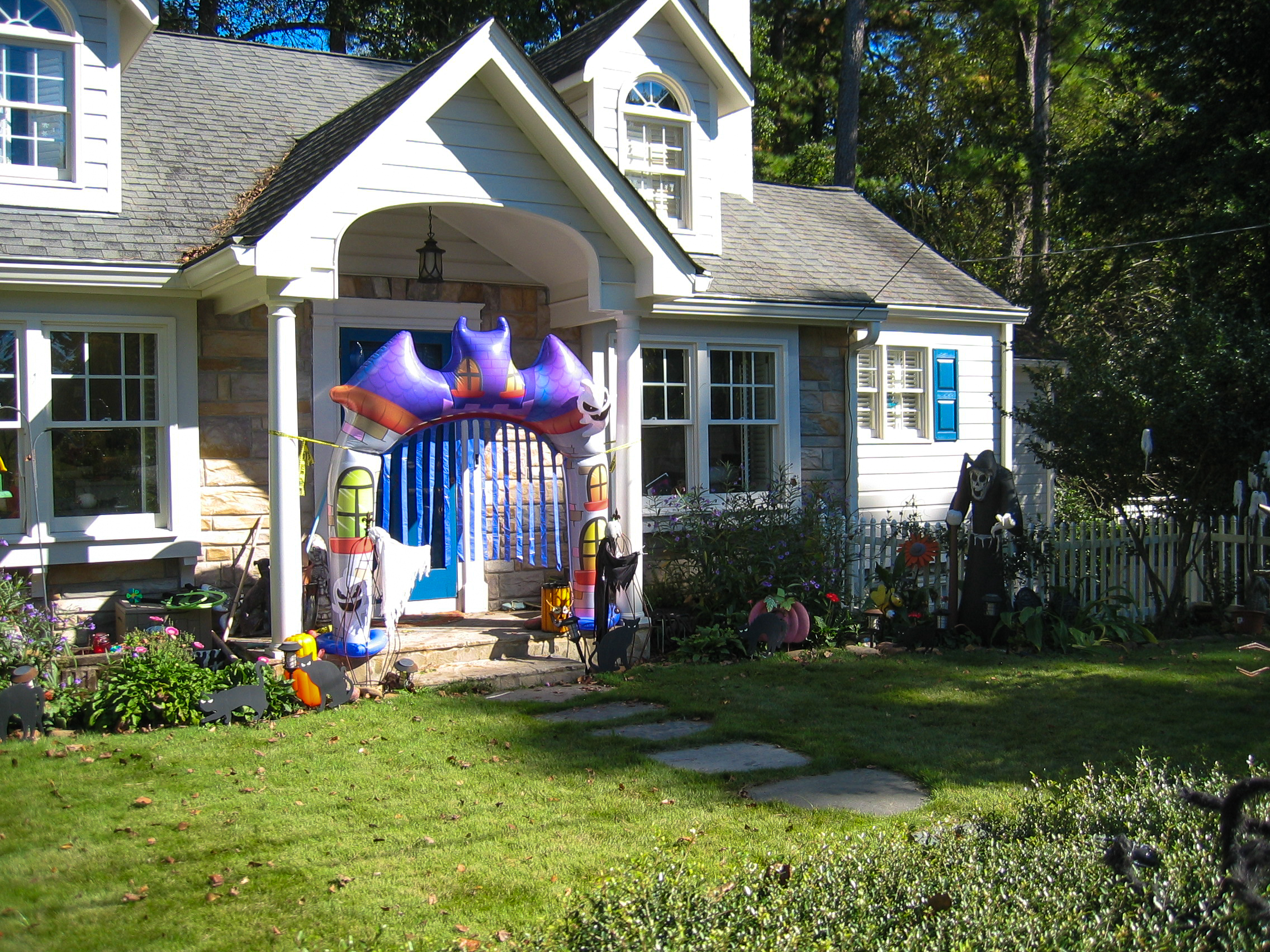
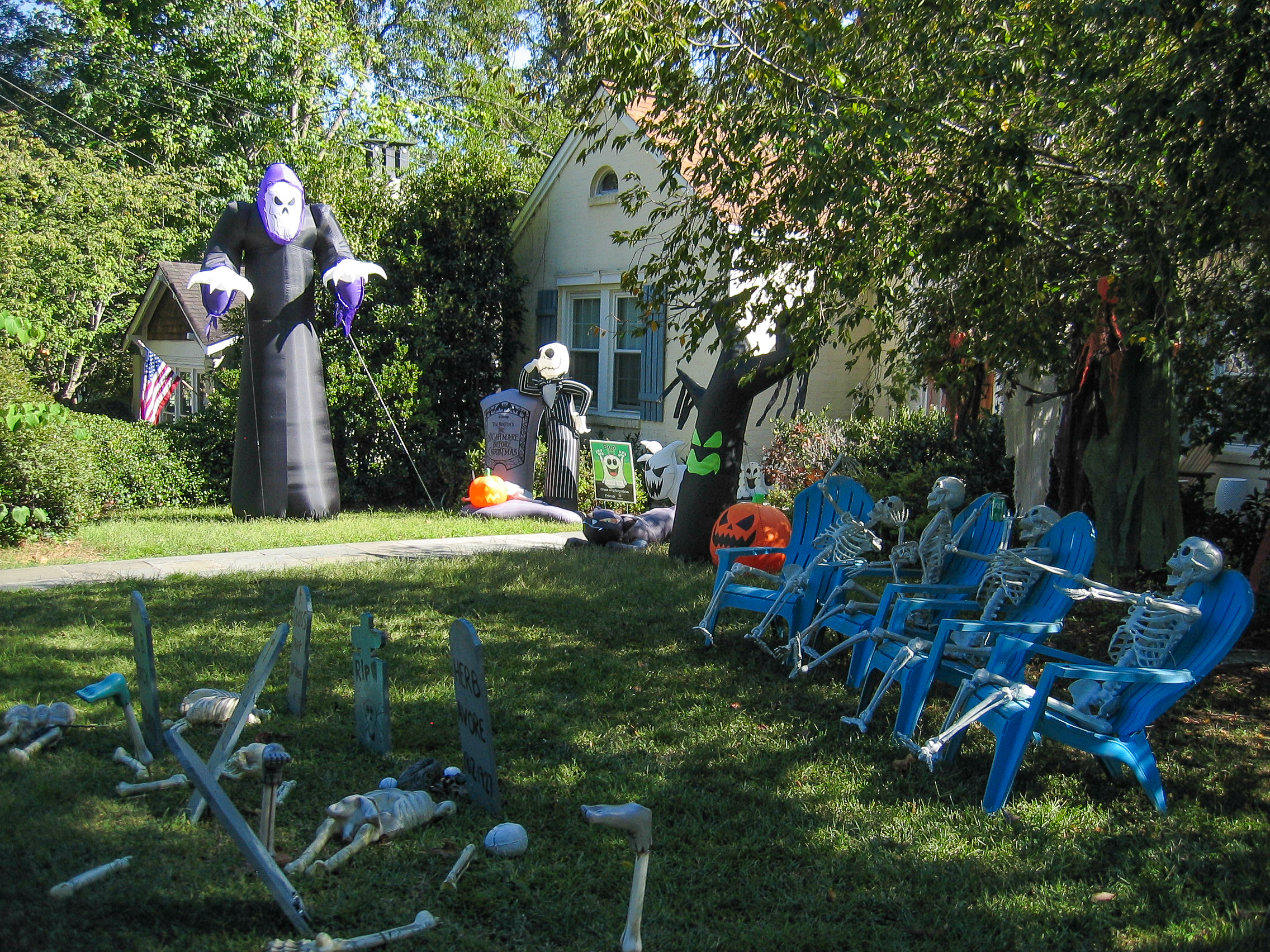


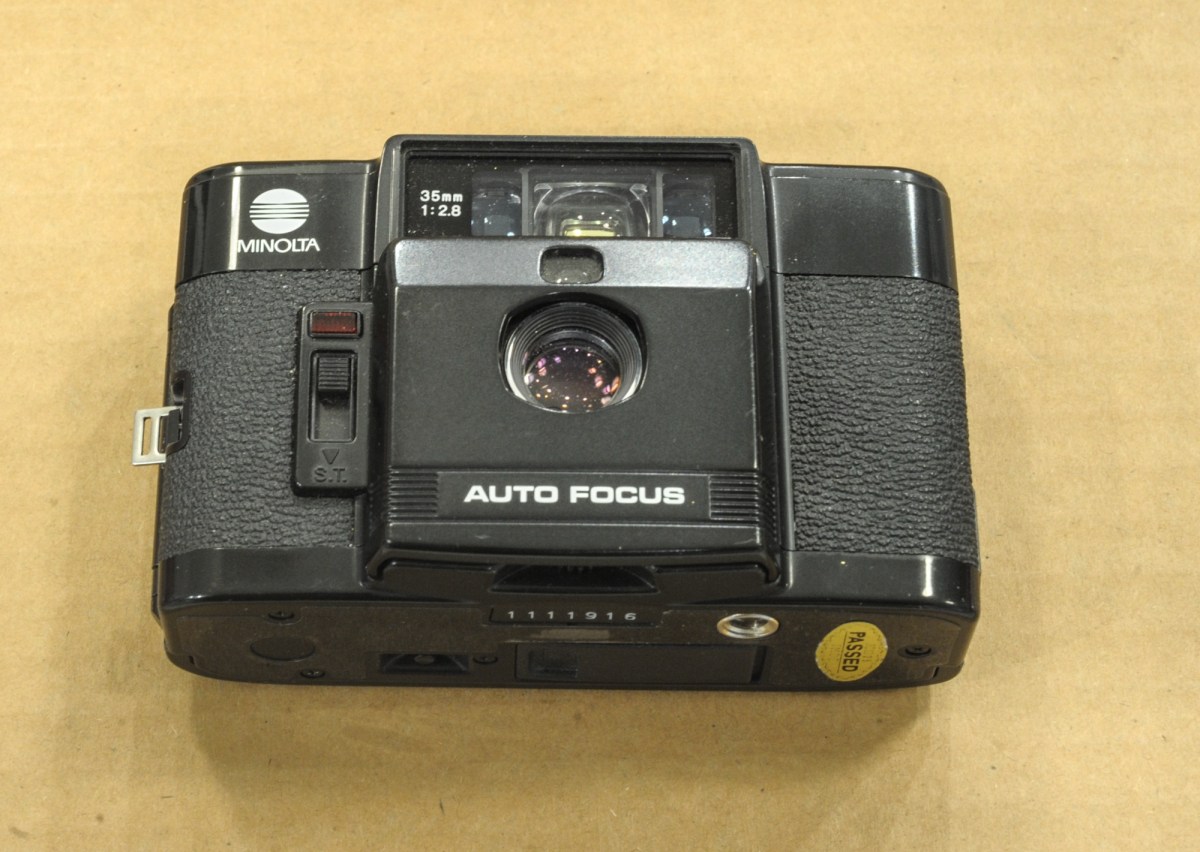
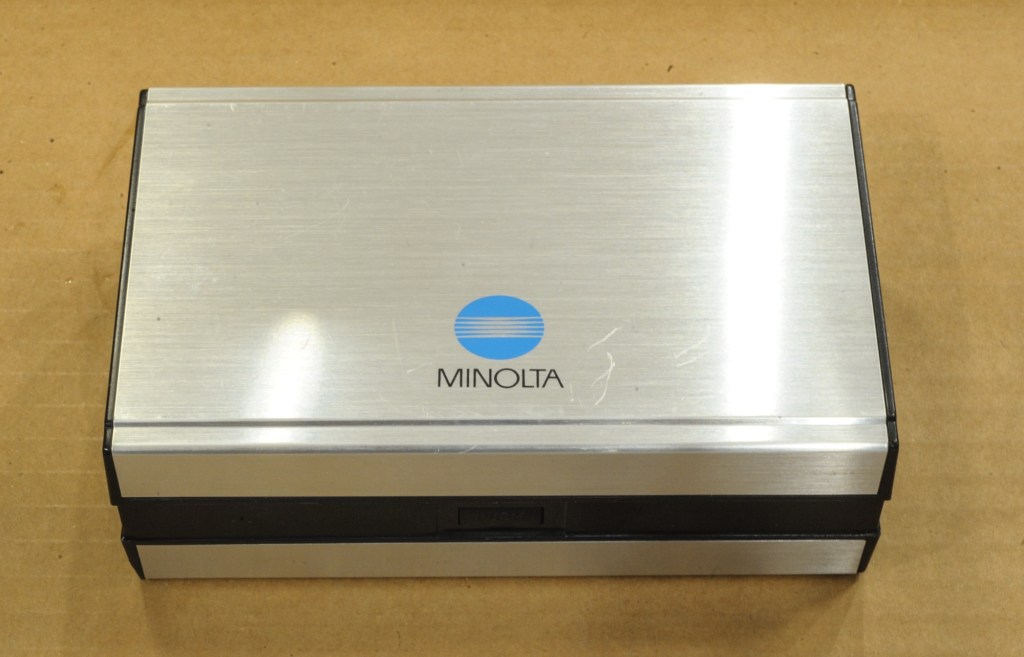
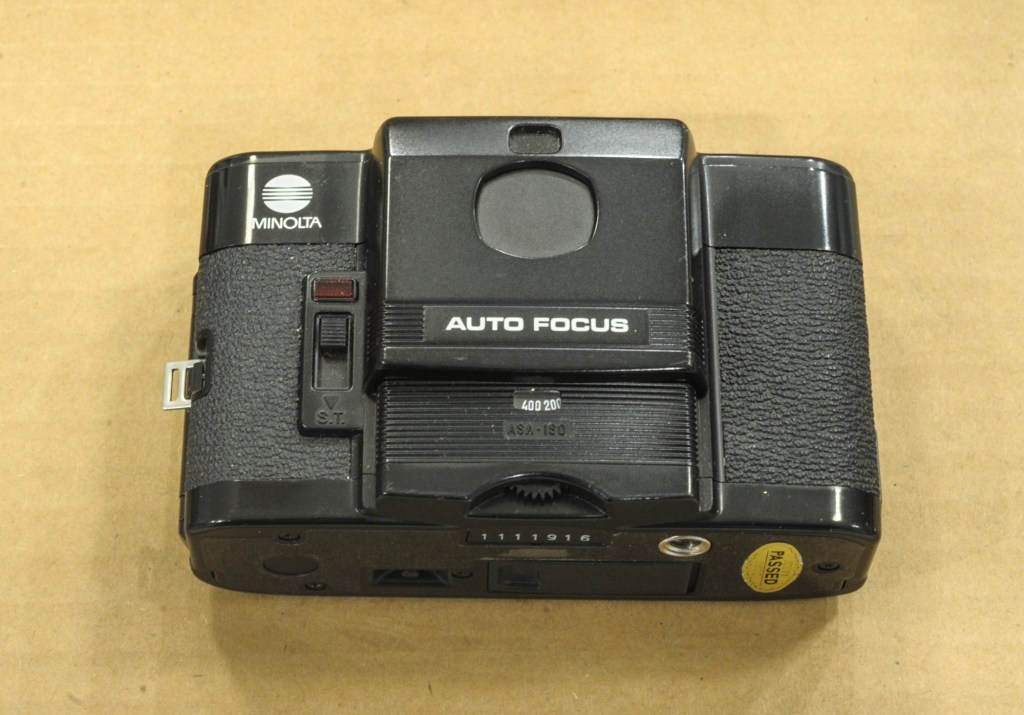
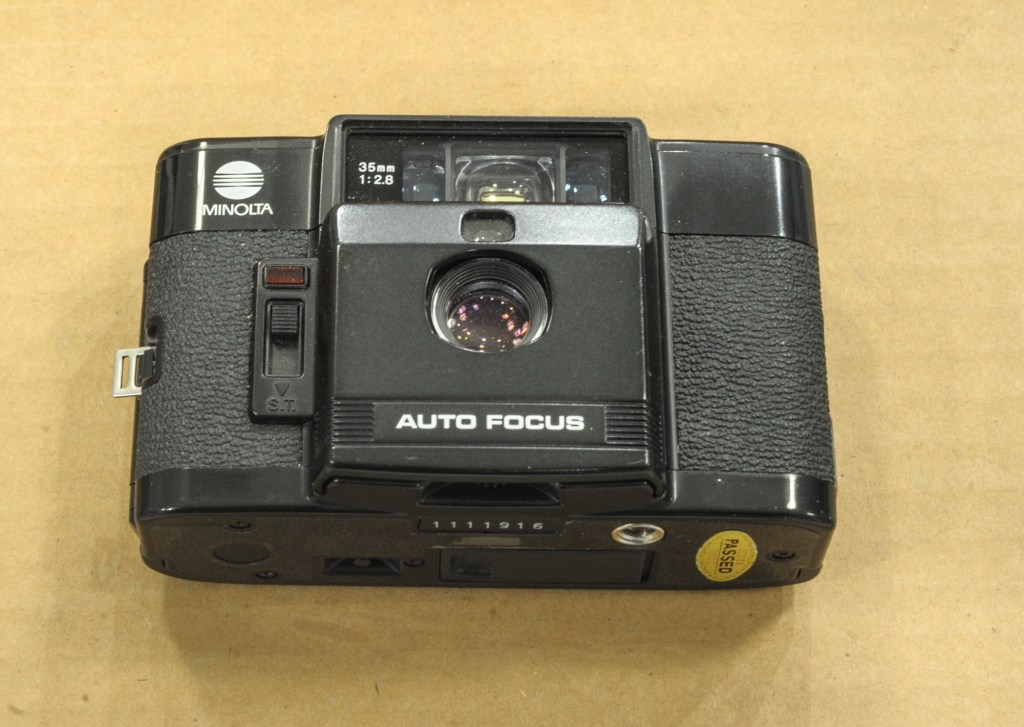
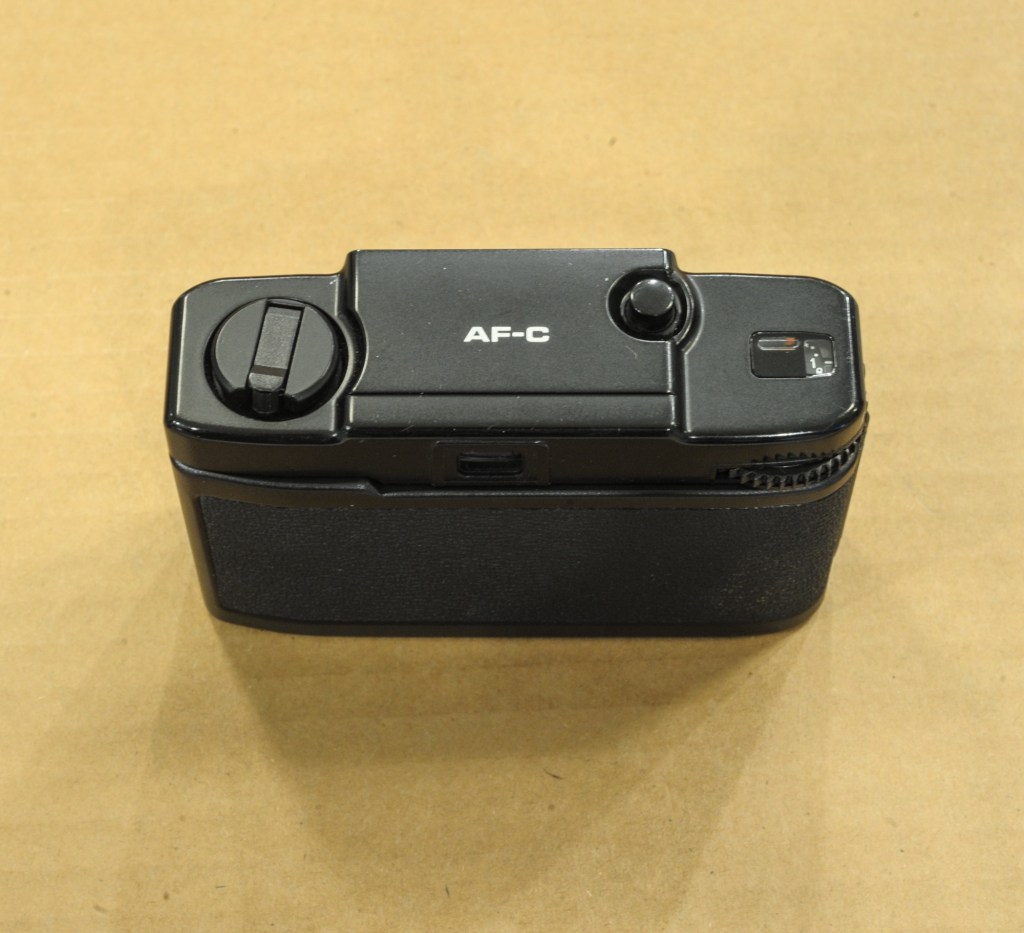
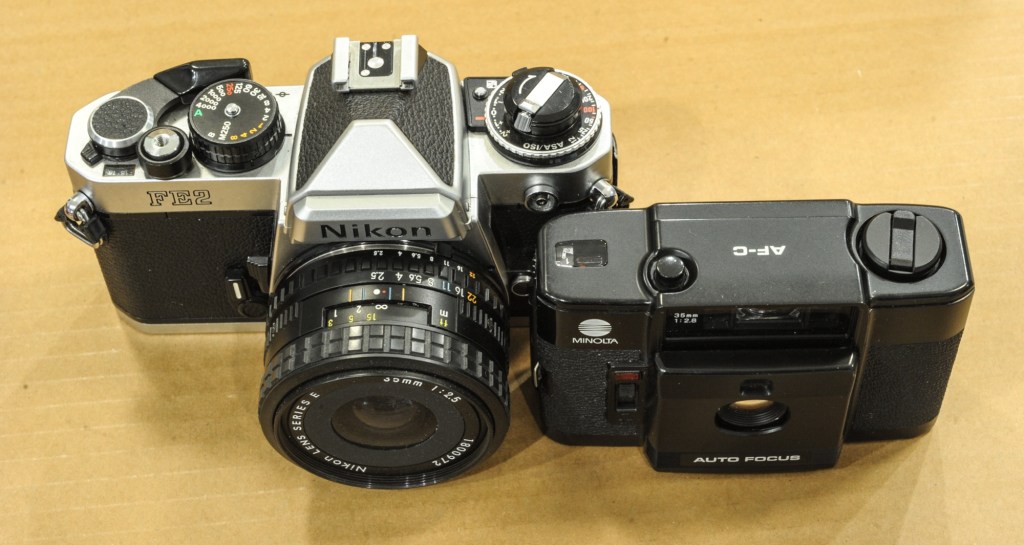





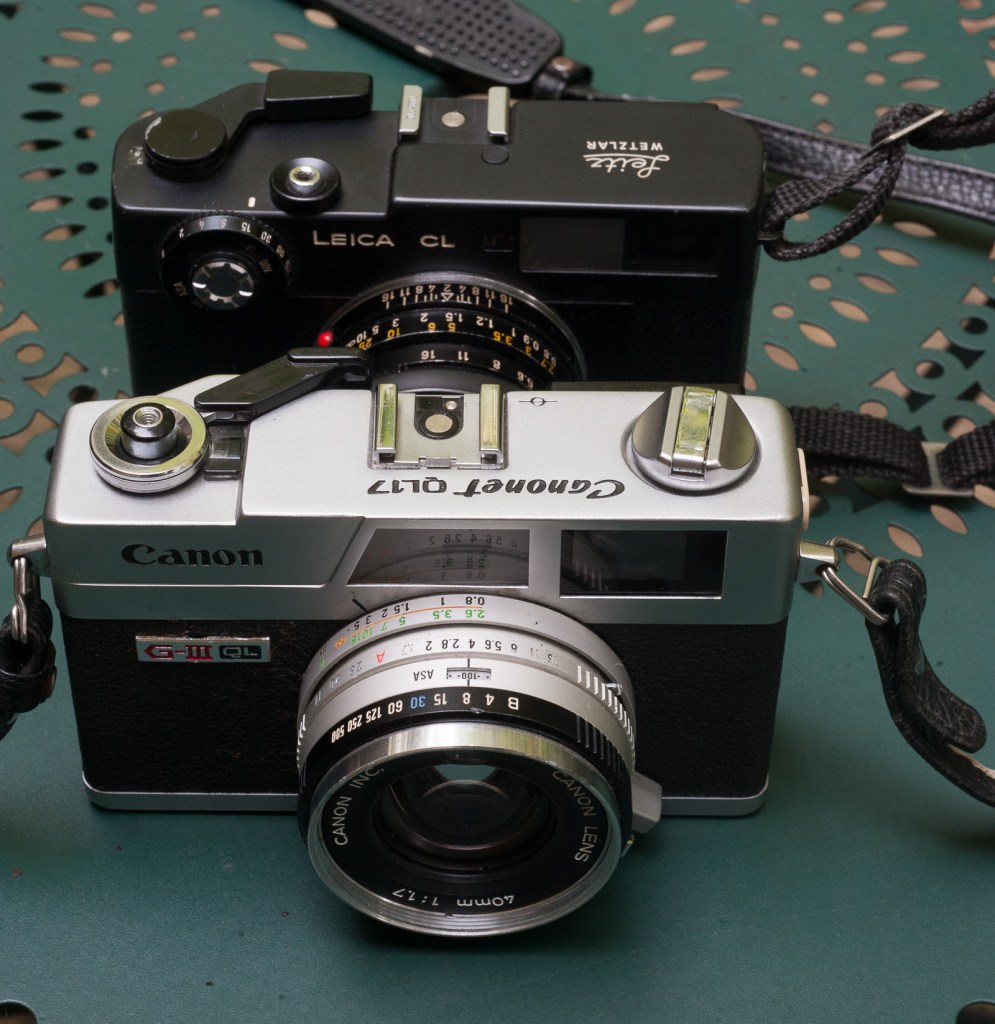
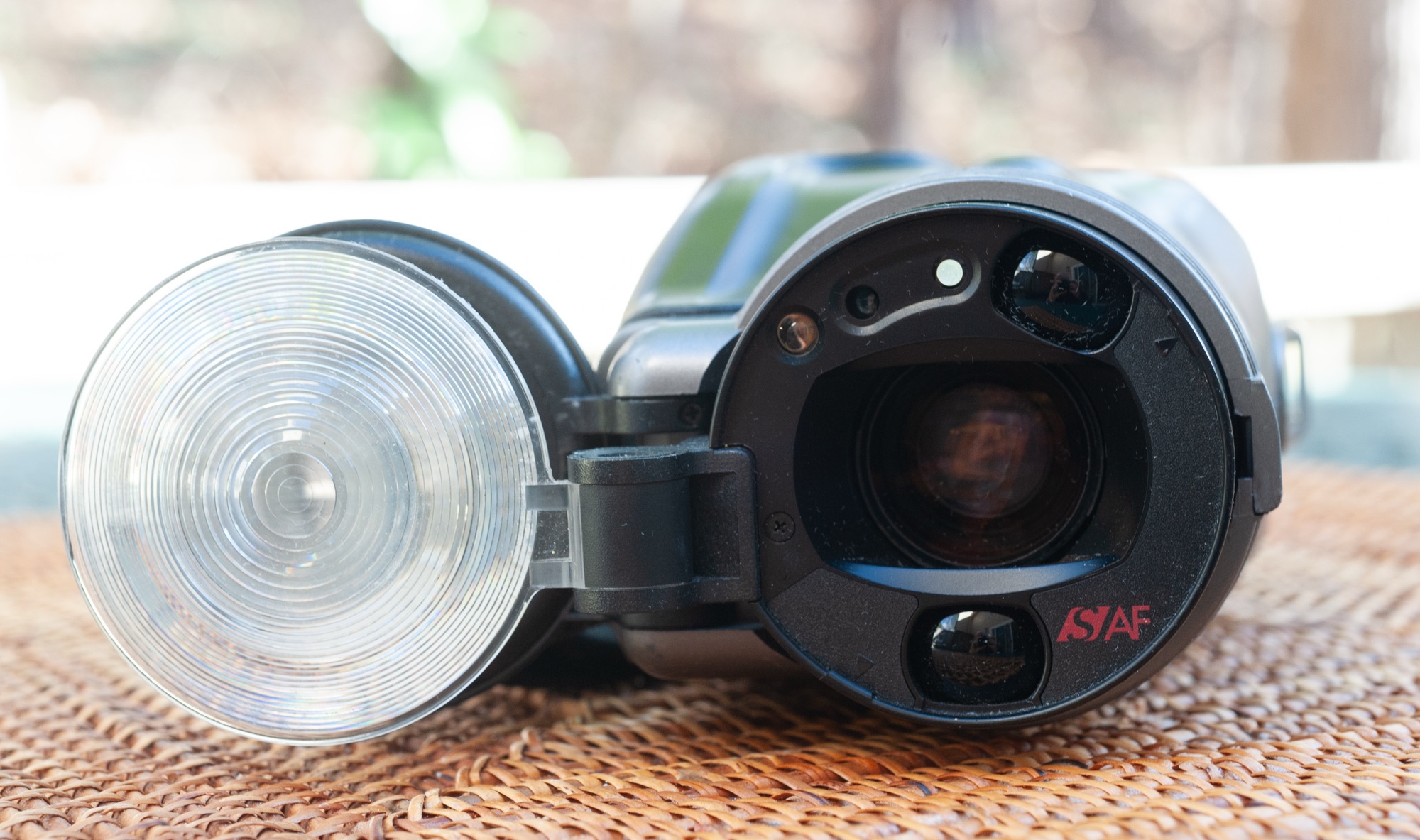
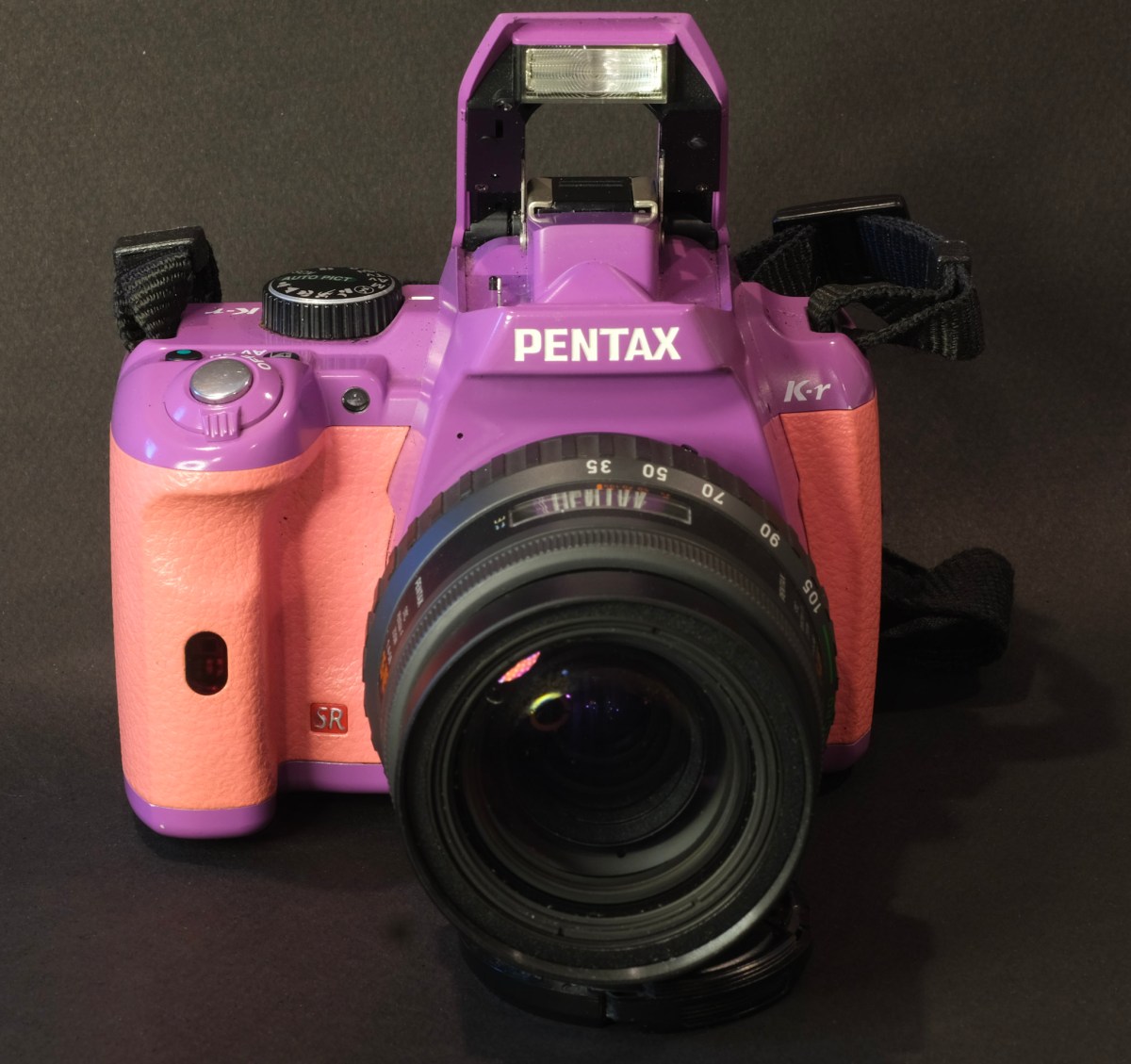
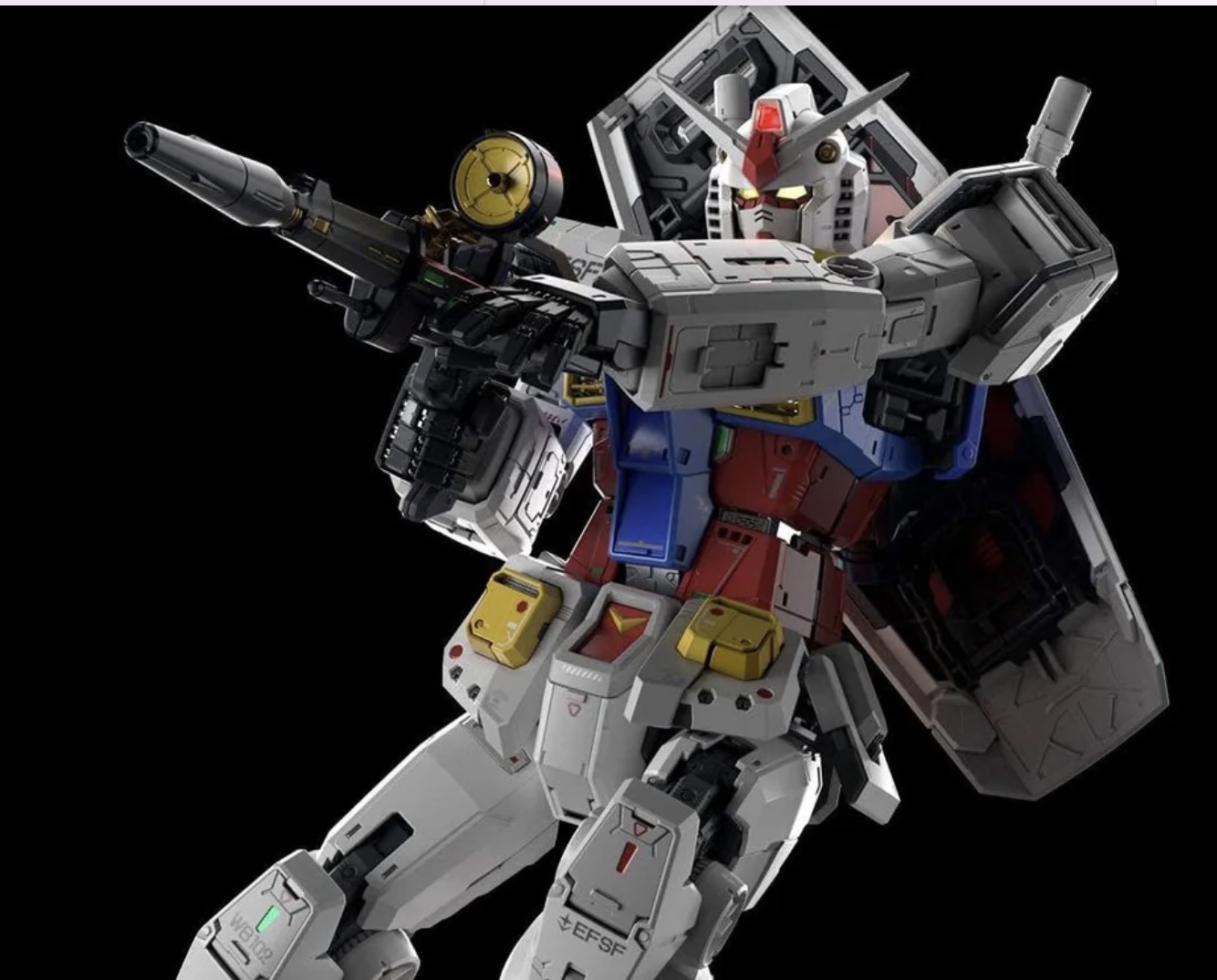

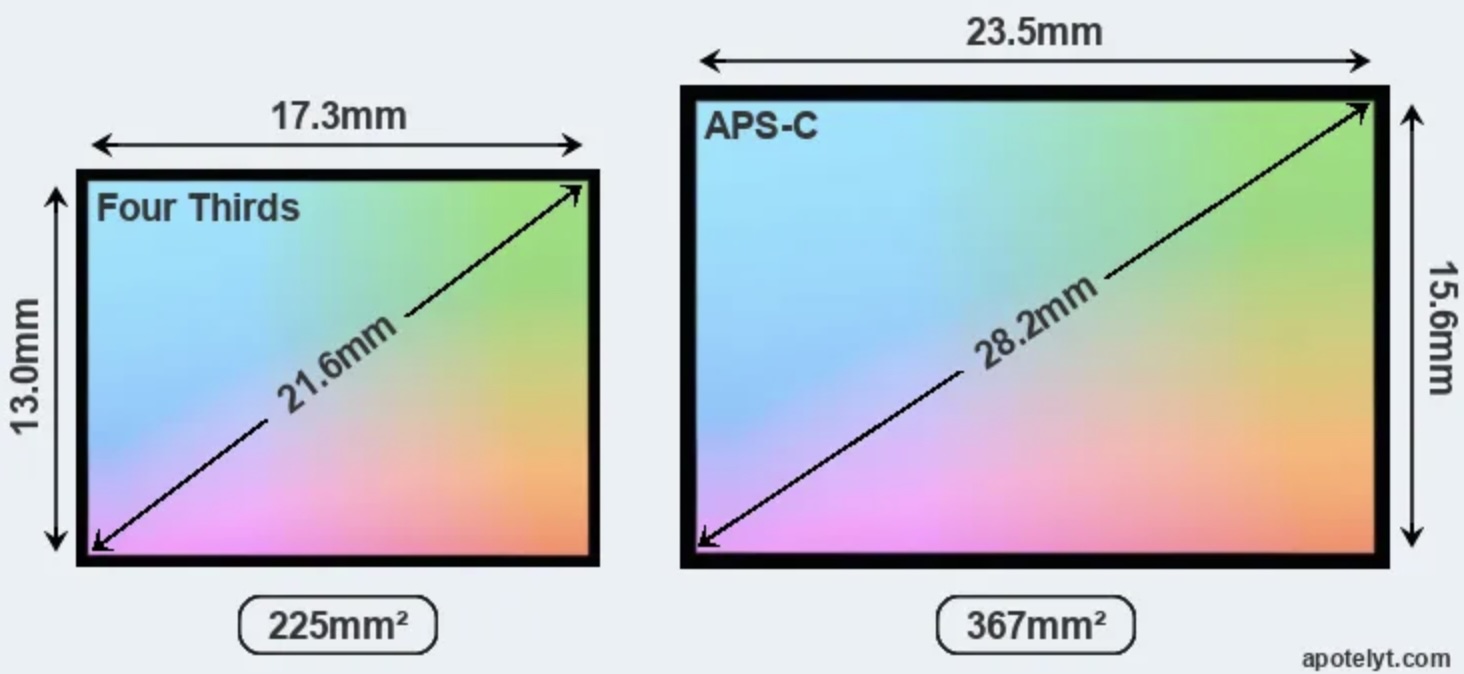
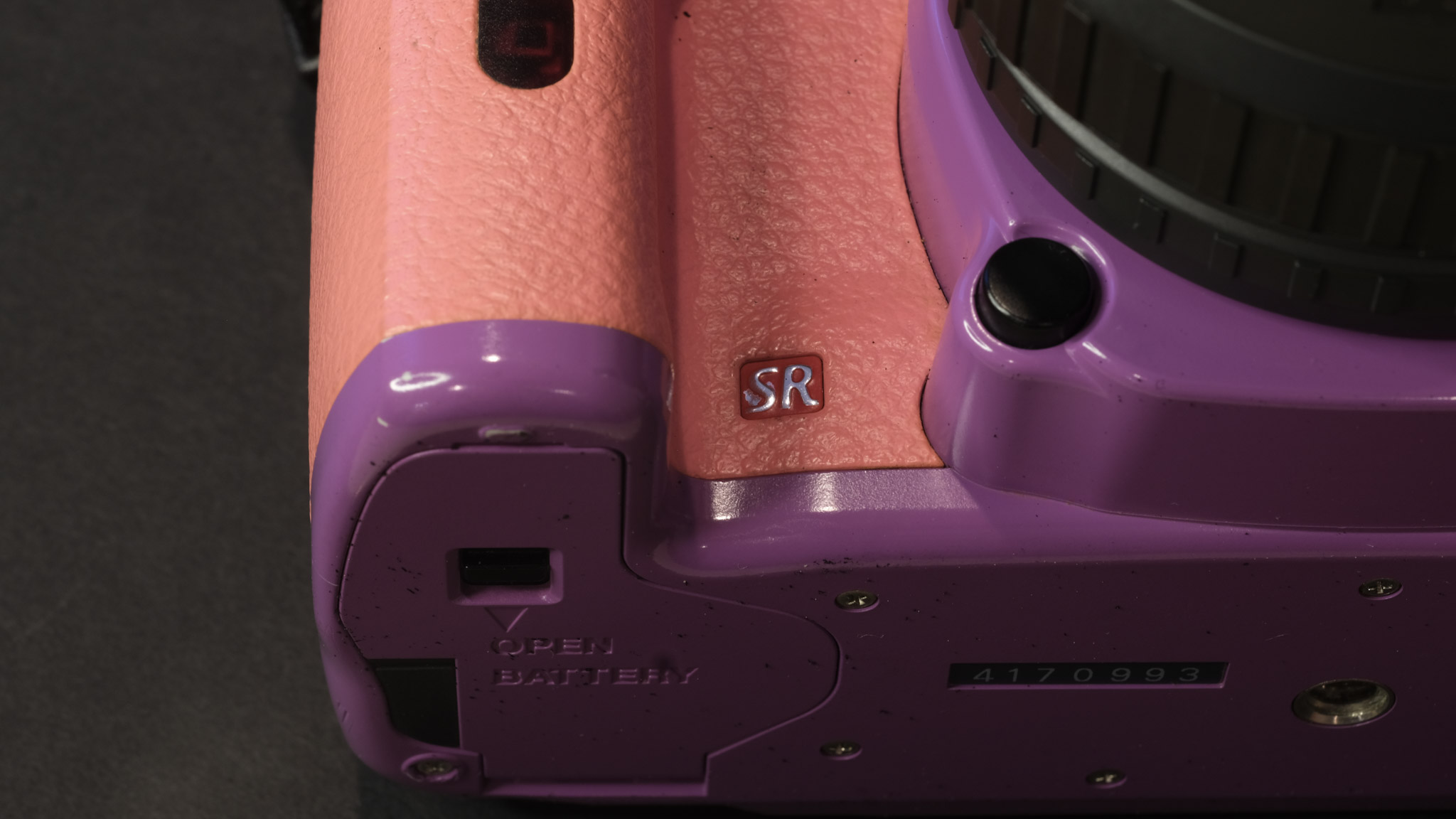

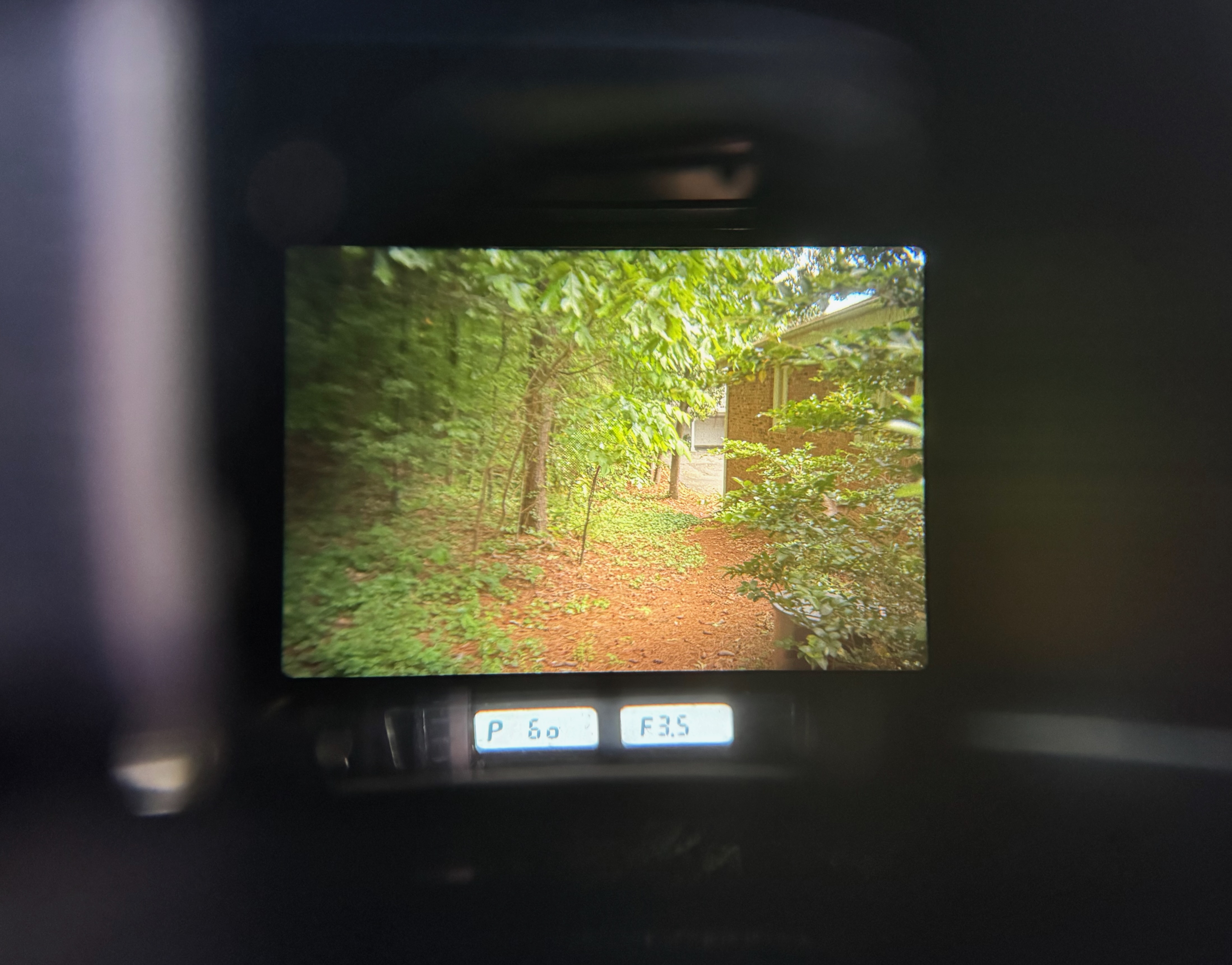







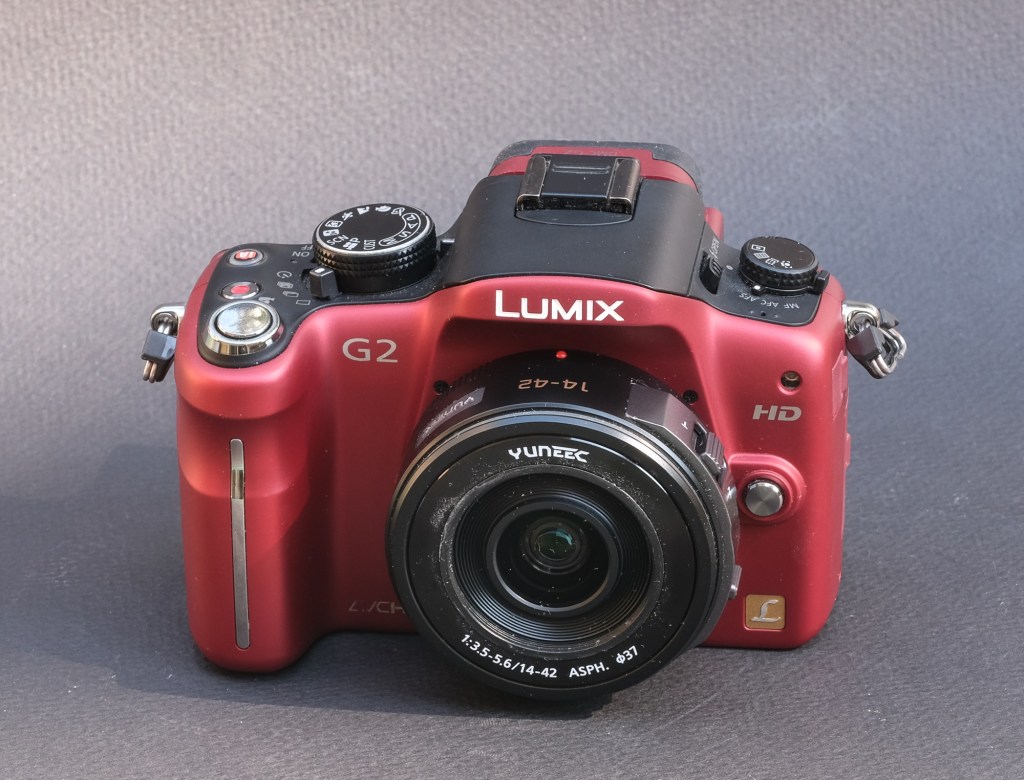





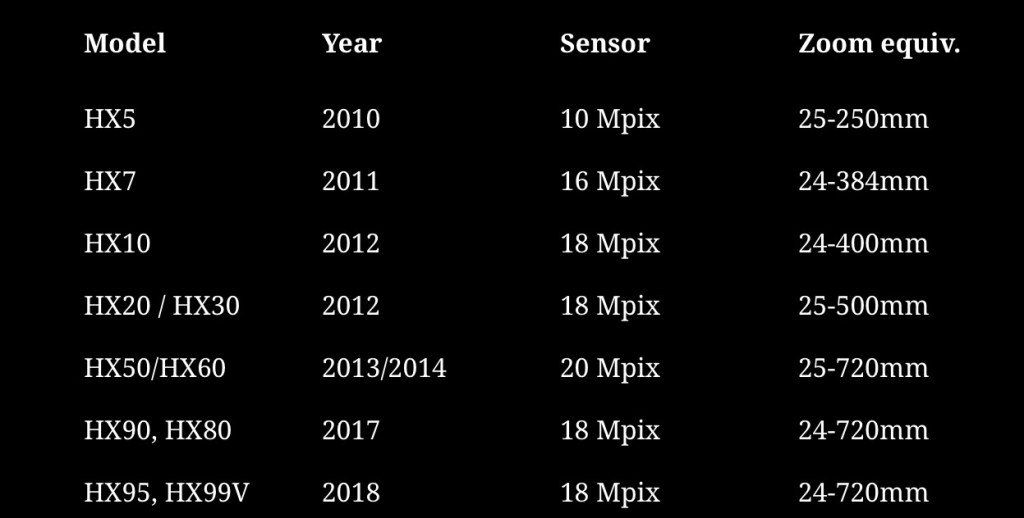
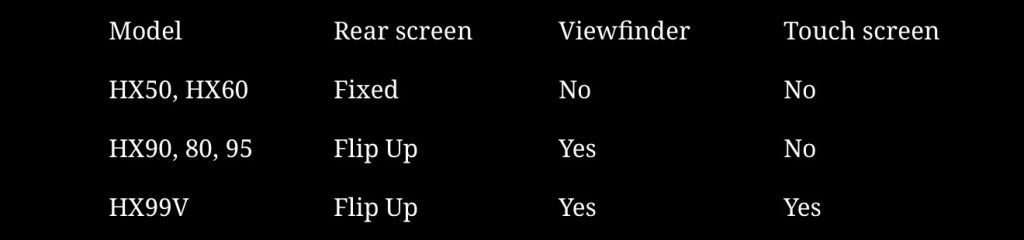

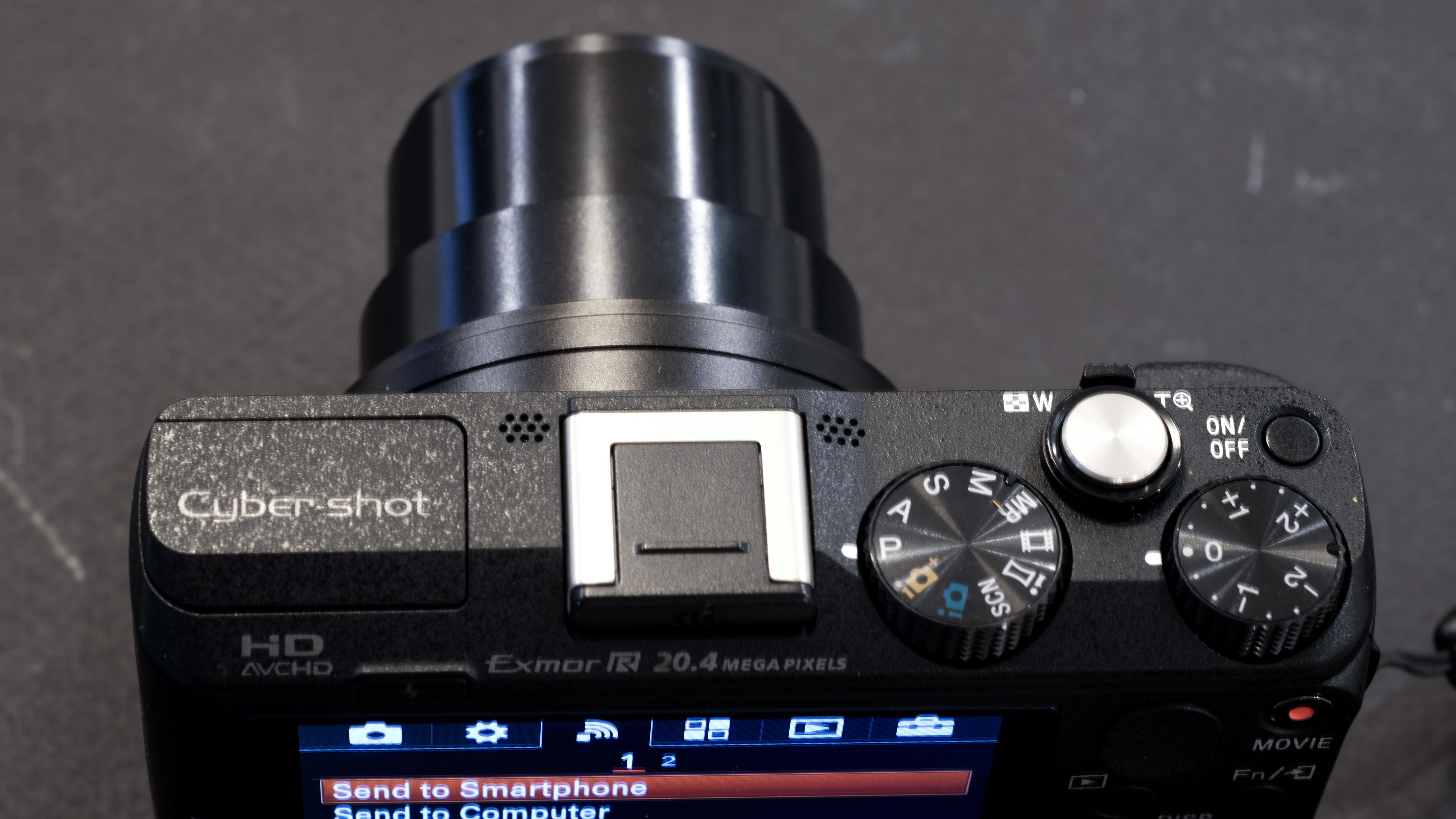










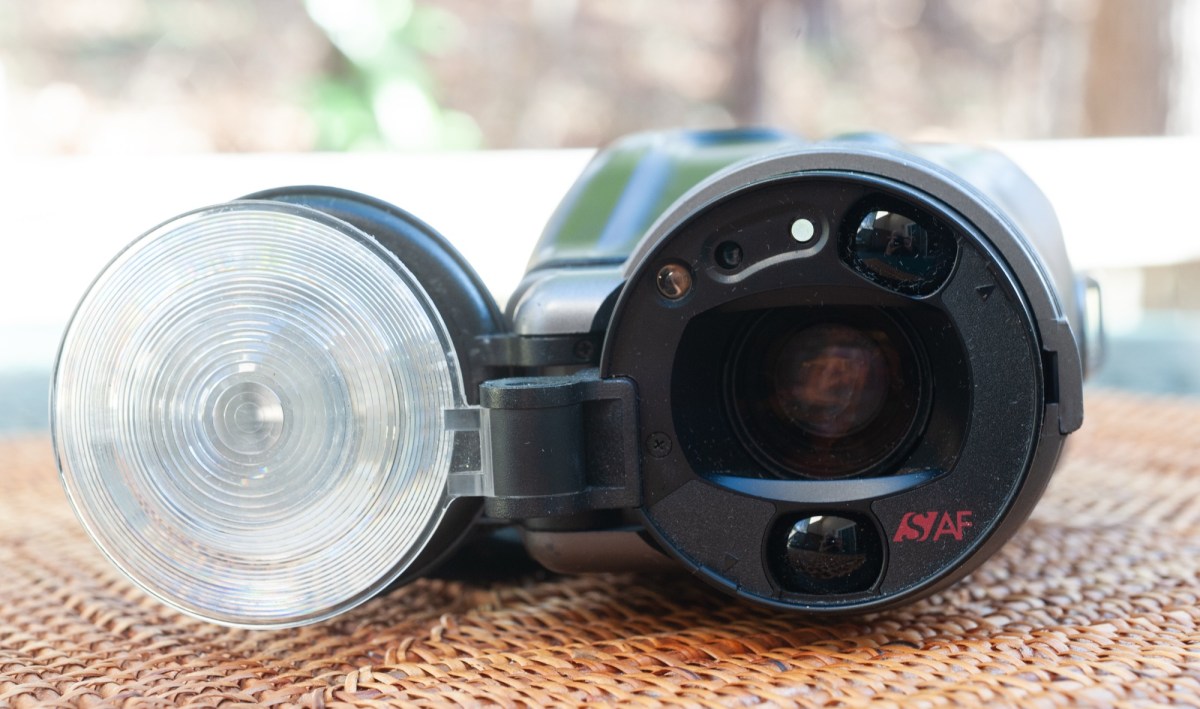
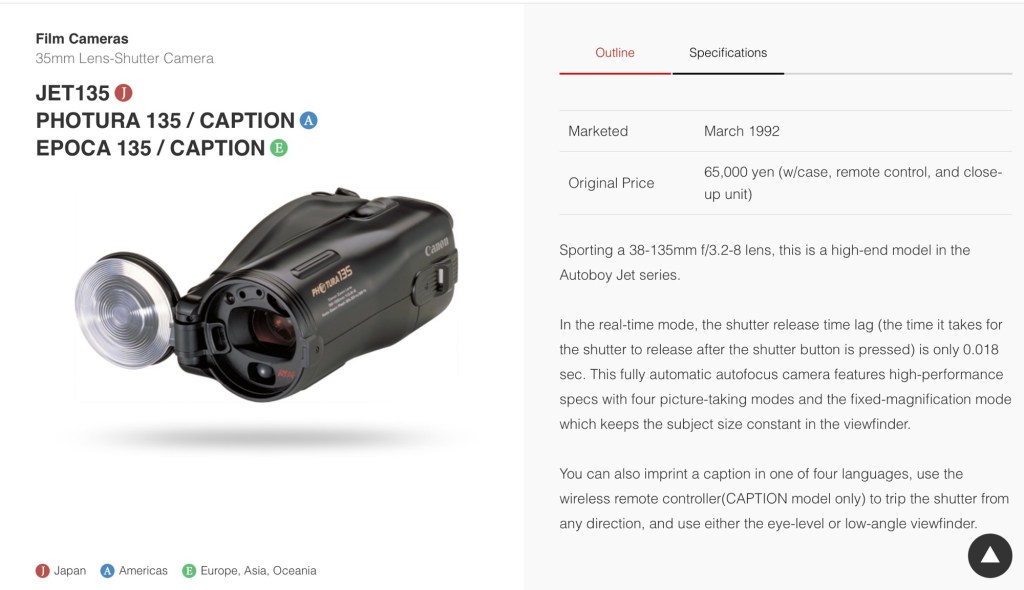
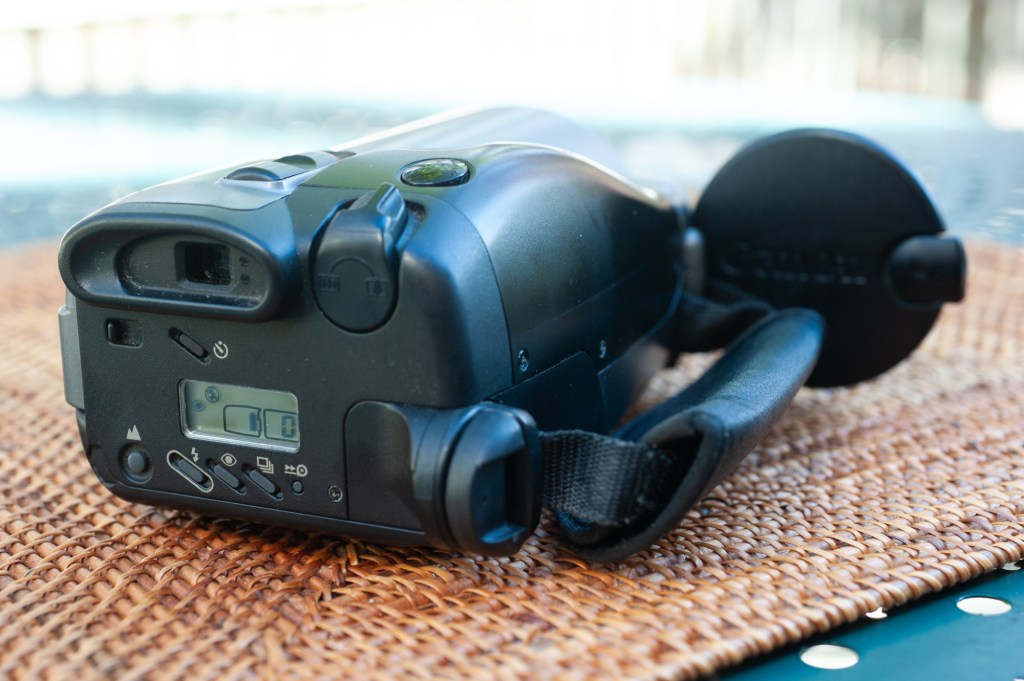
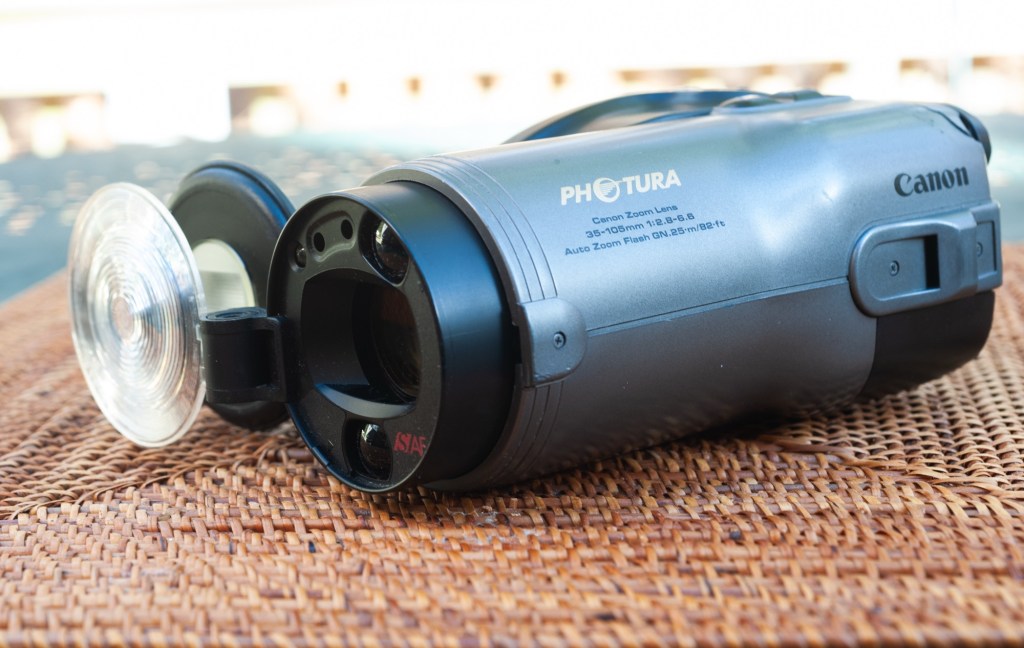
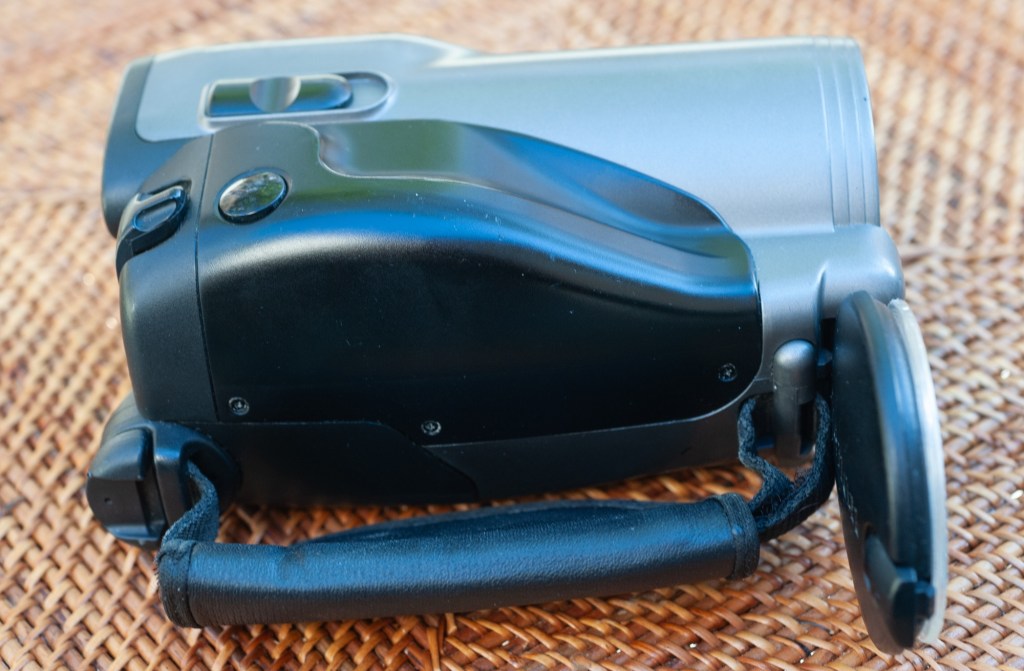
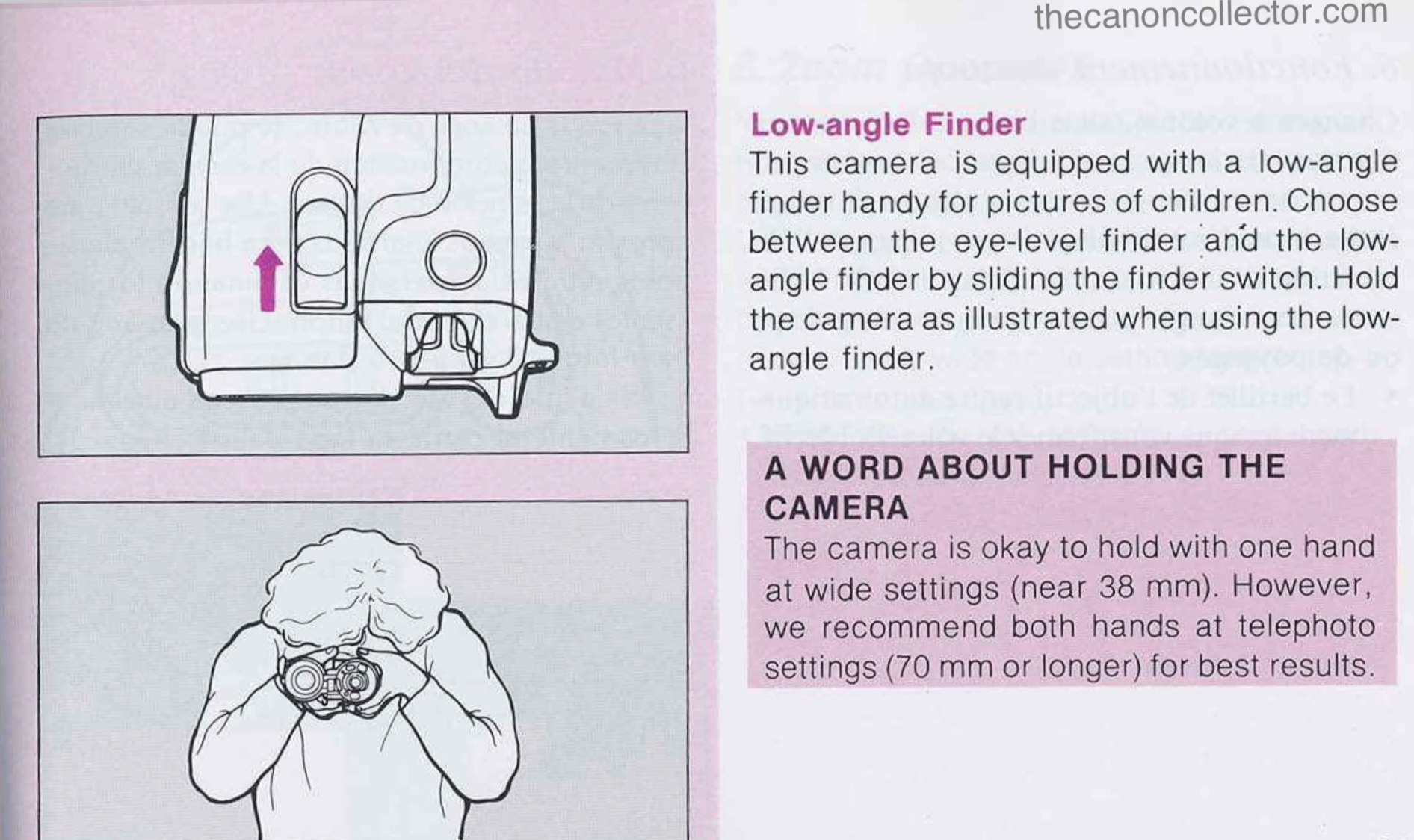
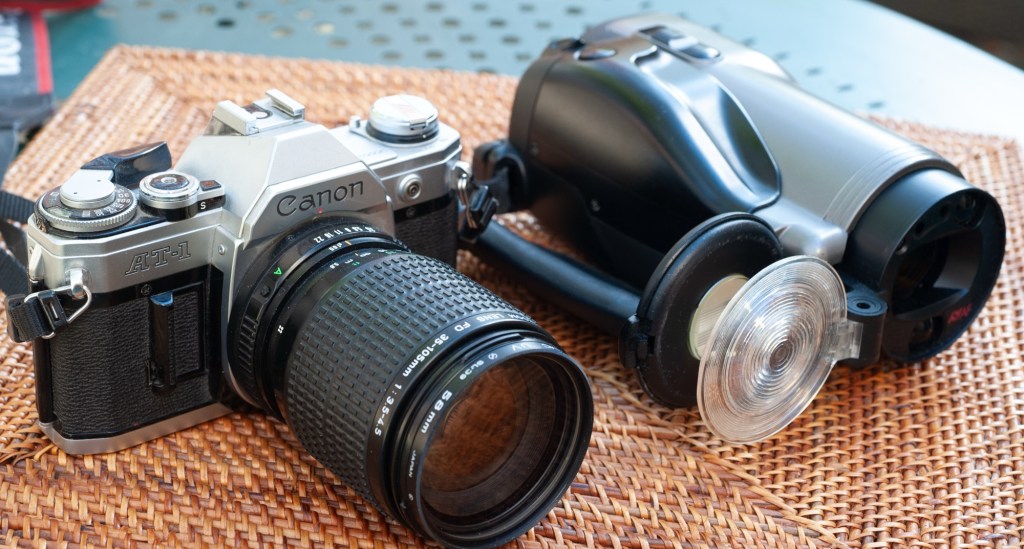
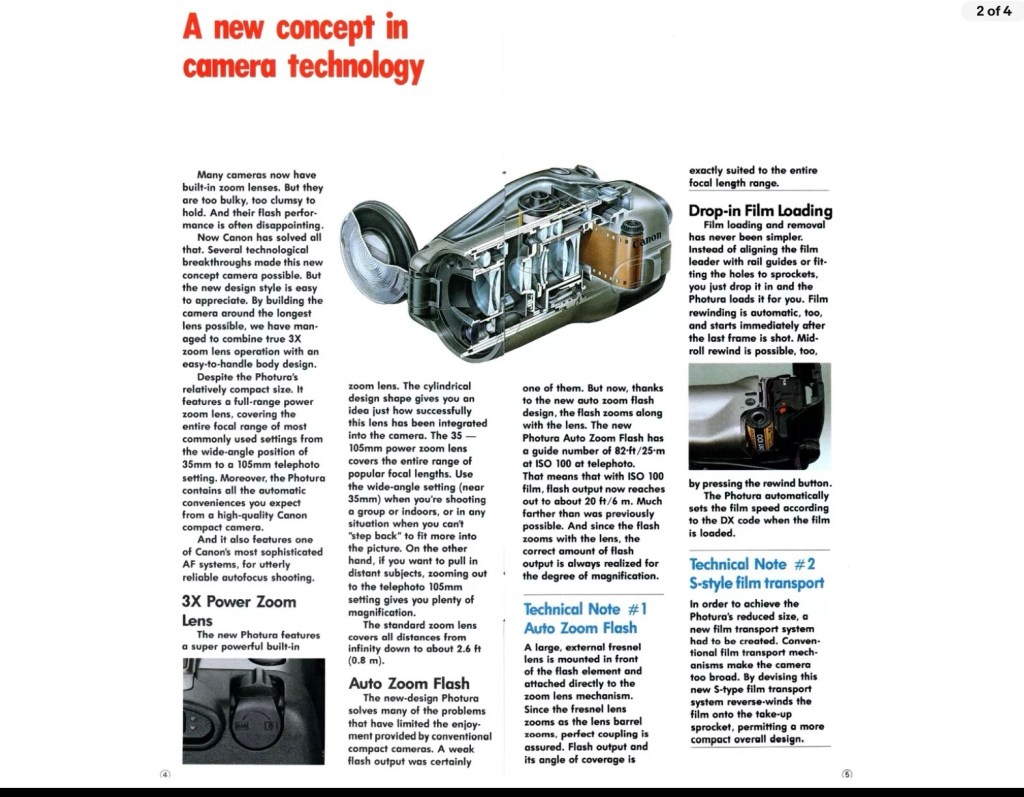
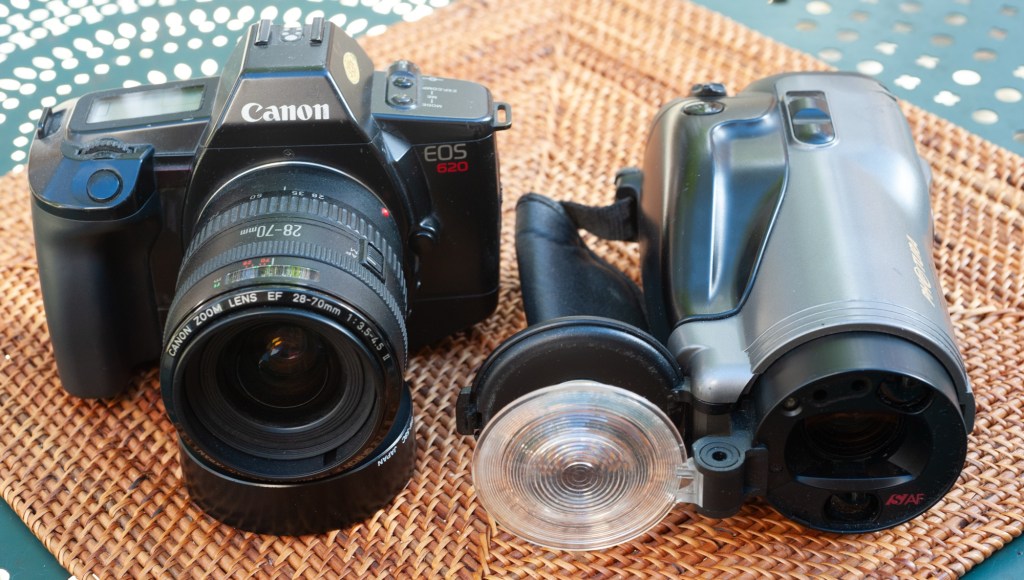
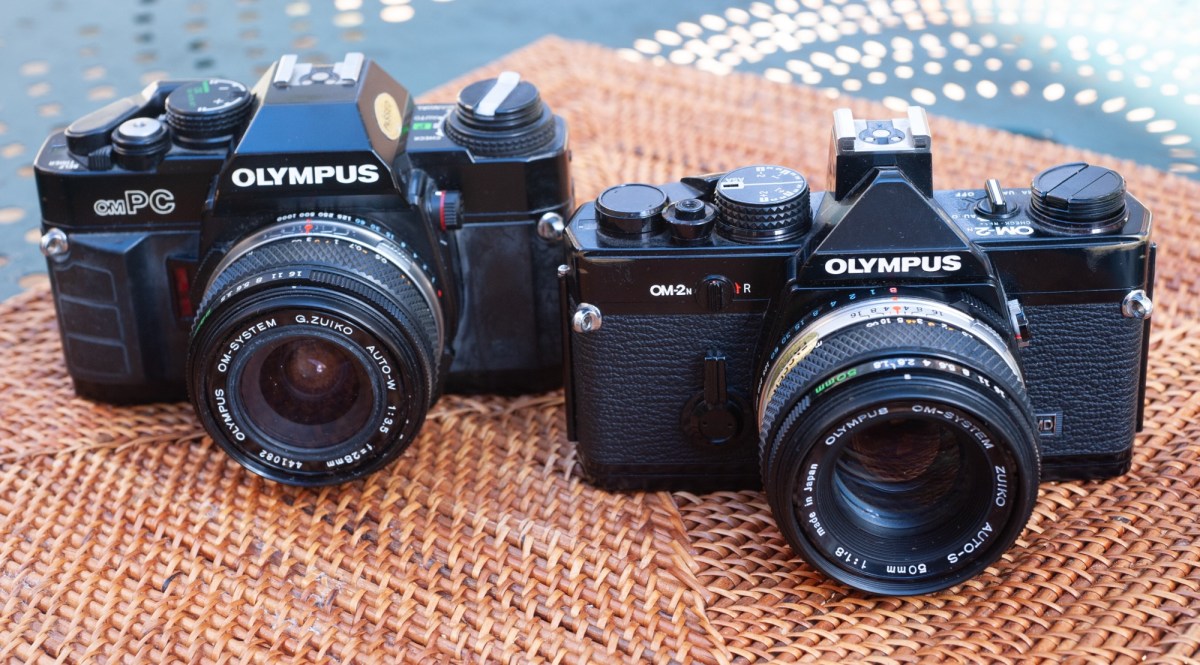

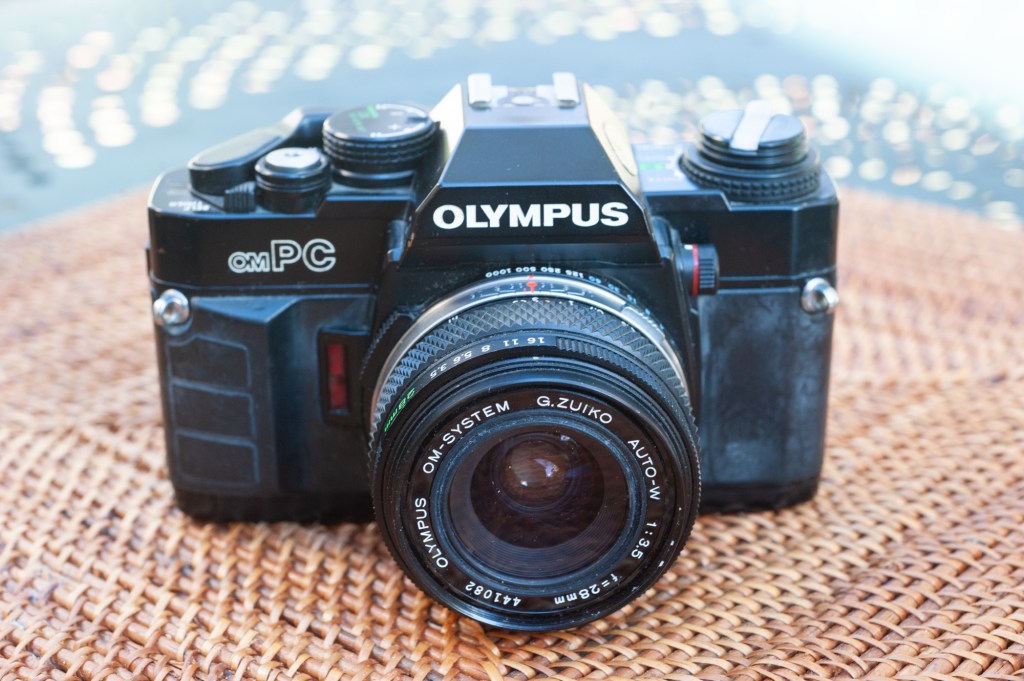

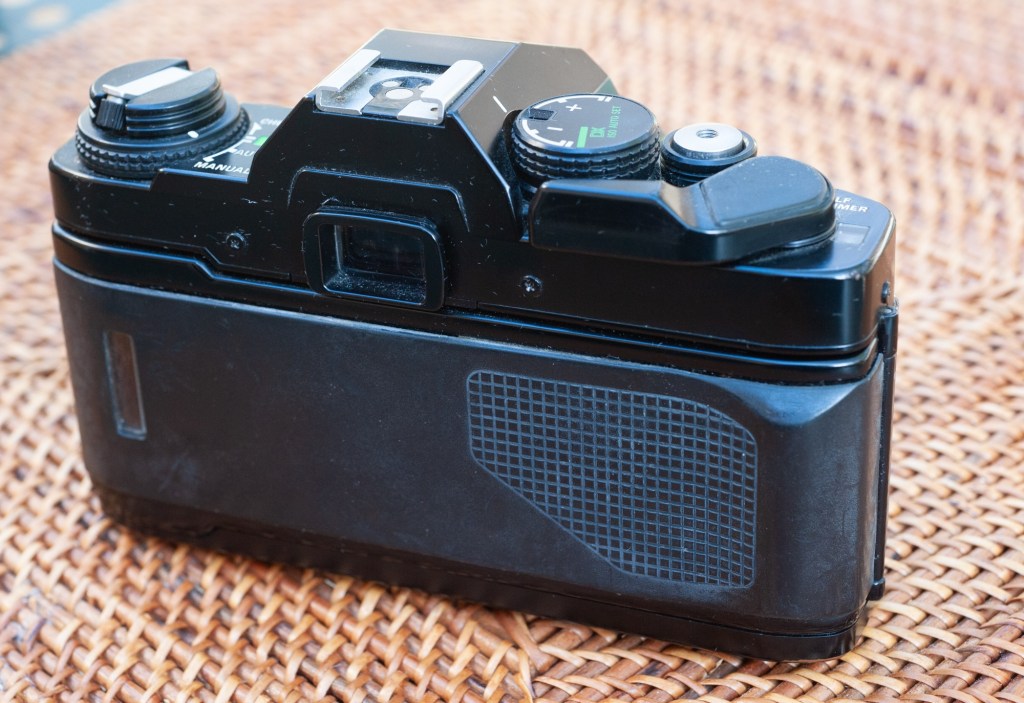

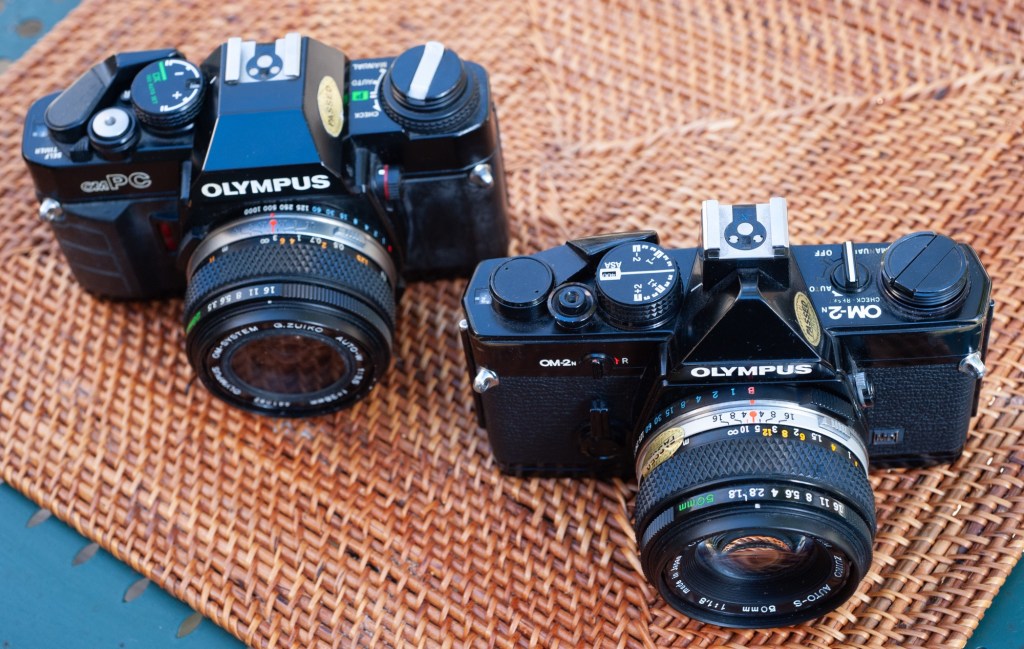

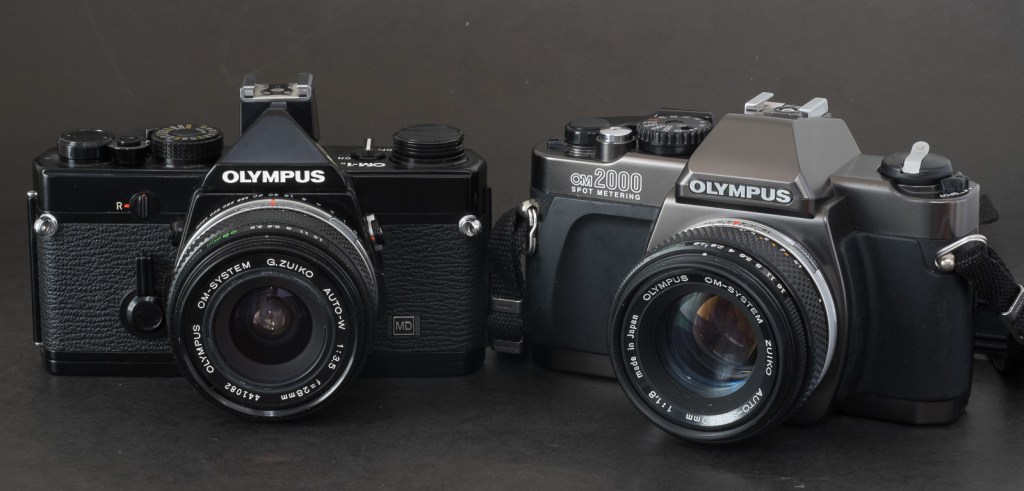


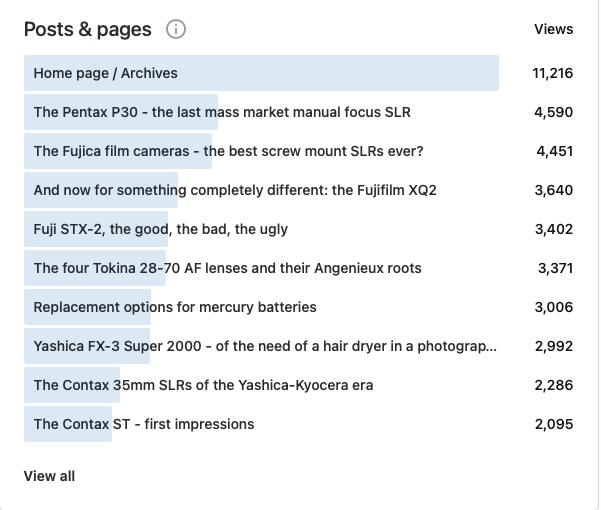

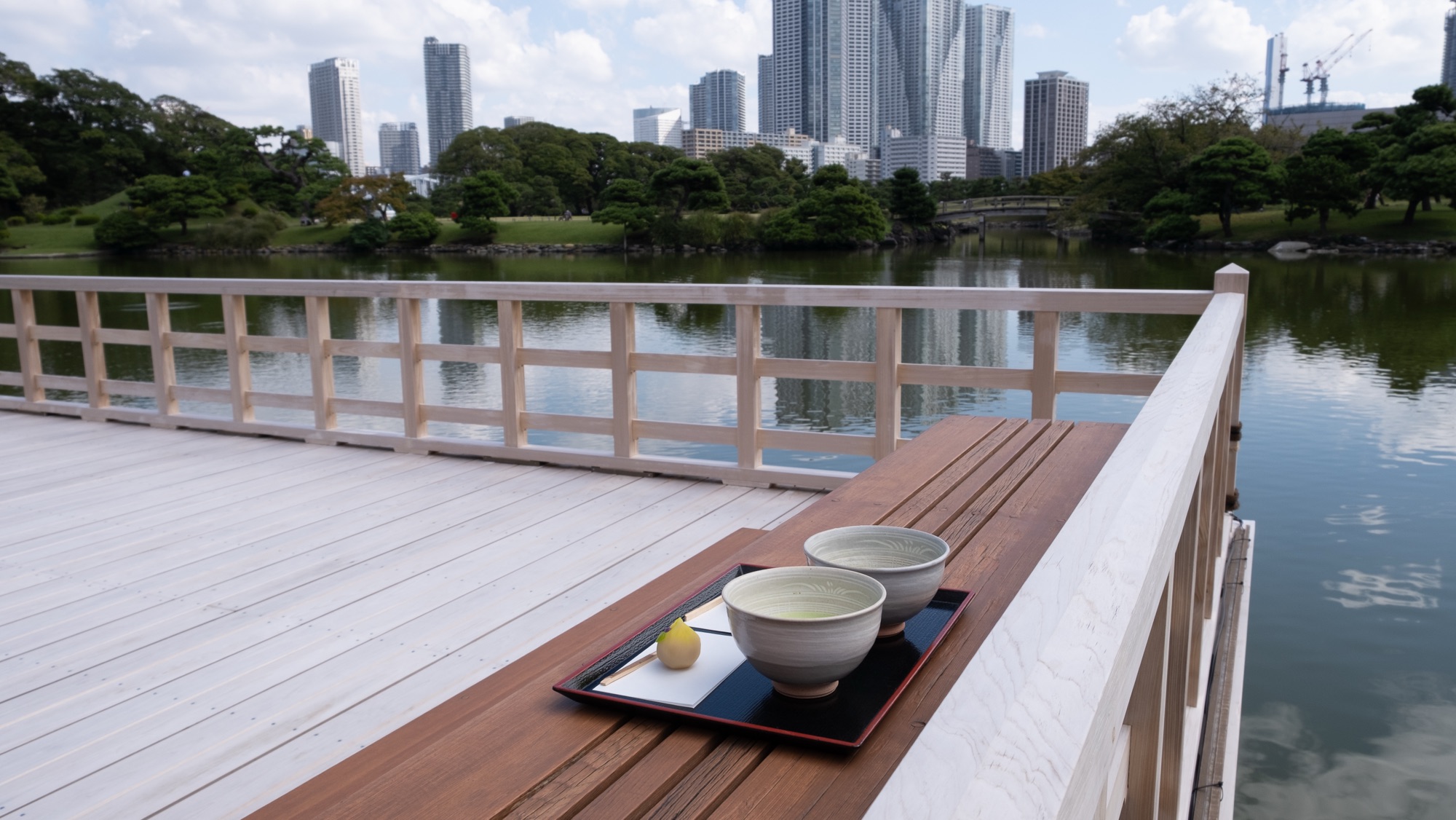
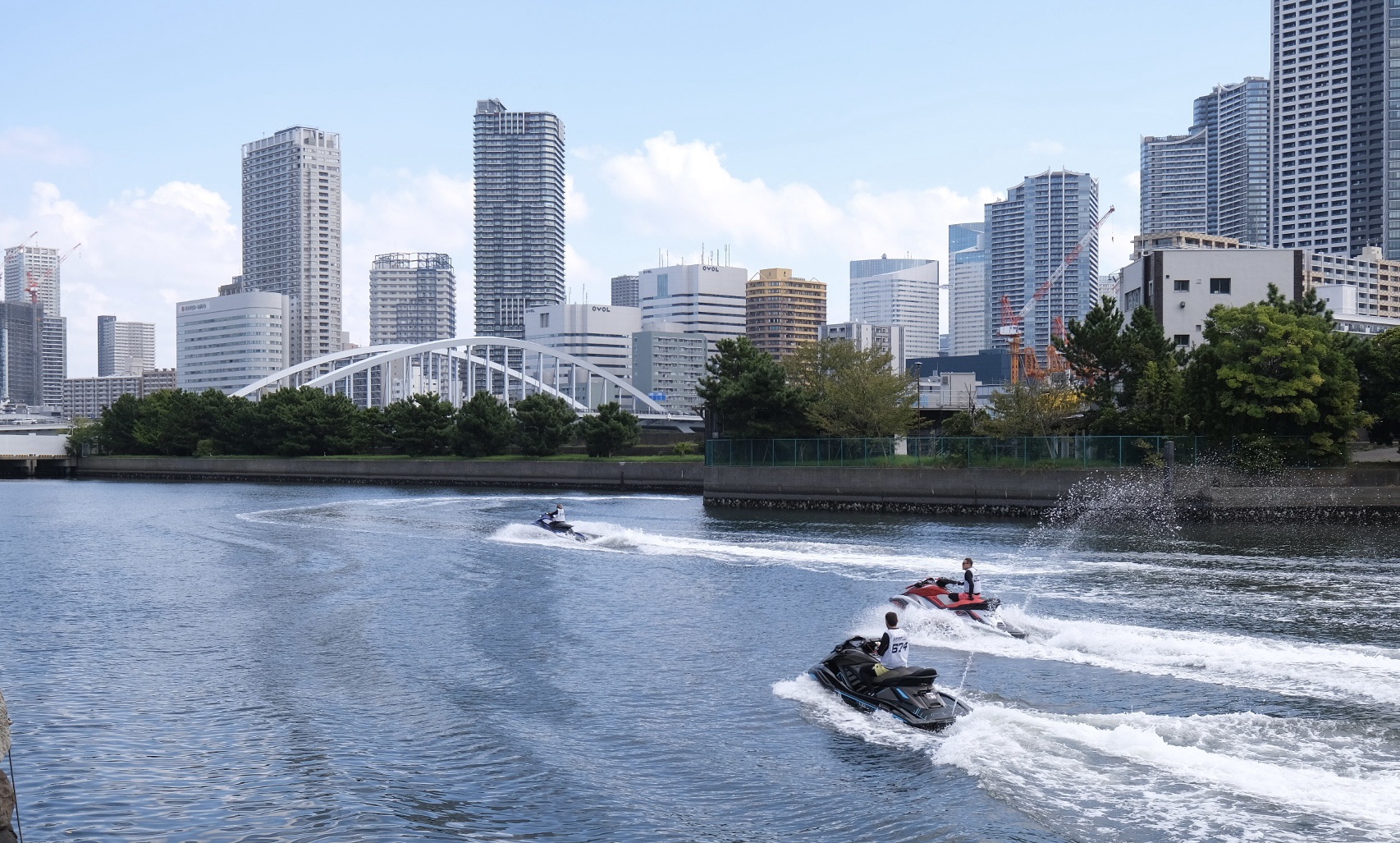

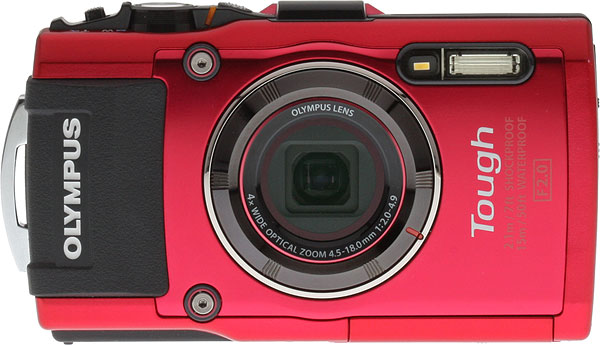










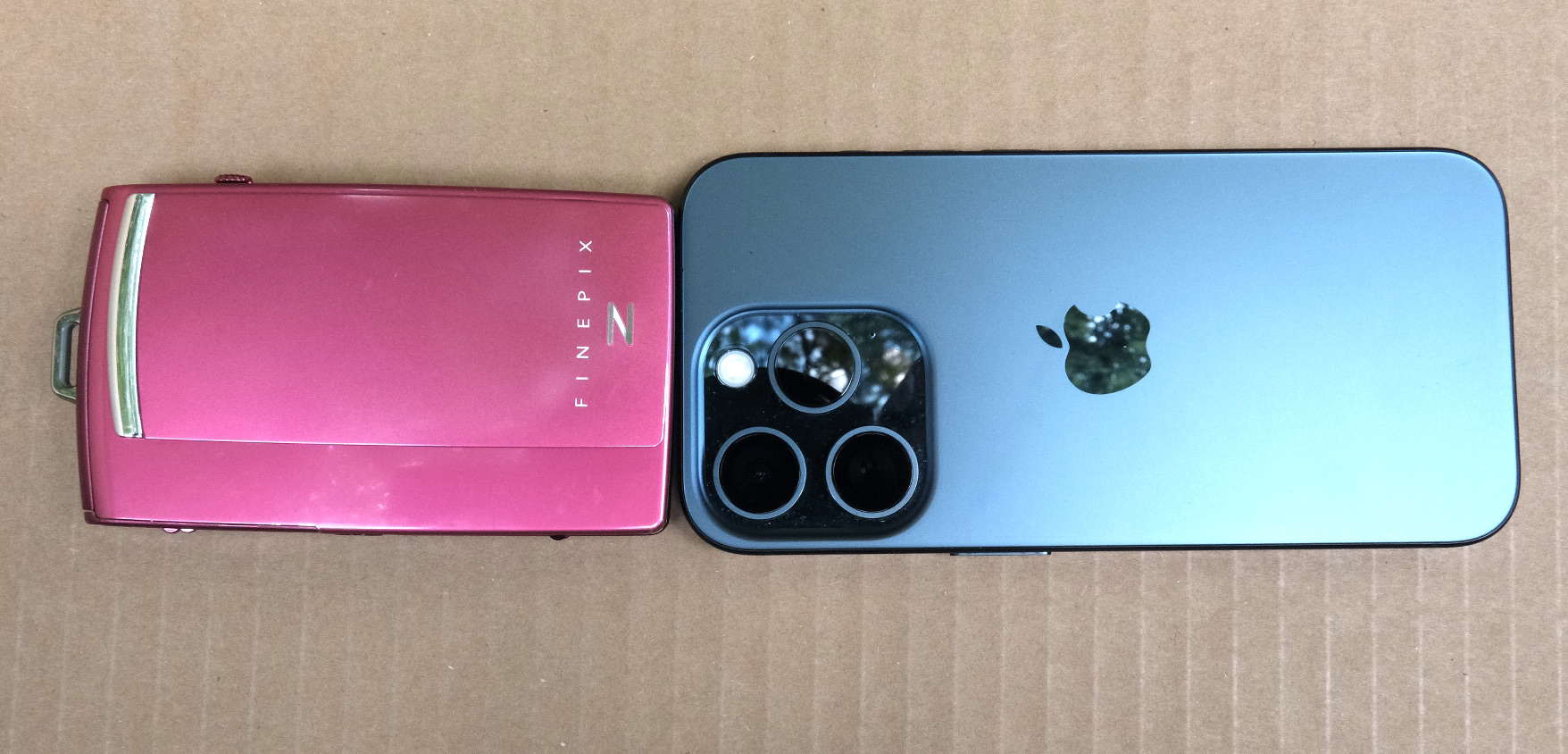



 CamerAgX - a new life for old gear