I just devoted two successive blog entries to the Pentax KP in the last two months. It’s my go-to camera at the moment, and I was wondering why I was neglecting my more modern mirrorless camera for an older dSLR.
I have a small set of very good Fujinon XF lenses and a mirrorless camera – a Fujifilm X-T4, that when properly set up, will deliver great pictures. The X-T4 is the camera I have with me on “important” occasions, when I know the result matters and I won’t have a second chance. And when traveling with the family because they won’t let me spend 20 minutes on a single picture, and I know the X-T4 will capture very good images, quickly.
But when there is no particular pressure to deliver, when I have the time to carefully compose the image and finesse the settings, I tend to use a single lens reflex camera. And I was wondering why.
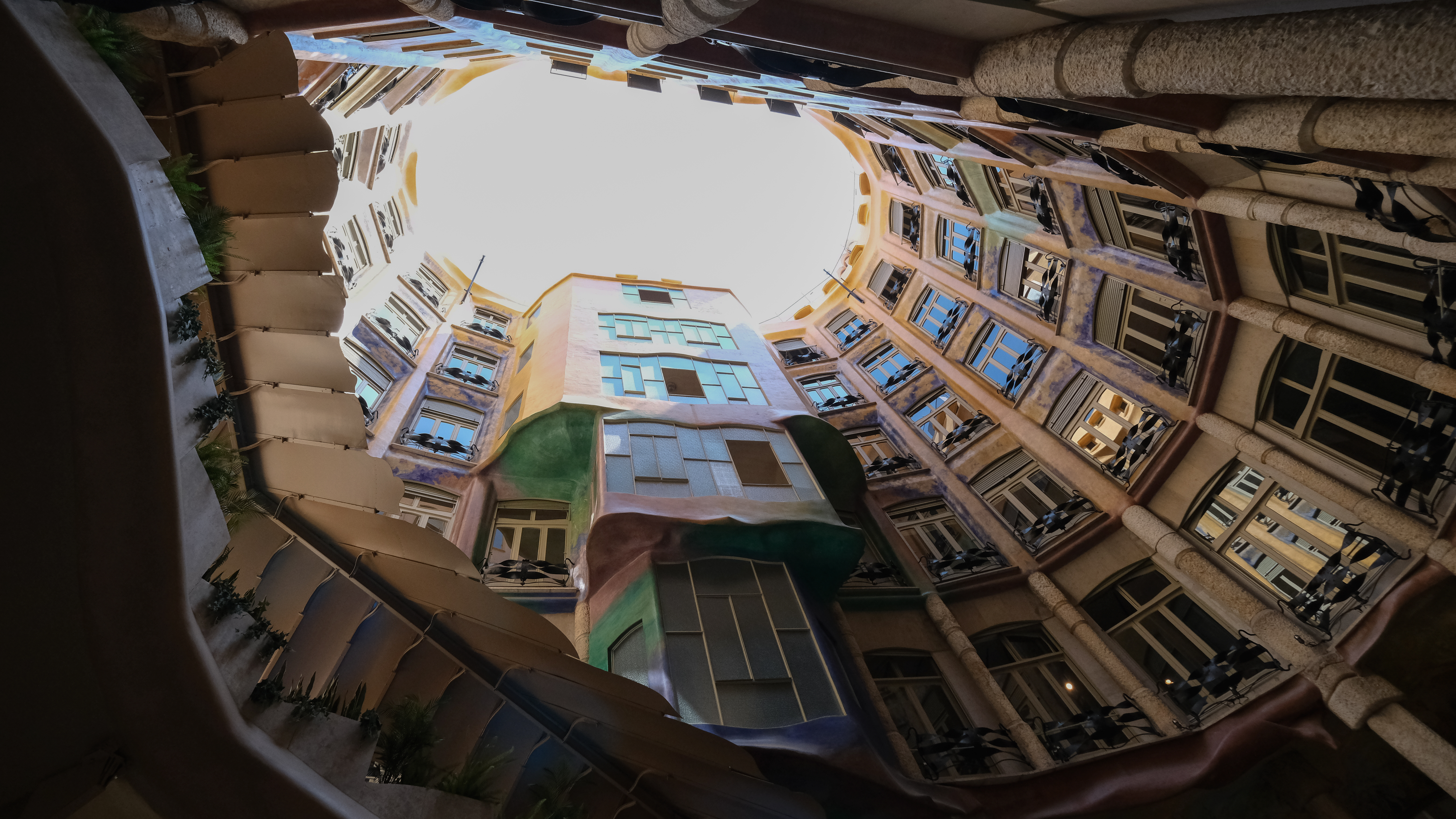
Casa Milo – Barcelona – Fujifilm X-T4 – Fujinon 10-24mm f/4 XF lens (electronic viewfinder)
I guess that when I’m watching the scene through an optical viewfinder, it is easier for me to mentally project the final photograph. Through an optical viewfinder, I’m looking at the scene itself, unmediated by processing, and my brain actively completes the image, interpreting light, contrast, depth, and intent. Because I am looking directly at the scene, my brain remains responsible for transforming reality into an image.
The focusing screen does not dictate the outcome; it leaves space for intention, anticipation, and interpretation. I imagine the photograph before it exists, and I will work with the settings of the camera and shoot again and again until I’m pretty confident that I have captured the image I originally had in mind.
An electronic viewfinder, on the other hand, replaces mental projection with visual confirmation. The LCD shows me what the camera thinks the picture should look like, already interpreted — shaped by the camera’s exposure simulation, tone curves, and color rendering. It shifts my role from author to reviewer. Instead of projecting the image mentally, I am reacting to the camera’s preview. The act of imagining gives way to the act of evaluating.
It’s probably a question of habit. Because I had been shooting with single lens reflex cameras for so long, I simply kept on following the same routine when I started using a mirrorless camera – bringing the viewfinder to my eye, and looking at the scene through the lens of the camera until I had a clear idea of the image I wanted to create.
Composing an image through an electronic viewfinder required another approach – I needed to learn how to abstract from the relative information overflow of the EVF, and let my brain define the image I wanted to capture without being limited by what the camera had decided to show me. I’ve had ten years to adjust (and I assume I did), but shooting through an optical viewfinder is still more natural to me.
There are still enough photographers who want to compose their images through an optical viewfinder to keep Leica in business, and for Fujifilm to make a killing with the X-100 and its hybrid viewfinder. And there may even be enough OVFs fans over the world for a trickle of Canon, Nikon and Pentax new dSLRs to keep on coming from the production lines. For the time being.
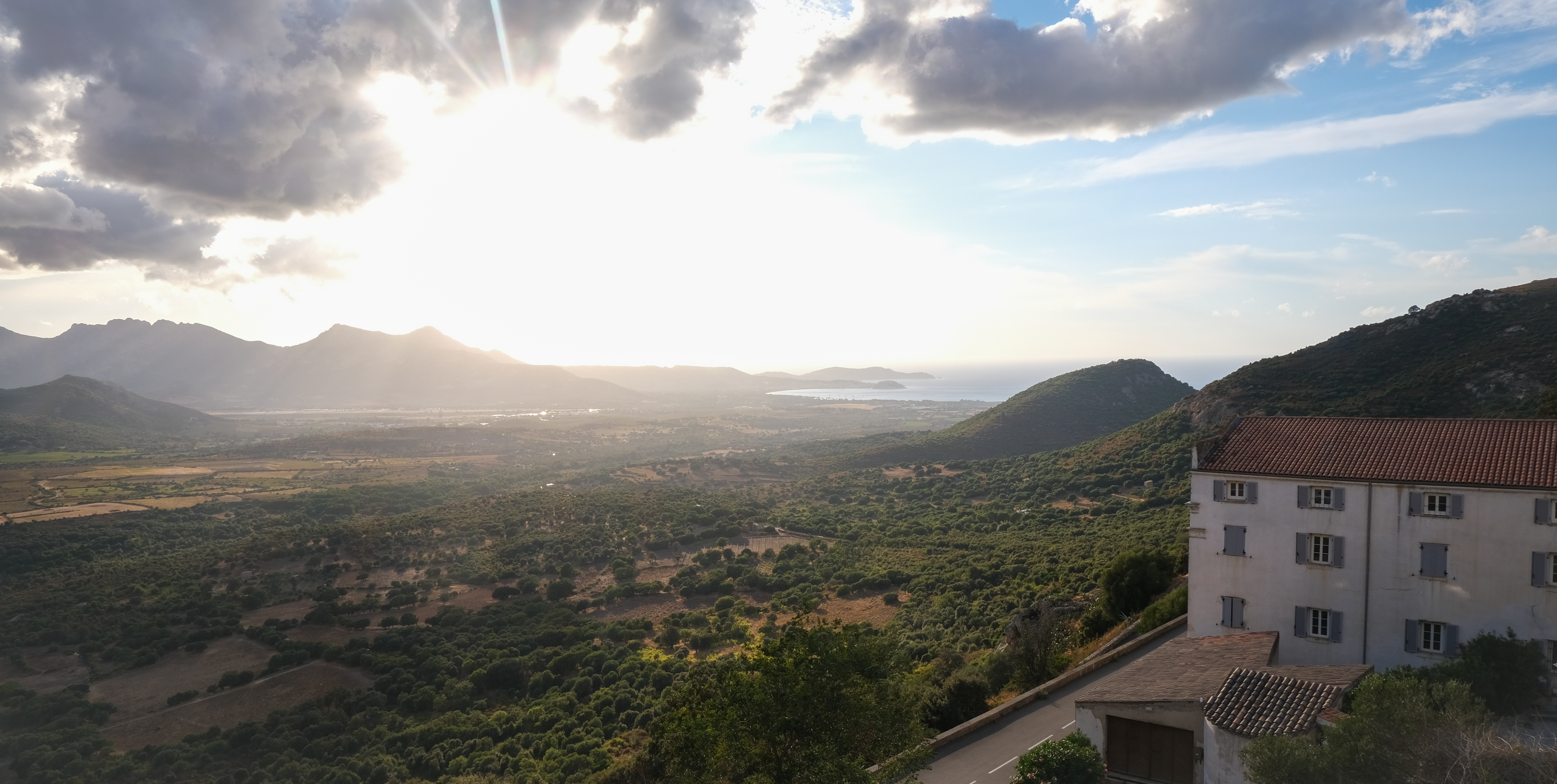
Corsica – view from MonteMaggiore – Fujifilm X-T4 – Fujifilm lens XC 15-45mm – I like contrasty images, and I often compose facing the sun, using its rays to shape the atmosphere and character of the image. It’s much easier to do through an optical viewfinder.
Out of curiosity, among the readers of this blog, am I the only one with a preference for the clear, unmediated view of the scene offered by optical viewfinders?
Providence Canyon State Park, Georgia – Nikon D750. (optical viewfinder)
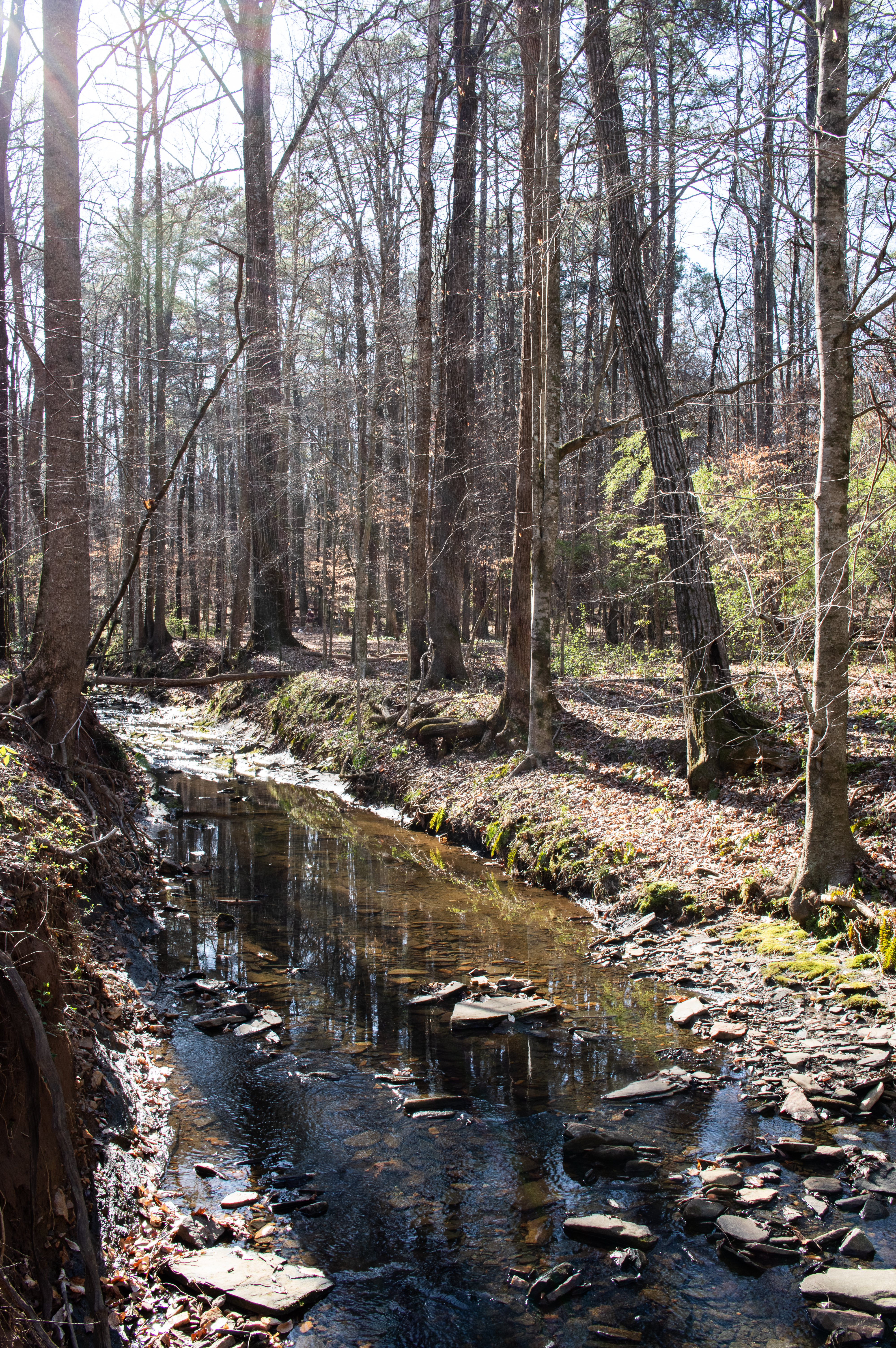
Cochran Shoals, Atlanta – Pentax KP – Pentax DA 21mm Limited.
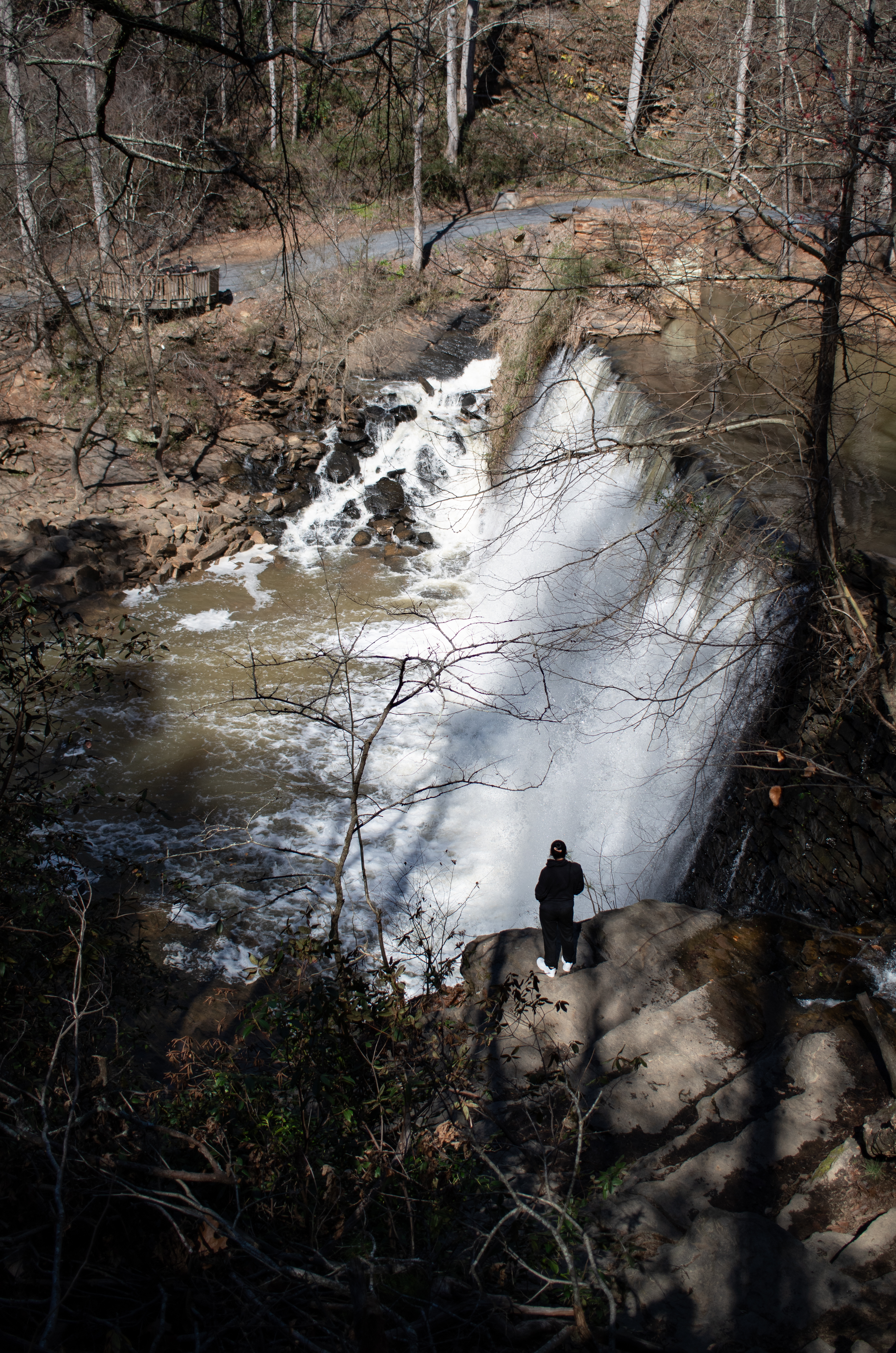
Vickery Creek – Roswell, GA. Pentax KP, Pentax DA 21mm Limited
Ball Ground – GA – inside the “Burger Bus” Pentax KP – Pentax lens 35mm f/2.8 Limited (optical viewfinder)
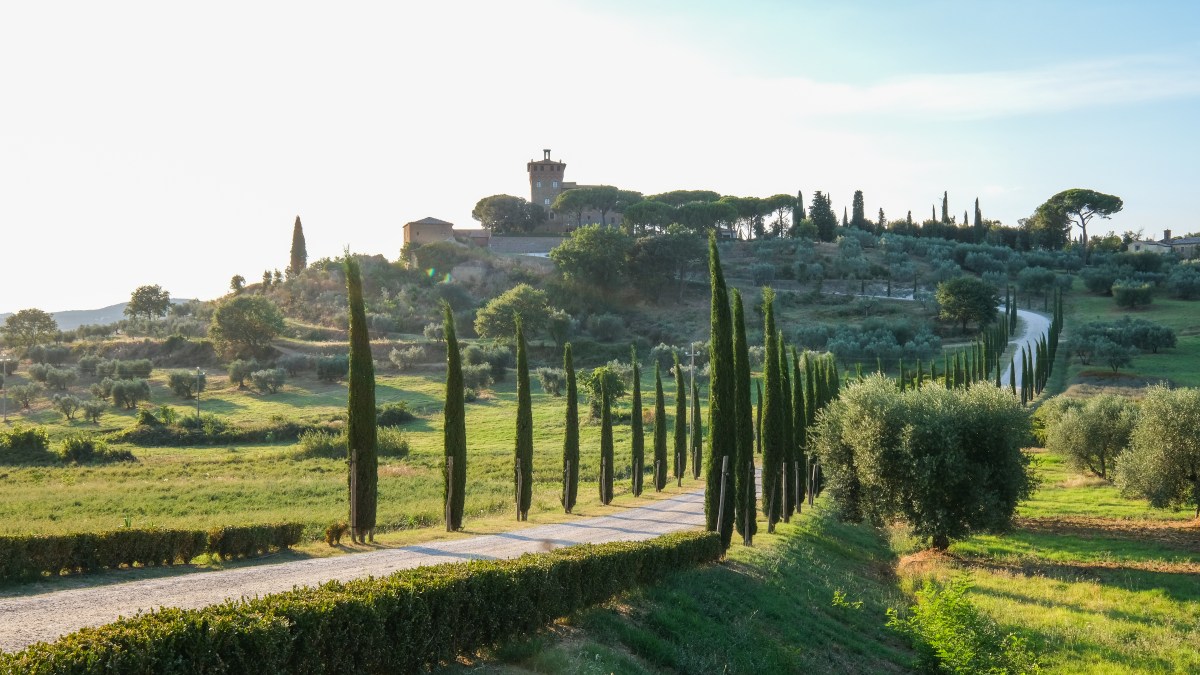
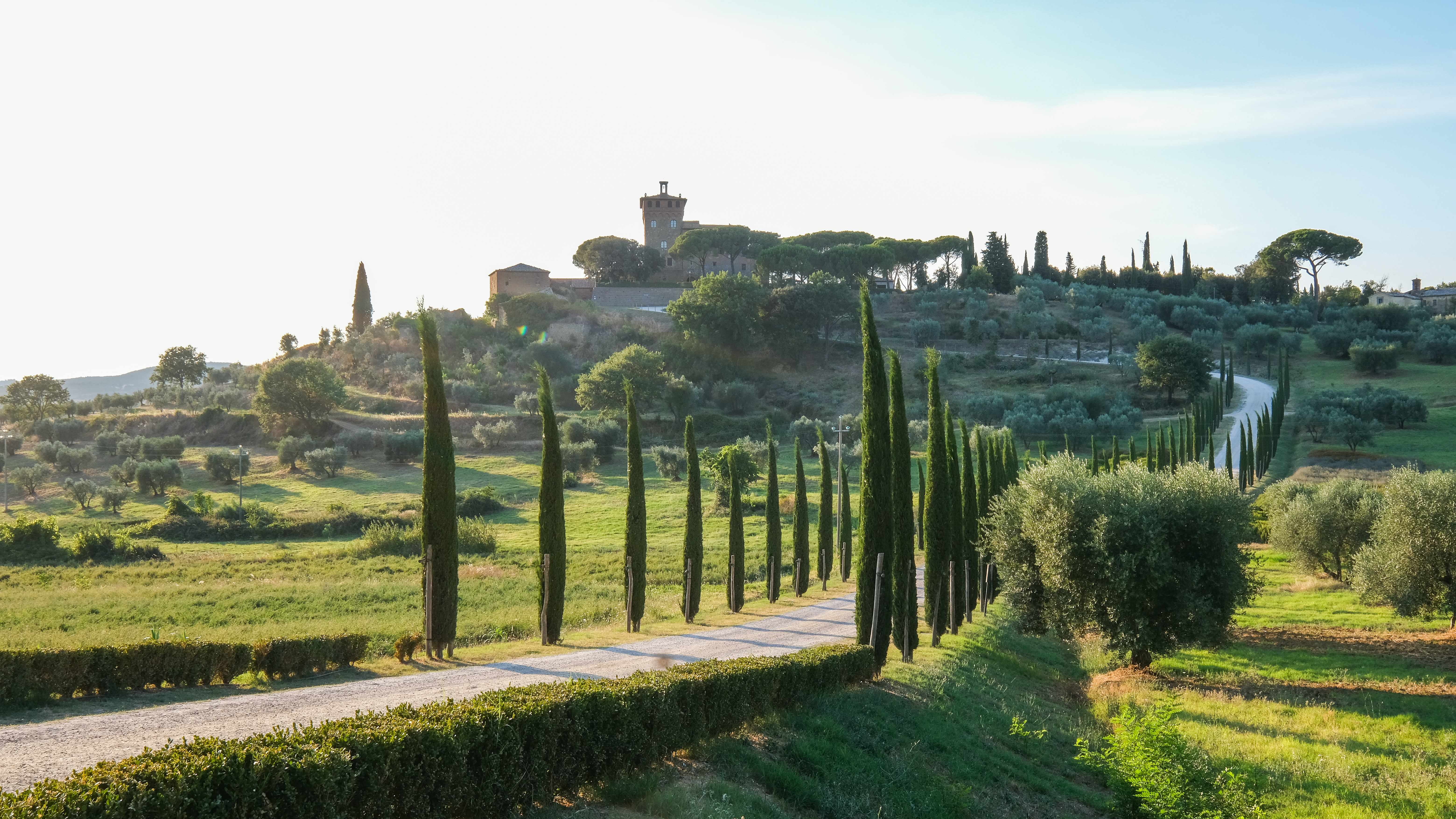
Driving around Montepulciano, in Tuscany – Fujifilm X-T4- Fujinon lens XF 10-24 F/4 ((electronic viewfinder)
Flickr is a 20 year old photo hosting and sharing on-line service, functioning as a community for photographers. It is the home to approximately 110 million photographers, 55 million of them being regular users. I had been a Flickr early adopter back in the days, but had let my account go stale a long time ago (I felt that Flickr had lost their way after being acquired by a succession of poor suitors). The current owner of Flickr seems to have done a decent job at making it relevant again. I opened a new account in February and have been posting one or two images a day since then.
In the world of social media, Flickr is different:
Although Flickr offers free accounts, it only lets you post a maximum of 1,000 images for free, and I assume that most serious users pay for the so-called “Pro” subscription. The “Pro” subscribers are spared the ads that the “free” users have to endure.
Flickr offers very little for photographers who would like to directly monetize their images (or anything else for that matter) – Pro subscribers can include links to external (commercial) websites in the description of their images (the URL of their own storefront, for instance) but to a large extend Flickr is a commerce-free zone.
Lastly, even if there is a curated “Explore feed” (a gallery of photos which is regularly refreshed by an algorithm), Flickr subscribers are directed by default to their own “Activity feed”. The images which are proposed to you every day in your “activity feed” come exclusively from photographers you follow and groups you have subscribed to. As a Flickr user, you don’t feel you’re a captive audience; you have much more control on what reaches your “feed” than the average Facebook or Instagram user.
Financed to a large extent by the subscriptions of its “Pro” members, offering very few opportunities of monetization, and only marginally driven by algorithms, Flickr is a bad place for marketers, influencers, advertisers and click-bait hunters, which is pretty refreshing in the world of social media today.
I did not have a tele-photo lens I could mount on my Fujifilm mirrorless camera, so I brought an old Tamron Adaptall lens back in service, and mounted it on a Nikon D700. My highest view count on Flickr.US Grand Prix 2022, Austin, TX
How is Flickr measuring your audience: views and favorites
As a member of Flickr, you can not only look at the pictures posted by fellow photographers, but you are encouraged to also submit your own. Your contributions will be added to the “activity feed” of your followers, and, if you have submitted your image to a “group”, to the “activity feed” of all the members of that group. If they’re active on Flickr that day, there is a chance they will “view” the image you’ve posted.
Flickr do not encourage competition and won’t publish an official ranking of photographers, but, as a “Pro” member of Flickr, you are offered some statistics about your own audience, over a specific day, over a week, a month, or over the life of your account.
Flickr – the daily stats – here, the views
“Views” are a very flattering metric – is counted as a “view” any download of a specific image, irrespective of the time spent looking at it by the “viewer”.
Whether the image is closely examined by a fellow photographer interested in your creation process, or just browsed in one tenth of a second by a distracted scroller does not matter – “Views” are simply a reflection of the number of file downloads to the browser or the app of all end users.
The size of the image is not taken into consideration either: a thumbnail included in an email sent by Flickr to a distribution list will also count as a “View”, as long as the email has been opened.
In such an environment, a photographer with a large number of active followers will necessarily get more “Views” than another one with a smaller (or less engaged) follower population. And an image submitted to a multitude of groups will also have more chances to be “viewed” (that’s where an algorithm kicks in to prevent photographers from gaming the system by submitting a picture to hundreds of groups).
Flickr – the images with the most views
“Favorites”, on the other hand, counts the number of “Likes” a picture receives – it’s a humbling figure – an image can be viewed thousands of times (if submitted in enough active groups by a popular photographer), but only collect a few likes, or none at all.
I take pictures for pleasure, but I’m nonetheless interested in the feed-back of my peers – being able to see what clicks and what does not is one of the reasons to join a photographer community such as Flickr.
What makes an image “popular”? The subject and the groups to which the image is submitted are important, obviously, but does the equipment itself play a role? In other words, will my fellow photographers favor pictures taken with modern or expensive cameras, considering that they don’t know upfront what type of equipment was used? Is there a camera or a class of cameras that will harvest the most views and the most likes?
Ranked #1 in “Favorites” (tied with three other pictures) – Pinup, a French Bulldog Photo taken in 2005 with a Pentax *ist DS and its 18-55 kit lens.
Ranking by Views
I like to shoot with a bit of everything (like old cameras I buy on eBay or Shopgoodwill), but I have always had a recent “serious camera” for the important occasions, currently it’s a Fujifilm X-T4. Before the X-T4, I was shooting with a X-T1, and before that with a Nikon D80, which had replaced a Pentax *ist DS. I also shoot with a Nikon D700 from time to time (when I want to play with old Nikkor lenses), and with film cameras when I feel like it.
Now, the rankings…
Ranking by Views – the camera used to take my 10 most viewed pictures:
Image #1: shot with a Nikon D700
Image #2: shot with a Nikon D700
Image #3: shot with a Nikon D700
Image #4: shot with a Nikon D80
Image #5: shot with a Nikon D80
Image #6: shot with a Nikon D80
Image #7: shot with a Nikon D700
Image #8: shot with a Nikon D80
Image #9: shot with a Nikon D80
Image #10: shot with a Nikon D80
Surprising – it makes you wonder if I really needed to spend all that money upgrading to Fujifilm mirrorless cameras and lenses…
Views are a function of your number of followers, and to a certain extent to the groups you publish the picture to. If you publish an image to the “Nikon D700” or “Nikon D80″ group, you will reach more committed enthusiasts ready to look at images taken with the camera they love, than if you publish it to…”Industrial ruins of the Rust Belt” – and the view count will reflect that. Of course the subject matters – I had brought the D700 to a Formula One Grand Prix and to a trip to Istanbul, and I had spent a few weeks in Venice and Marrakech with the D80 – a glamorous sport and three exceptional cities are definitely attracting lots of viewers.
Ranked #1 (it was a tie) for favorites, and #3 for views – Venice, on Dec 25th 2010 – Shot with a Nikon D80 and a Sigma 18-125 lens.
Ranking by “Favorite” (top 10)
But the ranking of the number of “Favorites” shows a different … picture.
Images with the most favorites:
Tied for Rank #1, Image #1: shot with a Pentax *ist DS, Image #2: shot with a Nikon D80, Image #3: shot with a Nikon FE2 on color Film and Image #4: shot with a Holga on color film
then, tied for Rank #5, an image taken with a Canon Photura loaded with Ilford B&W film, another taken with an iPhone 15 Pro, an image shot with the Fujifilm X-T1, another by a Pentax K5 Mk2, a snapshot from a Nikon F3 loaded with B&W film, and last but not least a picture taken with the Fujifilm X-T4. All get the same number of “favorites”.
Film or digital, Nikon, Pentax or Fujifilm, recent or old, none of this seems to matter. A picture taken with a “Holga” ranks #1, while a photo taken by a very good “modern” dSLR (a Nikon D750 that I used for a few weeks) is #27. And the Nikon D700, which attracted so many viewers, could only convince very few of them to tag its images as “favorites” (its most favored image ranks at #63).
In a way, it is comforting. At least for an amateur photographer like me, gear does not matter that much. Or let’s say, the absolute performance of the camera – as measured in tests and discussed ad nauseam on Youtube or in specialized forums – is not that important.
I like it, but it ranked low in views and likes – Petra, Jordan – June 2018 – Fujifilm X-T1
If the camera does not really matter as far as the Flickr Views and Favorites are concerned, what does?
The subject? The user base of Flickr and the groups are so diverse that there is no specific subject that automatically brings views or favorites, like the videos of kittens on other social media platforms. No magic bullet to expect here.
Technically, and to a certain extent, the views and the favorites are dependent on how many people are scrolling their activity feed that day – you can have a superb picture and not garner many views or favorites, and because you’ve posted it on a slow day, or at the wrong time of day, or in groups with low or inconsistent attendance, it won’t have the viewers it deserves. You only learn with experience.
But then, assuming experienced Flickr users all have their personal little tricks to optimize their audience, what really makes the difference?
If you look at Flickr’s “Explore feed” and at what the photographers you follow are regularly posting in your “Activity Feed”, there are some really stunning images. Not necessarily perfect, technically. But different. Original, reflecting the vision and the personality of the photographer who created them. They make you stop, look at them, and say “wow!”
Invariably, these stunning images get lots of “Views” and lots of “Favorites”.
Because ultimately, it’s the eye and the heart of the photographer that make the difference.
Happy Thanksgiving.
Pictures taken with a modern camera get some love, too. Tied for #5 on the favorites ranking, this picture taken in Piedmont Park, Atlanta with a Fujifilm X-T4 and a 55-230mm lens.
[The Web standards are constantly evolving, and backwards compatibility does not seem to sit very high in the list of priorities. One day, you find out that your good old laptop can’t render Adobe.com or Apple.com pages anymore, or that modern browsers are making a mess of your old blog entries. Because it had become unreadable I moved the content of this old blog post to my current “Isola” theme in WordPress and I’m republishing it. I did not alter the text – just added comments between brackets when necessary.]
When your good friends learn that you still shoot film, and write about it, they understand they have a unique opportunity to get rid of all the – let’s be polite – worthless photo equipment they don’t use anymore and you end up with Kodak Brownies or Instamatics by the bucketload. And if your brother in law is really facetious, he brings you a brand new Holga from one of his trips in China, and since it’s a Christmas present and everybody in the family is intrigued, you buy film and start using it.
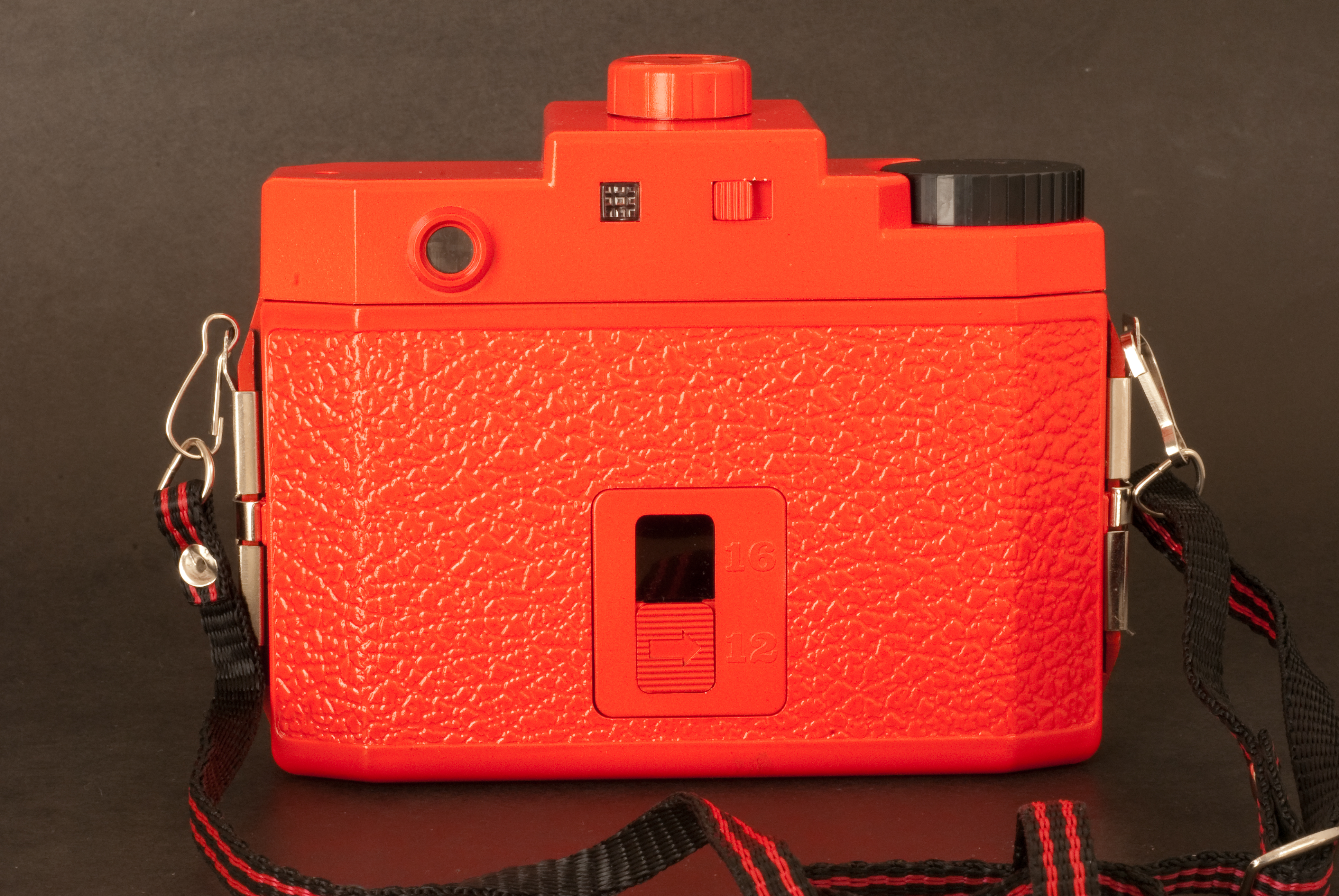
Holga 120 CNF
That particular camera comes in a big orange box with the rest of the “Starter Kit”. Reading the user manual, you get confirmation that the camera is “extremely low tech, and will eventually wear out”. Major design flaws are presented as unique features – the dreaded manual mentions “leaks of light, unvoluntary multiple exposures, loose connection between the film and the take up spool” among the desirable characteristics of the product. Looking for some comfort, you check a little square format book at the bottom of the box. It’s a nice paperback of 192 pages, showing 300 images taken with Holga cameras. Not something Leica or Nikon would be proud of, but interesting pictures nonetheless.
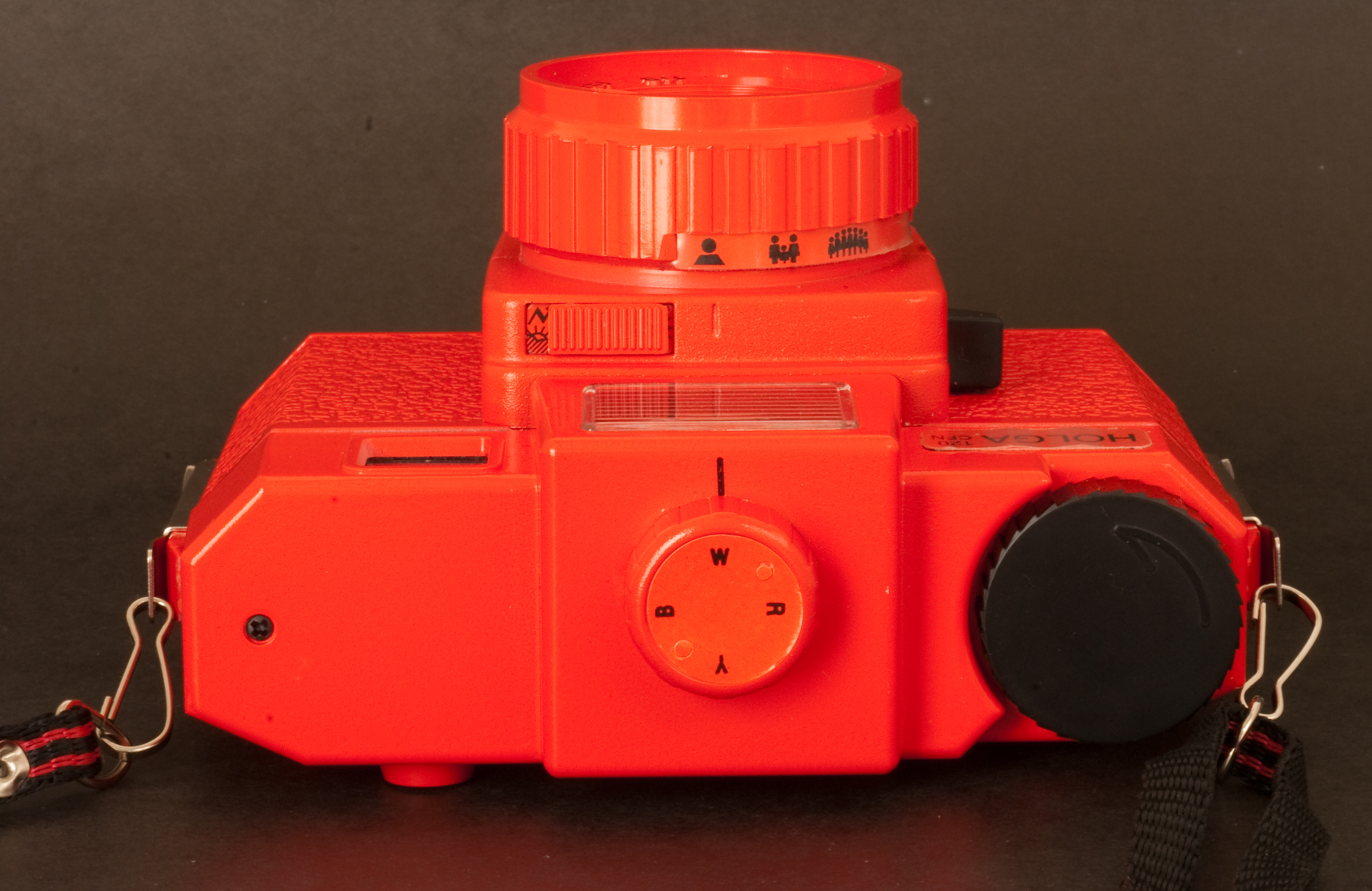
The camera’s design is very basic. It accepts 120 format roll film, has a plastic wide angle lens (60mm, F:8 or F:11) with 4 possible focus settings, and a shutter which offers a unique and unspecified speed. The camera comes with 2 user interchangeable back plates, one will give you 6×6 cm negatives with some vignetting, the other one 6×4.5cm negatives, probably with less vignetting (I don’t know, I only shot with the 6×6 plate). The “CFN” Holgas also come with an electronic flash, equipped with a turret of 4 filters (Red, Blue, Yellow and transparent) for special effects.
Shooting with Holga
The Holga 120 CFN needs 120 film – of course – and since Holgas are supposed to be enjoyed for their shortcomings, color film should be preferred (the plastic lens is prone to chromatic aberrations which would not be visible with black and white film).
Finding color film in 120 rolls proved very difficult. If 35mm film is still easy to find (even in supermarkets or in the little stores attached to many hotels), the same can not be said for 120 roll film. Only stores dedicated to professional photographers still have a few references. I bought a few rolls of Kodak’s Portra 400 NC film. Loading the camera is a difficult task, but in all honesty I’m not used to roll film and I would also have suffered with a more high end camera. [this blog entry was originally written in 2010 – 35mm film is not that easy to find anymore]
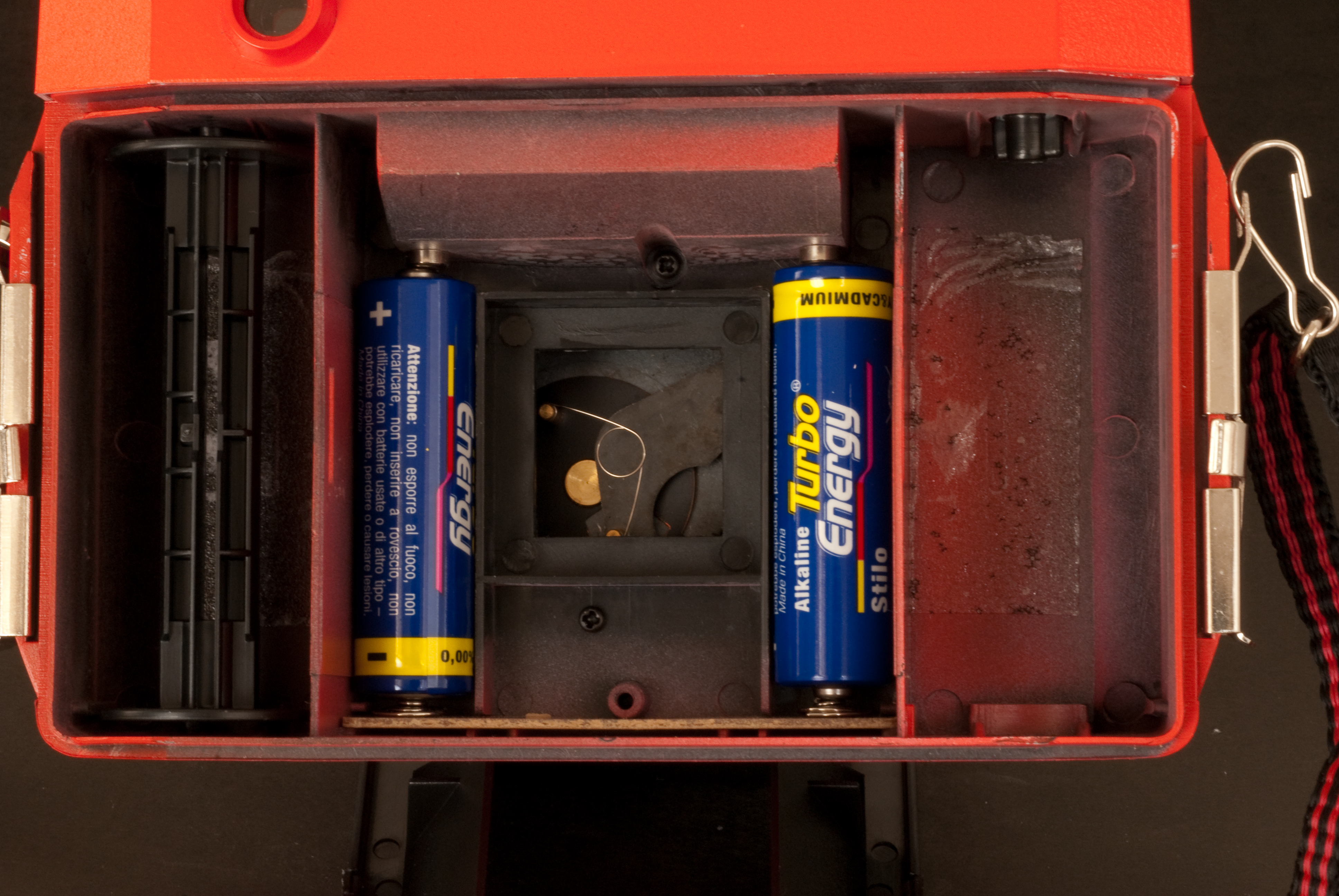
Holga 120 CNF – a view from the shutter (120 film adapter removed) – According to the brochure, you should not expect to transmit it to your grand children.
In the street, the camera attracts lost of attention. People notice the bright red color (Holgas are also available in black, kaki and in a unique blue and yellow combination), and are intrigued by the cheap aspect of the camera. It looks like a toy, and people are surprised to see an adult using it.
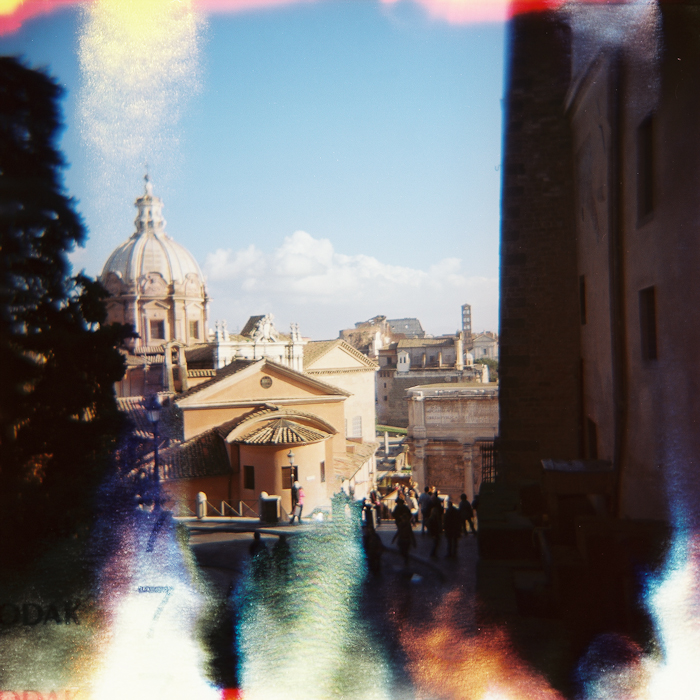
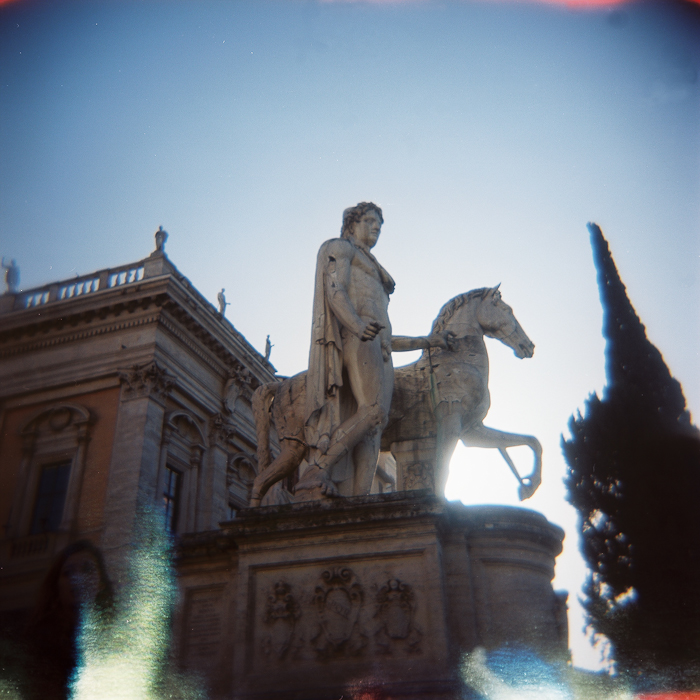
Rome – View of the Curia from the Campidoglio – Holga 120 CFN
The camera has very few controls and is easy to use, with a decent viewfinder and relatively smooth commands, and provides a user experience very similar the “boxes” that Kodak used to sell before the launch of the Instamatic cameras.
The result?
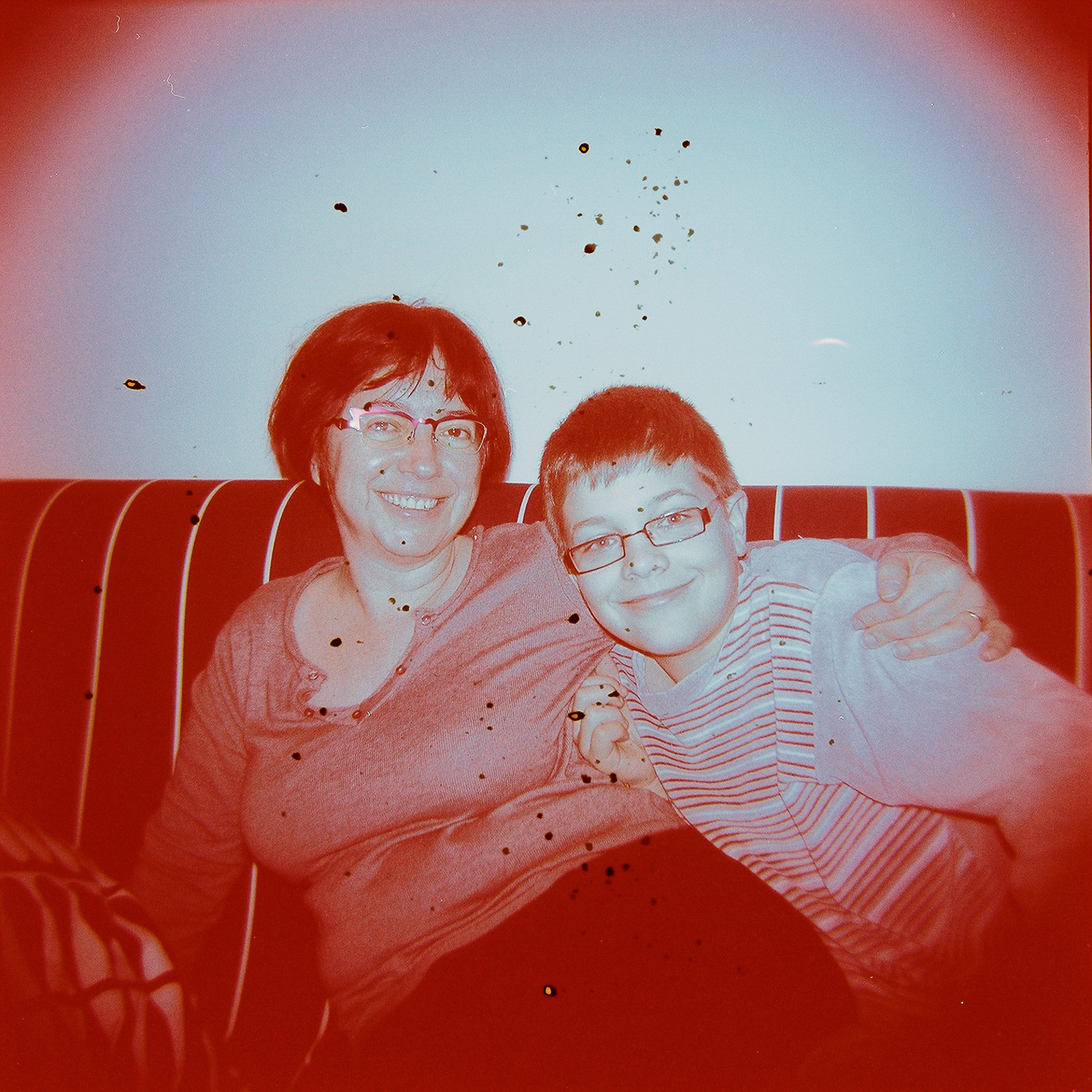
Having the rolls processed proved as difficult as buying the film in the first place. Costco and the proximity drugstores don’t process anything larger than 35mm film, and the rolls had be sent to a professional lab (some of them charge up to $20.00 per roll). When you receive the pictures, you discover the “Holga paradox”: you’re not attracted to the almost “normal” images, but by the most severely flawed. The pictures with the fewer technical faults are just bad (with vignetting and all sorts of aberrations), while some of the images plagued with the worst of the problems (involuntary multiple exposures, light leaks) have a surrealist quality that the most creative of the photographers would struggle to get from a digital picture processed in Photoshop.
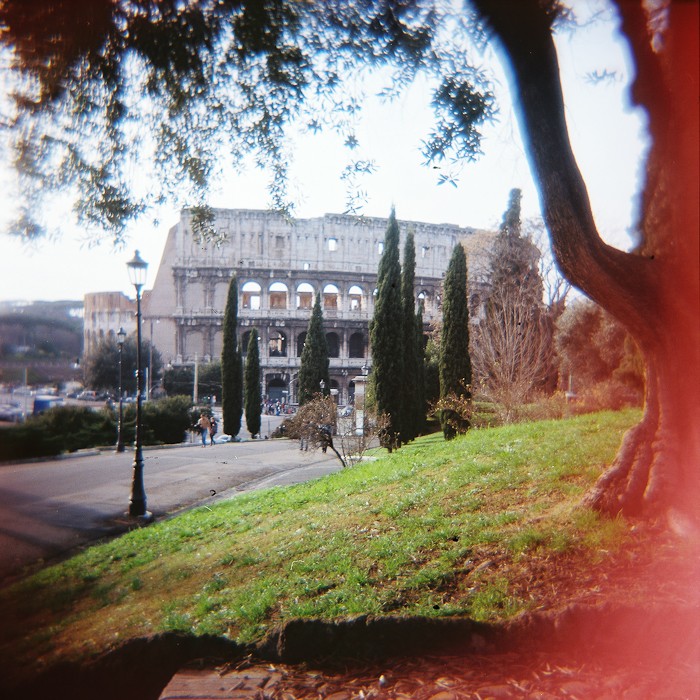
Rome-Coliseum-Holga 120 CFN – This is one of the pictures with the fewest defects.
Holga, what for?
“Normal” photographers are supposed to spend thousands of dollars in the equipment which will help them produce pictures as perfect as possible from a technical point of view – in focus, sharp, with the right exposure, no vignetting, no distortion, and no chromatic aberration.
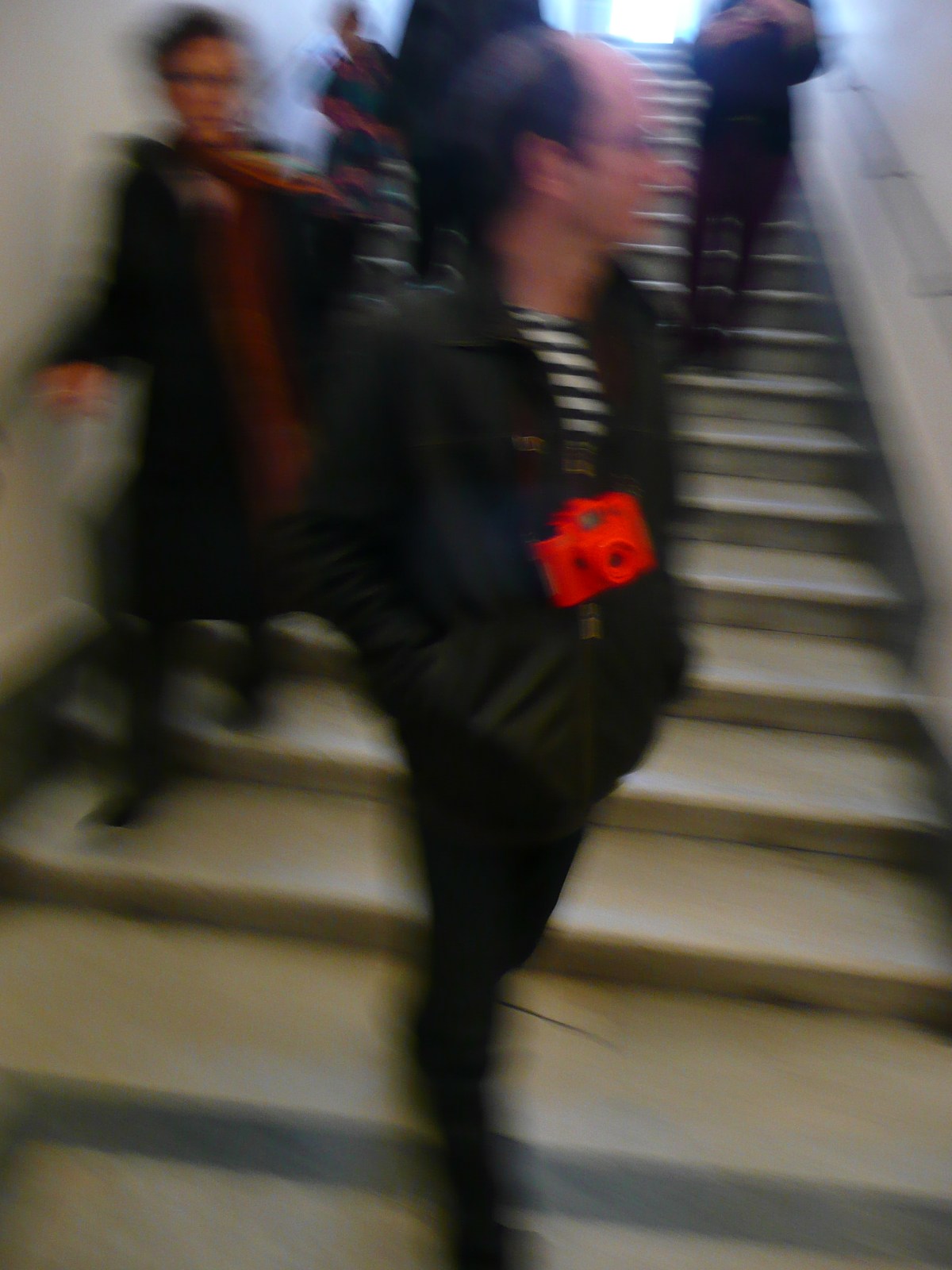
Straight from the Holga – at least the bright red camera attracts smiles
Deviations from the norm of the technically perfect picture are supposed to be voluntary, in order to convey an emotion or a message. They’re not supposed to have been brought randomly by a poorly designed camera.
Holgas don’t follow the rule. They’re not “normal”, and they’re not what “normal” photographers would be looking for. Their results are totally unpredictable. When nothing went really wrong, the results are dull. It’s only when they are massively flawed that the pictures start being surprising and interesting.
Using a Holga reminded me of the “Exquisite Corpse” creativity method used by the Surrealist movement at the beginning of the XXth century. With a Holga you will rely on chance to create something new and different. Using the bright red Holga, I started believing that chance could be an artist on its own right. And you end up loving that little camera for that very reason.
More about Holgas
A few decades ago, photographers in Austria discovered the “Lomos” (copies of Cosina point and shoot cameras made in the USSR), and liked the – flawed – pictures made by those very imperfect little cameras so much that they launched the “lomography” movement. They started distributing the “Lomos” in Austria and Germany, and progressively added other cameras from Eastern Europe and China to their catalog. Lomos and Holgas are now widely distributed, and can also be purchased directly from the Lomography web site, where a red Holga 120 CFN can be found for $75. That’s a lot of money for such a low tech object. Bargain hunters can also find Holgas on eBay, for far less.
[The production of the Holga ceased in November 2015, but Freestyle Photo still have a few of them available – only in black, unfortunatelly. Lomography are proposing a camera, the Diana F, that seems to follow the same recipeas the original Holga, and is available in multiple colors.]
Holga CNF 120 – view of the back
Holga 120 CNF – the commands
Holga 120 CFN – Portrait
Rome – Campidoglio – Michelangelo betrayed by Holga
Today I received the scans of two series of pictures I had taken in the Atlanta area at the height of the Covid-19 pandemic (which explains that the parks and the streets look empty).
Over the last couple of months, I’ve used alternatively my most recent acquisitions, a Contax ST with its very (very) large Contax-Carl Zeiss Vario Sonnar 28-85 f/3.3-4.0 lens, and a Pentax P3 with its very (very) small Pentax SMC-A 35-70 f/3.5-4.5 zoom.
Contax ST and Carl-Zeiss Vario-Sonnar zoom – 28-85 f/3.3-4.0
First observation – almost all pictures are usable – correctly exposed, with the subject in focus. No major flaw with any of the cameras or zooms.
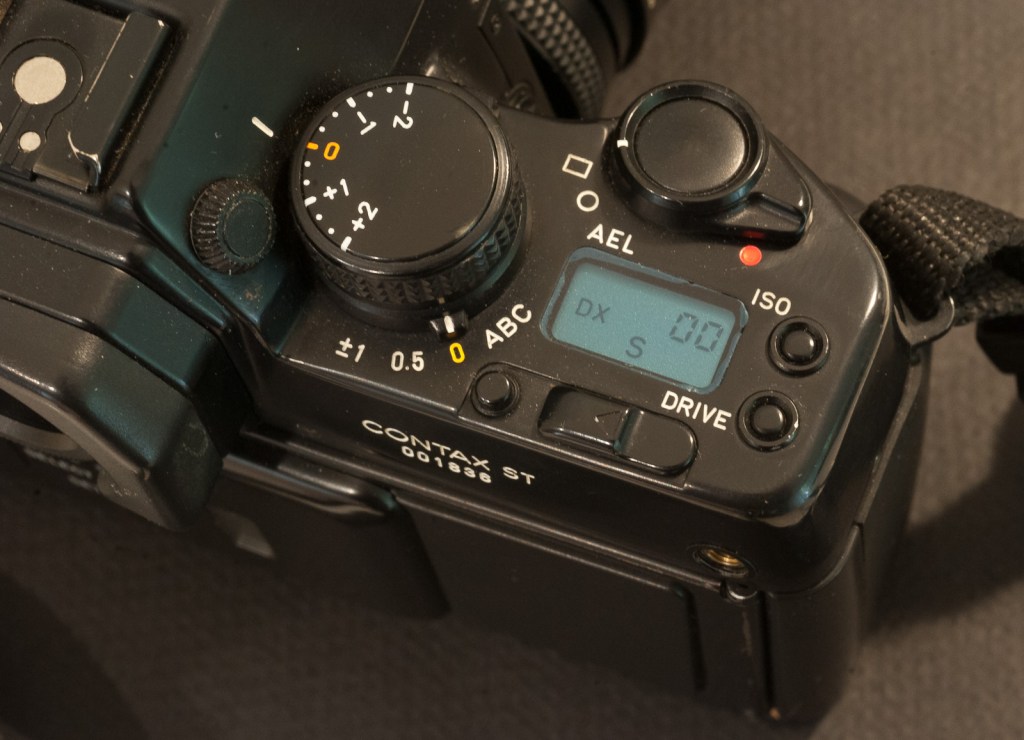
Second observation: I knew that this Contax ST had an issue with the transmission of the value of the aperture selected on the lens to the body, and I set it with a permanent correction of +1.3 EV to counterbalance it. It’s probably too much – I’ll reduce the correction to +0.5 EV in the future. I experienced difficulties with the film rewind on the P3 (I had to open the film door in a dark room and push maybe 6 inches of film back into the cartridge) but only one frame was lost in the process. I suspect the issue to be related to the film receiving spool. Both cameras are approximately 30 years old, they can be temperamental.
Third observation: both cameras have all the features I need (aperture priority auto mode, semi-auto mode, exposure memorization) and a good viewfinder (the Contax’s is fantastic, the Pentax’s is very good considering the original target audience of the camera). Both are really pleasant to use. The Contax is definitely a big and heavy camera, and the lens is even larger and more ponderous. When you use the Contax combo, you get noticed, and you make some people nervous (carry it in a bag, and don’t shoot with it in an area where people tend to be very concerned for their privacy – that would be asking for trouble). The Pentax set, on the other hand, is compact and light, and does not draw attention. But there is a trade off to compactness: image quality.
Pentax P3 – all controls are well placed and large enough, even for photographers with big hands
Which bring us to our fourth observation. My intent was not to perform a scientific comparison between the Zeiss and the Pentax zooms. I shot the pictures on different days at different locations, but since it was in the same type of urban settings, and with the same type of film (Kodak Ektar 100), we can somehow compare the pictures and draw some conclusions. Sorry Pentax fans, the difference is extremely visible. I may have bought a bad copy of the lens, the front element may be dirty (I did my best to clean it, though), but in any case there’s a world of difference between pictures shot with the Vario-Sonnar and the SMC-Pentax-A zoom, in particular when it comes to contrast and sharpness. Thirty years ago, I was using a Pentax KA 35-70 zoom on my Pentax MX (I don’t remember if it was the same f/3.5-4.5 version of the lens, or the constant F/4 model) and I was pleased with the results, so not all Pentax zooms are bad, and I’ll shoot with another Pentax lens as soon as I can.
After I imported the scans in Lightroom, I made adjustments to the exposure and the highlights (the sky was over exposed by both cameras), and I tried to increase (massively) the contrast on the images taken with the Pentax lens, but Lightroom sliders can only do so much if the original picture is too soft. See for yourself.
A word of caution: you won’t see much of a difference if you look at the pictures on a good smartphone – the screen is small and smartphones are very good at enhancing images – but it’s more visible on a tablet, and pretty obvious on the monitor of a full size personal computer. Also, remember that WordPress displays the images of this blog at a relatively low resolution (width: 1024 points) – to really visualize the difference in image quality, click on the images and you will see them full size(they were scanned at 3130 x 2075 points).
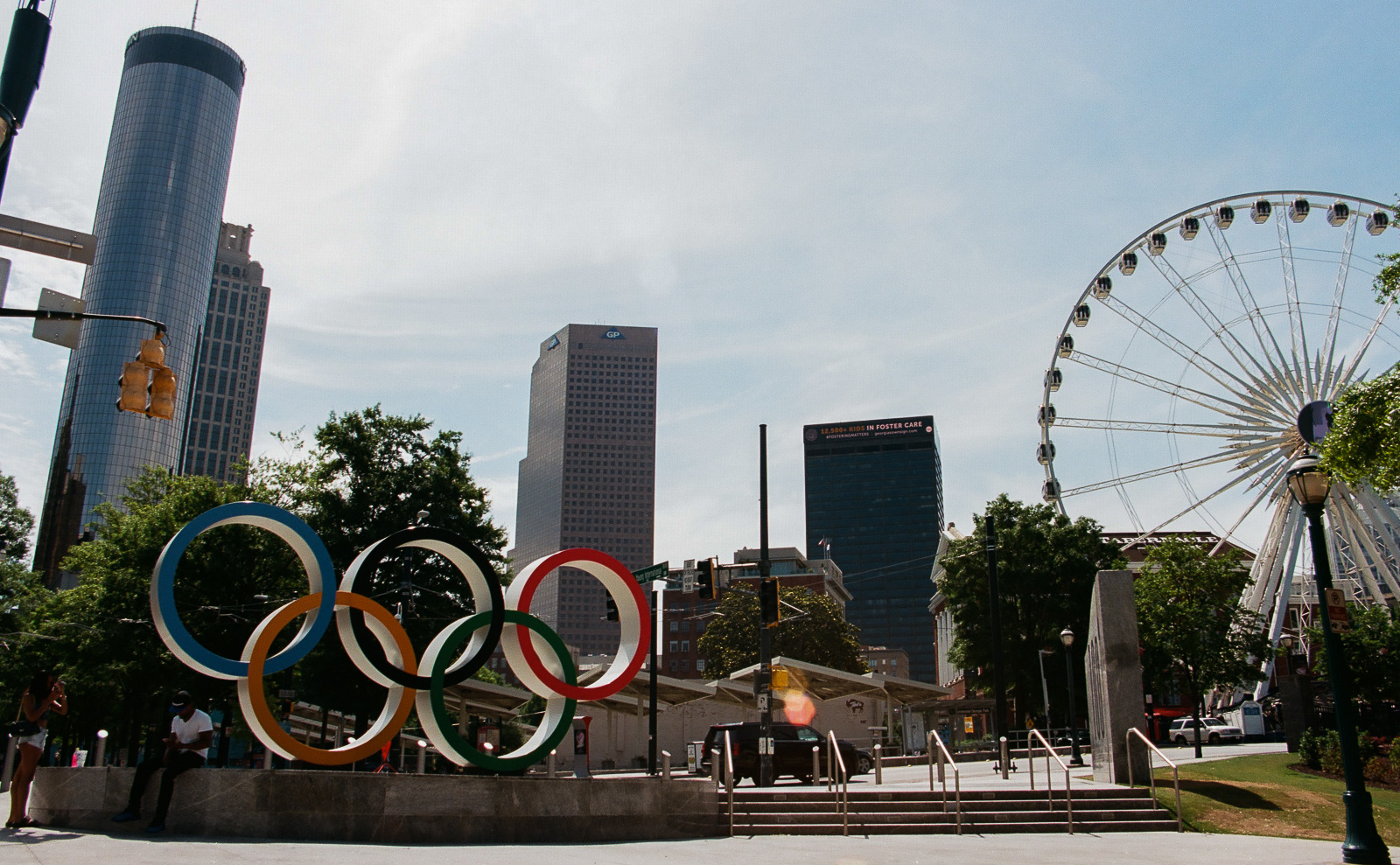
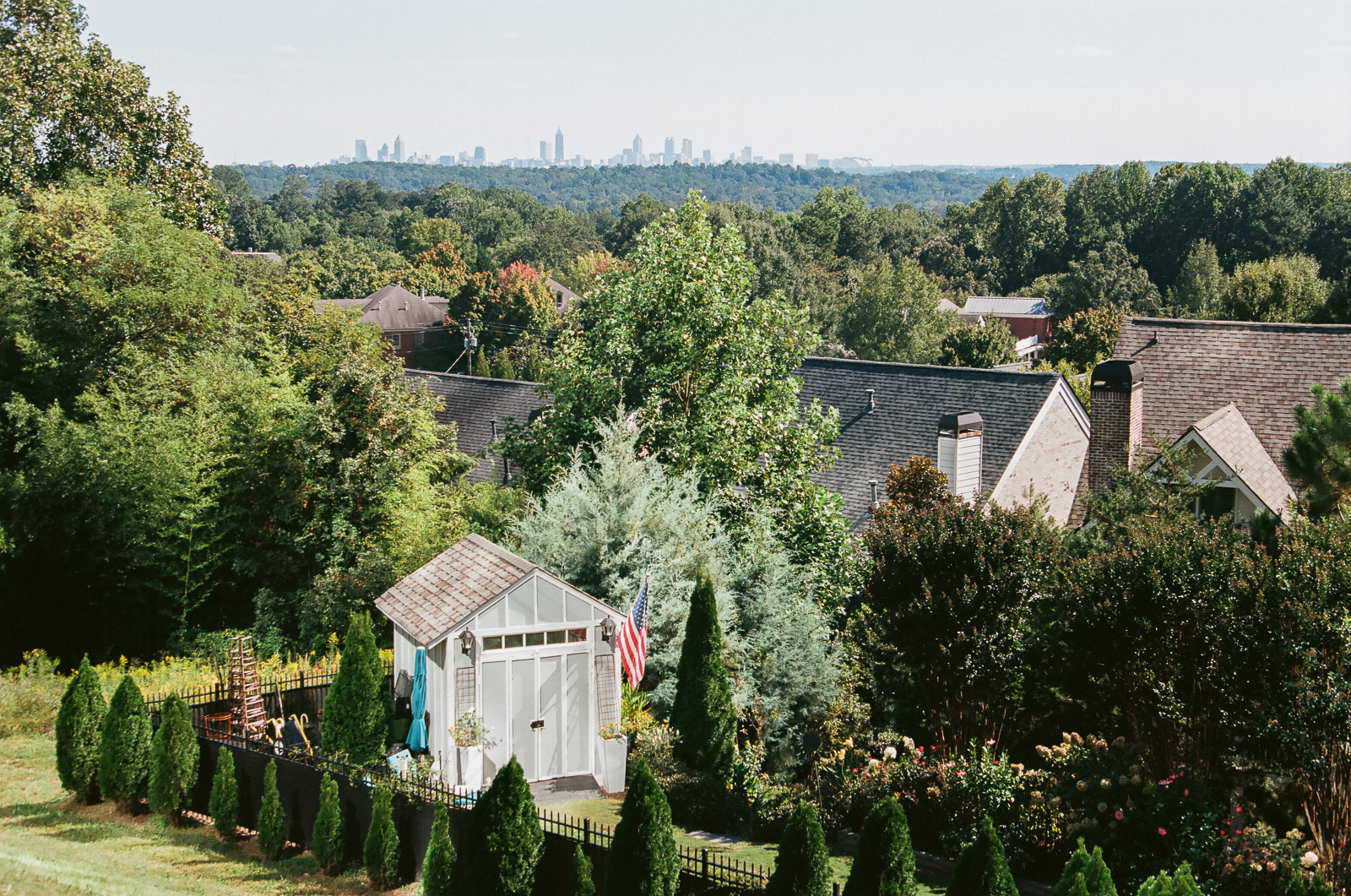
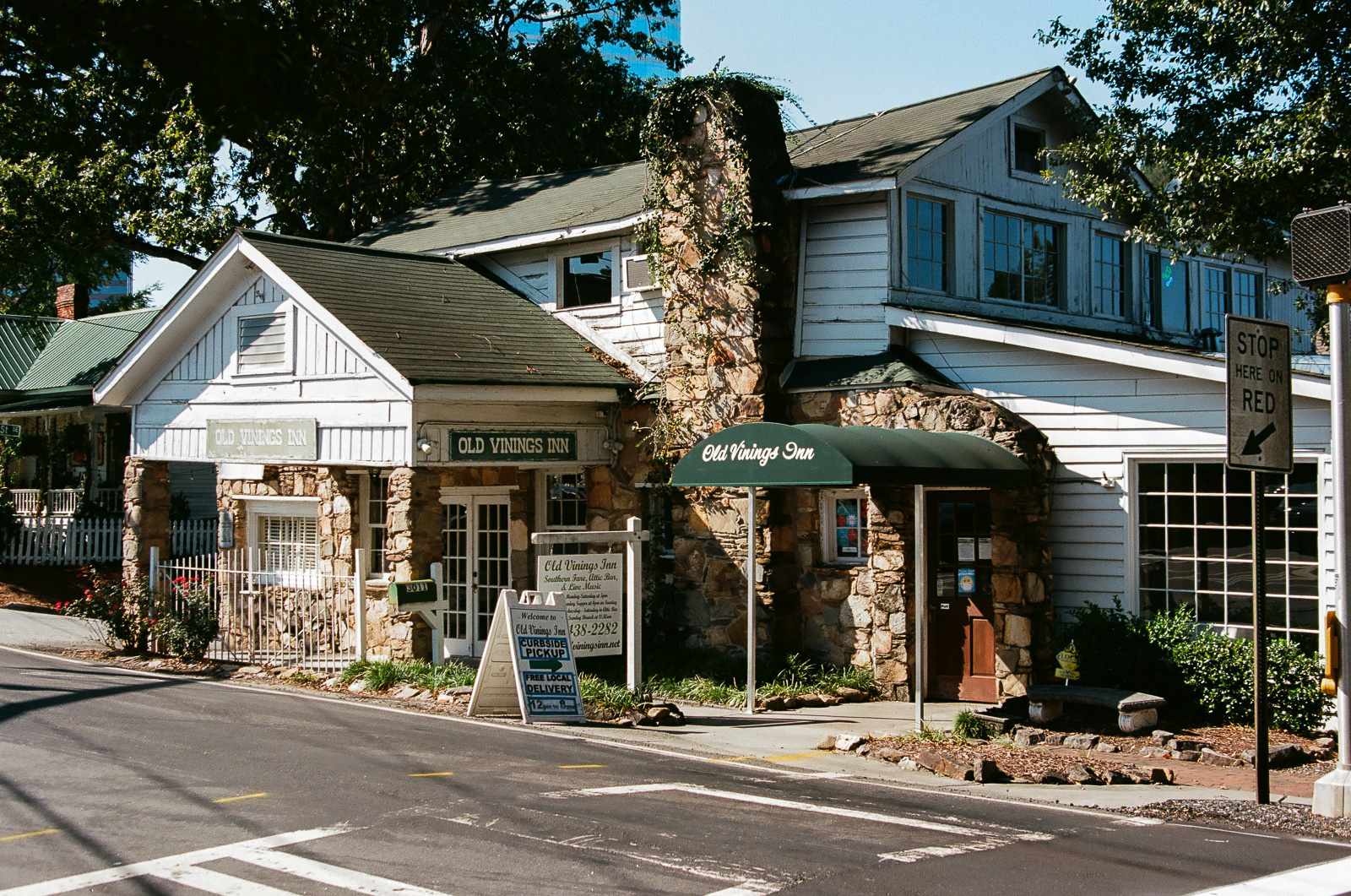
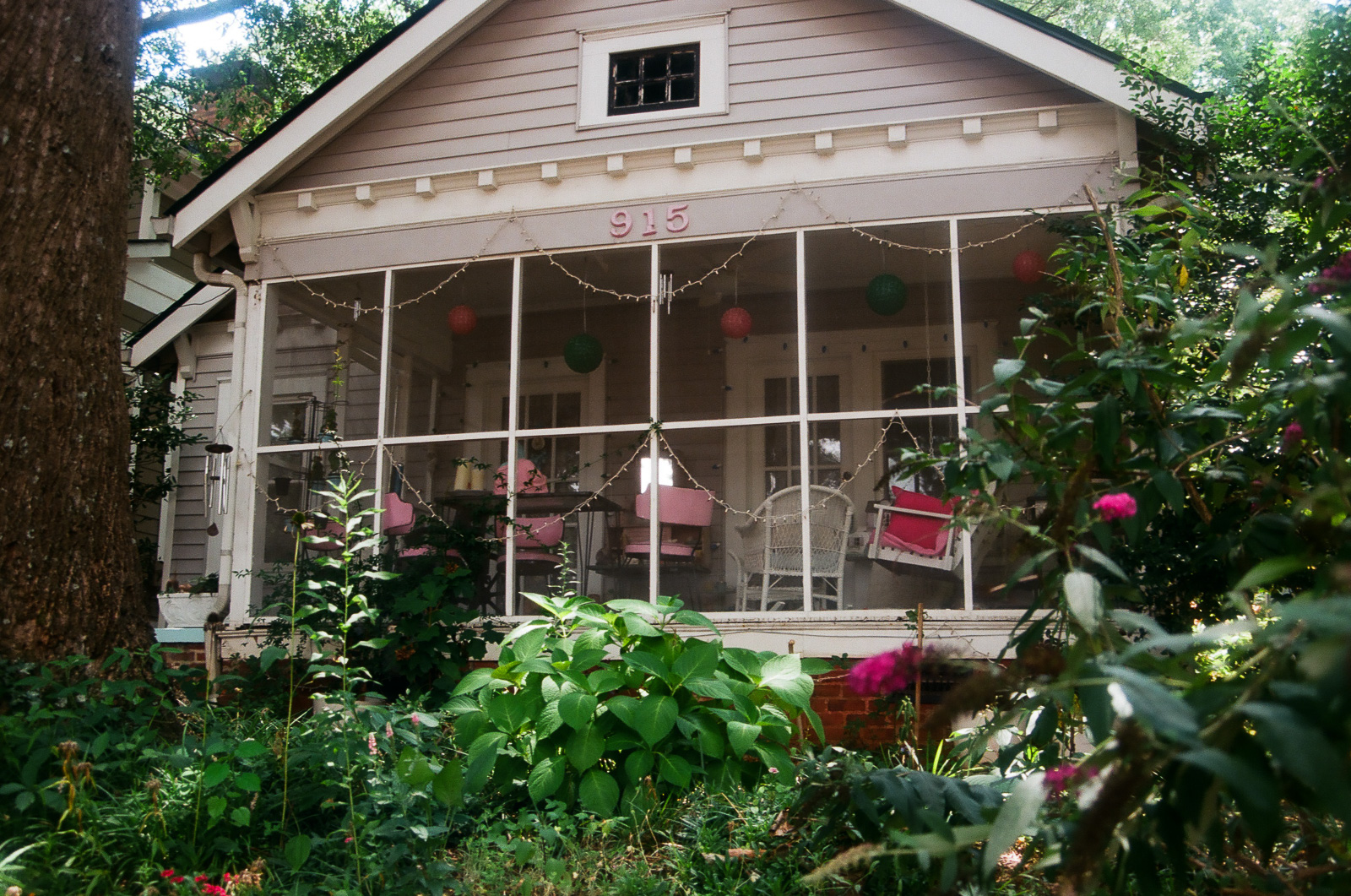
Atlanta – Krog Street – Contax ST with Vario-Sonnar 28-85 f/3.3-4.0 – Kodak Ektar.Atlanta – Centennial Park – Contax ST with Vario-Sonnar 28-85 f/3.3-4.0 – Kodak Ektar.Atlanta skyline from the Vinings Mountain – Contax ST with Vario-Sonnar 28-85 f/3.3-4.0 – Kodak Ektar.Atlanta – Old Vinings Inn – Contax ST with Vario-Sonnar 28-85 f/3.3-4.0 – Kodak Ektar.Lely Freedom Horses – Naples, Florida – Pentax P3 – Pentax SMC-A 35-70 f/3.5-4.5 – Kodak EktarLely Freedom Horses – Naples, Florida – Pentax P3 – Pentax SMC-A 35-70 f/3.5-4.5 – Kodak EktarAtlanta – Yellow Bronco Violet House – Pentax P3 – Pentax SMC-A 35-70 f/3.5-4.5 – Kodak EktarAtlanta – Pink house- Pentax P3 – Pentax SMC-A 35-70 f/3.5-4.5 – Kodak EktarAtlanta, Little Five Points – Pentax P3 – Pentax SMC-A 35-70 f/3.5-4.5 – Kodak Ektar
One of the many canals of Venice. Nikon FE2 – Kodak CN 400 film
I was in Venice during last year’s holiday season – a family reunion of sorts. I did not suspect that it would be the last time that I would have Kodak film processed by Wolf Camera (a local brand of the Ritz Camera empire). Admire the irony. Is there a better subject than Venice to illustrate the decline and fall of the glorious.
Venice – Nikon FE2 – Fujicolor 400 – Dec. 2011
The weather in Venice was absolutely splendid, except for a few days of rain and fog at the end of our stay. There was so much to shoot that I felt I had no time to lose fiddling with manual (film) cameras, and I shot primarily with digital cameras and with my smartphone. After one week of robotized photography, though, I felt like using a “real” camera again, and loaded my beloved Nikon FE2 with Fuji color film and with Kodak’s chromogenic B&W film, the CN400.
After heading back home, I was immediately absorbed by the daily routine, and forgot about the rolls of film from Venice. A few week-ends ago, I finally cleaned my desk and found the unprocessed film cartridges. The following day, I stopped at a rather large Wolf Camera store which still processed film, and generally did a decent job at scanning the negatives. The day after, I heard on the radio that their parent company, Ritz, was being liquidated. I was a bit concerned for my film.
In the evening I stopped at the store (which had yellow liquidation posters all over its windows). The guys said they had not processed my film yet (by the sad look of it, it was obvious that their film processing machine had some sort of problem) and they promised they would call me when the job was done. Three days later, they had not called. I stopped by again and I was decided to ask them to give me my film cartridges back. To my surprise, the processing machine had been fixed, and my CD was ready.
I was glad to get it, but I was sad for the staff of the store. Those guys were more competent and more helpful than the average of their colleagues working in smaller Wolf stores, and I don’t know what they’re going to do now.
I live in a rather big metro area – 4 million people call it home – but with Wolf going out of business in a matter of days, we’ll be down to one single walk-in, full service camera store for the whole area.
As for Kodak, they announced a few weeks ago that they were planning on selling their consumer film business. It’s likely the buyer will have the right to use the Kodak name – at least for a few transitional years, so there will still be Kodak film on store shelves for a while, even if it will only be very remotely connected to the Yellow Grandfather.
I love Venice. It’s beautiful and weird, a world in itself. The city used to rule the Eastern Mediterranean world but today it has lost all of its influence and most of its inhabitants. It is primarily a tourist destination. But it still lives and keeps on inspiring writers, musicians and all other sorts of artists.
May film photography follow the same tracks.
Venice – Gondoliers in the sunset. Nikon FE2. Fujicolor 400 film
And now for something completely different. My father in law gave me his old Canon A1 (pristine) as well as battered Canon FT, with an incredible 55mm f:1.2 lens. As strange as it may sound I had never owned – or even used – a Canon SLR before. I’m planning on testing them in the weeks to come. Stay tuned.
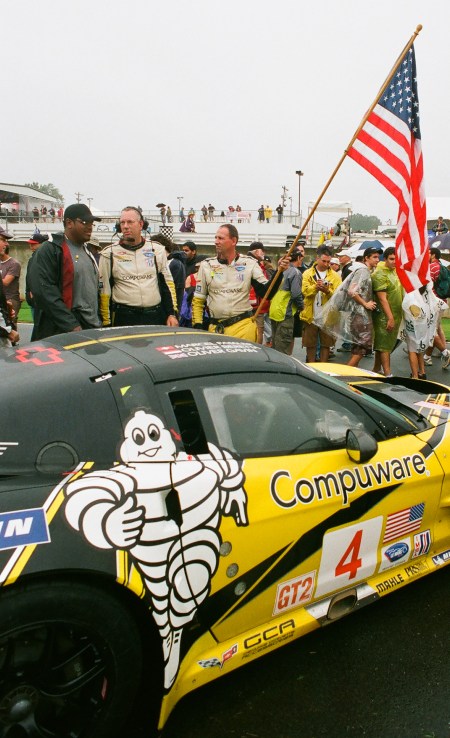
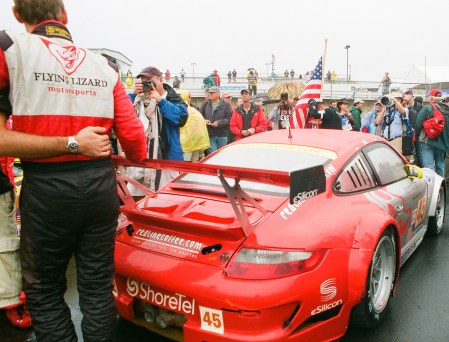
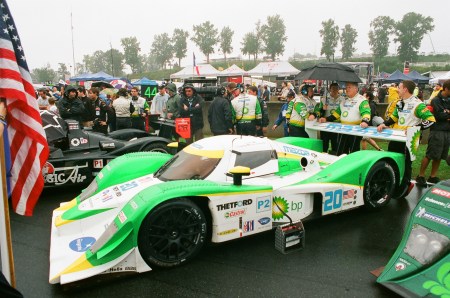
The weather was very bad in north Georgia last week-end for the Petit LeMans race. So bad that the race had to be interrupted.
America LeMans events are still managed by people who love motorsports and respect the fans. The starting grid remains open to the public until the least ten minutes preceding the race start. A good opportunity to test the Kodak Ultramax 400 with a Nikon FA body and the Nikkor AF 24mm lens.
The film was processed and scanned by Costo on Noritsu equipment, and delivered on a CD-ROM for less than $5.00.
Costco saved each image as a 3088×2048 jpeg (equivalent to 6MPixels). Image crop and minor adjustments (sharpness) were performed in Lightroom 2.
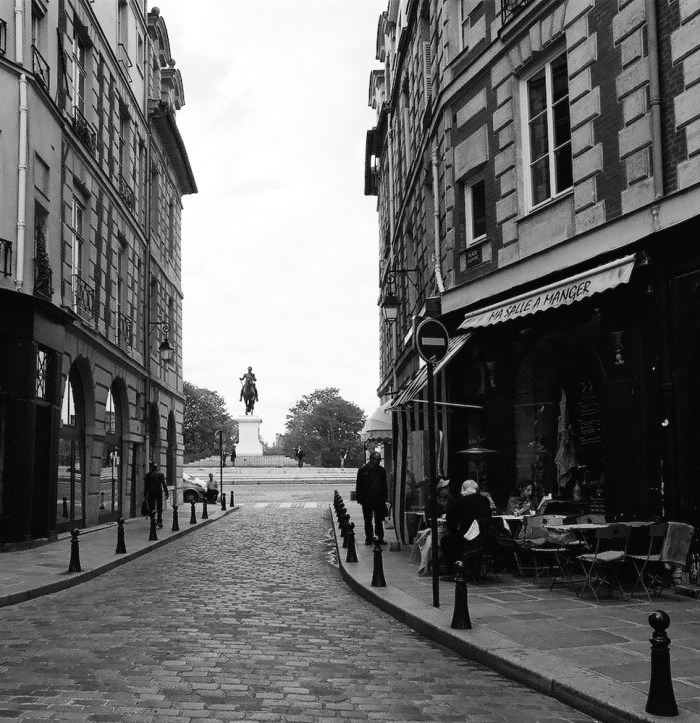
Located at the very center of Paris, and linking the right and left banks of the Seine with the western end of the “Ile de la Cite”, the Pont Neuf (New Bridge) is the oldest bridge of Paris. It was built at the end of the XVIth century, under the reign of Henri IV whose equestrian statue dominates the area. A public garden lies below the bridge. It’s one of the most beautiful places in Paris. A (relatively) quiet place in a big city.


























 CamerAgX - a new life for old gear