Angenieux 28-70 f/2.6 – as tested in 1990 by the French magazine “Chasseur d’Images”

I’ve been an avid reader of the excellent French photography magazine “Chasseur d’Images” for a very long time, and there are still a few dozens of (very old) issues stored in my mom’s attic. The last time I explored the place I found the issue #123 of the magazine (published in June 1990, I believe), where the CI crew were testing the Angenieux 28-70 f/2.6 zoom. There is no flatbed scanner at my mom’s place, and I just took a few pictures of the article with my phone.
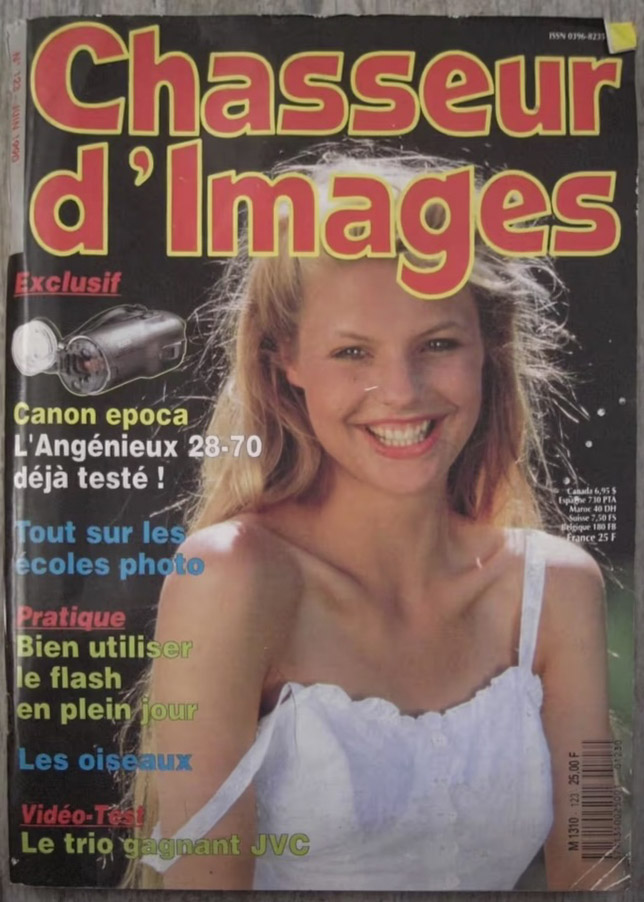
The front cover of the issue #123 of Chasseur d’Images. Chasseur d’Images is one of the few surviving printed photo magazines.

That zoom was the last attempt by Angenieux to maintain a presence in the consumer photography market (they’re still in business, but now develop lenses for the movie industry and for aerospace and defense systems). The specs sheet of this lens is extremely close to the Tokina 28-70 f/2.6-2.8 AT-X Pro zoom that the Japanese optics company launched in 1994 – to the point where it’s difficult to tell if Tokina bought the blue prints from Angenieux when they decided to leave the consumer photography market, or if the Angenieux zoom itself was the result of a collaboration with Tokina from the beginning.

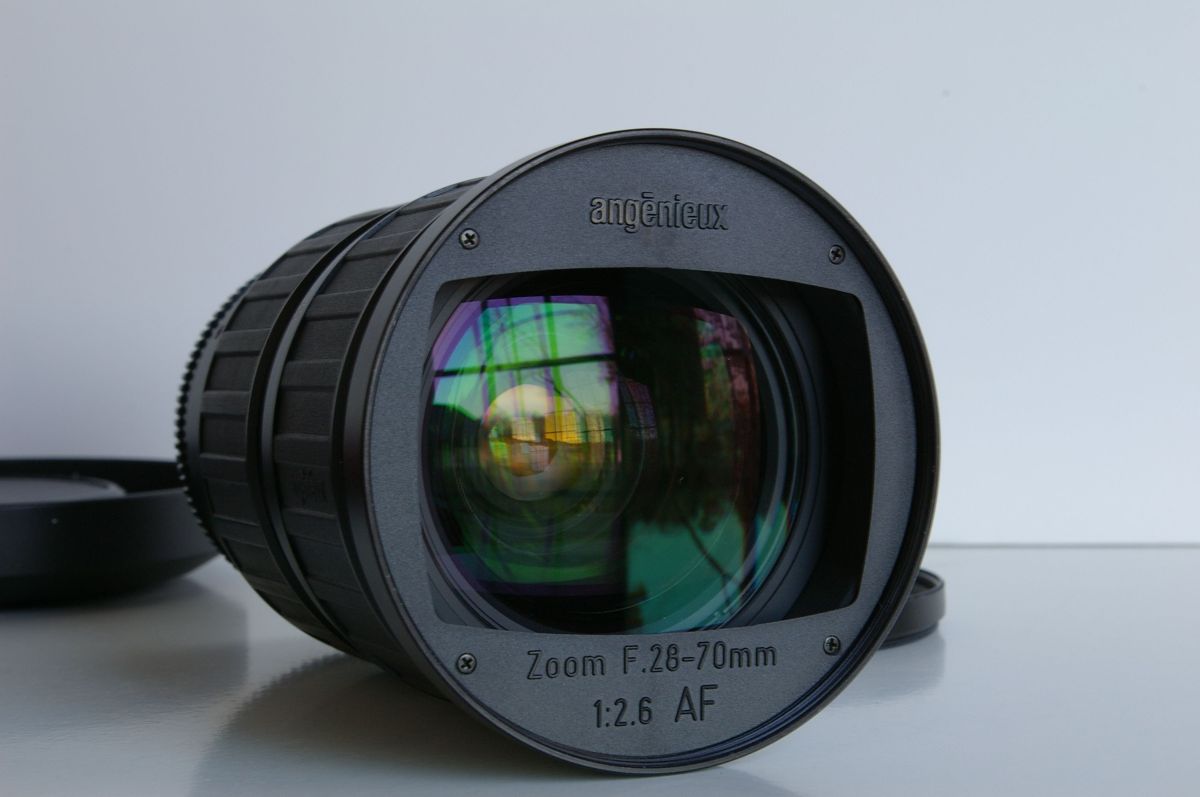
The lens and its accessories.

In any case, the Angenieux was labeled “Made in France”, which implies that “the most significant part of its manufacturing” took place in France. More on this subject in: CamerAgX: the truth about the Tokina 28-70 f/2.8 lens.

The typical “Angenieux” industrial design.

Since this site has seen a constant interest for the original 28-70 Angenieux zoom and its Japanese cousins, I took the liberty of asking ChatGPT to transcribe and translate the original article from 1990.

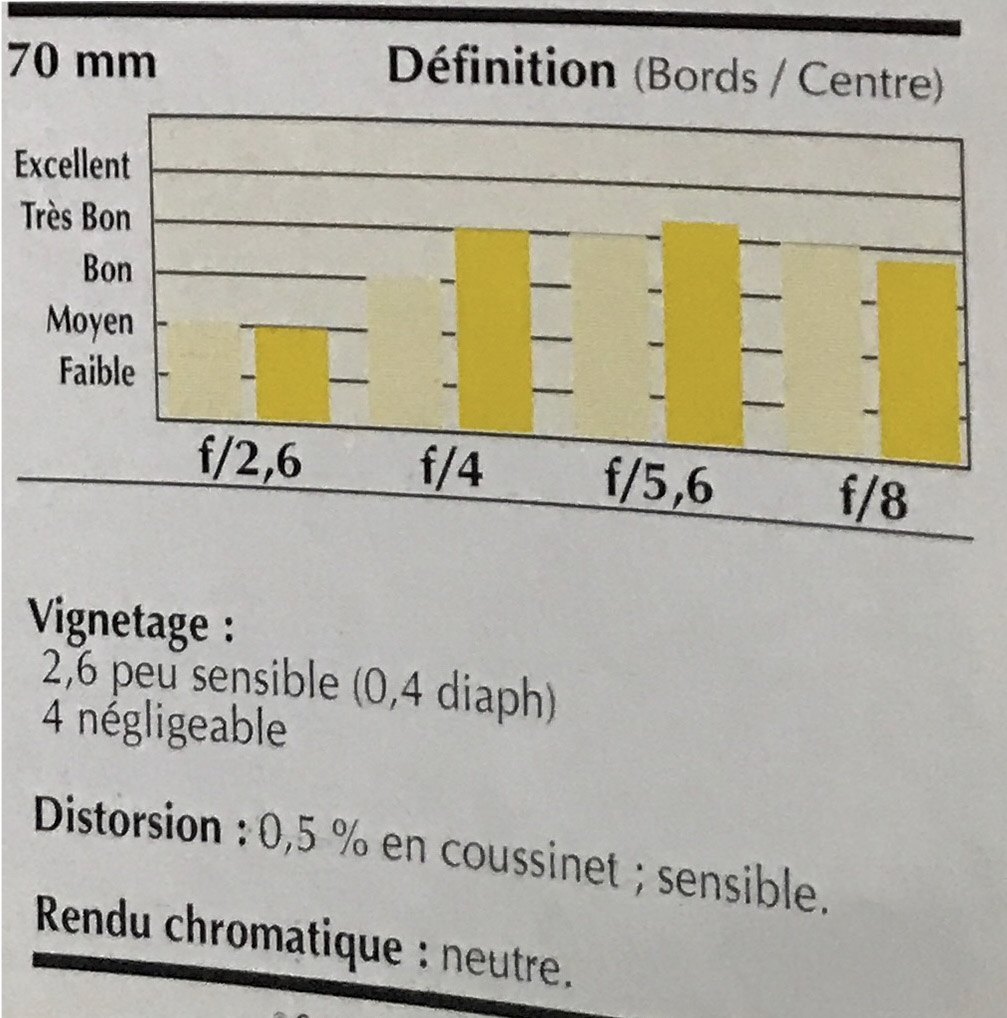
Below is the English translation of the Chasseur d’Images review of the lens, as well as the original test charts – courtesy of ChatGPT.

Enjoy.


Presented in Nikon AF mount at the 1989 Photo Show, its commercial release—announced as imminent—was delayed several times due to production difficulties. This time, it’s finally here, but the quantities delivered will be far from meeting demand! There’s very little polycarbonate on this lens—instead, it has a solid construction made of a beautiful, lightweight black satin-finish alloy. Fairly bulky and heavy due to its large aperture, it still handles quite easily.

Regarding the aperture, we found that it wasn’t entirely photometrically consistent (a variation of 0.4 EV between 28 and 70 mm). As for the Nikon F-801 and F4 bodies, they don’t recognize the f/2.6 aperture, always displaying f/2.8 in the viewfinder. This is a minor inconvenience. The zoom ring operates with smooth and progressive movement. The autofocus is precise and very fast, though rather noisy. Be careful not to accidentally hinder the very wide focus ring that turns during AF searching.

In manual focus, it performs its role properly, although the rotation is not sufficiently damped. A minimum focusing distance of 0.65 m is acceptable, but nothing more. We noted with satisfaction the presence of a depth-of-field scale for the 28 mm focal length—a very rare (and very useful) feature on a two-ring zoom! The Ø77 filter mount remains fixed during focusing. The lens hood is only available as an option.

From our testers

This lens has only two weaknesses: at 28 mm and f/2.6, the edges—and especially the corners—lack definition, and at 70 mm, still at full aperture, the overall contrast is rather low. However, as soon as the aperture is stopped down, its optical performance becomes very good and even excellent at medium apertures, showing remarkable consistency regardless of the focal length. A slight decentering does slightly affect the results on either the right or left depending on the focal length tested, but in a completely insignificant way and only at the two largest apertures. As expected, it is at 28 mm that vignetting and distortion are most noticeable. Very good color rendering with no perceptible color cast. You can leave the supplied UV filter on the lens permanently, as it has no significant impact on performance.


Summary

Zooms of this type with (practically) constant aperture can be counted on one hand. In our opinion, the Angénieux is the best currently available. Its only direct rival, the Tokina 28–70 f/2.8, is certainly less expensive but also noticeably less capable. Compared to the Nikkor AF 35–70 f/2.8, it also proves superior (at equivalent focal lengths), even if the difference is minor in this case. Only the very expensive Canon 28–80 mm f/2.8 delivers more consistent results at shorter focal lengths, thanks to its two aspherical elements. We should point out that this new Angénieux clearly outperforms the older 35–70 mm version, with better distortion correction at 35 mm and better sharpness at 70 mm.

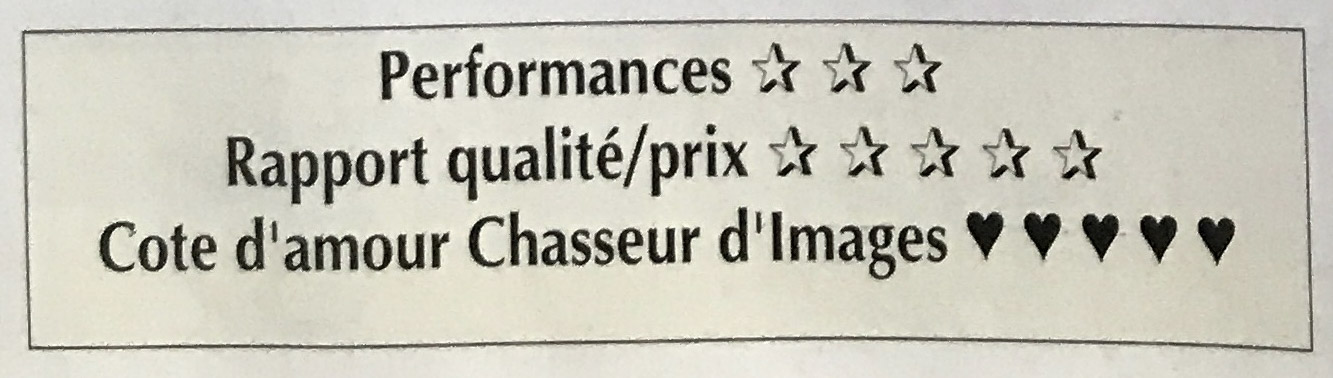
Our very rigorous testing procedure made it narrowly miss a fourth star in performance. However, as its price is reasonable given its outstanding features and performance, we award it five stars for value for money. A zoom lens “made in France.” The first European AF lens! After all, why not say it…”

(from” Chasseur d’Images – Issue #123 ” – Transcribed and translated by ChatGPT).


As for the charts, ChatGPT could only translate the legends – it did not rebuild the charts for me.
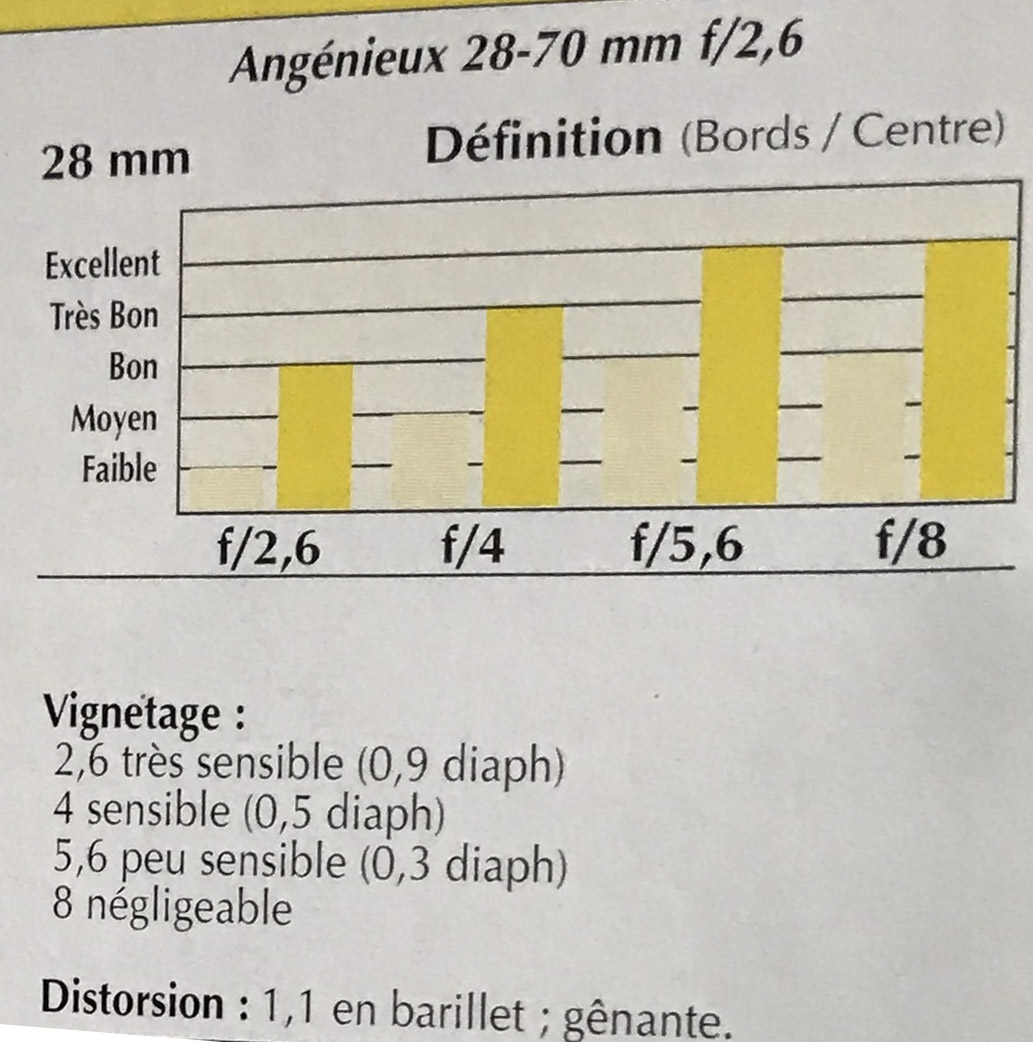
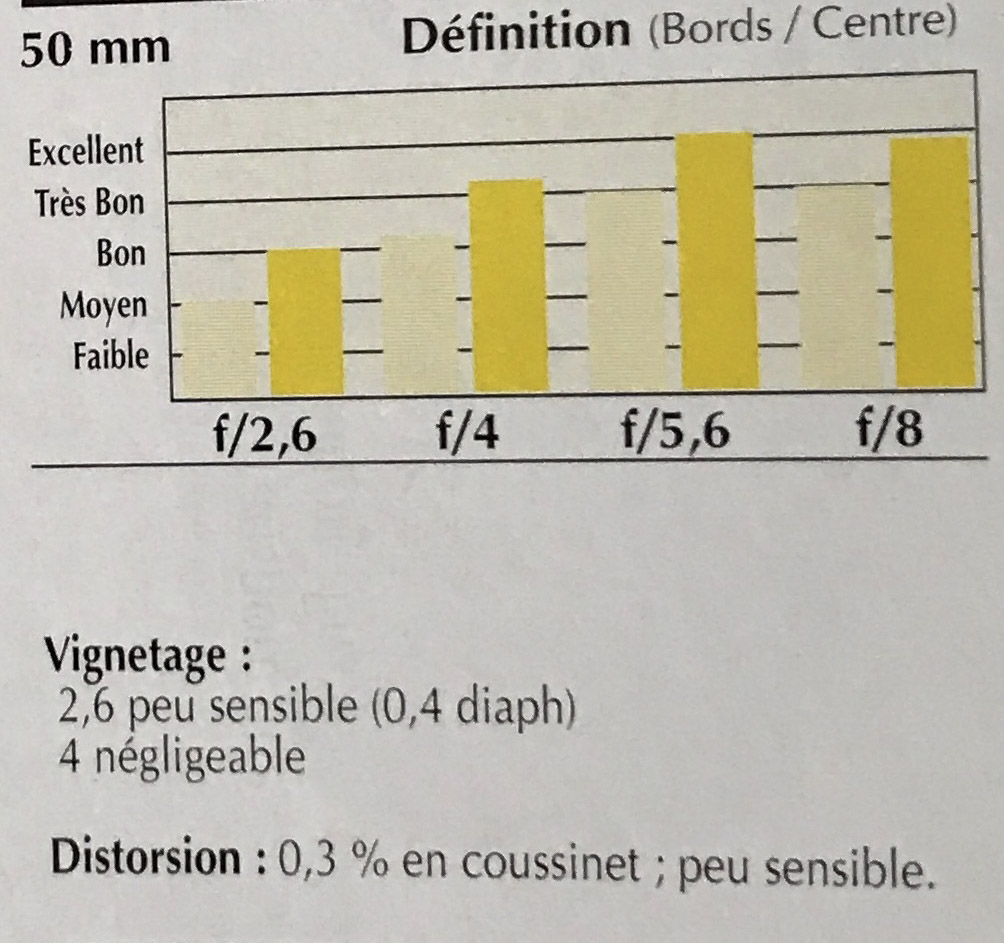
For all charts:

Définition (Bords / Centre) = Sharpness (Edges / Center)

Sharpness rating levels:

  • Excellent = Excellent
  • Très Bon = Very Good
  • Bon = Good
  • Moyen = Average
  • Faible = Poor
No need to be fluent in French…They absolutely loved that lens

Of course, you have to place this test in the context of the time. In 1990, I don’t think it had any real competition. Nikon’s 35-70 f/2.8 AF had been available for a few years but it covered a more limited range, and Canon’s EF 28-80 f:2.8-4 L USM was larger, heavier and even more expensive. Direct competition from the 28-70 f/2.8 zooms of the “big three” would not come until 1993 for Canon and Minolta, and 1999 for Nikon. As for the independent Japanese optical companies, they didn’t have Angenieux’s prestigious reputation. For a few years, Angenieux had the market for themselves.

I was shooting with Minolta Maxxum/Dynax cameras at the time and I broke my piggy bank to buy that lens in 1991. It remained my everyday lens for a good ten years, until I switched to digital. I remember it as a very beautifully designed and very solidly built object, whose fully metallic construction made the typical Minolta autofocus back and forth between close-up and infinite rather loud. I never tested the lens “scientifically” (not my style), but when I look today at the pictures I’ve taken with it, I’m still impressed by its resistance to flare. Of course it was large and heavy, and it saw less use when I started shooting with the Minolta Vectis S-1 (one of the only two interesting APS (film) cameras), which made for a much lighter and smaller combo with its tiny 22-80mm zoom.

By the mid 2000s, Konica-Minolta was in deep trouble, and I had lost hope that they would ever design a digital SLR worthy of the Angenieux zoom, and I sold it. For a good price, but nothing to be compared to what it would fetch today.

The Angenieux 28-70 f/2.6 zoom is now a collector (nothing on eBay for less than $3,500), when its competitors of the early nineteen nineties trade for a few hundreds of dollars at best.
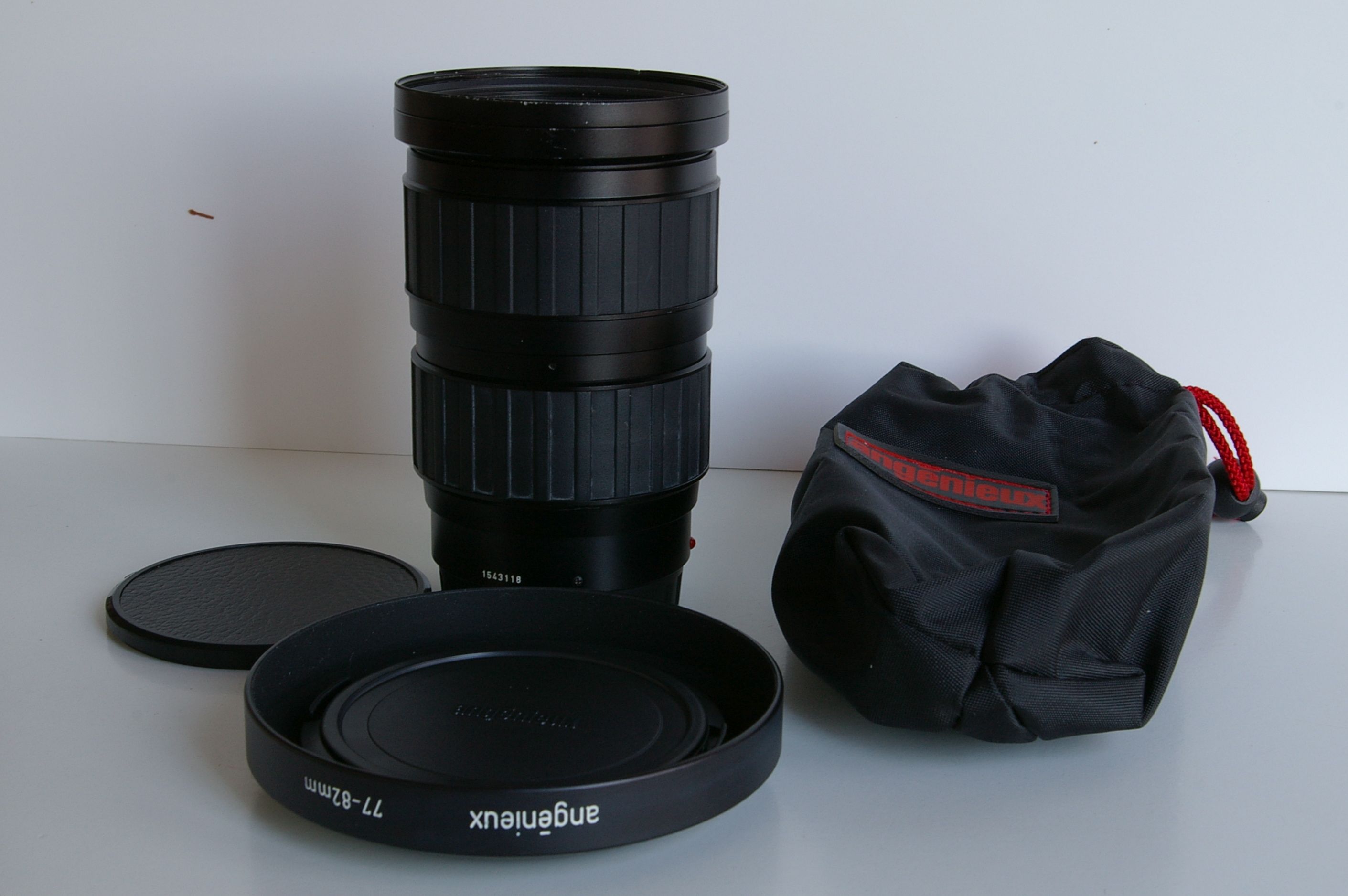
Angenieux 28-70 AF zoom with the “small” lens hood.

More about Angenieux 28-70 zoom and its Japanese cousins in CamerAgX


A few images from my “Angenieux” years.

35mm film cameras did not record EXIF information and my archival system was not very refined at that time – I kept my best pictures in photo albums but did not keep track of what camera and what lens had been used to take a specific picture.

But until I bought the Vectis S-1, a Maxxum was my main camera, and the Angenieux was the lens I shot the most often with. The pictures below are therefore “assumed” to have been shot with the Angenieux 28-70 f/2.6 zoom, even if I can’t be 100% certain of it.
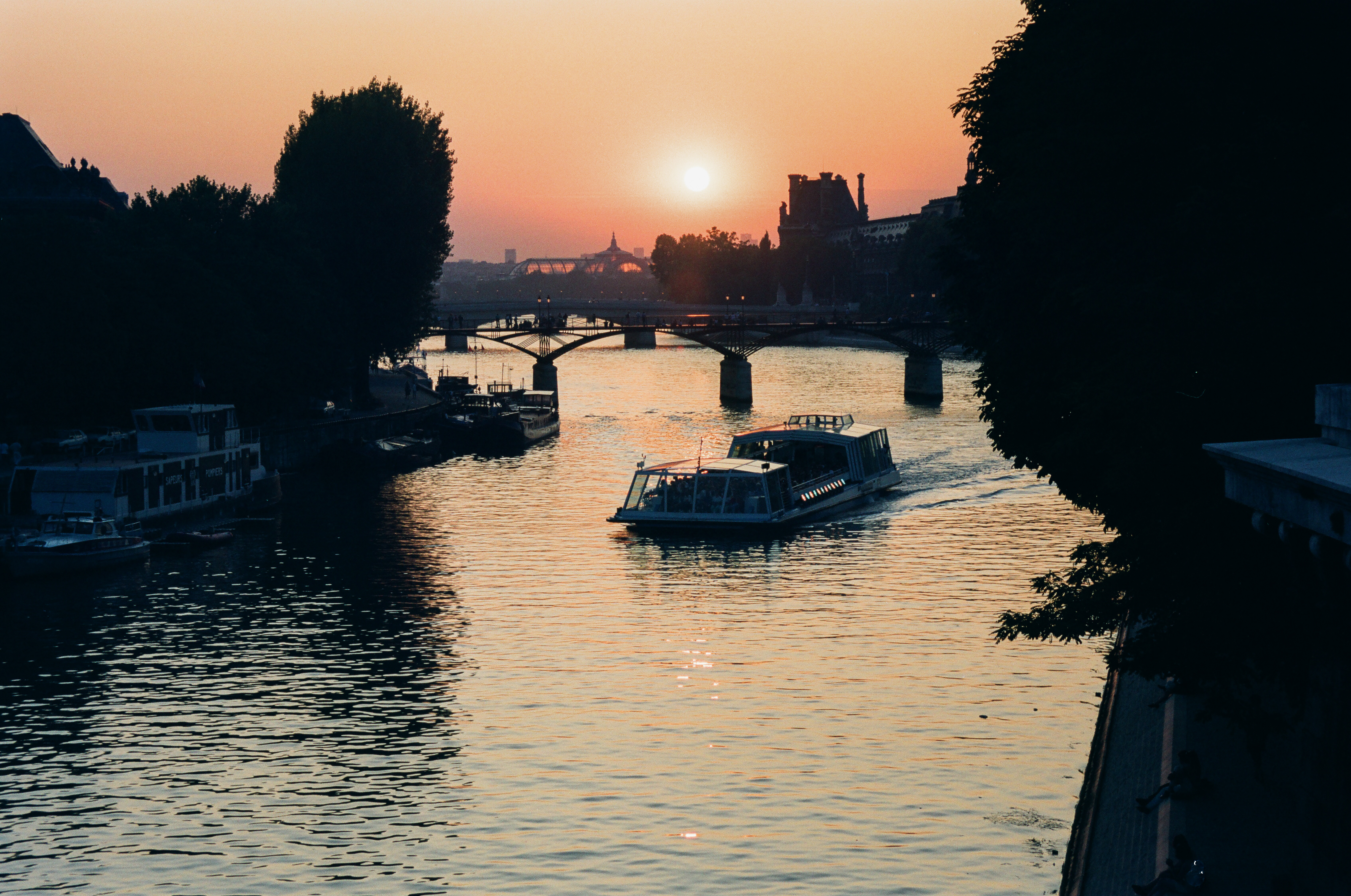
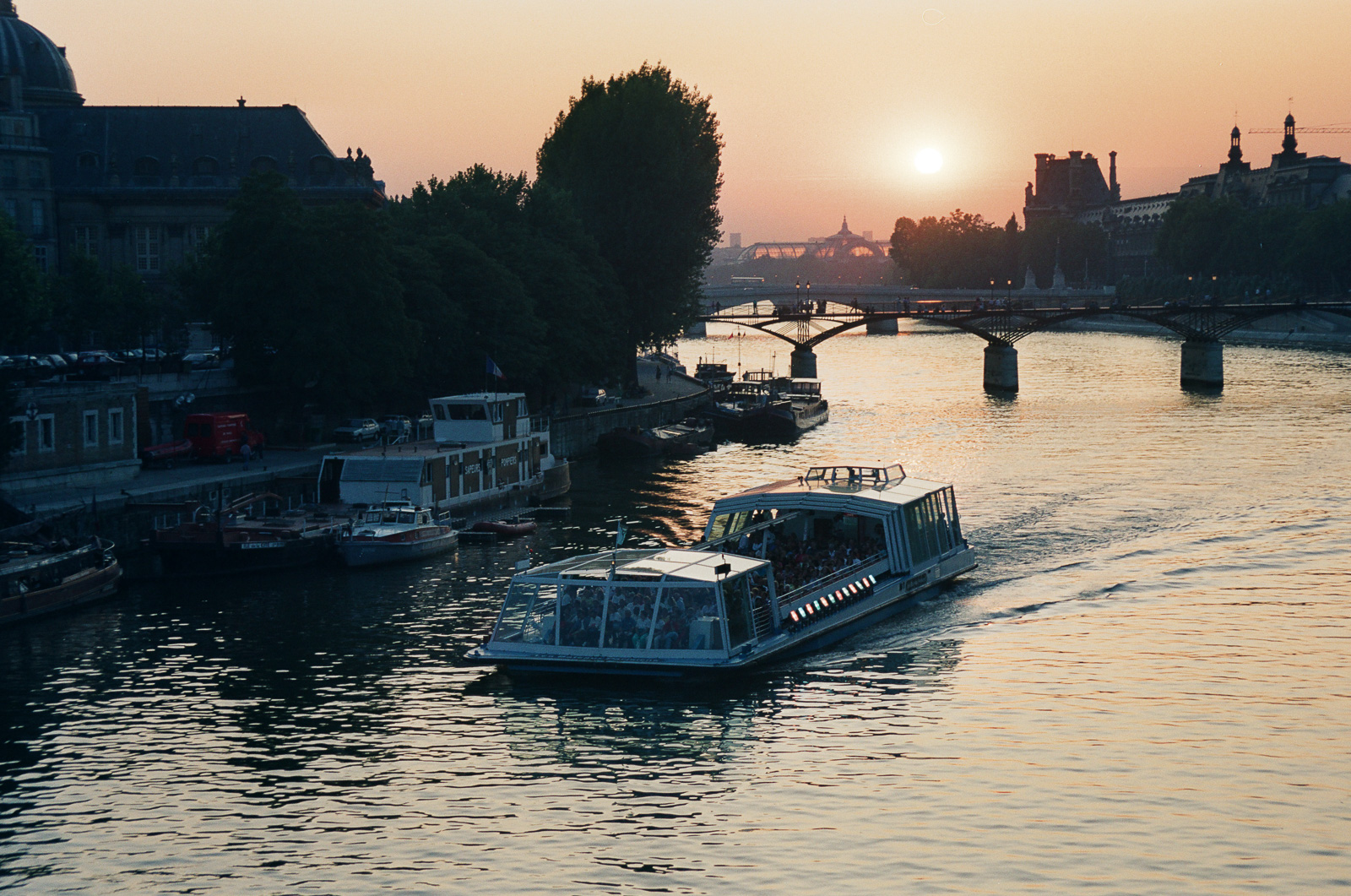
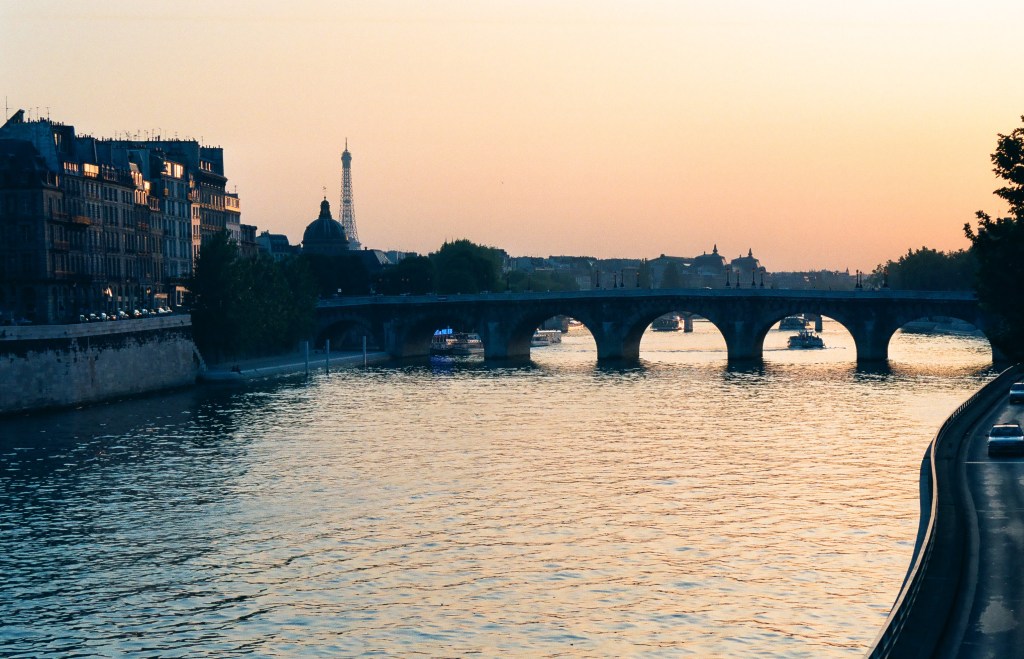
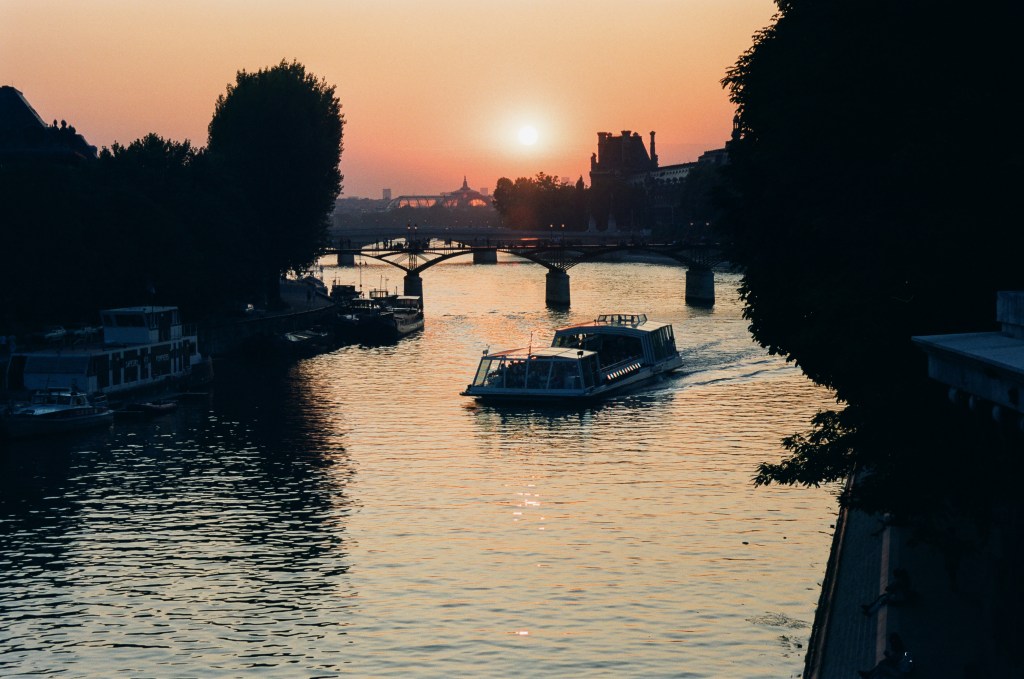
Paris – Shot from the Pont Neuf – Minolta 7xi – Angenieux zoom 28-70 F/2.6 (in 1991 or 1992)
Shot from Le Pont Neuf in Paris, circa 1991/1992 with a Dynax 7xi and the Angenieux zoom.
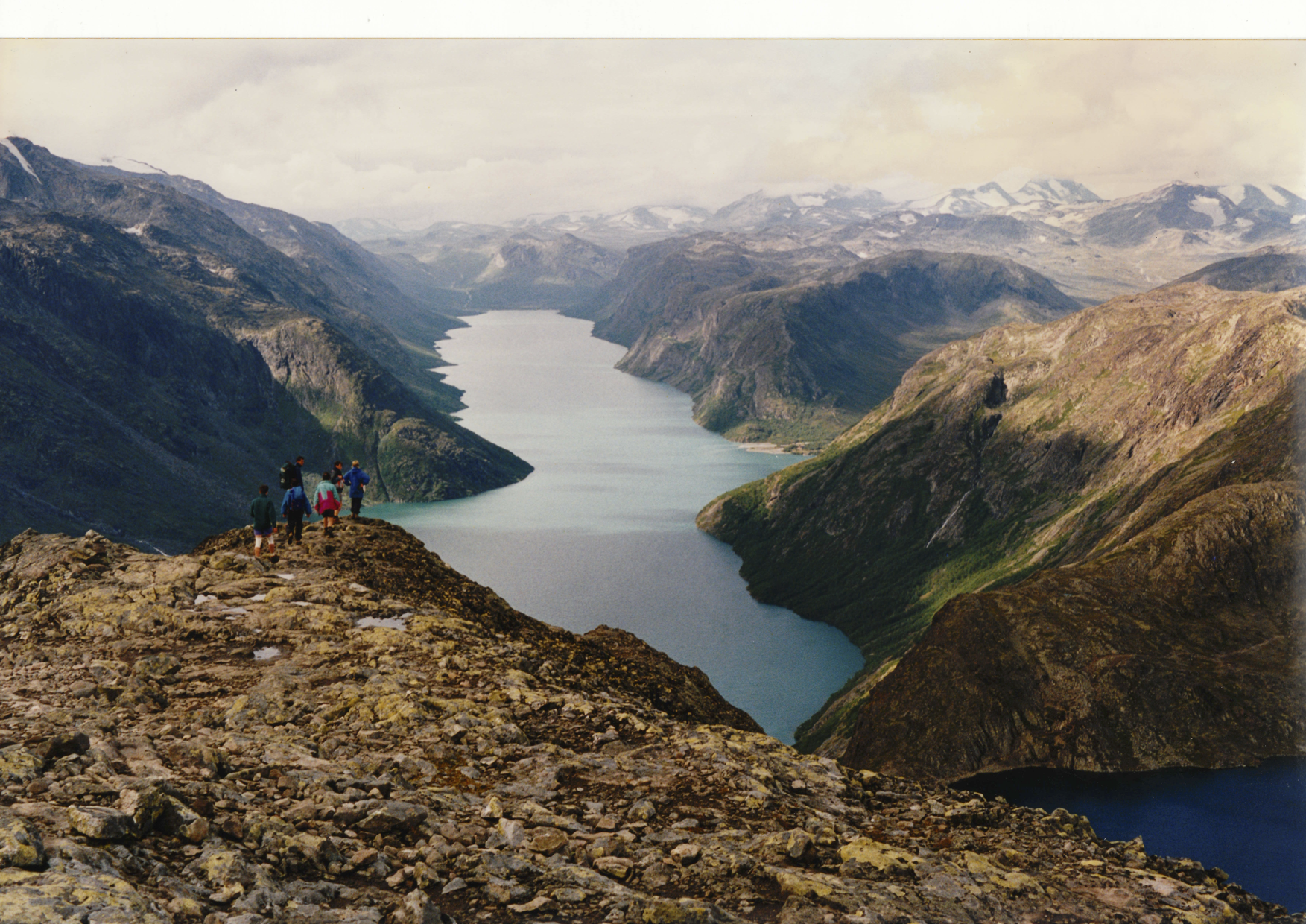
Lake Gjende (Norway). Scanned from print – Minolta 700 Si (Aug. 1996)
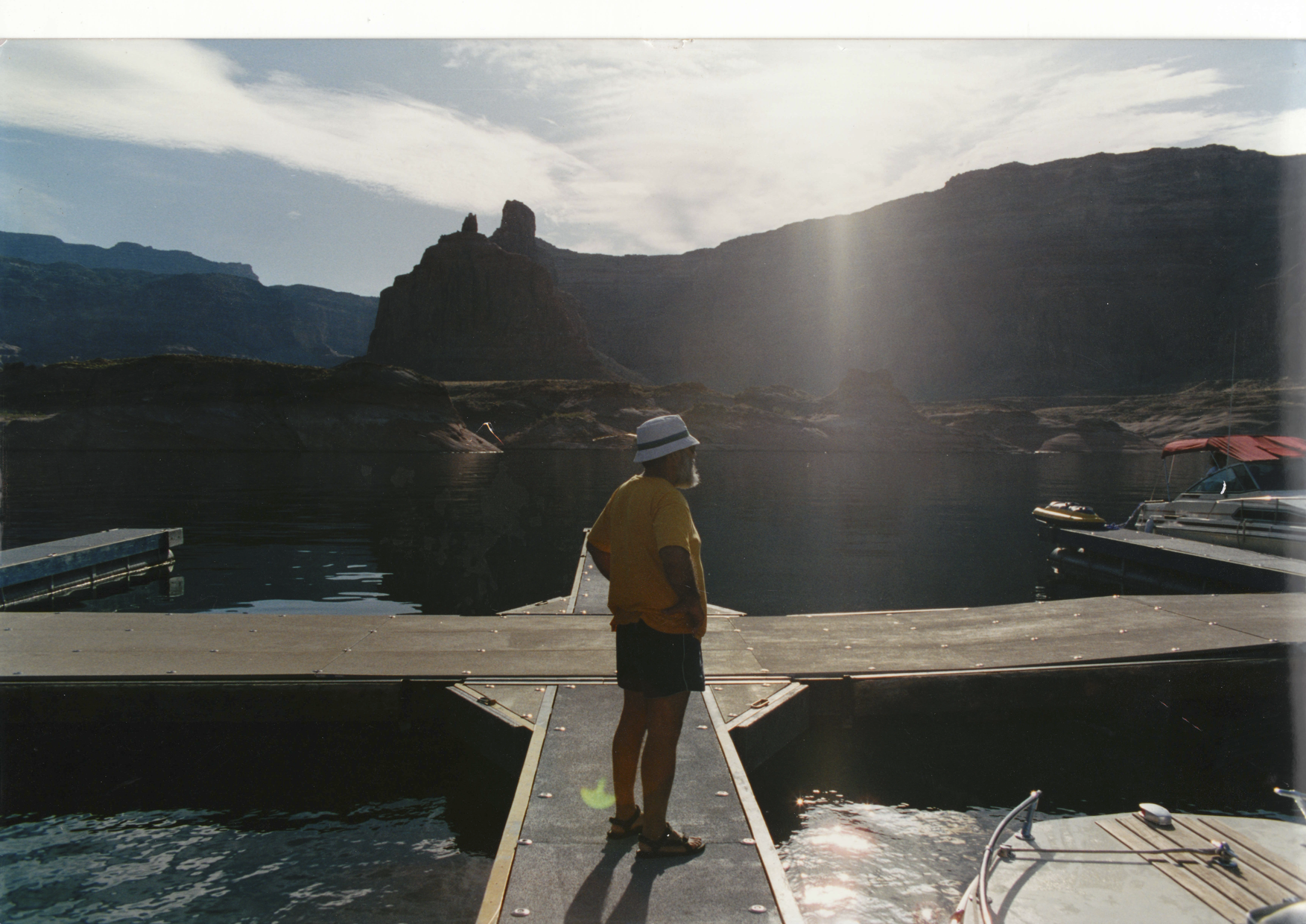
Joe – Skipper on Lake Powell (AZ) – Scanned from print – Minolta 700si – Angenieux 28-70mm f/2.6 zoom (May 1994)

The four Tokina 28-70 AF lenses and their Angenieux roots

It is well known that Angenieux – before retreating to less cost sensitive markets like the movie industry and the military – made a final attempt to secure a place in the consumer market, with a now legendary Angenieux 28-70 F/2.6 AF zoom, launched in 1990. In 1994, the company was sold to its current owner, Thales, and left the consumer market for good.  Tokina launched its own 28-70 f/2.6-2.8 soon after, and is widely rumored to have purchased the blue prints of the lens from Angenieux.

tokina-7412
Tokina 28-70 AT-X PRO II – this one is a Japanese Domestic Market (JDM) model – export models were marketed as f/2.6-2.8 lenses

But in France, there are collectors who believe that Tokina had played a role in the design and the manufacturing of the Angenieux 28-70 lens. For them, Tokina did not have to buy the blue-prints, because the Angenieux lens was itself the result of a cooperation between Angenieux and the Japanese optics company.

Angenieux 28-70 f:2.6 AF
The Angenieux lens (Minolta A mount) I had bought in 1991. I sold it in 2005 after I had come to the (wrong) conclusion that Konica-Minolta and the A mount would not survive the transition to digital – I had not anticipated Sony’s purchase of K-M’s photography business.

After all, Angenieux had no prior experience with auto-focus lenses, and may have seen a cooperation with Tokina as a way to accelerate the product development and reduce the costs.

tokina-7417
Token 28-70 AT-X PRO II – the focusing ring can be pulled to switch to manual focusing (it’s a Tokina feature)
Angenieux 28-70 f:2.6 AF
The Angenieux lens: two large rings – one for zooming, one for focus. The layout of the Tokinas is similar. Only the Nikon version of the lens has an aperture ring.

How similar are the various Tokina AF 28-70 lenses to the original Angenieux AF 28-70 F/2.6?

Just looking at the characteristics, the 28-70 f/2.8 lenses can be grouped in 3 generations:

  • 1988 – 1994 – the 28-70 F/2.8 AT-X (the non-PRO model) predates the Angenieux by two years. The optical groups share a similar high level design: 16 elements organized in 12 groups. Apart from that, the Tokina and the Angenieux look very different: the Angenieux carries the brand’s very distinctive design language, and is beefed up in every dimension. It’s longer, wider and heavier. The AT-X requires 72mm filters. The Angenieux and all the other Tokina 28-70mm F/2.8 lenses need 77mm filters.
tokina_28-70_source_KEH
Tokina 28-70 AT-X f/2.8 from 1988 – Courtesy KEH


  • 1994 – 1999 – the AT-X PRO 28-70 AF/2.6-2.8 (and PRO II) lenses are the ones whose main specifications are the closest to the Angenieux. The main difference between the Tokina and the Angenieux comes from the ability to disengage the auto-focus on the lens itself on the Tokina (by pulling the focusing ring): Angenieux never had such a feature.

    On the Japanese Domestic Market, the Tokina were sold as F/2.8 lenses (no reference to F/2.6), but in the rest of the world they were marketed as f/2.6-2.8 zooms. [The Angenieux was sold as a F/2.6 constant aperture lens – in theory, a lens opening at f/2.6 lets 10% more light go through than a lens opening at f/2.8 – the difference is largely symbolic.

    The PRO II of 1997 was a significant upgrade over the first AT-X Pro, and benefited from one “High Refraction Low Dispersion” (HLD) optical element, from a better multi-layer coating, and from a faster focusing mechanism. The lettering on the lens’ body still reads AT-X PRO. The easiest way to recognize the PRO II: a bayonet hood mount that replaces the screw-on mount of the previous Angenieux and Tokina models.
Tokina_28_70_AT-X Prod
Tokina 28-70 f/2.8 AT-X PRO II – Note the 77mm filter, the bayonet hood mount typical of the PRO II, and the f/2.8 marking typical of a JDM model. (source: Youtube)
  • 2000-2002 – the 28-80 AT-X “PRO” of Year 2000, and the “Special Value” AT-X PRO SV 28-70 AF F/2.8 of 2002 are clearly 2 variants of the same model, but seem to have little in common with the earlier AT-X PRO models and with the Angenieux: significantly different dimensions, different minimum focusing distance, two aspheric optical elements, internal focusing.
tokina 28-70 pro sv
Tokina 28-70 f/2.8 AT-X PRO SV (Source: MIST722 on eBay)
 AngenieuxTokina AT-X 270Tokina AT-X Pro
 AF 28-70 F/2.6AF 28-70 F/2.8AF 28-70 F/2.6-2.8
Year1990-19941988-19941994-1997
Elements / groups16/1216/1216/12
Filter diameter77mm72mm77mm
Weight660g600g760g
Length111mm90mm109.5
Width78.5mm70mm79.5mm
closest focusing dist.65cm70cm70cm
Lens hoodscrew-on mountscrew-on mountscrew-on mount
 Tokina AT-X Pro IITokina AT-X Pro 280Tokina AT-X 287 PRO SV
 AF 28-70 F/2.6-2.8AF 28-80 IF f/2.8AF 28-70 IF f/2.8
Year1997-19992000-2002-
Elements / groups16/12  
Special glass elements1 HLD2 Aspheric, 1 SD2 Aspheric, 1 SD
Filter diameter77mm77mm77mm
Weight772g810g715g
Length109.5mm120mm108.5mm
Width79.5mm84mm84mm
closest focusing dist.70cm50mm50mm
Lens hoodbayonet mountbayonet mountbayonet mount

Using one of those lenses today?

With the full frame digital cameras becoming more affordable, there has been a renewed interest in the Tokina 28-70 f/2.8 AF lens family in the recent years. They’re a far cheaper alternative to current luminous trans-standard zooms from the big camera makers.  What do you lose if you use a lens from the nineties?

  • compatibility: the lenses were designed for 35mm film, and are only a good fit with full frame digital cameras (on cameras with an APS-C sensor, their angle of view is similar to a 43-105mm zoom on a 35mm camera). The Angenieux was available in Nikon AF and Minolta AF mounts (both of the screw driver AF type), and in a Canon EF variant, with an integrated auto-focus motor. In addition to the mounts of the big three, the Tokina models were also available for the Pentax KAF mount.
    As far as I know, Canon and Minolta-Konica-Sony have never altered the bayonet mount of their auto-focus lenses, and Sony Alpha bodies still have the motor required to focus automatically with a “screw–drive” lens: any of the Tokina AF lenses should work on a Canon or Sony camera. The case of Nikon is more complex. All those lenses behave like Nikkor AF lenses of the first generation, which means they won’t auto-focus on Nikon bodies deprived of an auto-focus motor, such as the D3x00 and D5x00 series, as well as the new D7500 (there should be no issue with Nikon’s full frame  cameras, as they still have an in-board auto-focus motor).
  • Performance of the 28-70 f/2.8 lenses compared to modern offerings
    • It’s difficult to assess – few of the tests conducted by paper magazines in the nineties are still available today (most of the magazines are gone, and the online archives of the survivors don’t often go that far back). Shutterbug is a good source of information: they’re one of the few surviving US photography magazines, and the articles they published in the nineties are still available on their Web site.
    • Tests were made with film cameras, in reference to equivalent zooms from Canon, Minolta and Nikon. A few tests published on the Web 10 years ago were conducted with digital cameras with a smaller APS-C sensor and a lower resolution, and are of little value with today’s high resolution full frame sensor cameras.
    • on the forums, as usual, there is a lot of hear say, wishful thinking and self re-inforcing opinions, but little in terms of facts or serious tests.

That being said,

  • there is not much information about the original 28-70 AT-X (non-PRO) of 1988 on the Web. It got a good review from Ken Rockwell in 2011 (obviously as a “used” lens option for cost conscious buyers). He liked its price, its relatively small size and weight, and its sharpness at the center, even at full aperture. In his opinion, you needed to stop down to f/8 to get to excellent levels in the edges or at 70mm.
  • the 28-70 AT-X PRO 2.6-2.8 (the so-called “Angenieux” design) generally got great reviews. Reviewers were impressed by its built quality and its sharpness (with a few restrictions): the review of Peter Burian on Shutterbug is very positive (it was originally published in 1999, and Peter was shooting with film). He rates the image quality as exceptional in the center of the frame at full aperture, and excellent even in the edges at F/4 and above, with a sweet spot in the 35 to 60mm range between F/5.6 and F/11 where it’s as good as a prime lens.
    Maybe because he tested the lens more recently on a digital full frame camera (a Nikon D700), Eric Tastad in ERPhotoReview is not as enthusiastic. In his opinion, the lens is very sharp in the center at 28mm and full aperture, but needs to be stopped down to F/5.6 to reach excellent levels across the frame and above 50mm. And it will remain relatively weak at 70mm even when stopped down. To summarize, you could say that in his opinion the lens should have been sold as a 28-60 f/2.8-4.
tokina-7420
The 28-70 AT-X PRO II – Just the right size for a full frame digital body.
  • the 28-80 AT-X Pro F/2.8 IF – there does not seem to be a definite opinion about this lens – according to some of the reviews, it’s inferior to its predecessors, while others (Peter Burian at Shutterbug in particular) say it’s the best of the bunch (which would be logical considering it’s more recent, and that it does not seem to have been designed with aggressive cost cutting in mind). The fact is that it had much serious competitors than its predecessors: lenses such as the more recent Nikon 28-70 F/2.8 AF-S are significantly better at full aperture, and focus faster and silently thanks to an integrated auto-focus motor.
  • the 28-70 Pro SV is a budget version of the 28-80, and is generally considered inferior in performance to the 28-70 AT-X Pro II.

Price:
The Angenieux is a collector’s item. Its value on the market has little to do with its usage value. It can not be found for less than $1,500 – much higher than more recent Canon, Minolta or Nikon 28-70 f/2.8 lenses.

The price of the Tokina lenses does not necessarily reflect the reputation (good or bad) of a specific 28-70 model – poorly regarded AT-X PRO SV lenses are often proposed for prices as high as the AT-X PRO II ($250 to $275 for perfect copies). The AT-X Pro 28-80 tends to be even more expensive (up to $400.00), but at this price it’s getting dangerously close to the cheapest lenses f/2.8 zooms of the Big Three (the Nikon 28-70 f/2.8 AF-S zoom can be found at $500.00).

More about the Tokina 28-70 AT-x PRO II f/2.6-2.8 in a few weeks…

Test_Tokina-6214
Chastain Park, Atlanta. Nikon D700. Tokina 28-70 – Shot at f/6.3 and 40mm. A first attempt to assess the performance of the lens (according to tests published in the past, 40mm and f/6.3 are right in the sweet spot of the lens).

Reviews by paper Magazines:

Chasseur d’Images (1990) – a review of the Angenieux 28-70 f/2.6 AF zoom – translated in English on CamerAgX.

Shutterbug (1999): https://www.shutterbug.com/content/tokina-x-af-28-70mm-f26-28-amp-x-af-80-200mm-f28-sd-lenses

Shutterbug (2000):https://www.shutterbug.com/content/new-tokina-x-28-80mm-f28sd-af-pro

Tests by Web sites:

Ken Rockwell (the Tokina 28/70 AT-X from 1988): https://kenrockwell.com/tokina/28-70mm-f28.htm

Opticallimits.com (formerly known as photozone.de) : the AT-X Pro II from 1997 review in photozone.de

erphotoreview (AT-X Pro II from 1997): http://erphotoreview.com/wordpress/?p=987&page=5

Tokina’s archived Web pages:

Tokina’s web page: AT-X PRO 28-80 f/2.8

Tokina’s Web page: AT-X 28-70 F/2.8 SV

To learn everything about Angenieux, there is no better source than a French writer and collector named Patrice-Herve Pont, who is the author of an extensive history of the French optics company (Patrice Herve Pont : Angenieux, made in Saint-Heand (Loire, France).

9782912848222_h430
Angenieux: made in Saint-Heand, Loire, France – Editions du Pecari

Unfortunately, his book (written in French) was never translated and seems currently unavailable (I ordered it from Eyrolles a while ago and they’re still trying to fulfill my order).

Angenieux is primarily serving the movie industry now. One of their corporate publications: http://fdtimes.com/wp-content/uploads/2013/08/FDTimes-Angenieux-Special-Aug2013.pdf


Recent blog posts in CamerAgX


Test_Tokina-6222
Max, French Bulldog. Nikon D700. Tokina 28-70 f/2.8 (picture taken with the lens set at f/2.8 and 70mm, where the lens is supposed to be at its weakest).

CamerAgX – The three most popular blog entries of the past quarter

The three most popular blog entries over the last quarter

Angenieux 28-70 f:2.6 Angenieux 28-70mm f:2.6 AF

Nikon FE2 The Nikon FE2: one of the very best manual focus SLRs ever.


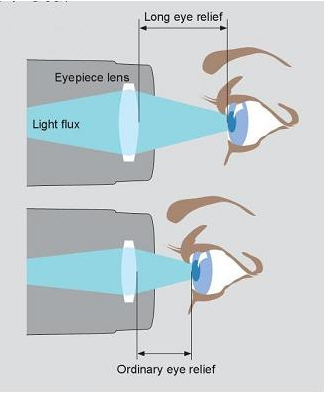
Eye Relief Viewfinders coverage, magnification and eye relief


The three most popular recent blog entries

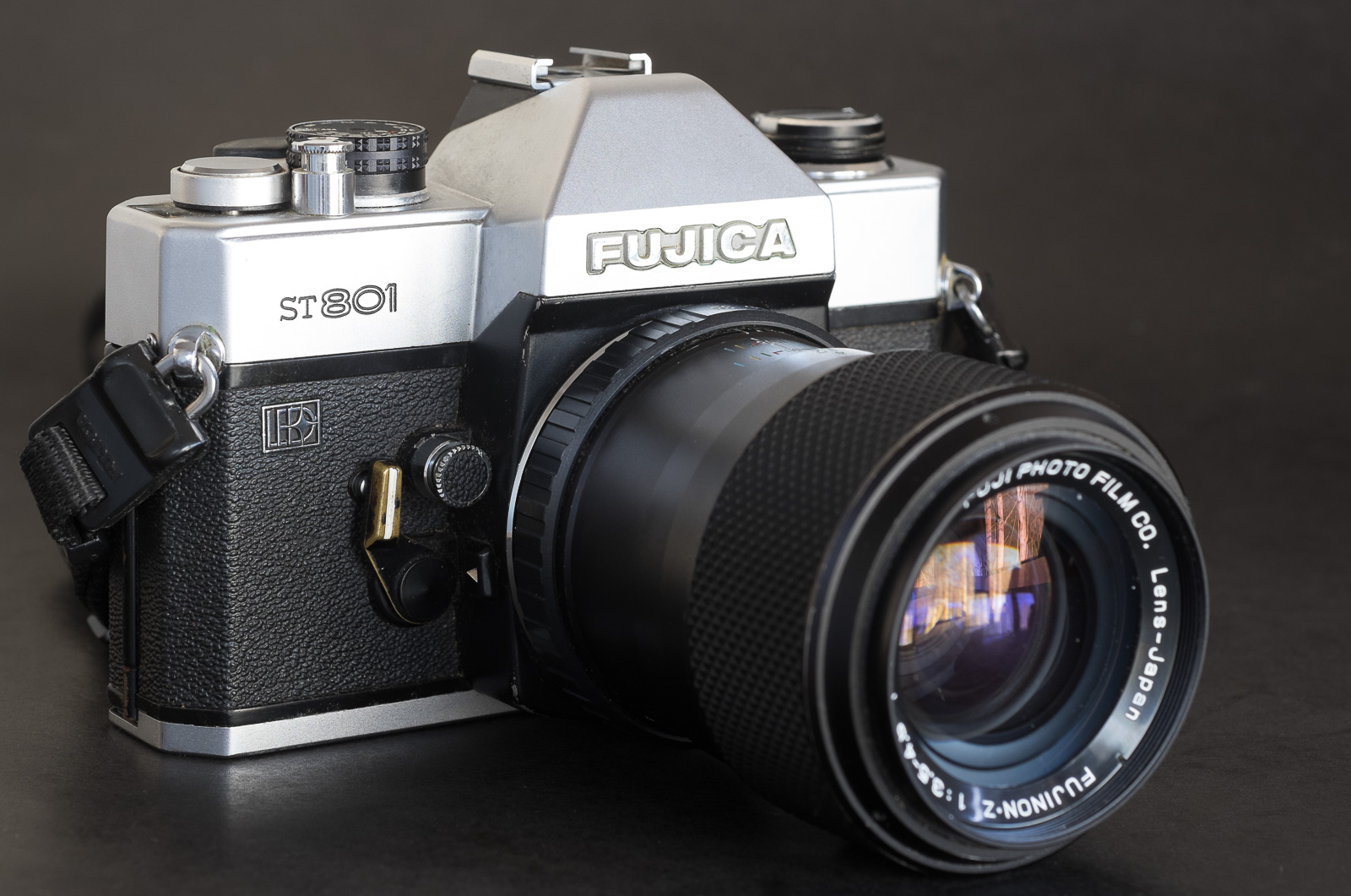
 The Fujica film cameras – the best screw mount SLRs ever?

 Canon A-1 or Fujica AX-5?

Canon FD to Fuji X adapter, and Canon FL 55mm Old lenses on new gear – manual focus lenses on mirrorless cameras


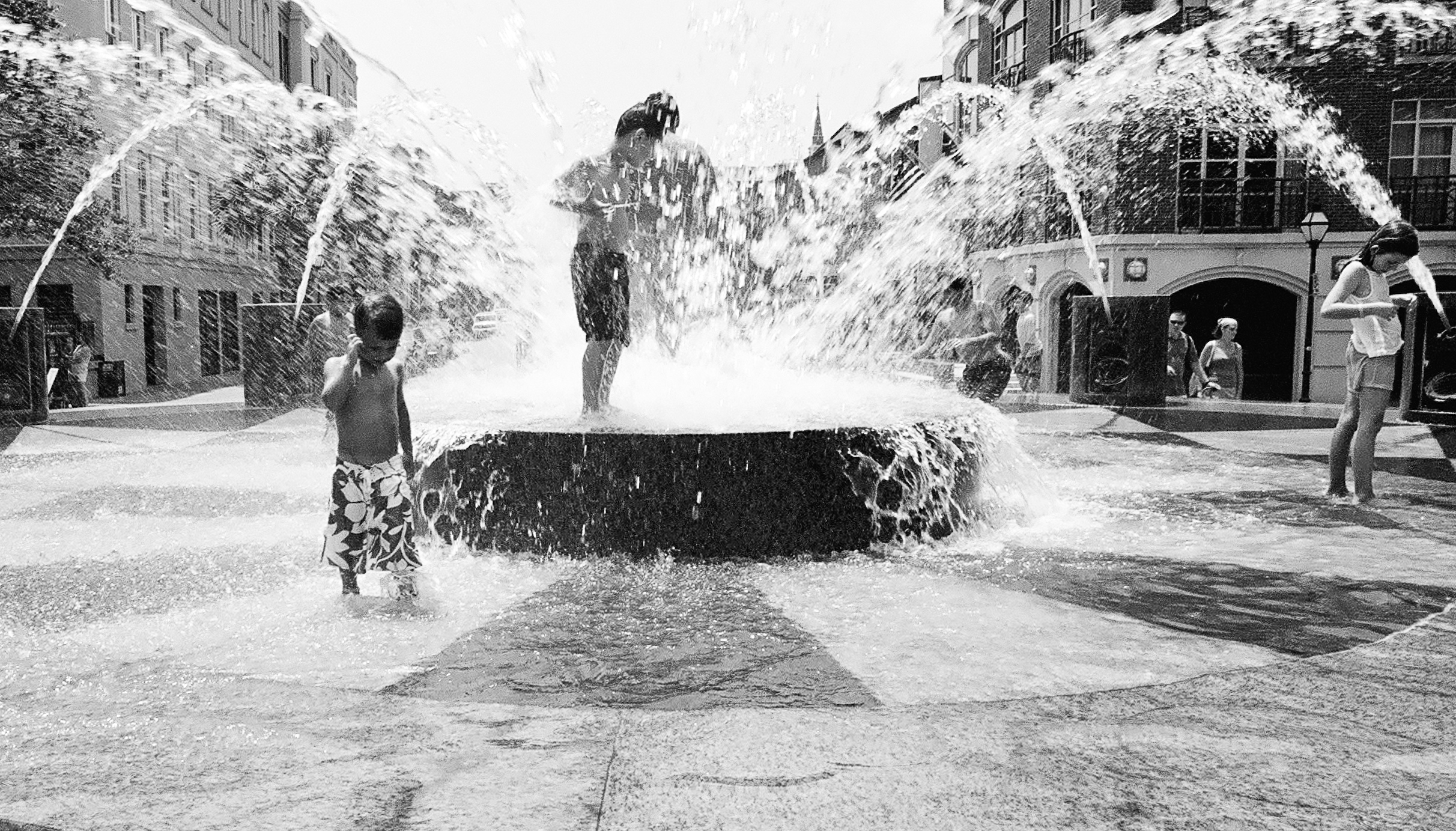
Charleston – July 2009 – Nikon FM Nikkor 24mm


SaveSave

SaveSave

SaveSave

SaveSave

SaveSave

Scanning 35mm film – is high-res scanning worth its cost?

Most photo labs propose scans in 3 resolutions: 1000×1500, 2000×3000, 4500×6700. The scans  are saved as jPEGs, with some labs also offering to save 4500×6700 scans as TIFF files.

In theory, those resolutions correspond to an image of 1.5 Million points (1.5 MP), 6 MP, and 30 MP respectively. In general,

  • 1000×1500 scans – when available – are virtually free (they’re included in the processing costs by some labs such as thedarkroom.com )
  • 2000×3000 scans cost roughly $5 for a full roll (in addition to the processing costs), or .50 per individual image scanned
  • 4400×6700 scans cost roughly $11 to $12 per full roll (in addition to the processing costs), or 3.00 per individual scan
  • 4400×6700 (TIFF) are the most expensive at $21 per full roll (oldschoolphotolab.com)

Storage constitutes an indirect cost – which doesn’t hurt until you run out of disk space, and have to upgrade your PC, your home NAS  or you online backup plan. But if storing 36 images at 1.5 Mbytes will not break your storage budget, 36 high res TIFF images represent almost 3 Gbytes. The exact size of a JPEG file is difficult to predict (JPEG is a lossy compression format), but in general, the file size of each type of scan falls within those brackets:

  • 1000x 1500 – JPEG -1.5 to 2 Mbytes
  • 2000 x 3000 – JPEG – 3 to 4 Mbytes
  • 4492 x 6776 -JPEG – 12 to 16 Mbytes
  • 4492 x 6776 (TIFF) – 80 MBytes / image

Scan_2000x3000_Piedmont
Atlanta Piedmont Park – Shot with Canon A-1 – Canon FD 35-105 f/3.5 – Fujicolor 400. Scanned at a resolution of  2000 x 3000 – the pictures of this roll are not really better than when scanned at 1000 x 1500 – probably a limitation of the lens (a 35-105 zoom of the seventies)

The tests

I wanted to have a few pictures I had taken a long time ago scanned, and I asked the lab to scan some images in 2000 x 3000, and some in 4400 x 6700. The pictures had been taken with a Minolta 7xi and the famous Angenieux 28-70 f/2.6 zoom, on Fuji Reala film (the 100 ISO “professional” color film Fujifilm were selling at that time). The pictures had originally been enlarged on photographic paper, and I expected the scans to be good.

I also had a series of images taken recently with a zoom from the early seventies, that had been scanned by the lab at 1000×1500, that I asked the lab to rescan at 2000 x 3000.

Once the jPEGs were ready, I downloaded them in iPhone and iPad photo galleries, in Photoshop and Lightroom on a laptop, and on WordPress, in order to compare the perceived quality. A reminder of the resolution of a few devices compared to print.

  • iPhone 5 S Retina photo gallery : 1136x 640 (720,000 points) at 326ppi
  • 9.7 in iPad Retina Photo gallery:  2048 x 1536 (3,000,000 points)  at 266 ppi
  • Print 8 x 10: 2400 x 3000 points or 7.2 million points at 300ppi
  • the pictures of this blog are generally saved for the “Large” format proposed by WordPress, at 1024 x 680, corresponding to 600,000 points.

Paris – The Seine – scanned at 2000 x 3000. Minolta 7xi – Angenieux Zoom 28-70 – Fuji Reala film (1992). No visible difference in quality with the 4492 x 6700 scan (look at the details of the Eiffel tower compared to the glass house of the Grand Palais in the image below)

Conclusion

  • Scan at 1000×1500 or 2000×3000 ?
    • on an iPhone, on a 4×6 print, or in a blog supporting 1024 x 680 images (such as this one), there is no visible difference between 1500 x 1000 and 3000 x 2000 scans.
    • For all larger screen or print formats (9.7′ iPad Retina, laptop, 8×11 print, blogs offering to view images at native resolution)  the difference between a scan at 1.5 Million points and a scan at 7 Million points is very visible, unless the original is very poor (low lens resolution, very grainy film, subject slightly out of focus, operator shake at slow shutter speeds). It’s even more visible if you crop the image, even slightly.
  • Scan at 2000×3000 or 4400×6700 ?
    • on an iPhone, iPad 9.7′ Retina or on a 8×11 print – the difference is not really visible.
    • Above that (13 x 20 prints, for instance), the theoretical difference in resolution does not  necessarily translate into a difference in print quality: a 13 x 20 print  represents 24 million points at 300 ppi and the 6 million of points of a 2000×3000 scan should theoretically be overwhelmed, but practically the resolution of the film and of the lens play their part, as the technical limitations of the photographer (focus, shake) do. Large prints are often framed and hung on a wall, and you don’t look at a picture on a wall the same way you look at a 8 x 10 print you hold in your hand. And all technical considerations taken apart, with some subjects, images scanned at 2000×3000 may look as good as images taken at 4492×6770 – it depends on the contrast and quantity of fine details in the subject.

Scanning at 2000×3000 is a good compromise for 35mm film, and my choice when I have film processed. It works fine with any support I use day to day (iDevice, laptop, 8 x 11 prints), is not too expensive and generally produces a visible difference with the 1000×1500 scans.

If I wanted to print a really great picture, an image compelling from an artistic point of view and almost perfect technically (fine grain film, sharp lens, subject in focus, no shake), I would have it scanned at the 4492 x6776 resolution, and saved as TIFF. It would give me no guarantee that the print would be great (there are so many variables), but it would give me the best chances of success.


Scan_4492x6770_Paris-22
Paris – Scan 4492 x 6770 – Shot from the Pont Neuf -Minolta 7xi – Angenieux zoom 28-70 F/2.6 – Fuji Reala (July 1992)

About Tokina’s 28-70mm f:2.6-2.8 AT-X Pro and its Angenieux ties

Nikon Glass Blog
Nikon Glass


The pages about the Angenieux 28-70 zoom lens have been the biggest hit of this blog so far.

Manufactured in relatively small volumes by a renown French company, this lens disappeared from the shelves in the mid nineties, only to resurface – slightly modified – as an AT-X Pro after Tokina bought the design. So says the legend, at least.

More about the Tokina AT-X Pro saga can be found in a page published in November by John Cazolis in his blog Nikon Glass. John explores the different versions of Tokina’s 28-70 zoom, and tests extensively the AT-X Pro 28-70mm f:2.6-2.8, which is considered the closest to the original Angenieux design.

There are always a few Tokina AT-X Pro 28-70 lenses for sale on eBay, but the first iteration of the Pro model – the one that John Cazolis recommends – is relatively difficult to find. Expect to pay between $200 and $300 for a nice lens in good condition.

[Edited April 2018: posted a new blog entry about the Tokina 28-70 lenses: The four Tokina 28-70 AF lenses and their Angenieux roots.And John Cazolis rewrote his Tokina 28-70 entry in  http://www.johncaz.net/home/tokina-at-x-pro-af-28-70mm-26-28. ]


joe_lake_powell
Joe – Skipper on Lake Powell (AZ) – Scanned from print – Minolta 700si – Angenieux 28-70mm f/2.6 zoom (May 1994)

Angenieux 28-70mm f:2.6 AF

The 28-70 f:2.6 was Angenieux’s last consumer oriented zoom, designed for Canon, Minolta and Nikon AF cameras. With a very wide aperture, an all-glass and all-metal construction, it was positioned to compete with the “pro” series zooms of the big three. The tests performed by the specialized press at that time showed that it was THAT good.

Unfortunately, its price was also on par with the best of Nicanolta, which made it a tough sale beyond the small circle of admirers of French technology. When Angenieux decided to refocus on professional markets and stopped the production of its consumer oriented lenses, Tokina inherited the design, and their Tokina AT-X 287 Series – which was sold as recently as 2007, is a remote descendant of the Angenieux 28-70 AF.

Continue reading