Shooting with a 6Mpix Pentax *ist DS – when old gear is really too old

The price of a digital camera on the second hand market is more or less proportional to the number of pixels of its image sensor – interchangeable lens cameras (dSLRs and mirrorless) with anything between 24 and 50 Megapixel (Mpix) sensors are considered current and command big bucks, while models with less than 10 Mpix are deemed virtually worthless.

Case in point – I bought a Pentax *ist DS (a 6 Mpix dSLR from 2004), a bit scruffy but in working order, for less then $35.00.

So, it’s cheap, but is it still usable?

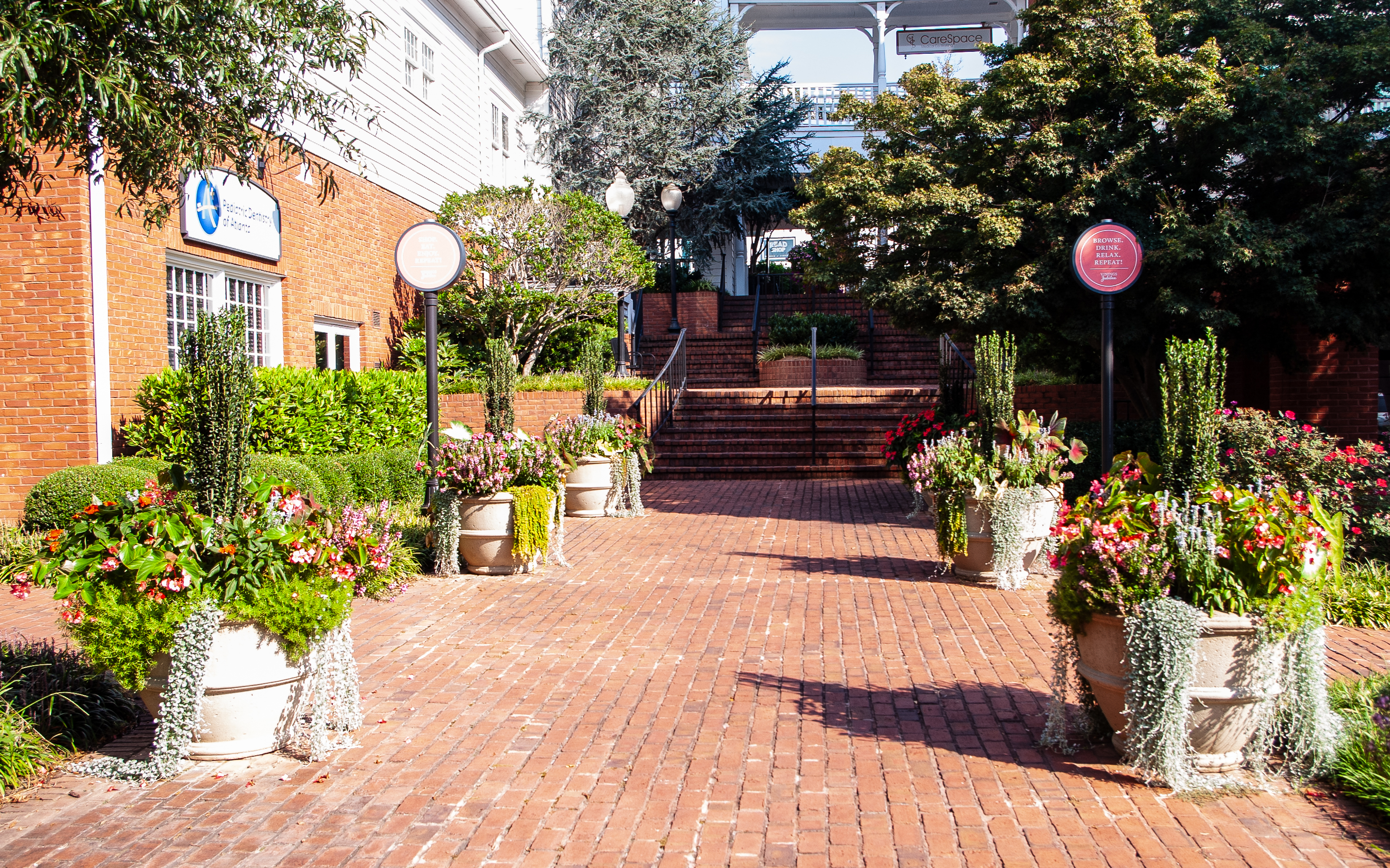
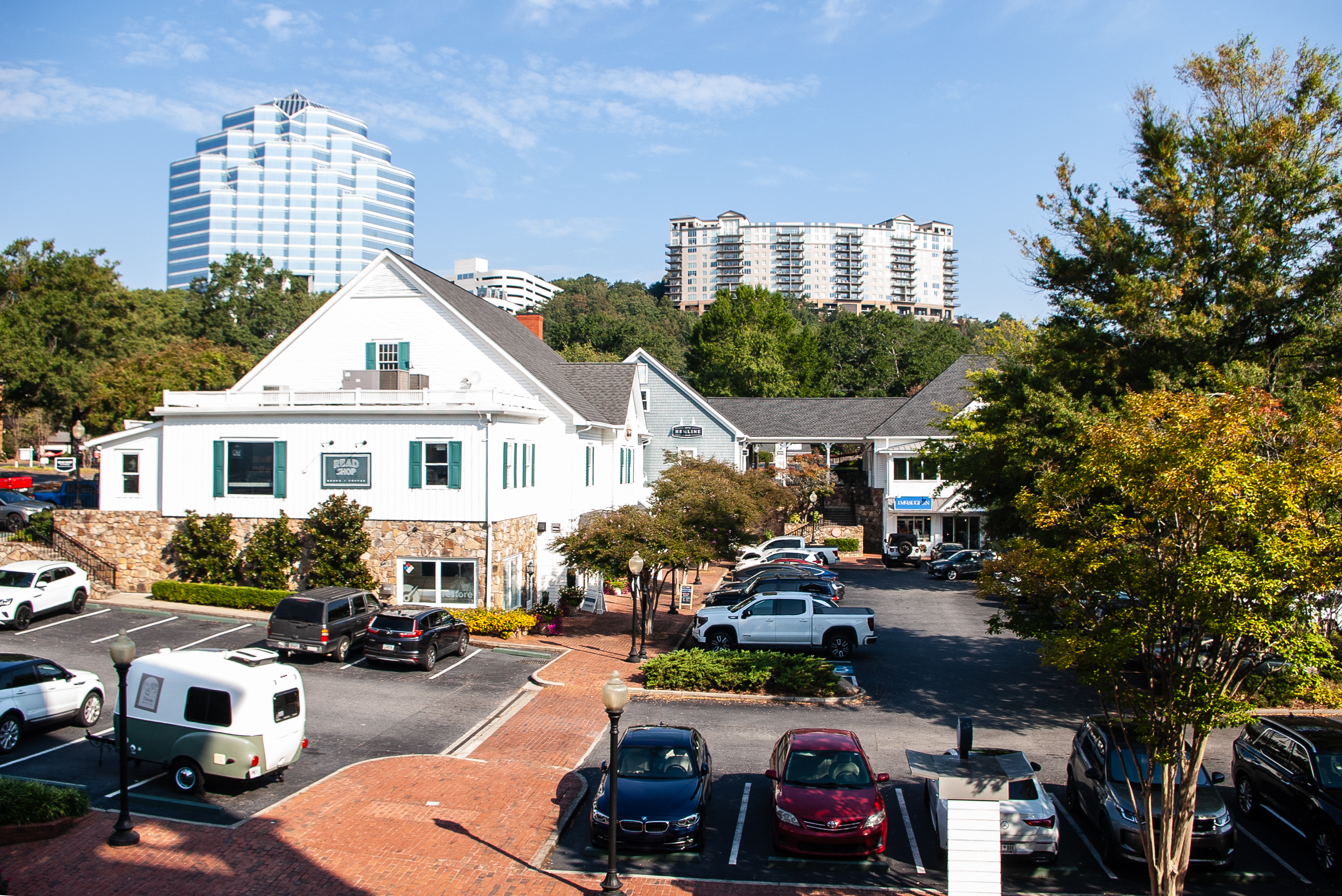
Pentax *ist DS – Pentax kit lens 18-55 – Vinings Jubilee (Atlanta) – Sept 2025
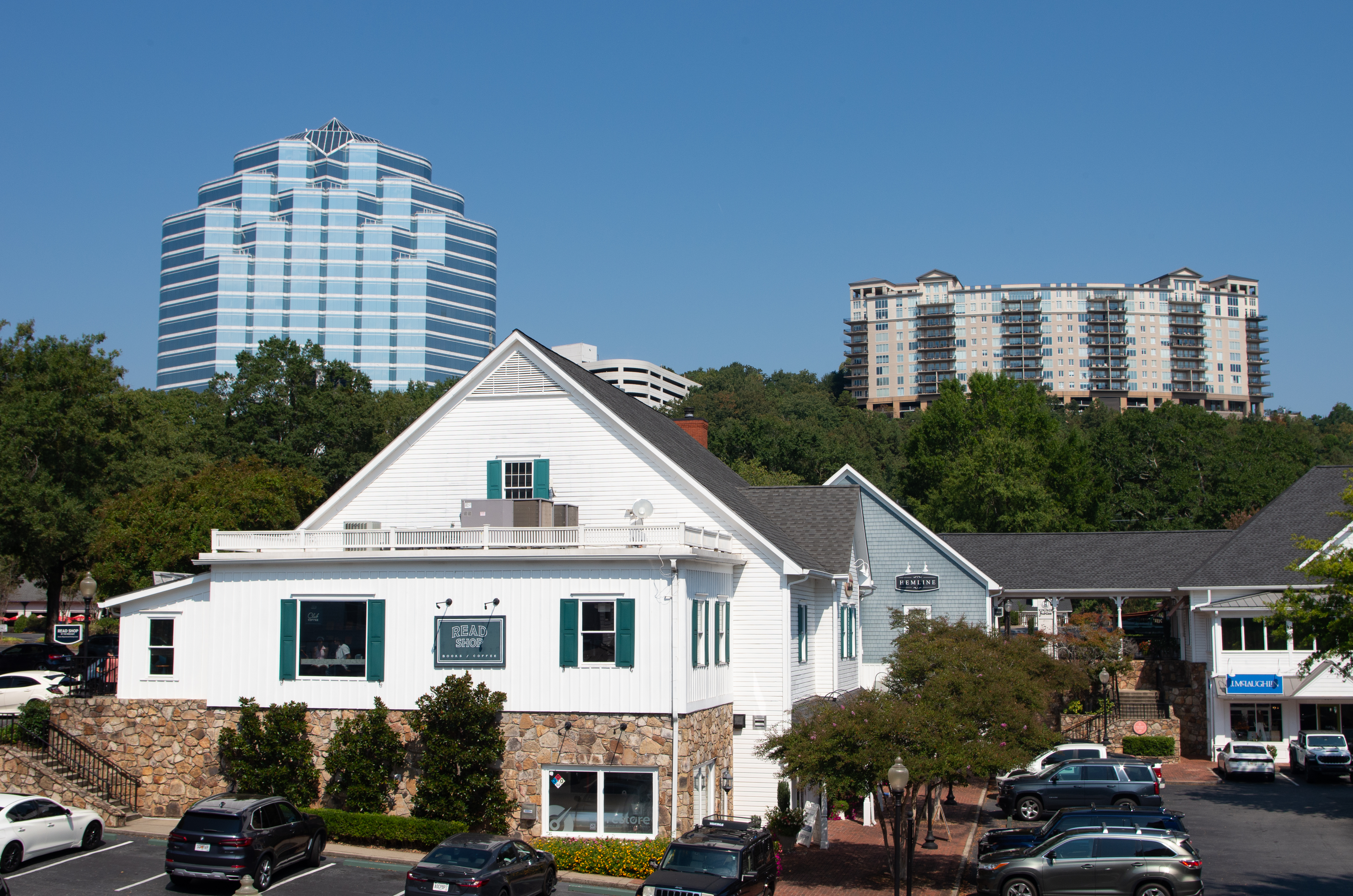
For comparison – same lens, same ISO settings, same hour of the day – Pentax K-5 – minor adjustments in Lightroom. Click on the image to see it at full resolution – you will see the difference.

Why the Pentax *ist DS back then?

At the turn of the century, the photography market was different from what it was to become a few years later – there were only four companies in the world selling digital SLRs (Canon, Fuji, Kodak and Nikon). And those cameras were very expensive, and primarily bought by news agencies and well heeled pros.

2002 saw a first wave of more affordable digital SLRs reach the market (Canon, Fuji and Nikon all launched models in the $2000 price range). Pentax and Olympus joined the fray in 2003 with the *ist D and the E-1. At the end of 2003 Canon made digital SLRs affordable for amateurs with the Rebel 300D, the first dSLR to sell for less than $1000.00.

Nikon and Pentax followed rapidly with two models priced around $1000, the D70 and the *ist DS. Like millions of amateurs, I was looking for my first digital SLR in those days, and the *ist DS was my pick. Its specs were not that different from the D70 or the Rebel. What made the difference for me was its small size, its large viewfinder, and the good reviews of its kit lens.

Of course, I sold it after a few years to upgrade to a 10 Mpix camera, which itself was sold a few years later to fund the next upgrade, and so on.

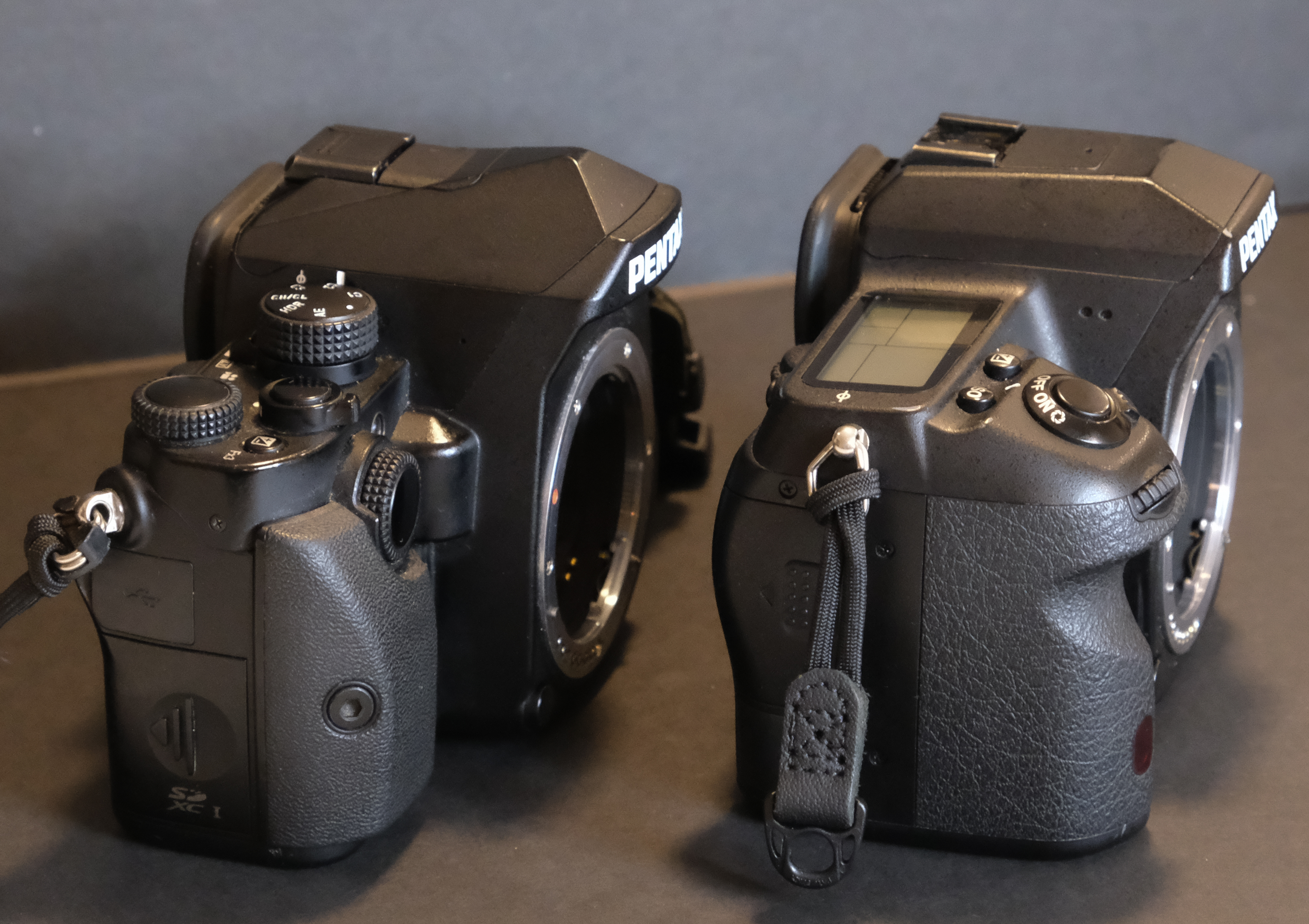
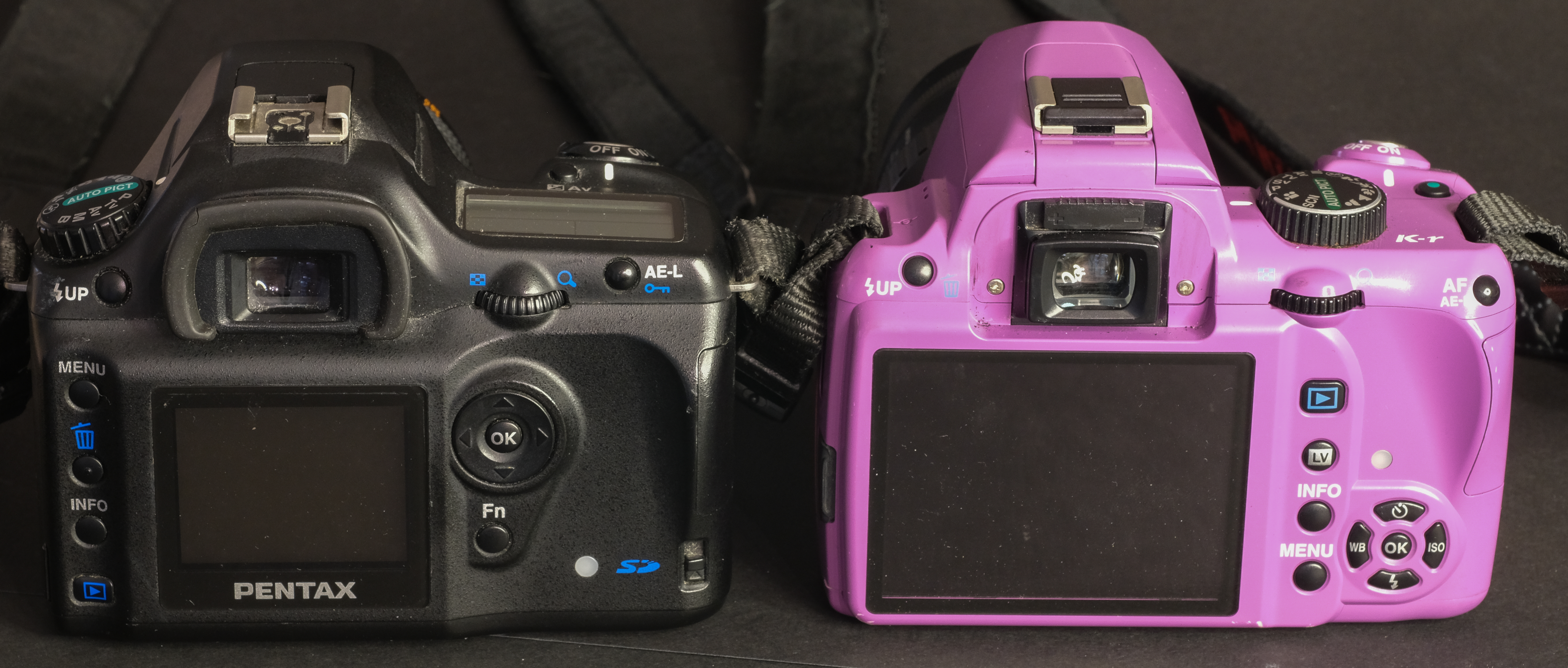
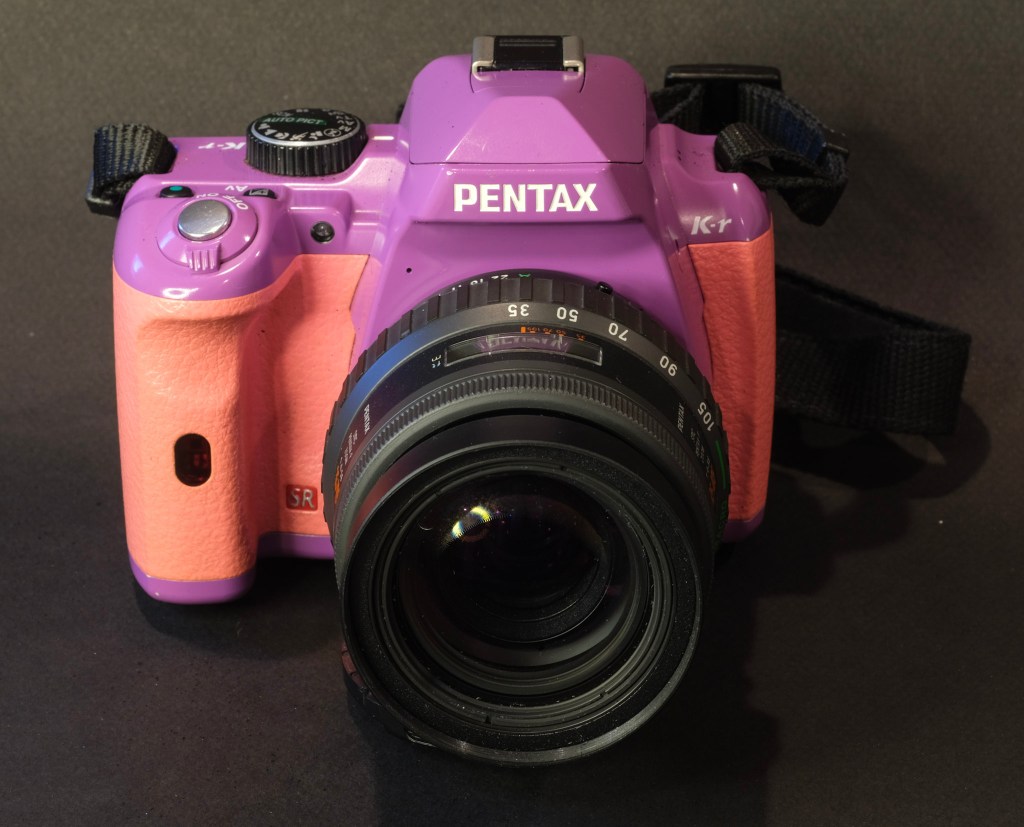
Family Reunionthe *ist DS (left) looks serious in black, the K-r (right) was available in fancy colors.

Why a *ist DS now?

A few months ago, I bought a colorful Pentax K-r (a 12 Mpix camera from 2010) and was surprised by the quality of the RAW files it delivered. You pay a bit more for the colored body of a K-r, but all white and all black models can be found for less than $100.00. In my recollections, the *ist DS was a good little camera, and I was wondering what it would be like to shoot with a 6 MPIX dSLR now. I started checking the usual auction sites, and $34.00 made me the proud new owner of another Pentax camera.

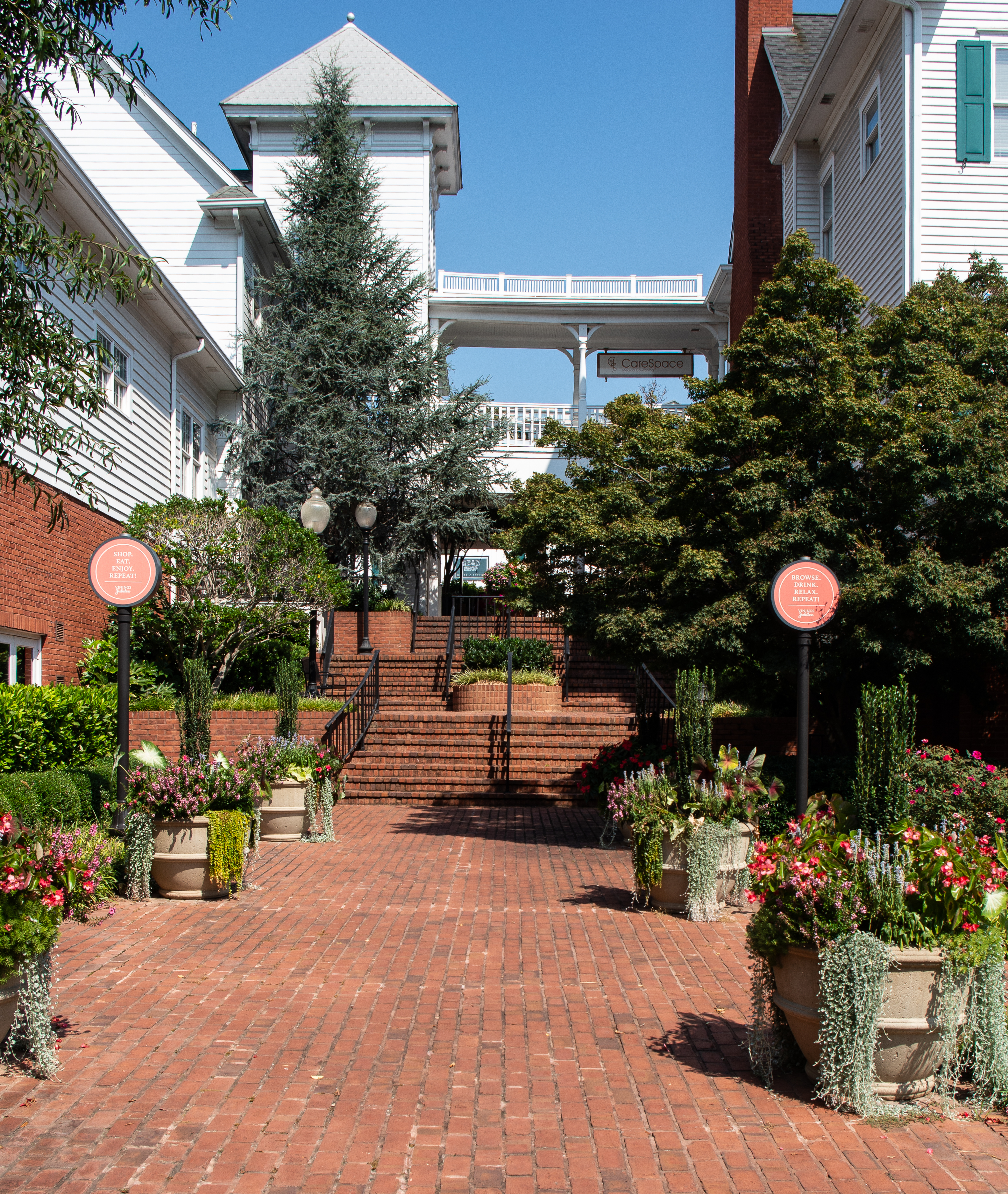
Pentax *ist DS – Pentax 18-55 Kit Lens – Vinings Jubilee (Atlanta) – adjusted to taste in Lightroom
For comparison – same lens, same ISO settings, same hour of the day – Pentax K-5 – minor adjustments in Lightroom. Click on the image to see it at full resolution – you will see the difference.

First impressions

I had shot a few thousand of pictures with my *ist DS in the early 2000s, so this “new” *ist DS is not really a total unknown for me.

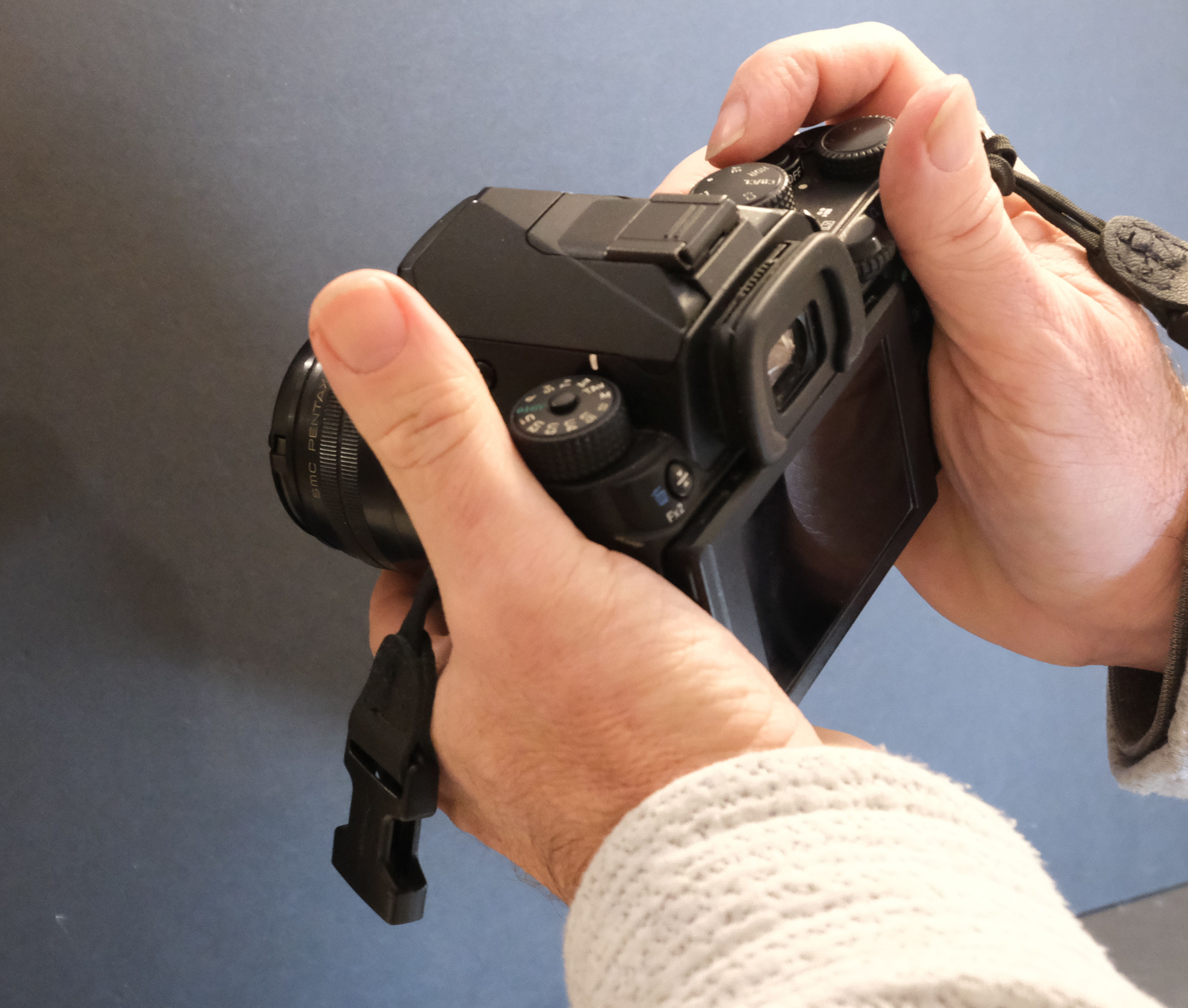
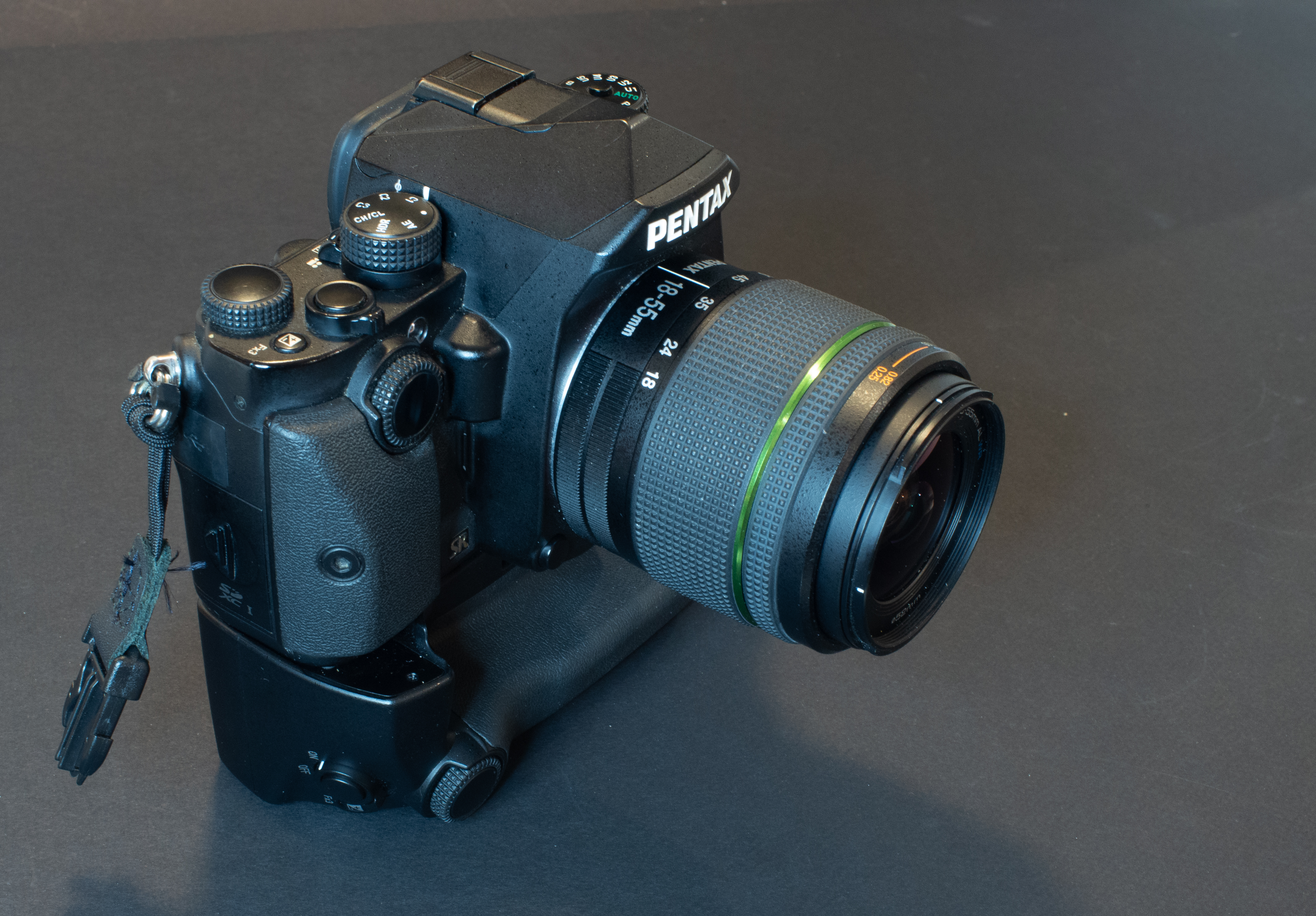
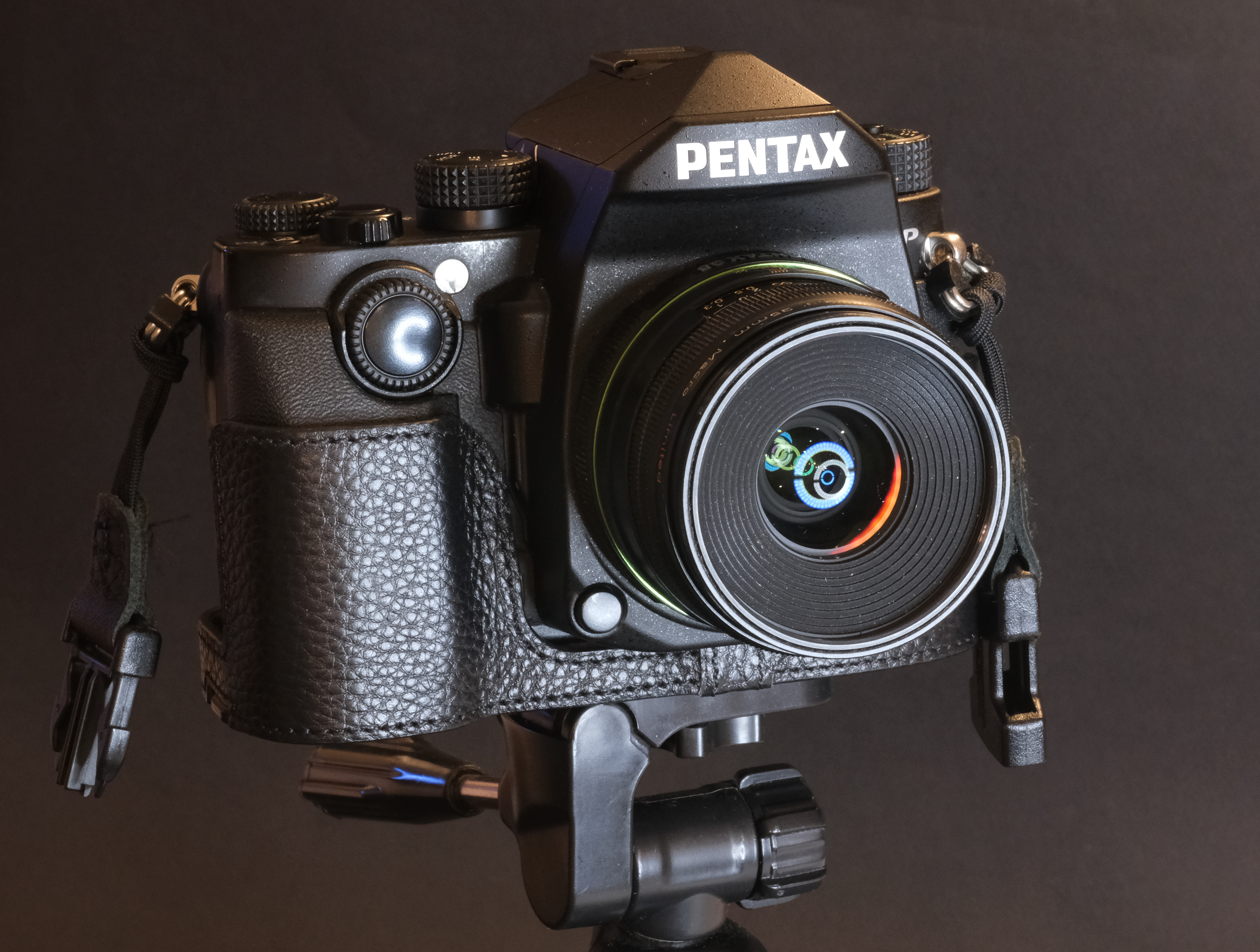
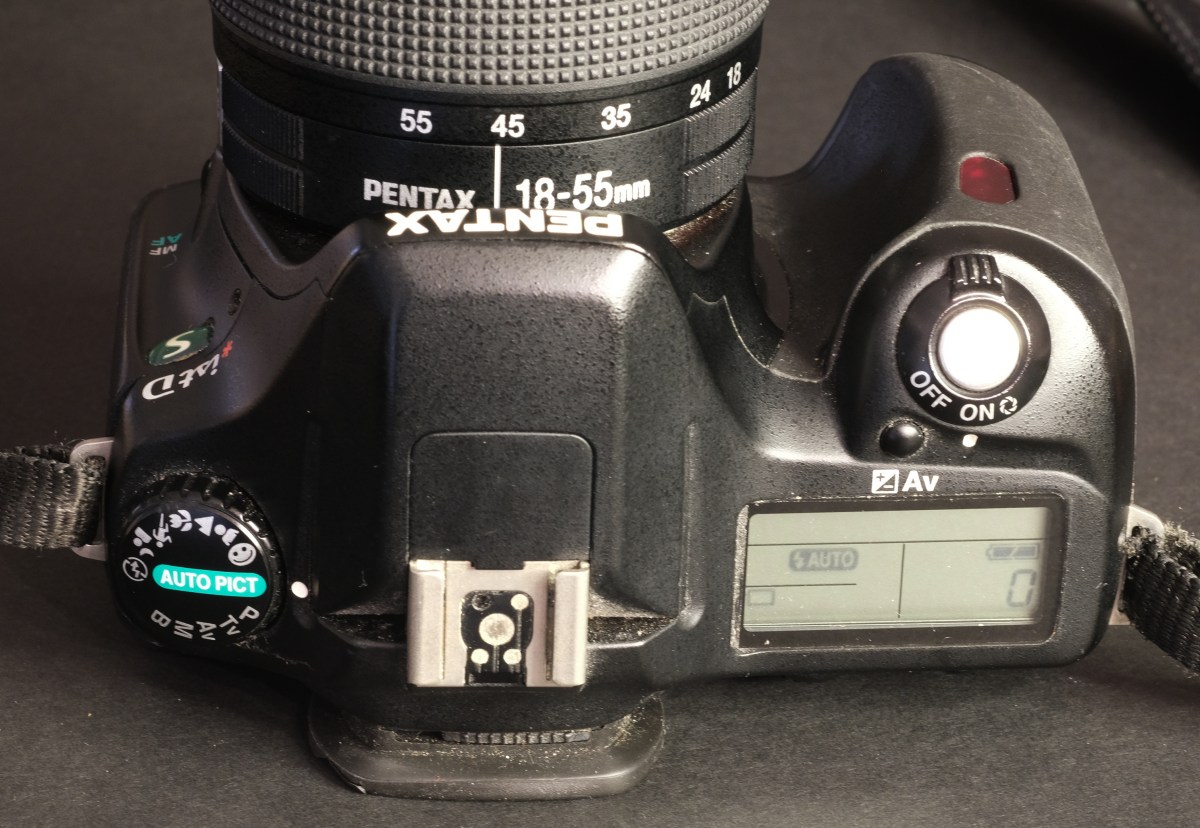
What struck me immediately when I received my $35.00 *ist DS is how similar it looked to the K-r; as if Pentax had kept the same moulds over the 7 years that separate the two cameras. The *ist DS is smaller than Nikon’s mid-range APS-C of the same vintage, but the general organization of the commands is strikingly similar to what current Pentax and Nikon APS-C dSLRs look like – to a large extent the dSLR camera had already found its final form in 2004.

Pentax *ist DS (left) and Pentax K-5 (right) – the layout of the commands is very similar – the most striking difference is the rear LCD display – a huge progress in the space of a few years.

Visually, the biggest difference is the rear LCD display – the DS’ is very small (2in diagonal, some smart-watches have larger displays), and its dynamic range very limited.

Pentax *ist DS – this picture was in the performance envelope of the camera.

My $34.00 camera is old, and definitely not in tip-top shape (the mode selector is stuck in the Auto-Pict position, the integrated pop-up flash seems to be dead), but it still works well enough to get an opinion about this generation of 6 Mpix cameras.

Back in 2005, DPReview was very happy with the responsiveness of the camera, but concerned with the quality of its JPEGs. Today, the standards are different, but the responsiveness is still OKay-ish – when there is enough light for the autofocus to operate – otherwise it hunts desperately.

As for the image quality, even in RAW, it’s often disappointing.

Pentax *ist DS – even in Lightroom and starting from RAW, I could not get the sky, the church and flower bed to be exposed correctly at the same time.
Pentax *ist DS – another image (taken at around 11am) where the limited dynamic range of the sensor is clearly visible.
For comparison – same lens, same ISO settings, same hour of the day – Pentax K-5 – minor adjustments in Lightroom. The difference is striking.

The camera is twenty years old, may have been treated badly by some of its owners, and may not perform as well as when it was new, but, in any case,

  • the dynamic range of the sensor is limited (DXO evaluates it at 10 EVs, as opposed to 14 EVs for the sensor of a more recent Pentax K-5 for instance). If the scene is lit evenly, the results are correct, but even Lightroom can’t save RAW images like the picture of this old church or that plant on my deck.
  • I’ve been used to shooting with cameras and lenses equipped with image stabilization mechanisms, which this *ist DS is deprived of. Images which would have been technically good with a camera from the 2010s are blurry because of camera shake,
  • the autofocus is a hit or miss – it works fine on static scenes, not so well if the subject is moving or the scene too dark.
Pentax *ist DS (left) and Pentax K-r (right) – even an entry level model like the K-r has a much better rear LCD display (and a Live View button). And it will perform much better.

Conclusion

Obviously, this camera works, and in ideal circumstances, will deliver usable images. But even if the images are saved as RAW files, the highlights are often desperately burnt, and the shadows too dark. The autofocus struggles with moving subjects, in particular if they’re not perfectly centered, and because this model is deprived from image stabilization, images will be blurry if the photographer does not pay close attention to the shutter speed. Very clearly, there is a huge image quality and usability gap between this *ist DS and cameras launched six to seven years later.

In the days of $5.00 Starbucks Lattes and $10.00 McDonalds Value Meals, $34.00 is not a huge sum to spend on a digital camera. But if you put the equivalent of six more Value Meals on the table, you’ll get a much more usable Pentax K-r (or any equivalent 12 Mpix dSLR from the early 2010s). Add another five will get you a really nice 16 Mpix dSLR like a Pentax K-5, or an already modern mirrorless camera such as the Panasonic G2 (12 Mpix) or the Sony Nex 3 (14 Mpix).
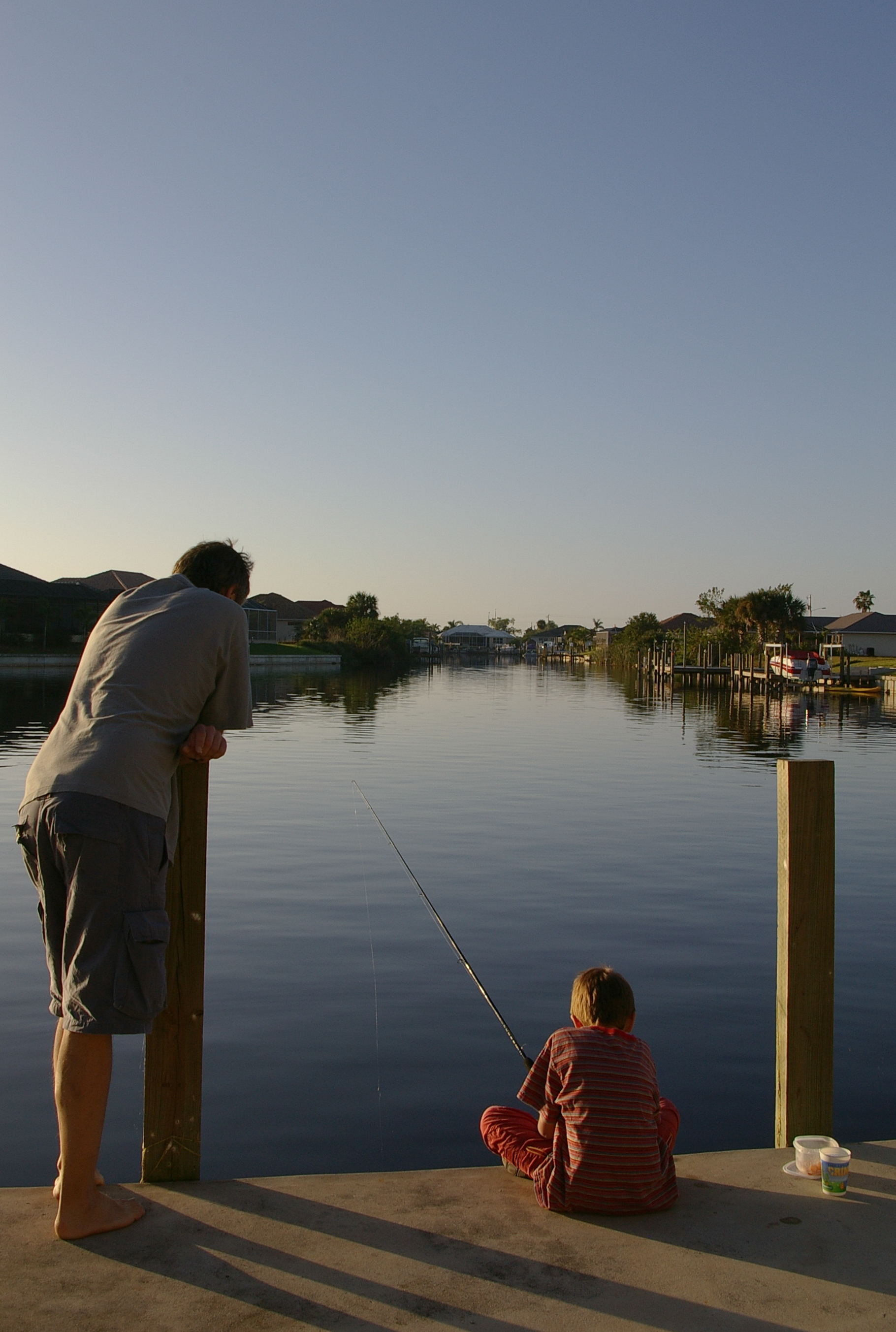
Pentax K-r – Centennial Park – Atlanta – the K-r only has a 12 Mpix sensor but behaves like a modern camera.

I’m not necessarily attracted to the latest and greatest features of the newest cameras (I also shoot film with cameras from the 1980s…), and will be happy to shoot with a digital camera deprived of movie mode or of wifi/bluetooth connectivity, if it still delivers images of good quality, most of the time.

But if the performance of a camera (by modern standards) is so limited that I start missing too many potentially good pictures, the quest for minimalism goes too far to my taste.

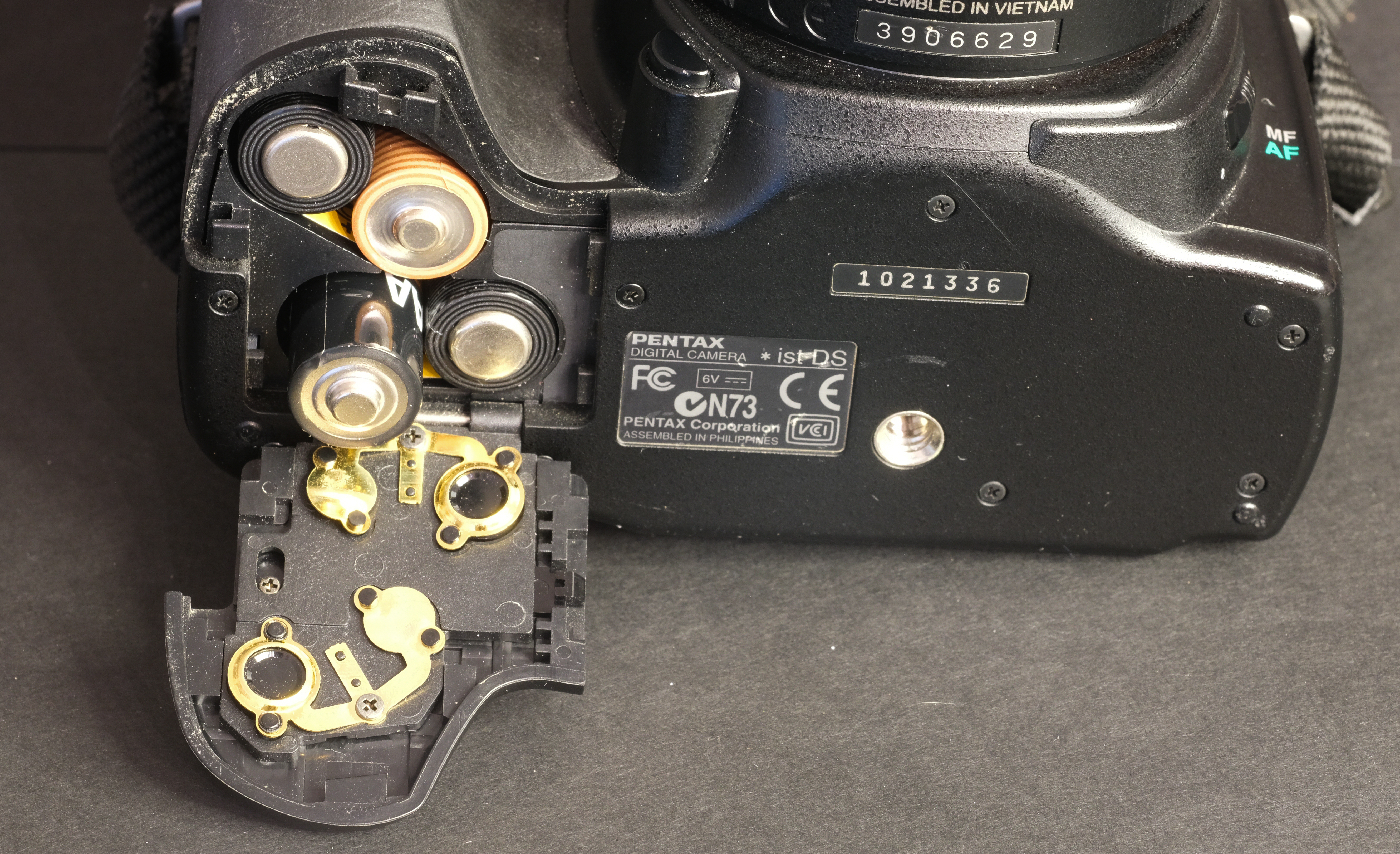
Pentax *ist DS – still powered by conventional AA batteriesno need for a charger (and the battery life is surprisingly good)

It is true that when cameras like the Pentax *ist DS (and its Canon, Konica-Minolta or Nikon 6 Mpix competitors) were launched in 2004, we were impressed by the huge step they represented over the digital point and shoot digicams we’d been using for a few years, and even today, we’re still proud to share the best images we got from those early dSLRs. If I set it up carefully, and use it within the limits of its performance envelope, I’m sure that even my scruffy *ist DS will get me decent pictures.

But today, I see the Pentax *ist DS more as an interesting curiosity, than as a camera I could use day to day. In the six years that separate a Pentax *ist DS from a Pentax K-5 (or a Nikon D70 from a D7000), there has been a huge step forward in reactivity, resolution, dynamic range and low light image quality, a step so large, that if I had to chose, I would spend a bit more on a dSLR or a mirrorless camera of the early 2010s, and forget about the *ist DS.


More about Pentax cameras in CamerAgX


Pictures from my first *ist DS, shot between 2005 and 2007

Pinup, French Bulldog – shot in Jan. 2005 with my first Pentax *ist DS.
Maui, Hawaii – at the top of the Haleakala – Pentax *ist DS
Charleston, SC – April 2005 – Pentax *ist DS

Fort Myers, Florida – Pentax *ist DS – Xmas 2005.
A cenote near Cancun, Mexico – Pentax *ist DS – July 2007

A Pentax K-5 today: a compact, still highly capable dSLR for $150

Digital single-lens reflex (dSLR) cameras still have unique qualities. Even though modern mirrorless cameras outperform them in many situations, using the optical viewfinder on a good digital SLR is a real pleasure. I’ve used almost exclusively SLRs in my formative years, and it probably conditioned my eyes and my brain to be more comfortable and creative when I see a scene through an optical viewfinder. That’s why I finally decided to add another dSLR to my kit in complement to my mirrorless equipment.

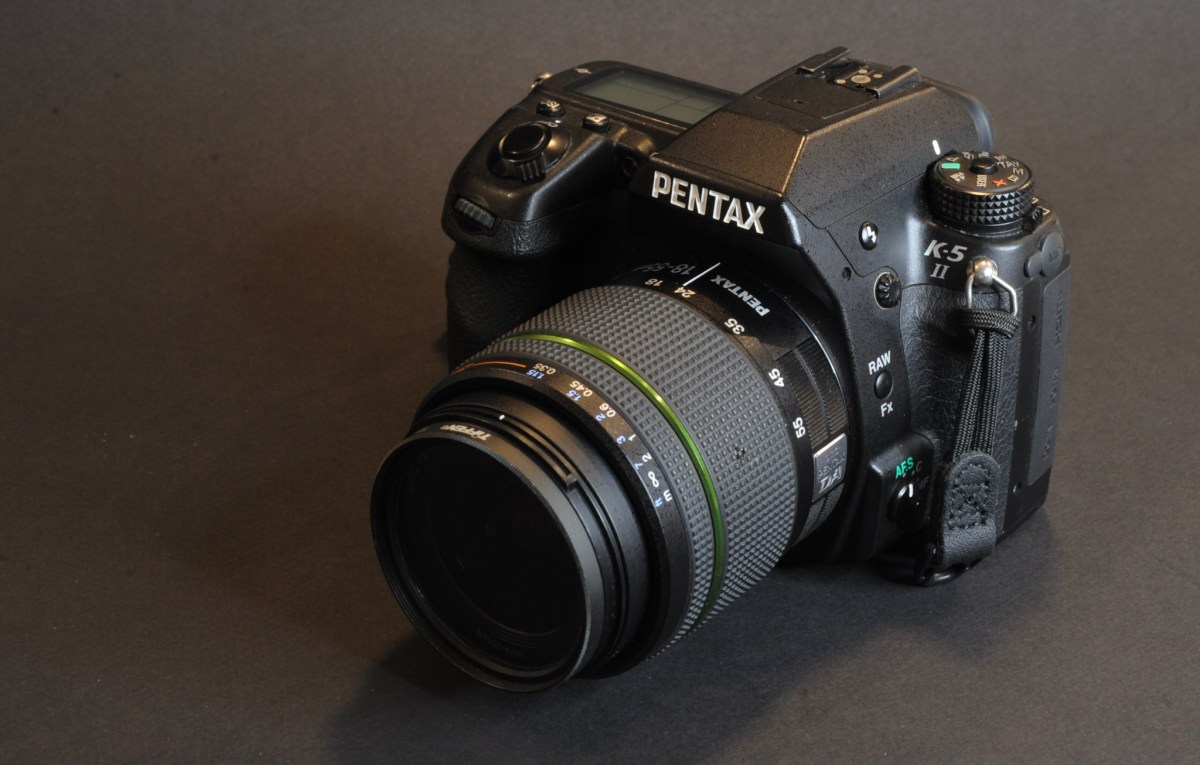
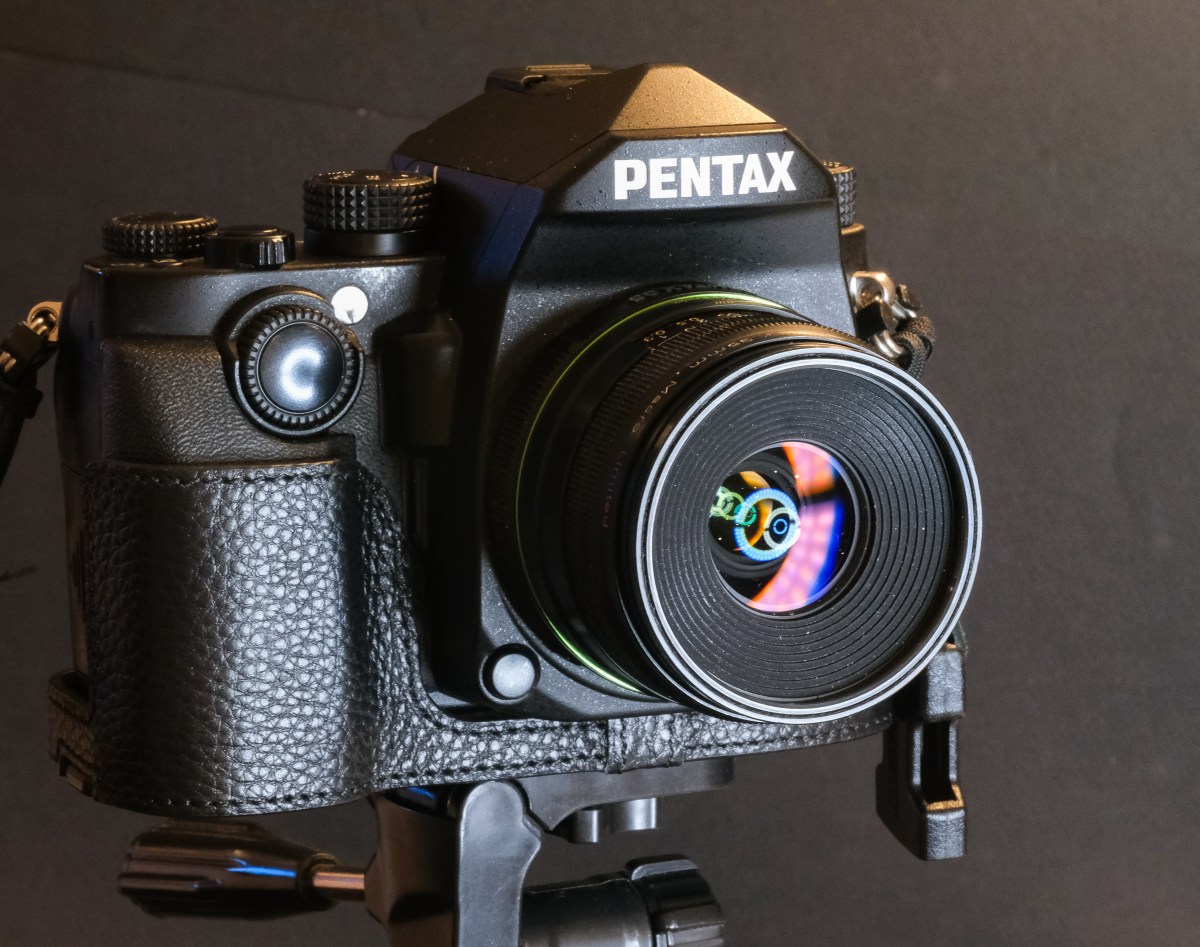
Pentax K-5 and its kit lens

I was not willing to spend too much money on this nostalgia trip – I had set a limit of about $150 but I still wanted the camera to have a great viewfinder, a lot of directly accessible commands, and a sensor capable of delivering technically satisfying pictures. The colorful Pentax K-r I reviewed recently was a good introduction to Pentax’s dSLRs family, but certainly not the “advanced”, “semi-pro” APS-C dSLR I was looking for.

My $150 budget consigned me to “advanced” or “prosumer” APS-C cameras from the early 2010s, with an image sensor in the 15 to 20 megapixel range. In that category, Pentax has always had a strong offering, with compact, well built cameras benefiting from a great optical viewfinder. Between the K-7, the K-5 and the K-3, which one was going to be my pick?

Pentax K-5 Mk II – a typical “modal” user interface – most of the settings have their own dedicated key.

Which Pentax K camera to choose?

Over the years, Pentax have introduced three generations of their “advanced” APS-C model line (the K-7, the K-5, the K-3), and have derived Mark II variants of the K-5 and K-3. The current K-3 Mark III launched in 2021 is not as directly related to the K-7 as its predecessors. It’s a very significant upgrade over the K-3 Mark II (it could have been named K-1 if there was not already a K-1 camera in Pentax’s line-up) and part of its appeal is that it’s also available with a monochrome sensor (as the K-3 Mark III Monochrome, of course).

The family saga started in 2009 with the K-7, equipped with a 14 mpix sensor manufactured by Samsung. The camera was so good it was used as the basis of the subsequent K-5 and K-3 models proposed by Pentax, up to the K-3 Mark II. The sensor, on the other hand, could have been better. It yielded good results up to 800 ISO, but gave up at higher sensitivities, producing images with significantly more noise than the competition. Even the K-7’s little brother, the Pentax K-r, equipped with a 12 Mpix Sony sensor, delivered better results in those situations.

Pentax K-5 Mk II – this iteration of the camera has gained an “air gapless LCD screen”

Not surprisingly, the Samsung sensor was replaced by a very good 16 Megapixel sensor in the follow up model, the K-5, launched only one year later. This sensor belonged to a family of high performance chips developed by Sony, which were also used to great results in Fujifilm, Nikon and Sony’s own cameras.

In 2012, the K-5 was replaced by two models, the K-5 II (or K-5 Mark II) – more or less the same camera but with an improved autofocus system, and the K-5 IIs (or Mark II ‘S’) – equipped with a sensor deprived of an anti-liaising filter, and offering a higher resolution of fine details as a result.

The K-3 of 2014 adopted a new 24 MPIX sensor, and was followed by a K-3 Mk II variant equipped with a GPS chip in 2015. As mentioned above, the current Mark III came seven years later with a more modern 26 Megapixel BSI sensor, a vastly improved autofocus system, an extra control wheel, a joystick to select the focus point, and new menus. It is the most “advanced” of all Pentax APS-C cameras, and, with the now discontinued Nikon D500, one of the two most elaborate APS-C dSLRs, ever.

The Pentax K Mount is 50 years old – note the metal bayonet and the red gasket on the 18-55 DA AL WR zoom.

Let’s talk money

Very often the price of a camera on the second hand market is not an exact reflection of its technical capabilities: the K-7 and the first generation K-5 can be found at the same price (between $150 and $200.00), when there is a real performance gap between the two models. The K-5 IIs is often $100.00 more expensive than a K-5, because of the higher resolution of fine details promised by its 16 Megapixel sensor, deprived of an anti-liaising filter.

The K-3 is much more expensive than any variant of the K-5 on the second hand market: with a 24 or 26 Megapixel sensor and no anti-liaising filter, its image quality is on par with the best in the current crop of mid level APS-C cameras, and its price is often established in reference to the hefty sum that Pentax is charging for a new K-3 Mark III. A used first generation K-3 can not easily be found for less than $450.00, and a second-hand K-3 Mark III will cross the $1,000 barrier.

For my needs the K-5 (the non “s” model) represented the best deal in the K-7-5-3 family. I found a very nice K-5 Mark II in the price range I was targeting, and it’s the model we’re going to review today.

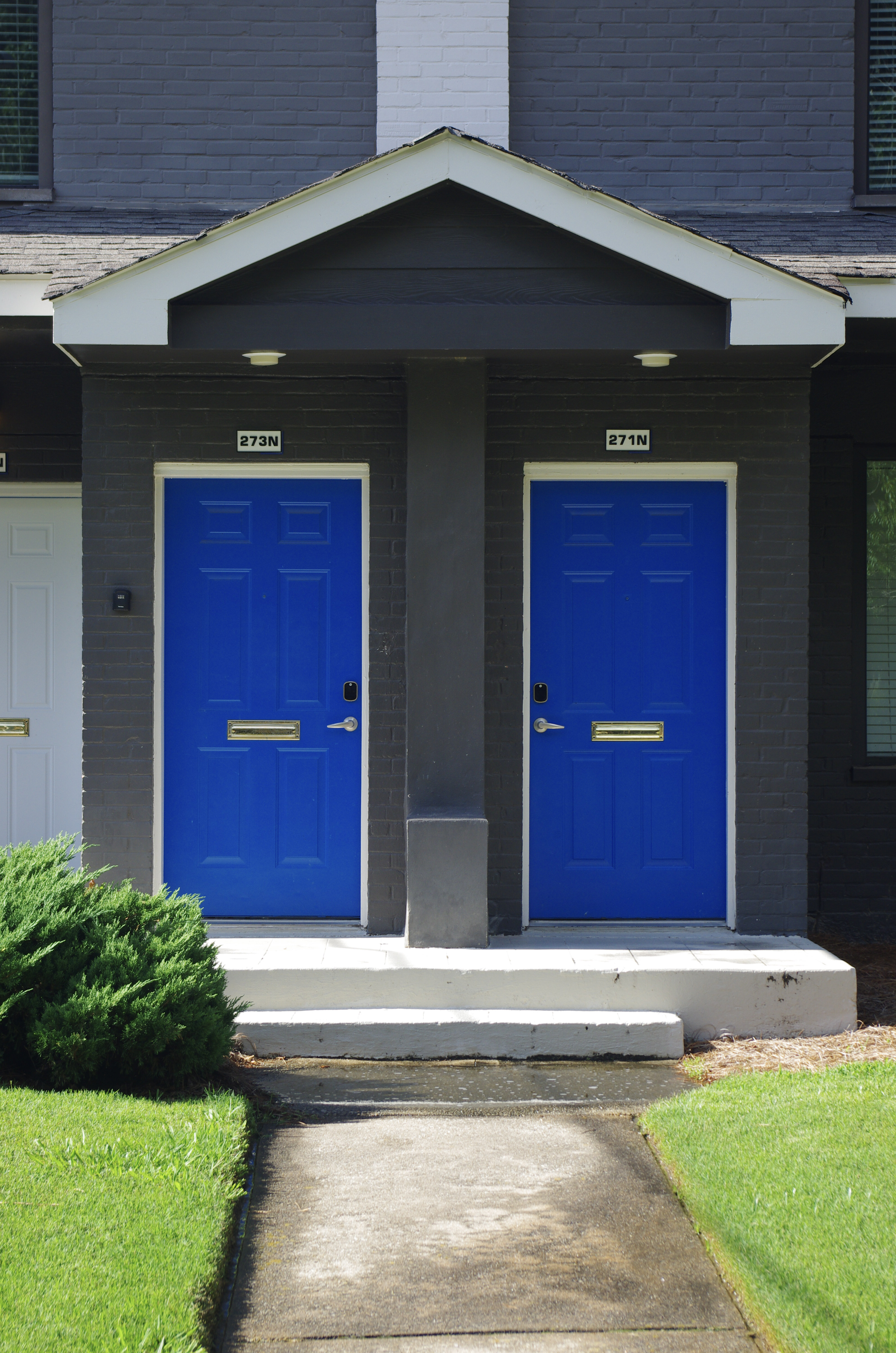
Colonial Homes – Blue Symmetry – Pentax K-5 / Pentax lens 18-55 f/3.5-5.6 AL WR

First impressions

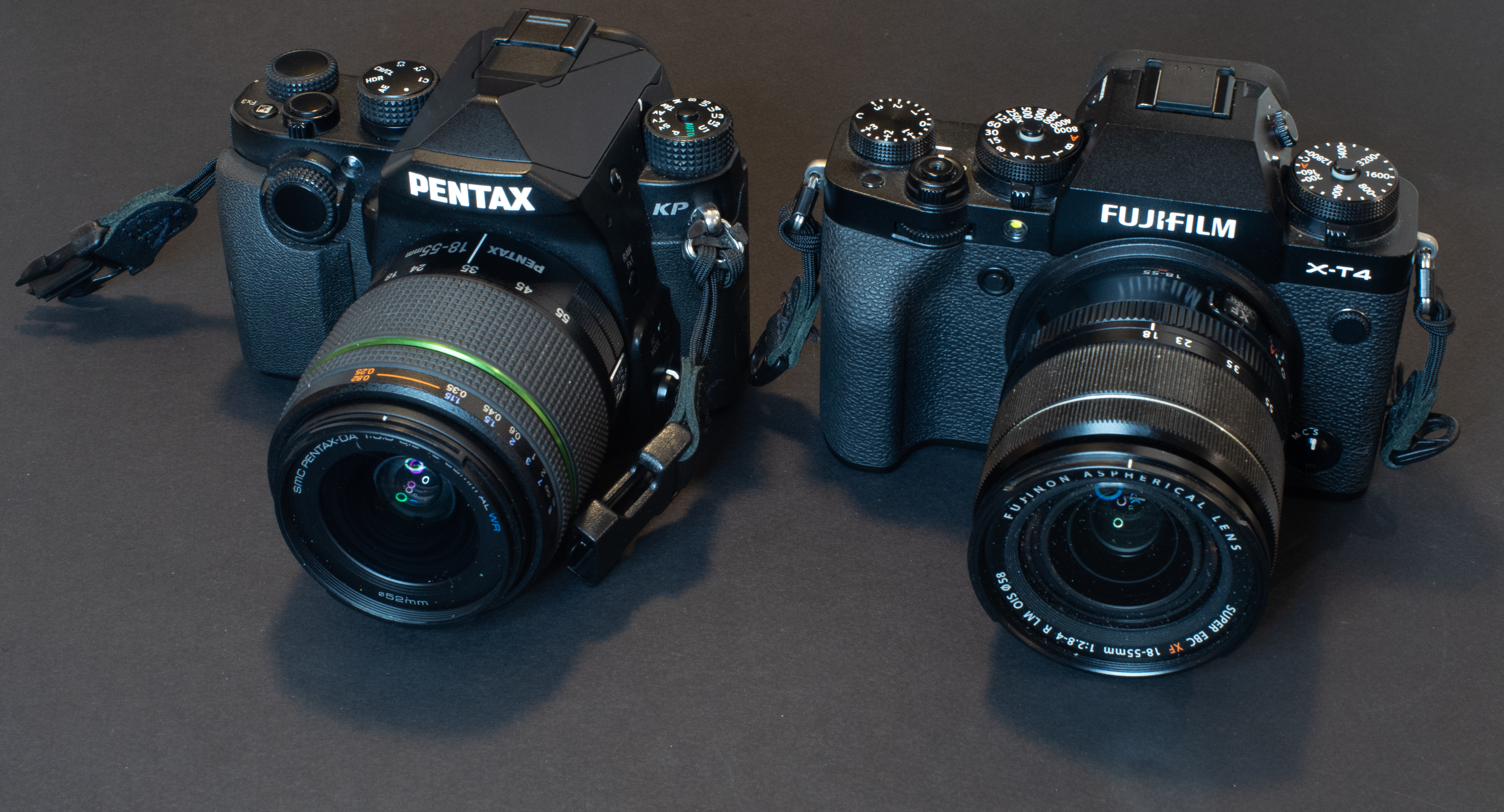
Yes, the camera is remarkably compact for a dSLR (in general), and for a model targeting enthusiasts, in particular. It’s not really larger than entry level dSLRs such as the Pentax K-r or the Nikon D3100, and it’s smaller than film era SLRs like a Nikon F90 or a Canon EOS 620. And next to a full frame digital dSLR like a Nikon D800 or a Canon 5d, it’s a dwarf.

Two “advanced” dSLRs – Full frame on the left, APS-C sensor on the right. The difference in size and weight is striking.

In comparison to a K-r or a D3100, it’s almost twice as heavy, though, because it’s built out of metal instead of plastic. It’s very substantial and seems very well built – and really feels like a tool a “pro” would use.

Another reason it’s heavier than a K-r or a D3100 is its viewfinder, which provides a significantly larger and brighter image. It’s visibly not as large or luminous as what you would find on a “pro” full frame camera (film or digital), but when you start considering the size and weight of the combo formed by a full frame body and its trans-standard zoom, then the K-5 looks like a very interesting compromise for action or travel photography.

Lastly, if you’ve been used to the modal interface of autofocus SLRs and dSLRs of any brand, you’ll feel right at home. The most current settings can be changed by pressing a dedicated touch, and then adjusting the value with the control wheel – and there are two of them, as it should be. If you trust Pentax’s default settings, you’ll be ready to shoot in no time.

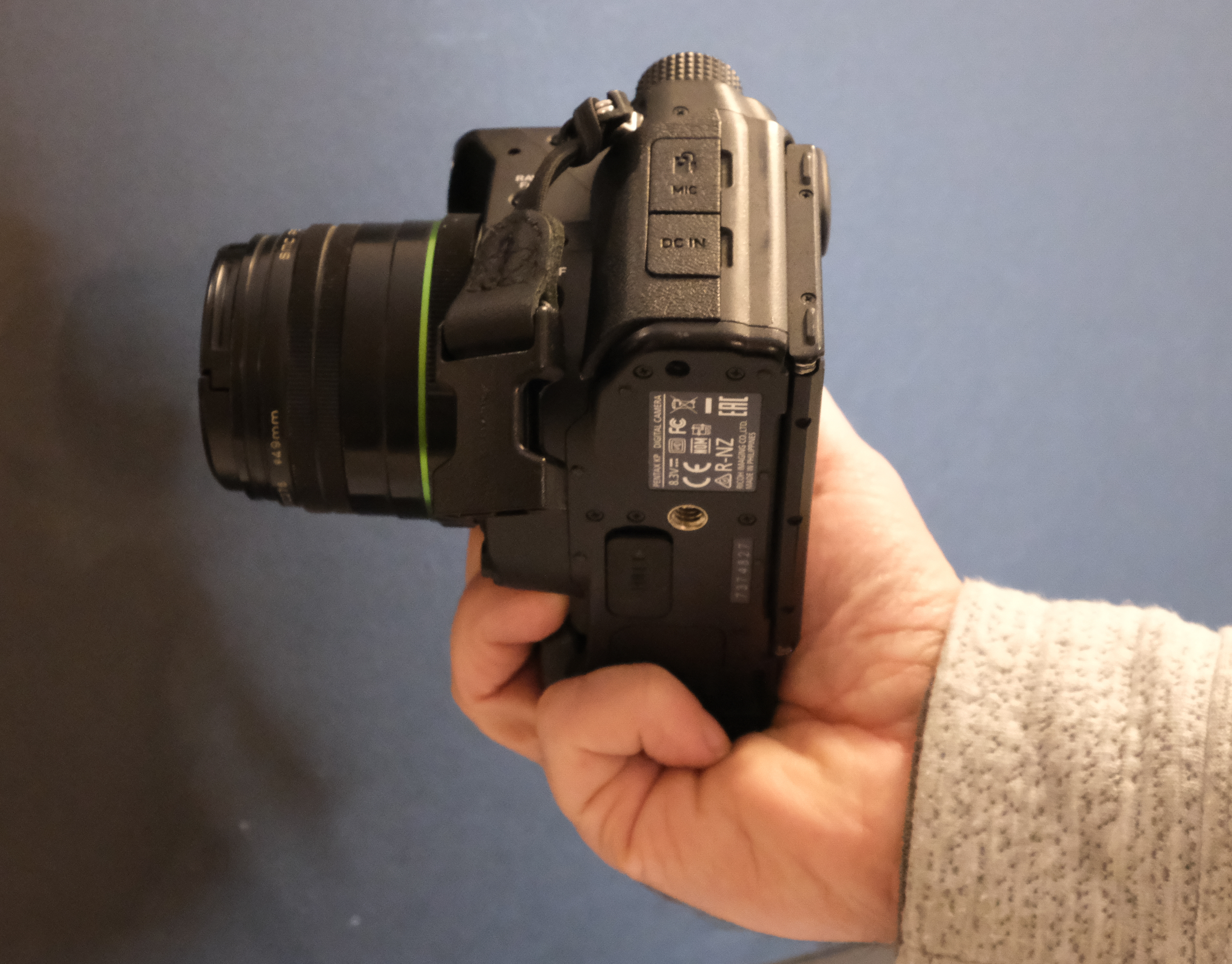
Pentax K-5 – note the lock on the battery door – Pentax takes “weather proofing” very seriously.

Not everything is perfect, though, and in some areas it shows its age.

The menus look dated (big, low res fonts, plenty of tabs) and not inviting. The large LCD display at the back is fixed, and is not touch enabled. Of course there is no joystick to select the active autofocus area, and no way to upload wirelessly the images to a smartphone or a tablet. And I will not mention “live view” or video capabilities – the K-5 can’t compete with a mirrorless camera on the former, and not even with a recent smartphone on the latter.

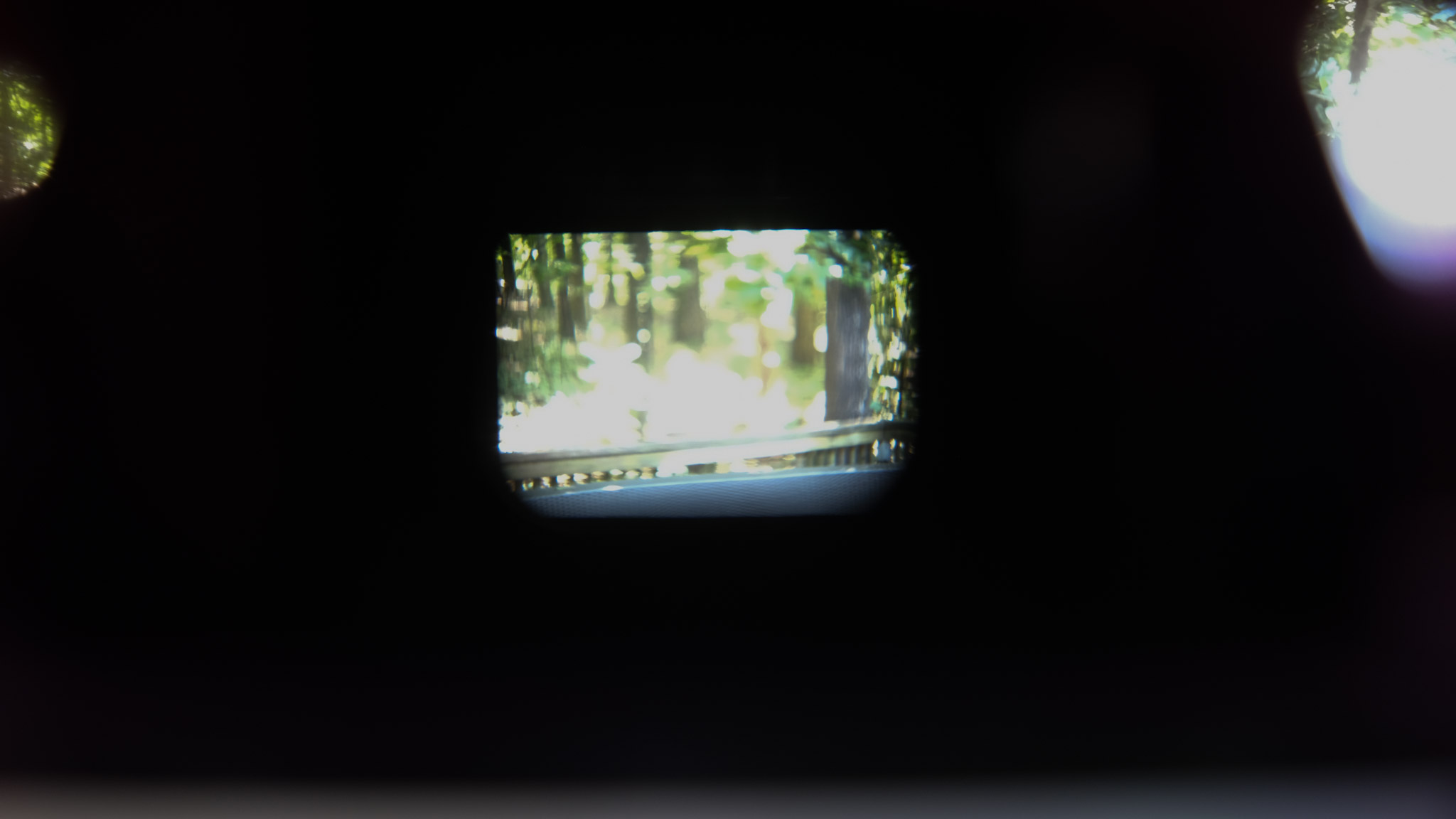
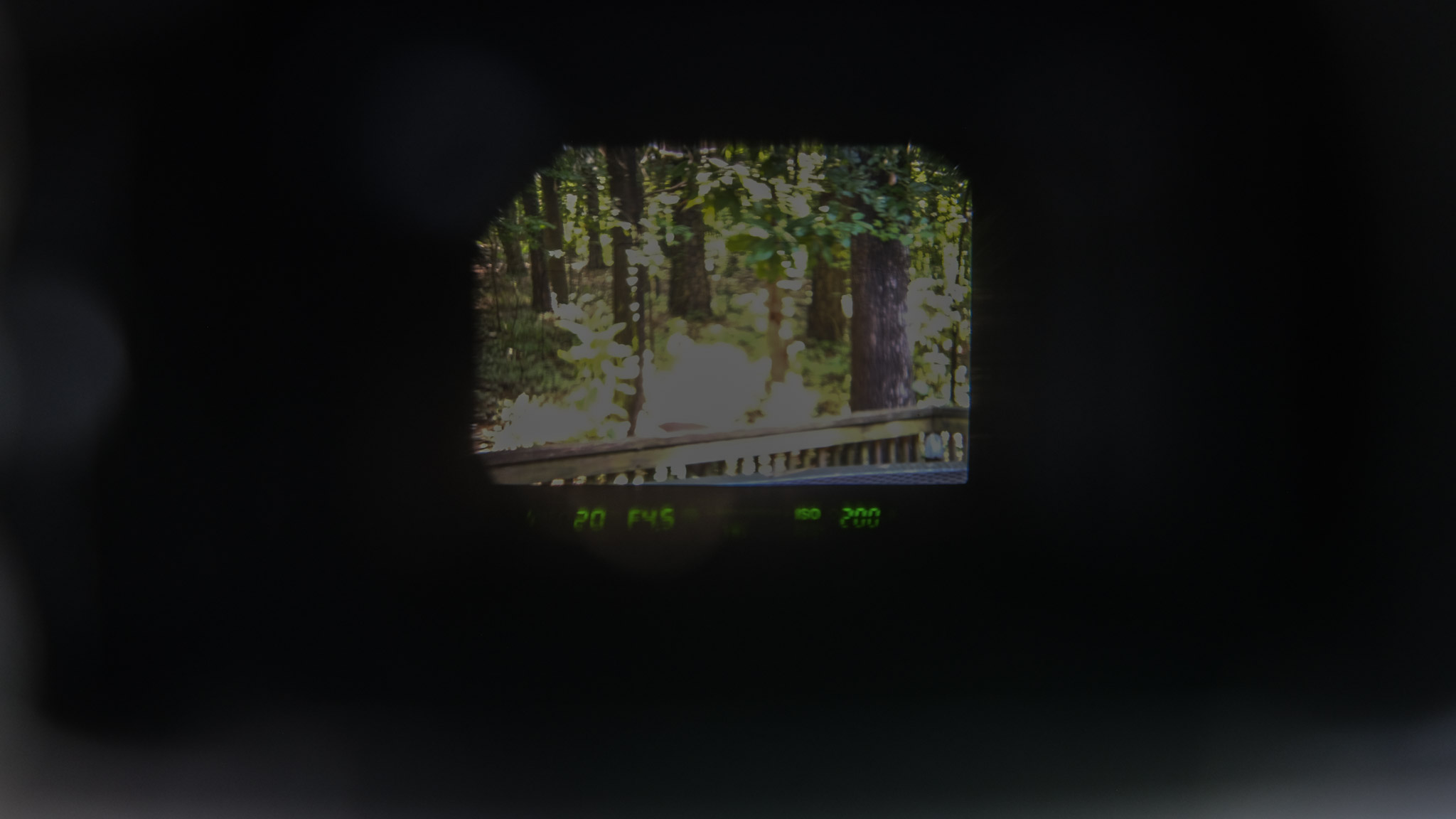
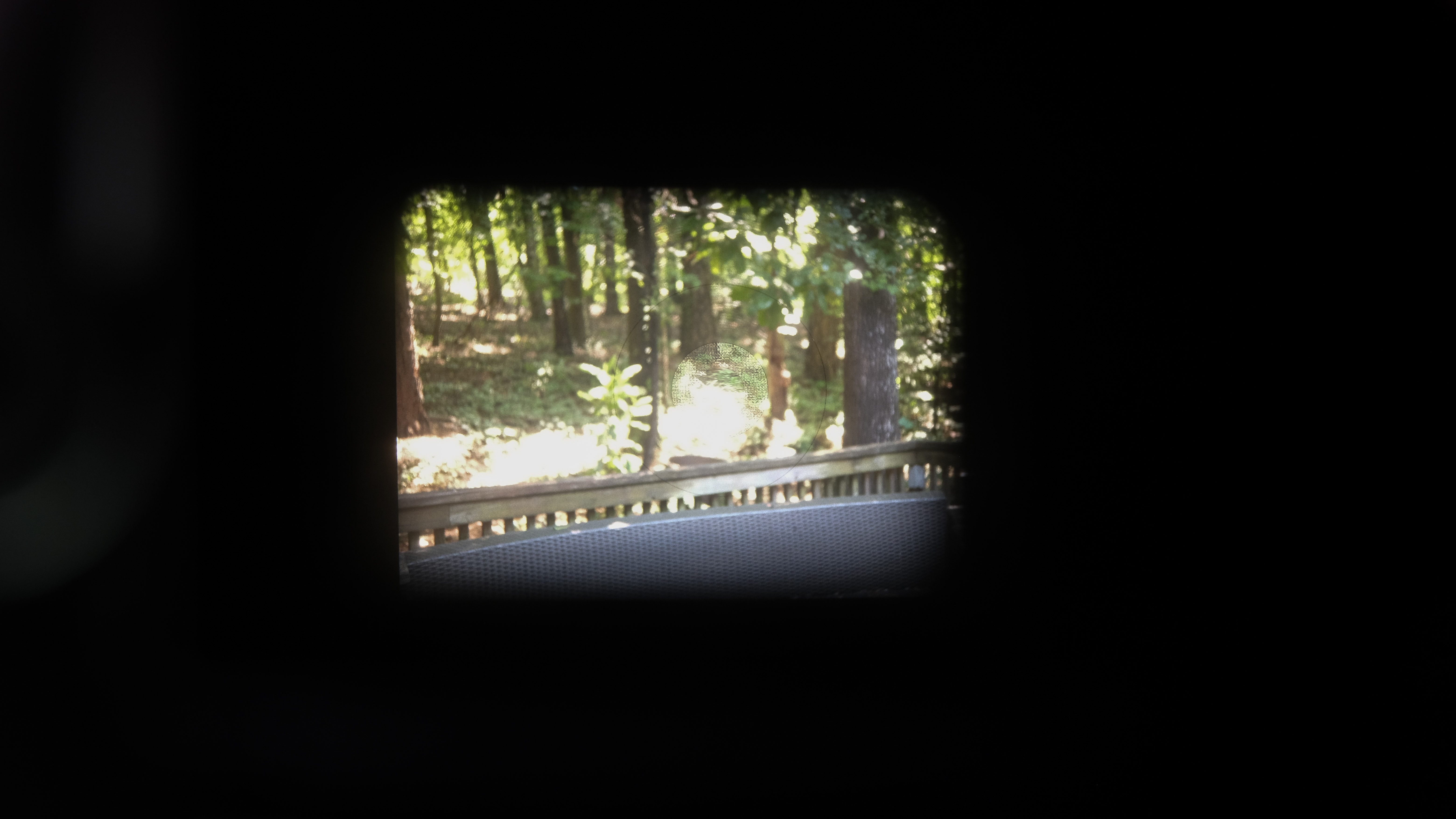
In the gallery above – shot from the exact same distance from the rear lens of the viewfinder and not cropped in any way- what you see from the viewfinder of a Pentax K-r, a Pentax K-5, and a very good “pro-level” film camera: the Canon T90. The K-5’s viewfinder is not as large as a the viewfinder of a “full-frame” camera, but it’s actually pretty good for an APS-C. The difference with a K-r is very visible.

Shooting with the K-5

Shooting with the K-5 is a pleasant experience The combination of small size, impressive build quality and great ergonomics with a good viewfinder makes for a pretty unique experience.

With the K-5, most commands fall naturally under the fingers while shooting, and after a few minutes you’re totally comfortable with the camera.

You would have to move up to full frame dSLRs to find a larger viewfinder, but I’m not sure the improvement is significant enough to justify the weight and heft penalty, at least when you need to be mobile or operate discreetly.

Image quality was considered among the best for an APS-C camera in 2010 – its 16 Megapixel was praised by testers and users, but obviously 15 years later, the best in class APS-C mirrorless cameras will outclass it when it comes to fine detail resolution and control of noise.

Another area where camera makers have made significant progress since the K-5 was launched is the quality of the JPEG images out of camera – they can be uploaded to a phone wirelessly and from there shared on social media without any post-processing. But since the K-5 does not offer any form of wireless connectivity and can not interact with Ricoh’s iOS and Android app (it’s only supported on cameras launched after 2014), you will need to connect an SD card reader to a computer to upload the images anyway, and you might as well shoot RAW and post-process your images quickly in Lightroom Mobile or Classic while you’re at it.

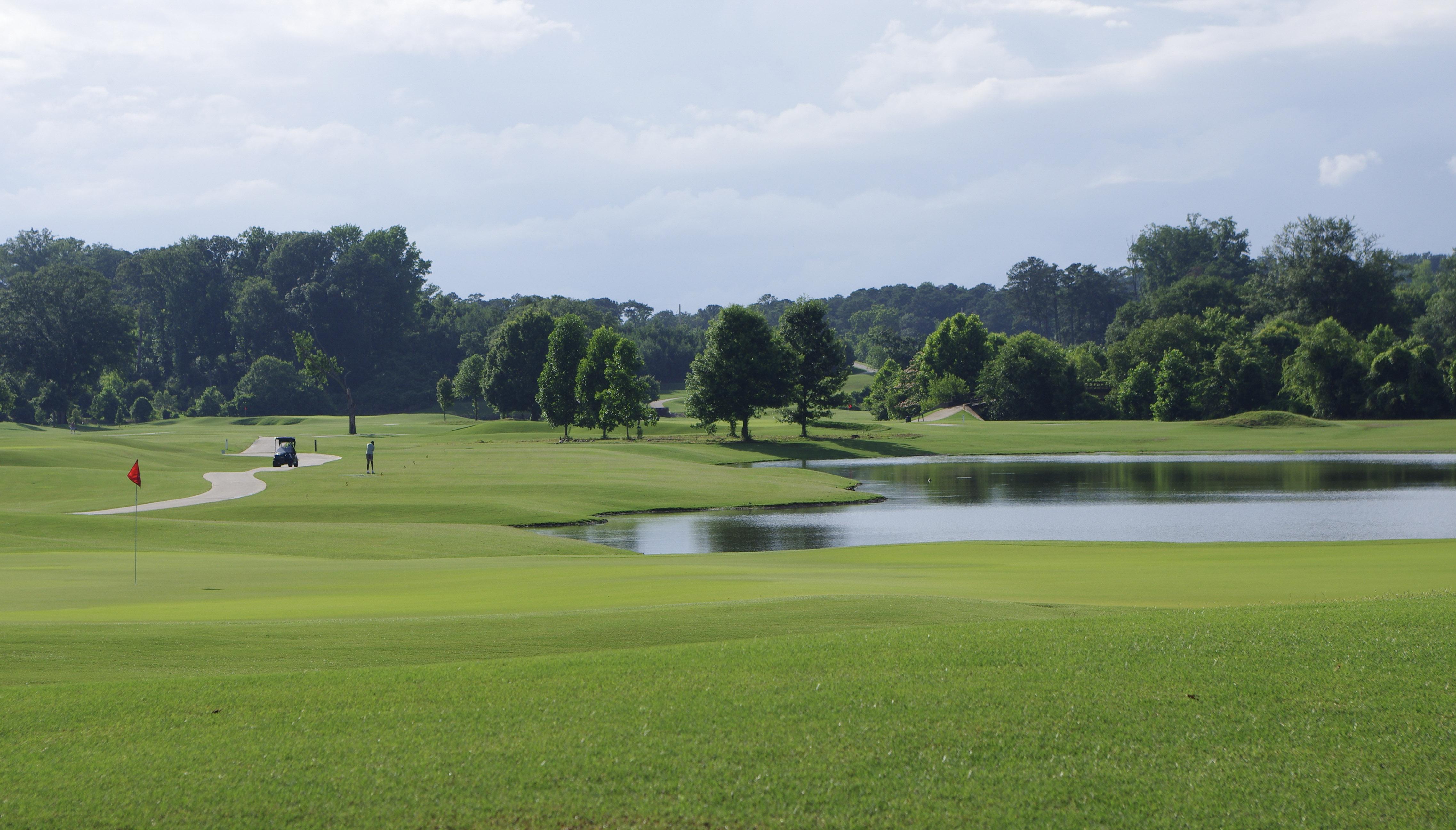
Atlanta – Bobby Jones Golf Course – Pentax K-5 / Pentax lens 18-55 f/3.5-5.6 AL WR

A characteristic unique to Pentax dSLRs is the brand’s “Shake Reduction” system (the SR logo has been on their cameras since 2006). The image sensor is mounted on a platina that moves to counteract camera shake, allowing photographers to capture sharp hand-held images at shutter speeds 2.5 to 4 stops slower than would otherwise be possible – you won’t be afraid of shooting at 1/20sec with a short tele anymore.

Other dSLRs have to rely on an image stabilization system implemented in their lenses (which increases the lenses’ size and their cost) – but Pentax’s SR system works with any lens mounted on the camera (old and recent) because it’s implemented in the camera’s body.

We know that Pentax has been using the same physical “K” lens mount since 1975. Of course the current “KAF4” variant of the lens mount has more electrical contacts and all the autofocus gear needed to support the features specific to today’s cameras, but the K-5 is compatible to various degrees with any Pentax lens made since the mid seventies.

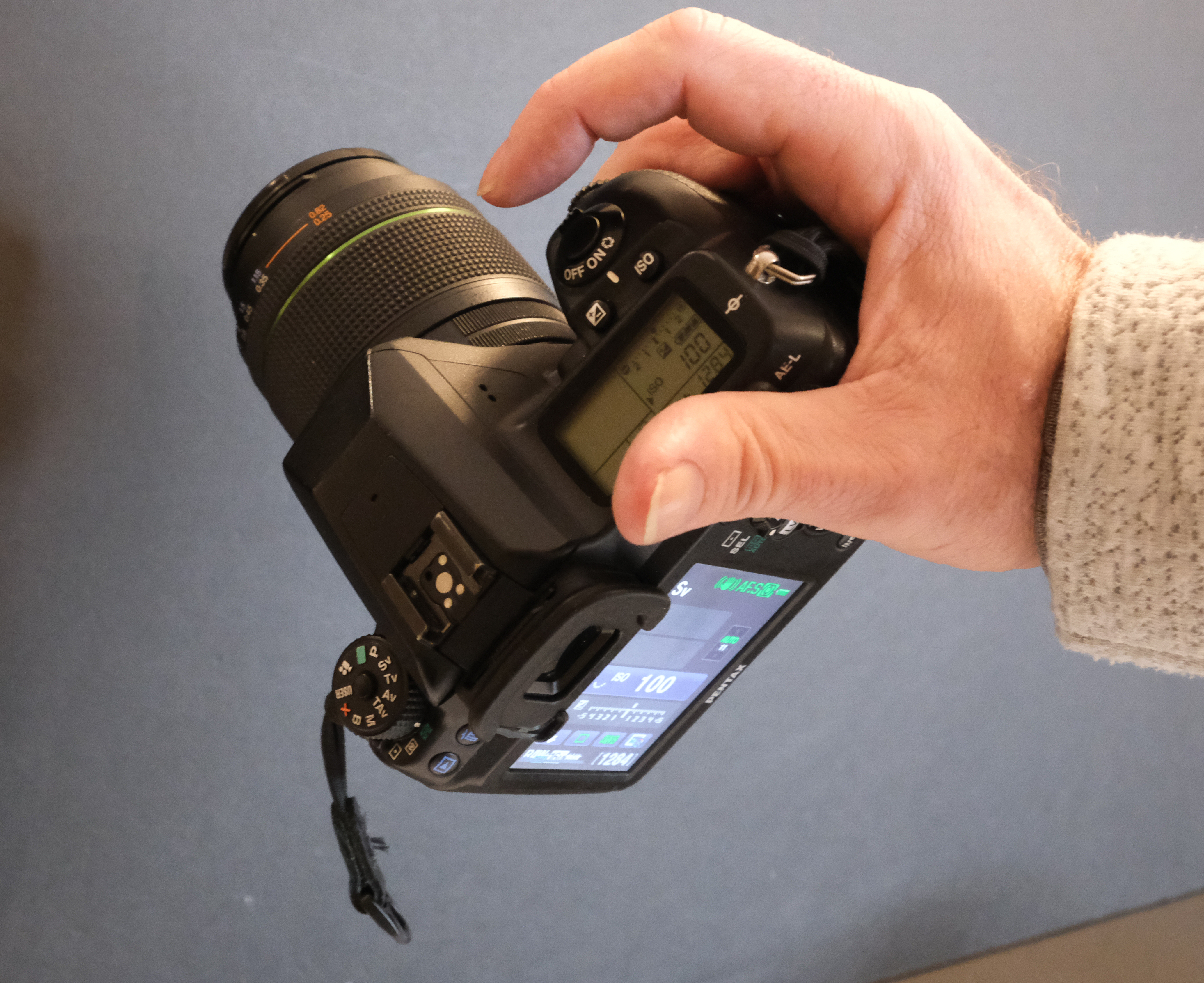
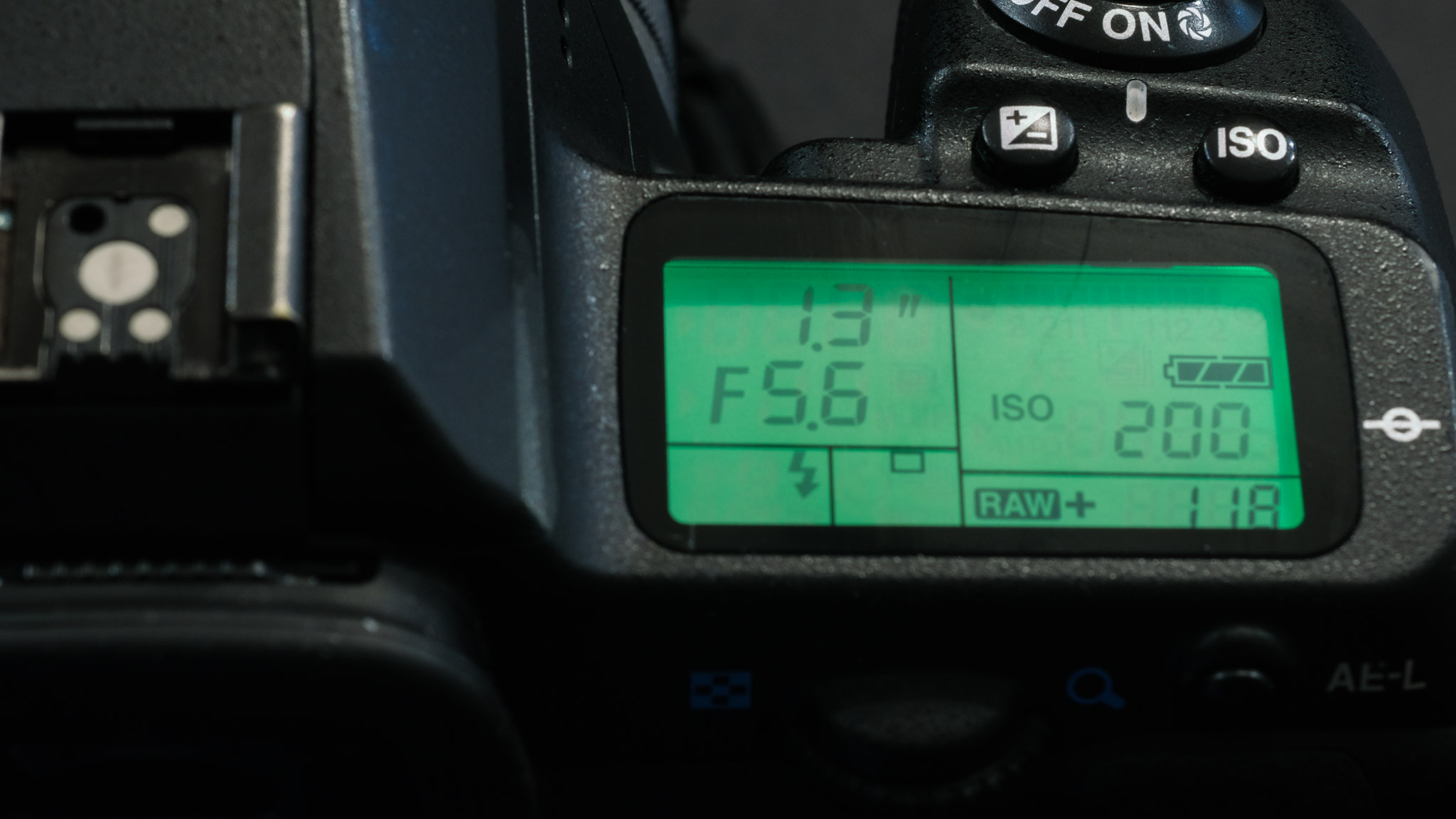
The top plate display – very few APS-C cameras still have one.

As a conclusion

A K-5 can be had for $150, with patience and a bit of luck. It was launched fifteen years ago, and it’s futile to compare its capabilities and performance to what its younger Pentax brother the K-3 Mark III or a Nikon D500 can deliver. And I won’t even start comparing the K-5 with current top of line APS-C mirrorless cameras from Canon, Fujifilm or Nikon.

But dollar for dollar, the K-5 offers a tremendous value: as an introduction to high quality cameras (for photographers upgrading from a smartphone or a digital point and shoot camera), it’s difficult to beat and it’s definitely worth every cent.

For the nostalgics of the optical viewfinder, shooting with a K-5 is also a way to indulge without breaking the bank. Used for what it’s good at, the camera is a pleasure to use and delivers high quality results. As far I could find, it’s also reliable, without any of the issues experienced with Pentax’s more amateur oriented cameras (like the K-30/K-50).

A modern mirrorless camera will do better in more situations and I don’t expect any mirrorless user to sell all their equipment to go back to a K-5, but as a complement to a good mirrorless kit, the K-5 also makes a lot of sense. Enjoy!

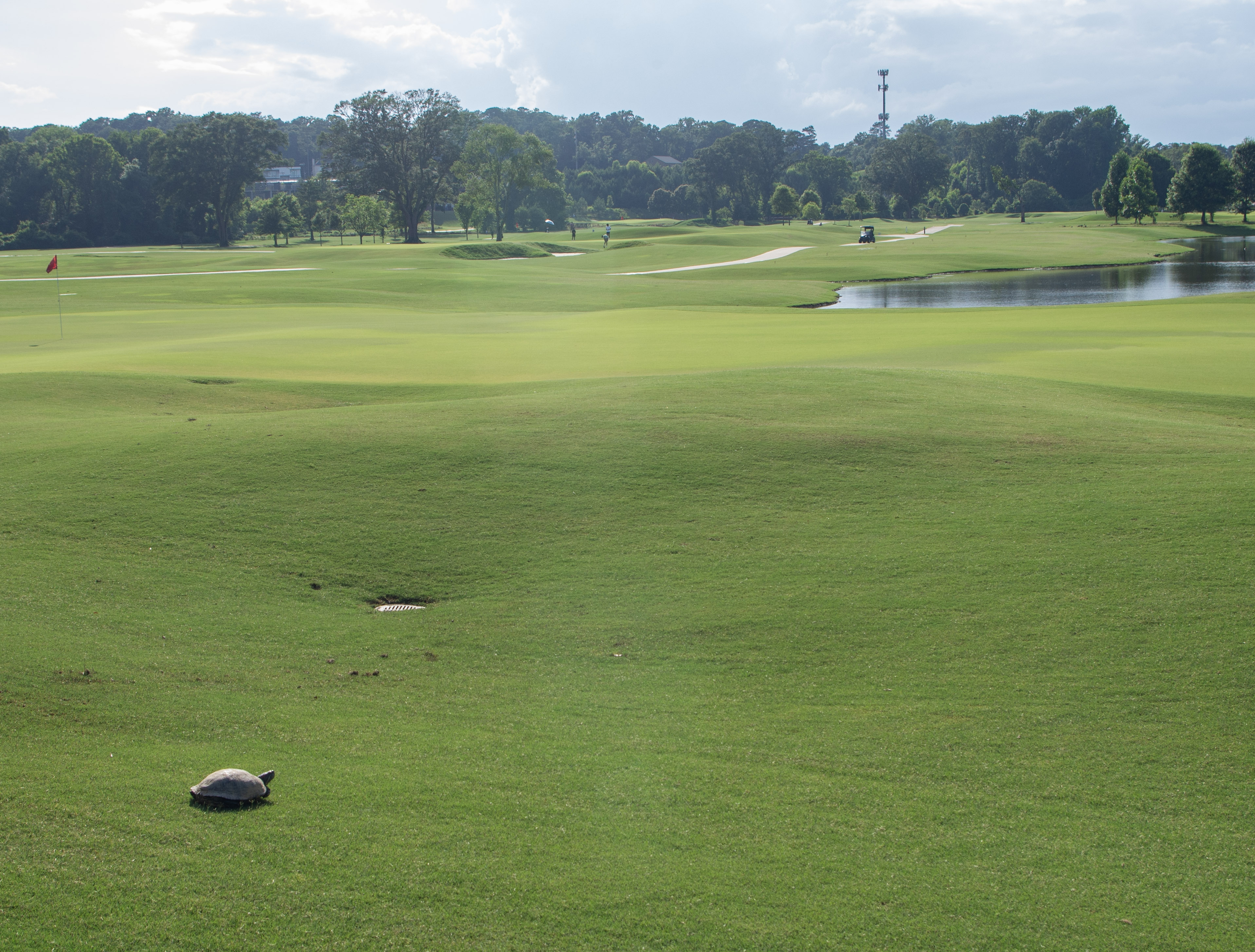
Tortoise lost on the golf course – Atlanta – Pentax K-5 / Pentax lens 18-55 f/3.5-5.6 AL WR

Do cameras and megapixels really matter?

Concerned about working with a “small” 16 megapixel sensor?

I have posted approximately 500 pictures on Flickr since the beginning of the year. The four images with the highest all time views were shot (recently) with a seventeen year old 12 Megapixel dSLR.

Even if high end PCs and laptops can support resolutions up to 8K (that would be 33 million points), most web sites and apps recommend not to upload images larger than 1920×1080 – (roughly 2 million points), and the most popular social network will down scale your images so that they fit in a square no larger than 2048x 2048 (4 million points).

What about prints?

As long as you don’t crop at all, a 10 Megapixel sensor has enough resolution for a high quality print in A4 or Letter format (assuming 300dpi), without any form of interpolation or over-sampling.

A 12 Megapixel sensor will give you more headroom, but you’ll need at least 16 Megapixels for a 11×14 inch high quality print (20 Megapixels would be better), and 24 Megapixels for a high quality 30×45 print (that’s centimeters- roughly 11x17in).

Obviously printing at a marginally lower resolution (250 dpi, for instance) will raise the maximum print size proportionately.

More megapixels and a large sensor may be needed in some circumstances, but ultimately, the old saying “f8 and be there” still rules. Be there. With a camera you’re comfortable with. Nothing else really counts.


More about Pentax cameras in CamerAgX


Atlanta skyline from the reservoir in the Shirley Franklin Park – Pentax K-5 / Pentax lens 18-55 f/3.5-5.6 AL WR
Atlanta – Colonial Homes – Pentax K-5 / Pentax lens 18-55 f/3.5-5.6 AL WR
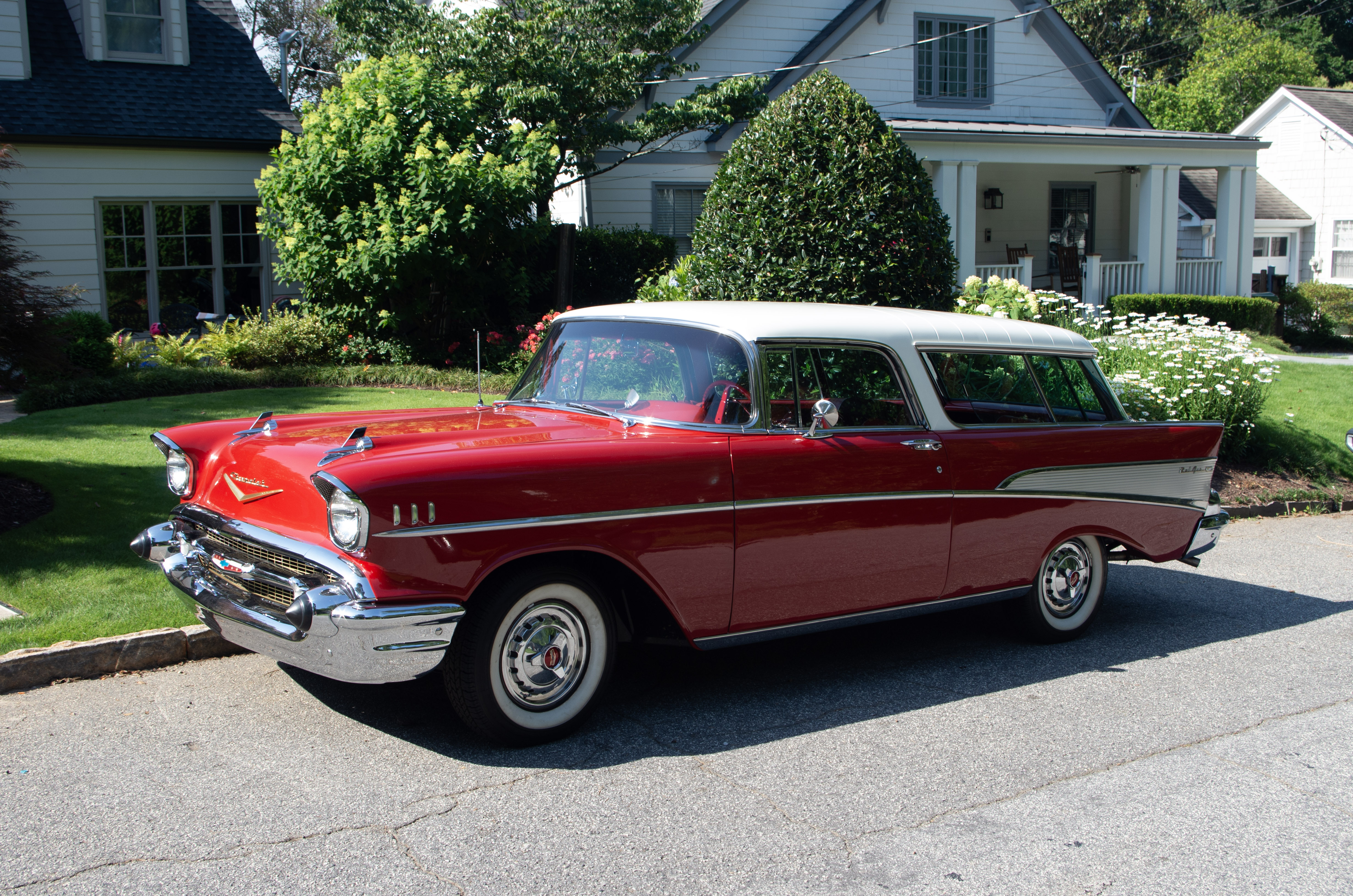
Chevrolet Bel Air
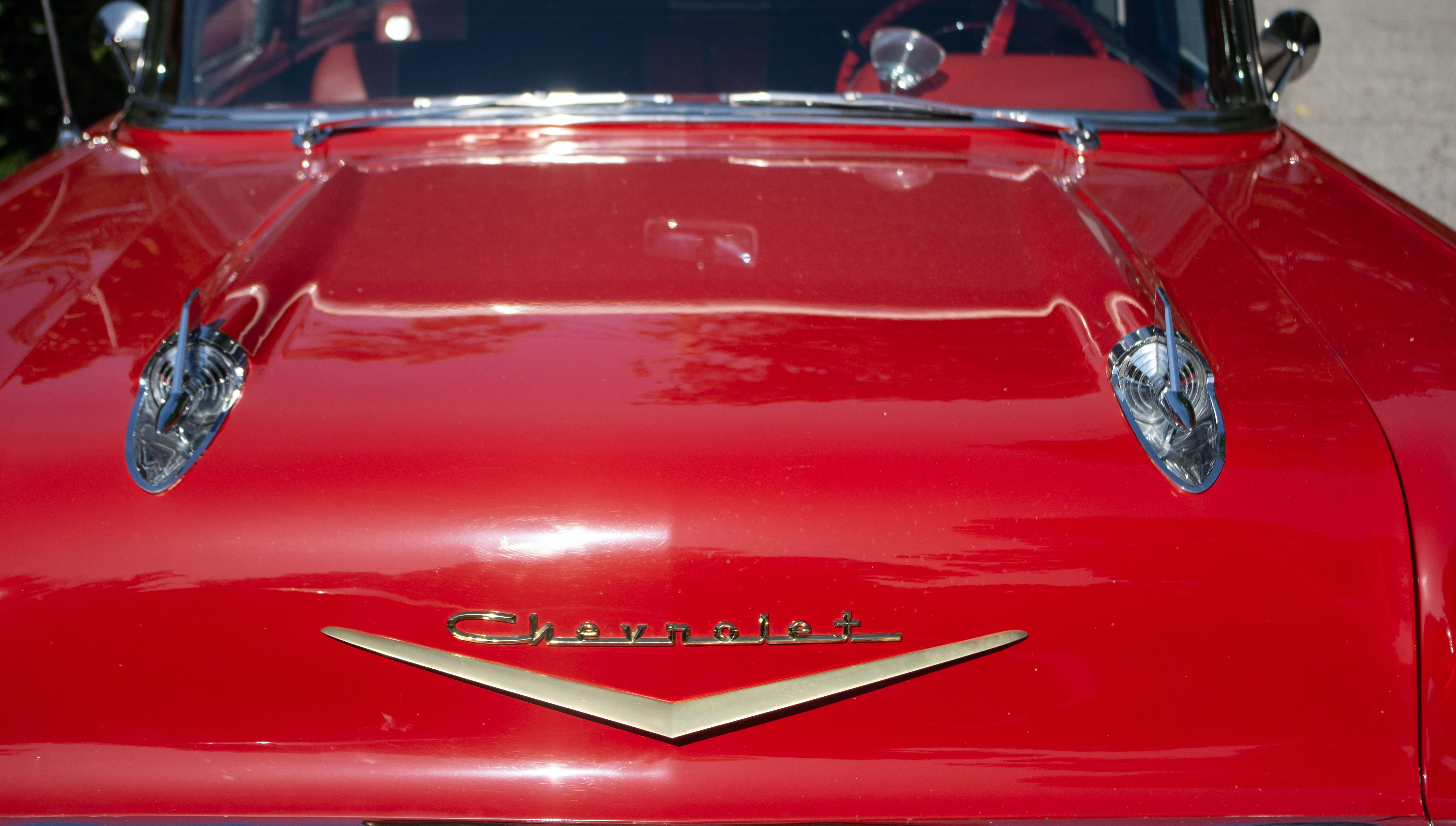
Chevrolet Bel Air

iPhone X vs digital camera vs film

Every year, comes September, Apple presents a new iteration of the iPhone, and every year, the iPhone gets better at taking pictures. One year, the iPhone gets better with low light shots, another year with portraits. Last year it started emulating the low depth of field and bokeh you normally get with a few high end lenses. This year, it will be about  studio lighting.  And every year, in the forums dedicated to digital photography (or should I say – to the cult of digital cameras), purists and fanatics develop new arguments to explain that “a photo shot with an iPhone is not the same, it’s looks artificial, you can see the difference”.

iPhone X_photo
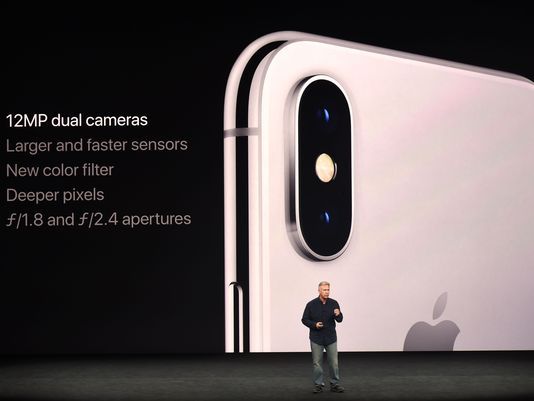
The iPhone X launch ceremony – Sept 12th, 2017

Maybe. To the trained eye of a specialist. But for the majority of people, the pictures they get from their phones are much better than what they used to get from a point and shoot camera 10 years ago. Incredibly better than the prints they used to receive when they were shooting film. And now they can share them. Without having to be an expert.

Smartphones ARE the go-to digital camera of billions of people

  • We always have them with us,
  • Taking pictures with them is simple and intuitive
  • With their large, high resolution screens and easy to use interface, they’re a great platform to edit and enhance pictures,
  • The integration with email, messaging and all sorts of social network apps is seamless. And the images are backed up automatically (in a cloud) and made available in cloud based galleries.
  • did I mention selfies?

And they’re getting better every year – integrating better sensors, better lenses, adding optical image stabilization, adding a short tele lens, and using software emulation to let billions of people take pictures which used to require expensive hardware and a solid photographic knowledge (portraits with low depth of field and pleasant blurry backgrounds, studio lighting).

iPhone_7-0187
Clearwater Beach, FL –  Sunset – Shot with an iPhone 7.

2017-05-Tampa-6131
Clearwater Beach, FL. Sunset – Shot with Fuji film X-T1 – which picture do you prefer?

As a result, smartphones are more than good enough for casual family photography or casual travel photography, and many news organizations have equipped their reporters with smartphones. In any case, the pictures will be primarily seen on screens (smartphones, tablets, laptops, TV), and on this type of support, the quality of the images (resolution, contrast, dynamic) is more than adequate.

Of course, smartphones are missing a few things:

  • No viewfinder (an issue when shooting outdoors on a very sunny day or with long tele lenses)
  • No ultra-wide angle lens (can’t emulate that)
  • No medium to long tele lens: the tele objective of an iPhone has a focal length equivalent to 56mm – even with the “digital zoom” (aka cropping) you can’t get beyond the equivalent of a 200mm lens, and with a reduced resolution.
  • No macro lens
  • No fine control of the exposure or the focus (you can put your finger on the screen to indicate where you want the phone to set the exposure or the focus, but that’s still pretty limited)
  • No way to control multiple flash guns or studio lights
  • And of course, they don’t have a 50 Megapixel full frame sensor.

DSCF4835
Peniscola, Spain – Fireworks – Fujifilm X-T1 – Something you can not capture with an iPhone, yet

Where does it leave us?

  • Amateurs, families, people traveling light and all sorts of professionals needing good quality photographs will be happy with a smartphone
  • Soccer moms, enthusiasts, who need a longer reach and more control over the picture will use a bridge camera (such as a Sony RX10, Panasonic FZ1000), a mirrorless camera with an electronic viewfinder or a dSLR.
    Provided they have the skills and have bought a few good lenses (in any case something better than the trans-standard zoom usually coming with the camera) – they may sometimes get better results than with a phone. It’s a bit provocative, but I would argue that a photographer of average abilities using an entry level mirrorless camera – with no electronic viewfinder and no flash shoe, paired with a 18-55 (or 16-50) kit zoom – is probably worse off than the user of a smartphone in most situations.

summer2017-6387
Tour de France 2017 – Fujifilm X-T1. Another one I would not have tried to shoot with an iPhone

What about film?

  • So far, digital photography has been about ease of use, convenience, and speed.
  • Film could not fight in the same category. Film photography requires more technical knowledge, it’s a cumbersome process, and it’s slow. Today, you shoot with film by choice, because you love the old film cameras, because you love having a piece of film in your hands, because you love the technical challenge, because you love the way images taken with film will look.
  • To some extent, conventional digital cameras are following their film predecessors, and have started leaving the mass market. They’re already in a niche, still large, but shrinking. Five or ten years from now, as the smartphones will have kept improving, the niche will be much smaller, inhabited by photographers who love to be in control of the technical characteristics of their images, and refuse to be deprived of that control by a smartphone.
  • Admittedly, film photography is an even smaller niche. But I don’t see it shrinking anymore. As smartphones become better at delivering pictures automatically, as digital cameras become the domain of perfectionists, a minority will look at film photography as the ultimate refuge for spontaneity and authenticity.

FH000011
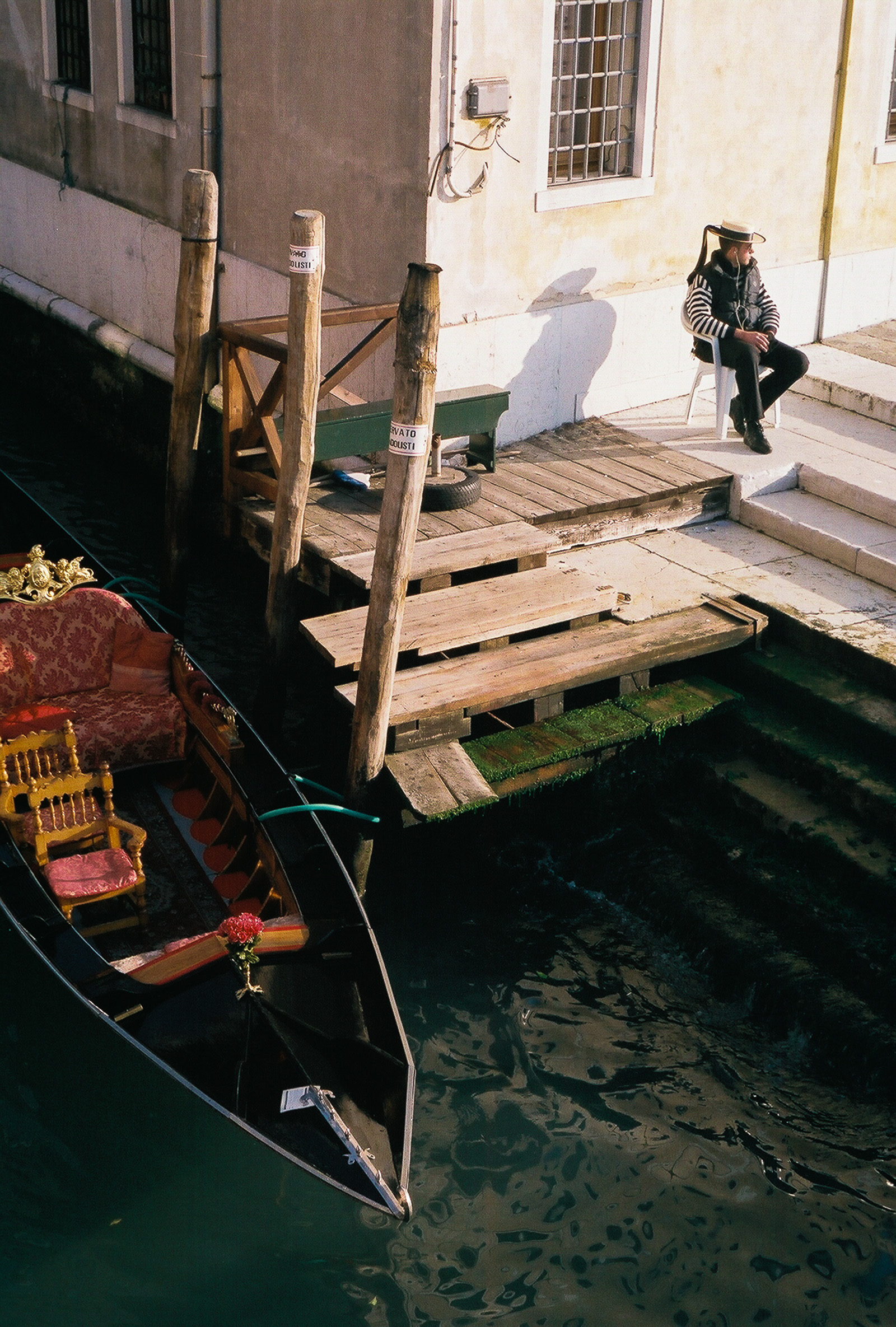
Venice – Fujicolor Superia 400 – Nikon FE2