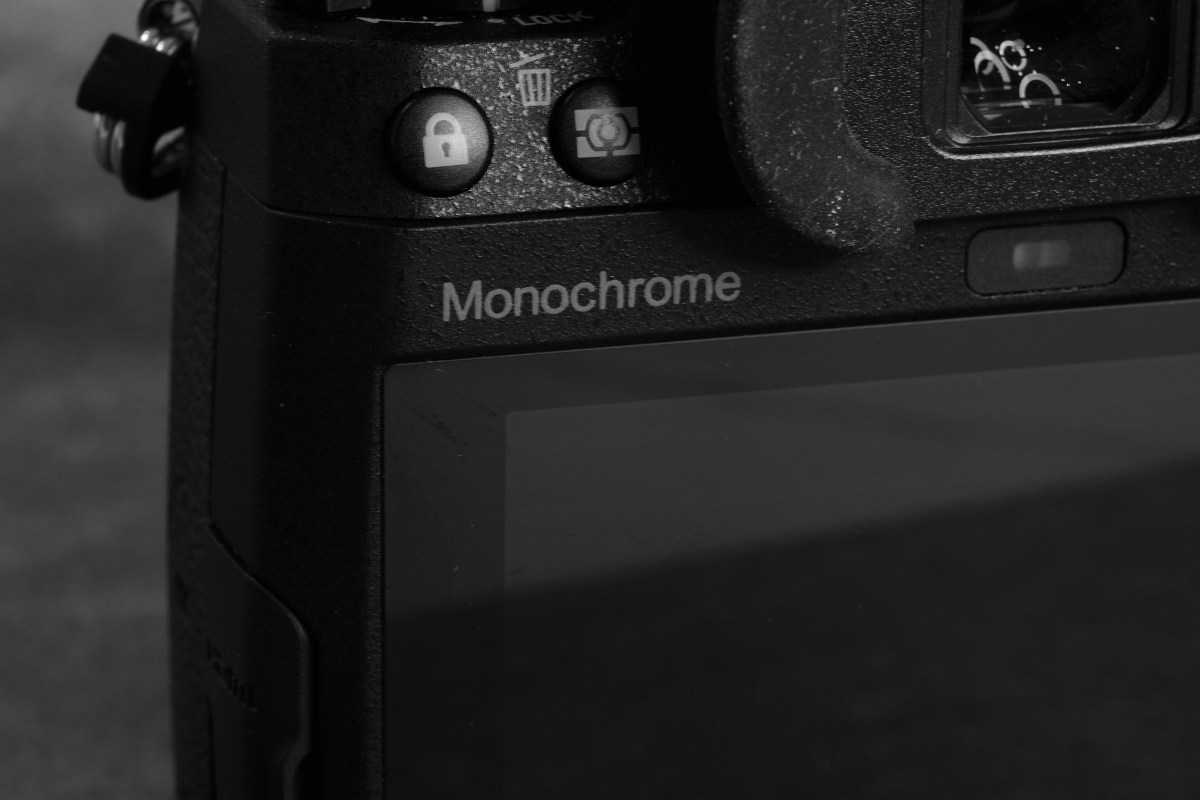
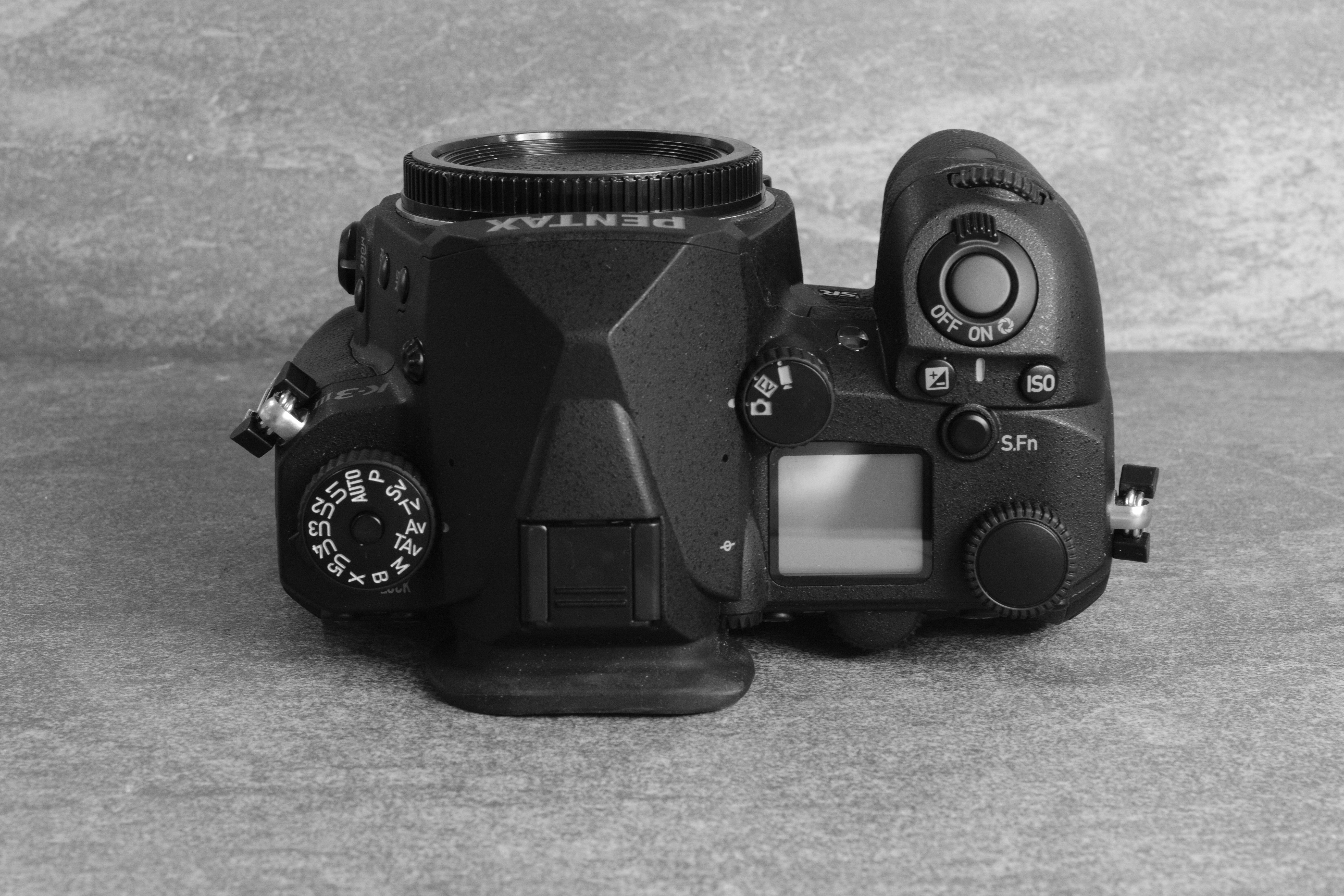
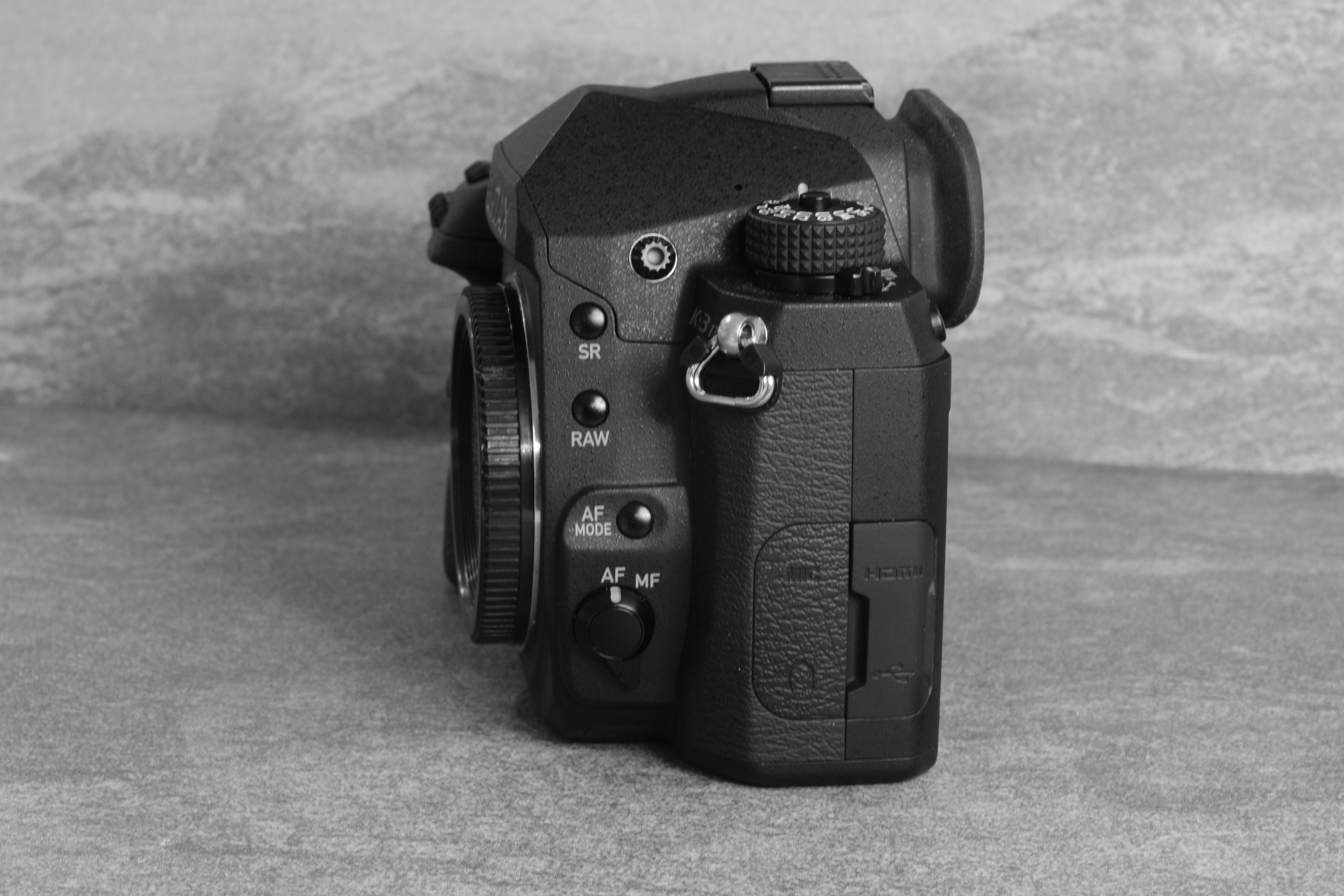
I recently had the opportunity to take a few pictures with a very nice, almost new, Pentax K-3 III Monochrome. Because I shoot regularly with a Pentax KP and like the Pentax “Limited” prime lenses, I was curious about the K-3 III – how much of an improvement was it over a camera of the previous generation like a KP or a K-5 II – and about Monochrome Digital – how different was it from shooting with a film camera loaded with Ilford’s or Kodak’s best?
The Pentax K-3 III Monochrome is essentially a “normal” Pentax K-3 III dSLR, but equipped with an imaging sensor deprived of the usual set of color filters (forming the so-called Bayer matrix) usually present in almost all other digital cameras. In the absence of the Bayer filters, the imaging sensor of the K-3 III Monochrome can’t capture any color related information, only luminance signals.
But a monochrome sensor will capture images with a better resolution and with less noise (for a same ISO sensitivity) than a comparable “Bayer Matrix” enabled sensor, because there is no mosaic of filters between the lens and the sensor to absorb some of the light, and no demosaicing algorithm to reduce the resolving power of the sensor.
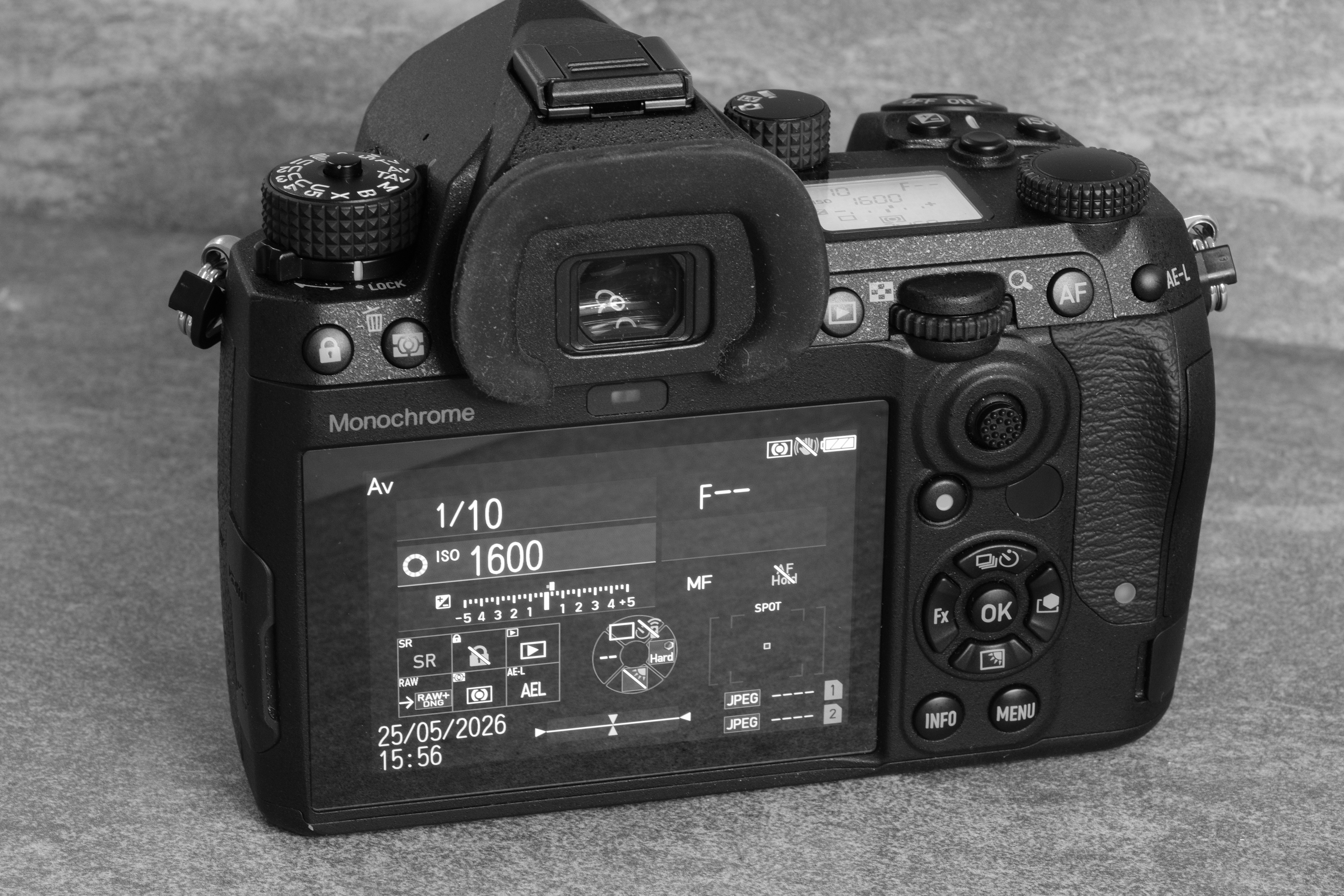
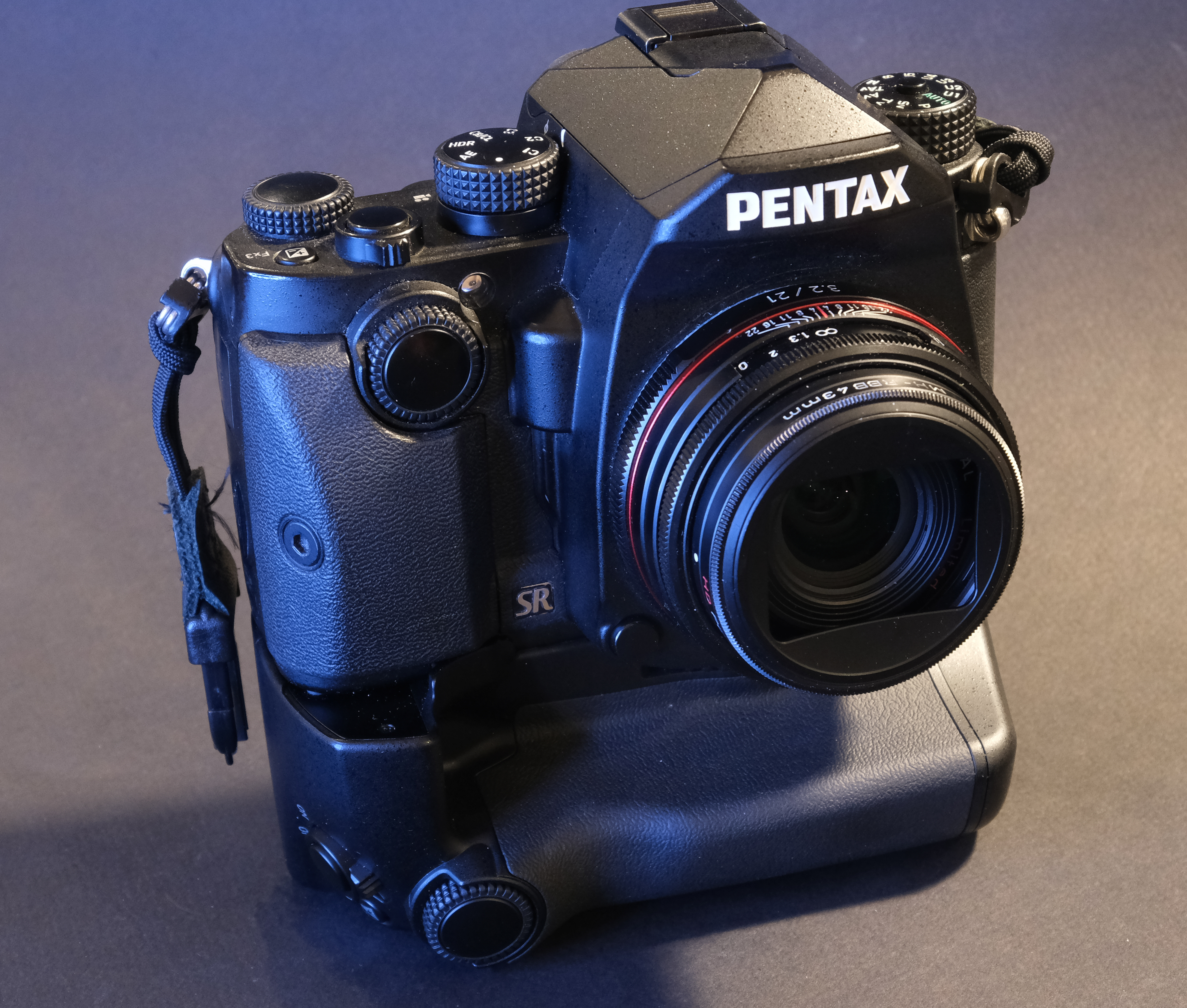
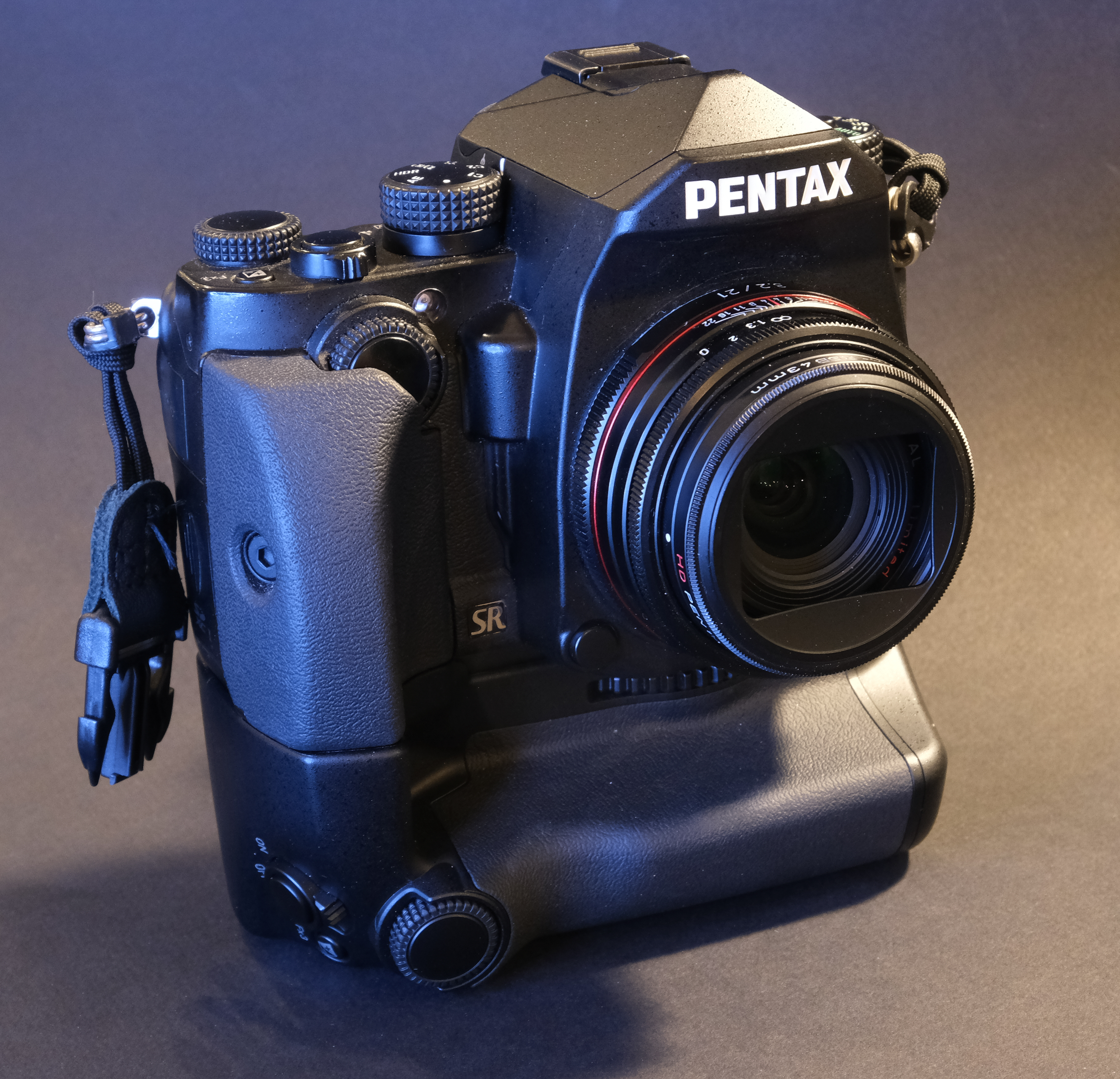
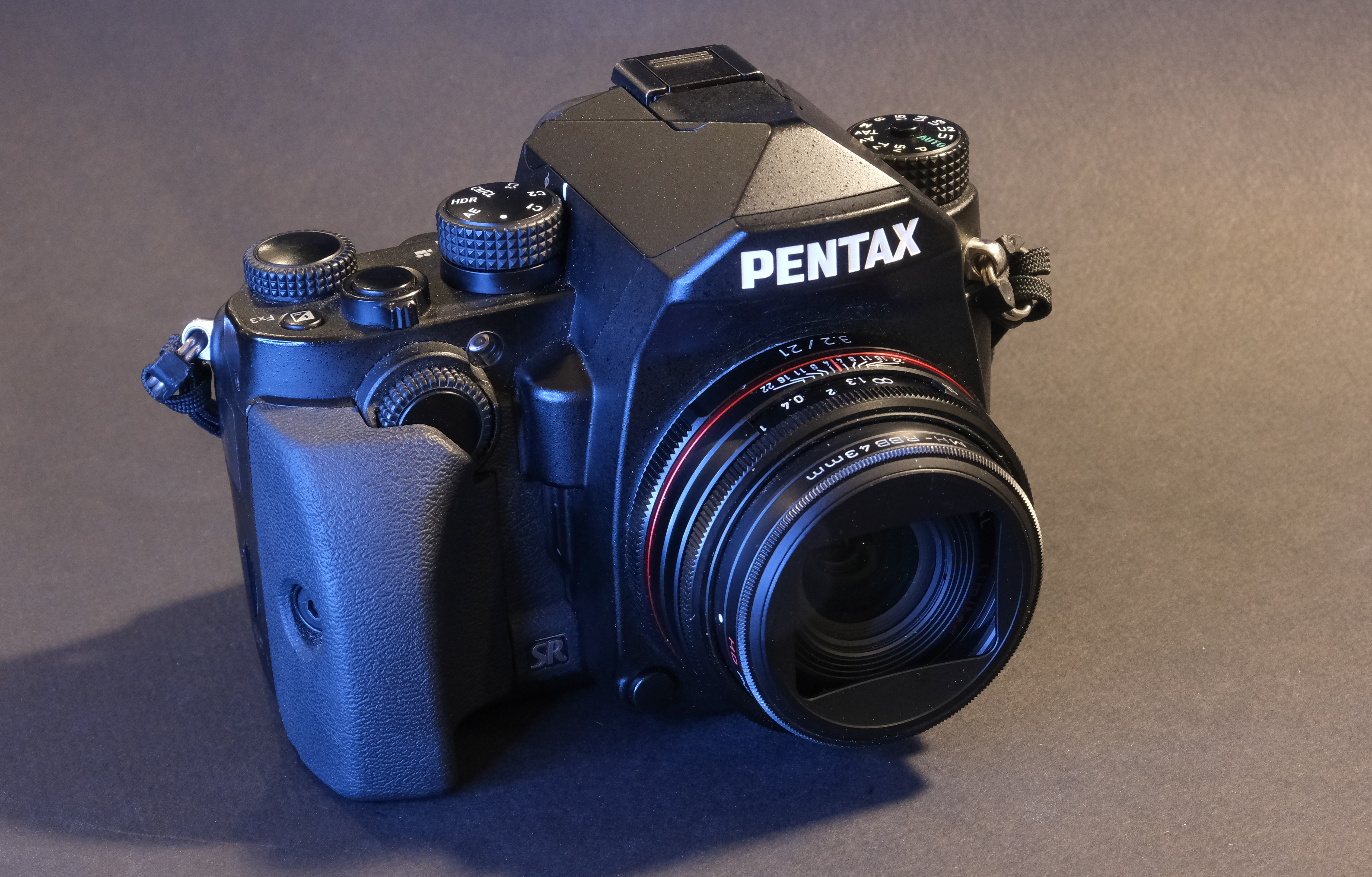
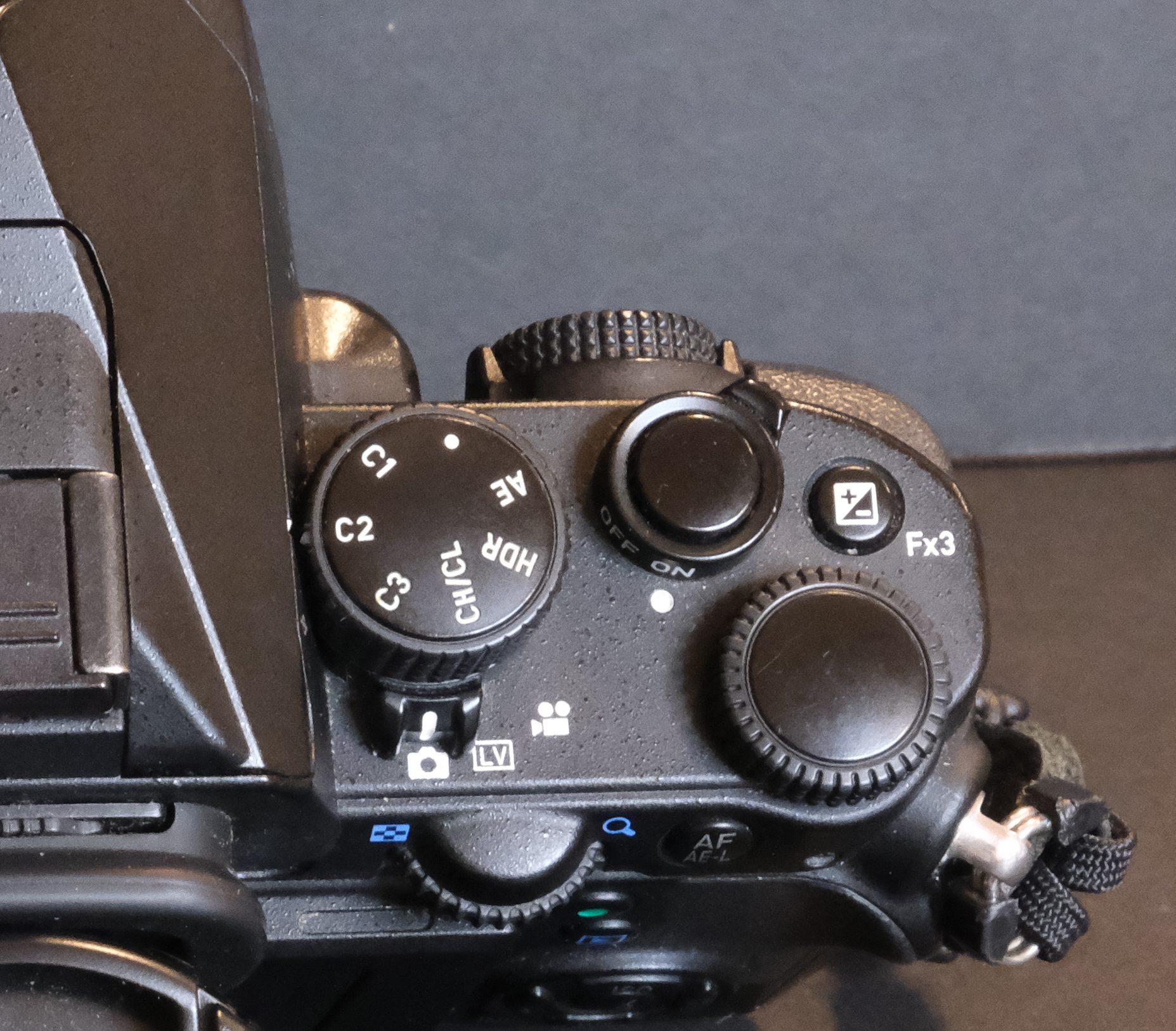
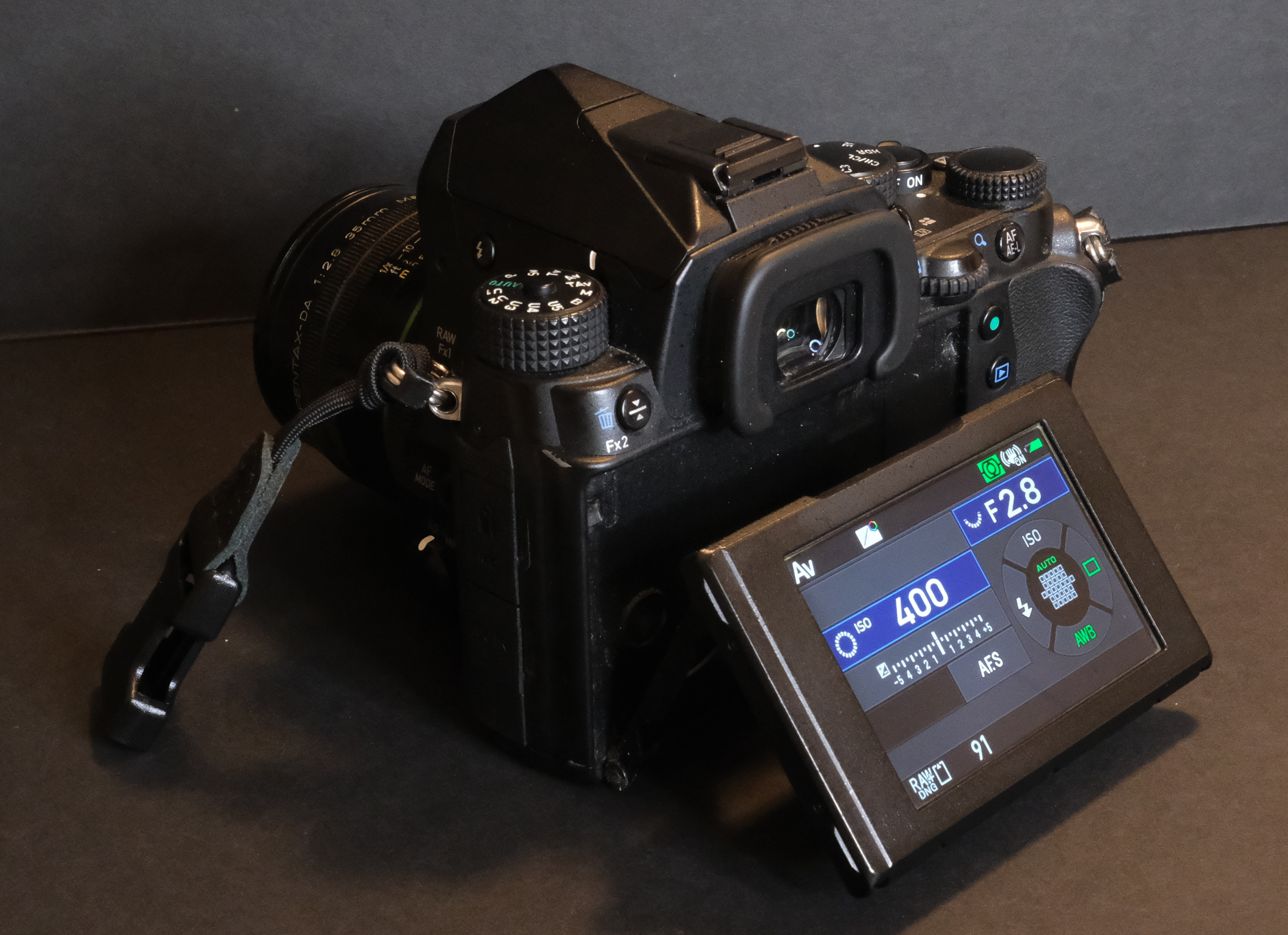
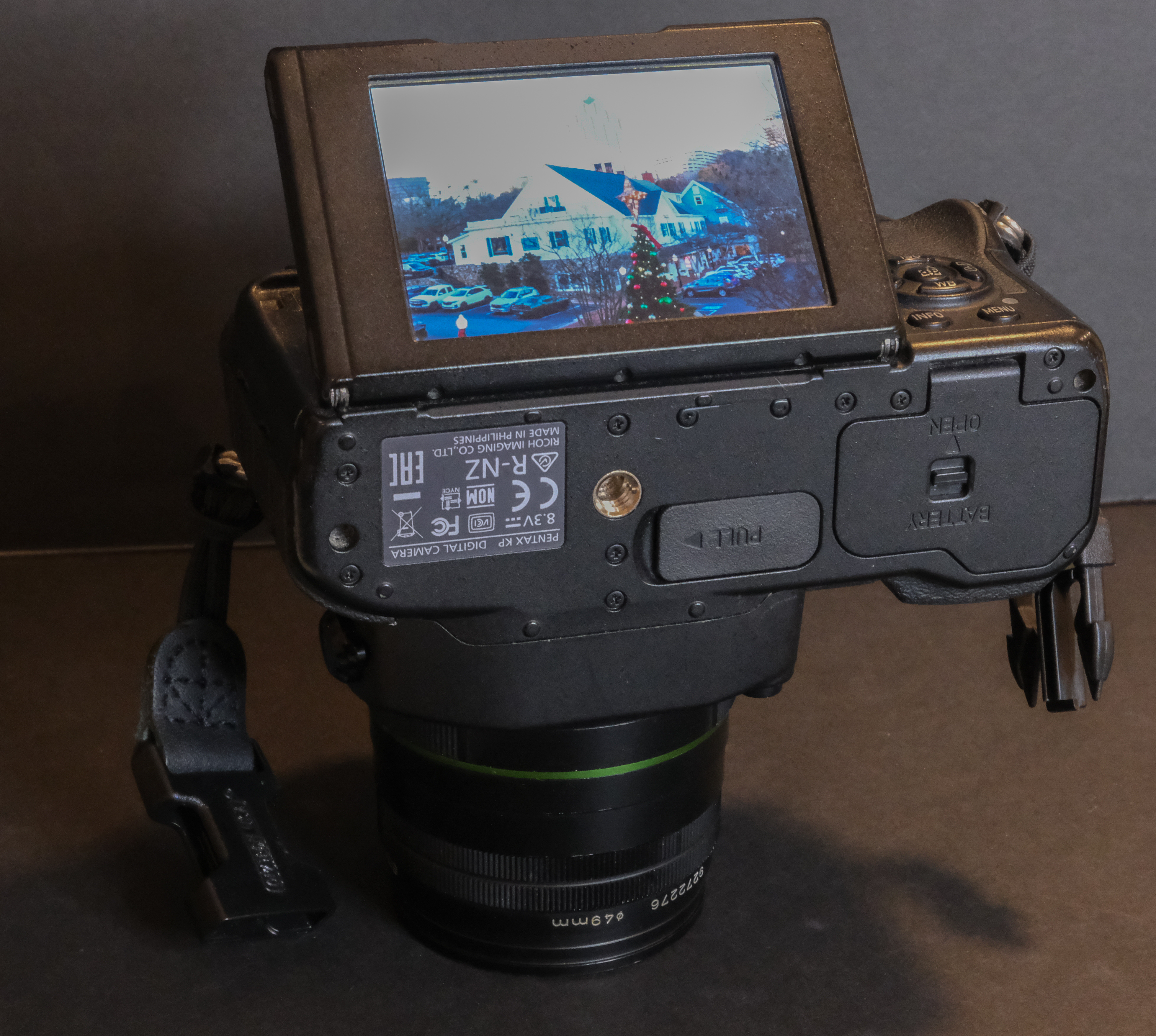
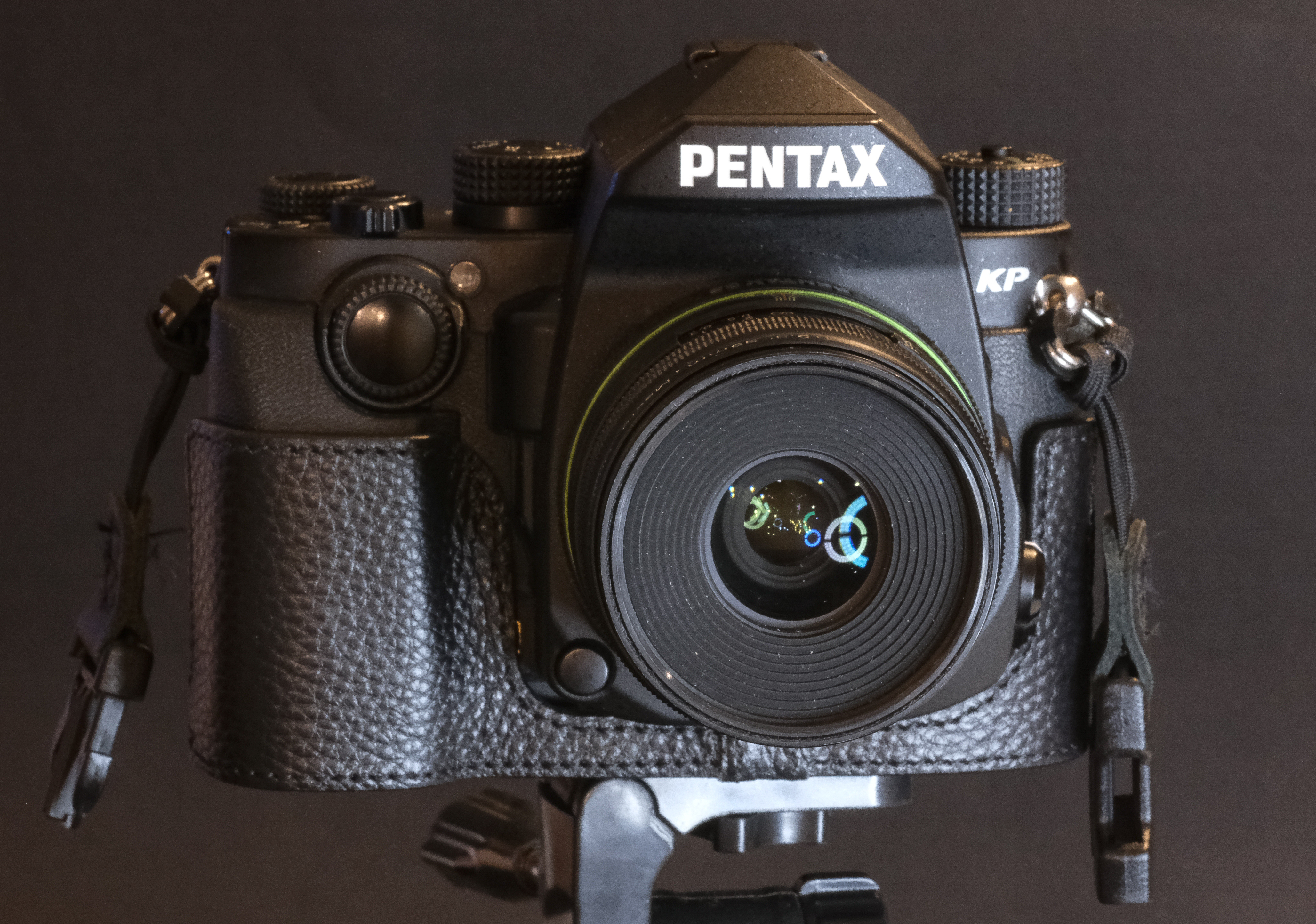
KP or K-3 III (the Bayer Matrix version)
The K-3 III Monochrome is in a category of its own – as far as I know, there isn’t another monochrome DSLR currently available on the market. That said, the Pentax K-3 III Monochrome is, in every other respect, a K-3 III fitted with a different sensor. As a result, many of the observations I make about the K-3 III Monochrome also apply to the standard Bayer-equipped, color-capable K-3 III.
Let’s start with the hard facts – the KP was launched in 2017 and discontinued in 2021, and the K-3 III (the “Bayer” version) was released in 2021. The K-3 III Monochrome joined the fray in 2023, and both K-3 III models were still available new as late as last year (all three models are only available on the second hand market now). Apart from the sensor, the K-3 III and the K-3 III Monochrome are virtually identical.
When Pentax were defining the specifications of the KP, they were not trying to propose a direct successor of the Pentax K-3 II which was reaching the end of its commercial life. The KP was deliberately deprived of features generally found in cameras targeting advanced amateurs and pros (like dual SD card slots) to leave room for a more elaborate (and more expensive) camera that would be launched a few years later, the K-3 III. Today, when compared to a K-3 III, the KP has therefore the double handicap of being at the same time older and not as well spec’d.
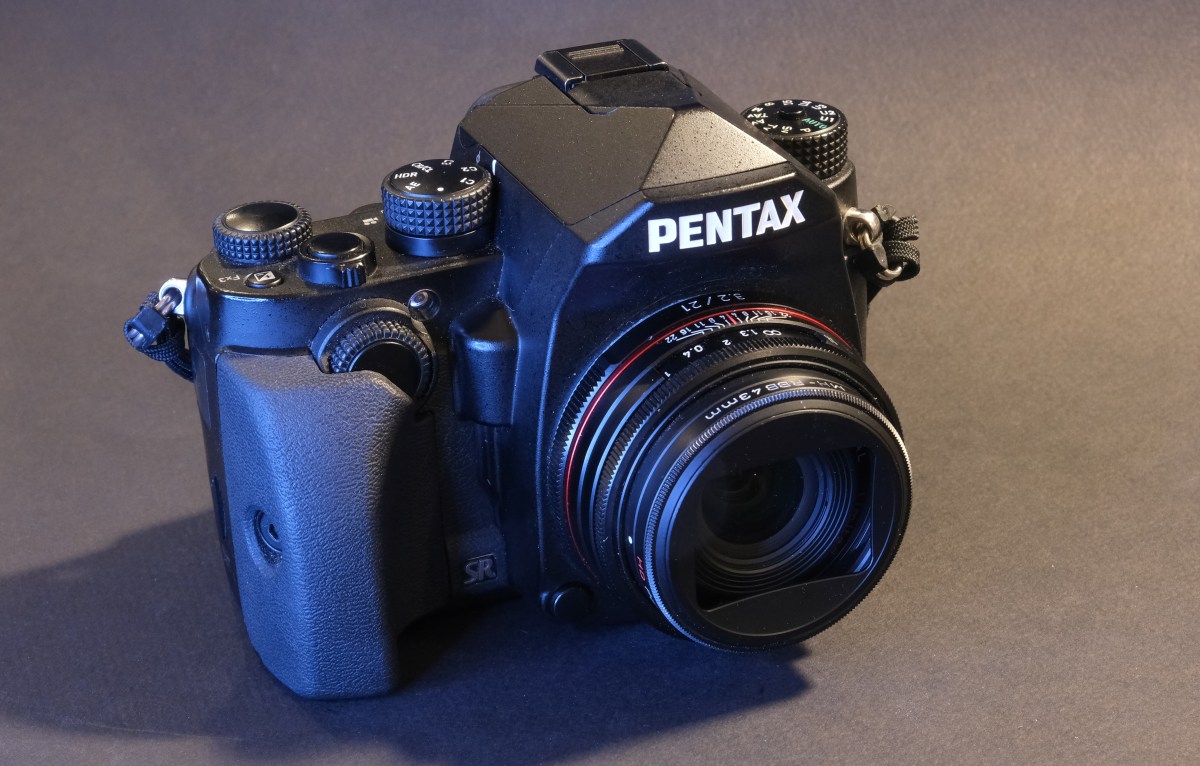
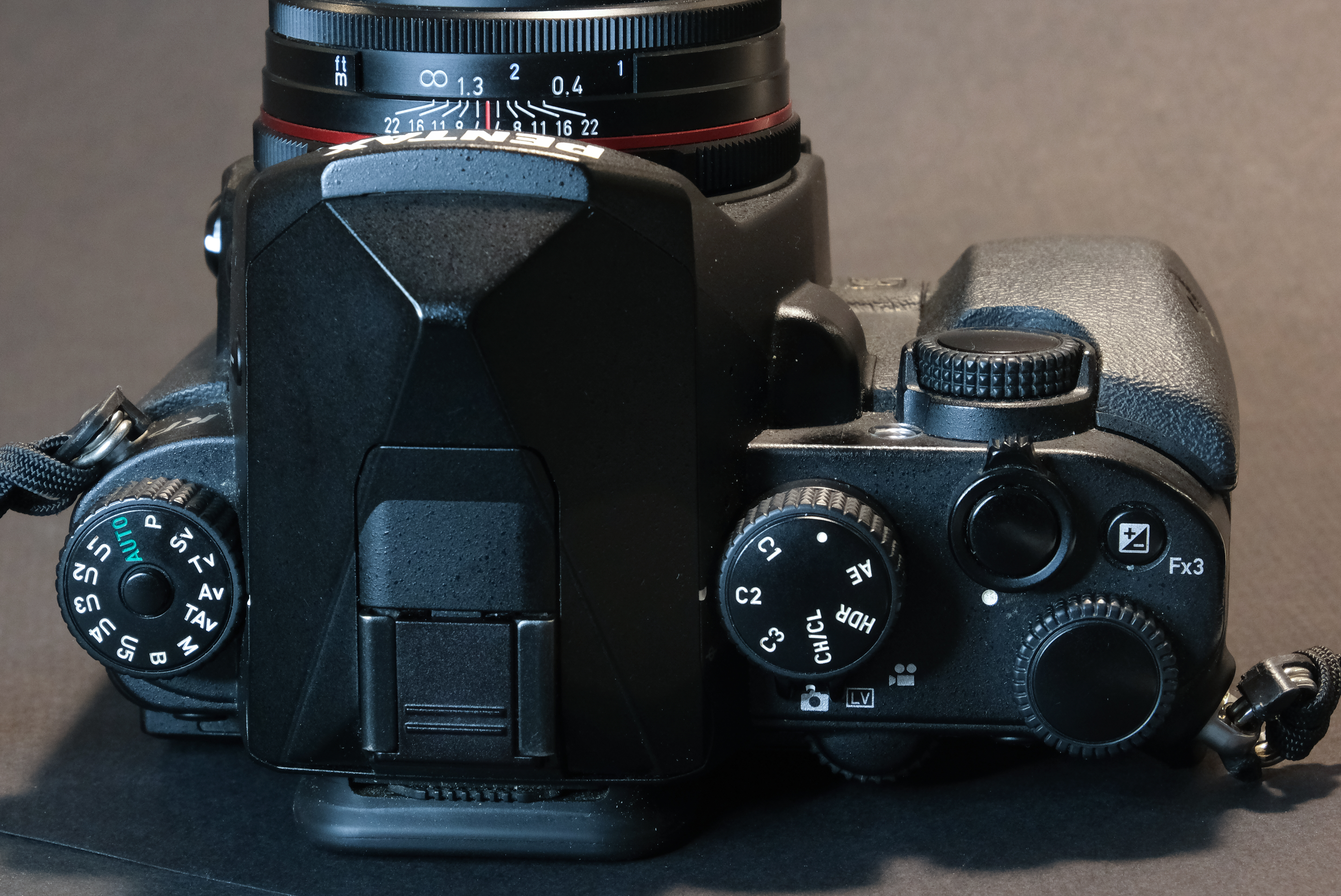
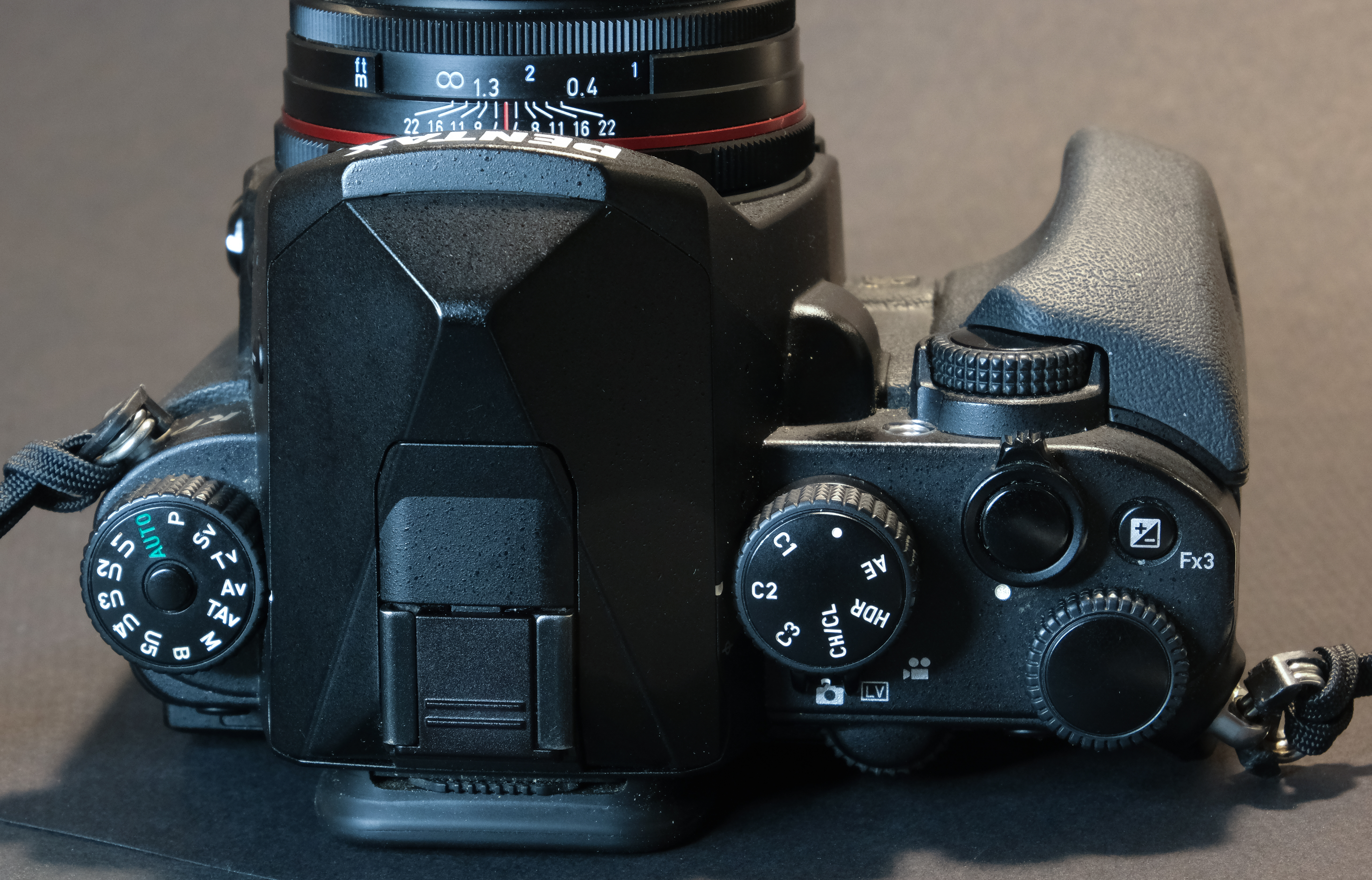
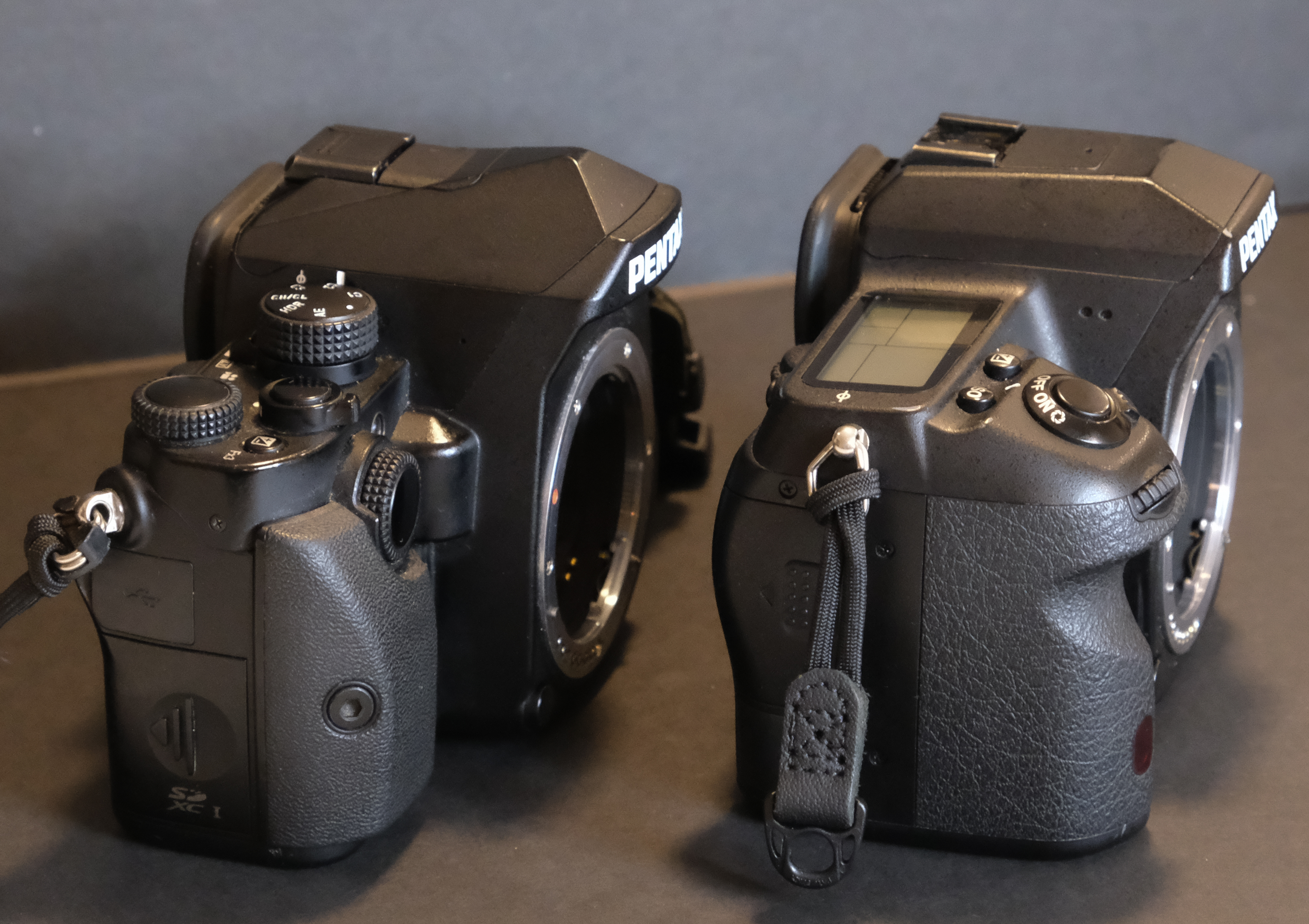
The KP and the K-3 III are clearly close relatives – with very similar size and weight, and a similar organization of the controls and commands. Even the sensors are not that different (a 24 Mpix of the 2017 generation for the KP vs a 25.7 Mpix from 2021 for the K-3 III).
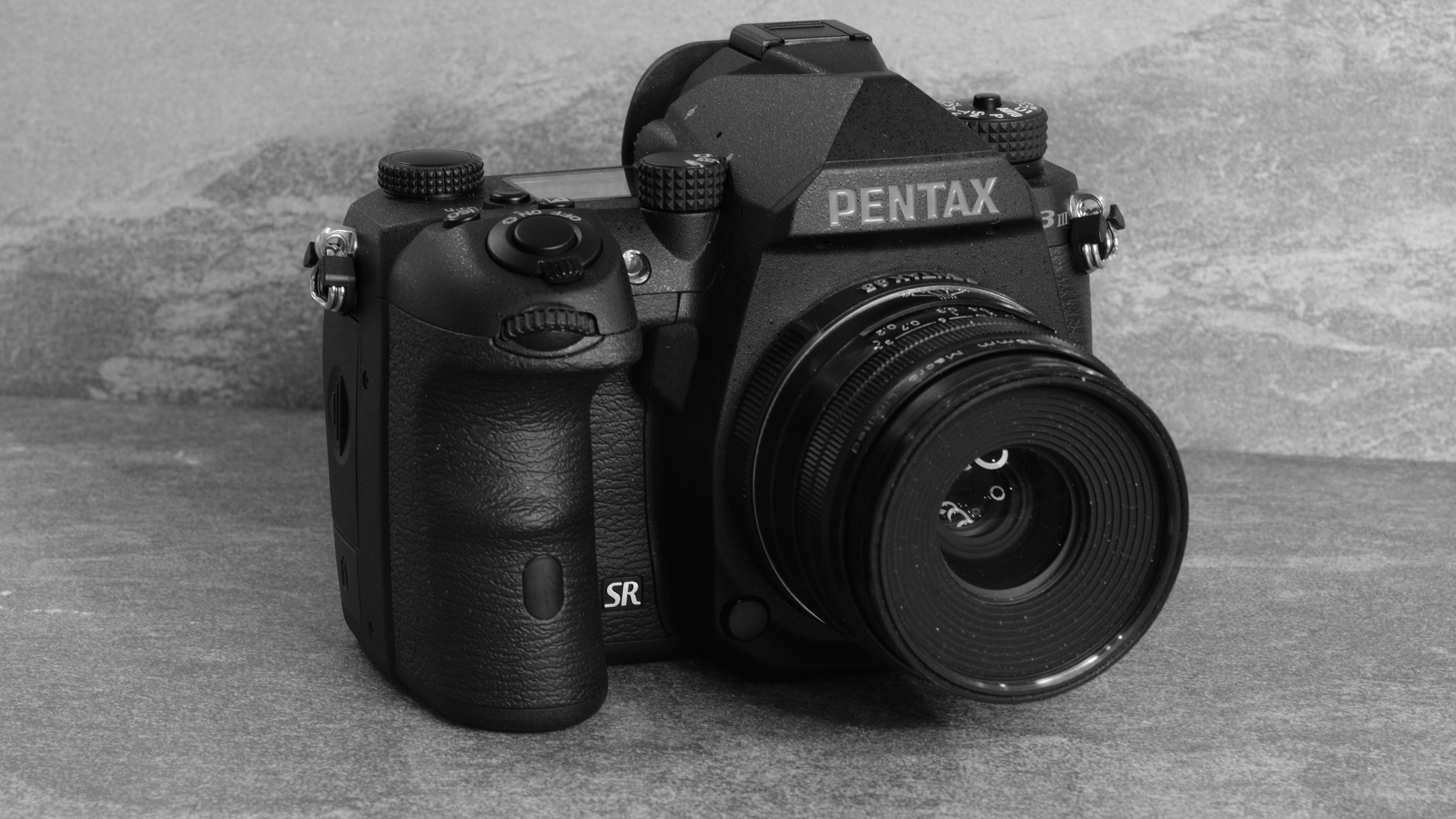
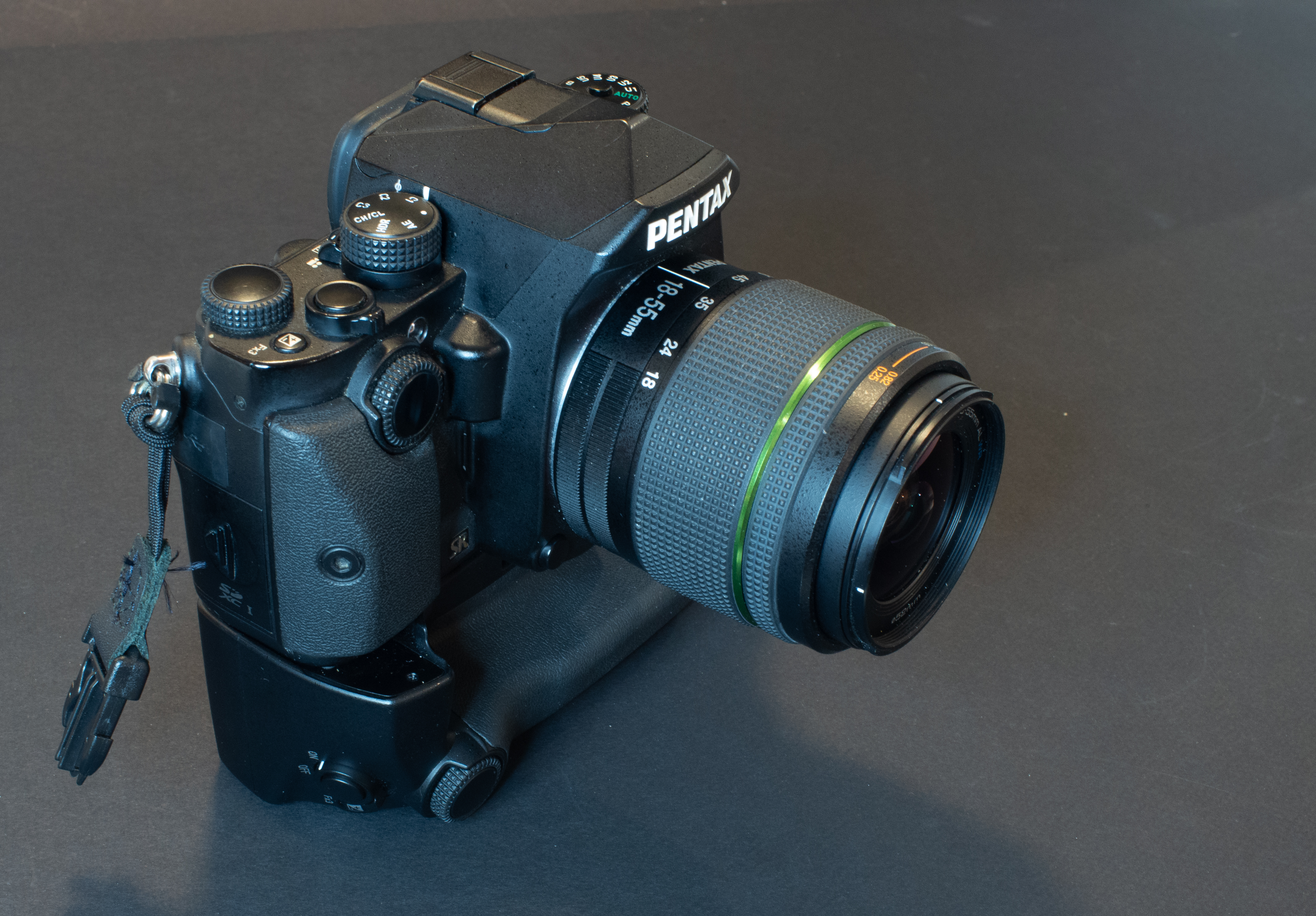
That being said, the K-3 III (and the K-3 III Monochrome) represent a marked improvement over the KP – they have all the features – dual card slot, top plate LCD display and big battery – that enthusiast photographers expect.
And a larger optical viewfinder, with a higher enlargement factor (1.05 instead of 1.0), and a finer and more luminous mate screen. The KP’s viewfinder is very good in its own right, but visibly not as nice as the K-3 III’s, which is probably the best viewfinder gracing any APS-C dSLR camera. Ever.
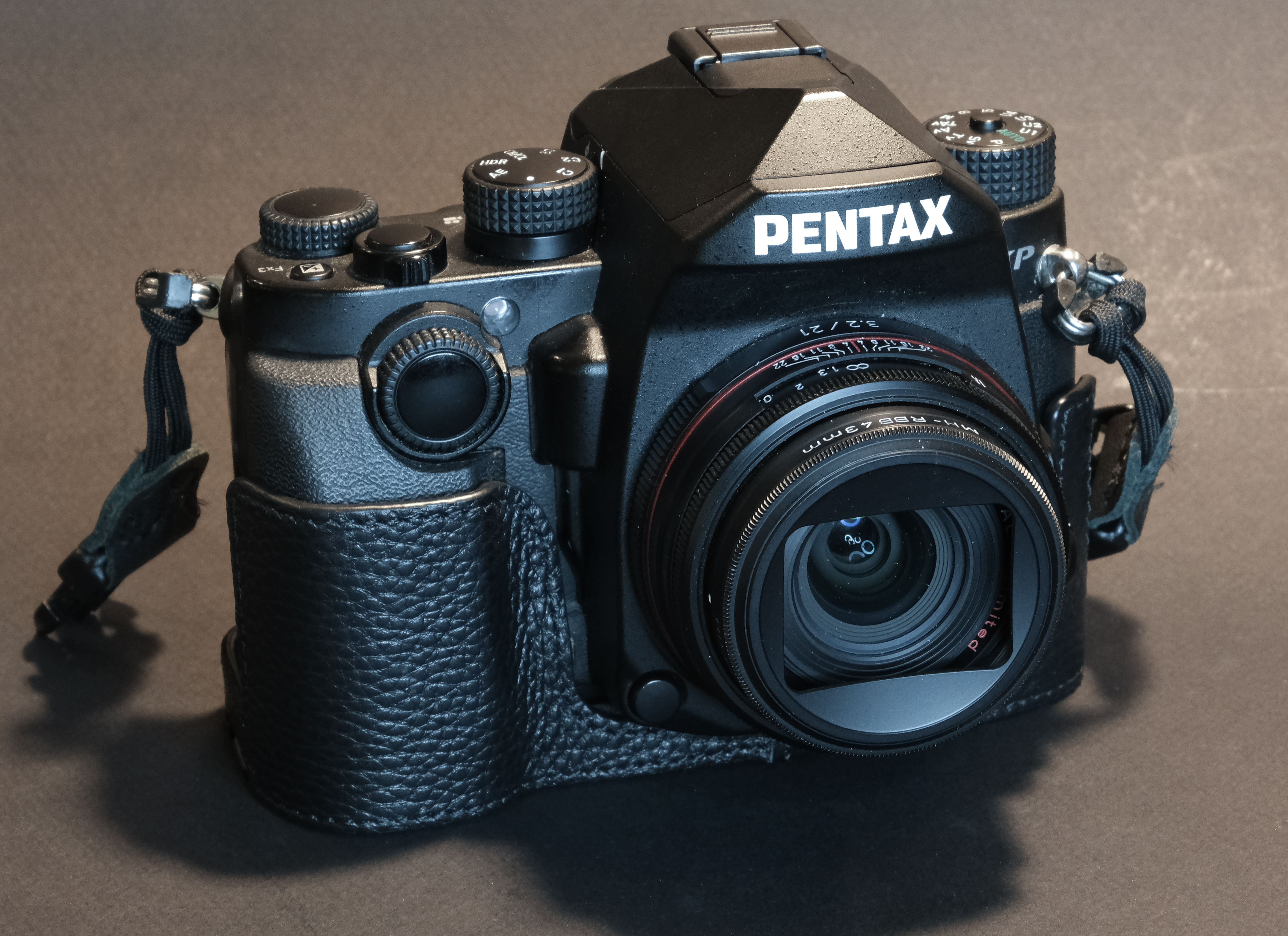
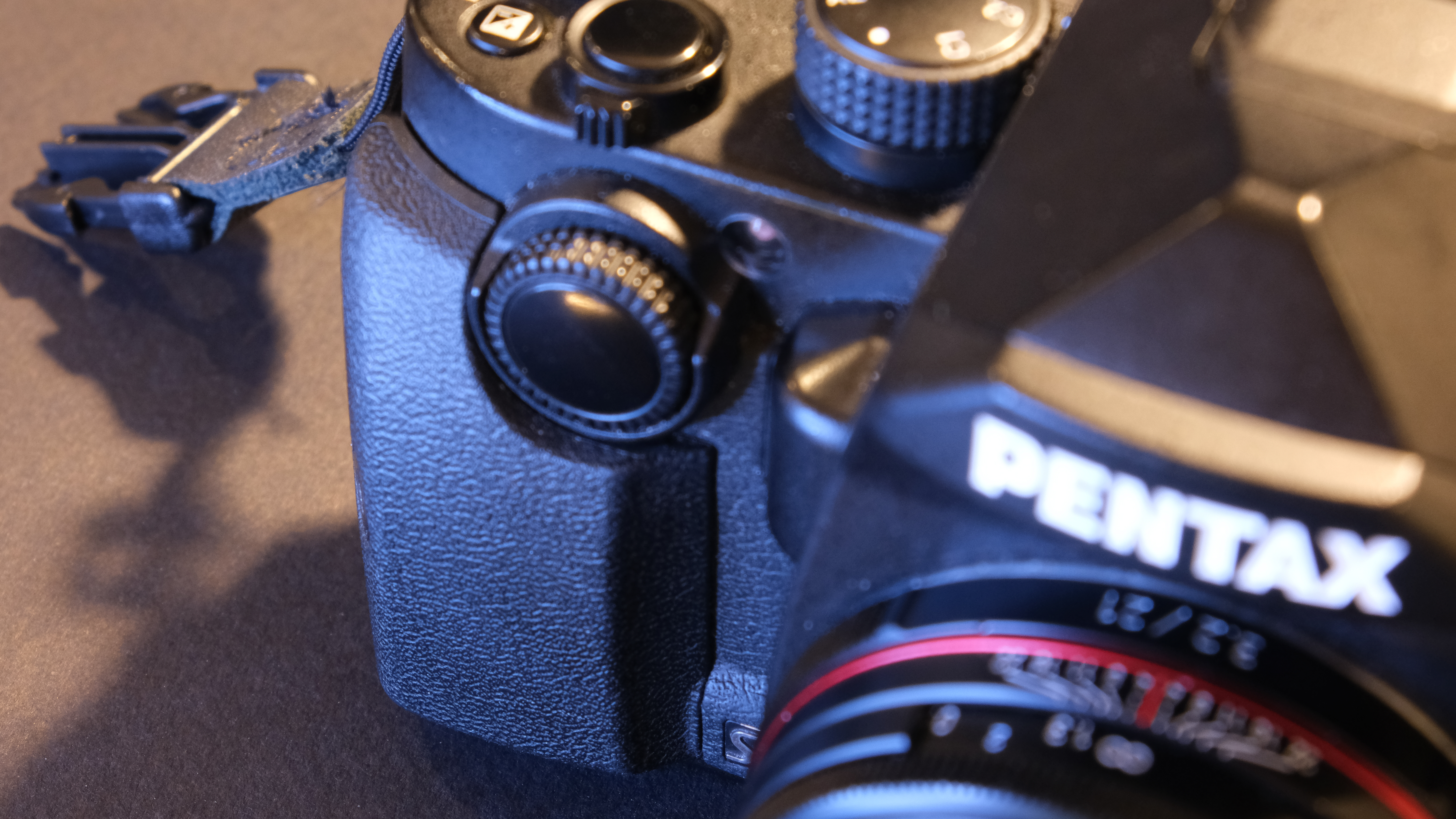
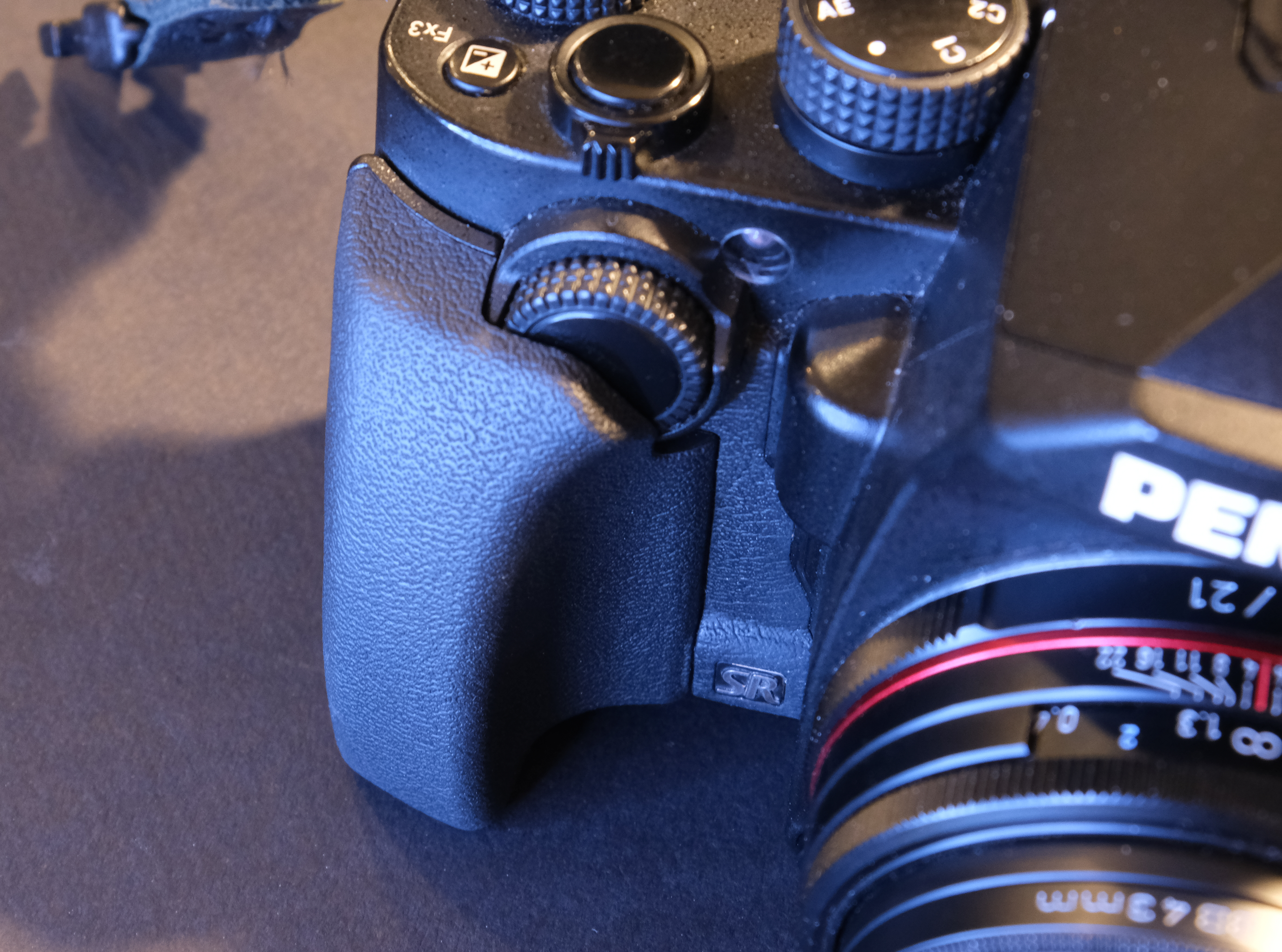
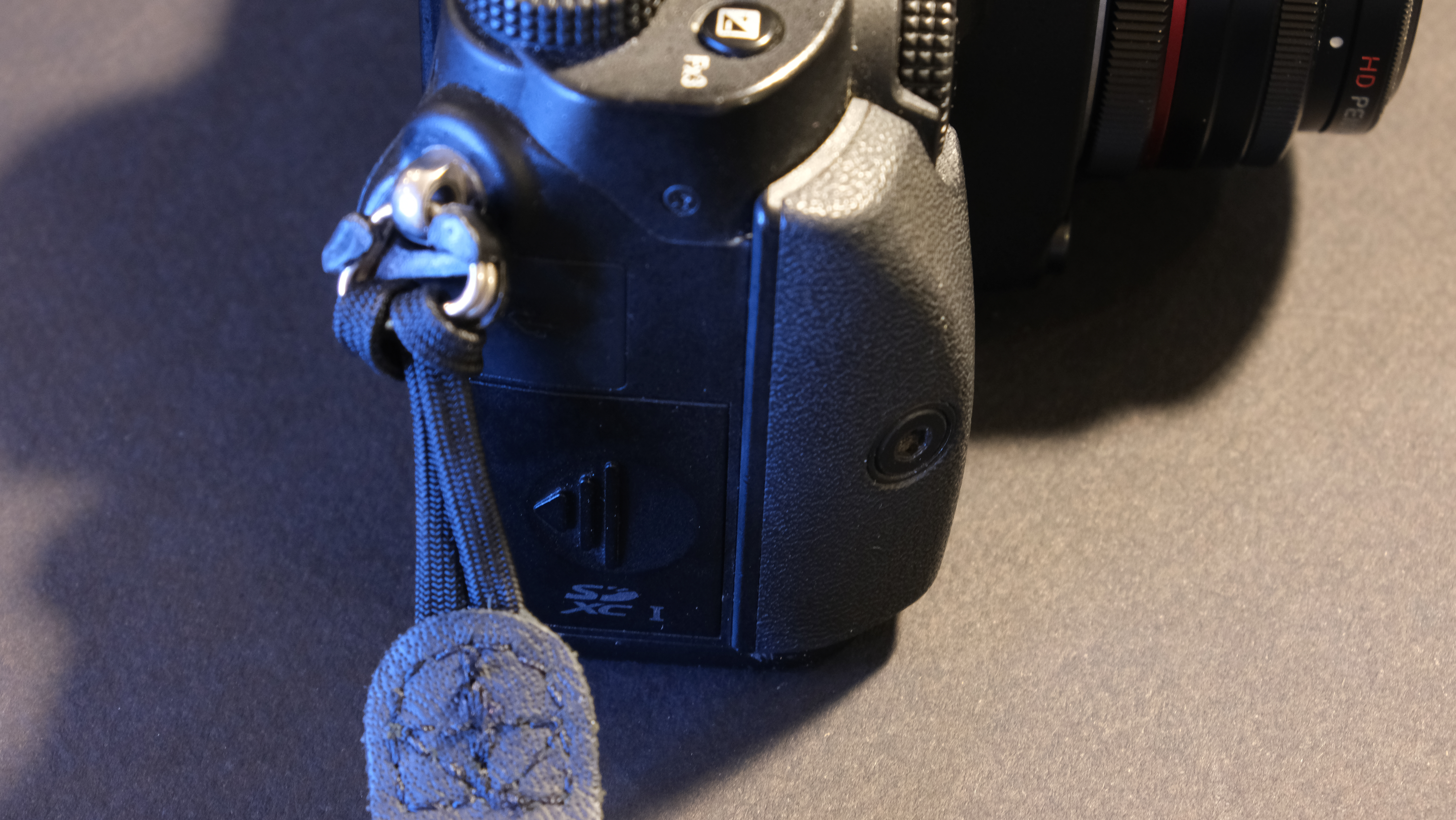
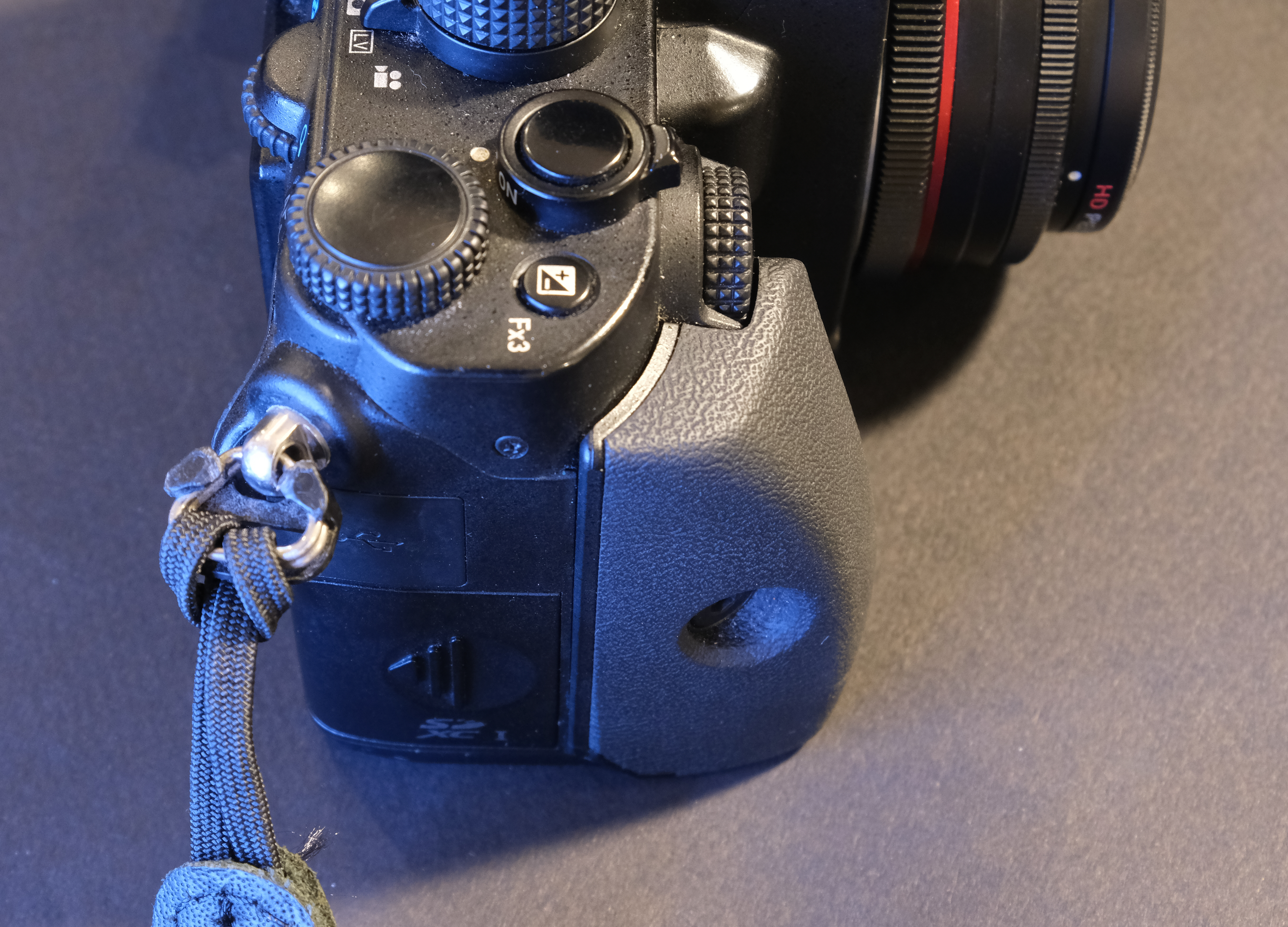
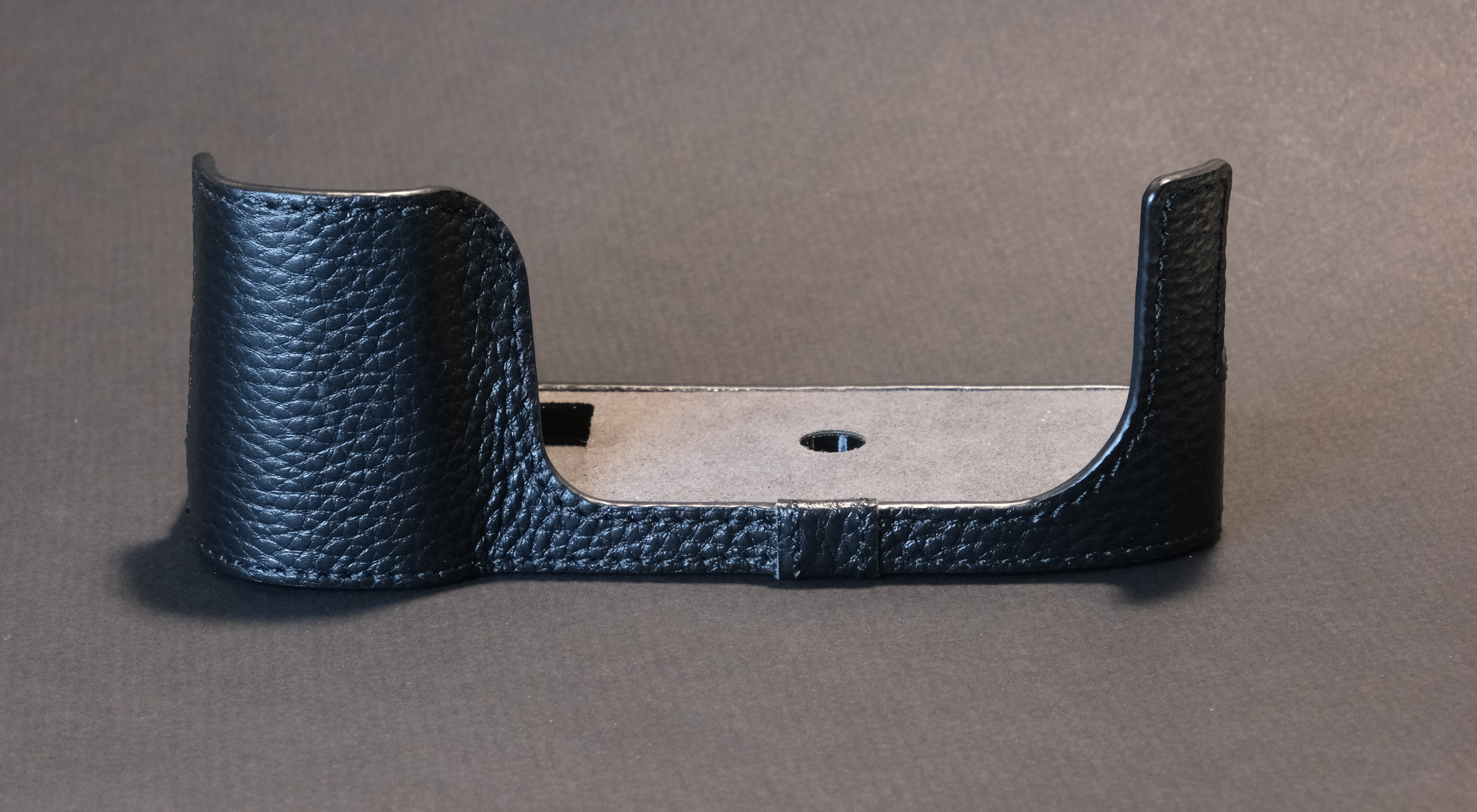
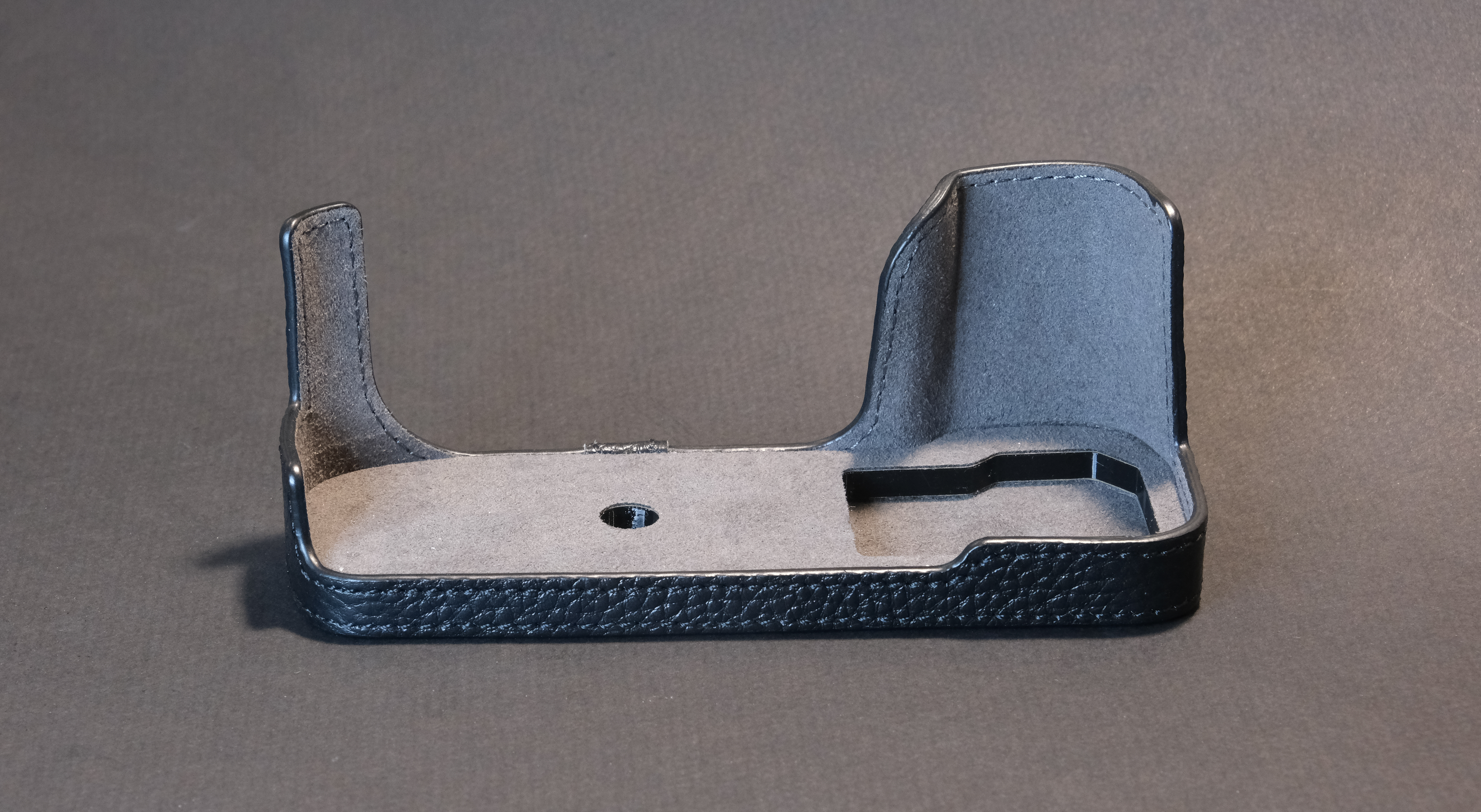
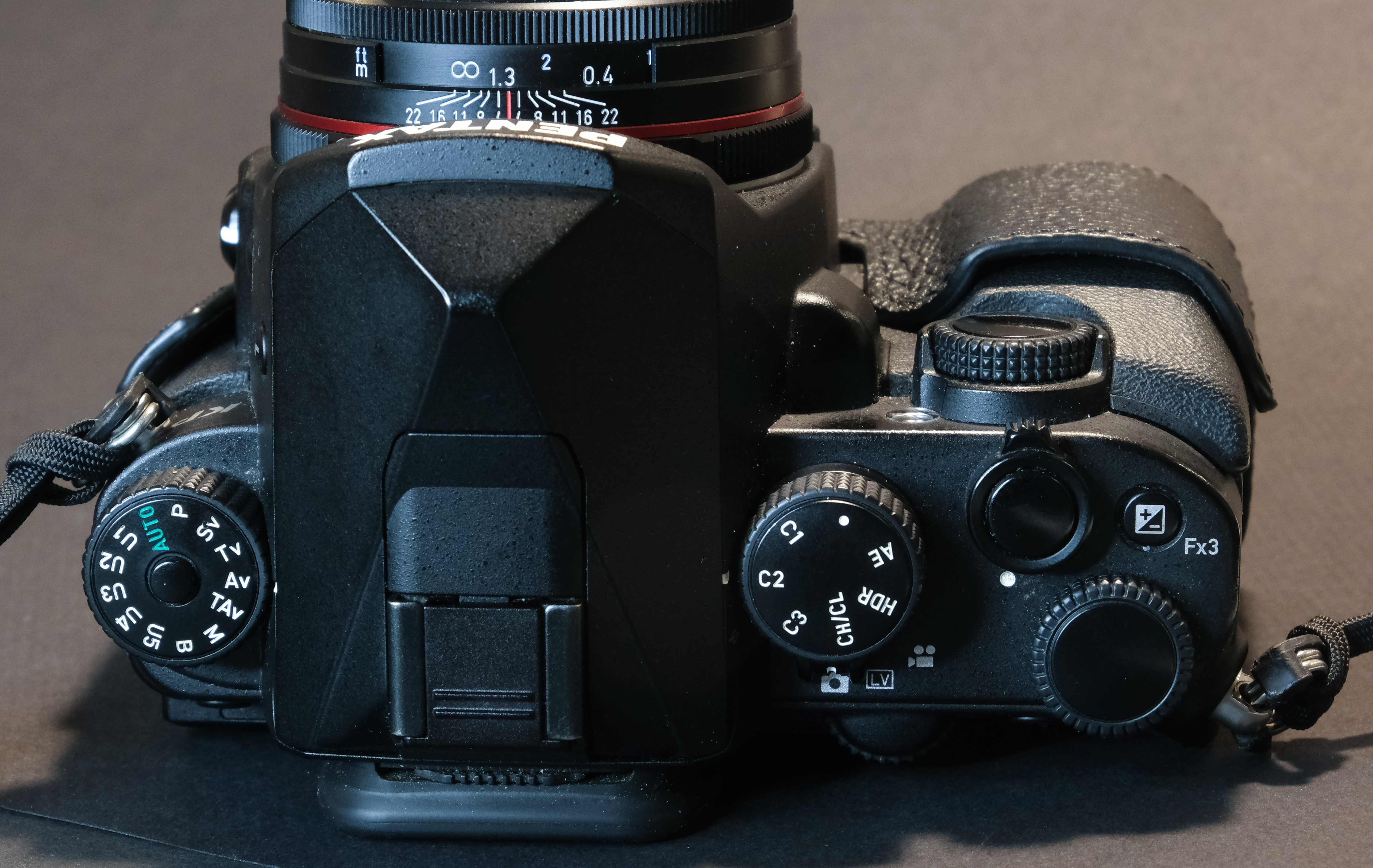
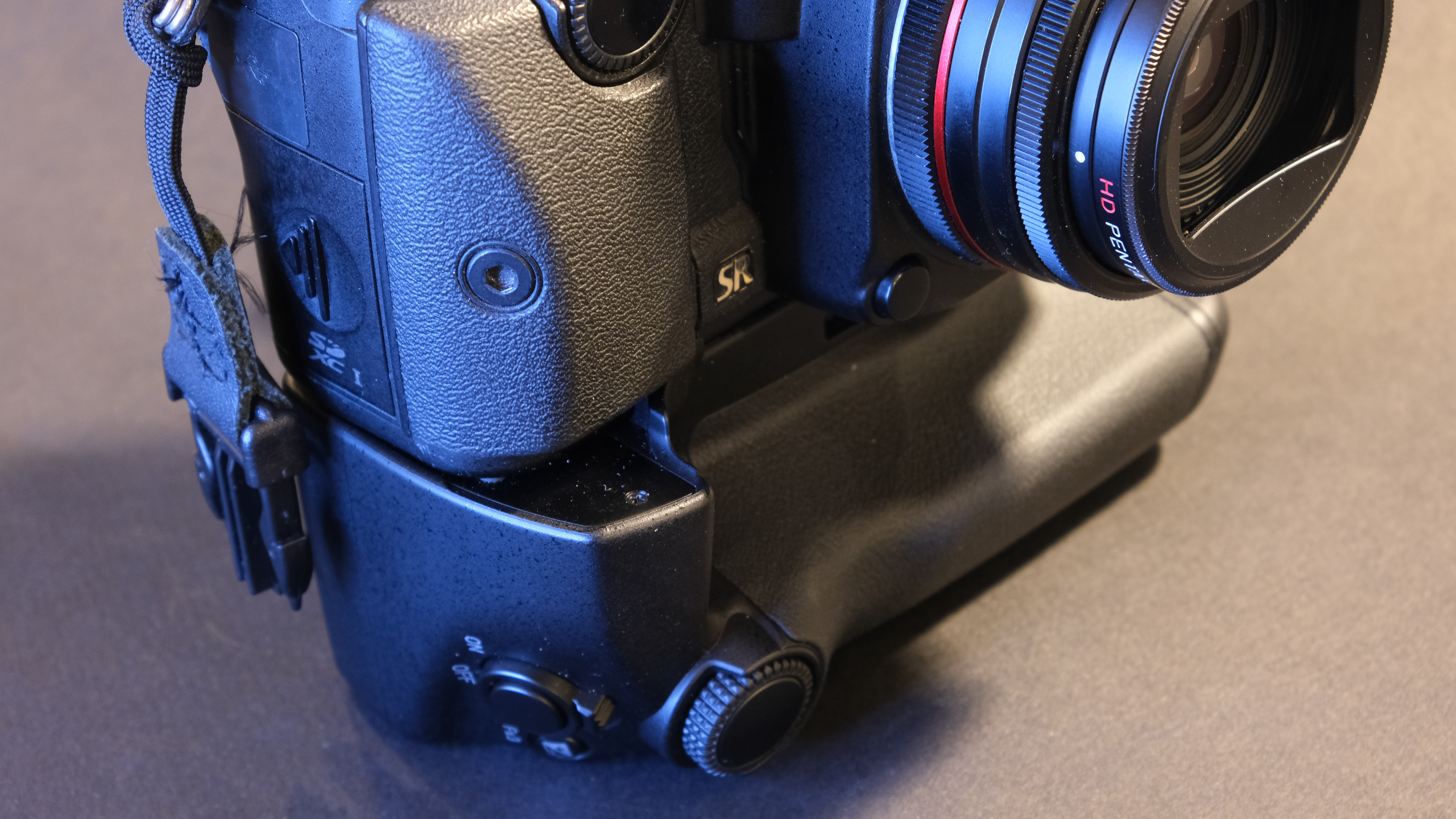
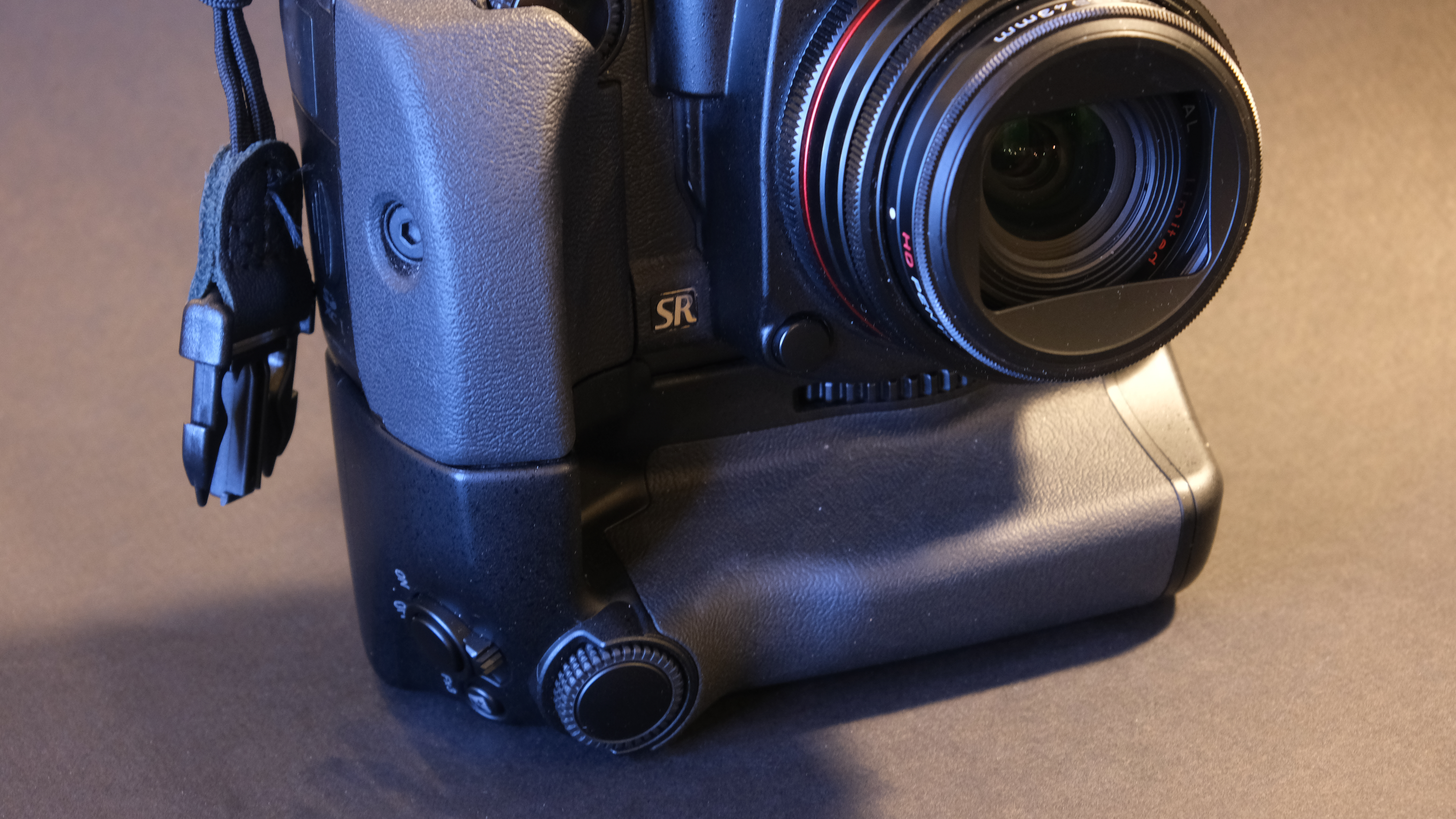
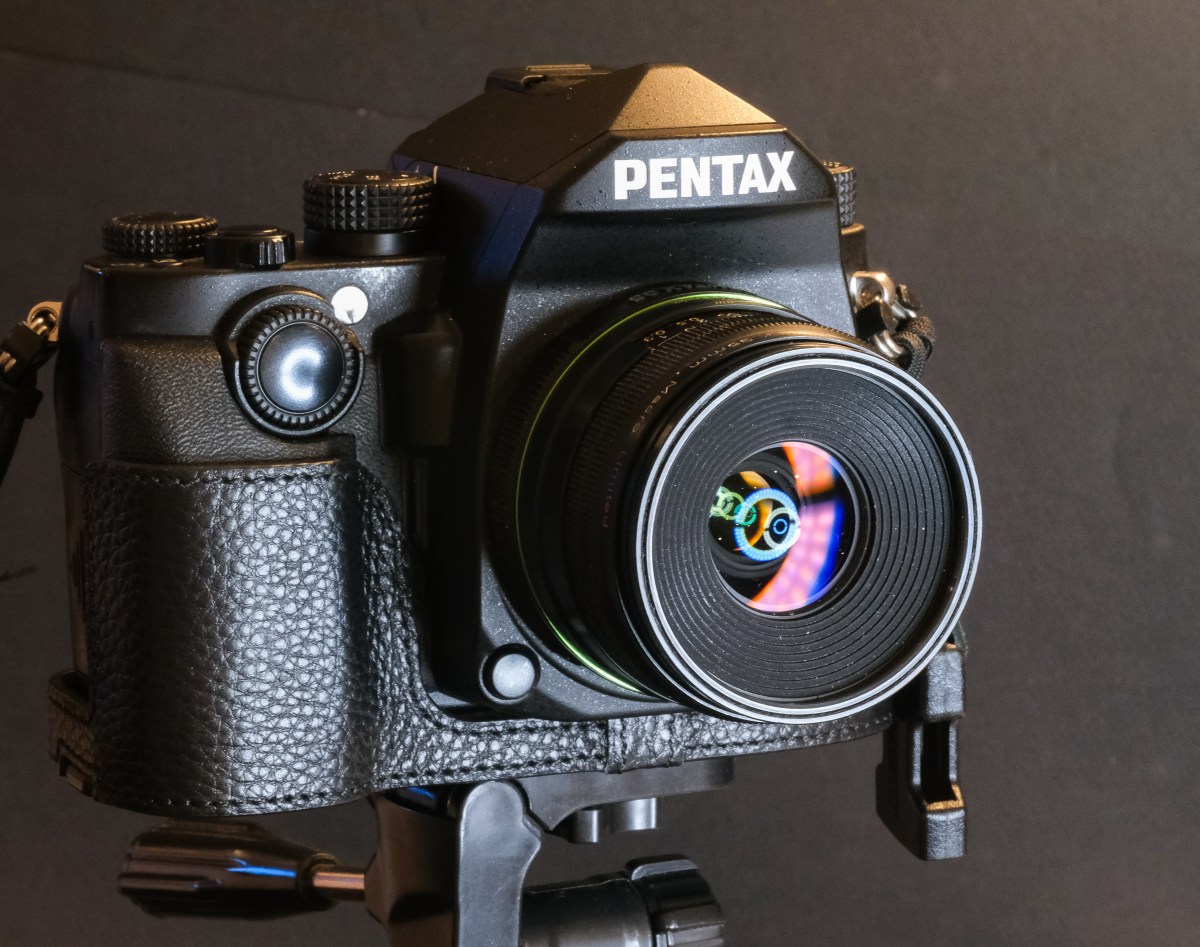
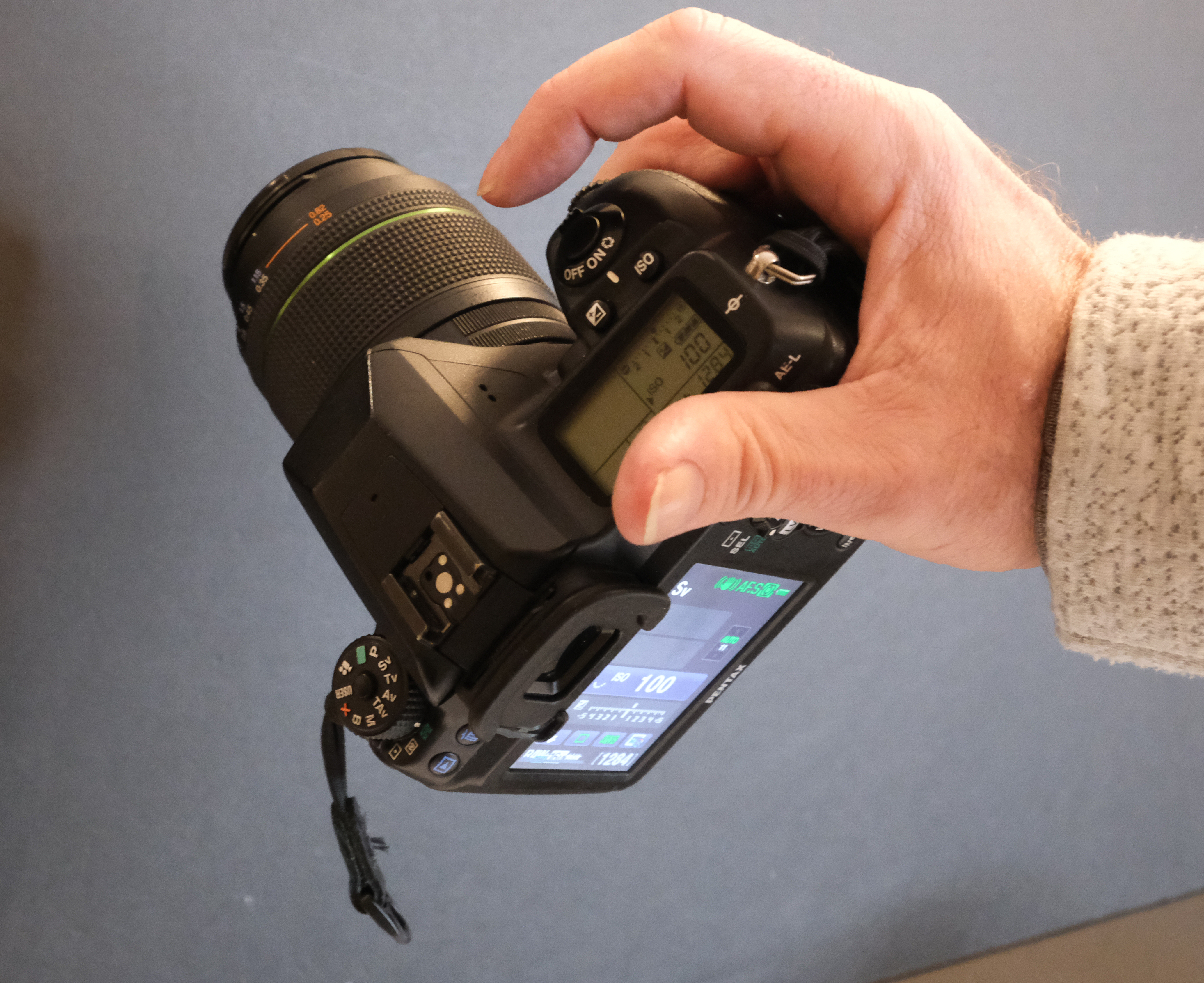
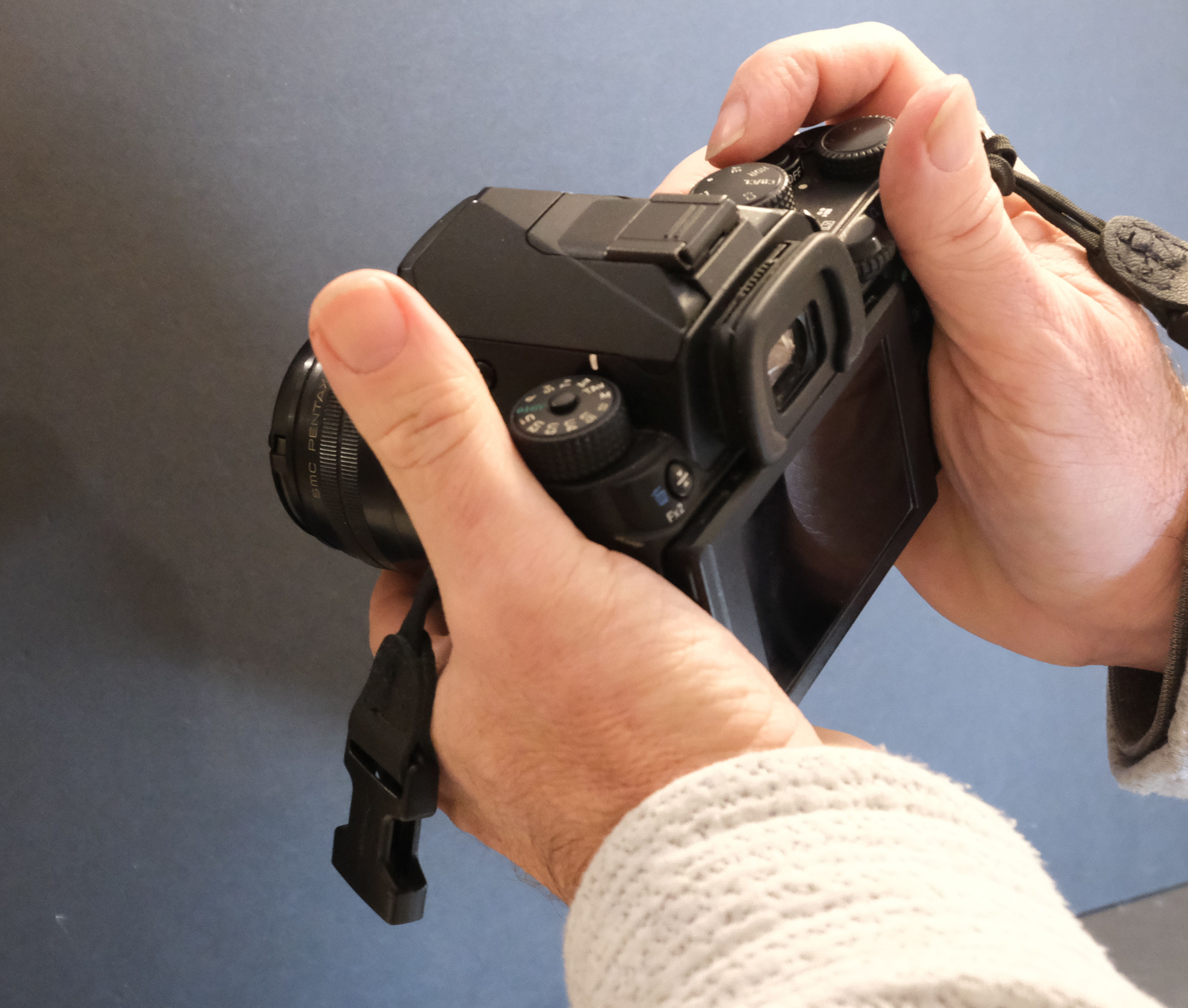
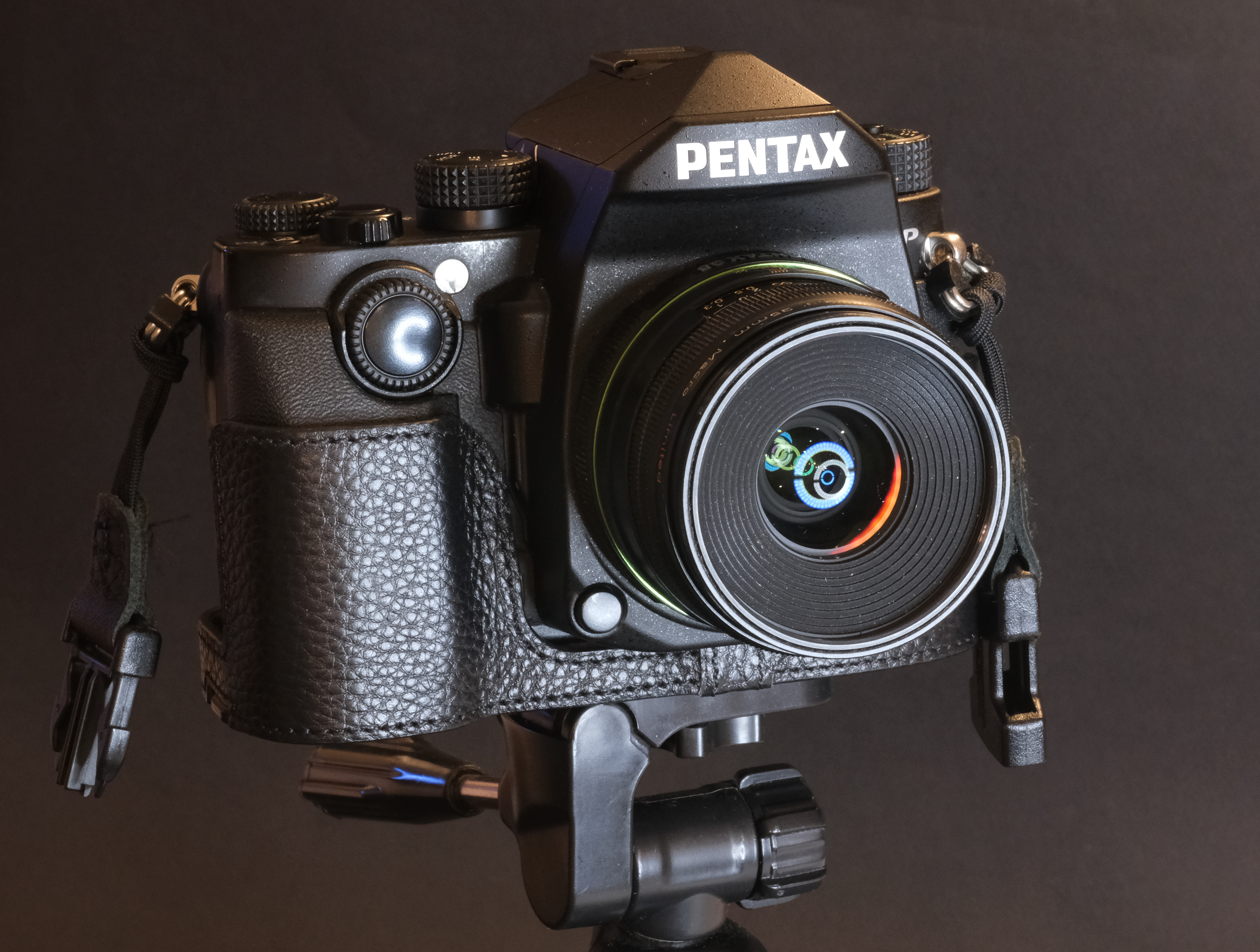
The K-3 III’s ergonomics are better with a large handgrip and a more easily accessible front dial, but with a leather half case the KP becomes fairly acceptable, at least for me. The battery of the K-3 is larger (1860 mAh instead of 1040 mAh on the KP), but the battery life of the latter, while disappointing for a dSLR, is still in the realm of tolerable for an amateur shooting less than 350 frames per session.
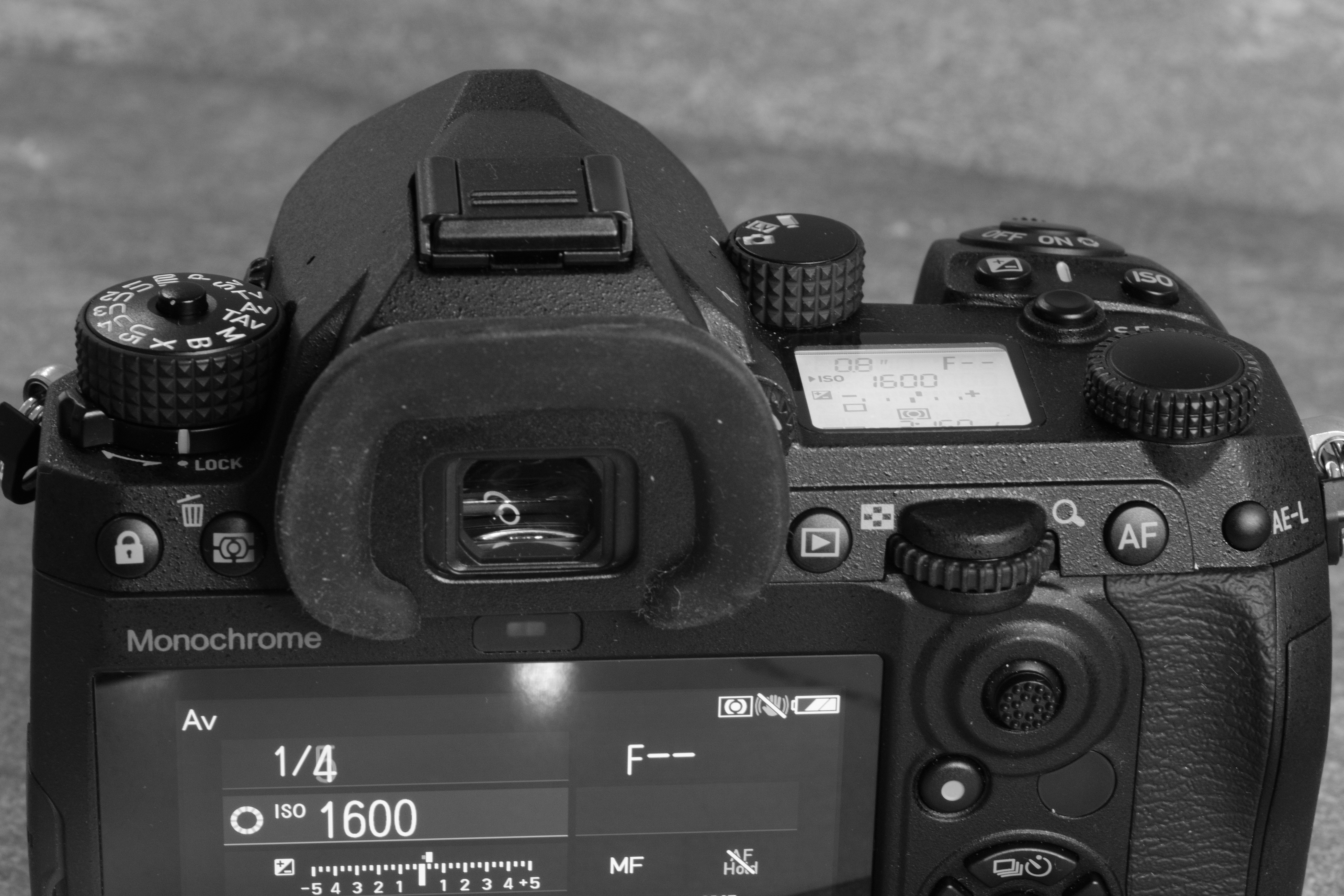
The K-3 III is a more recent camera, and like its modern mirrorless competitors, has a touch enabled LCD display. The focusing point is selected with a joystick, and the K-3 III supports low power Bluetooth connections and in-camera USB-C charging.
Lastly, because I only had the opportunity of shooting with my usual screw-drive autofocus lenses, I can’t offer an opinion about the K-3’s autofocus ultimate performance. And the K-3 III being limited to monochrome images, I can’t comment on how the image processing engine of the K-3 III (“Bayer”) renders colors in the JPEGs it generates. Autofocus speed and JPEG quality are both reported to be improved over the KP by photographers who have used the K-3 III with lenses with an integrated autofocus motor.
To summarize, the K-3 III is a better camera in every metric, much closer – at least for stills photography – to the state of the art mirrorless APS-C cameras of the Big Four than the nine year old KP.
The K-3 III beats the KP on performance, convenience and comfort. And it may very well be the most elaborate APS-C dSLR ever made (fighting for the crown with the Nikon D500). But would it help me deliver better pictures, more frequently?
I bought a Pentax KP last year because I felt that sometimes, I needed a break from mirrorless cameras – I wanted to reconnect with the pleasure of a good optical viewfinder and of a well thought (and simple) interface. That I like the colors of the images delivered by the KP when paired with Pentax’s “Limited” primes is a cherry on the cake.
When you shoot with a K-3 III, the changes over the KP seem more incremental than revolutionary. More “nice to have for an amateur like me” rather than “absolutely, definitively, have to have”.
At the end of the day, it’s about choosing between Very Good and the Ultimate Best. There is no doubt that the K-3 III is a better camera. But for my use case and my style of images, the KP fits the bill. On the second hand market, a nice KP can be found for $600 when a K-3 III (the “Bayer” version) is going to cost at least $1400. A photographer heavily invested in the Pentax K system will be of a different opinion, but as far as I am concerned, I find it hard to justify paying that much for the incremental improvements brought by a K-3 III.
“Monochrome Digital” and B&W film photography
The Pentax K-3 III Monochrome is unique: there are very few cameras with monochrome sensors on the market – only Leica, Pentax and Ricoh have monochrome versions of some of their models, and only one is a digital SLR, the K-3 III.
I hardly shot a hundred of pictures with the K-3 III Monochrome. It does not make me an expert in digital monochrome photography, and I can’t offer a definitive opinion on this camera (I linked two good analysis of the K-3 III Mono at the bottom of this post).
But I learned at least one thing in the process: “Monochrome Digital” is not a way to shoot black and white pictures while saving money on B&W film. Monochrome Digital is a different type of medium altogether.
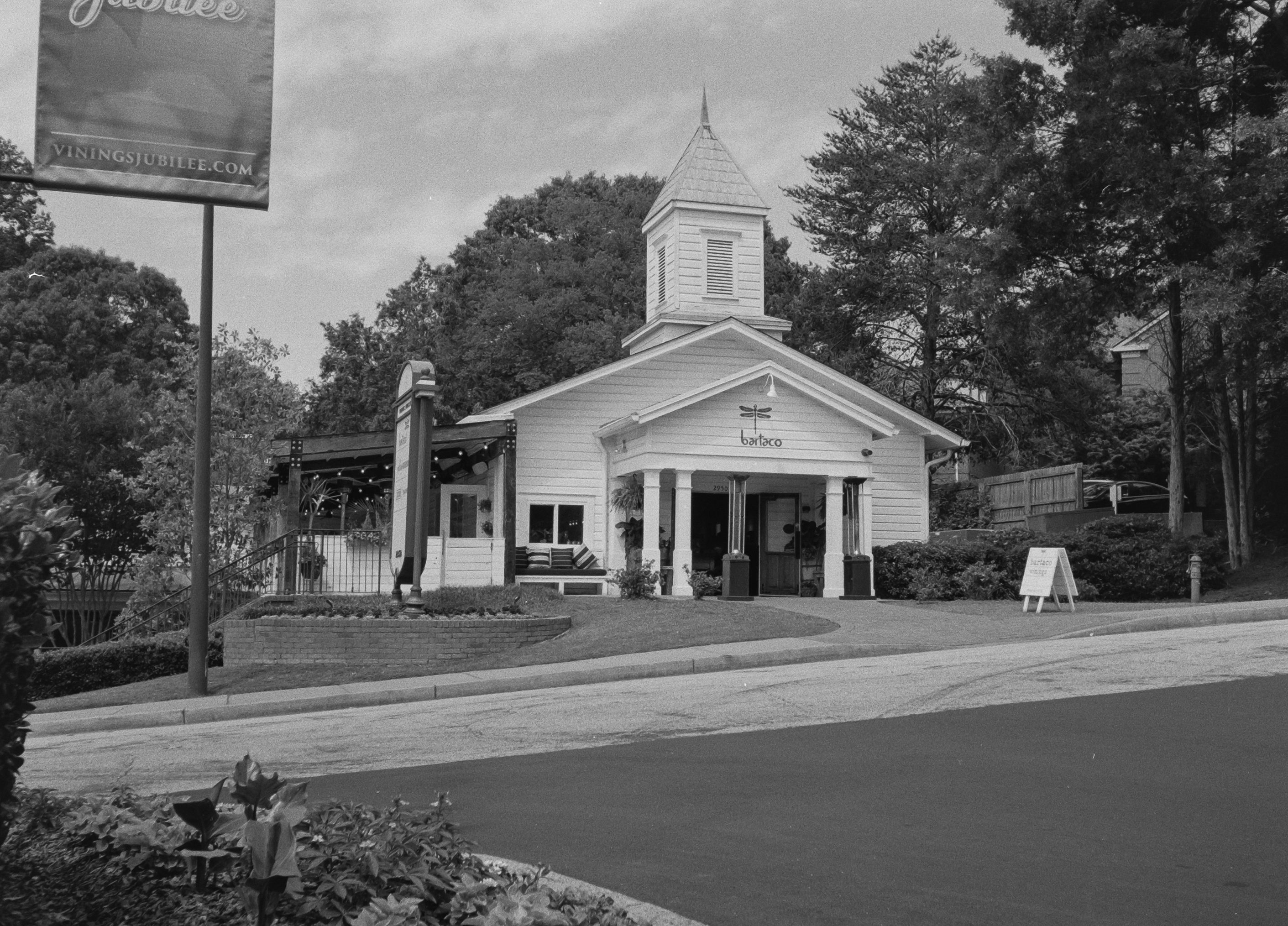
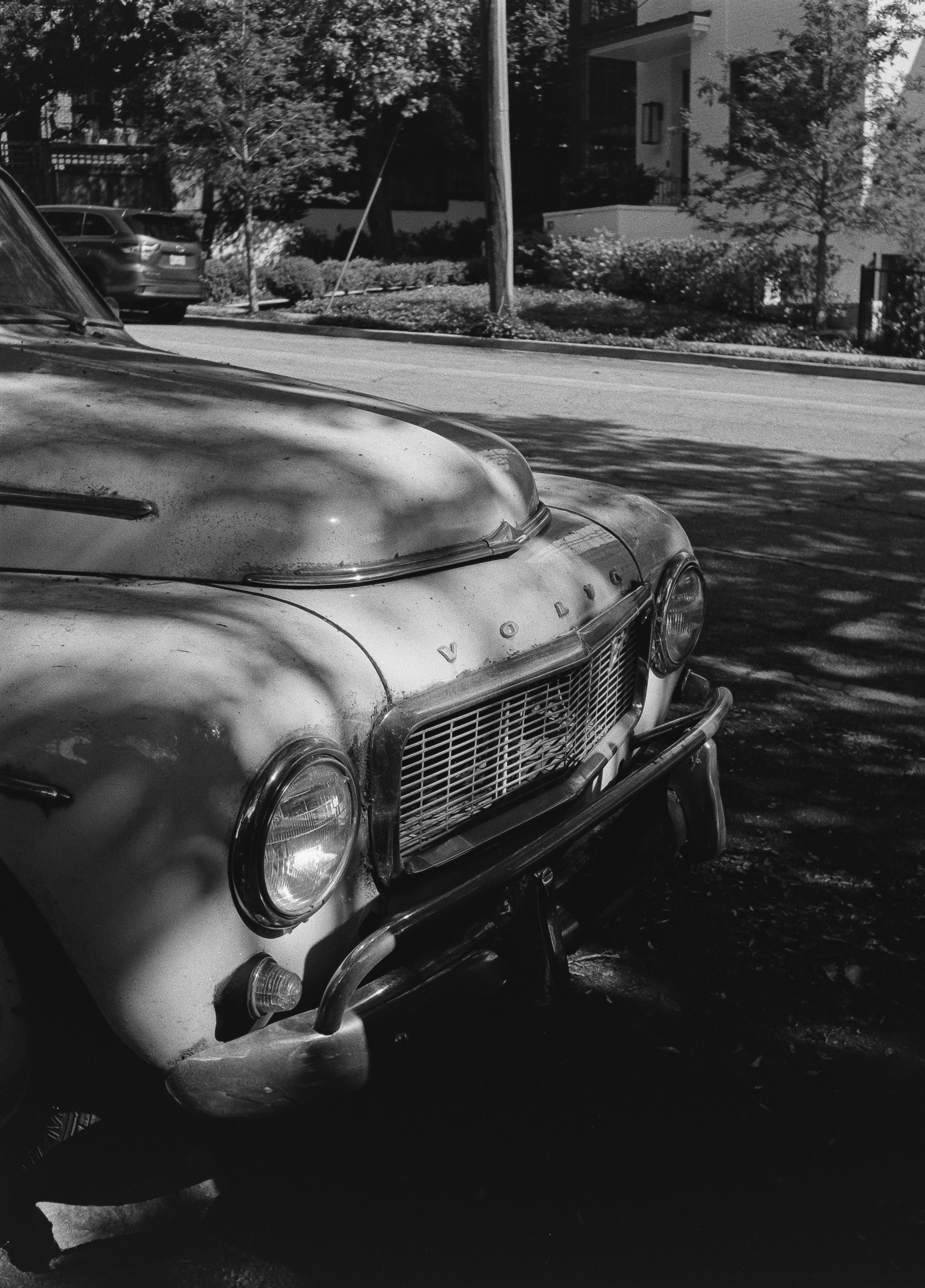
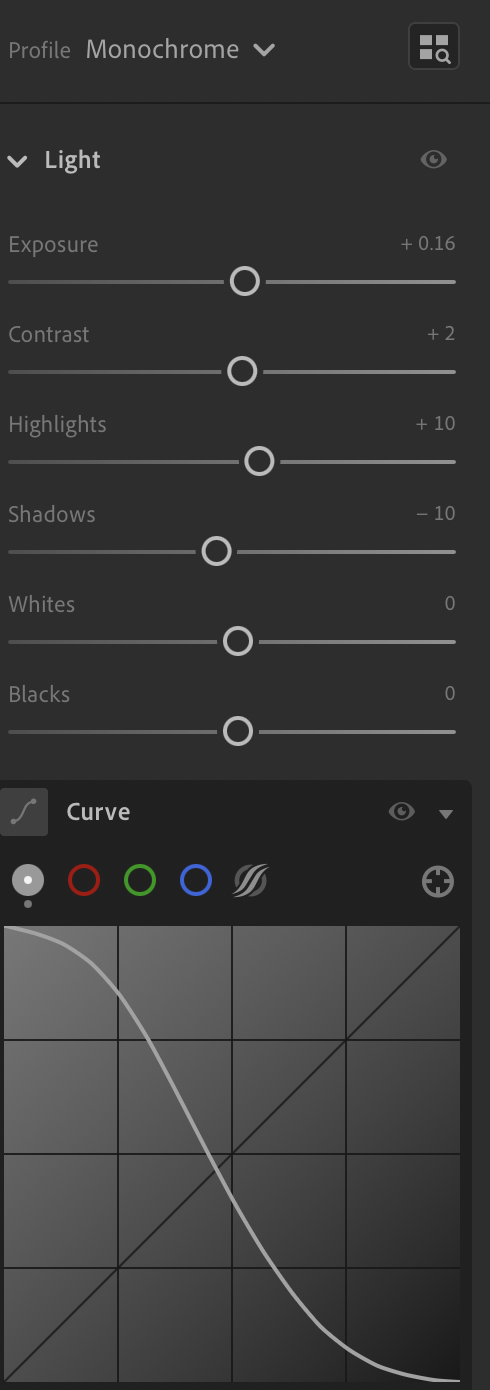
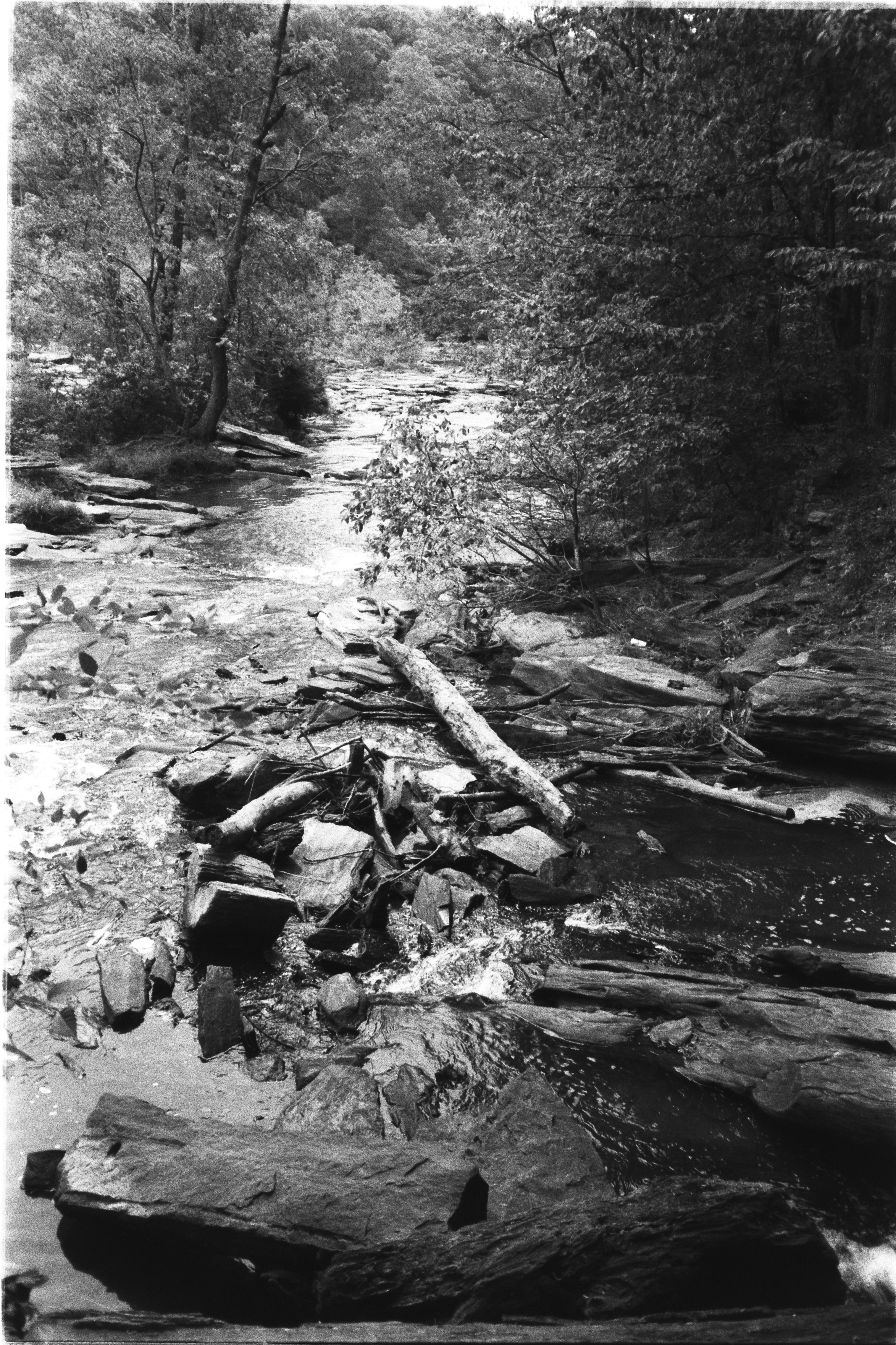
Images taken Straight Out of the Camera (SOC) are at the same time much smoother (no grain, with a larger dynamic range) and much more detailed than B&W film negatives, in particular in the shadows. Images are generally perfectly usable SOC, but are also more malleable and the photographer will be more frequently tempted to play with the tonal response (the S-Curve) than when shooting in color with a digital camera.
Taking advantage of a monochrome sensor will require a specific photographic style, and a specific post-processing workflow. There will be a learning curve before a photographer gets the images he or she can really be proud of. “Monochrome Digital” is definitely a commitment.
I tried to shoot a few urban landscapes, without much success (“it’s not the camera, it’s me…”) but I was impressed by the close-ups I took with a macro lens, and by pictures of interiors. In the right hands, this camera definitely has a huge potential.
When it was still available as a new camera a few months ago, the K-3 III Monochrome was selling for $200.00 more than the already very expensive K-3 III “Color”. Today, there are very few K-3 III Monochrome cameras available in the second hand market, most of them located in Japan. They typically sell between $1900 and $2300 once tariffs, fees and shipping costs have been added.
dSLRs are now relegated to a small niche, and a monochrome digital SLR is an extremely narrow niche within an already small niche. For a photographer seriously committed to digital monochrome photography, the K-3 III Monochrome is an interesting proposition, easier to use than a Leica M (it’s an autofocus dSLR) and more flexible than a Leica Q or a Ricoh GR (its lenses are interchangeable). But I don’t think I’m ready for it.
Other opinions about the Pentax K-3 III Monochrome
Andy Westlake in Amateur Photographer: “If you’re a Pentax user with a nice set of APS-C lenses, who loves shooting in black & white and has the money to spare, it’s an easy recommendation. It’s a fine camera that will repay you with superb results.” https://amateurphotographer.com/review/pentax-k-3-mark-iii-monochrome-review/
Keith Wee in his blog: “Like the Leica Monochrom cameras, the Pentax K-3 Mark III Monochrome removes the distraction of colour and replaces it with an immense tonal canvas” (https://keithwee.com/2025/12/10/a-first-impressions-review-of-the-pentax-k-3-mark-iii-monochrome/)
More recent content in CamerAgX



























































 CamerAgX - a new life for old gear